
News
Tuggar: Nigeria can be Propelled to Economic Growth with Effective Harnessing of Strengths of Her Diaspora

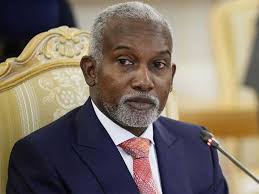
Tuggar: Nigeria can be Propelled to Economic Growth with Effective Harnessing of Strengths of Her Diaspora
By: Michael Mike
Minister of Foreign Affairs, Ambassador Yusuf Tuggar has said that with the effective harnessing of the strengths of Nigerians in Diaspora, the country can be propelled to economic growth, social development, and international standing.
Speaking on Thursday at the Diaspora Study Stakeholders Engagement Workshop organised by the Nigerian Institute of Social and Economic Research (NISER) in collaboration with Nigerians in Diaspora Commission (NISER), the Minister who was represented by the Director Economic, Trade and Investment in the Ministry of Foreign Affairs, Ambassador Bolaji Akinremi said: “Nigeria boasts one of the most dynamic and influential diaspora populations in the world.
“Across continents, Nigerians in the diaspora have made remarkable contributions to various sectors, including academia, medicine, technology, entrepreneurship, and diplomacy. Their remittances, expertise, and global networks serve as strategic assets that, when effectively harnessed, can propel Nigeria’s economic growth, social development, and international standing.”
He added that: “This workshop provides a platform to engage relevant stakeholders in the proposed diaspora study, ensuring its design and implementation align with national objectives and global best practices. It is imperative that we leverage the insights and inputs of key players, including government agencies, businesses, and scholars, to develop a study that informs policies aimed at maximizing diaspora contributions.”
The Minister to fully take serious the sessions, noting “that the success of this study will not only enhance diaspora engagement but also reinforce Nigeria’s position as a nation that values and integrates its global citizens in national development.”
On her part, the Chairman/CEO, Nigerians in Diaspora Commission (NIDCOM), Hon. Abike Dabiri-Erewa, said: “Nigeria is blessed to have one of the world’s most resourceful and active diaspora groups, with professionals flourishing in a variety of fields across continents. One untapped resource that could greatly aid Nigeria’s economic and social change is the abundance of networks, expertise, and knowledge they hold.”
She added that: “In order to effectively engage and utilise the enormous potential of our diaspora population, this study aims to give us a thorough grasp of how to do so. It is about developing evidence-based policies and initiatives that will lead to significant contributions to the development of the country, not just gathering data.”
She noted that: “Some of the policy measures to harness Diaspora contribution for national development include creating investment opportunities, establishing diaspora-specific investment funds, facilitating knowledge transfer through mentorship and training programs, enabling easier access to markets and networks in their home country and many more. By implementing these measures effectively, we can leverage the skills, resources, and networks of our diaspora communities for sustainable national development.”
Dabiri-Erewa while stating that: “This workshop is a platform to exchange ideas, dig into think-tanks of knowledge, refine strategies, and ensure that the study’s design and implementation are robust and inclusive,” told the participants that: “Your insights, experiences, and recommendations will be invaluable in ensuring that this research leads to actionable policies that truly make an impact.”
The Director General of Nigerian Institute of Social and Economic Research (NISER), Prof. Antonia Simbine said Nigeria’s diaspora community is one of the largest and most influential in the world, with over 17 million Nigerians residing abroad, noting that: “Our diaspora population is distinguished by its high level of professional expertise, spanning fields such as medicine, information technology, engineering, education, finance, and entrepreneurship.
“Beyond remittances—which amounted to $23.8 billion in 2019 before declining to $19.5 billion in 2023—the Nigerian diaspora contributes to national development in non-financial ways, including technology transfer, knowledge exchange, investment, and policy advocacy.
She said: “However, despite these contributions, a significant portion of diaspora remittances (about 70%) is directed towards consumption, rather than productive investments that could drive large-scale industrial growth and innovation in Nigeria. This reality underscores the need for this study, which aims to identify policy measures that will enhance the efficiency and impact of diaspora contributions to Nigeria’s socio-economic development.”
She revealed that: “This workshop provides a platform for engagement with key stakeholders—including government ministries, professional bodies, Nigerian diaspora organizations, embassies of our study countries, and the academia—to ensure that the study design, implementation, and outcomes align with national development goals.”
Tuggar: Nigeria can be Propelled to Economic Growth with Effective Harnessing of Strengths of Her Diaspora


Bangladesh High Commissioner Says Lalon Shah’s Philosophy Can Strengthen Nigeria’s Unity
…Envoy highlights interfaith harmony, rejects identity-based discrimination, urges cultural exchange
By: Michael Mike
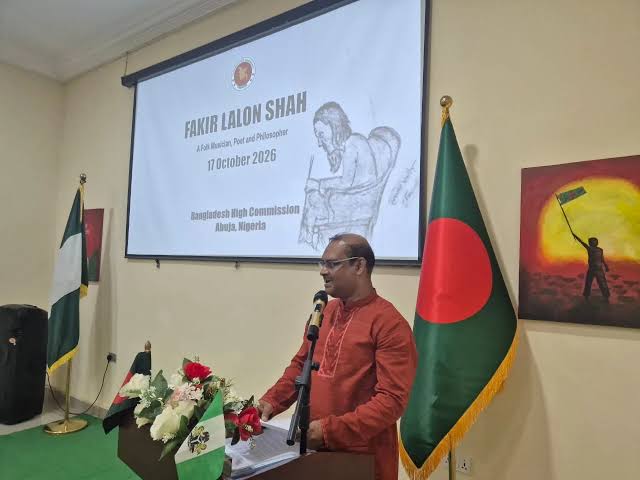
The Bangladesh High Commissioner to Nigeria, Miah Md Mainul Kabir, has said the philosophy of Bangladeshi mystic poet Fakir Lalon Shah offers important lessons for Nigeria’s efforts to strengthen national unity, promote interfaith harmony and tackle discrimination rooted in religious and social identities.
Kabir said Lalon’s teachings on human dignity, self-knowledge and the rejection of social divisions remained relevant to Nigeria, a country of diverse ethnic groups, languages and religious traditions facing the continuing challenge of building peaceful coexistence.
“Nigeria is a country of extraordinary diversity, home to hundreds of ethnic groups, numerous languages and different religious traditions. This diversity is one of Nigeria’s greatest cultural assets,” the High Commissioner said.
He added that managing such diversity required sustained efforts to promote mutual respect, social inclusion and peaceful coexistence, noting that Lalon’s philosophy offered valuable lessons for Nigeria and other multicultural societies.
Kabir described Lalon Shah as a mirror of Bangla culture whose poetry reflected the richness of Bengali traditions while challenging divisions created by religion, caste and social status.
He said the mystic poet directed much of his work towards ordinary people rather than the urban elite, appealing to their human dignity and spiritual worth.
Lalon’s rejection of caste discrimination was a central feature of his philosophy. Living in a society marked by caste hierarchies and oppression, he questioned the origins and legitimacy of social distinctions that placed some people above others by birth.
Through the question, “Jatir utpati kothay?” — meaning, “Where did caste originate?” — Lalon challenged the foundations of a system that divided humanity according to inherited status.
His philosophy, Kabir noted, called for a society free from caste and class barriers, affirming the dignity of people regardless of their social background or religious affiliation.
The High Commissioner, speaking at the weekend at a occasion hosted by the High Commission in honour of the referred late folk, poet, musician and philosopher, said Lalon’s message had enduring significance at a time when globalisation could marginalise vulnerable communities and weaken regional cultural identities, while violent fanaticism threatened peaceful coexistence.
He explained that Lalon’s teachings combined spiritual devotion with respect for humanity, encouraging people of different faiths to recognise their common bonds rather than allow religious differences to become sources of conflict.
“He invites all religions to come together under the undivided One,” Kabir said.
The diplomat also highlighted the relevance of Lalon’s emphasis on self-knowledge to young people, particularly in an age of social media, rapid communication and competing narratives.
He said young people were increasingly exposed to messages capable of either promoting understanding or reinforcing prejudice, making critical reflection essential to building tolerant communities.
Lalon’s invitation to examine oneself before judging others, he said, encouraged intellectual humility and a willingness to question inherited assumptions.
Beyond its philosophical significance, Kabir identified Lalon’s musical heritage as an opportunity to deepen cultural relations between Nigeria and Bangladesh.
He noted that music remained an important means through which Nigerian communities preserved their histories, expressed their identities and communicated social experiences.
Bangladesh’s Baul musical tradition, represented by Lalon Shah, offered opportunities for both countries to explore how music could preserve cultural memory, communicate philosophical ideas and bring people together across linguistic and geographical boundaries.
Lalon, popularly known as Bauler Raja, or King of the Bauls, remains an influential figure in Bangladesh’s cultural life, with his songs continuing to be performed by Baul musicians and devoted followers.
Kabir said greater cultural engagement between Nigeria and Bangladesh could demonstrate how artistic traditions helped societies appreciate their differences while identifying shared values.
He concluded that Lalon Shah’s message remained relevant far beyond Bangladesh, particularly for societies seeking to reconcile cultural diversity with social cohesion.
“Lalon’s message is simple but profound: our differences deserve respect, but they should never diminish our common humanity,” he said.
“That message has enduring relevance for Nigeria, for Bangladesh and for the world.”
Bangladesh High Commissioner Says Lalon Shah’s Philosophy Can Strengthen Nigeria’s Unity
OPEP Troops Raid Militia Hideout in Plateau, Arrest Suspect, Neutralise Another
By Zagazola Makama
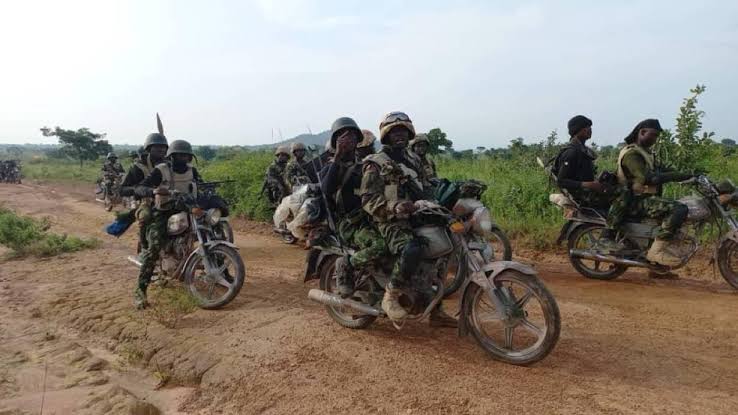
Troops of Operation Enduring Peace (OPEP) have arrested a suspected militia member and neutralised another during a raid on Lugere Village in Barkin Ladi Local Government Area of Plateau State.
Security sources said the operation was conducted at about 4:12 a.m. on Oct. 17, 2026, by troops of Sector 4 of OPEP.
During the raid, the troops apprehended one suspected militia member and recovered a motorcycle.
Another suspected militia member was reportedly neutralised after attempting to escape during the operation.
The arrested suspect is undergoing further exploitation to obtain information that could assist security forces in identifying and apprehending other members of the suspected gang.
The operation forms part of ongoing efforts by OPEP to track down armed groups and disrupt their activities across Plateau State.
Security authorities have continued to pursue intelligence-led operations aimed at improving security and protecting communities affected by recurring violence in the state.
OPEP Troops Raid Militia Hideout in Plateau, Arrest Suspect, Neutralise Another
Ajakuta: Borno loses infrastructure worth billions to scavengers, Zulum says
By: Our Reporter
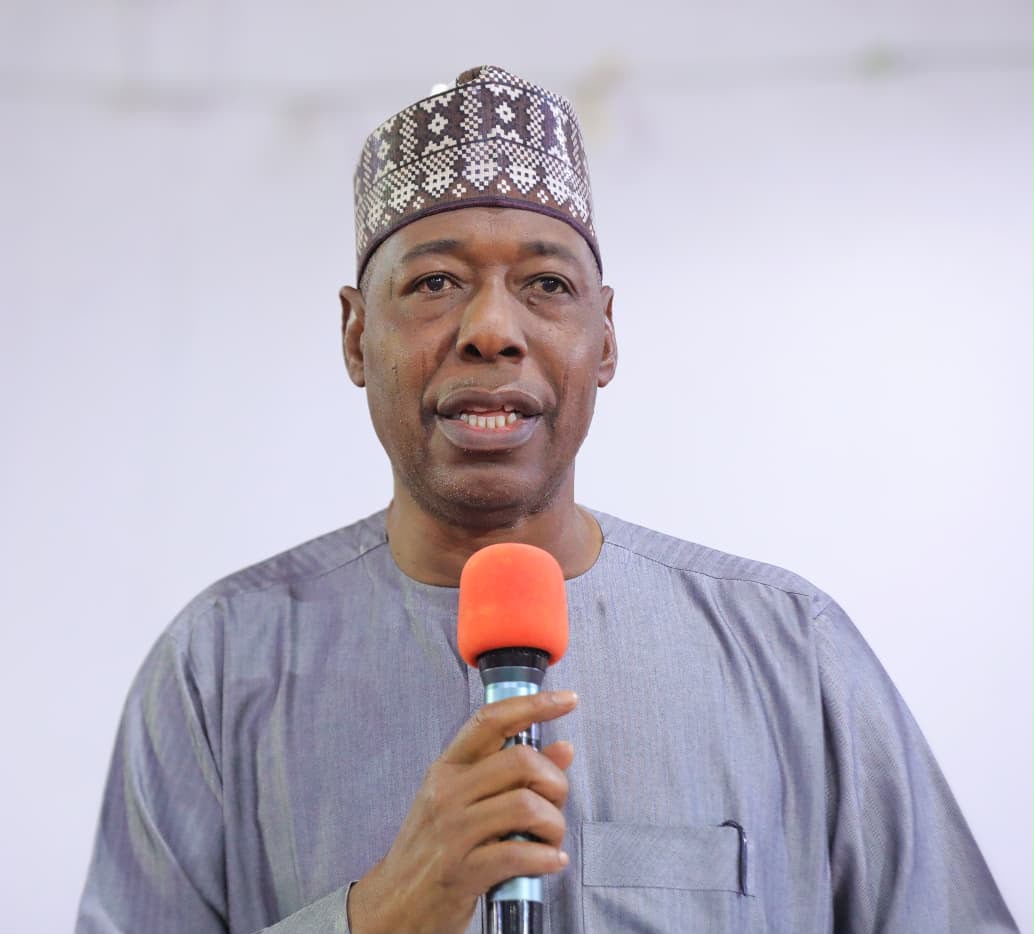
Borno State Governor, Babagana Umara Zulum, has revealed that the state has lost metals, electrical materials and infrastructure worth billions of naira to scavengers, locally known as Ajakuta.
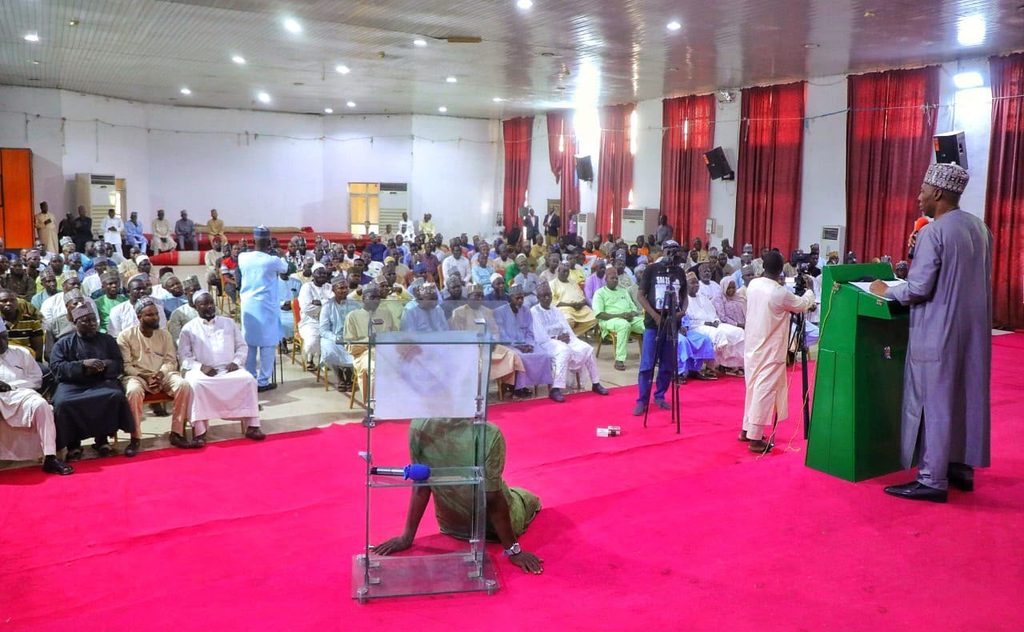
He said this, among other security concerns, led to a ban on the scrap metal trade in Borno State.
The Governor disclosed this on Saturday while addressing operators, urging them to submit proposals on how they can continue their businesses without contributing to insecurity or destroying public infrastructure.
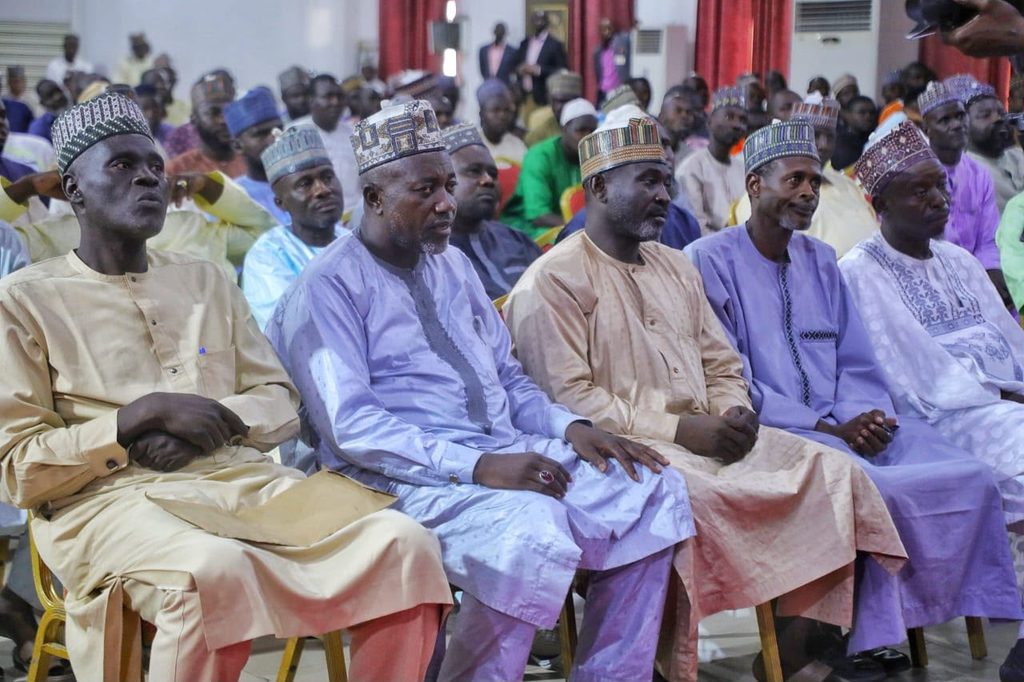
Zulum explained that the ban was imposed in the overall interest of the state and not to deprive operators of their livelihood.
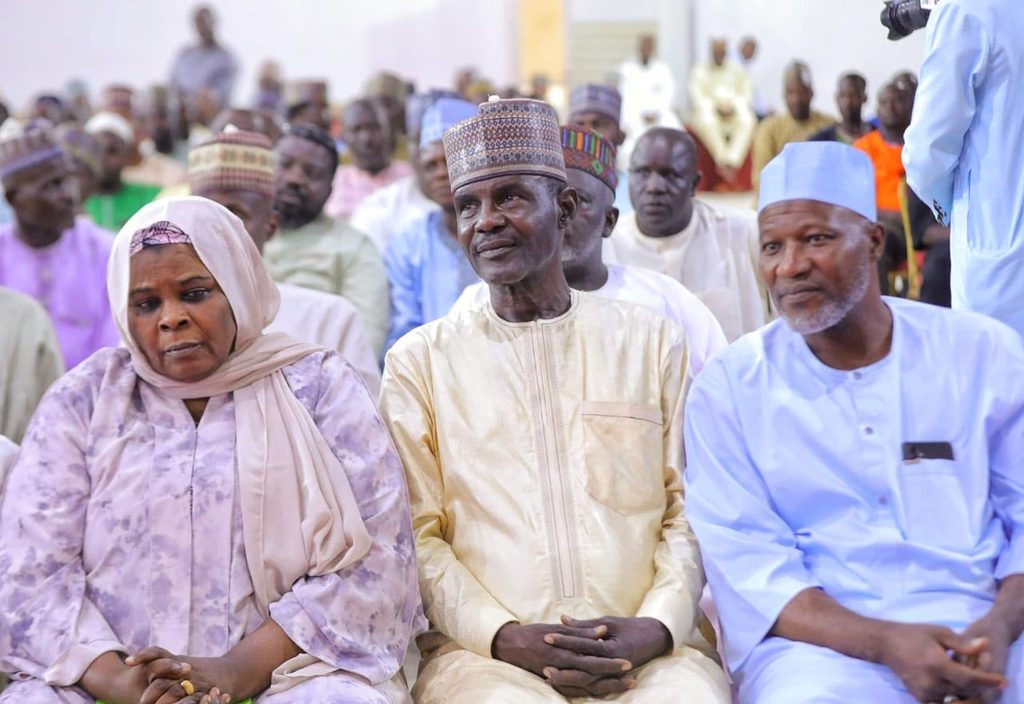
He stressed that the government had no personal interest in stopping their businesses, adding that the measure aimed to protect public assets and strengthen security.
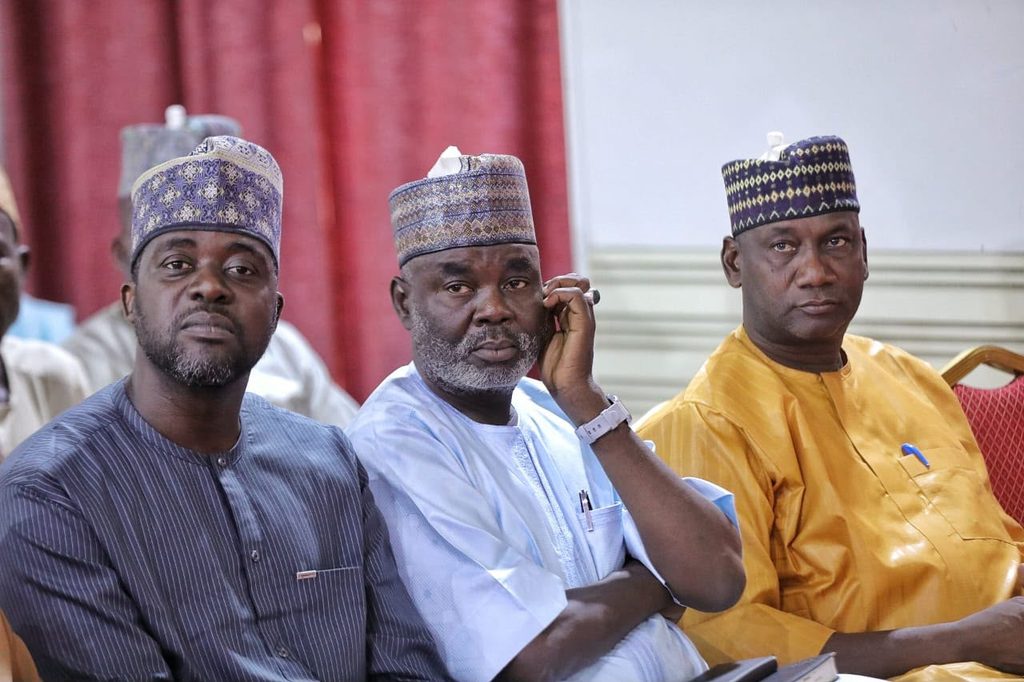
Governor Zulum said, “It is deeply concerning to me if one person loses his livelihood for whatever reason in Borno; believe me, there is nothing I stand to gain from banning scrap metal trade rather than addressing the serious security concerns associated with your activities.”
“We spent more than N3 billion to connect an electricity distribution line from Damaturu to Maiduguri, but unfortunately we lost all the wires to the metal scavenging activities. Before the ban, hundreds of your members were killed in the process of scavenging for metals in the villages that are not yet safe for civilian activities.”
“We have security intelligence that even the insurgents use your platforms to sell looted metals. So, no responsible government will ignore such intelligence just to be politically correct.”
He further granted a waiver allowing the operators to evacuate stock accumulated before the ban at selected locations, a move intended to ease the impact of the restriction on genuine businesses.
Ajakuta: Borno loses infrastructure worth billions to scavengers, Zulum says

Zamfara Bandit Clashes: Aleru’s Fighters Reportedly Kill Notorious Kachallah Dogo Baldu

Bangladesh High Commissioner Says Lalon Shah’s Philosophy Can Strengthen Nigeria’s Unity

Four Killed as fulani bandits Attack Shurum Community in Plateau

Roger Federer’s Shock as DNA Results Reveal Myla and Charlene Are Not His Biological Children

THE PLIGHT OF FARIDA

FAILED COUP IN BURKINA FASO: HOW TRAORÉ NARROWLY ESCAPED ASSASSINATION PLOT AMID FOREIGN INTERFERENCE CLAIMS
-
 News3 years ago
Roger Federer’s Shock as DNA Results Reveal Myla and Charlene Are Not His Biological Children
-
Opinions5 years ago
THE PLIGHT OF FARIDA
-
 News1 year ago
FAILED COUP IN BURKINA FASO: HOW TRAORÉ NARROWLY ESCAPED ASSASSINATION PLOT AMID FOREIGN INTERFERENCE CLAIMS
-
 Opinions5 years ago
POLICE CHARGE ROOMS, A MINTING PRESS
-

 News3 years ago
EYN: Rev. Billi, Distortion of History, and The Living Tamarind Tree
-

 ACADEMICS3 years ago
A History of Biu” (2015) and The Lingering Bura-Pabir Question (1)
-

 Columns3 years ago
Army University Biu: There is certain interest, but certainly not from Borno.
-

 Politics1 year ago
2027: Why Hon. Midala Balami Must Go, as Youths in Hawul and Asikira/Uba Federal Constituency Reject ₦500,000 as Sallah Gift
