Health
UMTH: When VP Kashim Shettima acknowledges Ahidjo and hospital staff for their services to victims of Maiduguri bomb blasts

UMTH: When VP Kashim Shettima acknowledges Ahidjo and hospital staff for their services to victims of Maiduguri bomb blasts
By: Dr. James Bwala
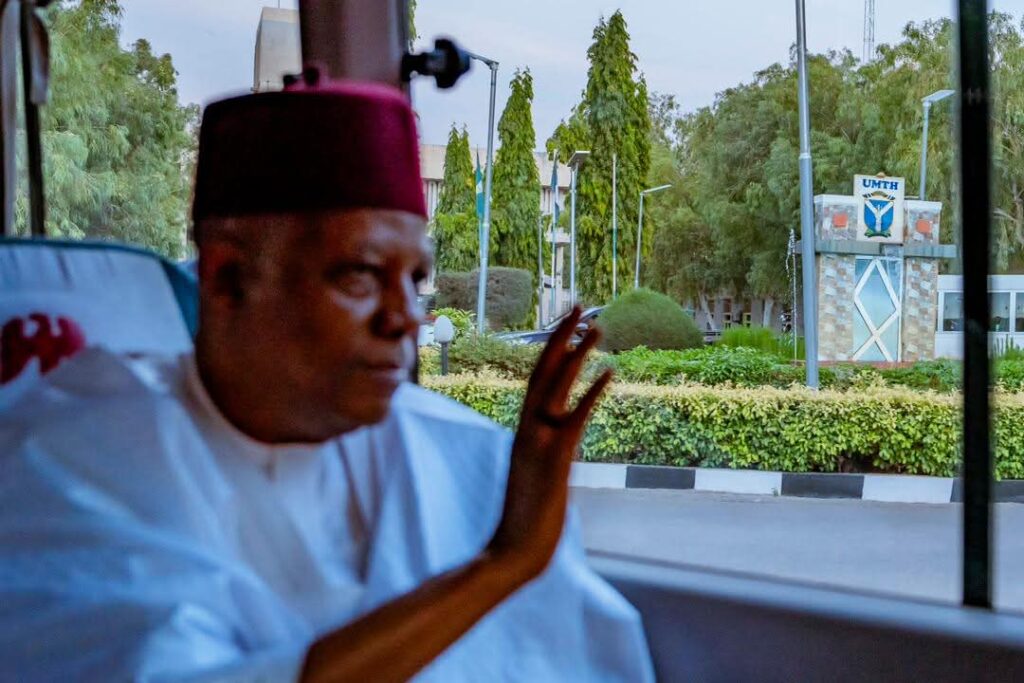
Nigeria’s Vice President, Kashim Shettima, made a commendable visit to the University of Maiduguri Teaching Hospital, UMTH, where he continued with the message of hope for the resilient people of Borno State following the tragic bomb blast that occurred on Monday. His acknowledgment of Professor Ahmed Ahidjo and his team for their dedicated service to the victims highlights not only the resilience of the medical community in times of crisis but also the importance of efficient healthcare systems in mitigating the impact of violence and tragedy. He also observed the critical role that healthcare institutions and professionals play in society, particularly in regions plagued by conflict, and the necessity of supporting such institutions through recognition, resources, and policy for effective services.

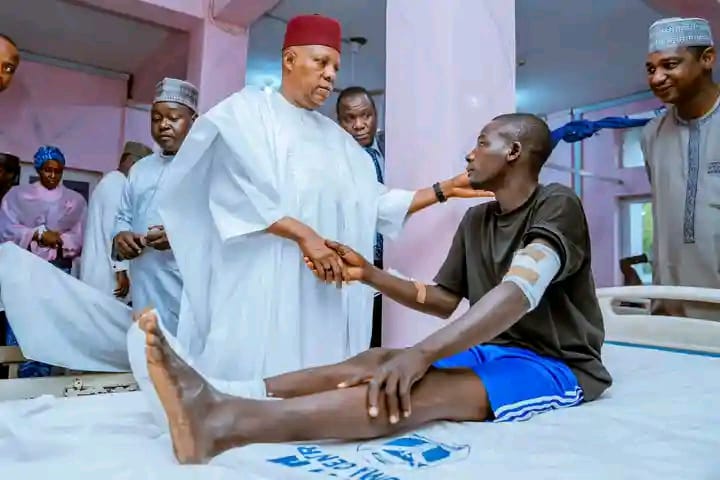
The recent bombing incident serves as a somber reminder of the constant threats faced by communities in Borno State and much of northeastern Nigeria. While the incident itself is tragic, the response from the healthcare sector illustrates hope and human compassion in the face of adversity. The vice president’s visit to the hospital is more than just a gesture; it underscores the significance of swift medical intervention and the tremendous effort undertaken by healthcare workers who bravely confront the consequences of violence daily.
READ ALSO: https://newsng.ng/maiduguri-bomb-blast-in-time-of-tragedies-let-us-also-understand-vp-kashim-shettimas-position/
Professor Ahmed Ahidjo and his team’s prompt response to the devastation caused by the bombing is worthy of praise. Their ability to stabilize the condition of the victims amidst chaos demonstrates professionalism and commitment to life-saving practices. In an environment where resources may be stretched thin and pressures high, the performance of healthcare teams becomes even more vital. These professionals often work under challenging conditions, yet their determined spirit and compassion can significantly affect recovery rates and overall patient outcomes.
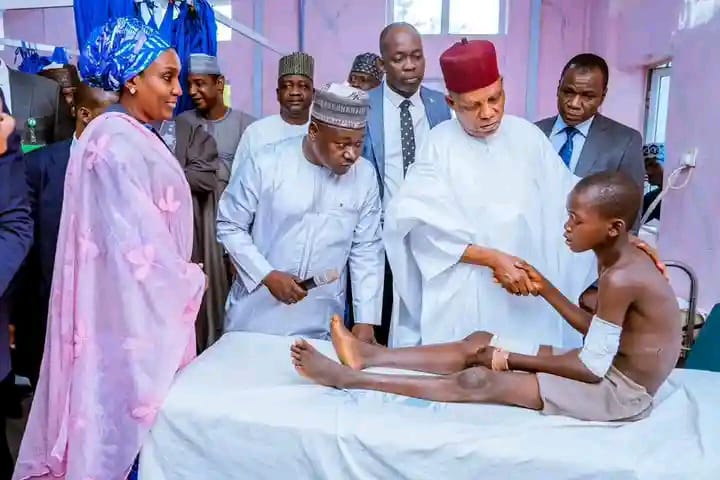
The vice president’s expression of gratitude towards the hospital staff reflects a broader understanding of the interconnectedness of governance and healthcare provision. By publicly acknowledging the hard work of medical personnel, government officials can foster a culture of appreciation and respect for the healthcare profession. Such recognition can have far-reaching benefits, motivating current healthcare professionals and attracting aspiring medical practitioners to the field. This encouragement is essential, especially in regions like Borno, where skilled healthcare providers are desperately needed to combat both the immediate health crises and the long-term impacts of violence.
READ ALSO: https://newsng.ng/maiduguri-bomb-blast-in-time-of-tragedies-let-us-also-understand-vp-kashim-shettimas-position/
UMTH’s capacity to effectively aid victims of violent attacks raises crucial questions about healthcare infrastructure in Nigeria. While the University of Maiduguri Teaching Hospital has demonstrated its capability, the sustainability and expansion of such services are necessary for ongoing success. Government investment in healthcare infrastructure is imperative. Targeted funding, training programs, and resources need to be allocated to ensure hospitals can provide comprehensive and timely care, especially in areas prone to conflict. This is not merely a reactive measure; it is proactive engagement that can fortify communities against future tragedies.

In the context of this discussion, it is essential to consider the implications of government policies on healthcare. The vice president’s visit reinforces the need for consistent governmental support of healthcare institutions. Policies that prioritize healthcare funding, facilitate access to medical supplies, and promote the welfare of healthcare workers can lead to improved health outcomes. Furthermore, these policies must address the root causes of the violence that leads to such devastating incidents, recognizing that peace and stability are integral to health and well-being.
READ ALSO: https://newsng.ng/maiduguri-bomb-blast-in-time-of-tragedies-let-us-also-understand-vp-kashim-shettimas-position/
The compassion shown by Vice President Shettima in praying for the victims’ recovery emphasizes the human aspect of political leadership. In a nation where trust in government can sometimes wane, leaders who show empathy and personal investment in their citizens’ welfare can bridge gaps and build stronger connections within communities. This symbolism of care and hope in leadership can mobilize public support, encouraging citizens to engage collaboratively with their governments to improve local conditions.
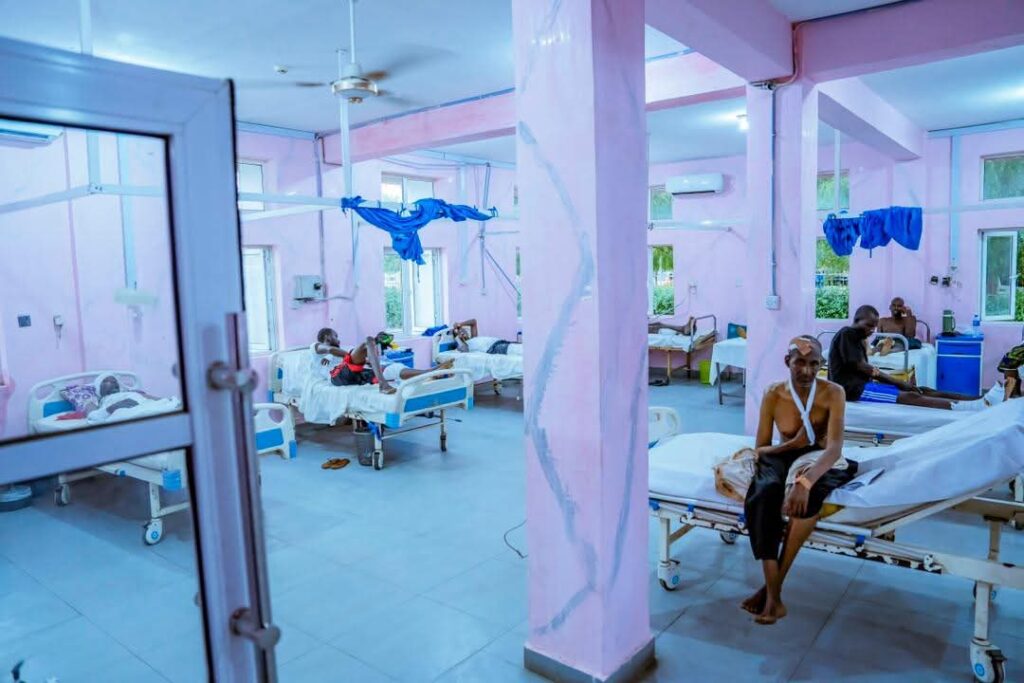
It is also crucial to highlight the ongoing psychological impact of violence on affected populations. Beyond the physical injuries sustained in such attacks, many victims experience deep psychological scars that require attention and specialized care. Healthcare institutions must evolve to include mental health support services alongside traditional medical treatment. The response from hospitals like the University of Maiduguri Teaching Hospital should extend into mental health initiatives to support victims in their recovery journey holistically.
READ ALSO: https://newsng.ng/maiduguri-bomb-blast-in-time-of-tragedies-let-us-also-understand-vp-kashim-shettimas-position/
In contemplating the significance of the vice president’s visit, we should consider how this moment can be leveraged to initiate broader discussions about healthcare reform in Nigeria. Advocacy for mental health resources, trauma-informed care, and community health capacity-building are all essential components that must be prioritized. The partnership between government, healthcare providers, and communities can create a robust support system that not only addresses immediate crises but also enhances long-term community resilience.
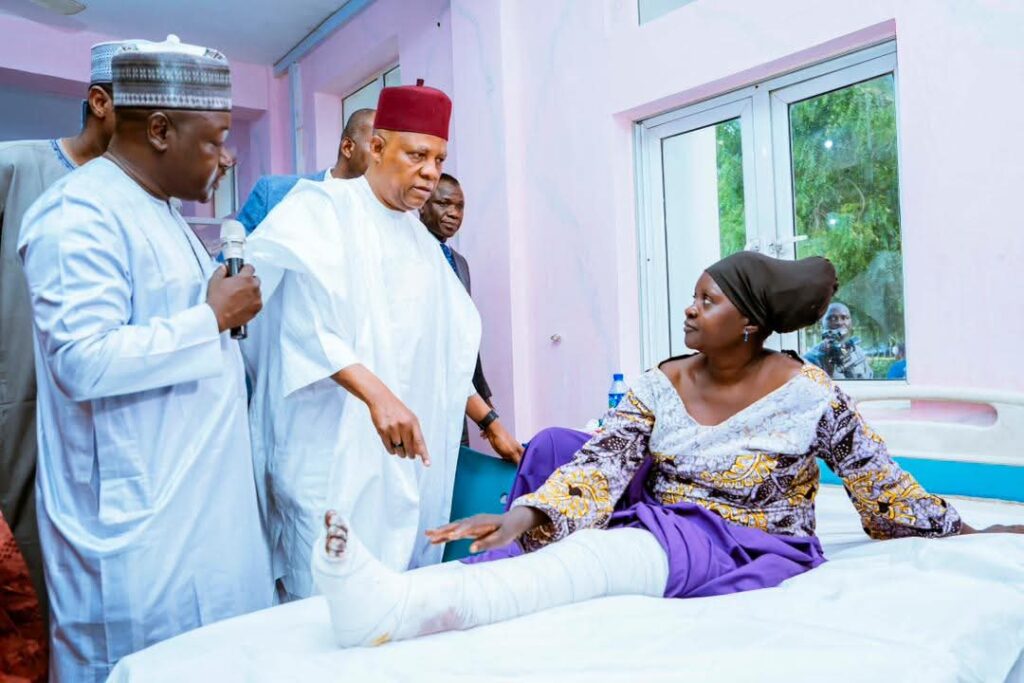
Vice President Kashim Shettima observed that support for healthcare professionals in Nigeria goes beyond mere praise, stating that these individuals require access to continuous education, emotional support, and adequate compensation for their work. Investing in their development ensures that they can provide the highest quality of care, which is essential in crisis situations. Indeed, when healthcare workers are equipped with the right tools and knowledge, their effectiveness during emergencies increases dramatically, thereby saving lives and improving recovery outcomes.
READ ALSO: https://newsng.ng/maiduguri-bomb-blast-in-time-of-tragedies-let-us-also-understand-vp-kashim-shettimas-position/
The commendation given by Vice President Kashim Shettima to Professor Ahmed Ahidjo and his team at the University of Maiduguri Teaching Hospital serves as a powerful testament to the critical role of healthcare in society, especially in areas impacted by conflict. The prompt action taken by medical personnel in response to the bomb blast exemplifies courage and dedication that deserves recognition and support. However, it is imperative to build on this foundation by advocating for robust healthcare policies, investing in infrastructure and personnel training, and fostering community engagement.

Through these concerted efforts, Nigeria can cultivate a healthcare system that not only responds effectively to emergencies but also restores hope, promotes healing, and strengthens communities in times of need. It is a call to action for every citizen, policymaker, and healthcare professional to unite in bolstering the foundations of our healthcare system, ensuring that we are prepared for whatever challenges lie ahead.
* James Bwala, PhD, writes from Maiduguri.
UMTH: When VP Kashim Shettima acknowledges Ahidjo and hospital staff for their services to victims of Maiduguri bomb blasts