
Uncategorized
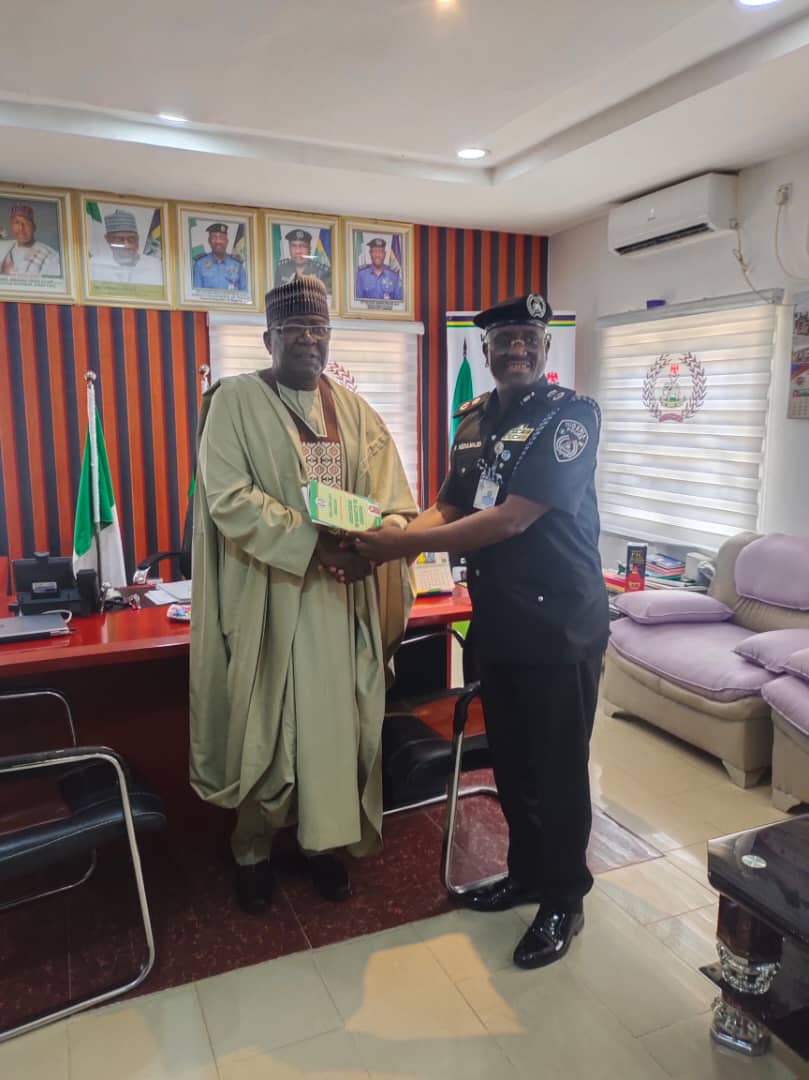
Federal Commissioner PCC visits CP Borno on strategic synergy for better engagement

Federal Commissioner PCC visits CP Borno on strategic synergy for better engagement
By: Our Reporter
The Federal Commissioner, Public Complaints Commission (PCC), Borno State, Hon. Yusuf Adamu, has paid a courtesy visit to the Borno State Commissioner of Police, CP N. ABDULMAJID, to strengthen collaboration between the two institutions in addressing public complaints and enhancing community policing.
Hon. Adamu congratulated the Commissioner on his appointment and thanked him for the immediate attention given to complaints. He said:
“The synergy between the Commission and the Police is vital. We urge the Command to continue to be proactive in handling cases, especially those related to drugs, which are fueling vices such as TikTok and other cybercrime in schools.”
He also urged the Police Command to work closely with community leaders, parents, schools, and religious institutions to address drug abuse among children and young adults. He further linked the PCC’s forthcoming 50th Anniversary to the importance of psychosocial support and thanked the Police Commissioner for assigning an officer to liaise with the PCC in the enforcement unit.
In his response, the Commissioner of Police commended the PCC for consistently referring prosecutable cases to the Police. He assured:
“The same cooperation I experienced with the Commission in my former command will be replicated in Borno. We shall continue to work hand in hand with stakeholders to ensure that complaints are addressed and cases within the PCC’s powers referred for effective investigation.”
He added that community policing had come to stay and would involve community leaders, market women, imams, and parents. He also called for regulation of social media misuse, while urging the PCC to intensify enlightenment of citizens.
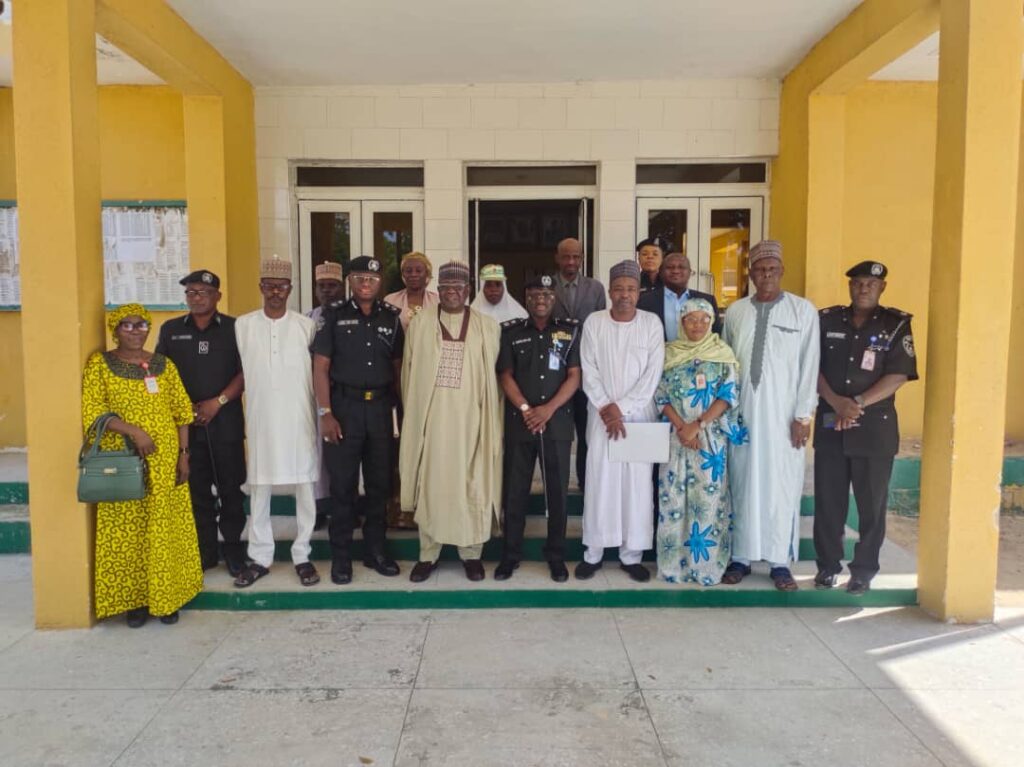
The visit featured the signing of the visitors’ book, presentation of the PCC’s Act and mandate, and a group photograph.
End


LG elections are very important—Yobe works commissioner.
By: Yahaya Wakili
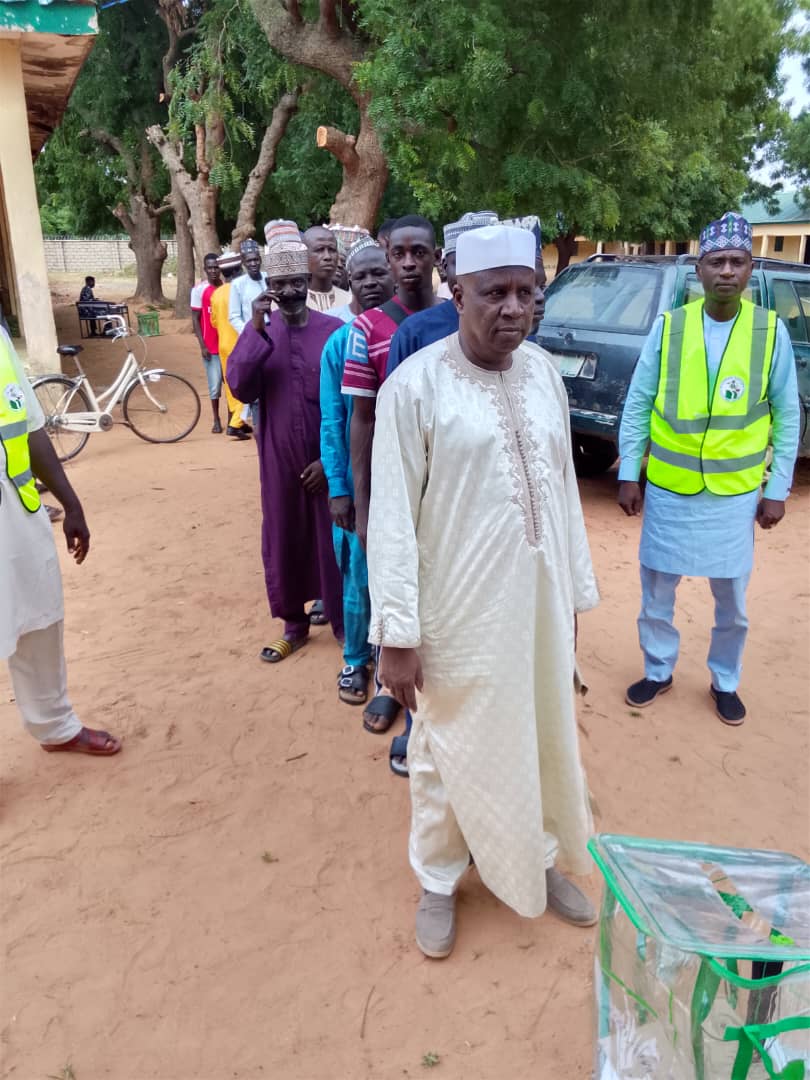
Yobe State Commissioner for Works, Hon. Engr. Umaru Wakil Duddaye, has described the local government election as very important and closed to the grassroots.
Engr. Duddaye announced this today, while briefing the journalists shortly after casting his vote at the Duddaye polling unit in the state’s local government council election at the Duddaye/Fakaru ward in the Nangere local government area of Yobe state.
“When you are dealing with the people from the grassroots, you must talk of local government; therefore, the election is very important in the democratic system, and people are exercising their right to vote for the candidate of their choice,” Duddaye said.
According to him, we have 20 polling units in Duddaye/Fakarau ward, and all the polling stations have had the election materials delivered in time, and the chairman is already on the seat. It is a continuity process, and he urged him to carry the legacy of Apc and Governor Mai Mala Buni and the President of the Federal Republic of Nigeria, Asiwaju Bola Ahmed Tinubu GCFR.
He further maintained that the party’s success is our expectation now that the political season is here, and we hope, as APC members, we have the right to vote for APC, adding that, here in Nangere local government, there are so many projects that are being executed by the APC government.
“APC is working; we expect everybody to vote for Asiwaju Bola Ahmed Tinubu. The president tirelessly works to ensure that the country’s economy has significantly improved beyond expectations. It was noted that the Yobe state government, led by His Excellency Governor Mai Mala Buni, is also making efforts.
Engr. Duddaye revealed that we have our own candidates, we hope everybody from the top to bottom will vote for APC, we have to deliver all 24 members of the state house of assembly, 6 houses of representatives, 3 senators, and our governor, Baba Malam Wali Mni, and inshallah, Bola Ahmed Tinubu GCFR will be the next president in 2027.
LG elections are very important—Yobe works commissioner.

Herder assaulted over alleged destruction of farm crops in Jos North
By: Zagazola Makama
A herder, identified as Abubakar Abdullahi, has been assaulted by a farmer, Mr Caleb Bulus, following an alleged dispute over the destruction of farm crops in Kwanga village, Jos North Local Government Area of Plateau State.
Security sources told Zagazola Makama that the incident occurred at about 4:45 p.m. on Sept. 25, 2026, when troops of Sector 1, Sub-Sector 12, responded to a report of the assault.
The herder reportedly sustained injuries during the incident and was evacuated to the Jos University Teaching Hospital (JUTH) for medical attention.
The suspect, Bulus, was arrested and handed over to Keystone Authority, Jos, for further investigation and appropriate action.
Security sources said the incident was being monitored to prevent the dispute from escalating into further communal tension in the area.
Herder assaulted over alleged destruction of farm crops in Jos North
Uncategorized
COAS unveils Nigerian Army Airborne School, tasks troops on special operations readiness
COAS unveils Nigerian Army Airborne School, tasks troops on special operations readiness
By: Zagazola Makama
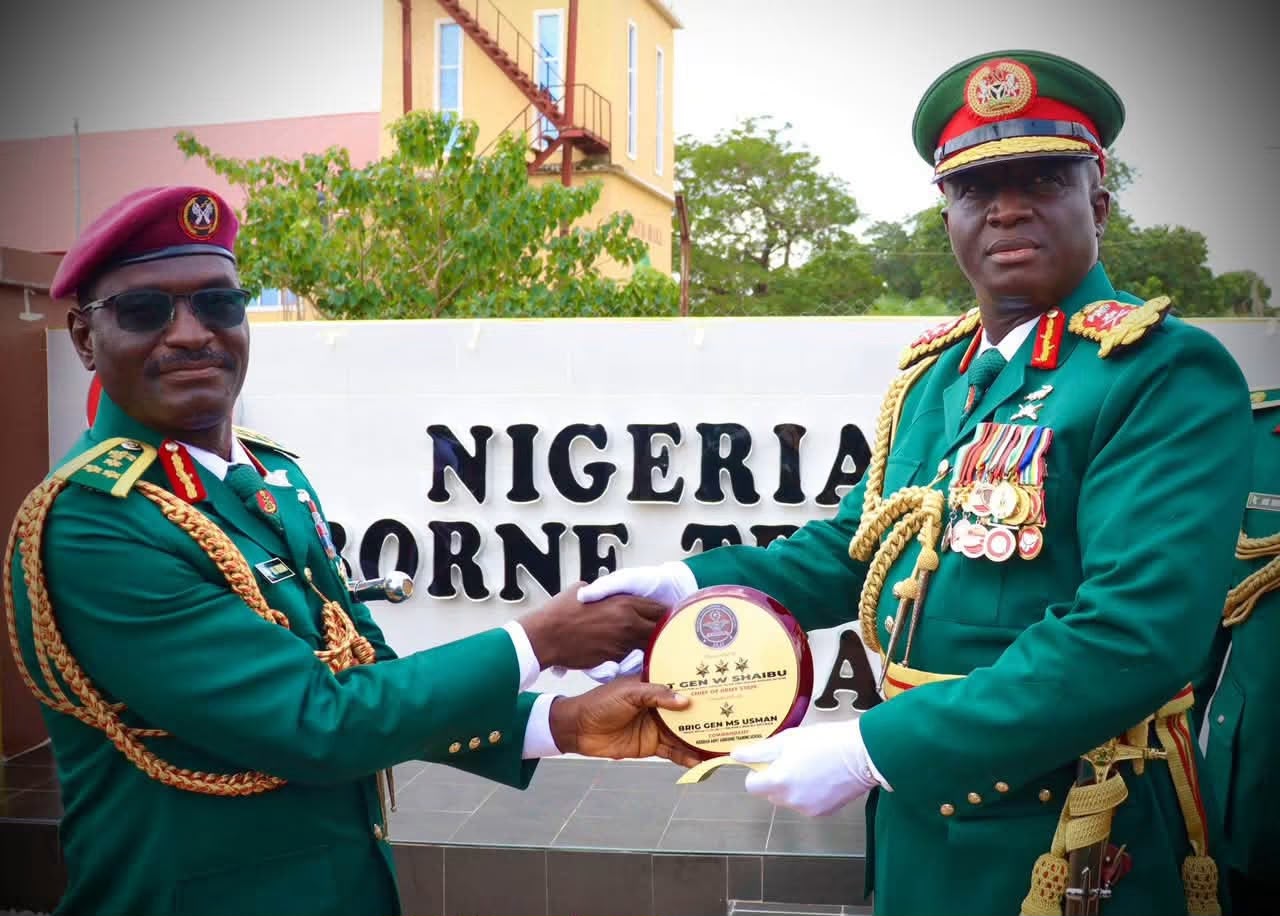
The Chief of Army Staff (COAS), Lt. Gen. Waidi Shaibu, has unveiled the Nigerian Army Airborne Training School at Jaji Military Cantonment, Kaduna State, with a charge to personnel to attain the highest standards of specialised training and operational readiness.
Shaibu, who unveiled the School on Friday, September 25, 2026, said the establishment of the institution represents a strategic investment in developing highly skilled, agile and mission-ready personnel capable of undertaking complex airborne and special operations.
He said the changing character of warfare and the increasing sophistication of asymmetric threats require a force that is highly trained, adaptable and capable of operating effectively across difficult and diverse operational environments.
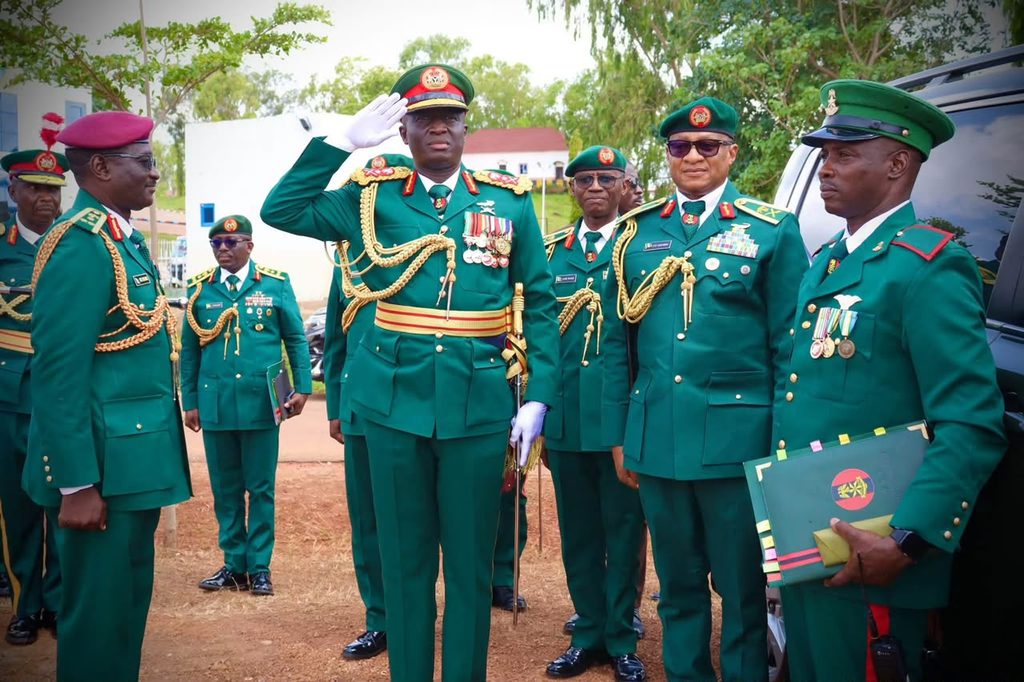
According to him, airborne and special operations capabilities are increasingly important to contemporary military operations, particularly in counter-terrorism, counter-insurgency and other asymmetric security environments.
The COAS therefore tasked the Commandant and instructors of the new School to develop and continually refine rigorous, operationally relevant training programmes that reflect global best practices while addressing Nigeria’s peculiar security challenges.
He said the School would serve as a centre of excellence for airborne operations, parachuting, air assault and other specialised military skills.
Shaibu explained that the initiative would enhance combat readiness and operational flexibility, while strengthening the Army’s ability to rapidly deploy appropriately trained personnel in support of joint and multi-agency operations.
The Army Chief assured the institution of continued support from Army Headquarters through the provision of necessary infrastructure, equipment and manpower required to fulfil its mandate.
He said the initiative formed part of ongoing efforts to build a more professional, adaptable, combat-ready and resilient Nigerian Army capable of effectively discharging its constitutional responsibilities.
Earlier, the Commandant of the Nigerian Army Airborne School, Brig. Gen. Muhammed Sani Usman, said the institution had been upgraded from a wing of the Nigerian Army School of Infantry, Jaji, into a full-fledged school.
Usman explained that the upgrade was driven by the Army’s continuing force-development efforts and the need to strengthen specialised capabilities, particularly those required to complement the operational employment of Nigerian Army Aviation.
The establishment of the School is expected to provide a dedicated institutional framework for developing personnel with specialised airborne capabilities and improving the Army’s capacity to generate forces for rapidly evolving operational requirements.
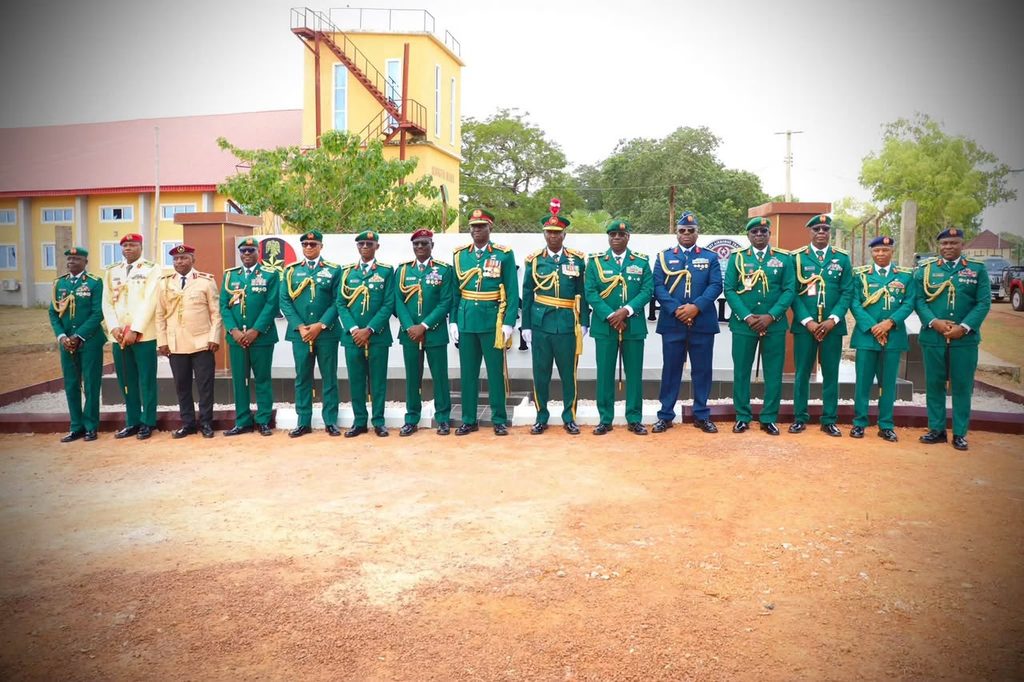
The event underscores the Army’s broader emphasis on specialised force development as it confronts increasingly complex security challenges requiring speed, mobility, precision and interoperability across conventional and asymmetric operational environments.
COAS unveils Nigerian Army Airborne School, tasks troops on special operations readiness

Troops of Operation FANSAN YAMMA rescue 49 travellers from suspected kidnappers in Zamfara

Troops arrest four suspects over potato theft, raid criminal hideout in Jos South

Gubio 2027: The Next Governor of Borno Is Signalled by Solidarity Visits and Campaign Support

Roger Federer’s Shock as DNA Results Reveal Myla and Charlene Are Not His Biological Children

THE PLIGHT OF FARIDA

FAILED COUP IN BURKINA FASO: HOW TRAORÉ NARROWLY ESCAPED ASSASSINATION PLOT AMID FOREIGN INTERFERENCE CLAIMS
-
 News3 years ago
Roger Federer’s Shock as DNA Results Reveal Myla and Charlene Are Not His Biological Children
-
Opinions5 years ago
THE PLIGHT OF FARIDA
-
 News1 year ago
FAILED COUP IN BURKINA FASO: HOW TRAORÉ NARROWLY ESCAPED ASSASSINATION PLOT AMID FOREIGN INTERFERENCE CLAIMS
-

 News3 years ago
EYN: Rev. Billi, Distortion of History, and The Living Tamarind Tree
-
 Opinions5 years ago
POLICE CHARGE ROOMS, A MINTING PRESS
-

 ACADEMICS3 years ago
A History of Biu” (2015) and The Lingering Bura-Pabir Question (1)
-

 Columns3 years ago
Army University Biu: There is certain interest, but certainly not from Borno.
-

 Politics1 year ago
2027: Why Hon. Midala Balami Must Go, as Youths in Hawul and Asikira/Uba Federal Constituency Reject ₦500,000 as Sallah Gift
