
Politics
Unite North: VP Shettima’s Call for Peace and Unity Among Northern Communities

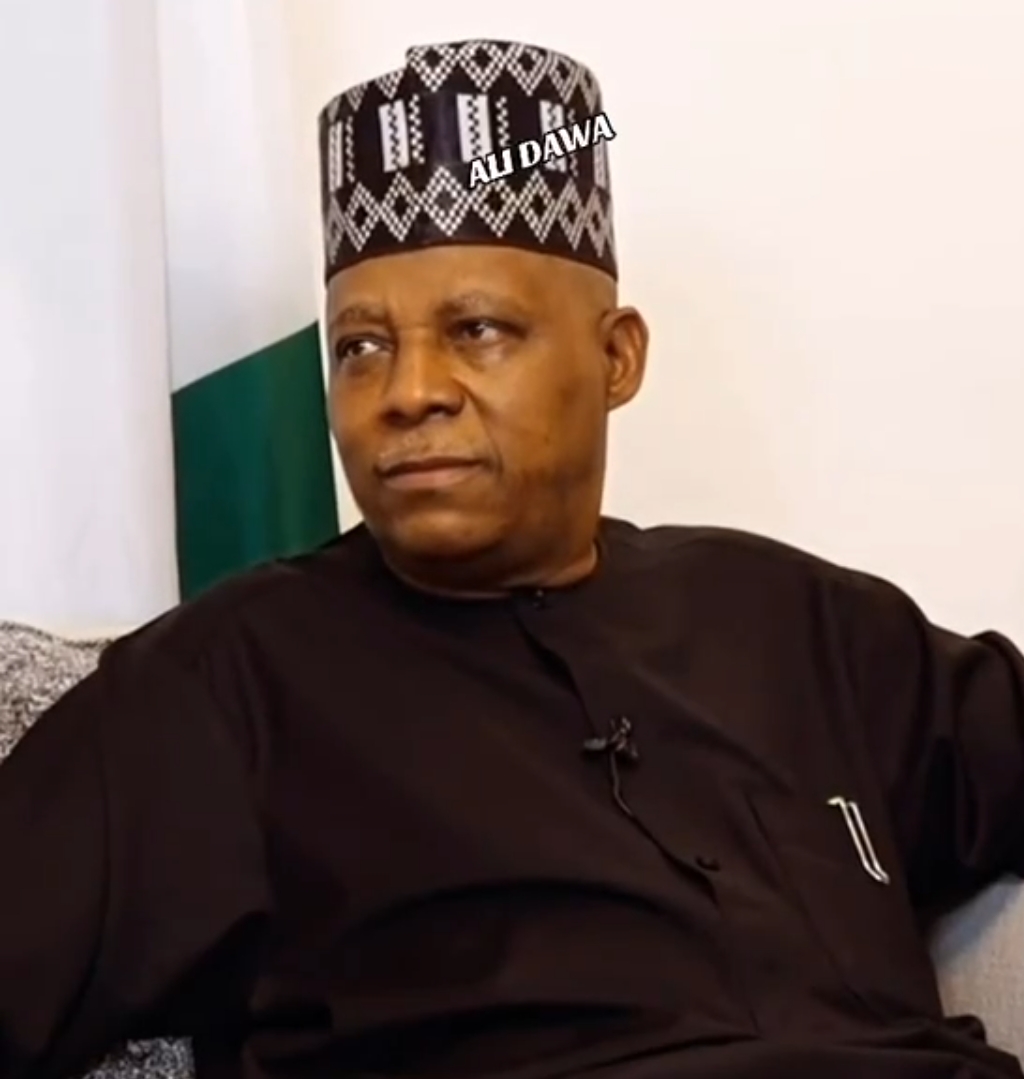
Unite North: VP Shettima’s Call for Peace and Unity Among Northern Communities
By: Dr. James Bwala
Northern Nigeria is home to a multiplicity of cultures and ethnic groups; the Hausas, the Fulanis, the Kanuris, and the Nupes all live in Northern Nigeria. Because most of these groups share a common heritage and have a long history of peacefully living together, Northern Nigeria’s communities play a vital role in the socio-economic development of the country. However, the occurrence of conflicts between groups of people residing in the North has unfortunately stifled economic development, caused people to be displaced, and even cost some their lives.
Recently, Vice President Kashim Shettima made an important plea to some communities, specifically the Hausas and the Fulanis, for an end to conflict and a unification of forces. His compliments and constructive criticism are accurate and needed for the ongoing development of peace and growth in the Northern region of Nigeria.
The vice president’s words reflect a deep understanding of the realities of this situation. He mentioned that Hausas, Fulanis, Kanuris, and the Nupes all possess no defining differences. He pointed out that the struggle in the North brings violence to communities that all share hopes and dreams of economic and social development and reinforces the barriers that separate them from the assistance that the federal government is ready to provide.
READ ALSO: https://newsng.ng/vp-shettimas-invest-lagos-summit-a-contest-of-narratives-on-both-the-dangote-and-abdulsamad-empires/
In looking at the causes of conflict between these groups, one can see that political manipulation and historical grievances, along with competition for limited resources and misunderstanding, also play important roles. The conflict between the settled agricultural communities, mainly the Hausas and Kanuris, and the pastoral Fulanis revolves mainly around issues of land, the use of land for grazing, and the availability of water. Lack of communication and distrust serve to deepen the impact of violence on every group.
Vice President Shettima’s appeal for forgiveness and unity is an appeal for reconciliation on a national level. In conflict situations, forgiveness allows the groups to overcome the historical grievances and concentrate on the common objectives. This appeal for forgiveness and reconciliation is effective when there is strong will and involvement from the grassroots. Such an initiative enables the leadership to strengthen communication and to promote the realization of structures and systems for peaceful coexistence. The councils, religious institutions, and civil society organs are able to promote the necessary and sufficient conditions of reconciliation and forgiveness.
ALSO READ: https://newsng.ng/vp-shettimas-invest-lagos-summit-a-contest-of-narratives-on-both-the-dangote-and-abdulsamad-empires/
The northern peoples’ unity can help maximize government and private investments. Once initiatives for development and the building of health and educational infrastructure for the North begin, a peaceful environment will be required. The fullest help from the government should see the greatest commitment from the people to keep the peace and work for progress.
The North’s strategic significance to the entire country of Nigeria must also be recognized. As Nigeria’s major provider of agricultural and trade resources and of the human resources upon which the nation draws, the North’s growth must be a worthy goal for Nigeria’s entire growth. Social conflicts among the various ethnic groups in the North will fragment the region and adversely affect Nigeria’s potential for peace, stability, and growth. Thus, appeals for peace and unity must be seen not only as a regional concern but also as a national concern.
In order to achieve lasting peace in the North and reconcile the people following this ugly and unfortunate situation, the North must look inwardly and establish and implement a multi-faceted approach in addressing the underlying causes of violence and tension that have engulfed the region for decades now. Measures to be taken should include equitable distribution of resources, transparent governance, effective conflict resolution mechanisms, and empowerment of youth and women who are often the victims of these conflicts. There is also the need for educational campaigns that would promote cultural awareness, religious tolerance, and respect for individuals’ dignity, which can be very helpful in dismantling prejudices and fostering solidarity among diverse ethnic groups that made us strong as Arewa people.
READ ALSO: https://newsng.ng/vp-shettimas-invest-lagos-summit-a-contest-of-narratives-on-both-the-dangote-and-abdulsamad-empires/
While we come together as a people to do the needful, the government also must ensure that security agencies operating across states in the North must earn the confidence of the people while discharging their duties impartially and effectively to protect all citizens irrespective of where they are held. Also, the issue of accountability for perpetrators of violence, if taken with some degree of justice, can deter future conflicts and therefore build confidence in the justice system. In addition to this, there should be investment in rural development and sustainable agriculture so as to alleviate competition over resources while encouraging cooperation through joint ventures and community projects to serve the common good.
Kashim Shettima’s vision for a strong and united Northern Nigeria is not just about an idealistic plea; the vision is a strategic approach necessary for building a North whose foundation its fathers have left for the generation now and for generations to come. Therefore, it is incumbent on the people to embrace their common identity through unity and recognizing that their strength lies in that unity rather than division. It was the unity of the North that led the people to greatness; harnessing their collective potential can transform the region into a beacon of peace, prosperity, and cultural richness. However, the people must realize that this cannot be achieved when violence and killings become a way of life.
READ ALSO: https://newsng.ng/vp-shettimas-invest-lagos-summit-a-contest-of-narratives-on-both-the-dangote-and-abdulsamad-empires/
In analyzing the call made by the Vice President, Kashim Shettima, towards ending violence, especially between the Hausas, Fulanis, and other tribes, and the call towards unity for the common good of the people of northern Nigeria, this calls for urgent attention and decisive action, looking at the current situation and the way things are falling apart in the region. Indeed, the future of the region depends on the ability of the people to reconcile their differences, forgive past wrongs, and work together collaboratively toward shared development goals, which are the dreams of the fathers. Also, with government support and communal commitment, the North can walk through these muddy waters and overcome its challenges and set an example of harmony and progress for the entire nation. I believe in the words of the “Jagoran Arewa,” the vice president, that it is indeed time for healing and for northerners to lay down their arms and embrace dialogue and build a united front that will usher in a new era of peace and prosperity for all northerners.
* James Bwala, PhD, writes from Abuja.
Unite North: VP Shettima’s Call for Peace and Unity Among Northern Communities


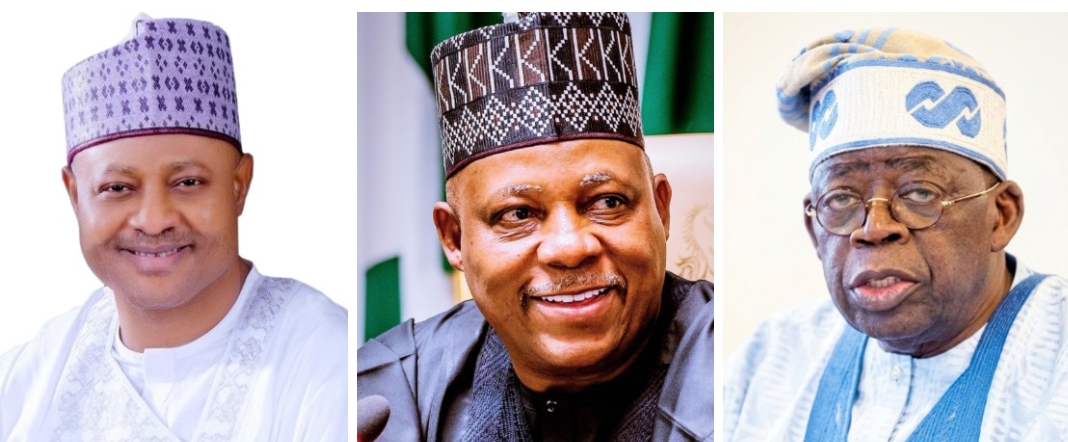
2027: Tinubu, Shettima, Uba Sani, and the APC flag-off campaign in Kaduna
By: Dr. James Bwala
The claim that President Bola Ahmed Tinubu has abandoned Northern Nigeria is not merely inaccurate; it is a politically manufactured narrative that collapses under the weight of evidence. It is a convenient slogan for those seeking to convert legitimate public concerns into partisan resentment, but it is not a fair representation of the administration’s record. The most authoritative rebuttal has come from within the region itself: Governor Uba Sani of Kaduna State, who, at the All Progressives Congress Presidential Campaign Council flag-off, offered a chronological and data-driven account of the interventions of the Tinubu-Shettima administration in Kaduna and across the North-West.
Governor Sani’s presentation deserves serious attention because it shifts the debate from emotion to evidence. Rather than relying on general claims or political rhetoric, he identified concrete programs, infrastructure projects, economic measures, and social interventions undertaken by the administration. His account demonstrated that the Federal Government’s engagement with Northern Nigeria has been substantial, strategic, and historically significant. Anyone still insisting that President Tinubu has abandoned the region must therefore confront the record instead of repeating a politically attractive falsehood.
Governance should be judged by policies and outcomes, not by social media complaints. Northern Nigeria, like every other part of the country, faces serious challenges: insecurity, poverty, unemployment, food inflation, weak infrastructure, and limited access to social services. These problems did not begin with the Tinubu administration, nor can they be eliminated overnight. However, the existence of difficulties does not prove abandonment. In fact, the appropriate question is whether the government has responded to those difficulties with meaningful interventions. Governor Sani’s exposition shows clearly that it has.
One of the most important elements of the Tinubu administration’s intervention is its attention to infrastructure. The Northwest has historically suffered from inadequate road networks, poor transport connectivity, and limited industrial infrastructure. These deficiencies have restricted trade, increased transportation costs, weakened agricultural value chains, and isolated communities. Under President Tinubu, however, major road and transport projects have received renewed attention. Federal road rehabilitation, the development of strategic transport corridors, and efforts to improve links between commercial centers have been incorporated into a broader economic agenda.
Kaduna occupies a central position in the Northwest, serving as a gateway between the northern states and the Federal Capital Territory. Investment in the state therefore has consequences that extend beyond its borders. Improved roads and transport networks facilitate the movement of farm produce, connect manufacturers to markets, and reduce the cost of doing business. They also deepen national integration by linking communities that have too often remained economically disconnected. These are not symbolic gestures. They are foundational investments in the productive capacity of the region.
The administration’s transportation agenda also reflects a recognition that the North requires more than isolated projects. It needs an integrated system capable of supporting agriculture, industry, trade, and human mobility. Rail development, road construction, and logistics improvements are especially important in a region where long distances separate production zones from major markets. By strengthening these connections, the government is laying the groundwork for a more competitive Northern economy.
Agriculture is another area in which the administration’s policies directly address the realities of the region. Northern Nigeria possesses enormous agricultural potential, but that potential has been undermined by insecurity, inadequate storage, poor access to credit, weak processing capacity, and limited irrigation. President Tinubu’s agricultural initiatives seek to address some of these challenges through support for farmers, efforts to improve food production, and measures designed to strengthen agricultural value chains.
The importance of this approach cannot be overstated. It is not enough to tell farmers to produce more if they lack access to inputs, financing, equipment, storage facilities, and markets. Nor can food security be achieved by treating agriculture as a subsistence activity detached from industry. The proper strategy is to build a system in which farmers produce, processors add value, and markets distribute goods efficiently. Governor Sani’s account of federal interventions in Kaduna and the North-West indicates that this integrated vision is increasingly informing government policy.
Kaduna’s position as an agricultural and commercial hub makes it a natural beneficiary of such initiatives. Investments that improve farming, irrigation, processing, and transportation can create jobs, raise household incomes, and reduce dependence on imported food. They can also provide young people with alternatives to criminality and extremist recruitment. In this sense, agricultural development is not only an economic policy; it is also a security strategy.
The claim of abandonment is further weakened by the administration’s social investment programs. The removal of the petrol subsidy and other economic reforms created immediate hardship for many Nigerians, particularly low-income households. It would be dishonest to deny that these policies imposed significant pressure. Yet it would be equally dishonest to ignore the compensatory measures introduced by the government to cushion their effects. The administration has implemented initiatives involving conditional cash transfers, support for small businesses, student loans, food distribution, and assistance to vulnerable households.
Northern Nigeria, with its large population of poor and vulnerable citizens, has been a major beneficiary of these programs. These interventions may not solve every problem, but they demonstrate governmental responsiveness rather than indifference. A government that distributes relief materials, expands social protection, and supports small-scale enterprises cannot reasonably be described as having abandoned the people it serves.
The administration’s response to economic hardship must also be understood in the context of the difficult reforms it inherited. Nigeria’s fiscal position, debt burden, and energy subsidy system had become increasingly unsustainable. Maintaining the old structure might have postponed discomfort, but it would have deepened the country’s long-term crisis. President Tinubu chose reform over delay. The challenge now is to ensure that the gains from reform are translated into better living standards through accountable implementation, job creation, and effective social protection.
This distinction is important. Criticizing the pace or effectiveness of government programs is legitimate. Demanding transparency, stronger targeting, and better delivery are necessary. But criticism should not be falsely dismissed as inaction. Governor Sani’s evidence shows that the administration is active across multiple sectors and that its interventions are especially relevant to the needs of the North.
Security, perhaps more than any other issue, shapes public perception of government performance in Northern Nigeria. Terrorism, banditry, kidnapping, and communal violence have inflicted immense suffering on families, farmers, schools, and businesses. The government’s security record therefore deserves rigorous scrutiny. At the same time, it is essential to recognize the efforts being made to strengthen the armed forces, improve intelligence coordination, and support security operations.
Northern governors and communities have repeatedly acknowledged the complexity of the security crisis. It is not caused by a single factor, nor can it be resolved through military action alone. Poverty, ungoverned spaces, illicit arms trafficking, weak justice systems, and youth unemployment all contribute to insecurity. The federal government’s responsibilities include equipping security agencies and coordinating national responses, while state and local authorities must also improve community-level intelligence, policing, and social development.
The Tinubu administration’s interventions in the North must therefore be evaluated within this broader framework. Security investments, infrastructure development, agricultural support, and social protection reinforce one another. A road that enables security access, a school that keeps children away from extremist influence, a farm-support program that restores livelihoods, and a social intervention that prevents destitution all contribute to stability. Development and security are not separate agendas; they are mutually dependent.
Governor Sani’s chronological presentation is particularly significant because it challenges the selective memory often deployed in political arguments. Critics sometimes isolate one unpopular policy or one period of hardship and present it as the totality of the administration’s record. Such an approach is intellectually weak. Responsible evaluation requires attention to the sequence of reforms, projects, and interventions over time. It requires examining what was inherited, what has been attempted, what has been completed, and what remains unfinished.
By setting out the government’s actions in chronological order, Governor Sani demonstrated that the engagement with Kaduna and the North-West did not consist of occasional political visits or empty promises. It involved sustained attention across infrastructure, agriculture, social welfare, transportation, and economic development. The cumulative effect of these measures is more important than any single announcement.
The governor’s testimony also carries political weight because he is not an outsider speaking about the North from a distance. He leads Kaduna State and understands the region’s needs, expectations, and frustrations. His assessment is based on direct experience with federal projects and programs. While his political affiliation naturally makes him supportive of the administration, dismissing his account solely on that basis would be an evasion. The relevant issue is whether the facts he cited can be verified. They can and should be.
Northern Nigerians are entitled to ask difficult questions of any government. They deserve better security, more jobs, lower food prices, functional schools, quality healthcare, and reliable infrastructure. Support for President Tinubu should not require silence about shortcomings. Indeed, constructive support should include honest demands for better performance. But those demands will lose credibility when they are built on demonstrably false claims.
The narrative of abandonment is particularly dangerous because it distorts public understanding and deepens regional resentment. It suggests that the federal government has deliberately ignored Northern Nigeria, despite the region’s central role in national politics, agriculture, security, and commerce. Such a narrative does not help citizens secure better governance. Instead, it encourages suspicion, erodes trust, and turns development into a competition of grievances.
What the North needs is not political victimhood but effective representation, informed advocacy, and measurable development. Governors, legislators, traditional leaders, civil society organizations, and citizens must continue to demand accountability. They must also distinguish between genuine gaps and fabricated accusations. Where projects are delayed, the government should be pressed to complete them. Where funds are mismanaged, those responsible should be held accountable. Where programs are poorly targeted, they should be redesigned. But the existence of unfinished work does not erase completed work, just as hardship does not prove abandonment.
- James Bwala, PhD, writes from Abuja.
2027: Tinubu, Shettima, Uba Sani, and the APC flag-off campaign in Kaduna
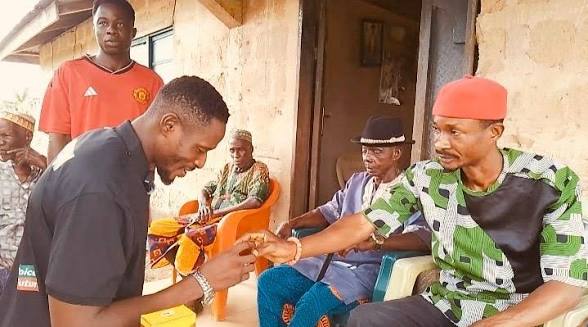
Delta Community Endorses Chukwuyenim for 2027 Assembly Election
By: Michael Mike
A community in Delta State has endorsed Labour Party aspirant, Mr Ossamulu Chukwuyenim, for the Ndokwa/Ukwuani Federal Constituency seat in the House of Representatives ahead of the 2027 general election.
The endorsement was announced on Thursday during a virtual ceremony led by a community leader, Mr Ossai Nzekwe, popularly known as Okpala Uju of Umom from Unuaghulu, who called for leadership anchored on humility, respect for elders and commitment to community development.
The ceremony, held at Okpia Umuagulu in Ndokwa East Constituency, attracted stakeholders from Isitu, Umuagulu, Obeze, Ashaka, Ibusu, Ngwekaba and Umuedem villages.

Nzekwe said the endorsement reflected the community’s confidence in Chukwuyenim’s capacity to provide responsible leadership and effective representation at the National Assembly.
“Our blessings upon Chukwuyenim reaffirm the importance of leadership rooted in humility, respect for our elders and a genuine commitment to the development of our community,” he said.
He described the endorsement as an expression of community support for the aspirant, adding that it was intended to promote effective representation in the 2027 elections.
Responding, Chukwuyenim thanked Nzekwe and other participants for their support, saying the endorsement reinforced his commitment to peace, unity and sustainable development across the constituency.
“Our vision is centred on a Ndokwa/Ukwuani where every community is habitable, inclusive and peaceful, with opportunities for our people to thrive,” he said.
He pledged to prioritise infrastructure, potable water, improved road networks, security, youth development and agricultural reforms if elected.
According to him, the proposed initiatives would strengthen social cohesion, improve living conditions and expand opportunities for residents across the constituency.
Chukwuyenim also pledged to uphold community values and pursue development programmes aimed at improving the welfare of his constituents.
The ceremony featured goodwill messages from traditional leaders and prayers for divine guidance, strength and success for the aspirant.
Delta Community Endorses Chukwuyenim for 2027 Assembly Election
Politics
2027: APC Deploys Diaspora Network to Fight Anti-Tinubu Narratives, Mobilise Re-election Support

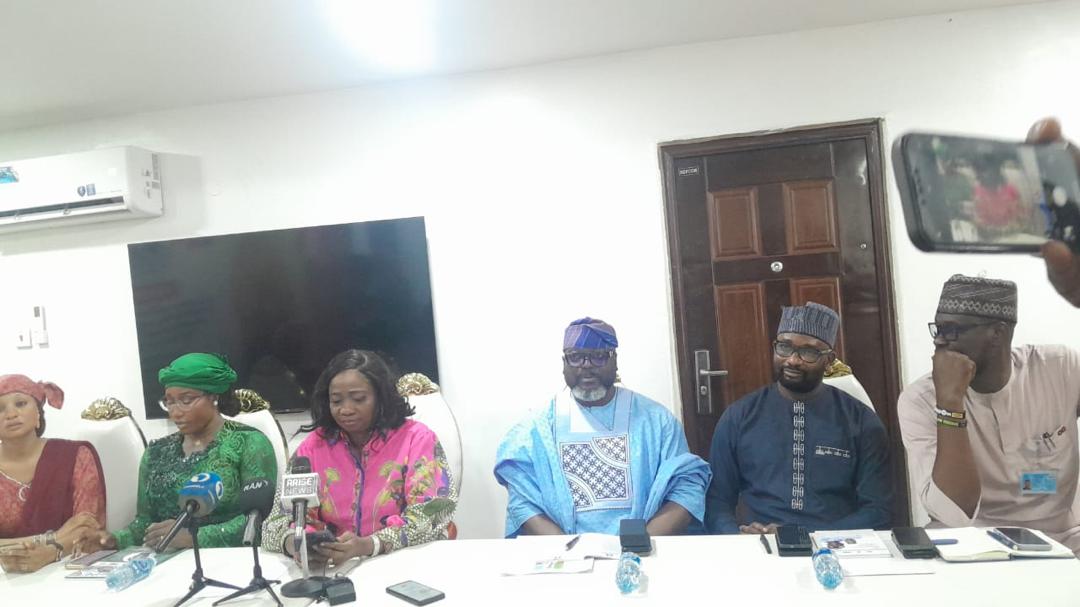
2027: APC Deploys Diaspora Network to Fight Anti-Tinubu Narratives, Mobilise Re-election Support
By: Michael Mike
The All Progressives Congress (APC) has unveiled an international mobilisation and media offensive to defend President Bola Tinubu’s economic policies, counter negative narratives about his administration and rally support for his re-election in 2027, targeting Nigerians living across major countries in Africa, Europe, Asia, the Middle East and North America.
Under the plan, the party intends to activate its overseas chapters, deploy coordinated digital advocacy, establish a rapid-response mechanism to challenge misinformation, mobilise diaspora funding and encourage voter participation at home as it seeks to shape public perception of Tinubu’s first term ahead of the presidential election.
The Director of the PBAT/APC 2027 Presidential Campaign Council (PCC) Directorate of Diaspora Mobilisation, Hon. Abike Dabiri-Erewa, unveiled the strategy at a press briefing in Abuja, describing Nigerians abroad as an influential constituency whose financial contributions, professional expertise and international networks could be harnessed to support the administration.
The initiative signals the APC’s determination to make the diaspora an organised component of its re-election campaign, using Nigerians’ connections with relatives, communities and professional networks abroad to communicate the government’s position on its economic reforms and development agenda.
Dabiri-Erewa said the directorate would not limit its mobilisation to party members, but would also reach out to Nigerians abroad who were willing to participate in the campaign.
“Nigerians abroad are not outsiders. They are stakeholders. They are our doctors, nurses, engineers, students, traders, innovators and community leaders, who send over $20 billion annually back home in remittances,” she said.
She identified the mobilisation of APC diaspora chapters in the United States, United Kingdom, Canada, South Africa, the United Arab Emirates, Saudi Arabia, France, Germany, Australia, Turkey, India and Kazakhstan as a priority, alongside engagement with diaspora associations and community leaders.
At the centre of the strategy is a digital advocacy campaign tagged Operation Tell Your Story, through which supporters would receive short videos, infographics and other communication materials promoting the administration’s policies and achievements.
The campaign would address the foreign exchange reforms, foreign reserves, support for small businesses, housing programmes and opportunities for students, while seeking to counter claims the directorate considers misleading.
Dabiri-Erewa also announced plans for a rapid-response hub to provide data, fact-check claims and promote what she described as credible information about Nigeria’s investment climate, economic stabilisation and prospects under Tinubu.
“Our directorate will serve as a rapid-response hub in case of misinformation about Nigeria and the administration. We will provide credible data, fact-check and positive narratives about Nigeria’s investment climate, stabilisation of the economy and the future under President Tinubu,” she said.
The move comes amid continuing public debate over the administration’s economic reforms, particularly the removal of the petrol subsidy and changes to the foreign exchange system, which have had significant implications for households and businesses.
Dabiri-Erewa acknowledged the hardship associated with the subsidy removal but defended the policy as a necessary intervention to address structural weaknesses in the economy.
“President Bola Ahmed Tinubu has decided not to manage our feelings, but to fix the system. And it takes a bold leader to do that,” she said.
She argued that Nigerians living abroad could help explain the rationale behind the reforms to their families and communities, particularly because of their understanding of the challenges associated with the previous foreign exchange arrangements.
However, the directorate’s strategy will face the challenge of persuading voters at home that the administration’s policies are delivering sufficient benefits to justify the economic sacrifices they have experienced. The effectiveness of the campaign will therefore depend not only on the reach of its messaging but also on the credibility of its claims and the administration’s record against measurable economic outcomes.
Beyond digital advocacy, the APC plans to mobilise diaspora contributions through structured fundraising platforms to finance campaign activities, voter education materials, town hall meetings and grassroots mobilisation.
Dabiri-Erewa said the proposed fundraising arrangements would emphasise transparency and accountability, but did not disclose the amount the directorate hopes to raise or provide details of the proposed platforms.
The fourth strand of the strategy would focus on voter education and homecoming mobilisation, with diaspora Nigerians encouraged to remind eligible relatives and community members to register, collect their Permanent Voter Cards and participate in the election.
The directorate also intends to use its overseas networks to encourage Nigerians abroad to return home, engage their communities and take part in the political process.
In a related appeal, Dabiri-Erewa called on the National Assembly to consider constitutional amendments that would allow Nigerians living abroad to vote in Nigerian elections.
She acknowledged that diaspora voting remained a subject of debate but expressed hope that lawmakers would address the issue, potentially expanding the formal participation of Nigerians abroad in the country’s electoral process.
Dabiri-Erewa, who also heads the Nigerians in Diaspora Commission (NiDCOM), said the commission had established a portal for registering Nigerians living outside the country and put the estimated diaspora population at more than 17 million.
She also urged Nigerians to monitor how state and local governments utilise increased allocations following the removal of the petrol subsidy, arguing that greater public revenue should be accompanied by accountability in spending.
Other members of the directorate backed the administration’s economic policies, acknowledging the hardship associated with the reforms while arguing that the intended benefits would take time to materialise. They highlighted investment, skills transfer, business partnerships and collaboration with government institutions as additional ways diaspora Nigerians could contribute to national development.
Dabiri-Erewa urged the media to support the directorate’s communication efforts, saying the campaign would focus on continuity, national development and Tinubu’s stated ambition to move Nigeria from reforms to prosperity.
With the 2027 election approaching, the APC’s strategy places diaspora mobilisation, digital communication and the battle over the interpretation of the administration’s economic record at the heart of its re-election effort. Whether the initiative translates into broader electoral support will ultimately depend on how Nigerians judge the government’s performance and whether the campaign can substantiate its claims with credible
2027: APC Deploys Diaspora Network to Fight Anti-Tinubu Narratives, Mobilise Re-election Support

Family Seeks Fresh Probe into Missing Corpse at Anambra Hospital

Presidential Campaign: Zulum Calls for Strategic Mobilisation

Great Ife Alumni Begin 11-Day China Retreat, Business Tour

Roger Federer’s Shock as DNA Results Reveal Myla and Charlene Are Not His Biological Children

THE PLIGHT OF FARIDA

FAILED COUP IN BURKINA FASO: HOW TRAORÉ NARROWLY ESCAPED ASSASSINATION PLOT AMID FOREIGN INTERFERENCE CLAIMS
-
 News3 years ago
Roger Federer’s Shock as DNA Results Reveal Myla and Charlene Are Not His Biological Children
-
Opinions5 years ago
THE PLIGHT OF FARIDA
-
 News2 years ago
FAILED COUP IN BURKINA FASO: HOW TRAORÉ NARROWLY ESCAPED ASSASSINATION PLOT AMID FOREIGN INTERFERENCE CLAIMS
-
 Opinions5 years ago
POLICE CHARGE ROOMS, A MINTING PRESS
-

 News3 years ago
EYN: Rev. Billi, Distortion of History, and The Living Tamarind Tree
-

 ACADEMICS3 years ago
A History of Biu” (2015) and The Lingering Bura-Pabir Question (1)
-

 Columns3 years ago
Army University Biu: There is certain interest, but certainly not from Borno.
-

 Politics1 year ago
2027: Why Hon. Midala Balami Must Go, as Youths in Hawul and Asikira/Uba Federal Constituency Reject ₦500,000 as Sallah Gift
