
News
Unlocking the Benefits of Zero-Tariff Measures to Elevate the China–Africa Community with a Shared Future to a New Level

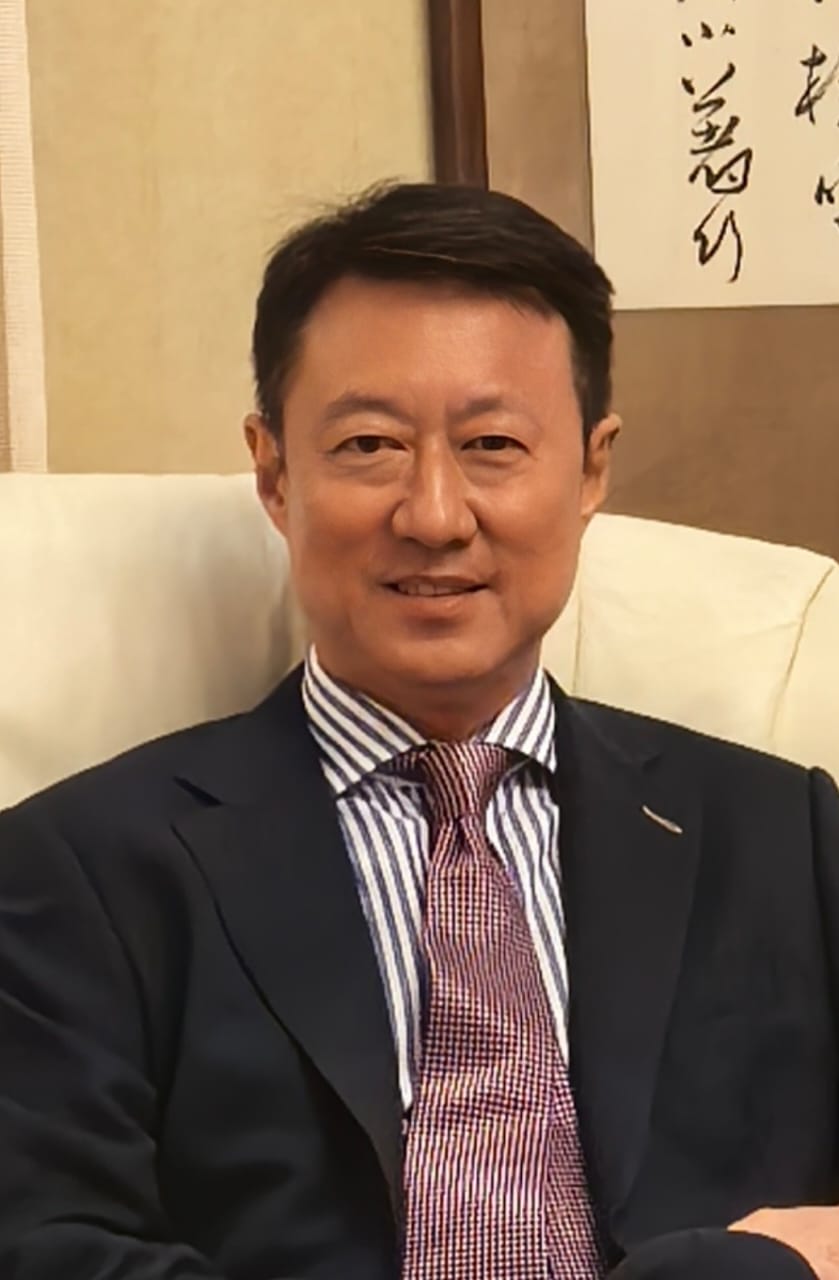
Unlocking the Benefits of Zero-Tariff Measures to Elevate the China–Africa Community with a Shared Future to a New Level
By Yu Dunhai,
On May 1 this year, China will fully implement zero-tariff measures for 53 African countries that have diplomatic relations with China. This represents a concrete step by China to expand high-level opening up and deepen China–Africa cooperation. As the policy enters its implementation phase, China–Nigeria cooperation is also reaching a critical juncture, transitioning from an “opportunity window” to the delivery of tangible outcomes.
This measure is characterized by comprehensive coverage. Previously, China had already granted zero-tariff treatment on 100 percent of tariff lines to 33 least developed African countries. Starting May 1, China will further extend zero-tariff arrangements, through preferential tariff rates, to 20 non-least developed African countries, including Nigeria, thereby achieving full coverage of all African countries with diplomatic relations with China. As a result, China has become the first major economy in the world to unilaterally implement comprehensive zero-tariff treatment for all such countries, demonstrating through concrete actions its commitment to providing market opportunities to African partners.
Zero tariffs measures directly reduce the cost of Nigerian products entering the Chinese market. From sesame, ginger, and cashews to cocoa and other specialty agricultural products, as long as they meet rules of origin as well as inspection and quarantine requirements, they can access the Chinese market more smoothly. This “channel effect” helps translate potential demand into stable orders and convert market opportunities into tangible benefits.
Beyond enabling products to be “sold,” this measure will also help them be “sold better.” The removal of tariffs will both encourage and incentivize enterprises to improve quality standards, optimize product structures, and strengthen brand development, thereby supporting sustainable growth in China’s high-standard market. As export volumes expand and quality improves, the international reputation of “Made in Nigeria” will be further enhanced.
From a broader perspective, the measure will promote localized value addition, inject new momentum into Nigeria’s industrialization and agricultural modernization, create employment opportunities, and improve livelihoods. Clear and stable expectations for exports to China will attract increased domestic and foreign investment into sectors such as agriculture, food processing, mineral processing, and manufacturing. Value addition through local processing prior to export will help extend industrial chains and stimulate the development of supporting industries, including R&D, quality inspection, packaging, warehousing, and logistics. In this way, Nigeria will be better positioned to transition from primary commodity exports to more diversified, higher value-added exports, enhancing the resilience and dynamism of its economy.
Whether the benefits of zero-tariff measures can be fully realized ultimately depends on effective implementation. African producers and exporters, including those in Nigeria, are encouraged to proactively align with Chinese market requirements in terms of product quality, supply reliability, and brand promotion. China will work closely with Nigeria and other African countries to create an even more enabling environment for expanding exports to China. This includes providing technical support through capacity-building programs, enhancing trade facilitation through “green channels” for agricultural products, and welcoming Nigerian enterprises to actively participate in major platforms such as the China International Import Expo, the Canton Fair, and the China–Africa Economic and Trade Expo to connect with buyers and promote their products. We also look forward to close coordination with relevant Nigerian authorities to ensure that products meet applicable origin rules, inspection and quarantine standards, and other regulatory requirements.
The zero-tariff arrangement is an innovative, phased, and pioneering measure in the ongoing negotiations on the Agreement on Economic Partnership for Shared Development between China and African countries. This agreement will more comprehensively reduce both tariff and non-tariff barriers, enhance trade and investment facilitation, and deepen cooperation across a range of development areas, thereby providing long-term, stable, and predictable institutional support for mutually beneficial cooperation between China and Nigeria.
Against the backdrop of persistent geopolitical tensions, global economic headwinds, and rising unilateralism and protectionism, China’s commitment to expanding opening up, while focusing on Africa’s development priorities and sharing the opportunities of its vast market and modernization, demonstrates both responsibility and strategic foresight. China stands ready to work with Nigeria to ensure that zero-tariff measures take root and deliver real results, advancing Africa’s modernization and elevating the China–Africa community with a shared future to a new level.
Yu Dunhai, is Chinese Ambassador to Nigeria
Unlocking the Benefits of Zero-Tariff Measures to Elevate the China–Africa Community with a Shared Future to a New Level


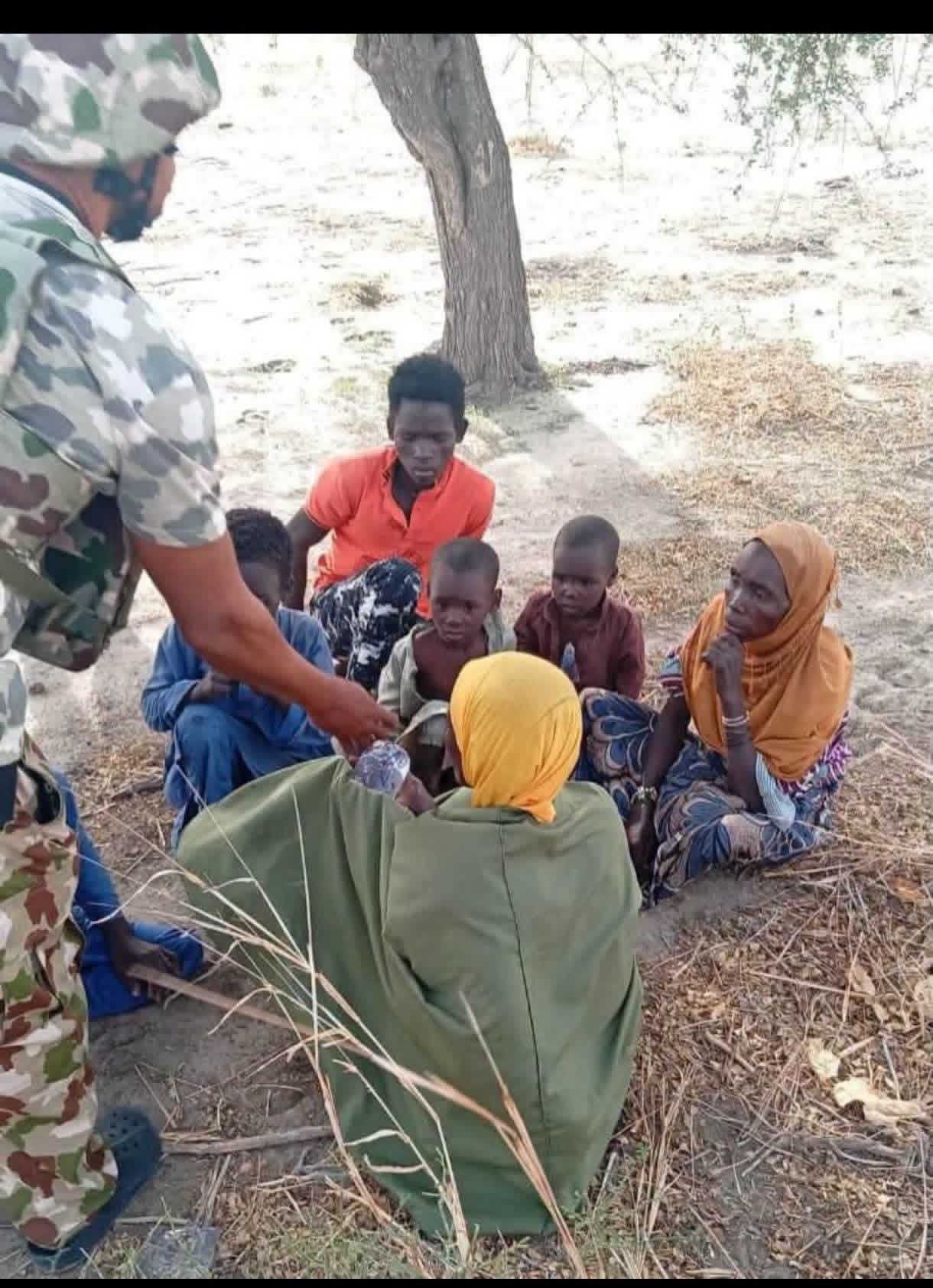
JUST IN: 47 Women And Children Freed As Troops Hit ISWAP Stronghold In Borno
By: Our Reporter
Troops of Operation Hadin Kai rescued 47 captives, mostly women and children, from ISWAP terrorists in Kangarwa, Kukawa LGA, Borno State, on 20 June 2026, according to a statement by Acting Military Information Officer, Captain Mohammed Goni.
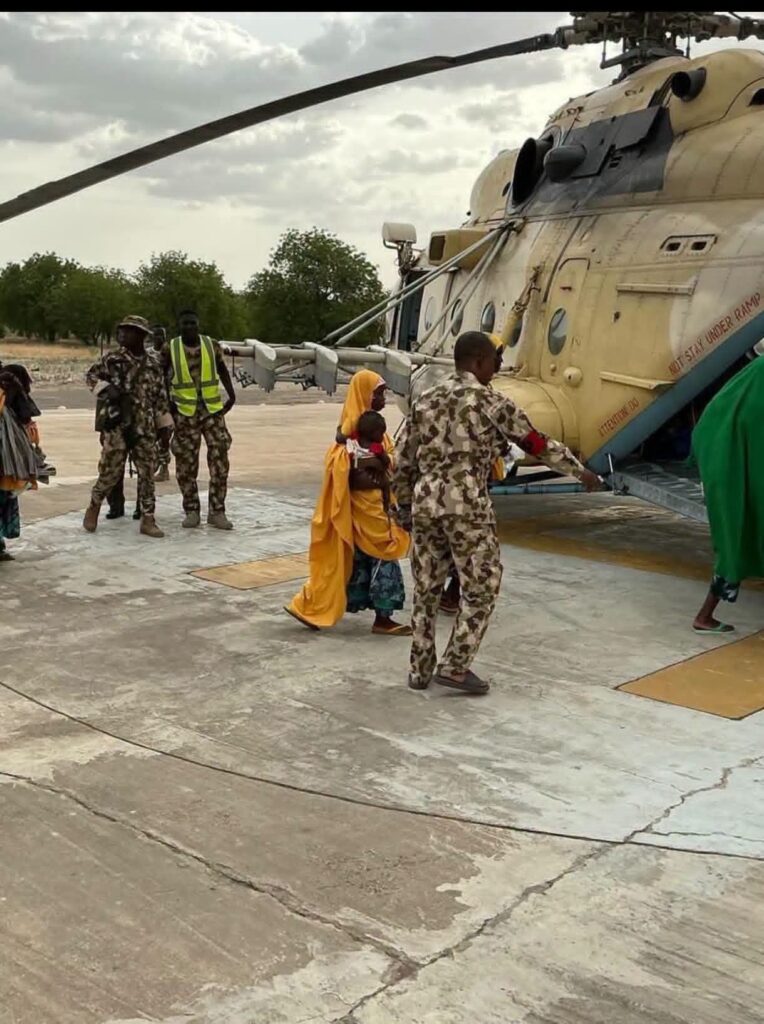
Goni said the rescue followed sustained ground and air offensives against ISWAP enclaves in the Lake Chad region, which forced the terrorists to abandon their positions and allowed the victims to escape prolonged captivity.
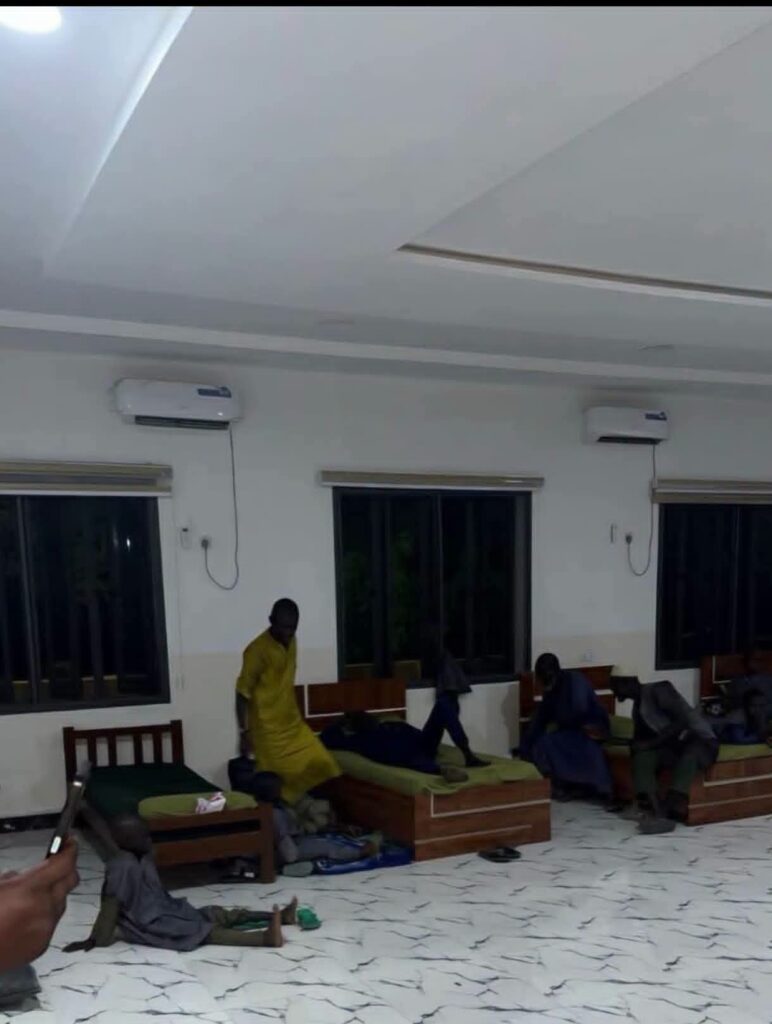
The rescued persons are receiving medical care at a secure location, with humanitarian agencies supporting their reintegration. The Theatre Command said it will sustain offensive operations to dismantle ISWAP networks and restore peace in the North East. Watch the video in the comment section.
JUST IN: 47 Women And Children Freed As Troops Hit ISWAP Stronghold In Borno
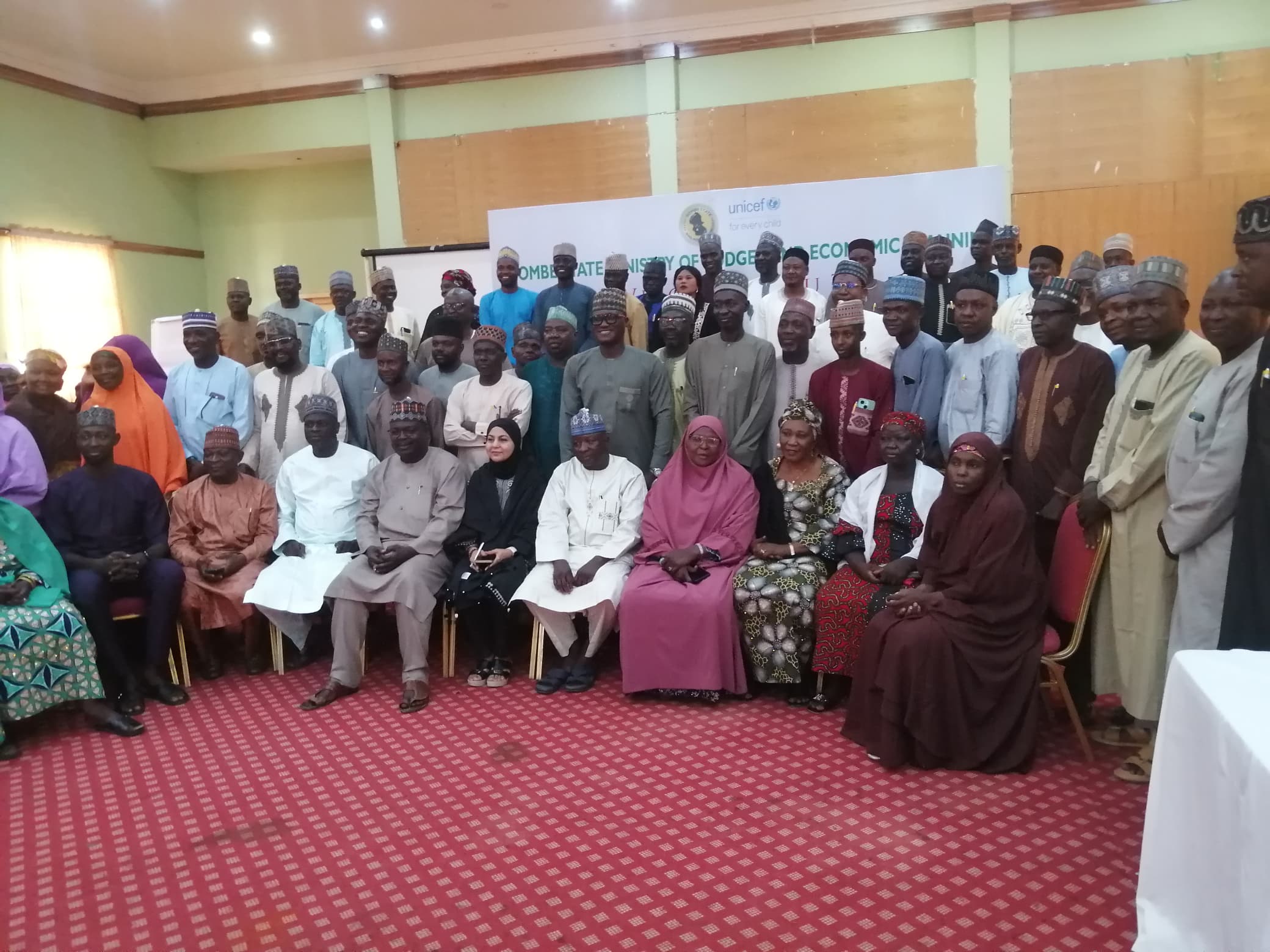
Gombe, UNICEF move to end child poverty
The Gombe State government through its Ministry of Budget and Economic Planning in collaboration with the United Nations Children’s Fund (UNICEF) has begun a three-day training for council officials in the state.
The training is geared towards combating the multidimensional poverty amongst children in the 11 Local Government Areas of the state.
Speaking during the workshop in Gombe on Tuesday, Dr Nuzhat Rafique, the Chief of Field Office at UNICEF’s Bauchi Field Office expressed concern over the high level of child poverty in the state.
Rafique said that the 2024/2025 Multiple Indicator Cluster Survey (MICS) conducted in the state showed that seven out of 10 children in Gombe State experience multidimensional poverty.
She stated that in view of the challenge, many children in the state were being deprived of basic life necessities.
The chief said that the progress of Gombe State and Nigeria at large depended on how well multidimensional poverty amongst children was tackled.
She said that tackling child poverty remained key to ensuring that children in the state were better protected to grow well and contribute to the development of the state and country.
According to her, it is in that regard, that UNICEF is supporting the state to expand social protection programmes, improve healthcare access, and tackle severe child food poverty.
She further stated that UNICEF through the training would support the planning and budgeting exercise at the LGA levels towards tackling child poverty in the state.
“According to the data collected by the household survey, there are 7 out of 10 children suffering from some forms of multidimensional poverty.
” This is a high level of multidimensional poverty that we see in Gombe and other states as well.
“We don’t want any child to suffer any form of multidimensional poverty but 70 per cent of children are involved which is why UNICEF is involved.
“Some of the LGAs with high levels of deprivation are Dukku, Balanga, Nafada.
“We want to concentrate on the most deprived LGAs but also within LGAs, the most deprived areas where children are suffering the most, reaching the poorest of the poor,” she said
On his part, Mr Jalo Ali, the Permanent Secretary, Gombe State Ministry of Finance who is also overseeing the Ministry of Budget and Economic Planning urged participants to leverage the training to enhance their capacity.
Represented by Mr Musa Babaji, Director, Administration and Finance, Ministry of Finance, Ali tasked participants to have cross-sector thinking about the theme of the workshop, stating that poverty facing children in the state was multidimensional.
“It (child poverty) involves so many things reason it is called multidimensional therefore there is need for cross sector thinking.
“Such thinking that is focused on solutions that are measurable, practicable and people oriented to achieve the purpose of this workshop,” he said
The Statistician General of Gombe State, Alhaji Ibrahim Dule who was represented by Musa Umar, the overseeing Director, Economic and Social Statistics, Gombe State Bureau of Statistics gave the outcome of the survey conducted in the state with the support of UNICEF.
Dule said that the Gombe State General Household Survey conducted for 2024/2025 showed that 65 per cent of households in the state have access to drinking water.
He further said that 51.5 per cent of household in the state have access to improved sanitation with urban centres having 64.9 per cent while rural areas 43 per cent.
According to him, 50.5 per cent of household have access to electricity with urban having 74.3 per cent and rural 35.4 per cent.
“10 LGAs have severe food security issues which is a great cause of concern and should be looked into critically,” he said.
The News Agency of Nigeria (NAN) reports that no fewer than 66 officials drawn from the 11 LGAs in the state are participating in the workshop.
Gombe, UNICEF move to end child poverty
Truth Has No Ethnic Colour — A Response to BYM’s Mischaracterisation of Zagazola Media Network
The attention of Zagazola Media Network has been drawn to a statement issued by the Berom Youth Moulders Association (BYM), in which our platform was unfairly and inaccurately portrayed as a “mouthpiece” of the Miyetti Allah Cattle Breeders Association of Nigeria (MACBAN) over reports relating to the recent killing of two herders in Jos South Local Government Area of Plateau State.
Ordinarily, we would not dignify such allegations with a response. However, given the sensitivity of the Plateau conflict and the importance of maintaining public trust in independent journalism, it has become necessary to set the record straight.
First, Zagazola Media Network is neither affiliated with MACBAN, nor with any ethnic, religious, political or sectional interest group in Nigeria or the Sahel. We are a network of journalists, researchers and security analysts committed to factual reporting, conflict documentation and the promotion of peace and stability across Nigeria.
Our record speaks for itself.
For years, we have consistently documented and reported security developments across Plateau State and other conflict-prone areas without fear or favour. We have published hundreds of reports on attacks affecting all communities, irrespective of the identity of the victims or perpetrators. Our archives contain hundreds of extensive coverage of killings in Berom communities, attacks on Fulani settlements, reprisals, kidnappings, cattle rustling, communal violence and terrorist activities across the state.
When Fulani Bandits attacked communities in Bokkos on Monday and 18 of innocent residents were killed, Zagazola Media Network was among the first platforms to report the tragedy.
https://zagazola.org/index.php/breaking-news/fulani-bandits-kill-18-in-fresh-attack-on-plateau-communities
We did not hesitate because the victims were Berom. We reported the facts as they emerged. Indeed, many of those reports were subsequently cited and amplified by national and international media organizations. Likewise, when Fulani communities have come under attack, we have reported those incidents with the same level of professionalism and attention.
Our principle is simple, All victims deserve to be heard, regardless of ethnicity, religion or social status. Facts deserve to be reported, regardless of whose narrative they support.
It is therefore disappointing that an organization claiming to advocate peace and justice would resort to attacking the credibility of journalists simply because a report did not conform to its preferred narrative.
The essence of journalism is not to validate the positions of interest groups. Journalism exists to establish facts and place them before the public. Sometimes those facts may align with the position of one group. At other times, they may not. That does not make the journalist an ally or an enemy of any side.
The attempt to associate Zagazola Media Network with MACBAN is both false and irresponsible. Equally troubling is the suggestion that our reports should be judged based on whether they support the narratives of any ethnic organization. The Plateau crisis is too serious for such distractions.
For decades, communities across Plateau State have suffered devastating losses. Berom families have lost loved ones. Fulani families have lost loved ones. Other ethnic groups have also paid a terrible price. The challenge before all stakeholders should be how to stop the cycle of violence not how to silence or intimidate independent reporting.
What should concern everyone is whether journalists are acting in good faith and striving for accuracy. On that score, Zagazola Media Network’s record remains open for public scrutiny.
We therefore reject, in its entirety, the attempt to portray our platform as aligned with MACBAN or any other interest group. Even the MACBAN are accusing Zagazola of stereo typing the Fulani as Bandits in our stories. But for the purpose of clarity the names of attackers must be clearly mentioned.
We therefore reject the dangerous trend of branding journalists based on whose actions are reported at any given moment. Our loyalty remains where it has always been: with the truth.
We will continue to report attacks against Berom communities when they occur. We will continue to report attacks against Fulani communities when they occur. We will continue to report criminality, terrorism and violence wherever they emerge.
The pursuit of peace requires honesty. It requires courage. Above all, it requires a willingness to confront facts, even when they are uncomfortable.
Zagazola Media Network will remain committed to those principles.
Truth has no ethnic colour. Facts have no tribe. Journalism has no side except the truth.
— Zagazola Media Network
Truth Has No Ethnic Colour — A Response to BYM’s Mischaracterisation of Zagazola Media Network

JUST IN: 47 Women And Children Freed As Troops Hit ISWAP Stronghold In Borno

Gombe, UNICEF move to end child poverty

Truth Has No Ethnic Colour — A Response to BYM’s Mischaracterisation of Zagazola Media Network

Roger Federer’s Shock as DNA Results Reveal Myla and Charlene Are Not His Biological Children

THE PLIGHT OF FARIDA

FAILED COUP IN BURKINA FASO: HOW TRAORÉ NARROWLY ESCAPED ASSASSINATION PLOT AMID FOREIGN INTERFERENCE CLAIMS
-
 News2 years ago
Roger Federer’s Shock as DNA Results Reveal Myla and Charlene Are Not His Biological Children
-
Opinions4 years ago
THE PLIGHT OF FARIDA
-
 News1 year ago
FAILED COUP IN BURKINA FASO: HOW TRAORÉ NARROWLY ESCAPED ASSASSINATION PLOT AMID FOREIGN INTERFERENCE CLAIMS
-

 News2 years ago
EYN: Rev. Billi, Distortion of History, and The Living Tamarind Tree
-
 Opinions5 years ago
POLICE CHARGE ROOMS, A MINTING PRESS
-

 ACADEMICS2 years ago
A History of Biu” (2015) and The Lingering Bura-Pabir Question (1)
-

 Columns2 years ago
Army University Biu: There is certain interest, but certainly not from Borno.
-

 Politics1 year ago
2027: Why Hon. Midala Balami Must Go, as Youths in Hawul and Asikira/Uba Federal Constituency Reject ₦500,000 as Sallah Gift
