
News
UNODC: Youth Unemployment Fueling Human Trafficking as Criminals Exploit Digital Platforms

UNODC: Youth Unemployment Fueling Human Trafficking as Criminals Exploit Digital Platforms
By: Michael Mike
The United Nations Office on Drugs and Crime (UNODC) has warned that rising youth unemployment and the increasing misuse of digital technologies are creating fertile ground for human traffickers, urging Nigeria to combine stronger law enforcement with sustained investment in jobs, skills development and economic opportunities for young people.
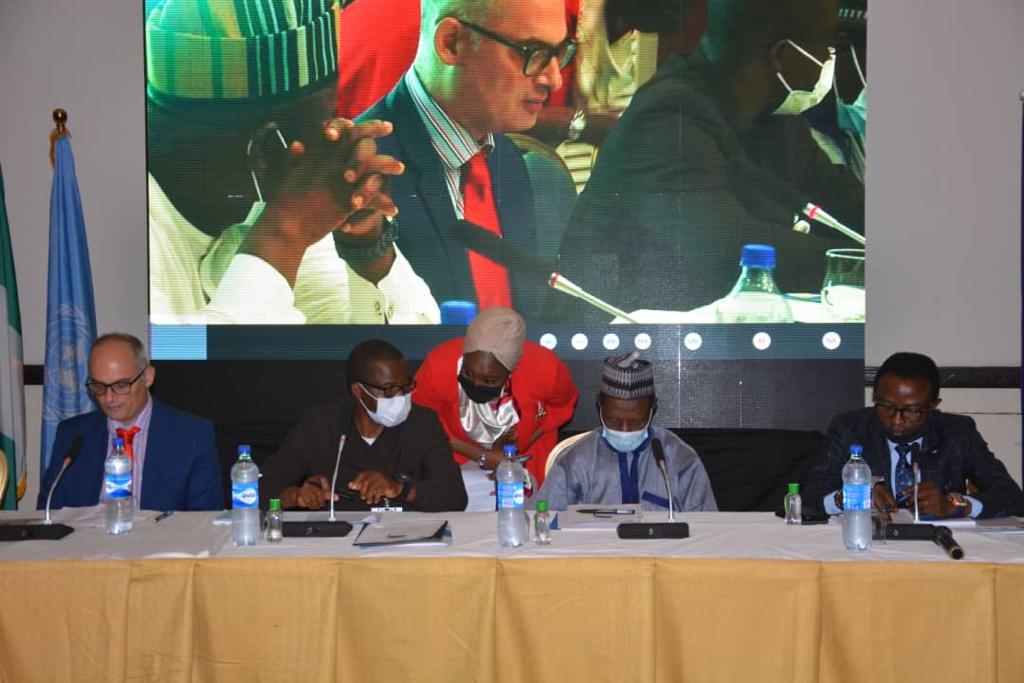
Speaking at the pre-World Day Against Trafficking in Persons press conference held at the headquarters of the National Agency for the Prohibition of Trafficking in Persons (NAPTIP) in Abuja on Wednesday, the UNODC Country Representative, Mr. Cheikh Toure, said trafficking networks are becoming increasingly sophisticated by using social media, online recruitment platforms and fake employment opportunities to lure unsuspecting victims.
The press conference formally launched activities leading to the 2026 World Day Against Trafficking in Persons, observed globally on July 30, under the theme, “Trapped Behind the Scam.”
Toure described the campaign theme as a timely reminder that many people involved in online scam operations are themselves victims of trafficking who were deceived with promises of legitimate employment or opportunities abroad before being subjected to coercion, intimidation, forced labour and other forms of exploitation.
He said the global campaign seeks to expose the hidden human suffering behind cyber-enabled crimes and encourage governments and citizens to look beyond the apparent criminal activity to identify and protect victims.
According to him, criminal organisations are increasingly exploiting digital technologies to target vulnerable groups, particularly young people searching for employment and better economic prospects.
“What begins as the promise of legitimate employment can, in a matter of days, become a descent into forced labour, forced criminality, or other grave forms of trafficking and exploitation,” he warned.
The UNODC representative stressed that trafficking continues to flourish where legitimate economic opportunities are lacking, arguing that many unemployed young people become easy targets for traffickers offering false promises of jobs overseas.
He said tackling the crime effectively requires more than arrests and prosecutions, insisting that governments must prioritise youth empowerment, vocational training, entrepreneurship and inclusive economic growth.
“If we are to be honest with ourselves, we must acknowledge that trafficking thrives where legitimate opportunity is scarce,” Toure said, adding that every new job created and every skill acquired reduces the chances of traffickers exploiting vulnerable young people.
He described investment in youth as not only a development priority but also a frontline strategy for preventing human trafficking.
Toure noted that trafficking remains one of the gravest violations of human rights, affecting women, men and children while strengthening organised criminal networks and undermining national development.
He outlined four key priorities for combating the menace, including strengthening public awareness to expose deceptive recruitment practices and online scams, improving the identification and protection of victims, intensifying investigations and prosecution of trafficking syndicates, and expanding collaboration among governments, law enforcement agencies, civil society organisations, development partners, technology companies, community leaders and the media.
He also urged authorities to ensure that individuals forced into criminal activities through trafficking are recognised first as victims deserving protection and rehabilitation rather than immediate criminalisation.
Reaffirming UNODC’s commitment to supporting Nigeria, Toure said the organisation would continue assisting efforts aimed at preventing trafficking, protecting survivors and strengthening criminal justice systems in line with international standards.
He added that the agency would also continue supporting initiatives that expand educational opportunities, improve youth employability and address the socio-economic conditions that make trafficking possible.
Highlighting activities planned for the 2026 campaign, Toure said awareness walks, a novelty football match and the main World Day Against Trafficking in Persons commemoration on July 30 would serve as platforms to mobilise public support against trafficking.
He commended the media for its critical role in exposing trafficking networks, raising public awareness and promoting survivor-centred reporting that protects the dignity and privacy of victims.
Toure urged journalists to continue highlighting recruitment scams and other trafficking tactics while avoiding reports that could further traumatise survivors.
He concluded by calling on governments, international organisations, civil society, the private sector and citizens to strengthen collective action against trafficking, stressing that behind many online scams are victims in need of protection, justice and support.
According to him, only sustained collaboration and meaningful investment in the future of young people will enable countries to prevent exploitation, dismantle trafficking networks and ensure that no one remains trapped by deception, coercion or exploitation.
Human trafficking remains one of the world’s fastest-growing organised crimes, generating billions of dollars annually for criminal syndicates. In recent years, authorities have recorded an increasing convergence between trafficking in persons and cyber-enabled fraud, with victims trafficked across borders and forced to participate in online scams under threats, violence and inhumane conditions. The 2026 global campaign seeks to draw international attention to this emerging trend while strengthening efforts to identify victims, prosecute traffickers and reduce vulnerabilities through prevention and economic empowerment.
UNODC: Youth Unemployment Fueling Human Trafficking as Criminals Exploit Digital Platforms


FG Moves to Shield Power Infrastructure as Vandalism Threatens Nigeria’s Electricity Reforms
By: Michael Mike
The Federal Government has intensified its campaign to protect Nigeria’s fragile electricity infrastructure, moving to establish a joint security task force with the Nigeria Police Force to tackle the growing threat of vandalism, sabotage and criminal attacks on critical power assets.
The move emerged on Tuesday when the Minister of Power, Joseph Tegbe, visited the Inspector-General of Police, Tunji Disu, at the Force Headquarters in Abuja, seeking stronger cooperation between the ministry and the nation’s primary law enforcement agency.
The proposed collaboration is aimed at securing transmission lines, substations, power plants and other strategic installations considered vital to the success of ongoing reforms in Nigeria’s electricity sector.
Tegbe said the increasing destruction of power infrastructure remained a major setback to efforts to improve electricity supply, warning that attacks on critical assets undermine investments, disrupt service delivery and slow down progress in the sector.
He called for intensified surveillance around vulnerable installations and stronger coordination between the Ministry of Power and the police to prevent criminal activities targeting electricity facilities.
The minister, who was accompanied by the Permanent Secretary and members of the ministry’s management team, commended the Nigeria Police Force for its performance under the leadership of IGP Disu, stressing that the security of power infrastructure required a collective national effort.
Vandalism: A Persistent Threat to Power Supply
Nigeria’s electricity sector has for years battled infrastructure challenges, with vandalism emerging as one of the major obstacles affecting the reliability of power supply.
From the destruction of transmission towers and cables to attacks on transformers and distribution equipment, criminal activities have repeatedly forced prolonged outages, increased operational costs and placed additional pressure on electricity providers.
The challenge has become more significant as successive administrations invest in expanding generation capacity, improving transmission networks and strengthening distribution systems.
Energy experts have consistently warned that without adequate protection of existing infrastructure, efforts to increase electricity access and attract private sector investment could face serious setbacks.
The Federal Government’s latest move reflects growing recognition that security of infrastructure is as important as investment in new projects.
Police Pledge Stronger Protection
Speaking during the meeting, IGP Disu welcomed the minister’s visit, describing cooperation between security agencies and critical sectors of the economy as essential to national development.
He assured the Ministry of Power that the police would continue to protect critical national infrastructure and support efforts aimed at improving energy security.
The police chief pledged that perpetrators involved in vandalism and other crimes against the power sector would be identified and prosecuted, while expressing readiness to work with the ministry to establish a specialised task force dedicated to protecting electricity assets.
According to him, the strategic importance of power infrastructure makes it a priority for security intervention, particularly because attacks on such facilities affect millions of Nigerians and economic activities nationwide.
Protecting Renewed Hope Power Agenda
The planned security partnership comes amid the Federal Government’s broader electricity sector reforms under President Bola Ahmed Tinubu’s Renewed Hope Agenda, which seeks to increase power reliability, encourage investment and improve access to electricity.
The administration has identified a stable power supply as a foundation for industrial growth, job creation and economic transformation.
However, stakeholders have maintained that achieving these objectives requires not only policy reforms and financial investments but also effective protection of infrastructure against criminal damage.
The proposed Ministry of Power–Police joint task force is therefore expected to provide a coordinated approach to monitoring vulnerable facilities, responding to security threats and ensuring that critical power assets remain operational.
With Nigeria’s economic development closely tied to improved electricity supply, the success of the initiative could prove crucial in protecting billions of naira invested in the sector and accelerating the country’s journey towards energy stability.
FG Moves to Shield Power Infrastructure as Vandalism Threatens Nigeria’s Electricity Reforms
News
Nigeria, Germany Forge New Strategic Pact as Abuja Woos Investors, Berlin Pledges Stronger Economic, Security Ties
Nigeria, Germany Forge New Strategic Pact as Abuja Woos Investors, Berlin Pledges Stronger Economic, Security Ties
By: Michael Mike
Nigeria and Germany on Wednesday moved to deepen their longstanding strategic partnership, with both countries committing to expanded cooperation in trade, energy, technology, security and human capital development as Berlin pledged increased investment in Africa’s largest economy.
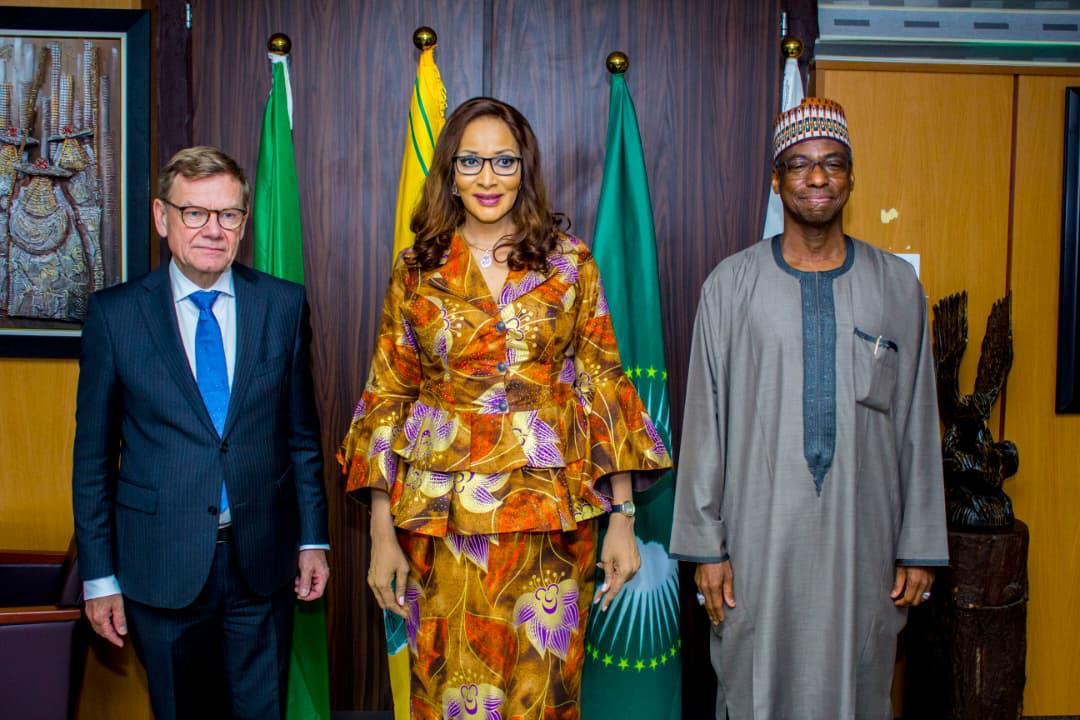
The renewed commitment was made in Abuja during a high-level bilateral meeting between Nigeria’s Minister of Foreign Affairs, Ambassador Bianca Odumegwu-Ojukwu, and her German counterpart, Federal Minister for Foreign Affairs, Johann Wadephul.
The meeting came as both countries seek to build on more than 65 years of diplomatic relations, with Nigeria positioning itself as a major destination for German investment while Germany reaffirmed its role as a key economic and development partner.
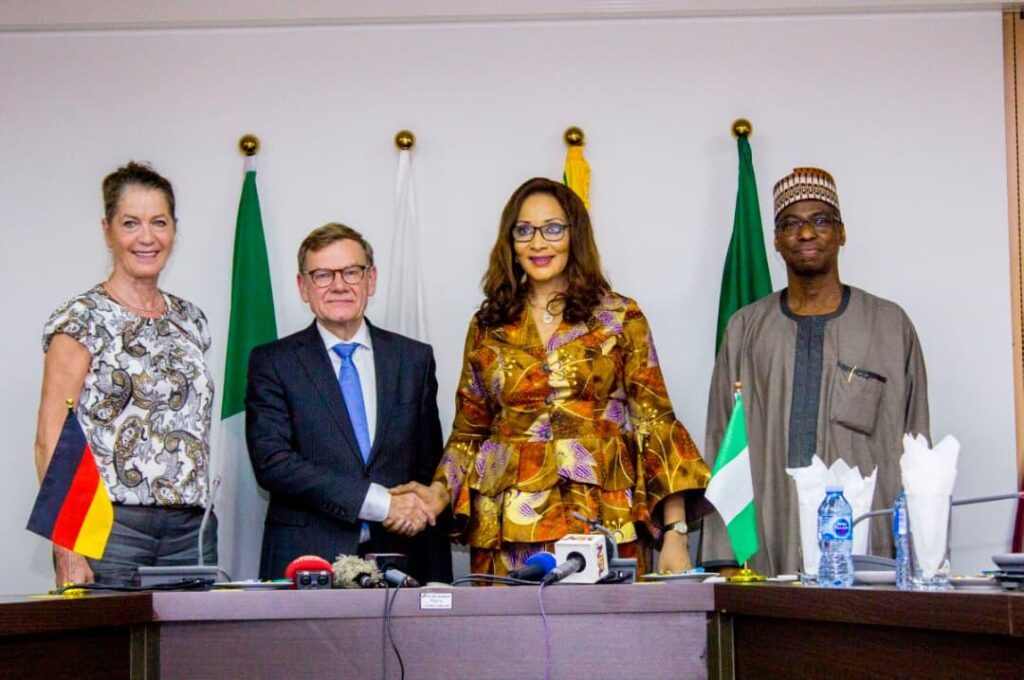
Welcoming the German delegation, Odumegwu-Ojukwu described Germany as one of Nigeria’s most important strategic partners in Europe, noting that bilateral relations had expanded beyond diplomacy to encompass trade, investment, renewable energy, education, science and technology, migration, culture and security cooperation.
She said the evolving global environment, marked by geopolitical tensions, terrorism, climate change, food insecurity and economic uncertainty, had made stronger international partnerships more important than ever.
According to her, Nigeria remained committed to strengthening ties with Germany in ways that would deliver measurable benefits to both countries and contribute to regional and global stability.
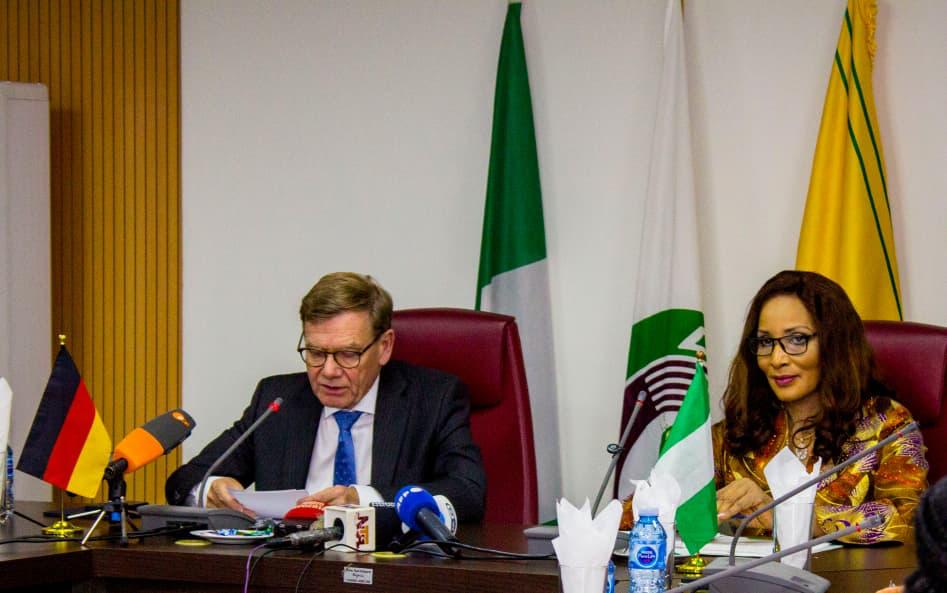
The minister identified renewable energy, digital innovation, artificial intelligence, critical minerals, manufacturing, agriculture, healthcare, infrastructure and the green economy as areas with significant potential for deeper collaboration.
She highlighted the Nigeria-Germany Bi-National Commission as a major pillar of bilateral engagement, saying the platform had continued to provide a roadmap for expanding cooperation across key sectors.
Odumegwu-Ojukwu noted that Nigeria had continued implementing economic reforms aimed at improving the investment environment, strengthening governance and creating opportunities for private sector participation.
She called for increased German investment in Nigeria’s priority sectors, particularly renewable energy, industrial development, transport infrastructure, agriculture and digital technology.
Responding, Wadephul described Nigeria-Germany relations as a strategic partnership built over decades, recalling that Germany established its embassy in Lagos just three days after Nigeria gained independence in 1960.
He said the relationship had continued to grow, with Germany now standing as Nigeria’s largest European trading partner on a bilateral basis.
The German foreign minister disclosed that trade between both countries increased by 10 per cent in the previous year, signalling growing economic cooperation.
He said the Nigeria-Germany Business Forum would continue to serve as a vehicle for expanding commercial ties and attracting more German companies into Nigeria.
“With my visit, many more German investors will be investing in Nigeria,” Wadephul assured, while expressing Germany’s interest in Nigeria’s energy sector and other areas capable of driving economic transformation.
He also commended the effectiveness of the Nigeria-Germany Bi-National Commission, describing it as a valuable mechanism for sustaining cooperation and delivering practical outcomes.
Beyond economic issues, both ministers stressed the importance of closer collaboration on regional security, particularly amid rising threats from terrorism, violent extremism and organised crime in parts of West Africa.
Odumegwu-Ojukwu praised Germany’s continued support for the Economic Community of West African States (ECOWAS), especially in promoting peace-building, democratic governance, conflict prevention and institutional strengthening.
Wadephul reiterated Germany’s commitment to supporting ECOWAS efforts to address insecurity in the region, particularly challenges linked to terrorism and instability in the Sahel.
He expressed readiness to work closely with his Nigerian counterpart to further strengthen the strategic partnership between both nations.
The renewed engagement signals a push by Abuja and Berlin to transform decades of diplomatic friendship into broader economic opportunities, increased investment flows and stronger cooperation on regional and global challenges.
Nigeria, Germany Forge New Strategic Pact as Abuja Woos Investors, Berlin Pledges Stronger Economic, Security Ties
MSF: Cholera Outbreak Overwhelms Borno Health Facilities as Suspected Cases Cross 35,000
By: Michael Mike
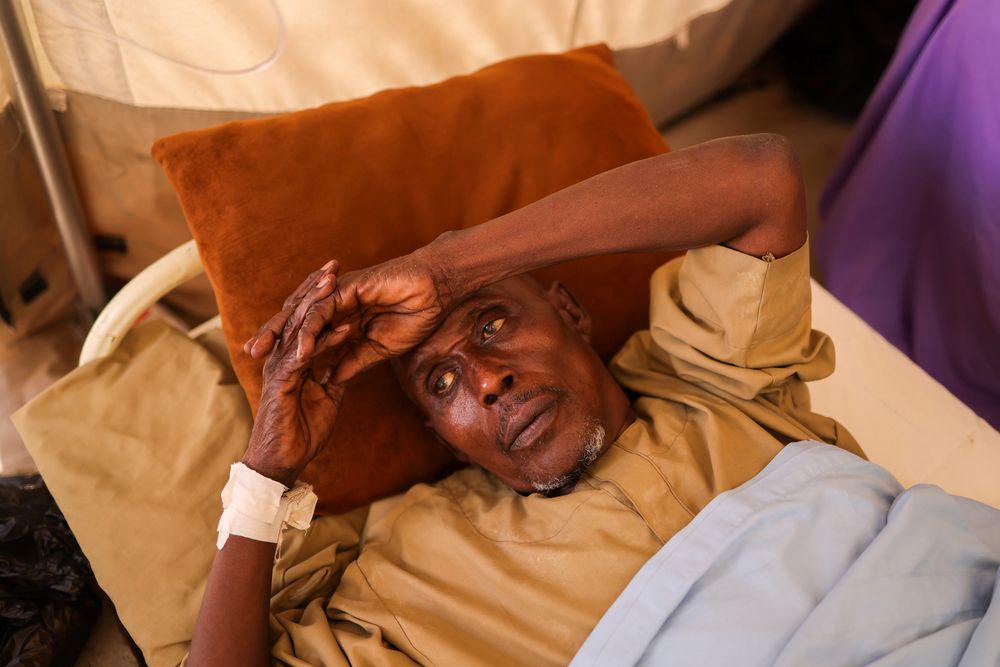
Healthcare facilities in Borno State, northeast Nigeria, are struggling to cope with a rapidly escalating cholera outbreak that has affected thousands of people, with humanitarian organisation Médecins Sans Frontières (MSF) warning that transmission is spreading faster than containment efforts.
MSF, in a statement on Wednesday, said the outbreak, which began with the first suspected cases reported on May 1, 2026, has placed enormous pressure on medical centres across the state, as health workers battle to treat rising numbers of patients suffering from severe dehydration and other complications.
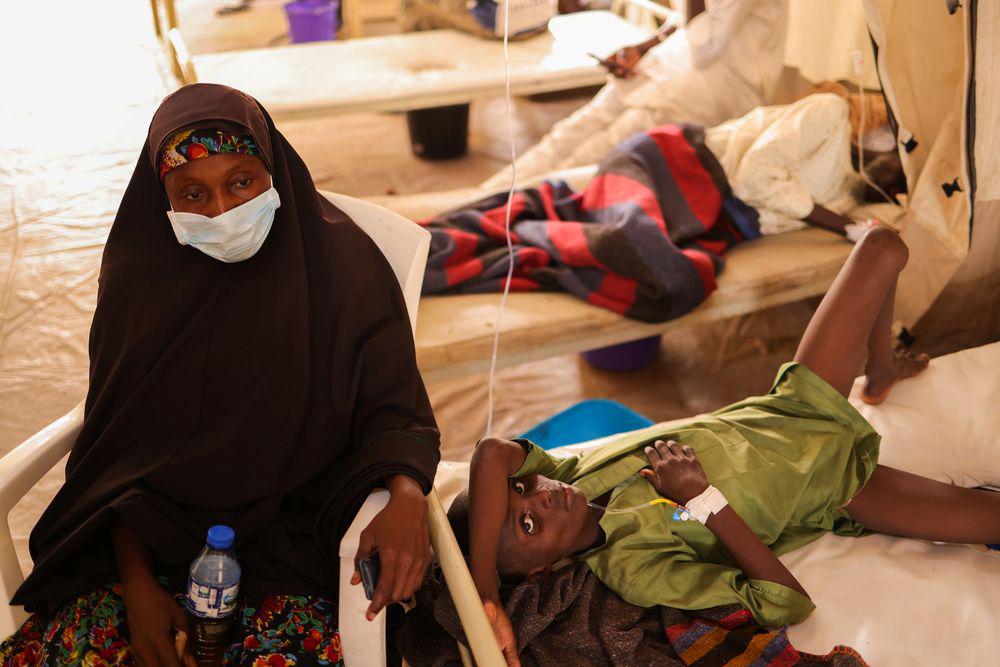
According to the Borno State Ministry of Health, more than 35,500 suspected cholera cases and 198 deaths had been recorded as of July 12, 2026.
Among those affected is 13-year-old Muhammad Usman, who was rushed by ambulance to the MSF-supported Cholera Treatment Centre (CTC) in Maiduguri after developing severe symptoms.
“ He started vomiting, had diarrhoea and complained of stomach pain. Later, he lost consciousness. We realised it could be cholera,” his mother, Hadiza Ali, said.
Cholera, a bacterial infection transmitted through contaminated food and water, causes severe watery diarrhoea and rapid dehydration. Without immediate medical attention, the disease can become fatal within hours.
MSF said the surge has been fuelled by overcrowded informal settlements, inadequate access to clean drinking water, poor sanitation systems and weak waste management practices.
To support the government-led response, MSF has expanded its operations across Borno State, supporting two Cholera Treatment Centres, five Cholera Treatment Units and 17 oral rehydration points designed to bring care closer to affected communities.
The organisation said it had treated more than 24,000 patients with suspected cholera since the beginning of its response, with over 25 per cent presenting with severe symptoms.
“We have significantly expanded our response over the past two months, but the transmission is still spreading faster than efforts to contain it, mainly due to a lack of access to clean water, sanitation and healthcare,” said Bienfait Tombola, MSF Project Medical Coordinator in Maiduguri.
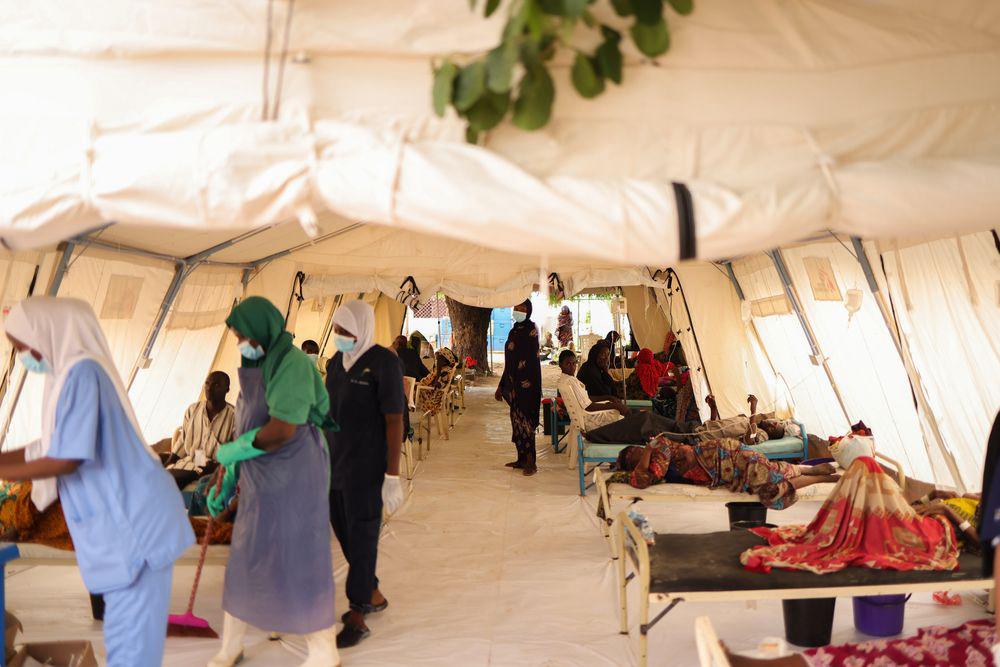
Beyond medical treatment, health authorities and humanitarian partners are also confronting challenges around public awareness, with many residents unaware of how cholera spreads and how to prevent infection.
Kyari Ali, a 65-year-old patient receiving treatment at the Maiduguri CTC, said several members of his family and community had contracted the disease.
“Many people in my family and community have suspected cholera. I even have relatives who are also here in the treatment centre. I don’t know how I got the disease, I don’t know how cholera spreads,” he said.
In response, MSF and health authorities have intensified community sensitisation campaigns, trained healthcare workers, strengthened infection prevention measures and improved water safety through chlorination at key collection points.
A major oral cholera vaccination campaign conducted in early July with support from MSF reached more than 2.6 million people in affected areas.
However, health experts warn that long-term control of the outbreak will require urgent investment in clean water supply, sanitation infrastructure, disease surveillance and expanded access to healthcare services.
The outbreak has also spread beyond Borno State, with neighbouring Plateau State reporting 102 suspected cholera cases as of July 12, according to health authorities.
With health facilities under sustained pressure and new infections continuing to emerge, MSF stressed that expanding vaccination campaigns and improving access to safe water and sanitation remain critical to slowing transmission and preventing further deaths.
MSF: Cholera Outbreak Overwhelms Borno Health Facilities as Suspected Cases Cross 35,000

FG Moves to Shield Power Infrastructure as Vandalism Threatens Nigeria’s Electricity Reforms

Nigeria, Germany Forge New Strategic Pact as Abuja Woos Investors, Berlin Pledges Stronger Economic, Security Ties

MSF: Cholera Outbreak Overwhelms Borno Health Facilities as Suspected Cases Cross 35,000

Roger Federer’s Shock as DNA Results Reveal Myla and Charlene Are Not His Biological Children

THE PLIGHT OF FARIDA

FAILED COUP IN BURKINA FASO: HOW TRAORÉ NARROWLY ESCAPED ASSASSINATION PLOT AMID FOREIGN INTERFERENCE CLAIMS
-
 News2 years ago
Roger Federer’s Shock as DNA Results Reveal Myla and Charlene Are Not His Biological Children
-
Opinions4 years ago
THE PLIGHT OF FARIDA
-
 News1 year ago
FAILED COUP IN BURKINA FASO: HOW TRAORÉ NARROWLY ESCAPED ASSASSINATION PLOT AMID FOREIGN INTERFERENCE CLAIMS
-

 News2 years ago
EYN: Rev. Billi, Distortion of History, and The Living Tamarind Tree
-
 Opinions5 years ago
POLICE CHARGE ROOMS, A MINTING PRESS
-

 ACADEMICS2 years ago
A History of Biu” (2015) and The Lingering Bura-Pabir Question (1)
-

 Columns2 years ago
Army University Biu: There is certain interest, but certainly not from Borno.
-

 Politics1 year ago
2027: Why Hon. Midala Balami Must Go, as Youths in Hawul and Asikira/Uba Federal Constituency Reject ₦500,000 as Sallah Gift
