
News
Vice President Shettima: A Stabilizer AndBeacon of Hope For Northern Nigeria’s Development

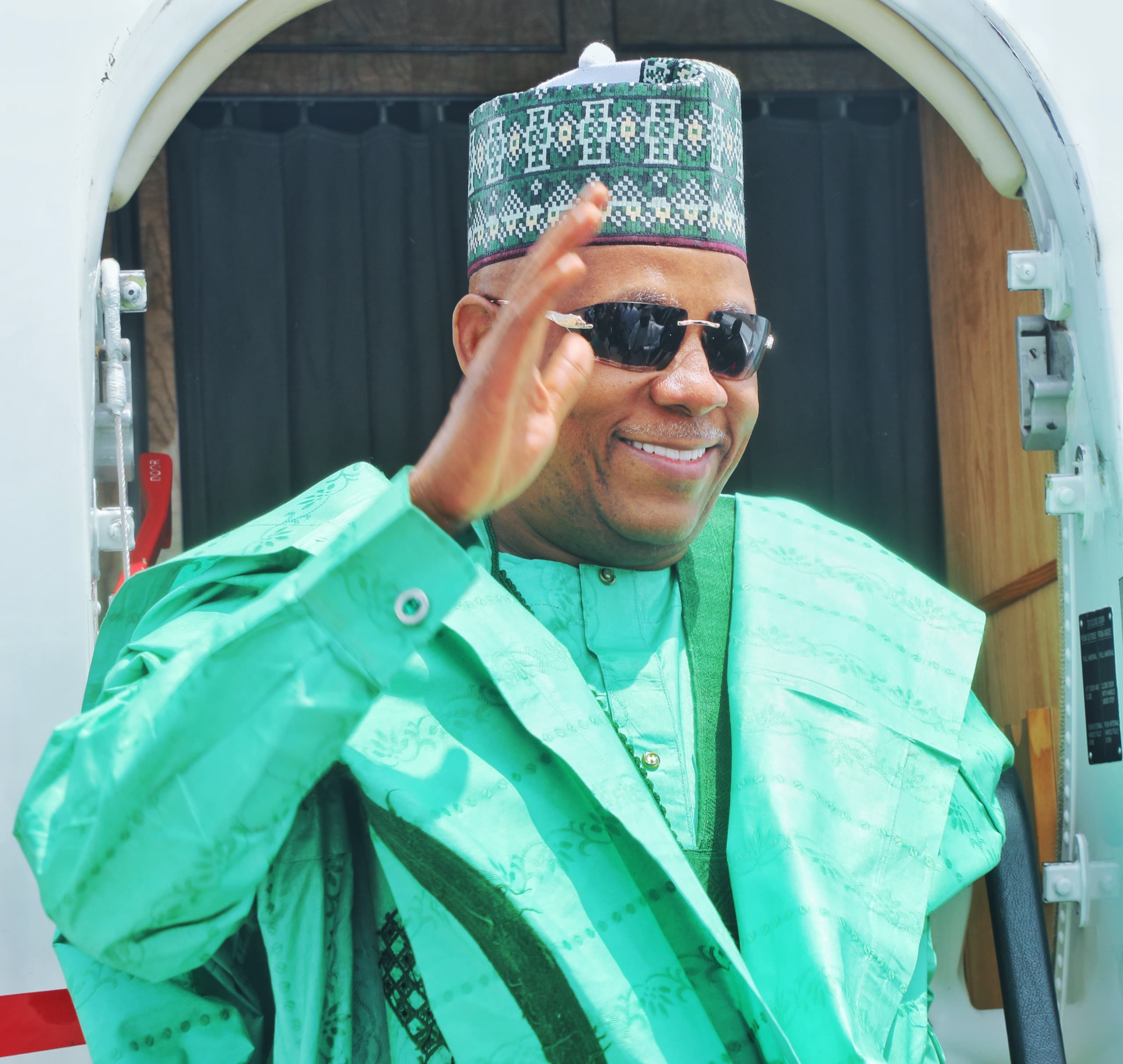
Vice President Shettima: A Stabilizer And
Beacon of Hope For Northern Nigeria’s Development
By Gbenga Akingbule.
In 2024, a persistent rumour began circulating that the Sultan of Sokoto, His Eminence Alh. Muhammadu Sa’ad Abubakar CFR was facing imminent dethronement. As the speculation gained traction, Vice President Sen .Kashim Shettima, the North’s top political leader, intervened to assuage concerns.
Gatekeepers News reports that Shettima categorically assured the public that the Sultan’s position as the spiritual leader of Nigeria’s Muslim community and head of the Sokoto Caliphate was secure, effectively quelling the rumour.
Vice President Shettima did not mince words as he let out his precise message, directed at the Deputy Governor of Sokoto State Hon Idris Gobir and to whom it may concern in an occation where some Northern stakeholders, including the Sultan of Sokoto had converged in the ancient city of Katsina during the opening of the inaugural North-West Peace and Security Summit
” Yes , the Sultan is the Sultan of Sokoto , but he’s much more than that , he represents an idea , he represents an institution that all of us in this country need to jealously guard, protect, promote preserve and project for the good of our nation ” VP Shettima said
Many Nigerians, especially those from the northern region, have applauded Vice President Kashim Shettima for his decisive action in addressing a contentious issue previously plagued by speculation and uncertainty. His bold intervention has been met with widespread commendation and display of exceptional leadership acumen.
Senator Shettima unequivocally told all those plotting to dethrone the Sultan to bury their plans as the sultanate is not the exclusive preserve of a few within a geographic region.
Right there in Katsina, VP Shettima highlighted some of the critical steps taken by his boss , President Bola Ahmed Tinubu – led Federal Government to address the northern region’s most pressing challenge: insecurity.
Insecurity has long plagued the nothern region, with the relentless Boko Haram insurgency in the Northeast and banditry in the Northwest, herders and famers clashes in the North Central, residents are now looking unto President Bola Ahmed Tinubu administration for a solution, seeking a renewed sense of safety and security.
The Tinubu administration has vowed to tackle the issue head-on, pledging to eradicate insecurity and restore peace to troubled areas.
“Our first decision was to task our brothers from the North-west and the northeast with the defence and security of the region. Who else can better understand the complexity of the crisis of a region than the people themselves?
“This has been a turning point, and I am proud to share that the strategies we have employed have begun to provide redemption. We are not slowing down until we achieve our aim.” Sen. Shettima said.
To further address the insecurity issue utilising the non kinetic approach , the vice president stated that the kinetic approach alone will not birth the desired result in tackling the insecurity bedevilling the region.
According to the Vice President, the sum of N50 billion was alloctecd by President Tinubu to the National Emergency Management Agency (NEMA) to initiate the Pulaku initiative, a non-kinetic option to halt the insecurity often posed by farmers and herders clashes in the region
“Our choice of Sokoto, Kebbi, Benue, Katsina, Zamfara, Niger, and Kaduna States for the pilot phase is strategically planned to create positive, nationwide transformations. The comprehensive plan includes building residences, roads, schools, and essential facilities, fulfilling our pledge to the nation.
“This effort symbolizes our commitment to sustainable development and a unified, peaceful, and prosperous Nigeria, transforming our diversity into strength.” VP Shettima said.
Back in his home state , in September 2024, Vice President Shettima swiftly responded to the devastating flood disaster that ravaged Maiduguri, the Borno State capital, and Jere Local Council. He bravely waded through the flooded waters, which reached almost waist-high, to access the Palace of the revered Shehu of Borno., his eminence Alh Abubakar ibn Umar Garbai Al-Amin Elkanemi
Vice President Shettima wasted no time to announce the Federal Government’s immediate relief packages and long-term measures to tackle the root cause of flooding in Borno State, which is the breakdown of the Alau Dam. This prompt action has yielded results, as evident in the recent approval of N80 billion by President Bola Tinubu for the reconstruction and expansion of the Alau Dam
This significance of the huge financial approval for the Alau Dam aims to prevent future flooding and ensure the dam’s stability, the federal government had said .
The positive impact of Senator Kashim Shettima on his region is undeniable. As Chairman of Northern Governors’ Forum back in 2015 , his unwavering commitment to peace and development in the north was evident in the far-reaching decisions made to propel the region forward.
His visionary leadership has left an indelible mark, inspiring hope and progress for the people of the north .This has propelsd many stakeholders who believe that the successful partnership between President Bola Ahmed Tinubu and Vice President Shettima should be replicated in 2027 to ensure the continuity of the renewed hope agenda .
Hon.Sami Fema is one amongst numerous supporters of Vice president Shettima and a grassroots politician from Fune local government area of Yobe State believes that Shettima is the most exceptional Vice President the northern region have produced since the return of democracy in 1999 with just less than 2 years in office.
Fema noted that Vice President Shettima’s exceptional leadership qualities have fostered greater unity in the northern region. He urged those attempting to stir up unnecessary ethnic sentiments to cease immediately, emphasizing that the north is now more united than ever and fully backing President Tinubu ahead of 2027 elections .
Fema, who is also a farmer with a large number of livestock, expressed optimism that President Bola Tinubu will exceed his previous electoral performance, securing victories in an increased number of northern states compared to 2023. He predicted that the Tinubu-Shettima ticket would garner at least 90% of the votes, citing the administration’s impressive achievements in the northern region and nationwide
” In 2027 , the North, irrespective of the political, religious and ethnic divide are fully in support of President Bola Ahmed Tinubu and Vice President Shettima collaborative efforts to provide more development projects for our people” Fema said .
On Saturday, different women groups from the North converged on Abuja for a meeting, amongst them is Hajiya Dayyaba Shuaibu , the Women Leader of All Progressives Congress (APin Jigawa State. She said the Tinubu/Shettima ticket in 2027 is the best combination for the continued development of the north and other parts of the country.
” Women from across the 19 northern states are quite impressed with the bold reforms and development of our region under President Tinubu. We’re unequivocally supporting the continuity of the Tinubu/Shettima joint ticket in 2027.” Shuibu said.
Vice President Shettima: A Stabilizer And
Beacon of Hope For Northern Nigeria’s Development


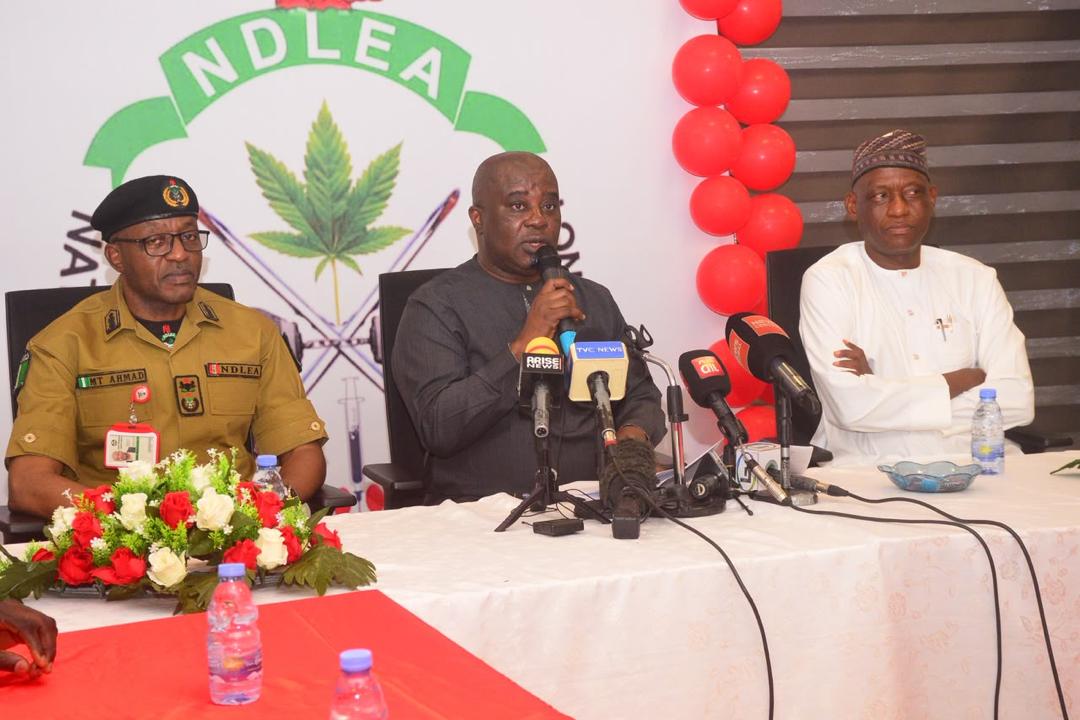
NDLEA Arrests Another Mexican Drug Kingpin, Dismantles Ebonyi Meth Lab
…Marwa vows Nigeria will not become safe haven for transnational cartels
By: Michael Mike
The National Drug Law Enforcement Agency (NDLEA) has arrested a Mexican methamphetamine kingpin attempting to flee Nigeria and dismantled another industrial-scale clandestine laboratory, exposing an expanding international network seeking to establish drug production facilities in the country’s forests and rural communities.
The suspect, identified as 56-year-old Arturo Carrera Loaiza, was arrested by NDLEA operatives on August 19, 2026, while attempting to leave Nigeria through the Lagos airport.
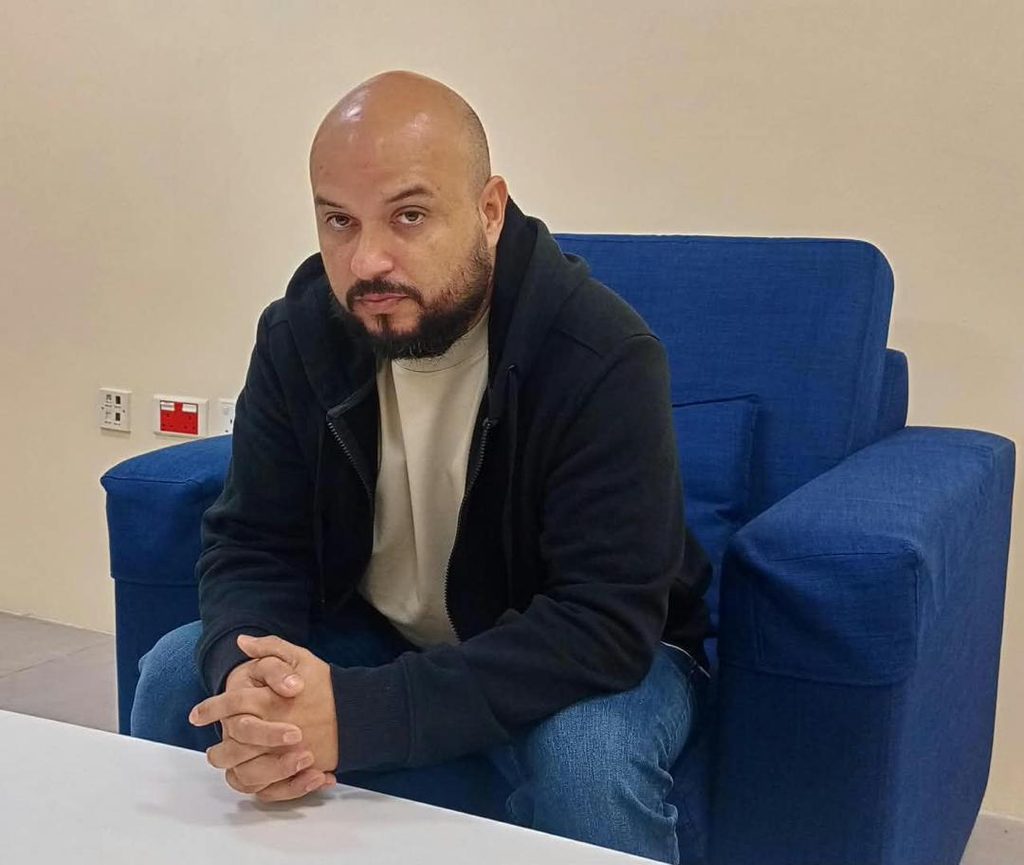
According to The breakthrough followed a painstaking investigation into a network linked to methamphetamine laboratories uncovered in Ogun and Oyo states, which subsequently led investigators to a property in Ebonyi State where laboratory equipment and precursor chemicals were allegedly moved under cover of darkness.
Briefing journalists in Lagos on Tuesday, NDLEA Chairman and Chief Executive Officer, Brig. Gen. Buba Marwa (retd.), represented by the Director of Media and Advocacy, Femi Babafemi, said the latest operation demonstrated the agency’s growing intelligence and forensic capacity to dismantle sophisticated transnational drug syndicates.
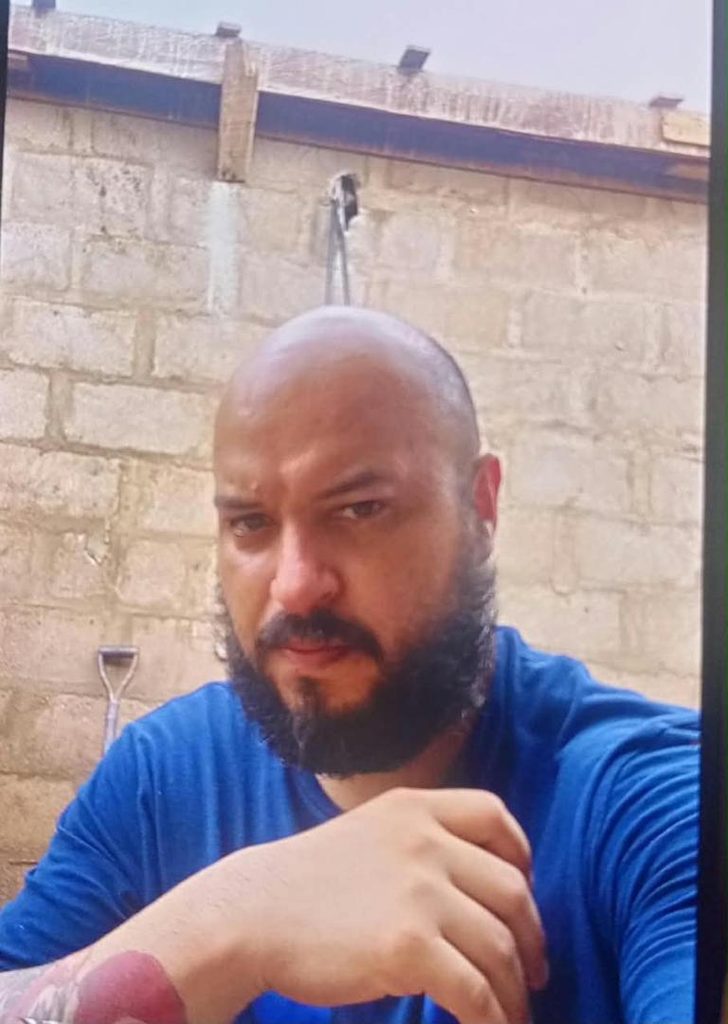
Marwa said the arrest of Loaiza and the dismantling of the Ebonyi facility came after operatives established that a Mexican methamphetamine expert arrested at a forest laboratory in Oyo State had been recruited into Nigeria by the kingpin.
The NDLEA had earlier arrested three Mexican nationals and seven Nigerian collaborators at a forest hideout in Ogun State on May 16. On June 17, operatives also arrested another Mexican national and four Nigerian collaborators at a clandestine methamphetamine laboratory concealed in a forested area of Tapa village, Ibarapa North Local Government Area of Oyo State.
Investigations by the agency’s Special Operations Unit (SOU) into the Oyo operation led to the identification of Loaiza as the alleged recruiter of the Mexican national arrested at the forest laboratory.
According to the agency, the suspect positively identified Loaiza from a photograph obtained by investigators working with international partners. Intelligence also showed that Loaiza entered Nigeria on June 10 alongside another Mexican national, Jose Ceballos Perez.
Although Loaiza allegedly claimed during interrogation that he had been invited into Nigeria by a Nigerian contact known only as “Henry” for a restaurant business venture, the NDLEA said forensic evidence contradicted his account.
Investigators reportedly recovered images of Loaiza wearing a blue laboratory coat and standing amid equipment consistent with methamphetamine production. Location metadata embedded in the images led operatives to a property under construction at Isiata Ugoni Okposi, Ebonyi State.
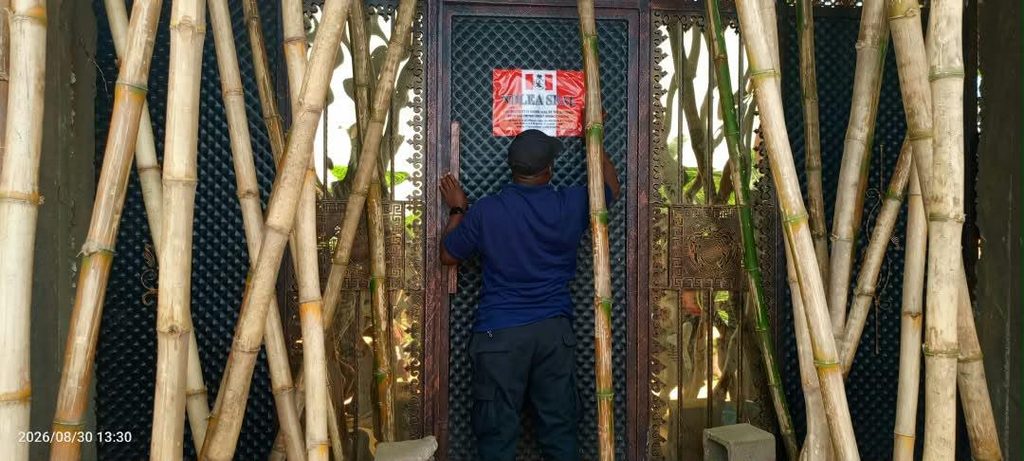
A raid on the property on August 30, linked to one John Okike, uncovered evidence suggesting that a temporary structure had been erected over the septic tank area at the rear of the building. Interviews with the site engineer and caretaker also revealed persistent strong chemical odours emanating from the premises.
Babafemi said that the investigation took a decisive turn after operatives recovered a CCTV memory card from the property. Forensic analysis allegedly showed a foreign national in a blue laboratory coat matching Loaiza’s image, as well as repeated appearances by Okike.
He revealed that the footage also captured, at about 9 p.m. on August 21, the movement of chemicals and laboratory equipment from the property, with Okike allegedly directing the operation alongside other persons assisting in the relocation.
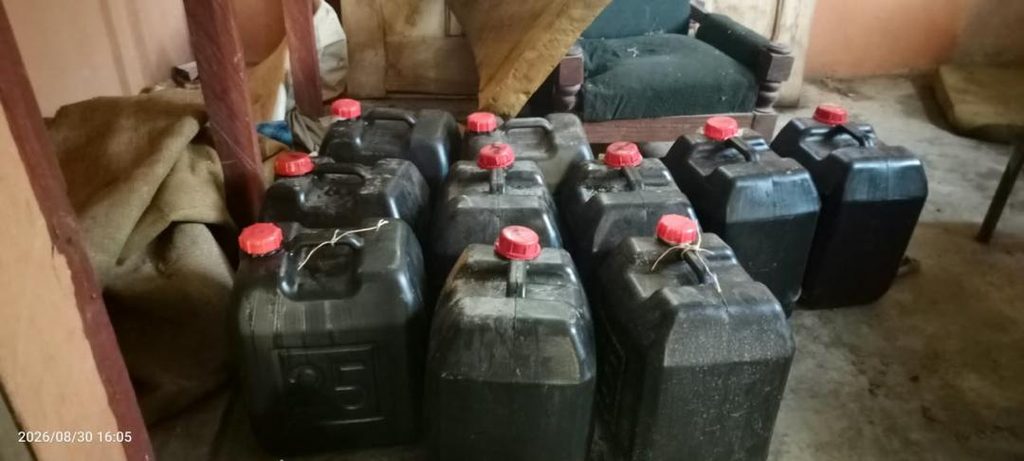
The spokesman said acting on intelligence from a confidential source, NDLEA operatives traced the relocated materials to an isolated house in a neighbouring community, allegedly under the custody of one Nwanja Obasi.
He said the raid on the location led to the recovery of a substantial cache of methamphetamine-related chemicals, equipment and paraphernalia, including a dehydrator containing a white cloth sieve embedded with loose methamphetamine and three additional empty dehydrators.
The agency also recovered 442.8 kilogrammes of acetone, 37.1 kilogrammes of toluene, a 20-kilogramme mixture of acetone and bromobenzene, 1.7 kilogrammes of ethanol, 5.1 kilogrammes of chloride salt, 31.5 kilogrammes of hydrochloric acid, 200 kilogrammes of P2B and one kilogramme of tartaric acid.
Other items recovered included condensing units, a condenser head, a condenser, a fabricated reaction pot, an access pump, weighing scales, mixers, drums, gas burners, gloves and a blue laboratory coat matching the one recovered at the Okike property.
The NDLEA said the recovery, when considered alongside the CCTV footage, forensic findings and eyewitness accounts, had significantly strengthened the case against persons linked to the network.
Issuing a stern warning to international drug cartels, Marwa said Nigeria would not be allowed to become a base for criminal syndicates seeking to relocate their laboratories from other jurisdictions.
“Let me be unequivocal, Nigeria will not be allowed to become a haven for transnational drug cartels seeking to relocate their laboratories from other jurisdictions into our forests and rural communities,” he said.
According to him, the arrest of Loaiza and the dismantling of the Ebonyi facility, coming shortly after the Ogun and Oyo operations, showed that the agency’s intelligence and forensic capabilities were capable of matching the sophistication of international drug syndicates.
Marwa commended officers of the Special Operations Unit, Strike Force, Forensics and the Oyo, Ogun and Ebonyi State Commands for their diligence, professionalism and courage.
He vowed that the agency would continue to pursue every lead until the full network, including its financiers and local enablers, was brought to justice.
The NDLEA also urged Nigerians, particularly residents of rural and forested communities, to report suspicious activities, unusual chemical odours and unfamiliar structures through its toll-free line, 080010203040, or by email at info@ndlea.gov.ng.
NDLEA Arrests Another Mexican Drug Kingpin, Dismantles Ebonyi Meth Lab
MACBAN condemns killing of travellers in Plateau, warns against unverified allegations
By: Zagazola Makama
The Miyetti Allah Cattle Breeders Association of Nigeria (MACBAN), Plateau State Chapter, has condemned the killing of travellers in Jos South Local Government Area of the state, describing the incident as senseless and unacceptable.
The association also warned against what it described as the growing practice of blaming the Fulani community for violent incidents without credible evidence or the conclusion of investigations by security agencies.
In a statement signed by its Plateau State Chairman, Alh. Ibrahim Yusuf Babayo, MACBAN expressed condolences to the families of those killed and prayed for the speedy recovery of those injured in the attack.
The association said the loss of innocent lives was deeply disturbing and urged security agencies to conduct a thorough, professional and impartial investigation to identify the perpetrators and bring them to justice.
MACBAN said it was particularly concerned about what it described as premature accusations against the Fulani community, warning that such claims could further inflame tensions in the state.
“There is no basis for anyone to attribute this unfortunate incident to the Fulani community without evidence,” the association said.
It urged members of the public to avoid spreading unverified information, false accusations and hate speech capable of escalating the situation.
The association further called on anyone deliberately circulating false information or defamatory allegations against the Fulani community to desist, warning that such actions could attract legal consequences.
MACBAN reaffirmed its commitment to peaceful coexistence and cooperation with security agencies, urging residents to remain calm and allow authorities to complete their investigations without interference.
The statement comes amid heightened concerns over attacks on travellers and renewed tensions between communities in Plateau State.
MACBAN condemns killing of travellers in Plateau, warns against unverified allegations
COAS charges Plateau troops to sustain security gains, strengthen peace efforts
By: Zagazola Makama
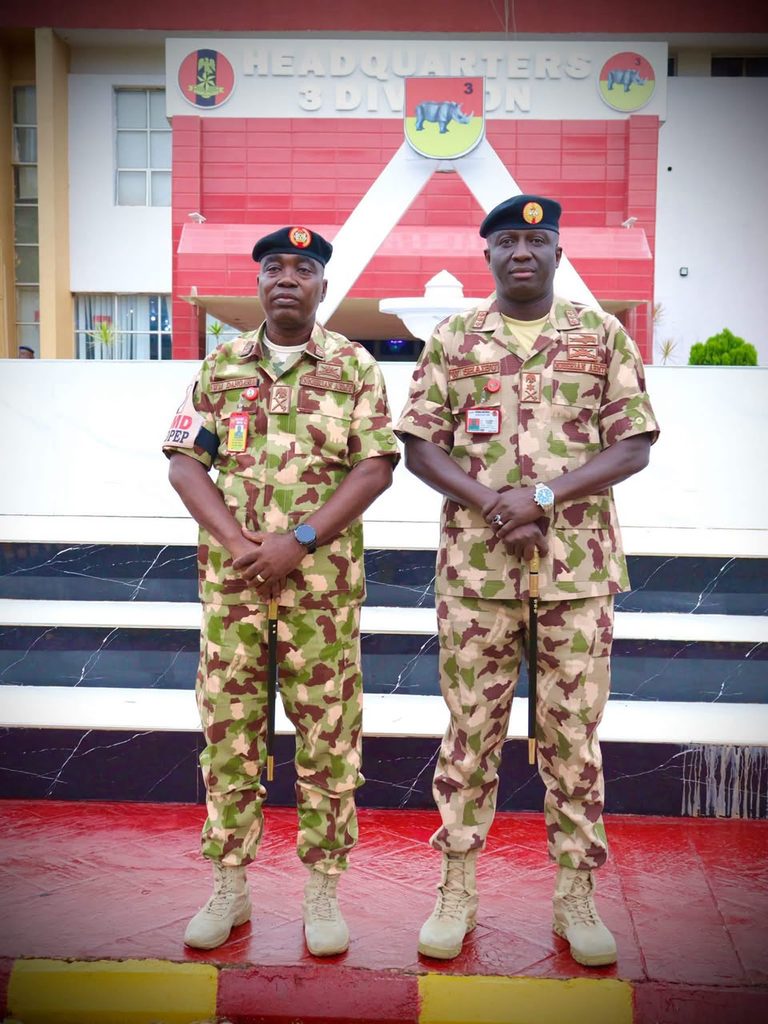
Chief of Army Staff (COAS), Lt. Gen. Waidi Shaibu, has charged troops of the 3 Division Nigerian Army and Operation ENDURING PEACE (OPEP) to sustain pressure on criminal elements and strengthen efforts to consolidate peace and stability in Plateau State.
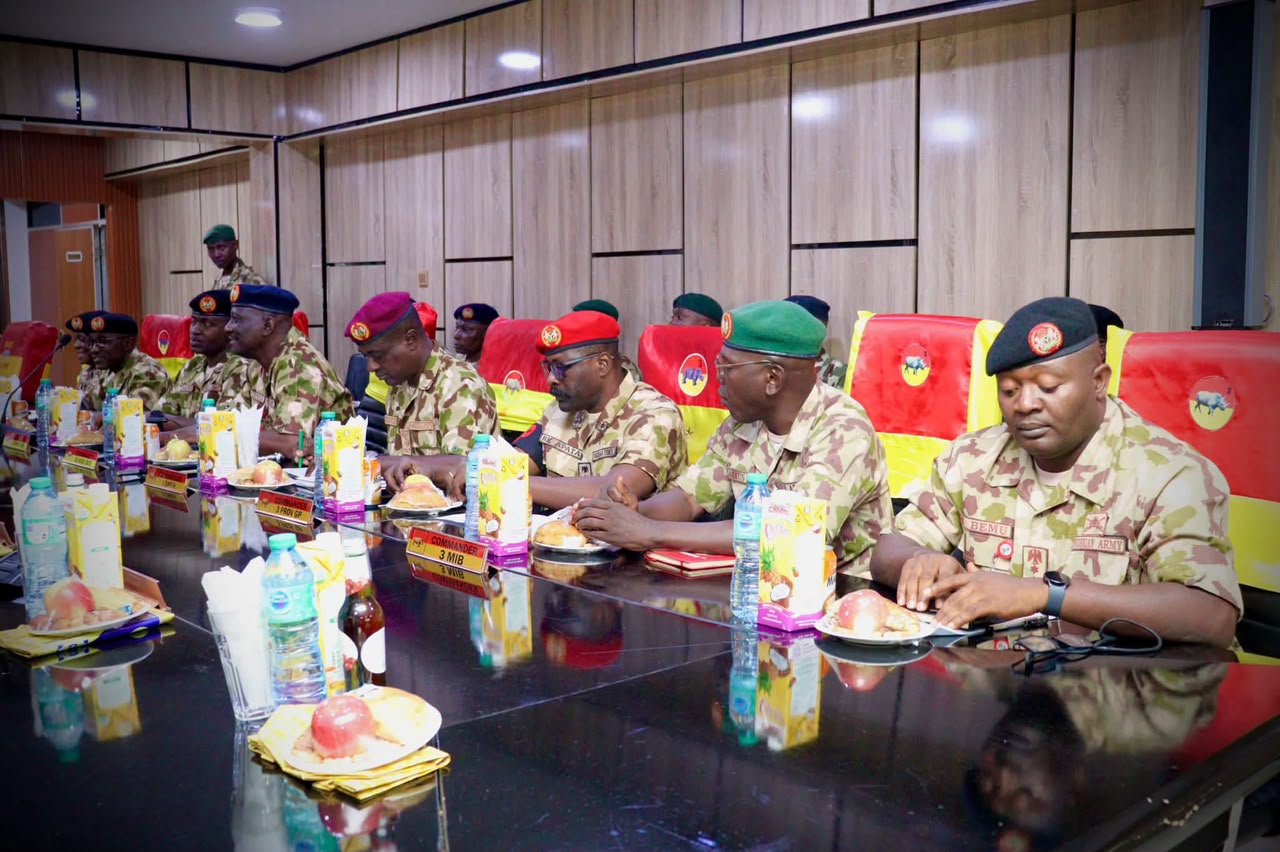
Shaibu gave the charge on Monday, Sept. 14, 2026, during an operational visit to the headquarters of 3 Division and OPEP, where he reviewed the security situation, ongoing operations and measures to protect vulnerable communities.
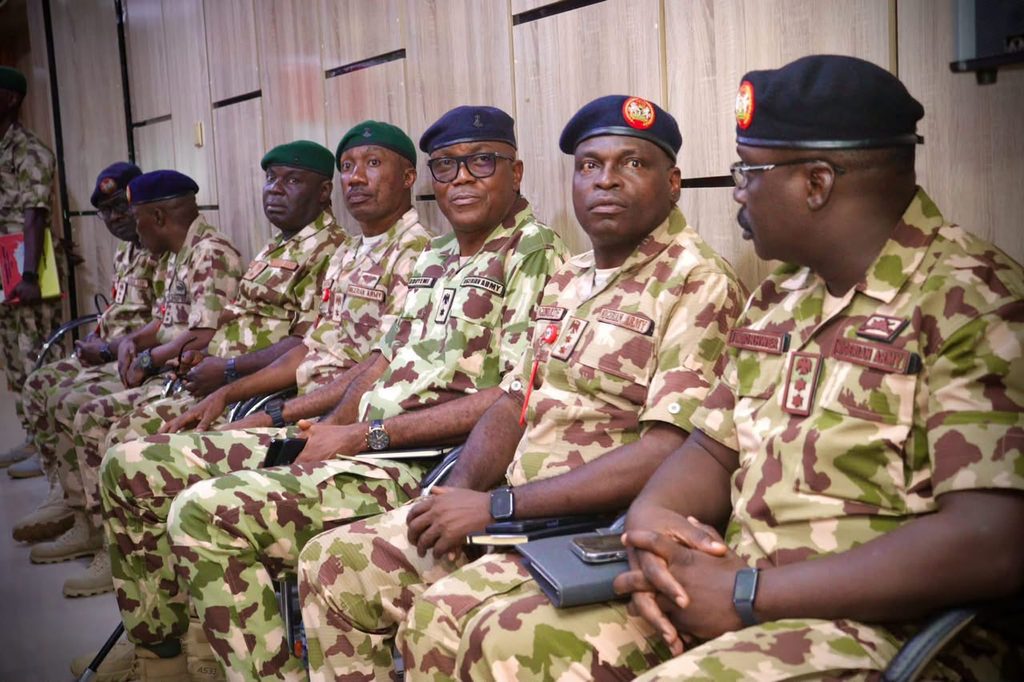
During the visit, the COAS inspected the ongoing construction of the Nigerian Army Remotely Piloted Aircraft System (RPAS) Control Station, a facility expected to boost the Army’s Intelligence, Surveillance and Reconnaissance (ISR) capabilities when completed.
The system is also expected to provide commanders with improved real-time situational awareness and timely intelligence to support operational decision-making.
The General Officer Commanding 3 Division and Commander OPEP, Maj. Gen. Maxwell Dangana, briefed the COAS on security developments within the Division’s area of responsibility, including ongoing operations and engagements with stakeholders aimed at preventing violence and sustaining peace.
Shaibu commended the troops for their courage, professionalism and commitment to duty, urging them to remain vigilant and disciplined while maintaining close cooperation with other security agencies, traditional institutions and community leaders.
He stressed that military operations must be complemented by dialogue, reconciliation and other peace-building initiatives to prevent criminal elements from undermining the gains recorded in the state.
The COAS directed the troops to respond decisively to security threats while maintaining professionalism and respect for the rights of law-abiding citizens.
He assured the personnel of continued support from the Nigerian Army and reaffirmed the military’s commitment to protecting lives and property and creating an environment where communities can live and pursue their legitimate livelihoods without fear.
Shaibu also called on residents to provide timely and credible information to security agencies, stressing that sustainable peace in Plateau requires collective responsibility among security forces, government authorities, traditional institutions, community leaders and citizens.
COAS charges Plateau troops to sustain security gains, strengthen peace efforts

NDLEA Arrests Another Mexican Drug Kingpin, Dismantles Ebonyi Meth Lab

MACBAN condemns killing of travellers in Plateau, warns against unverified allegations

COAS charges Plateau troops to sustain security gains, strengthen peace efforts

Roger Federer’s Shock as DNA Results Reveal Myla and Charlene Are Not His Biological Children

THE PLIGHT OF FARIDA

FAILED COUP IN BURKINA FASO: HOW TRAORÉ NARROWLY ESCAPED ASSASSINATION PLOT AMID FOREIGN INTERFERENCE CLAIMS
-
 News3 years ago
Roger Federer’s Shock as DNA Results Reveal Myla and Charlene Are Not His Biological Children
-
Opinions5 years ago
THE PLIGHT OF FARIDA
-
 News1 year ago
FAILED COUP IN BURKINA FASO: HOW TRAORÉ NARROWLY ESCAPED ASSASSINATION PLOT AMID FOREIGN INTERFERENCE CLAIMS
-

 News2 years ago
EYN: Rev. Billi, Distortion of History, and The Living Tamarind Tree
-
 Opinions5 years ago
POLICE CHARGE ROOMS, A MINTING PRESS
-

 ACADEMICS3 years ago
A History of Biu” (2015) and The Lingering Bura-Pabir Question (1)
-

 Columns3 years ago
Army University Biu: There is certain interest, but certainly not from Borno.
-

 Politics1 year ago
2027: Why Hon. Midala Balami Must Go, as Youths in Hawul and Asikira/Uba Federal Constituency Reject ₦500,000 as Sallah Gift
