
Education
VP SHETTIMA AT NASARAWA STATE VOCATIONAL INSTITUTE GRADUATION

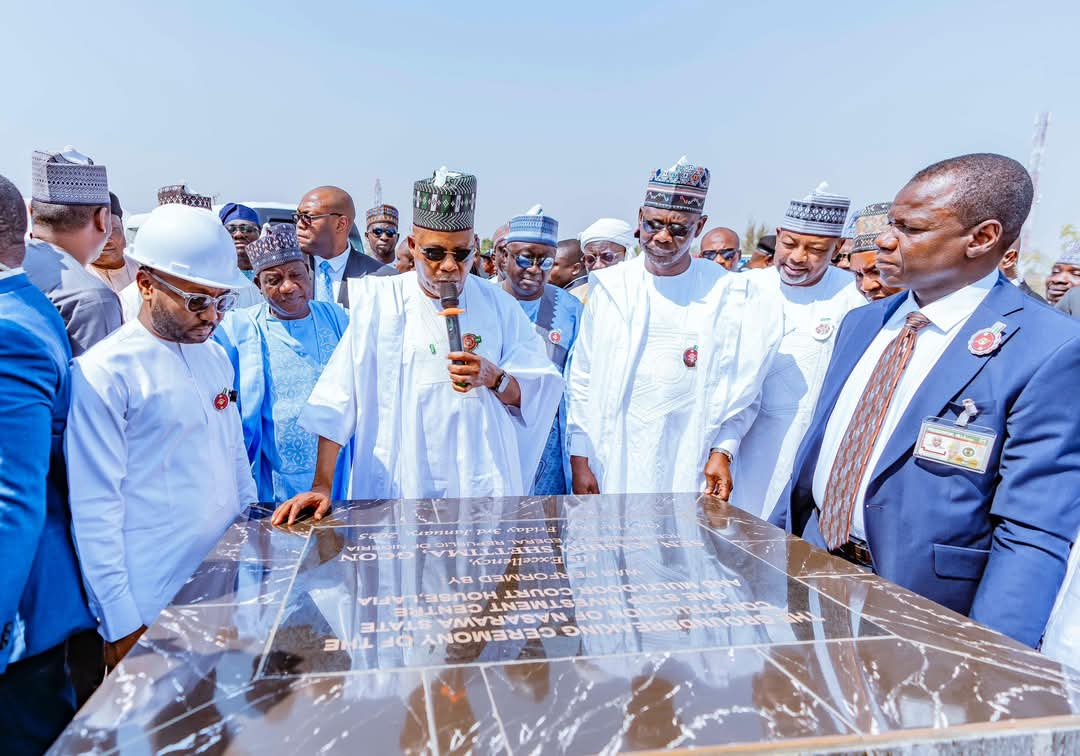
VP SHETTIMA AT NASARAWA STATE VOCATIONAL INSTITUTE GRADUATION
- Our Reforms Creating Employment Opportunities, Greater Economic Prospects
- Flags off distribution of relief materials to flood victims, tractors, paddy rice to farmers
By: Our Reporter
The Vice President, Senator Kashim Shettima, has said the ongoing reforms initiated by the administration of President Bola Ahmed Tinubu are such that will create employment opportunities for the youth population as well as provide greater opportunities in the various sectors of the economy.
He underscored the inevitability of skills acquisition among the young demographic in Nigeria, noting that the nation can no longer afford to keep growing a population of idle, unemployed and unemployable youths.
The Vice President spoke on Friday during the Combined Graduation Ceremony of the Wing Commander Abdullahi Ibrahim Vocational and Technology Institute in Lafia, the Nasarawa State capital.
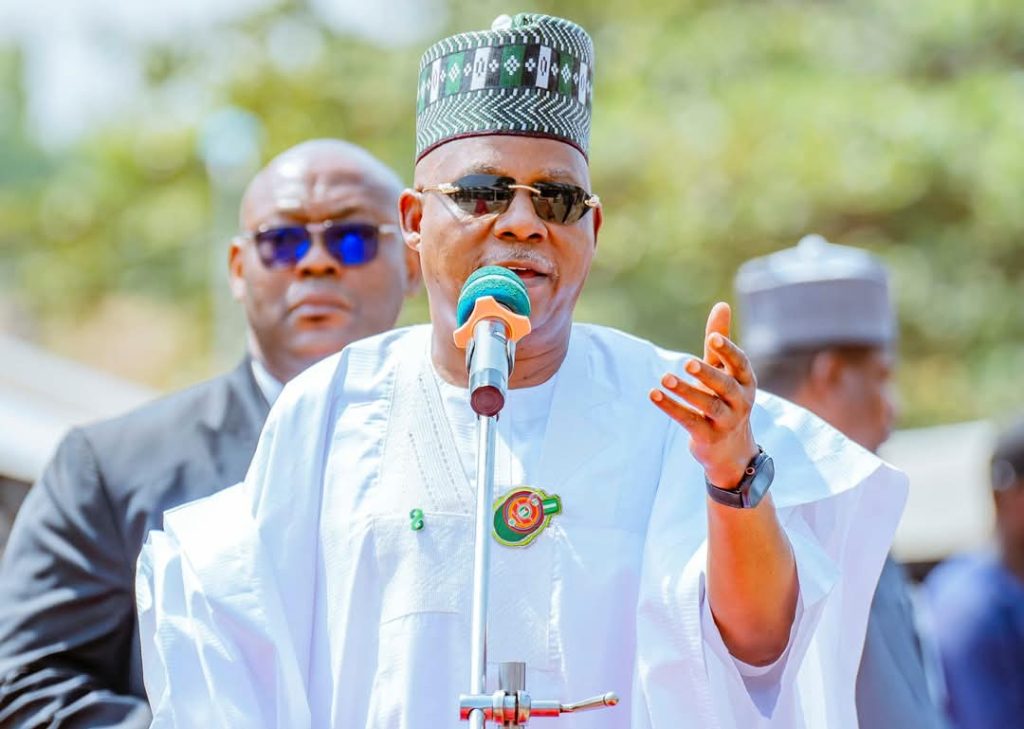
The Vice President stated: “The danger of paying lip service to technical and vocational skills acquisition is one none of us is prepared to experience, and the examples of various low- and middle-income countries, especially the Asian Tigers, are there to inspire the direction of our National Development Plans and push our economic drive towards a destination we all desire—a place of boom.
“This is why His Excellency, President Bola Ahmed Tinubu, GCFR, has championed economic reforms beyond the usual cosmetic fixes to lay the groundwork for greater opportunities ahead. With increased allocations to the states, I believe that we are more than energised to fund our development programmes”.
Recalling Nigeria’s origin as an agrarian nation, Senator Shettima noted that there is no greater inspiration than concentrating on “the magnitude of initiatives made possible by the proceeds of the sector and the hard work of those skilled and unskilled workers who were the fulcrum of our pre-oil economy”.
He said the graduation ceremony was an opportunity to celebrate the sincerity of the administration’s promise to create avenues for upskilling and reskilling the nation’s workforce across sectors.
VP Shettima pointed out that the institute is a vehicle through which the APC-led government fulfils its promise to Nigerians to “prioritise poverty reduction, employment generation, and job creation”.
Cautioning against harbouring the population of unemployed youths in the country, he said, “The reality we inherited points to the existence of a link between youth unemployment, violence, and other associated crimes, and as such, we cannot afford to create an idle, unemployed, or unemployable demographic.
“Our response, over which we gather here today, is to build on our agenda of providing our youths with skills to either find gainful employment or become self-reliant. This grand event, the Combined Graduation Ceremony for the graduands of the Wing Commander Abdullahi Ibrahim Vocational and Technology Institute, Lafia, aligns with the direction the world is headed—the path of skill acquisition.”
The VP applauded the foresight of Nasarawa State Governor, Engr. Abdullahi Sule, which he said is being manifested in his aspiration to turn the state “into a hub of jobs and opportunities.”
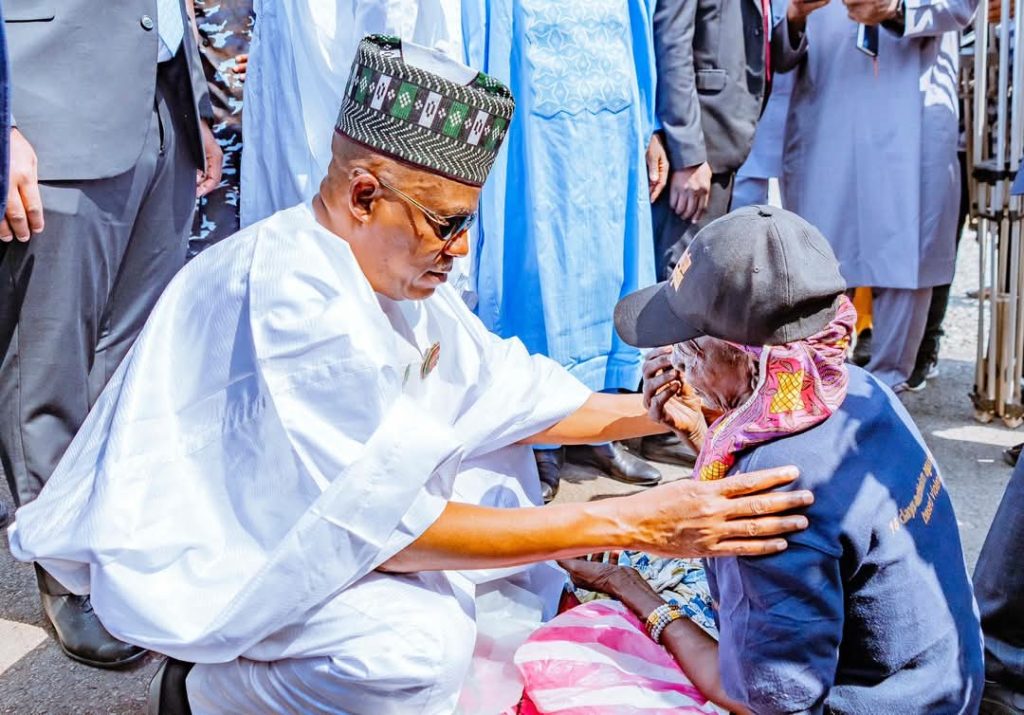
Senator Shettima who had earlier flagged off the distribution of relief materials to flood victims, presentation of tractors and paddy rice to farmers in the state said it was a demonstration of his “affinity for Nasarawa State, and as a Kanuri man who has ancestral connections with some segments” of the state that has already become home to him.
He also commended the institute for graduating no fewer than 9,000 graduands barely three years of its existence, even as he charged the graduands to join relevant associations and cooperatives to enable them access loan facilities and learn from the experiences of those ahead of them in their respective enterprises.
Earlier in his remarks, Governor Sule said the skills programme of the state vocational and technology institute was designed to address the skills gap in critical sectors and empower young Nigerians.
He thanked Vice President Shettima for finding time to visit the state, and for supporting its modest contributions to economic transformation and youth empowerment.
In his remarks, former Plateau State Governor, Senator Simon Lalong, praised the courage and efforts of the state government in impacting the lives of young Nigerians through the various schemes in agriculture and vocational and technology training.
On his part, the Catholic Bishop of Sokoto Diocese, His Lordship, Hassan Kukah, thanked Nasarawa State government for the efforts to address poverty through skills acquisition and economic empowerment initiative, just as he emphasised the significance of empowering young people with skills to impact their communities and societies.
In his remarks, the Executive Director of the Wing Commander Abdullahi Ibrahim Vocational Technology Institute, Dr Daniel Asele said the 1,000 graduands of the 2024 programme of the institute had undergone rigorous training and acquired skills that are relevant to contemporary challenges of their communities and state at large.
In a goodwill message, the Director General of the Nigeria Employers Consultative Association (NECA), Mr Adewale Oyerinde, commended the Nasarawa State government for its commitment to empowering young Nigerians, saying the programme would significantly impact ongoing efforts to transform and industrialise the economy by providing the necessary skilled manpower to drive the processes.
On his part, the Emir of Lafia, Hon. Justice Sidi Bage Muhammad I (rtd), thanked the Vice President for his support and commitment to the people of Nasarawa State, pledging the loyalty of the traditional council to the federal government’s programmes and policies.
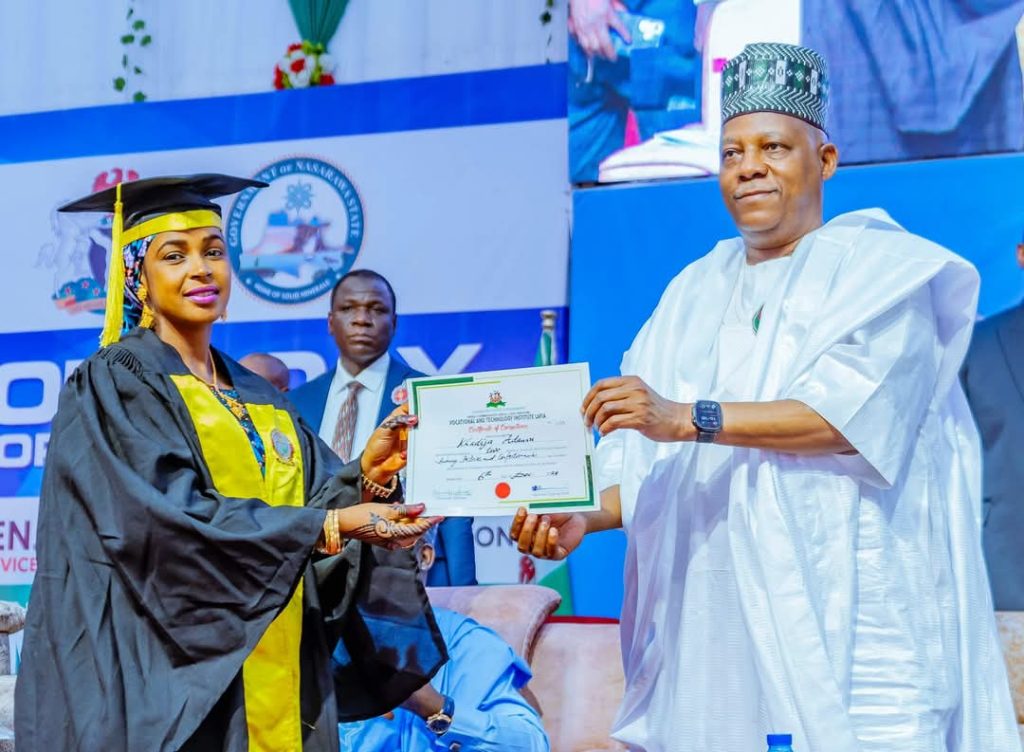
High points of the event were the presentation of start-up packs and certificates to the graduands in welding, tailoring, and ICT among other fields.
Meanwhile, Vice President Shettima had earlier flagged the distribution of relief materials to flood victims in affected local government areas.
He also presented tractors and distributed Jangwa Paddi Rice from the proceeds of the pioneer Nasarawa Rice Farm project to 13 local government areas.
The VP commended Governor Sule for his exemplary leadership and sterling qualities, saying they have ensured peaceful co-existence among the different tribes in the state, and transformed agricultural production across the area.
The VP also toured the Olam warehouse where the produce of the Nasarawa State Rice Farm project for 2024 was stored.
Also present at the event were the Minister of Agriculture and Food Security, Sen Abubakar Kyari; Deputy Governor of Nasarawa State, Dr Emmanuel Akabe; Speaker of the state House of Assembly, Hon. Danladi Jatau; Director General, National Directorate of Employment (NDE), Mr Silas Agara, and other top government functionaries.
VP SHETTIMA AT NASARAWA STATE VOCATIONAL INSTITUTE GRADUATION



A Time To Read, Reflect, and Learn
By: Our Reporter
As predicted by many, during his two-week leave, Vice President Kashim Shettima, by custom, takes time for study and reflection.
Leadership is sustained by the willingness to keep learning. Sometimes, stepping away from the daily rush creates the space to examine ideas more carefully and return to responsibility with greater clarity.

For the Vice President, the period is also an opportunity to deepen the knowledge required for continued service to Nigeria.

Learning does not end when responsibility begins. In many ways, greater responsibility makes learning even more necessary.
A Time To Read, Reflect, and Learn
Nigeria’s Education Crisis Now About System Capacity, Not School Enrolment – Report
By: Michael Mike
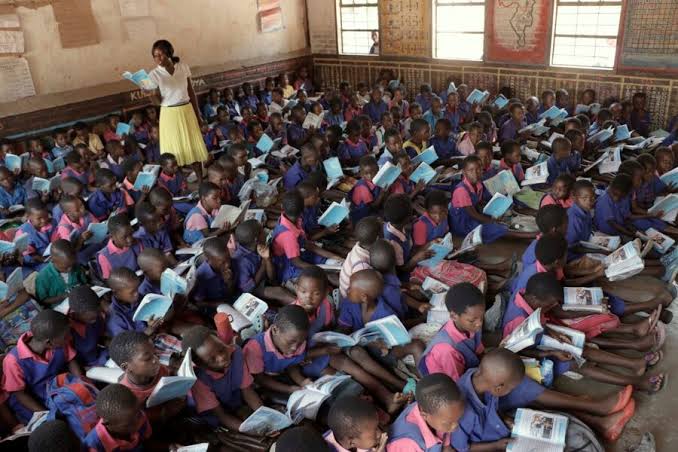
Nigeria’s education challenge has shifted from getting children into school to building an education system capable of delivering quality learning, according to a new policy report by the Athena Centre for Policy and Leadership.
The report, Nigeria’s Education Capacity Crisis: Closing the Gap Between Enrolment Growth and System Capacity, authored by Professor Temitayo Shenkoya and Anita Olatunde, argued that while the country has made remarkable progress in expanding access to education, inadequate investment in classrooms, teachers, infrastructure and governance has left the system overwhelmed and unable to translate rising enrolment into improved learning outcomes.
The publication, released on Wednesday in Abuja, described the situation as a structural capacity crisis rather than a temporary funding challenge, warning that without far-reaching institutional reforms, Nigeria risks undermining its human capital development and long-term economic competitiveness.
According to the report, 40.1 million pupils and students were enrolled in Nigeria’s public basic and secondary education system during the 2024/2025 academic session across 107,042 public schools.
However, the rapid increase in enrolment has far outpaced investments needed to sustain quality education.
The report revealed that an average classroom accommodates about 60 students, while roughly 66 students share a single toilet, highlighting severe overcrowding and poor sanitation in many public schools.
It also noted that Nigeria devoted only 0.3 per cent of its Gross Domestic Product (GDP) to public education in 2025, a figure significantly lower than allocations recorded in several comparable African countries.
The authors argued that the country’s education system is constrained less by enrolment than by weak governance structures, fragmented planning, inadequate teacher deployment, poor instructional quality, weak institutional coordination and limited use of education data for policy decisions.
“Nigeria’s education challenge is no longer defined solely by access; it is increasingly one of system capacity,” the report stated.
Rather than focusing exclusively on expanding school access, the report urged governments at all levels to prioritise strengthening institutional capacity, improving accountability mechanisms and adopting evidence-based planning to enhance learning outcomes.
Central to its recommendations is the development and effective deployment of the Digital Nigeria Education Management Information System (DNEMIS), which it said should serve as the backbone for planning, monitoring and evaluating education performance nationwide.
Among other recommendations, the report called for the establishment of integrated State Education Management Information Systems linked to the national platform, sustained multi-year investments in classrooms, teachers and digital infrastructure, evidence-based teacher deployment, improved instructional quality and stronger school leadership.
It also advocated annual infrastructure and learning-performance scorecards to monitor progress, targeted interventions for vulnerable learners and improved coordination among the Federal Ministry of Education, state governments, State Universal Basic Education Boards (SUBEBs), Teaching Service Commissions (TESCOMs) and Local Government Education Authorities.
The report stressed that future education spending should be guided by verified data and measurable learning outcomes rather than enrolment figures alone.
Drawing lessons from Botswana, South Africa and Namibia, the authors argued that countries achieving better educational outcomes have done so by building institutions capable of continuous planning, performance monitoring and accountability.
According to the report, the true measure of success should no longer be the number of children enrolled in school or classrooms constructed, but the ability of governments to use reliable evidence to improve teaching quality, strengthen school leadership and ensure meaningful learning for every child.
The publication concluded that addressing Nigeria’s education capacity deficit is not only an education sector priority but also a national development imperative with direct implications for economic growth, workforce productivity and global competitiveness.
Nigeria’s Education Crisis Now About System Capacity, Not School Enrolment – Report
Education
Drama at Ogun Student Election as Umpire Allegedly Swallows Ballot Papers, Police Intervene
Drama at Ogun Student Election as Umpire Allegedly Swallows Ballot Papers, Police Intervene
By Zagazola Makama
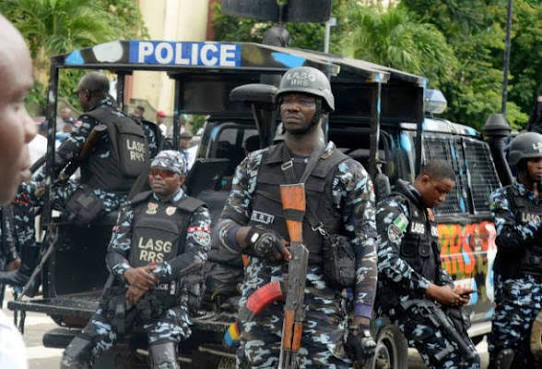
Drama unfolded during the Joint Campus Ogun State Council election held at the Nigeria Labour Congress (NLC) Secretariat in Leme, Abeokuta, after an electoral umpire allegedly swallowed some ballot papers during vote counting.
Police sources said the election, which commenced at about 8:00 a.m., was briefly delayed following a two-hour recess to resolve disputes over the number of accredited institutions.
The sources disclosed that stakeholders later reached a consensus recognising 13 institutions, after which the election proceeded.
According to the sources, tension escalated during the counting of votes when one of the electoral umpires, whose identity is yet to be confirmed, allegedly chewed some ballot papers as participants demanded the announcement of results.
They added that the umpire later fainted, prompting the Divisional Police Officer (DPO) to evacuate him in a Department of State Services (DSS) vehicle for safety and urgent medical attention.
The sources further said the Chairman of the electoral commission, identified as Sileola, was also escorted to safety in a police SWAT vehicle.
They noted that three persons who attempted to cause a breakdown of law and order were arrested, while aggrieved parties were advised to channel their grievances through the appropriate authorities.
The sources said the situation was brought under control, with calm restored at the venue, while further developments are expected.
Drama at Ogun Student Election as Umpire Allegedly Swallows Ballot Papers, Police Intervene

Vowles Arrives in Nigeria, Pledges to Strengthen UK-Nigeria Ties

The Plateau State Government cannot continue to pretend that violence becomes a crisis only when there is a reprisal

Dioura falls as Mali’s security crisis spreads south while Kati tightens its grip

Roger Federer’s Shock as DNA Results Reveal Myla and Charlene Are Not His Biological Children

THE PLIGHT OF FARIDA

FAILED COUP IN BURKINA FASO: HOW TRAORÉ NARROWLY ESCAPED ASSASSINATION PLOT AMID FOREIGN INTERFERENCE CLAIMS
-
 News3 years ago
Roger Federer’s Shock as DNA Results Reveal Myla and Charlene Are Not His Biological Children
-
Opinions5 years ago
THE PLIGHT OF FARIDA
-
 News1 year ago
FAILED COUP IN BURKINA FASO: HOW TRAORÉ NARROWLY ESCAPED ASSASSINATION PLOT AMID FOREIGN INTERFERENCE CLAIMS
-

 News2 years ago
EYN: Rev. Billi, Distortion of History, and The Living Tamarind Tree
-
 Opinions5 years ago
POLICE CHARGE ROOMS, A MINTING PRESS
-

 ACADEMICS3 years ago
A History of Biu” (2015) and The Lingering Bura-Pabir Question (1)
-

 Columns3 years ago
Army University Biu: There is certain interest, but certainly not from Borno.
-

 Politics1 year ago
2027: Why Hon. Midala Balami Must Go, as Youths in Hawul and Asikira/Uba Federal Constituency Reject ₦500,000 as Sallah Gift
