
News
VP SHETTIMA AT NES ANNUAL CONFERENCE: President Tinubu’s Bold Reforms, Proof Of Political Will In Economic Policy

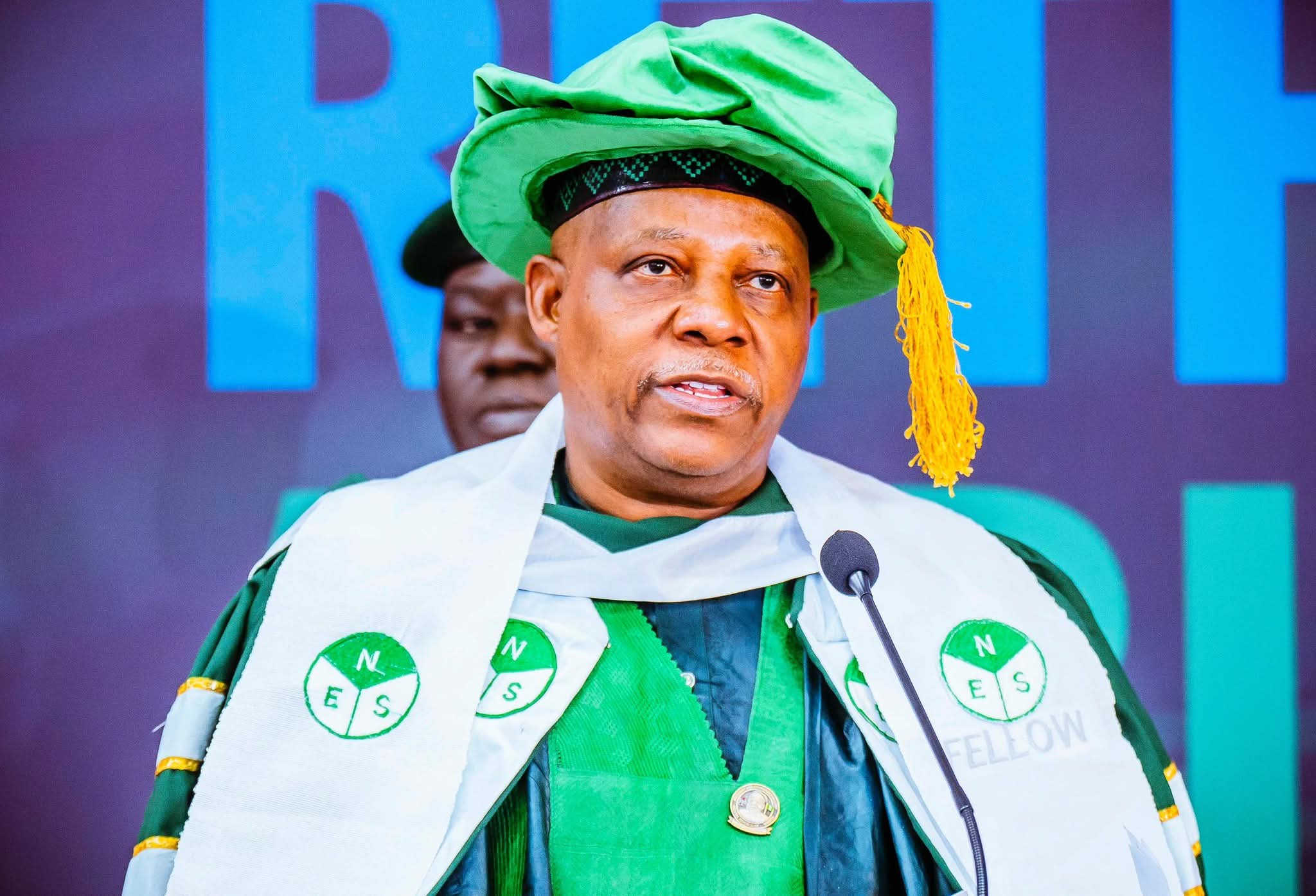
VP SHETTIMA AT NES ANNUAL CONFERENCE: President Tinubu’s Bold Reforms, Proof Of Political Will In Economic Policy
*Says, Africa can turn supply chain disruptions, trade protectionism, into opportunities for economic transformation
By: Our Reporter
The Vice President, Senator Kashim Shettima, has said the courageous and unavoidable reforms being undertaken by the administration of President Bola Ahmed Tinubu, which are currently fixing Nigeria’s structural weaknesses, are a proof of the power of political will in economic policy.
Accordingly, he called on African nations to embrace the knowledge economy, saying it is a bridge to transform the continent’s economic growth and development through productivity beyond outdated explanations.
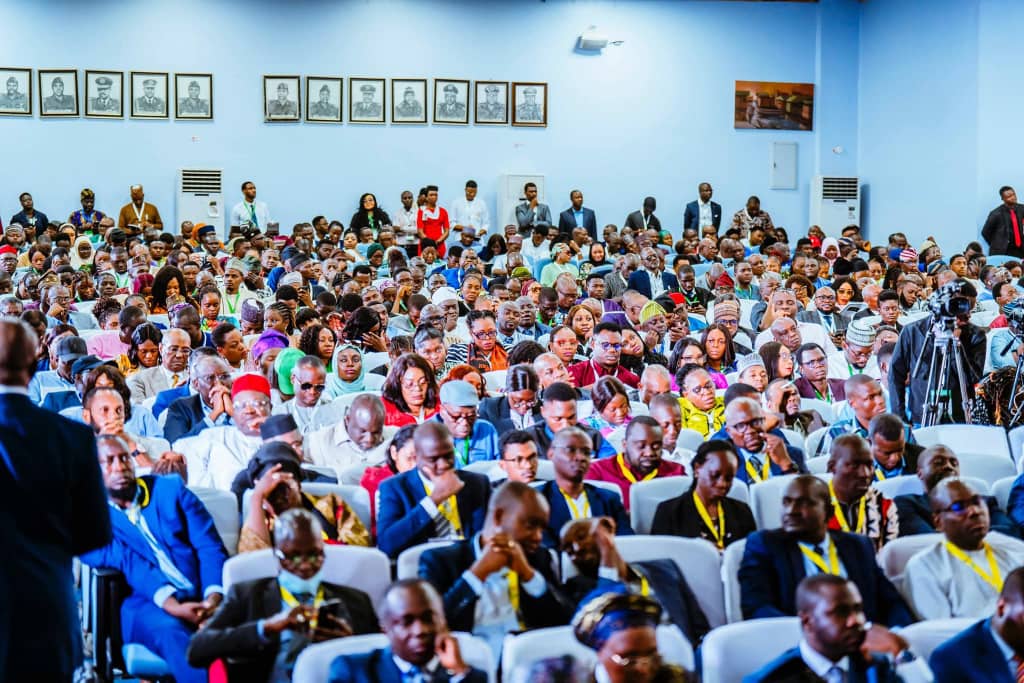
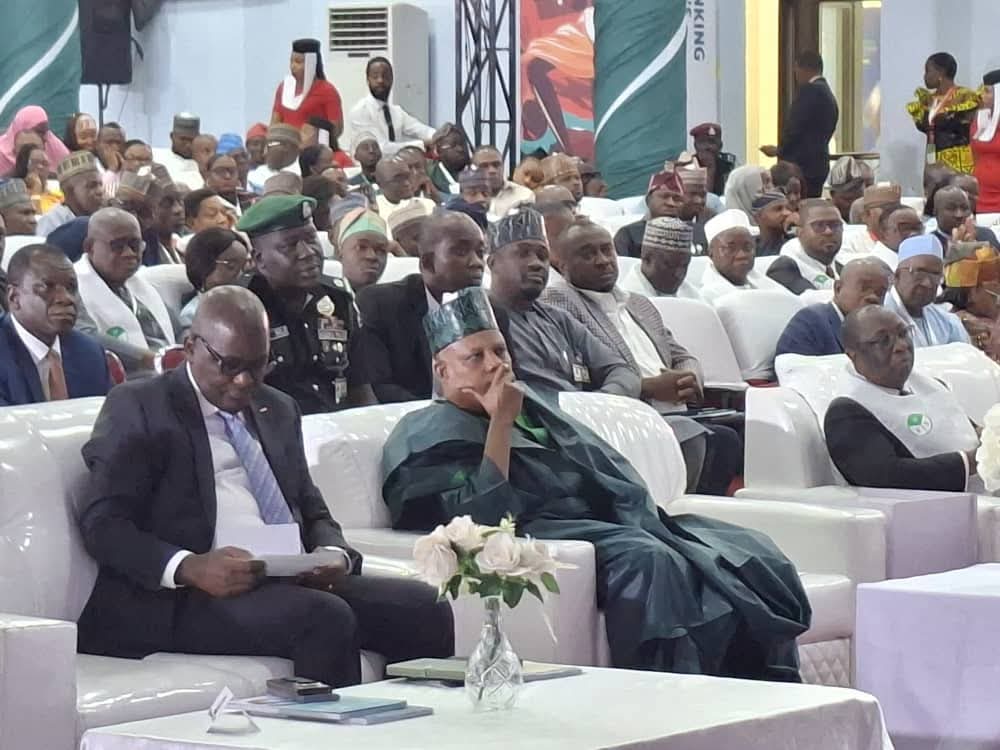
The Vice President who stated this on Tuesday in Abuja during the opening session of the 66th Annual Conference of the Nigerian Economic Society (NES) noted that while Nigeria is not immune to the economic morass Africa had long been enmeshed in, the nation’s comforting prospect is that it currently has a President with a listening ear.
“Nigeria is, of course, not exempt from Africa’s economic tragedies. But our silver lining is the listening ear of His Excellency, President Bola Ahmed Tinubu. Under his leadership, this administration has embarked on bold and inevitable reforms to address structural weaknesses that others before us only paid lip service to.
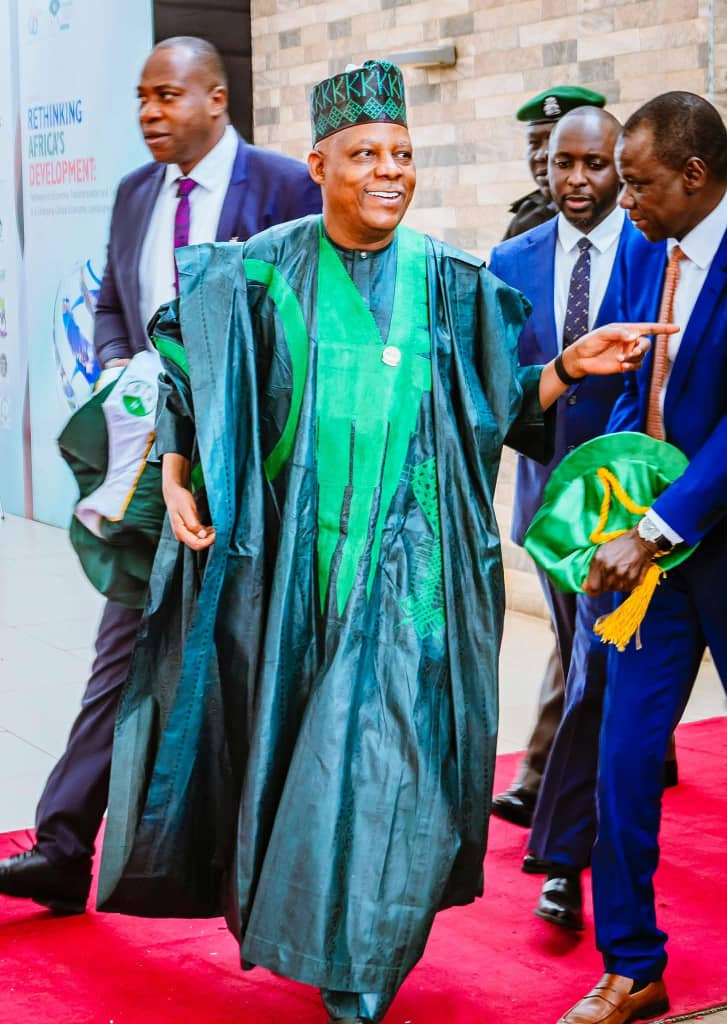
“These reforms testify to the power of political will in economic policy. Their painful but necessary consequences remind us that a malignant disease can only be cured by painful surgery. The wounds are temporary, but the recovery is permanent,” he stated.
VP Shettima stressed the need for African nations to get rid of the old-fashioned approach to their economy and embrace structural transformation if they must revive human capital challenges and reverse unemployment on the continent.
He said, “We live in a world where a random citizen in Daura can outsource his services to a corporation in Dallas without seeing the inside of a plane or leaving his bedroom. But to catch up with this changing world, Africa must embrace structural transformation that reinvents its human capital and reverses unemployment.
“Poverty must be confronted head-on for the promise of this continent to be realised in the lives of our people. There is no justification for the low per capita income that afflicts our nations amidst the resources at our disposal.”
Senator Shettima observed that though “geopolitical conflicts, trade protectionism, supply chain disruptions, the energy transition, and the disruptive rise of artificial intelligence” may all seem like a threat to the continent’s economy, they are opportunities in disguise.
“They all paint a gloomy outlook. But each threat is also an opportunity in disguise. This is why a society such as yours exists: to light the path of a continent even in the darkest night,” he explained, just as he pointed out it is the mandate that the Annual Conference of the Nigerian Economic Society has been given “to find new pathways to solutions,” while the nation awaits the recommendations.
The Vice President noted while the Tinubu administration did not claim the ongoing reforms would be easy, it has always acknowledged the inflationary impact of the reforms as well as the “spillovers from global crises into our economy,” which explains why President Tinubu “has remained committed to investment-friendly measures and social protection programmes to cushion the vulnerable.
“Policies in transportation, healthcare, and education have been deliberately targeted at reducing inequality because these are the sectors that affect the weakest among us,” he added.
The VP commended the President of the Nigerian Economic Society, Prof. Adeola Adenikinju and his team for challenging the nation “to reflect on what decades of policy failures and vulnerabilities to global risks have created for Africa.
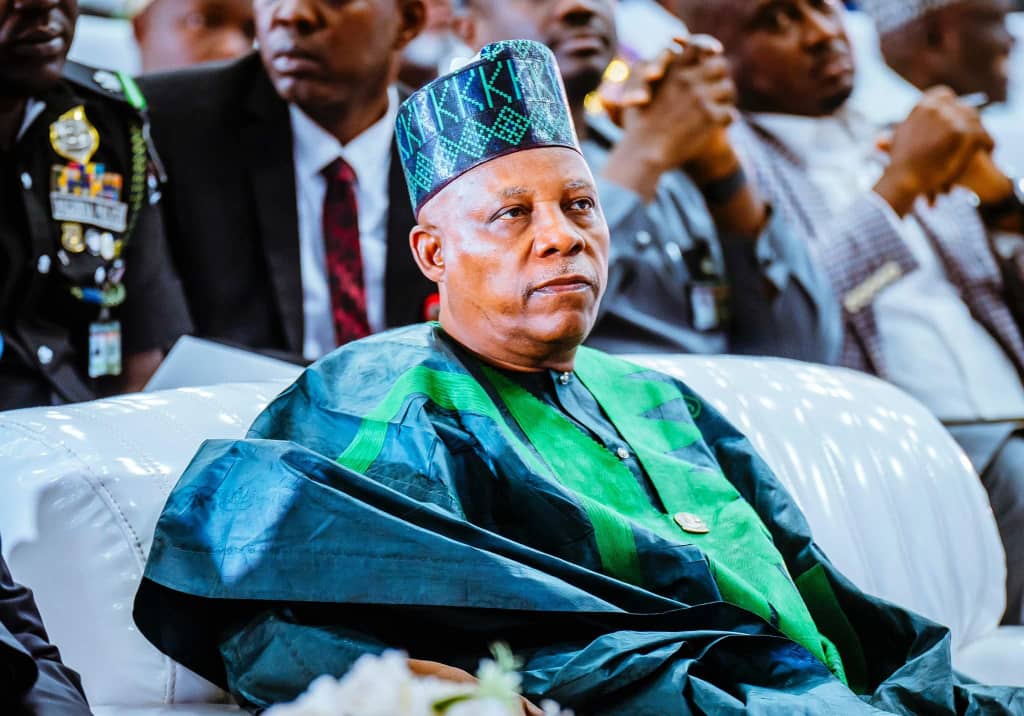
“I urge all participants to take their role in this conference not as a scholarly exercise but as a continental and national assignment—one expected to salvage Africa’s economies from their fragile status,” he further stated.
Earlier, the Minister of Budget and Economic Planning, Abubakar Bagudu, applauded VP Shettima’s significant contributions in the realization of the economic reforms of administration of President Bola Ahmed Tinubu.
Bagudu assured the NES that it will be fully integrated in all of the ministry’s programmes, especially the preparation and implementation of the development plan and the recently approved Renewed Hope Ward Development Programme.
Also, the Minister of Livestock Development, Alhaji Idi Mukhtar Maiha, presented potentials in Nigeria’s livestock sector, estimated at several billions of dollars, offering opportunities for economic diversification.
The Minister expressed readiness to partner with the NES to brainstorm on the “brilliant ideas” needed to implement President Bola Tinubu’s Renewed Hope Agenda for the livestock sector, which he described as “the next crude oil.”
For his part, the President of the NES, Prof. Adeola Adenikinju reiterated the society’s commitment to collaborating with the Tinubu administration to actualise the goal of genuine economic transformation and national development.
He said the NES under his leadership has undertaken reforms aimed at repositioning the body to act as “a bridge between research and policy, a centre for mentoring the next generation of economists, and a trusted partner in Nigeria’s pursuit of sustainable development and Africa’s transformation.”
Highlighting the milestones of his administration, Prof. Adenikinju said under his watch, the NES “established chapters in the across 36 states, FCT and the Diaspora, to ensure national reach and grassroots engagement; Created the NES Women’s Wing and Students’ Wing, to broaden inclusivity and representation,” among others.
He added that the reforms have transformed the society into a modern, inclusive, and globally connected professional body while preserving its core identity as Nigeria’s foremost economic think-tank.
On his part, the Director of the African Development Institute, Dr. Eric Kehinde Ogunleye said the African Development Bank remains committed to the development of Africa and Nigeria, even as he stated that “Nigeria occupies a strategic position in moving the African continent forward.”
Ogunleye commended the Tinubu administration for its bold reforms aimed at achieving structural and economic transformation as well as inclusive growth.
Charging the audience regarding investing in people, he advised: “Let us rethink how we invest in people because these are the people who represent the greatest assets of the continent.”
Other dignitaries who graced the event include the Special Adviser to the President on Economic Affairs, Tope Fasua; Chairman of the Ministry of the Board of Ministry of Finance Incorporated (MOFI), Dr Shamsudeen Usman, Nigeria’s first Professor of Capital Market Studies, Uche Uwaleke; representatives of the Speaker of the House of Representatives, Tajudeen Abass, and the Governor of the Central Bank of Nigeria, Yemi Cardoso.
VP SHETTIMA AT NES ANNUAL CONFERENCE: President Tinubu’s Bold Reforms, Proof Of Political Will In Economic Policy


OPEP brokers N1m settlement over farm destruction in Jos South
By: Zagazola Makama
Jos — Troops of Operation Enduring Peace (OPEP) have brokered an amicable settlement between farmers and cattle owners following a reported case of farmland destruction at Gero Gyel District in Jos South Local Government Area of Plateau State.
The incident, which was reported on Sept. 28, involved six cattle intercepted while grazing on the affected farmland.
According to a situation report obtained by Zagazola, troops of Sector 6, OPEP, invited the parties for dialogue at about 3:30 p.m. on Sept. 29 in an effort to resolve the dispute peacefully.
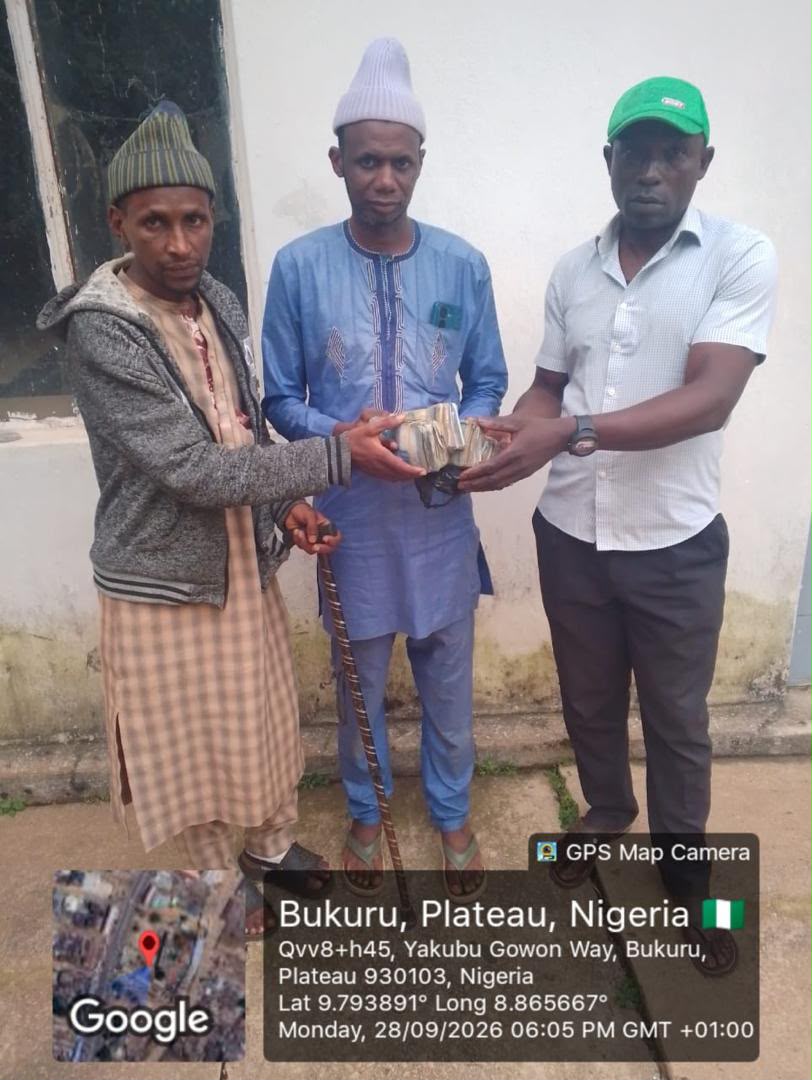
The engagement resulted in an agreement that the cattle be released to their owner, Mr Yusuf Abubakar, through the Wakilin Ardo, Abdullahi Shuaibu.
The release followed an agreement on compensation for the reported farm damage, which was assessed at N1 million.
The report said N750,000 was paid to the representative of the farmers, Mr Ilya Solomon, while the remaining N250,000 was agreed to be paid on or before Oct. 12, 2026.
The intervention is part of ongoing efforts by security agencies and community stakeholders in Plateau State to prevent disputes involving farmers and herders from escalating into wider communal violence.
Zagazola understands that such mediation remains critical to maintaining peace and strengthening community confidence in security operations across the OPEP area of responsibility.
OPEP brokers N1m settlement over farm destruction in Jos South

Ogwashi-Uku Youths Begin New Chapter As Ugbah Pledges Unity, Jobs And Development
A new chapter has opened for the youth of Ogwashi-Uku Kingdom in Aniocha South Local Government Area of Delta State following the successful conclusion of a peaceful youth election and the subsequent recognition of the newly elected leadership by the Delta State Government.
The election, held at the Royal Palace of the Obi of Ogwashi-Uku, produced Comrade Chiedu Bobby Ugbah as President-General after he polled 64 votes against 36 votes recorded by his opponent.
The exercise was witnessed by the Delta State Commissioner for Youth Development, Hon. Barr. Oyinkuro Brave Enodeh, alongside officials of the Ministry of Youth Development and other stakeholders.
Following the conclusion of the process, the relevant Certificate of Recognition has now been issued to the new leadership, bringing the electoral process to a successful conclusion and clearing the way for the executives to begin the work of uniting and advancing the interests of Ogwashi-Uku youth.
Speaking following the recognition, Ugbah expressed appreciation to the Delta State Government and pledged that his administration would focus on reconciliation, youth empowerment, development and peace.
«“This recognition is not a victory for Bobby Ugbah or for any particular group. It is a victory for the entire youth of Ogwashi-Uku Kingdom. The elections are over, and the responsibility before us now is to bring everybody together and get to work.”»
He thanked the Governor of Delta State, Rt. Hon. Sheriff Oborevwori, and the Commissioner for Youth Development, Hon. Barr. Oyinkuro Brave Enodeh, for the State Government’s commitment to an orderly youth leadership process.
Ugbah also expressed appreciation to HRM Obi (Dr.) Ifechukwude Aninshi Okonjo II, the Obi of Ogwashi-Uku Kingdom, describing the traditional ruler as a father to the entire Ogwashi-Uku community and thanking the Palace for providing an environment in which the youth could peacefully choose their leadership.
The new President-General pledged to align the aspirations of Ogwashi-Uku youth with the development opportunities of the State Government and ensure that young people in the Kingdom benefit from the administration’s M.O.R.E. Agenda — Meaningful Development, Opportunities for All, Realistic Reforms and Enhanced Peace and Security.
«“We intend to move very quickly. Our young people need opportunities, skills, jobs and a voice in the development of their community. We will engage the State Government, the Local Government, the private sector and our sons and daughters across Nigeria and in the diaspora to attract opportunities and development to Ogwashi-Uku.”»
He said peace and security would remain central to the new administration’s programme, noting that sustainable investment and employment could only flourish in a stable community.
Ugbah Extends Hand of Fellowship to Opponents
In a significant reconciliation gesture, the President-General assured those who contested against him and those who supported other candidates that there would be room for them to contribute to the new administration.
«“I have already said that nobody should consider himself a loser. Those who contested and those who supported them are our brothers and sisters. They have ideas, experience and something to contribute. We will find ways of accommodating people and drawing on their strengths because the success of this administration must be the success of everyone.”»
He added that the new leadership would not allow differences arising from the election to become permanent divisions among Ogwashi-Uku youth.
«“We cannot develop Ogwashi-Uku by fighting one another. The election was one day; our responsibility to our community continues every day. My message to everybody is simple: come, let us work together.”»
Community Leaders Welcome Fresh Start
Community stakeholders have also welcomed the peaceful conclusion of the electoral process, describing the emergence of the new leadership as an opportunity for reconciliation and renewed youth participation in the development of Ogwashi-Uku.
They expressed particular satisfaction that the election was conducted peacefully in the presence of the Commissioner for Youth Development and officials of the Ministry, with no major security incident disrupting the exercise.
The Commissioner had commended the peaceful conduct of the election and urged the new leadership to embrace unity, inclusiveness and responsible leadership while working for the collective interests of Ogwashi-Uku youth.
For community stakeholders, the immediate priority is now to move beyond the electoral contest and allow the new executives to concentrate on programmes capable of improving opportunities for young people.
Focus Shifts to Development
Ugbah said his administration would shortly begin consultations with different sections of the youth, community leaders, professionals, business people and other stakeholders to develop a practical programme for its tenure.
Employment and entrepreneurship opportunities, skills acquisition, education, sports, community development, security, youth inclusion and constructive engagement with government are expected to feature prominently.
He also pledged to build a respectful working relationship with the Obi of Ogwashi-Uku, the Obi-in-Council, Delta State Government and other constituted authorities while maintaining an administration open to ideas from young people across the Kingdom.
«“Our generation must be remembered for what we built, not for disagreements. We have an opportunity for a fresh beginning, and I intend to use it to unite our youth and make Ogwashi-Uku a stronger, safer and more prosperous community.”»
With the election concluded and the new executives moving into office, attention is now expected to shift from electoral competition to reconciliation and the task of delivering tangible opportunities for the youth.
The new President-General said that would be the defining objective of his administration.
Ogwashi-Uku Youths Begin New Chapter As Ugbah Pledges Unity, Jobs And Development
NSCDC Deploys 3,000 Personnel Across Abuja for Independence Anniversary
By: Michael Mike
Commandant orders surveillance of malls, markets, motor parks, recreational centres, critical infrastructure
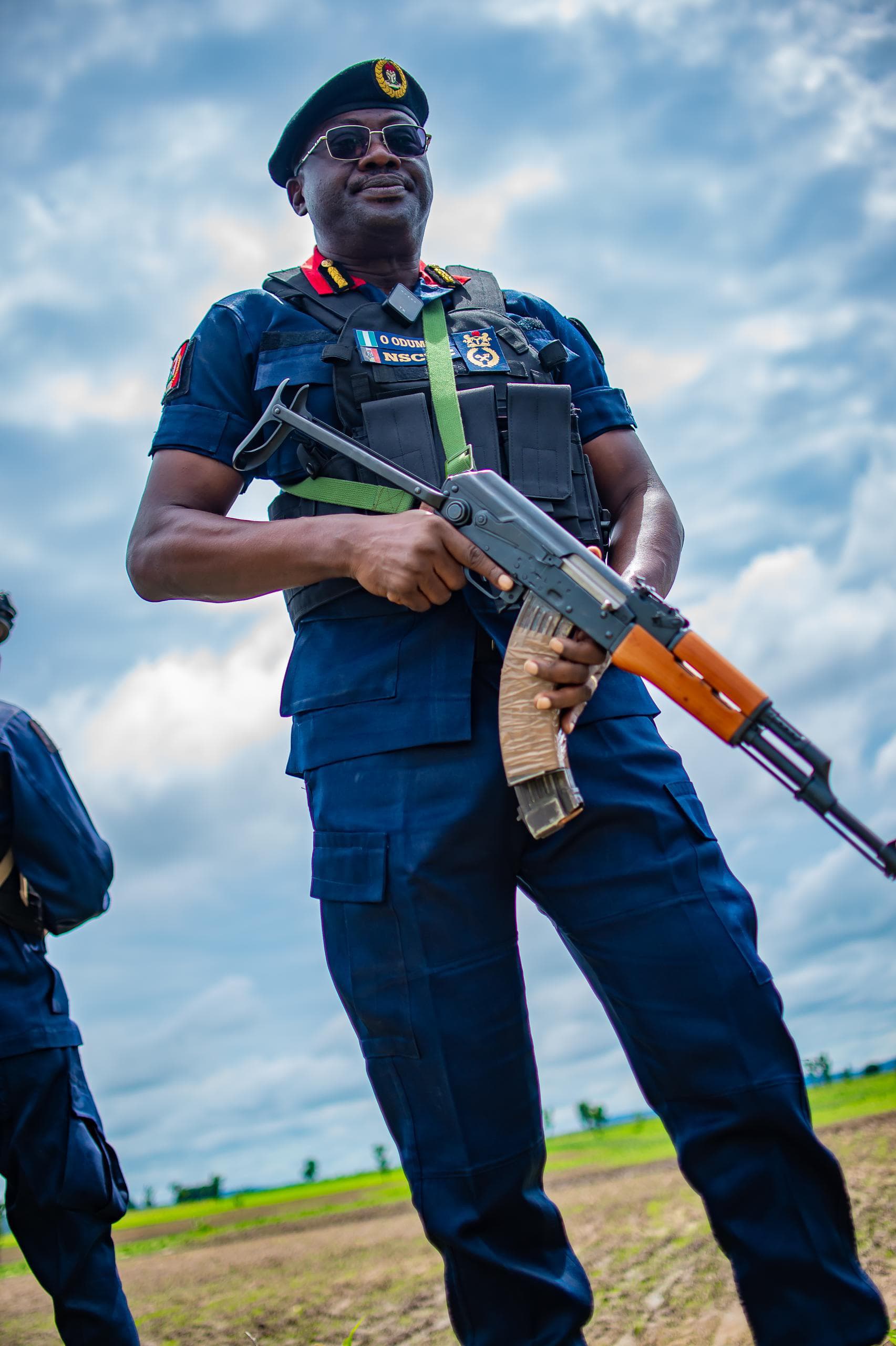
The Nigeria Security and Civil Defence Corps (NSCDC), Federal Capital Territory Command, has deployed 3,000 personnel across the Federal Capital Territory (FCT) as part of intensified security arrangements for Nigeria’s 66th Independence Anniversary celebrations.
The deployment, ordered by the FCT Commandant, Dr. Olusola Odumosu, is designed to strengthen security, maintain law and order and protect lives and property before, during and after the anniversary celebrations.
The Command said the operation would cover strategic locations and areas considered vulnerable to security breaches, including shopping malls, markets, motor parks, amusement and recreational centres, as well as Critical National Assets and Infrastructure (CNAI) across the nation’s capital.
Personnel drawn from specialised units of the Corps—including the Arms Squad, Female Strike Force, Crack Squad, Agro Rangers, Chemical, Biological, Radiological and Nuclear Explosives (CBRNE) Unit and Counter-Terrorism Unit—are participating in the operation.
The Commandant has also activated the Corps’ undercover operatives for covert surveillance and intelligence-gathering, with particular attention being paid to locations regarded as potential hideouts for criminals.
According to the Command, uncompleted buildings and other identified black spots across the FCT are also being monitored as part of measures to prevent criminal activities and possible security breaches.
Dr. Odumosu has directed Area Commanders and Divisional Officers to maintain a strong operational presence in their respective Area Councils and ensure that personnel remain alert throughout the celebration period.
“As usual, I will not tolerate any form of security breach. All hands must be on deck. Ensure your personnel comply wholesomely,” the Commandant warned.
He further directed officers and men to maintain discipline, work closely with other security agencies and adhere strictly to the rules of engagement.
The NSCDC chief specifically cautioned personnel against harassment and intimidation of citizens, while also directing them to guard against accidental discharge during operations.
The Command said the security operation was not limited to physical deployment, as surveillance and intelligence-led measures had already commenced ahead of the celebrations.
Dr. Odumosu also appealed to residents of the FCT to play an active role in maintaining security by remaining vigilant and promptly reporting suspicious movements, individuals or groups to the nearest security agency.
“We are ready to ensure the celebration is peaceful. You have a responsibility to carry out; you must be proactive, vigilant and ready to cooperate with us for our common good,” he said.
The Commandant warned criminals and vandals against targeting Critical National Assets and Infrastructure, stressing that NSCDC covert operatives and patrol teams had been deployed across the capital.
He assured residents that the Command would sustain security operations before, during and after the Independence Anniversary to ensure a peaceful celebration.
The deployment comes as Abuja prepares for activities marking Nigeria’s 66th Independence Anniversary, with the NSCDC urging residents to celebrate peacefully and cooperate with security agencies throughout the period.
NSCDC Deploys 3,000 Personnel Across Abuja for Independence Anniversary

OPEP brokers N1m settlement over farm destruction in Jos South

Ogwashi-Uku Youths Begin New Chapter As Ugbah Pledges Unity, Jobs And Development

Nigeria, Indonesia target bigger trade as economic ties deepen

Roger Federer’s Shock as DNA Results Reveal Myla and Charlene Are Not His Biological Children

THE PLIGHT OF FARIDA

FAILED COUP IN BURKINA FASO: HOW TRAORÉ NARROWLY ESCAPED ASSASSINATION PLOT AMID FOREIGN INTERFERENCE CLAIMS
-
 News3 years ago
Roger Federer’s Shock as DNA Results Reveal Myla and Charlene Are Not His Biological Children
-
Opinions5 years ago
THE PLIGHT OF FARIDA
-
 News1 year ago
FAILED COUP IN BURKINA FASO: HOW TRAORÉ NARROWLY ESCAPED ASSASSINATION PLOT AMID FOREIGN INTERFERENCE CLAIMS
-

 News3 years ago
EYN: Rev. Billi, Distortion of History, and The Living Tamarind Tree
-
 Opinions5 years ago
POLICE CHARGE ROOMS, A MINTING PRESS
-

 ACADEMICS3 years ago
A History of Biu” (2015) and The Lingering Bura-Pabir Question (1)
-

 Columns3 years ago
Army University Biu: There is certain interest, but certainly not from Borno.
-

 Politics1 year ago
2027: Why Hon. Midala Balami Must Go, as Youths in Hawul and Asikira/Uba Federal Constituency Reject ₦500,000 as Sallah Gift
