
News
VP Shettima, Lawan, Zulum, Buni attend funeral of Borno’s former SSG in Maiduguri

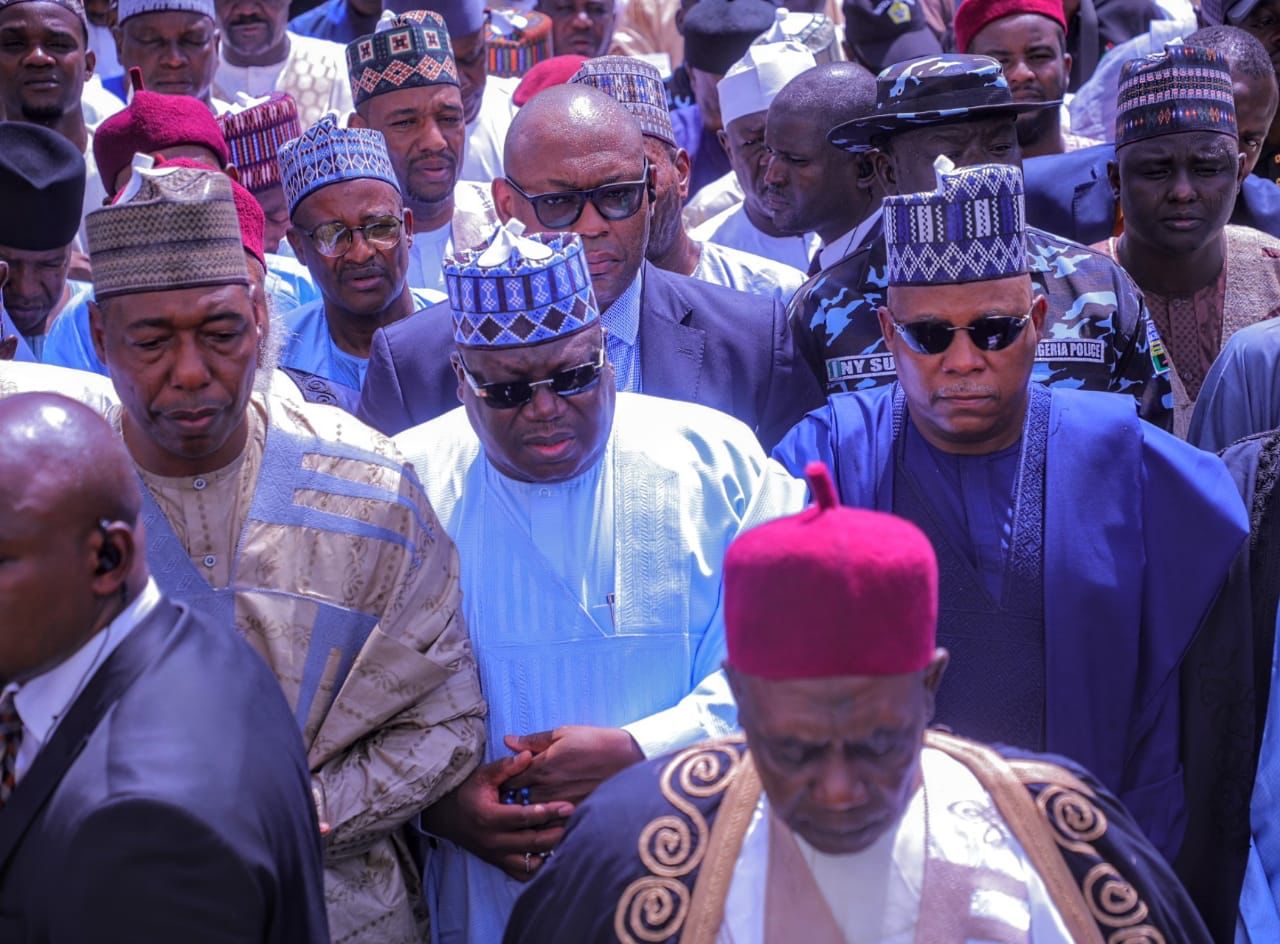
VP Shettima, Lawan, Zulum, Buni attend funeral of Borno’s former SSG in Maiduguri
… Our loss is huge, say Shettima, Zulum
By: Our Reporter
Vice President Kashim Shettina, Senate President, Ahmed Lawan, Borno State Governor, Babagana Umara Zulum, Yobe State Governor, Mai Mala Buni, led dignitaries to the funeral of Alhaji Usman Jidda Shuwa, immediate past Secretary to Borno State Government.
The funeral held on Sunday afternoon in Maiduguri.
Shuwa died on Saturday at the University of Maiduguri Teaching Hospital after a brief illness.
The funeral prayer was led by the Chief Imam of Borno, Imam Laisu Ibrahim Ahmed, after which Shuwa was laid to rest at Gwange cemetery.
The Shehu of Borno, Abubakar Umar Ibn Garbai Al-Amin Elkanemi, led traditional rulers to the funeral.
Former Governors of Borno and Kebbi states, Maina Ma’aji Lawan and Atiku Abubakar Bagudu, Senator Mohammed Ali Ndume, Ambassador Baba Ahmed Jidda and Senator-elect, Barrister Kaka Shehu Lawan, were also in attendance.
There were numerous other top government officials, serving and former at the funeral.
Speaking to newsmen, Vice President Kashim Shettima, expressed shock at the death of the former SSG, describing him as one of the last icons.
“We lost a colossus, he was the last of the titans and an icon with a huge institutional memory of how the system works. We are surely going to miss his wise counsel and intellect. No one is indispensable in life but he was almost irreplaceable”, Shettima said.
On his part, Governor Babagana Umara Zulum described Shuwa’s death as a big loss for Borno, his family and Nigeria at large.
“The death of Usman Jidda Shuwa is a great loss to all of us in Borno. For the past couple of years, he has served the state diligently and his wealth of experience will be missed by all of us”, Zulum said.
Alhaji Usman Jidda Shuwa died at the age of 65 leaving behind two wives, children and many relatives.
Shuwa served as SSG from 2015 to 2019 under then Governor Kashim Shettima and from 2019 to 2023 under Governor Zulum.
VP Shettima, Lawan, Zulum, Buni attend funeral of Borno’s former SSG in Maiduguri


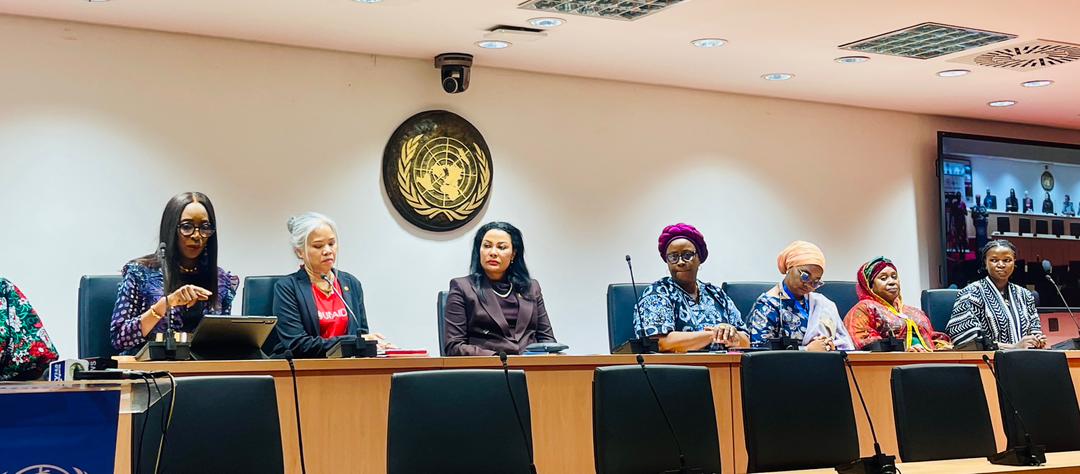
Inclusive Investment in Vulnerable Women Critical to Nigeria’s $1tn Economy Goal – Uzoka-Anite
By: Michael Mike
Nigeria’s ambition to build a one-trillion-dollar economy will remain incomplete without deliberate investment in vulnerable women and girls, Minister of State for Budget and Economic Planning, Doris Uzoka-Anite, has said.
The minister stated this on Tuesday in Abuja during a symposium organised to commemorate the 2026 edition of International Women’s Day and Women’s Month, where stakeholders called for stronger policies to address the challenges facing women with special needs across the country.
Speaking at the event themed “Rights, Justice, Action for Women & Girls With Special Needs in Nigeria: Exploring Strategies & Approaches for Acceleration and Impacts,” Uzoka-Anite stressed that targeted support for vulnerable women is not merely a social welfare responsibility but a strategic economic investment.
According to her, women living with HIV, persons with disabilities, elderly women and internally displaced persons remain among the most excluded groups in development planning despite their potential to contribute significantly to economic growth.
She explained that the administration of President Bola Ahmed Tinubu is shifting Nigeria’s public finance framework from traditional expenditure-based budgeting to investment-driven planning aimed at producing measurable economic outcomes.
The minister said the proposed National Development Plan for 2026–2030 would prioritise inclusive growth as Nigeria works toward building a $1 trillion economy.
Uzoka-Anite noted that when vulnerable women receive economic opportunities and protection from violence, the impact extends beyond individuals to families and communities.
“When an internally displaced woman receives livelihood support and security, she does not remain dependent. She becomes a trader, an entrepreneur and a pillar for rebuilding her family and community,” she said.
She added that inclusive policies generate stronger economic returns and represent one of the most efficient uses of public resources.
According to her, the Ministry of Budget and Economic Planning is strengthening gender-responsive and disability-inclusive planning within Nigeria’s national development framework, while also introducing systems to track whether government spending reaches the most vulnerable populations.
Earlier, the Representative to UN Women and ECOWAS, Beatrice Eyong, said the event was designed to spotlight women whose struggles are often overlooked in policy formulation.
She noted that women facing multiple forms of vulnerability—such as those living with HIV, women with disabilities and internally displaced women—frequently experience overlapping discrimination driven by poverty, stigma and social exclusion.
Also speaking, the Country Director of UNAIDS in Nigeria, Boonto Krittayawa, warned that progress toward gender equality remains slow globally and requires stronger political commitment.
She pointed to persistent gaps in political representation, economic participation and access to opportunities for women, stressing the need for targeted investments and legal reforms to accelerate progress.
Nigeria’s Minister of Women Affairs, Imaan Sulaiman-Ibrahim, represented by her Special Assistant, Princess Joan Jumai, said the government is strengthening programmes designed to address the needs of women facing multiple layers of discrimination.
She highlighted initiatives such as the Renewed Hope Social Impact Intervention 774, which aims to expand social protection and economic empowerment for vulnerable women across Nigeria’s 774 local government areas.
In her remarks, Acting Deputy Representative of UN Women in Nigeria, Patience Ekeoba, said the symposium provided a platform for women with special needs to share their experiences and influence policies affecting them.
She added that the meeting would conclude with a communiqué outlining key challenges and policy recommendations aimed at strengthening protection, inclusion and economic participation for vulnerable women across the country.
Inclusive Investment in Vulnerable Women Critical to Nigeria’s $1tn Economy Goal – Uzoka-Anite
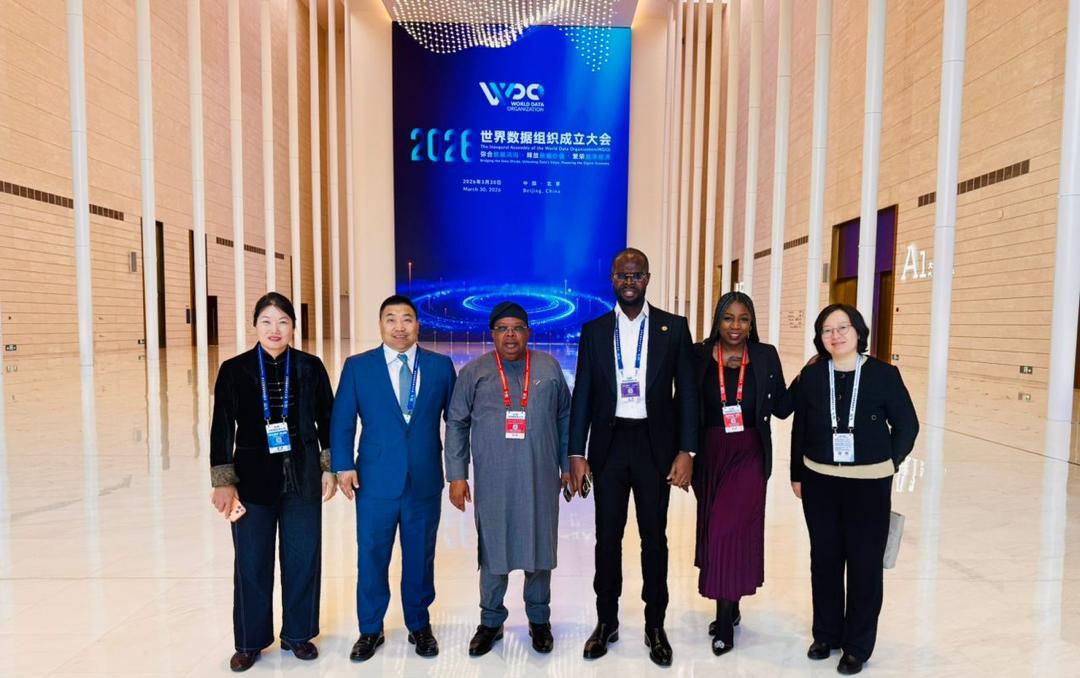
Nigeria Secures Strategic Role in Global Digital Economy at World Data Organization Launch
By: Michael Mike
In a landmark move aimed at cementing its influence in the global digital economy, Nigeria participated in the launch of the World Data Organization (WDO) in Beijing, China.
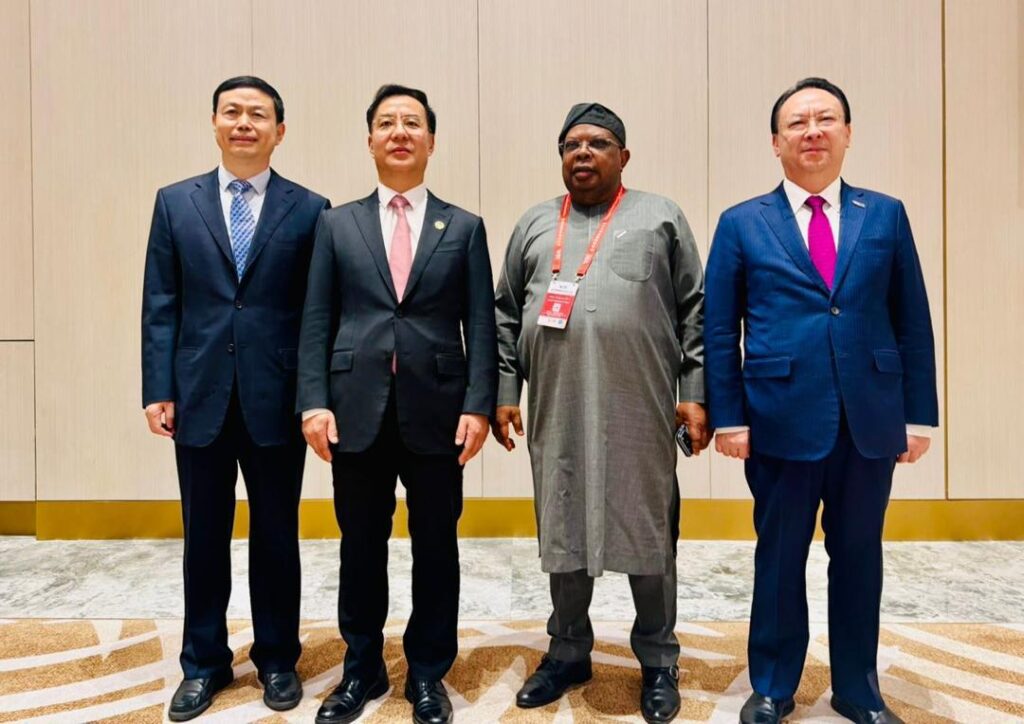
At the event, which held on Monday, the country was represented by Director-General and Global Liaison of the Nigeria-China Strategic Partnership (NCSP), Joseph Tegbe alongside Head of International Relations at NCSP, Judy Melifonwu.
The WDO, headquartered in Beijing, is the first international body dedicated to advancing data governance, enabling secure cross-border data flows, and promoting the inclusive growth of the digital economy. Its launch brings together global powers seeking to address the digital divide, enhance cybersecurity, and establish standards that ensure equitable benefits from data-driven development.
Speaking on behalf of Chinese President Xi Jinping, Ding Xuexiang outlined the organisation’s three strategic pillars: facilitating the free and secure flow of data across borders, promoting inclusive digital development, and establishing coordinated global frameworks to protect data from cyber threats.
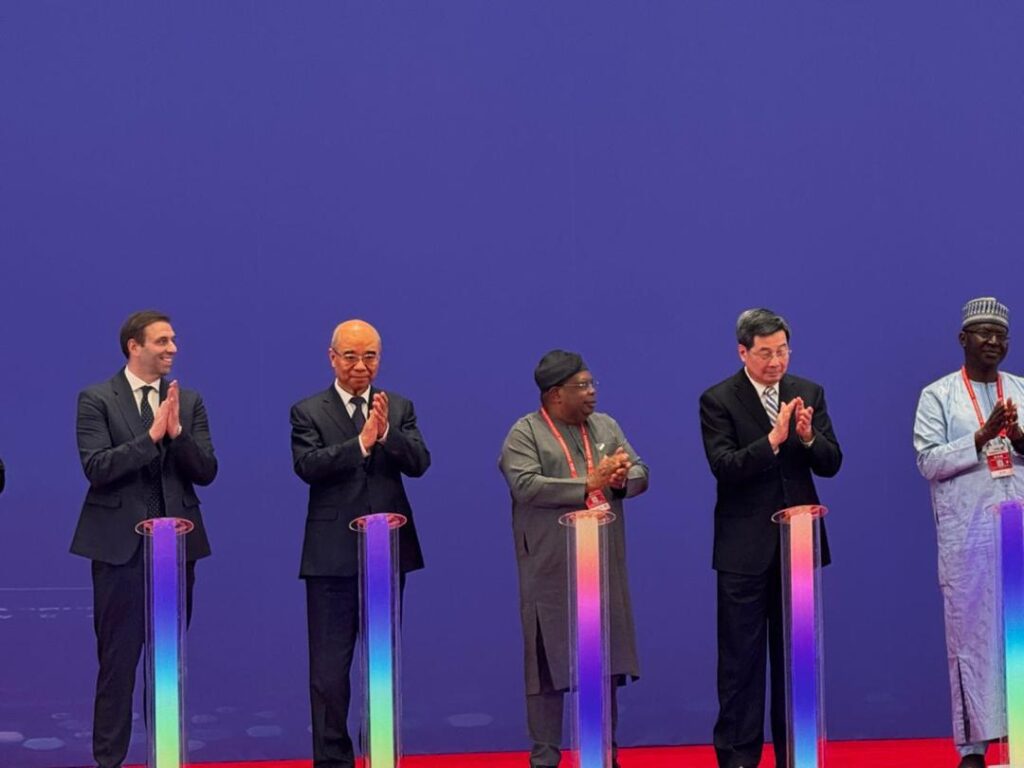
For Nigeria, participation at the WDO’s founding stage represents a deliberate, forward-looking strategy under the Renewed Hope Agenda. Analysts note that it positions the country to influence global digital governance standards, accelerate access to emerging technologies, and participate in international research initiatives. Such engagement is expected to strengthen Nigeria’s digital infrastructure, enhance the competitiveness of startups and financial institutions, attract foreign direct investment, and generate high-value employment opportunities for the nation’s growing youth population.
Furthermore, the WDO platform allows Nigeria to deepen collaboration in cybersecurity, enabling the country to contribute to international frameworks that safeguard national data, combat cybercrime, and ensure digital sovereignty.
Observers said Nigeria’s involvement reflects a strategic evolution in the Nigeria–China partnership, which has moved beyond traditional infrastructure projects toward high-impact, technology-driven cooperation. By joining the WDO, Nigeria positions itself to harness the opportunities of the Fourth Industrial Revolution, ensuring that technological innovation drives sustainable growth across critical sectors such as agriculture, healthcare, governance, and finance.
“The participation of Nigeria at the WDO launch is not only symbolic; it is a tangible assertion of the country’s intent to be at the forefront of global digital governance,” said a senior NCSP official. “It ensures that Nigeria has a voice in shaping rules that govern the digital economy while unlocking opportunities that directly benefit its citizens and businesses.”
The WDO’s establishment is being hailed as a critical step in bridging the global digital divide, offering developing nations like Nigeria an unprecedented opportunity to integrate into global digital networks while safeguarding national interests.
With its seat at the WDO table, Nigeria is now strategically positioned to influence global data policies, strengthen cybersecurity frameworks, and drive innovation-led economic growth in the emerging digital era.
Nigeria Secures Strategic Role in Global Digital Economy at World Data Organization Launch
FG, Benue, UNHCR Partner to Deliver Life-Saving Support to 100,000 Displaced Persons
By: Michael Mike
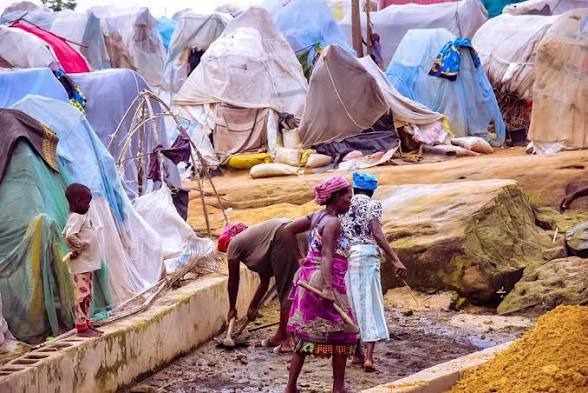
The Federal Government, the Benue State Government and the United Nations High Commissioner for Refugees (UNHCR) have agreed on a coordinated intervention to deliver urgent life-saving and protection support to communities affected by violence and displacement in Benue State.
The agreement was formalised following a meeting witnessed by the Minister of Humanitarian Affairs and Poverty Reduction, Bernard Doro, during which letters were exchanged between the Governor of Benue State, Hyacinth Iormem Alia, and UNHCR’s Country Representative in Nigeria, Arjun Jain.
The initiative, supported through the Nigerian Humanitarian Fund, is expected to directly benefit about 100,000 people in Guma and Makurdi Local Government Areas, with many more indirectly supported through improved protection systems and preventive security measures.
Speaking on the partnership, the Minister said the intervention reflects the Federal Government’s commitment to supporting Nigerians affected by conflict and displacement.
According to him, the collaboration will ensure that vulnerable families receive urgent assistance while advancing President Bola Ahmed Tinubu’s Renewed Hope Agenda aimed at restoring safety, dignity and stability to affected communities.
He added that the intervention will focus on three priority areas, including the provision of protection-based life-saving assistance for displaced populations, support for relocating families from camps to safer settlements, and the installation of solar-powered lighting systems to strengthen security in vulnerable communities.
The programme will also expand and digitise protection monitoring systems to enable real-time reporting, early identification of threats and integration into state and federal early-warning mechanisms.
Alia described the partnership as a critical step toward addressing the humanitarian crisis caused by persistent displacement in the state.
He noted that Benue has borne a heavy burden of forced displacement for years and stressed that the collaboration would help scale up immediate humanitarian relief while strengthening long-term systems to protect communities.
The governor reaffirmed his administration’s commitment to ensuring displaced families regain access to safety, recovery and opportunities for rebuilding their lives.
UNHCR Country Representative, Arjun Jain, also underscored the importance of strong government leadership and coordinated action in addressing humanitarian challenges.
He said the collaboration would allow partners to rapidly expand protection services and deliver assistance to families facing severe risks while laying the foundation for sustainable solutions.
Implementation of the joint intervention is expected to begin in April 2026.
FG, Benue, UNHCR Partner to Deliver Life-Saving Support to 100,000 Displaced Persons

NDLEA, US-DEA Strengthen Partnership to Combat Narco-Terrorism

NAPTIP, ICMPD Sensitise Students on Trafficking, Safe Migration in Abuja

Inclusive Investment in Vulnerable Women Critical to Nigeria’s $1tn Economy Goal – Uzoka-Anite

Roger Federer’s Shock as DNA Results Reveal Myla and Charlene Are Not His Biological Children

THE PLIGHT OF FARIDA

FAILED COUP IN BURKINA FASO: HOW TRAORÉ NARROWLY ESCAPED ASSASSINATION PLOT AMID FOREIGN INTERFERENCE CLAIMS
-
 News2 years ago
Roger Federer’s Shock as DNA Results Reveal Myla and Charlene Are Not His Biological Children
-
Opinions4 years ago
THE PLIGHT OF FARIDA
-
 News12 months ago
FAILED COUP IN BURKINA FASO: HOW TRAORÉ NARROWLY ESCAPED ASSASSINATION PLOT AMID FOREIGN INTERFERENCE CLAIMS
-

 News2 years ago
EYN: Rev. Billi, Distortion of History, and The Living Tamarind Tree
-
 Opinions4 years ago
POLICE CHARGE ROOMS, A MINTING PRESS
-

 ACADEMICS2 years ago
A History of Biu” (2015) and The Lingering Bura-Pabir Question (1)
-

 Columns2 years ago
Army University Biu: There is certain interest, but certainly not from Borno.
-

 Opinions2 years ago
Tinubu,Shettima: The epidemic of economic, insecurity in Nigeria
