
News
Wawa Barracks Is Not a Genocide Camp: Inside Nigeria’s Multi-Agency Counter-Terrorism Detention System


Wawa Barracks Is Not a Genocide Camp: Inside Nigeria’s Multi-Agency Counter-Terrorism Detention System
By: Zagazola Makama
Amid viral social media claims alleging “genocide by unlawful detention” and “secret execution of detainees” at the Wawa Military Cantonment in Niger State, findings by Zagazola Investigation reveal a very different reality: Wawa is not a secret torture camp, but one of Nigeria’s three structured, multi-agency detention and investigation hubs used for handling suspects arrested in terrorism-related operations.
The claims have gained traction on some fringe advocacy platforms. But investigation by Zagazola Investigation, involving interviews with senior security officials, lawyers involved in terrorism prosecutions, and independent monitors, shows a much different reality one backed by documentation, video, pictures, court records, and multilateral oversight.
Contrary to online report, the facility does not hold individuals simply for political dissent or IPOB sympathy. Instead, those kept at Wawa are individuals classified as high-risk terrorism suspects, already screened, investigated and recommended for prosecution under federal anti-terrorism law.
Rather than a clandestine “genocide camp,” Wawa Cantonment operates as one of the federally designated holding centres for terrorism suspects awaiting trial transferred from the Northeast joint operations theatre. Its detainees are not randomly arrested civilians, they are individuals classified after investigation as high-risk Boko Haram / ISWAP or other related terrorism suspects to be prosecuted under the Terrorism Prevention Act (2011, 2013, amended 2022).
The centre of the process is the Joint Investigation Centre (JIC), a multi-agency counterterrorism facility established to: “hold, screen, investigate and categorize suspected terrorists arrested by frontline units.”
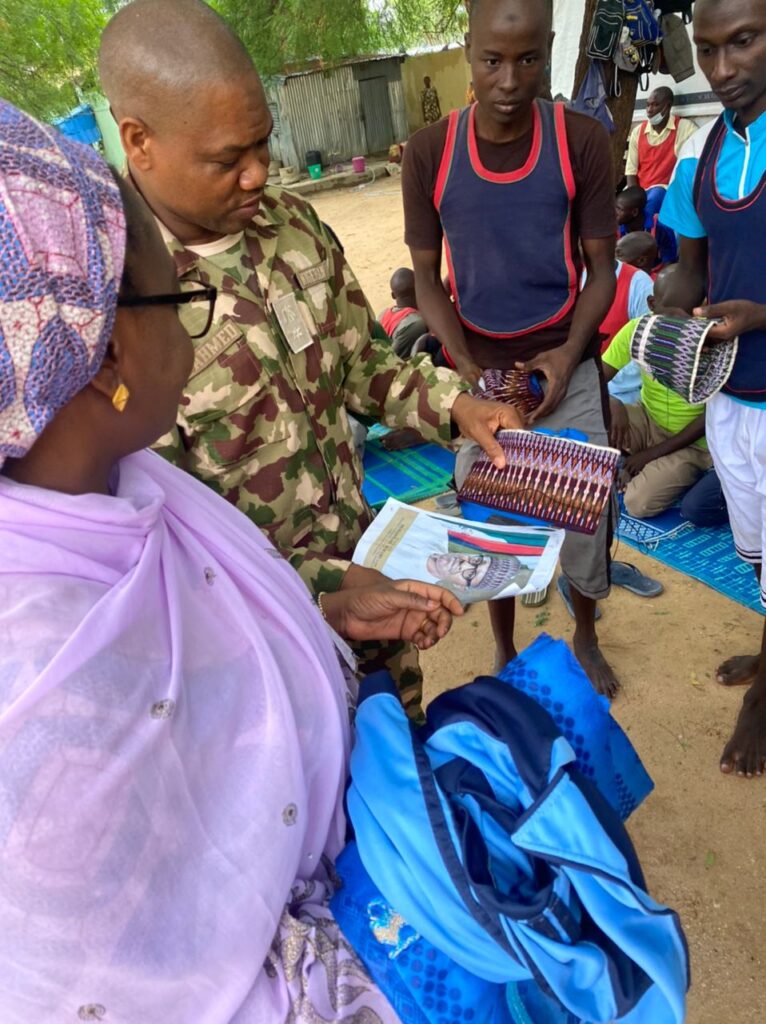
They are screened and investigated by the Complex Casework Group( CCG) represented from Nigerian Army, Nigeria Police Force, Department of State Services, Defence Intelligence Agency NSCDC, NDLEA, Immigration and Office of Attorney General.
The CCG, a team of federal lawyers, vets every file and determines those that will be sent to sent to Kainji/Giwa for trial, those that will be rehabilitated through Operation Safe Corridor and those that required to be reintegrated are handed over to Borno State Government. Biometric data, case files, and legal opinions accompany every transfer.
After preliminary arrest at the frontline: Suspect is transferred to JIC with exhibits and initial report, Case file opened, investigators from multiple agencies interview the suspect, Federal High Court grants remand order for detention.
Therefore, contrary to online claims of torture and starvation, JIC operates under internationally monitored guidelines:
Zagazola found out that the inmate were fed three meals daily, with supplements for malnourished suspects Medical care
On-site clinic, referral to UMTH and 7 Div Hospital. TB cases are isolated and treated
while all detainees are issued new clothing, underwear, toiletries Psychosocial wellbeing
TV in cells, physical exercise times, library and skills acquisition.
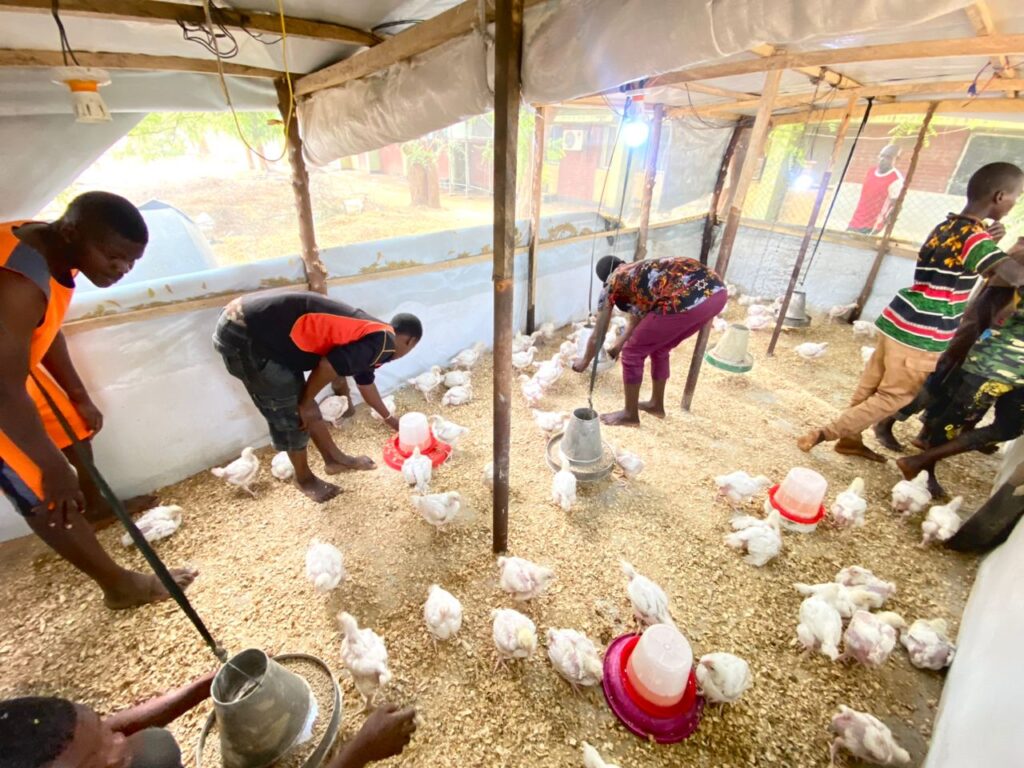
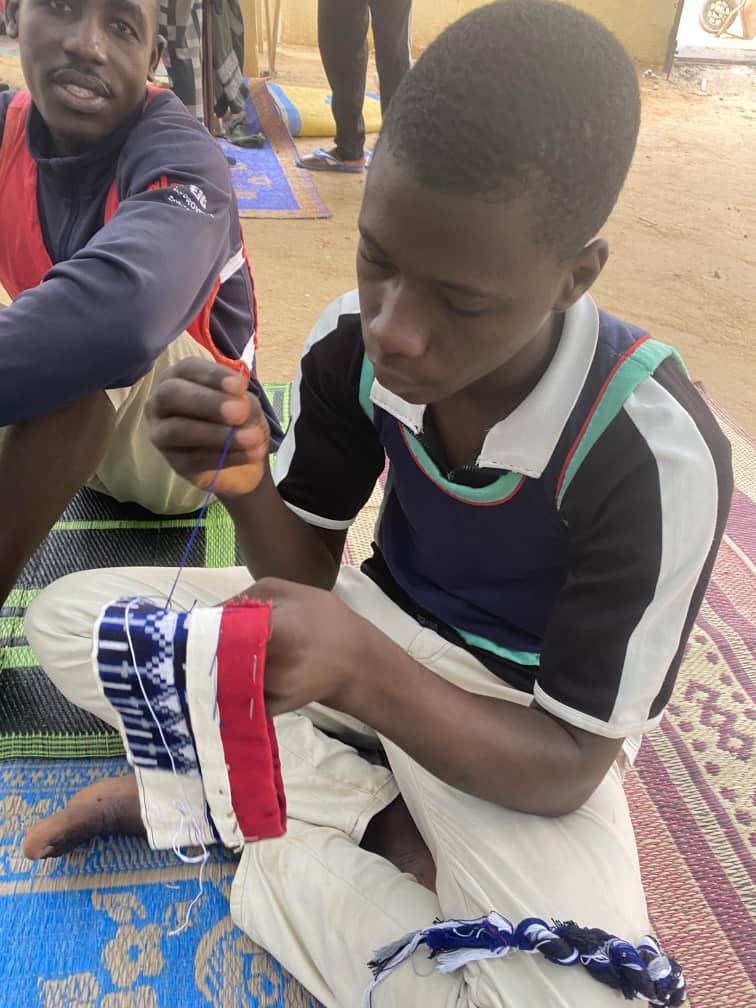
While family link restoration message delivered to families through ICRC. Notably, children detained with mothers receive basic education, while adults undergo skills training: tailoring, cap-making, poultry, fish farming, barbing.
Senior Military official overseeing JIC operations: “We do not have authority to detain indefinitely. Every person here is under a court-issued remand order. We investigate; lawyers decide. We do not sentence.”
Barr. Ahmed Mainasara, federal terrorism prosecutor (AGF delegation): said There are no secret trials. We conduct legal reviews, issue remand orders, and ensure suspects’ rights are respected. The public simply does not understand the process.”
“Genocide requires intent to wipe out a people. Detention and prosecution of terrorism suspects is lawful. The word genocide is being misused for propaganda.”Mainasara said.
He said that the trial for terrorism cases are held inside military locations because witnesses and investigators cannot be exposed publicly. It is a security necessity, not secrecy.”he said.
ICRC representative, (name withheld): “We have unrestricted access to all detainees. Any claim that these places are ‘off the books’ is false.”
The narrative circulating online claims that hundreds were secretly executed.
Security officials clarified to Zagazola Investigation: “About 200 suspects have been tried and sentenced, not executed. Many are serving long sentences in Kainji Correctional Facility.” Court records reviewed include: FHC/ABJ/CR/21/2019, FHC/KNJ/CR/42/2022, among others.
Military top official overseeing the facilities, told Zagazola that the detention facility in Wawa Barracks, Niger State, is not an illegal facility as alleged. It is backed by a Remand Order issued by the Federal Government through the Federal Ministry of Justice for the continued detention of suspects such as high-profile Boko Haram terrorists, bandit leaders and members of the proscribed Indigenous People of Biafra (IPOB) pending the conclusion of their cases.
“The Nigerian Army’s role is purely to provide security and ensure the safety of the facility, its personnel and all individuals lawfully detained pending the completion of their trials. The trial of suspects in the facility is conducted by the Department of Public Prosecution (DPP) under the supervision of the Federal Ministry of Justice.
“These proceedings are transparently conducted in collaboration with the United Nations Office on Drugs and Crime (UNODC), as well as the International Committee of the Red Cross (ICRC). They are also regularly attended by other International Non-Governmental Organizations (INGOs), human rights observers and relevant stakeholders, ensuring strict adherence to the rule of law and international standards.
“Contrary to the false narrative being circulated, the outcomes of these trials are always made public through the media, reflecting the government’s commitment to accountability and transparency.
Zagazola Investigation found no evidence supporting claims of genocide, secret executions or unlawful detention at Wawa Cantonment. Instead, Nigeria operates a structured, multi-agency, court-regulated system that includes humanitarian oversight arguably one of the most transparent counter-terrorism detention models in Sub-Saharan Africa.
While detention timelines need improvement and more terrorism courts are required, the narrative of mass killing and genocide inside Wawa is false, and unsupported by evidence.
Zagazola Makama is a Counter Insurgency Expert and Security Analyst in the Lake Chad Region
Wawa Barracks Is Not a Genocide Camp: Inside Nigeria’s Multi-Agency Counter-Terrorism Detention System


2027: Constituents declare support for Tinubu, Goje’s re-election
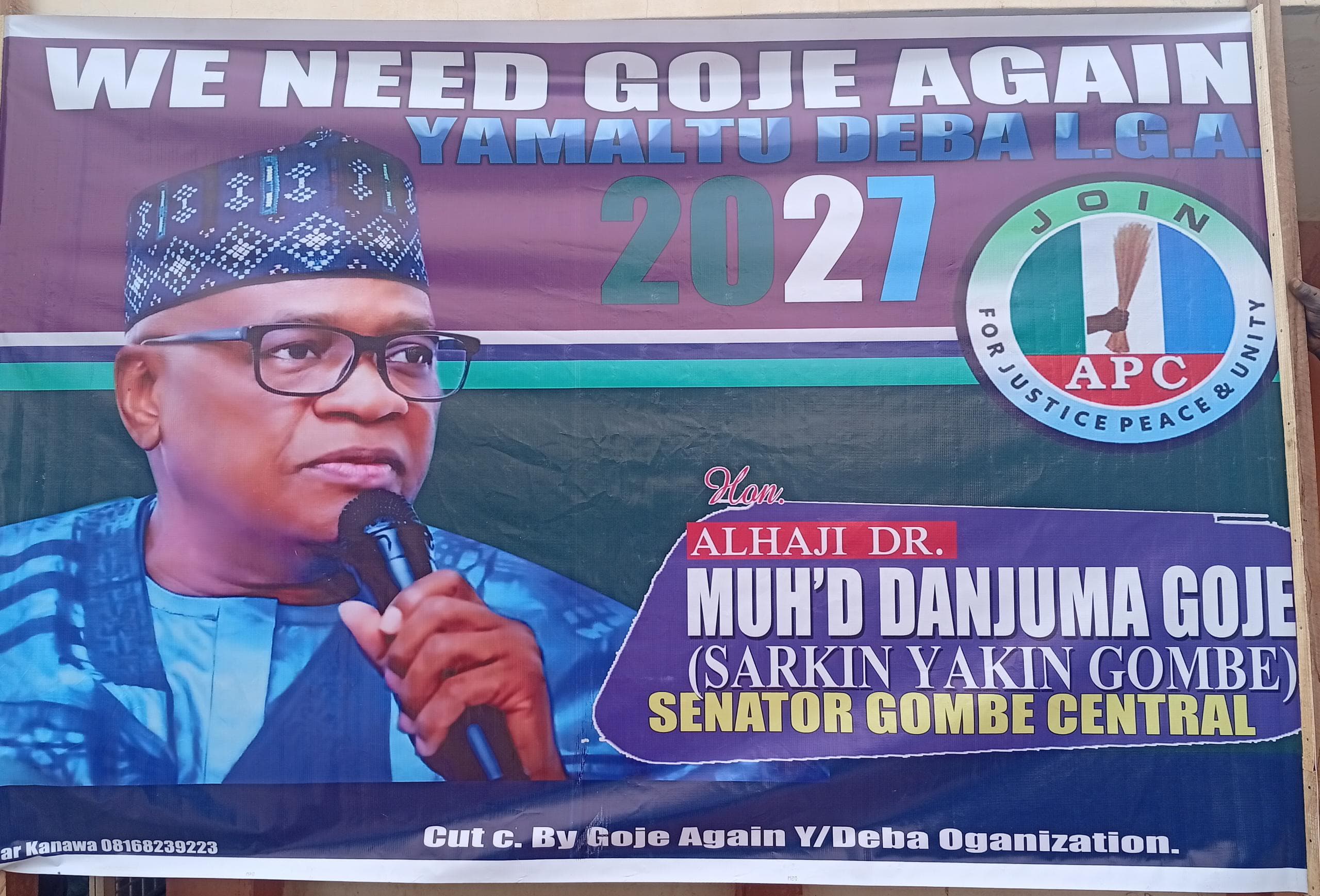
Yamaltu/Deba constituents have declared support for President Bola Tinubu and Senator Danjuma Goje’s re-election ahead of the 2027 General Elections.
Dr Newton Moses, declared the support in a statement read on behalf of the people of Yamaltu/Deba Local Government Area of Gombe State on Friday in Gombe.
Moses said voting for experienced leaders in 2027 remained key to addressing Nigeria’s challenges and delivering dividends of democracy to Nigerians.
He said the group’s decision to support Tinubu and Goje was guided by patriotism, and a sincere desire to see competent, and result-driven leadership that would benefit their constituents and the country.
He said that Goje’s leadership in the past 16 years at the Senate has benefitted the constituents and given effective representation to the people of Akko and Yamaltu/Deba LGAs that make up the district.
He dismissed allegations that the people of Yamaltu/Deba have been marginalised and were demanding the seat to be zoned to Yamaltu/Deba and not Akko where Goje is from.
He said that the constitution did not impose any zoning limitation or tenure restriction on membership in the National Assembly, hence urged those seeking the seat to test their popularity through election.
“We are not part of that group saying Goje should not return to the senate in 2027; that is not the voice of the grassroots from Yamaltu Deba.
“ Goje has, over the years, built invaluable networks and acquired the experience necessary to effectively advocate for the interests of his constituency and contribute meaningfully to national development.
“ By returning Goje to the Senate, Gombe Central stands to gain even more.
“ His established influence will ensure greater access to federal opportunities, increased developmental projects, and stronger representation in critical national decisions,” he said.
The group further advised President Tinubu to stay away from those working to tarnish the good name of Goje, stating that Goje’s influence in Gombe was important for the success of the All Progressives Congress in 2027.
Moses said at a time when Nigeria is focused on economic recovery, institutional strengthening, and inclusive growth under Tinubu, it was imperative that proven leaders like Goje to continue contributing his expertise toward national progress.
2027: Constituents declare support for Tinubu, Goje’s re-election
Hope in the Hard Times: Ashlee Momoh Foundation Spreads Easter Joy to Military Widows
By Comrade Philip O. Ikodor
The Ashlee Momoh Foundation (AMF), a non-profit organization dedicated to supporting the families of fallen officers, marked the Easter season with a heartwarming outreach to military widows at different locations in Abuja and Nasarawa state, respectively on April 2nd, 2026. This thoughtful initiative was designed to bring joy, hope, and support to the widows of our fallen Military Officers, who have made immense sacrifices for their country.
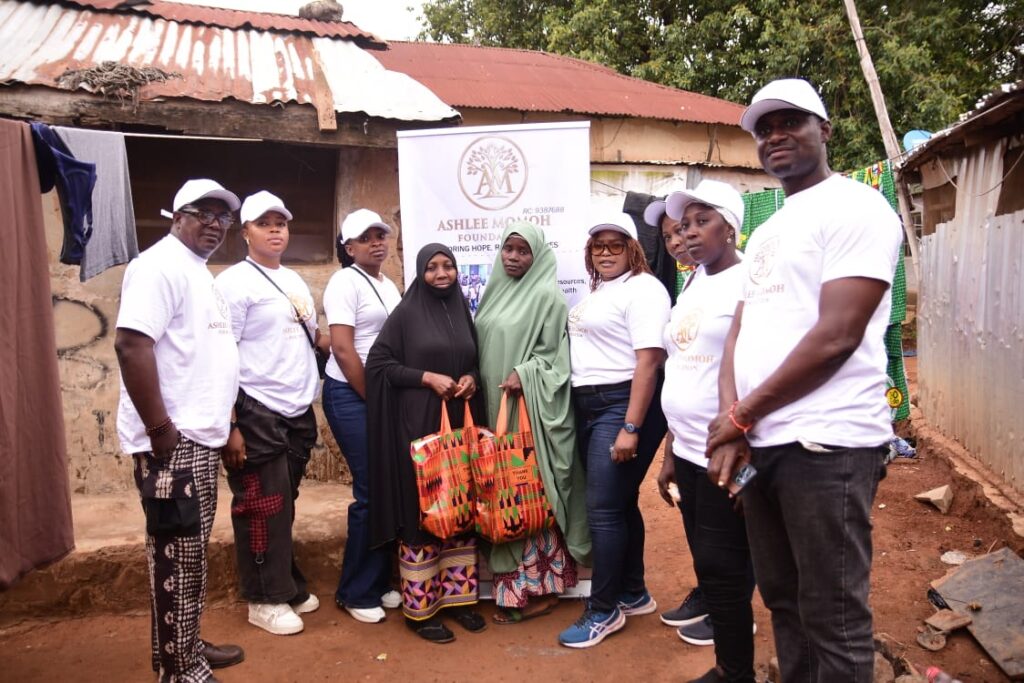
“Easter is the season of renewal, hope, and the triumph of light over darkness,” Princess Ashlee said. “It reminds us that even after the longest winter, spring arrives and even after the deepest sorrow, there is the possibility of a new dawn.” The outreach was designed to show support and encouragement to the military widows, and to felicitate with them on the occasion of Easter.
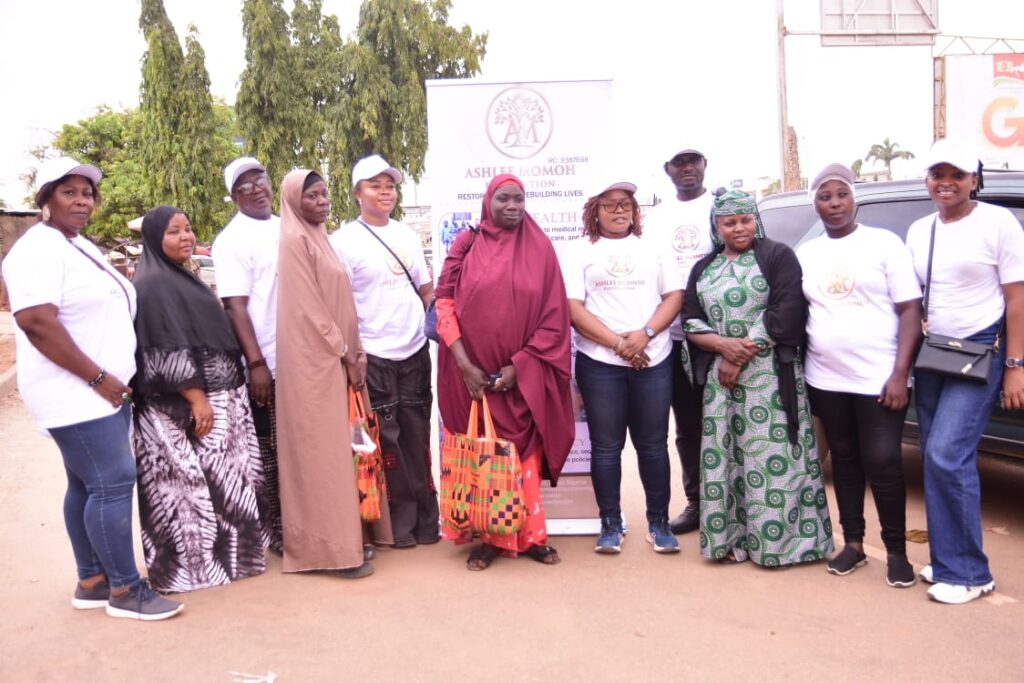
Princess Ashlee Momoh reassured the widows that while their loved ones are no longer physically present, their legacy lives on, and AMF is committed to standing with them, supporting them, and celebrating their strength. “Today, we celebrate you, our heroes’ widows, and the sacrifices you’ve made,” she said.
The event was filled with moments of joy and fulfilment, as beneficiaries received gift items, cash gifts, and scholarship opportunities. The Foundation also announced enlistment for skill acquisition and empowerment programs, aimed at equipping the widows with the tools they need to rebuild their lives.
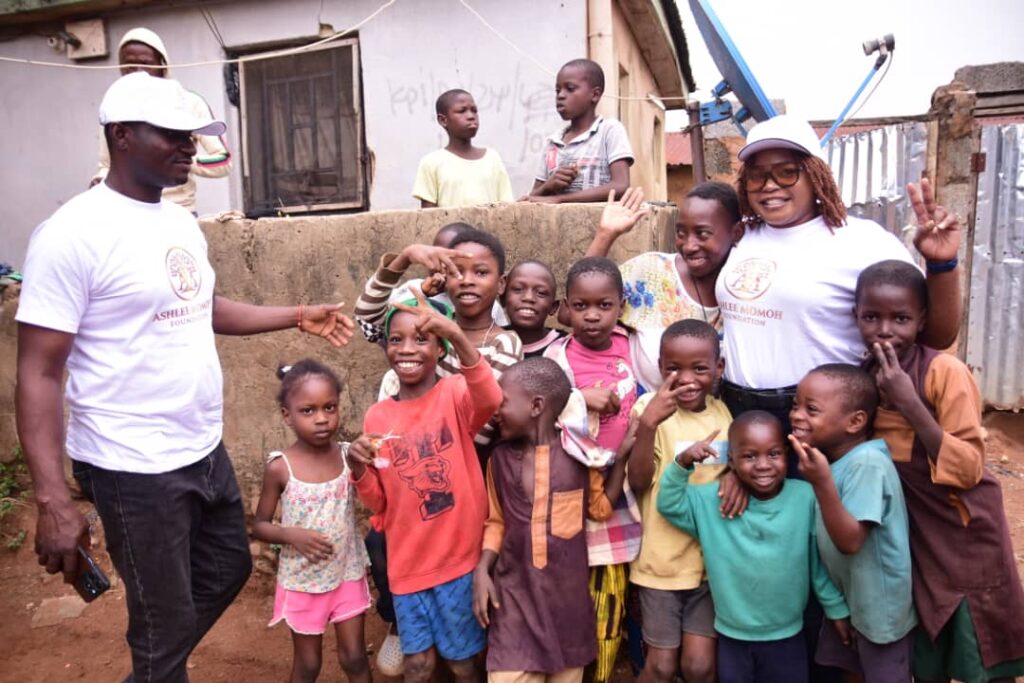
The outreach was a testament to AMF’s unwavering commitment to supporting the families of fallen officers, and its dedication to making a positive impact in the lives of those who have made immense sacrifices for their country. As one beneficiary put it, “This Easter, we’ve received more than just gifts – we’ve received hope, love, and a sense of belonging.”

The Ashlee Momoh Foundation’s Easter outreach was a powerful reminder that even in the darkest moments, there is always hope, and that together, we can overcome any challenge.
Hope in the Hard Times: Ashlee Momoh Foundation Spreads Easter Joy to Military Widows
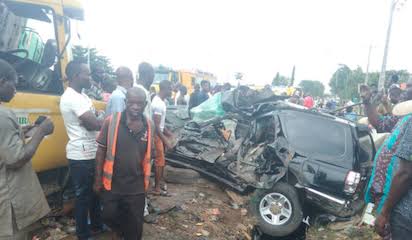
Six die, 12 injured in Kwara road crash
By: Zagazola Makama
Six persons have been confirmed dead and 12 others injured in a fatal road traffic accident along the Okolowo–Jebba expressway in Kwara State.
Police sources said the accident occurred at about 6:00 a.m. on April 2 near Danjuma Bakery area, involving a Toyota Hummer bus and a stationary truck.
According to the sources, the bus with registration number BTR-161-XA was conveying 18 passengers from Lagos State to Katsina State when it rammed into a parked truck with registration number BUU-495-ZD.
The truck was reportedly driven by Kamarudeen Abdullahi, said to be from Jos North Local Government Area of Plateau State.
The impact of the collision resulted in the death of six passengers on the spot, while 12 others sustained varying degrees of injuries.
The injured victims were rushed to the University of Ilorin Teaching Hospital, Oke-Oyi, for medical attention, while the remains of the deceased were deposited in the hospital morgue for autopsy.
Police said investigation had commenced to determine the circumstances surrounding the crash.
Six die, 12 injured in Kwara road crash

2027: Constituents declare support for Tinubu, Goje’s re-election

Hope in the Hard Times: Ashlee Momoh Foundation Spreads Easter Joy to Military Widows

Police arrest newly recruited suspected ISWAP member in Kwara

Roger Federer’s Shock as DNA Results Reveal Myla and Charlene Are Not His Biological Children

THE PLIGHT OF FARIDA

FAILED COUP IN BURKINA FASO: HOW TRAORÉ NARROWLY ESCAPED ASSASSINATION PLOT AMID FOREIGN INTERFERENCE CLAIMS
-
 News2 years ago
Roger Federer’s Shock as DNA Results Reveal Myla and Charlene Are Not His Biological Children
-
Opinions4 years ago
THE PLIGHT OF FARIDA
-
 News12 months ago
FAILED COUP IN BURKINA FASO: HOW TRAORÉ NARROWLY ESCAPED ASSASSINATION PLOT AMID FOREIGN INTERFERENCE CLAIMS
-

 News2 years ago
EYN: Rev. Billi, Distortion of History, and The Living Tamarind Tree
-
 Opinions4 years ago
POLICE CHARGE ROOMS, A MINTING PRESS
-

 ACADEMICS2 years ago
A History of Biu” (2015) and The Lingering Bura-Pabir Question (1)
-

 Columns2 years ago
Army University Biu: There is certain interest, but certainly not from Borno.
-

 Opinions2 years ago
Tinubu,Shettima: The epidemic of economic, insecurity in Nigeria
