
News
Why We Took SPDC, AGF, Federal Government Agencies to Court, Ekpetiama Kingdom Explains

Why We Took SPDC, AGF, Federal Government Agencies to Court, Ekpetiama Kingdom Explains
By: Michael Mike
The people of Ekpetiama Kingdom in Bayelsa State has explained why a case was instituted against Shell Petroleum Development Company (SPDC), the Minister of Petroleum Resources, the Nigerian Upstream Petroleum Regulatory Commission (NUPRC), and the Attorney General of the Federation (AGF).
A landmark legal action had been instituted by His Royal Majesty, King Bubaraye Dakolo, Agada IV of Ekpetiama Kingdom, and the people of Ekpetiama Kingdom in Bayelsa State, against SPDC, the Minister of Petroleum Resources, the Nigerian Upstream Petroleum Regulatory Commission (NUPRC), and the Attorney General of the Federation at the Federal High Court, Yenagoa on June 20, 2024, with the full hearing scheduled to begin on July 22, 2025.
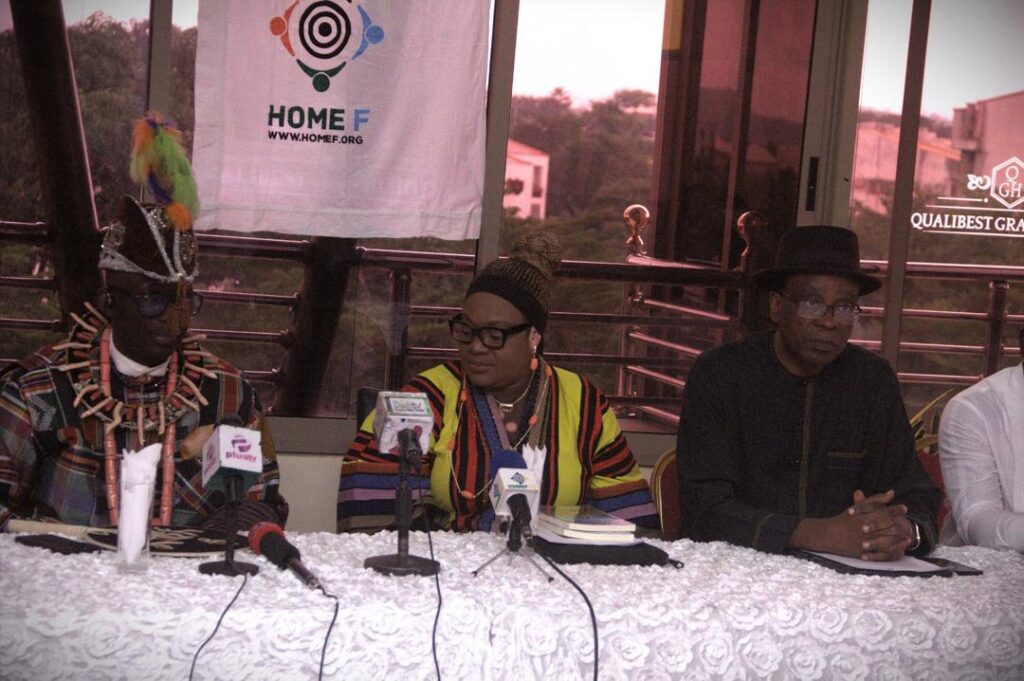
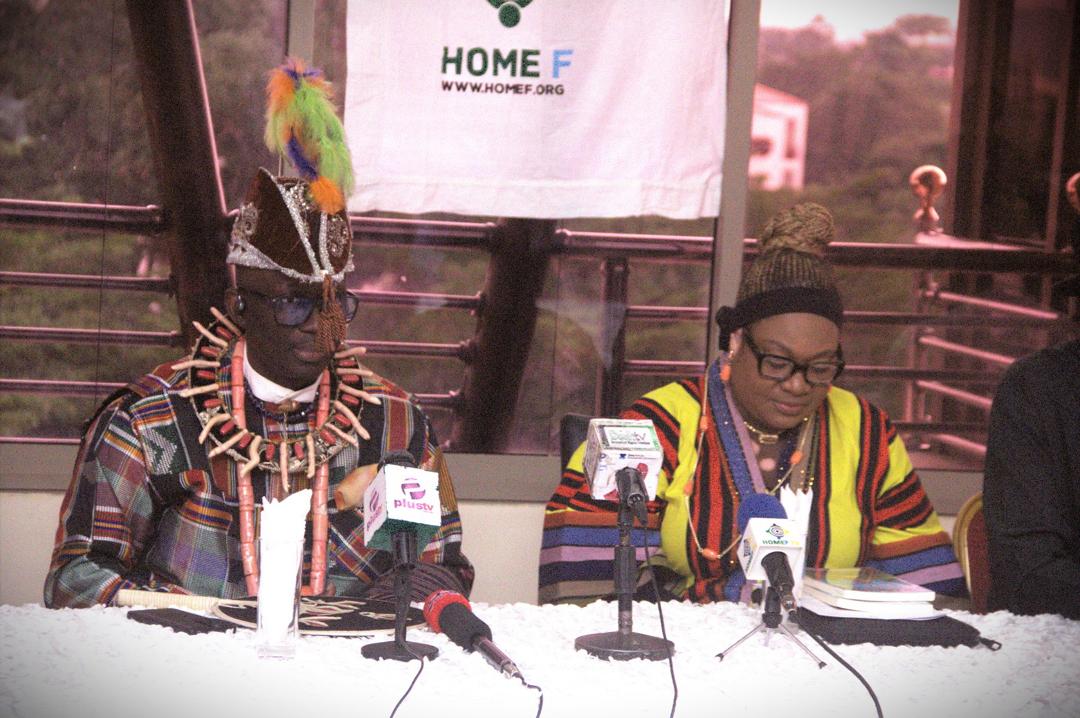
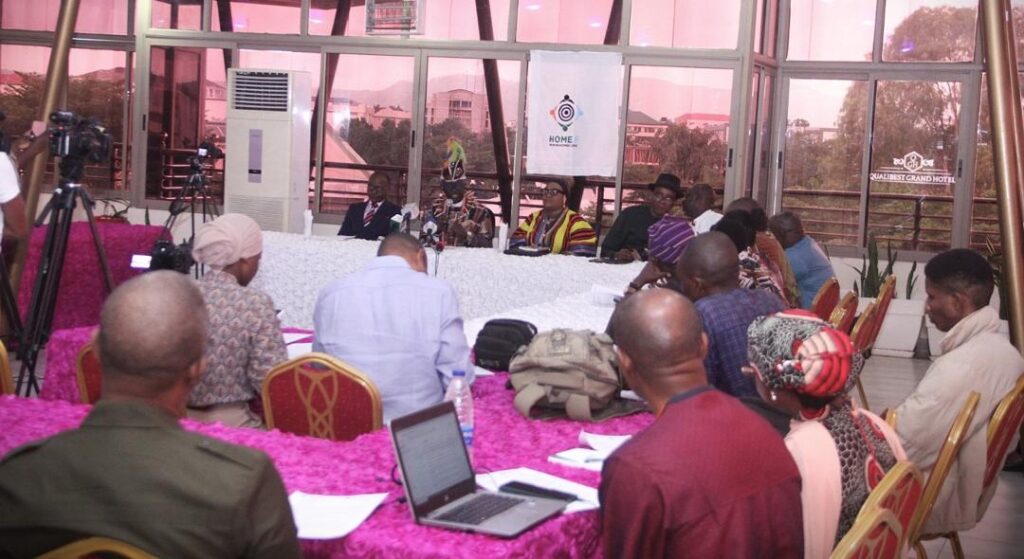
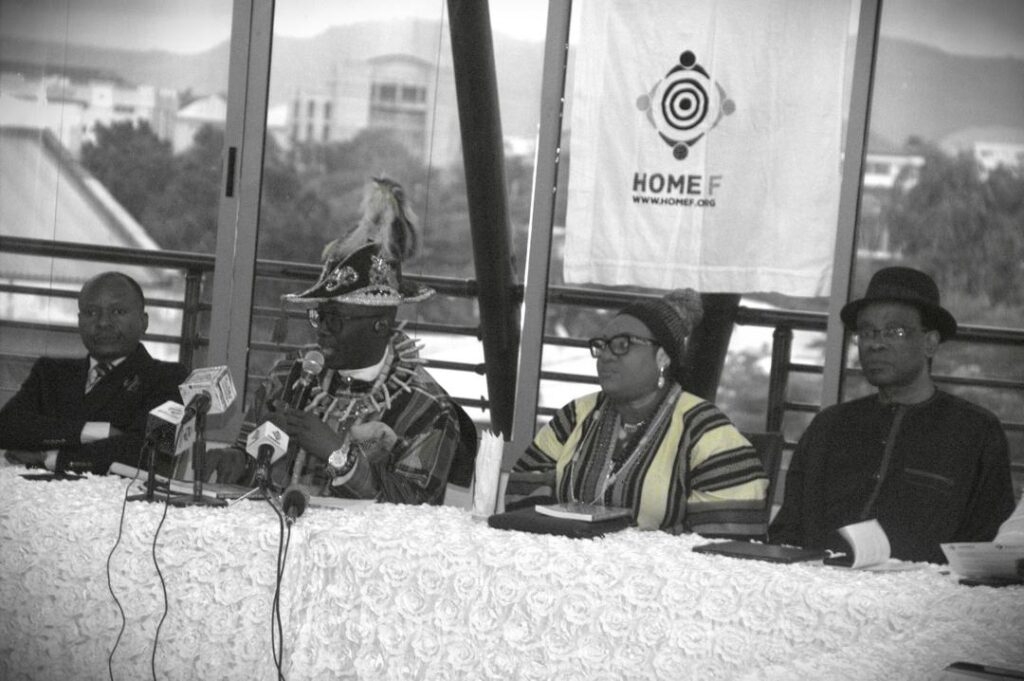
Addressing a press conference in Abuja, a conglomerate of civil society organisations, including the International Working Group on Petroleum Pollution and Just Transition in the Niger Delta (IWG), Health of Mother Earth Foundation (HOMEF) and Social Action Nigeria, and legal advocates said that are united in a common cause to demand justice for oil and gas bearing communities of the Niger Delta, who have endured over six decades of pollution, exploitation, and neglect.
They explained that the plaintiffs, led by HRM King Dakolo, are seeking a judicial declaration that Shell’s purported divestment from onshore assets in the Niger Delta violates Nigerian law, including the Petroleum Industry Act (2021) and relevant constitutional provisions protecting the right to life, human dignity, and the right to a clean and healthy environment.
They disclosed that among the key claims made in the suit are: That Shell and its corporate affiliates have caused catastrophic environmental damage, destroyed livelihoods, and harmed the health of community members through unremediated oil spills, gas flaring, and the abandonment of toxic infrastructure in the Gbarain oil fields, located within the Ekpetiama Kingdom; That Shell’s proposed sale of its 30% stake in SPDC to Renaissance Africa Energy Company Ltd. and other buyers is being conducted without fulfilling its legal obligations to decommission facilities, restore impacted sites, and compensate affected communities.
Also, that the Nigerian Upstream Petroleum Regulatory Commission (NUPRC) and other state actors have failed in their statutory duties to protect host communities, and instead facilitated a divestment process that shifts environmental and financial liabilities onto the Nigerian state and its people, rather than making the polluter to pay.
The plaintiffs are asking the court for: A declaration that the divestment is unlawful;
An injunction restraining Shell and its successors from finalising the transaction until legal obligations are met; An order compelling the government and regulatory agencies to fulfil their constitutional responsibilities to uphold environmental and human rights.
On his part, the Executive Director, Health of Mother Earth Foundation (HOMEF), Nnimmo Bassey said: “The Niger Delta has long been a brutalised sacrifice zone for fossil fuel colonialism. For more than seventy years, transnational oil companies, led by Shell, have extracted wealth from our lands and waters, leaving behind poisoned creeks, flaring skies, and broken lives.
“Ekpetiama is one of many communities that have become crime scenes of ecological warfare. This lawsuit is not simply about a community asserting its rights—it is about resisting annihilation.”
He added that: “At Health of Mother Earth Foundation (HOMEF), we hold that true justice must begin with the recognition that the environment is not a passive backdrop. It is life itself. A just transition must therefore start with healing the wounds of exploitation, ensuring that polluters do not run away but pay up, clean up, and restore what they have destroyed.
“The findings of the Bayelsa State Oil and Environmental Commission (BSOEC) make the situation painfully clear: Shell’s legacy is one of death zones, toxic exposure, loss of livelihoods, and denial of dignity. That is why we stand in unwavering solidarity with His Royal Majesty King Bubaraye Dakolo and the people of Ekpetiama.
“We call on the Nigerian state and the international community to reject Shell’s attempts to escape justice and to affirm that environmental crimes must be met with uncompromising accountability.”
King Bubaraye Dakolo, the Agada IV of Ekpetiama Kingdom; Chair, Bayelsa State Council of Traditional Rulers, in his assertion, said: “This case is not just about me or my kingdom. It is about justice for the entire Niger Delta. But allow me to speak from personal experience: the gas flares from the Gbarain Gas Plant blaze day and night just outside my window. I live with the constant light that has obliterated the night, the noise, and the poison in the air. My people drink from polluted streams and farmlands laced with crude. Our children breathe soot. Our people now suffer from cancers and unexplained diseases that were unknown before oil came.
“We have been treated as collateral damage in the ruthless pursuit of oil wealth. Our lands are poisoned, our rivers destroyed, and our people silenced. The realities have been documented in the report of international experts who were part of the Bayelsa State Oil and Environmental Commission (BSOEC).”
He noted that the Commission revealed that: Bayelsa State suffers from some of the worst oil pollution levels in the world, resulting from the operations of Shell and other international oil companies; Over 1.5 million people in Bayelsa are impacted by hydrocarbon pollution; Communities have been exposed to Chromium, benzene and other cancer-causing chemicals far exceeding World Health Organization safety limits; Oil spills have contaminated nearly all primary water sources, forcing residents to rely on visibly polluted creeks and ponds;
It also showed that soil samples revealed extremely high levels of Total Petroleum Hydrocarbons (TPH), rendering lands unfit for agriculture; Air quality measurements near Shell facilities recorded particulate matter and soot far above permissible health thresholds; In some communities, fish stocks have declined by over 70%, impacting food security and livelihoods; Shell and other oil companies have failed to carry out proper decommissioning and cleanup, leaving rusting, leaking pipelines and abandoned wellheads that continue to pollute;Environmental justice for victims continues to be a mirage, as mechanisms for legal redress fail to hold Shell and other oil companies accountable for the environmental genocide meted out on the people of Bayelsa.
The paramount ruler lamented that: “Shell operated in my kingdom with reckless disregard for life, law, and legacy. Now they want to walk away, sell off their assets, and evade responsibility. We say no. We demand justice. This lawsuit is a cry for recognition, reparation, and restoration.
We call on all well-meaning Nigerians, international observers, and justice-seeking people everywhere to follow this case closely. Let Shell know: the Niger Delta is not for sale.”
The Lead Counsel for the Plaintiffs, Chuks Uguru, said: “We have commenced legal action against SPDC, Shell Corporation, Renaissance Group, and federal agents over the unlawful divestment of oil assets in Ekpetiama Kingdom. Shell seeks to relinquish its assets and exit its decades-long operations in the region without addressing its environmental liabilities, in violation of Nigerian environmental laws and international standards.
“The right to a clean and healthy environment is a fundamental human right under the Nigerian Constitution and the African Charter on Human and Peoples’ Rights. Communities have endured loss of livelihoods, health impacts, and irreversible ecological damage.
“This suit demands that the divestment process be halted until full environmental remediation, decommissioning of obsolete infrastructure, and compensation to affected communities are carried out. We trust that the Federal High Court will act to uphold justice, enforce the rule of law, and protect the rights of the people of Ekpetiama and the entire Niger Delta.”
The Programme Manager, Social Development Integrated Centre (Social Action Nigeria), Dr. Prince Edegbuo, on his part said: “For nearly two decades, Social Action Nigeria has worked closely with frontline communities in the Niger Delta to expose systemic environmental and social injustices perpetrated by multinational oil companies. The story of the Ekpetiama Kingdom is emblematic of the broader experience of communities across the region whose lands have been sacrificed on the altar of fossil fuel extraction.
“In this case, we see an opportunity to shift the narrative away from impunity and denial toward accountability, redress, and repair. We must redefine what energy transition means for those who have borne the costs of extraction.
“Social Action Nigeria is proud to stand with the Ekpetiama people and other impacted communities. We support their legal challenge and broader struggle for recognition and restitution. Nigeria must rise above capture by vested interest. Our systems of justice and governance must serve the people, not just a few corporate profiteers and their enablers.
“We urge the judiciary, civil society, and the broader public to view this case as a watershed moment. Let it mark the beginning of an era where the lived condition of Nigerian citizens matter.”
Why We Took SPDC, AGF, Federal Government Agencies to Court, Ekpetiama Kingdom Explains


Centre Urges Presidential Candidates to Commit to Fiscal Reforms
By: Michael Mike
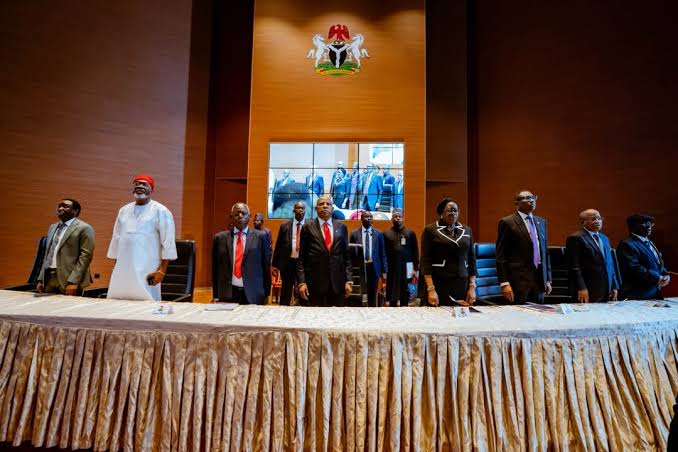
The Centre for Social Justice has called on political parties and presidential candidates to make strict budget discipline, transparent public borrowing and enforcement of statutory debt limits central to their manifestoes ahead of Nigeria’s next political transition.
The centre warned that rising public debt, mounting debt-servicing obligations and persistent breaches of public financial management rules were undermining fiscal stability, calling for structural reforms to strengthen accountability in the management of public funds.
In a policy commentary, Paul Dasimeokuma of the Centre for Social Justice said Nigeria needed to move away from discretionary fiscal practices towards strict compliance with existing laws governing budget preparation, public borrowing and debt management.
He cited public debt exceeding ₦159 trillion and debt-servicing costs consuming more than half of federal revenues as indicators of the pressure on the nation’s finances.
Dasimeokuma identified delays in the passage of annual budgets as a major weakness in the country’s fiscal management system, arguing that disruptions to the statutory budget calendar undermine planning, spending predictability and the credibility of public accounts.
He cited the 2026 Federal Budget, which received presidential assent on April 17, 2026, as an example of the delays that have characterised the budgeting process.
According to him, Section 14(1) of the Fiscal Responsibility Act (FRA) 2007 provides a framework for the timely preparation and approval of the Medium-Term Expenditure Framework (MTEF), which underpins the annual budget.
He argued that adherence to the statutory timetable would help ensure that annual budgets receive presidential assent before the commencement of the financial year on January 1.
The centre also raised concerns over the practice of extending capital budget implementation beyond the relevant financial year, sometimes resulting in multiple capital budgets being implemented concurrently.
Dasimeokuma said such practices created uncertainty in public expenditure management, distorted accounting and weakened the link between approved budgets and actual government spending.
He further questioned the management of public borrowing, arguing that loans should be subjected to rigorous scrutiny to establish their economic and social benefits before approval.
He referenced Section 41 of the Fiscal Responsibility Act, which sets out restrictions on government borrowing, and Section 44, which provides for cost-benefit analysis of proposed loans.
According to him, legislative approval of major borrowing proposals should be supported by transparent documentation showing the purpose, costs and expected returns of the loans.
He alleged that some borrowing approvals had been granted without sufficient public scrutiny and warned against the use of loans to finance recurrent expenditure and debt-service obligations.
Dasimeokuma also called attention to Section 42 of the Act, which provides for the establishment of an overall debt limit for the federation by the President in agreement with the National Assembly.
He argued that the absence of an established, legally binding debt ceiling had weakened the framework for controlling the growth of public debt.
To address the concerns, the centre urged political parties and presidential candidates to commit to four key reforms: establishing and enforcing a predictable budget calendar, implementing statutory debt limits, requiring the publication of cost-benefit analyses for external loans and ensuring transparency in public debt records.
It said the reforms should be incorporated into party manifestoes and translated into enforceable policies to improve fiscal discipline and strengthen public confidence in government financial management.
Dasimeokuma maintained that Nigeria’s economic stability would depend partly on whether political leaders could move beyond policy promises to enforce existing financial laws and ensure that public borrowing and expenditure were subject to effective oversight.
Centre Urges Presidential Candidates to Commit to Fiscal Reforms
Nigeria’s Nutrition Accountability Gap Persists as Child Stunting Hits 40%
By: Michael Mike
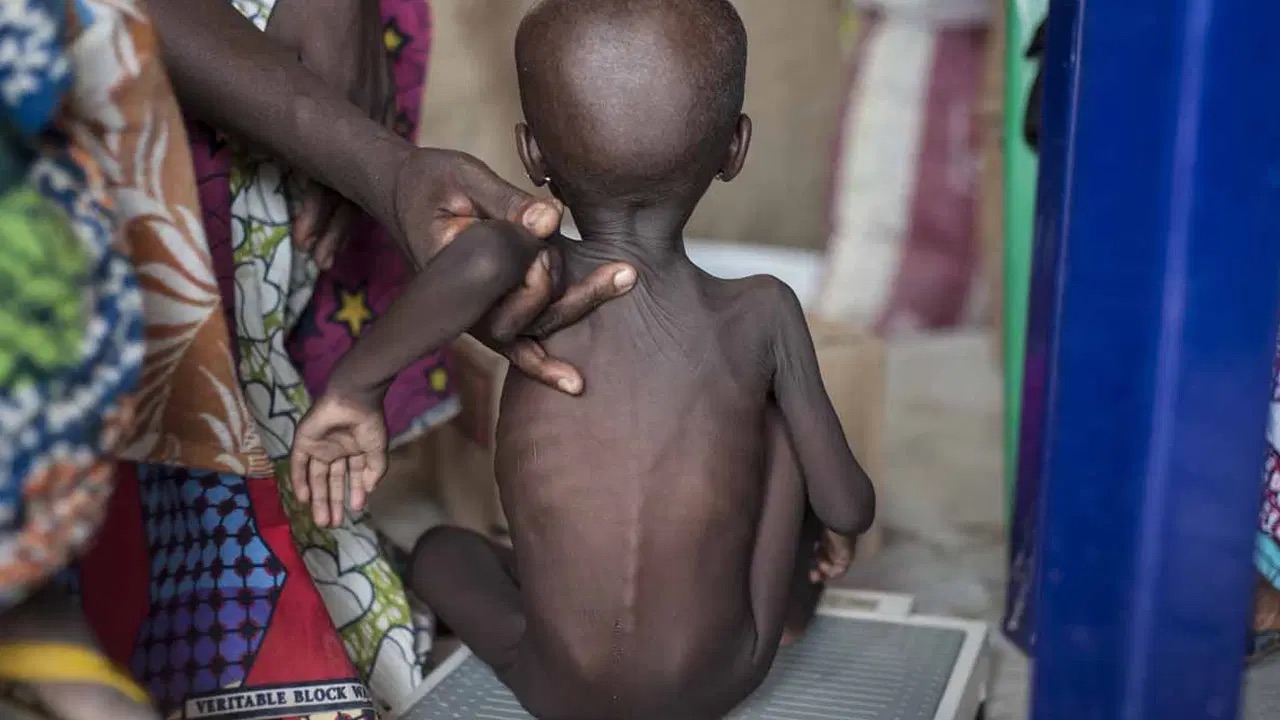
Nigeria’s failure to translate nutrition policies and funding commitments into measurable results has come under scrutiny, with the Athena Centre for Policy and Leadership calling for performance-based financing, stronger legislative oversight and tougher accountability measures to address child malnutrition.
The centre said on Wednesday that under-five stunting in Nigeria stood at 40 per cent, against a national target of 18 per cent that has expired, highlighting the gap between policy commitments and implementation.
Speaking at a policy webinar in Abuja, the Director of the Olikoye Ransome-Kuti Institute for Health and Social Equity, Dr Danjuma Iyaji, said Nigeria had developed systems for measuring nutrition outcomes without establishing adequate mechanisms to hold public officials accountable for poor performance.
“Nigeria has built the measurement architecture of nutrition accountability without building its consequence architecture,” Iyaji said.
The webinar, organised by the Athena Centre through its institute, was titled From Measurement to Consequence: Fixing Nigeria’s Nutrition Accountability Gap. It examined findings from the centre’s policy paper, Political Incentives and Nutrition Neglect: Why State Governments Fail to Improve Child Nutrition.
The discussion brought together officials from the Office of the Vice President, the National Primary Health Care Development Agency (NPHCDA) and the House of Representatives Committee on Nutrition and Food Security to examine why government commitments were not consistently translating into improved nutrition outcomes.
According to the centre, only nine of Nigeria’s 36 states had formally established State Councils on Nutrition as of April 2026, while the existence of such councils did not necessarily demonstrate that they were functioning effectively.
To address the gaps, the centre proposed linking supplementary funding tranches to independently verified readiness, conducting annual state performance assessments, establishing an escalation framework for persistent non-performance and holding annual legislative hearings at the state level.
However, participants stressed that accountability measures must not deprive vulnerable children of essential nutrition services because their state governments failed to meet administrative or performance requirements.
The Senior Special Assistant to the President on Nutrition and Public Health, Uju Rochas-Anwukah, endorsed the diagnosis, identifying three major breaks in the accountability chain: commitments not translating into fund releases, releases failing to translate into service delivery, and inadequate understanding of nutrition priorities among subnational leaders.
“A stunted child is a lost asset that no bridge can build,” she said.
Rochas-Anwukah cautioned that readiness-based financing must not disadvantage states with the greatest nutrition needs but weaker implementation capacity. She also clarified that the terms governing the Child Nutrition Fund rested with UNICEF and its partners, rather than her office.
She called for a pathway through which less-prepared states could strengthen their capacity to qualify for support without leaving children in those states behind.
The presidential aide also urged the passage of the proposed National Food and Nutrition Bill, arguing that a stronger legal framework would help sustain accountability beyond individual administrations.
The Director of Nutrition at NPHCDA, Dr Adebiyi Olatunde, said accountability must extend beyond state-level indicators to primary healthcare facilities, where the availability of therapeutic foods and micronutrients directly affects children’s access to treatment and preventive services.
She warned that state-level figures could conceal serious deficiencies in individual communities and health facilities.
“At times we have data for a state, and the issue may be in only two particular wards,” Olatunde said.
She advocated collecting and analysing data down to ward and facility levels to identify localised failures. She also called for a root-cause assessment before sanctions or other escalation measures were imposed, to establish whether poor performance resulted from funding shortages, supply-chain problems or weaknesses in implementation.
The Research Lead for the House of Representatives Committee on Nutrition and Food Security, Abel Okechukwu, described conditional financing as “workable and urgently needed”, but argued that the approach should combine protected funding for essential services with incentives for improved performance.
He proposed allocating 70 per cent of funding as a protected lifeline for interventions such as micronutrient provision and school feeding, while reserving 30 per cent as a performance incentive linked to functional nutrition councils, approved costed plans and published expenditure records.
“Conditional financing should not punish the child,” Okechukwu said.
He also called for stronger legislative scrutiny, arguing that oversight hearings must be supported by reliable data and adequate preparation rather than conducted as ceremonial exercises.
According to him, effective hearings require standardised reporting templates and the submission of reports at least 21 days before proceedings.
Okechukwu said the committee intended to intensify joint oversight in 2026 and 2027. He also proposed inserting a provision in the Appropriation Act to link federal grants to evidence that state governments had exercised appropriate oversight of nutrition programmes.
The discussions refined several of the centre’s recommendations, particularly the need to protect essential nutrition funding, provide weaker states with a route to meeting readiness requirements, assess performance below the state level and make root-cause reviews the starting point for addressing persistent failures.
However, whether the existing Child Nutrition Fund arrangements permit the proposed financing conditions remains unresolved, according to the centre’s policy paper.
As follow-up measures, the Athena Centre said it would engage partners in the Child Nutrition Fund on financing conditions, present the proposed escalation framework to the Nigeria Governors’ Forum and take its legislative recommendations to State Houses of Assembly.
It also plans to circulate a policy note incorporating the panellists’ recommendations before publication and reassess the four proposed reforms in July 2027.
In her closing remarks, the webinar moderator and researcher at the institute, Ijeoma Achebe, said the discussion had strengthened the paper’s diagnosis of the challenges undermining nutrition outcomes.
“The gap is not simply about a lack of policies,” she said. “It is the distance between commitments and delivery.”
Nigeria’s Nutrition Accountability Gap Persists as Child Stunting Hits 40%
News
Nigeria Mourns 140 Migrants Killed in Djibouti Boat Tragedy, Calls for Action Against Irregular Migration
Nigeria Mourns 140 Migrants Killed in Djibouti Boat Tragedy, Calls for Action Against Irregular Migration
By: Michael Mike
The Federal Government has expressed condolences to Djibouti following the death of nearly 140 migrants, including 15 children, in a boat disaster off the country’s coast, calling for urgent collective action to address the root causes of irregular migration.
Nigeria, in a statement issued by the Ministry of Foreign Affairs in Abuja, said the boat capsized between October 8 and 9, 2026, leaving scores of people missing, according to the International Organisation for Migration (IOM).

The government expressed sympathy to the bereaved families and solidarity with the government and people of Djibouti over the tragedy, describing the incident as a grim reminder of the dangers confronting migrants who undertake perilous journeys in search of economic opportunities.
The statement, signed by the ministry’s spokesperson, Oluwafemi Adeniyi, said the disaster underscored the urgent need to tackle the underlying factors driving irregular migration, strengthen the fight against migrant smuggling and human trafficking, and promote safe, orderly and regular migration.

It stressed that efforts to prevent such tragedies must align with relevant African Union frameworks and applicable international instruments.
Nigeria further emphasised that protecting migrants, particularly children and other vulnerable persons, was a shared responsibility requiring sustained cooperation among countries of origin, transit and destination, as well as regional and international organisations.
According to the government, stronger collaboration is essential to prevent further loss of life, protect migrants’ fundamental rights and dignity, and ensure that migration is managed safely and humanely.
The Federal Government reaffirmed its commitment to working with the United Nations, the African Union and other relevant stakeholders to strengthen migration management, raise awareness about the dangers of irregular migration and develop practical measures to address its root causes.

It also called for renewed international cooperation to safeguard human life along migration routes across Africa and beyond.
The tragedy adds to concerns over the risks faced by migrants travelling along dangerous routes in pursuit of better economic prospects, reinforcing calls for stronger action against criminal networks that facilitate irregular journeys and for more sustainable solutions to the factors compelling people to leave their homes.
Nigeria reiterated its deepest sympathies to all those affected by the disaster and urged collective efforts to prevent similar tragedies.
Nigeria Mourns 140 Migrants Killed in Djibouti Boat Tragedy, Calls for Action Against Irregular Migration

THE JARAMOGI ODINGA OF NIGERIA? How Shettima Put Leadership, Respect, and Political Responsibility at the Heart of His Message to Atiku

Centre Urges Presidential Candidates to Commit to Fiscal Reforms

Nigeria’s Nutrition Accountability Gap Persists as Child Stunting Hits 40%

Roger Federer’s Shock as DNA Results Reveal Myla and Charlene Are Not His Biological Children

THE PLIGHT OF FARIDA

FAILED COUP IN BURKINA FASO: HOW TRAORÉ NARROWLY ESCAPED ASSASSINATION PLOT AMID FOREIGN INTERFERENCE CLAIMS
-
 News3 years ago
Roger Federer’s Shock as DNA Results Reveal Myla and Charlene Are Not His Biological Children
-
Opinions5 years ago
THE PLIGHT OF FARIDA
-
 News1 year ago
FAILED COUP IN BURKINA FASO: HOW TRAORÉ NARROWLY ESCAPED ASSASSINATION PLOT AMID FOREIGN INTERFERENCE CLAIMS
-
 Opinions5 years ago
POLICE CHARGE ROOMS, A MINTING PRESS
-

 News3 years ago
EYN: Rev. Billi, Distortion of History, and The Living Tamarind Tree
-

 ACADEMICS3 years ago
A History of Biu” (2015) and The Lingering Bura-Pabir Question (1)
-

 Columns3 years ago
Army University Biu: There is certain interest, but certainly not from Borno.
-

 Politics1 year ago
2027: Why Hon. Midala Balami Must Go, as Youths in Hawul and Asikira/Uba Federal Constituency Reject ₦500,000 as Sallah Gift
