
News
World bank boss commends Zulum for massive investment in education


World bank boss commends Zulum for massive investment in education
By: Bodunrin Kayode
The World Bank Country Director for Nigeria, Dr Mathew Verghis, has commended Governor Babagana Zulum for his massive investment in the education sector which to him is the very foundation for development.
He described Borno as a State of resilience, history and long term scholarship which is why he is not surprised that education has become a front burner investment which has come to stay.
The World Bank boss made the remark during the commissioning of the Maimusari primary and junior secondary school Mairi on Monday in the presence of the Governor and several dignitaries who witnessed the occasion.
Dr Verghis noted that the commissioning of 104 mega schools so far in the state is a continuation of the legacy and scholarship that has been associated with the renowned Kanem Borno Empire.
Verghis called on the students to ask questions to enable them make progress and “dream” very well to get to the very essence of seeking for an education which is the reason for being in school.
Earlier, the World Bank boss had commissioned some legacy projects executed by the administration of Governor Babaganda Zulum before arriving Mairi in jere council area.
The projects, comprising a flyover bridge, three state-of-the-art mega schools and three dual-carriageway road projects, represents Zulum’s giant strides in Borno’s post-insurgency urban renewal and human capital development agenda.
He stated during one of the events that, “We have seen today many of the programmes that Governor Zulum is leading and where the World Bank is supporting, and we are proud to do that and will continue to do so.
“We will continue to work with the government of Borno State, the Federal Government of Nigeria, and the communities and families who are the true architects of this country’s future.
“These schools are more than buildings; it is a testament, it says to every young person in this community, your future matters, it says to every girl who was told that school was not for her, we disagree, it says all this to every family that has endured hardship and anxiety and uncertainty.” said Verghis.
The newly commissioned educational facilities included the 30 classrooms Government Secondary School, Maimusari, Mairi; the 30 classrooms Mega Primary School, Maimusari and the Classrooms Command Secondary School, Maiduguri.
Other projects commissioned were the West End flyover bridge, the 1.53 km Sultan Mainalari Dual Carriage Road, the 2.3 km Bursari Dual Carriage Road and the 2.4 km Shehu Sanda Kura Dual Carriage Road.
Responding, Zulum highlighted some of the milestones achieved by his administration, including equitable access to quality education, infrastructure and urban renewal, economic growth and efforts on climate change.
He stressed that “Today’s commissioning of Maimusari Junior Secondary School, Mairi, alongside other mega school facilities, represents a major achievement in our education recovery and expansion efforts. These modern 30 classroom mega schools are designed to provide equitable access to quality education, particularly for orphans, vulnerable children, and those affected by conflict.
“The urgency of these investments is reflected in findings from the World Bank-supported Recovery and Peace Building Assessment, which revealed that over 5,000 classrooms were destroyed, leaving approximately 2.2 million children out of school at the peak of the crisis.
“In response, our administration has constructed 104 new schools and rehabilitated 2,931 classrooms and related facilities. These interventions have reduced the number of out-of-school children by over 70 per cent, bringing the figure to fewer than 800,000, while school enrolment has increased to over 1.4 million children as at December 2025.
“To sustain school enrolment and retention, particularly among children from vulnerable households, our administration has implemented comprehensive support measures since 2019. These include the provision of over 20 million exercise books, 2 million textbooks, 1.5 million sets of school uniforms, 700,000 school bags, and other essential learning materials.
“In addition, our school feeding programme supports approximately 50,000 pupils annually, while the distribution of 10,000 bicycles has improved access to education for students in rural communities. These interventions reflect our unwavering commitment to removing barriers to education and ensuring that no child is left behind.
“In response to the large number of out-of-school youth who have exceeded conventional school age, our administration has prioritised Technical and Vocational Education and Training (TVET) as a pathway for skills acquisition and economic empowerment. We have established five Vocational Enterprise Institutes, three Second-Chance Women and Girls Skills Entrepreneurship Schools, and reactivated nine vocational training centres across the State.
“In addition, we have undertaken reforms to modernise the Tsangaya education system while preserving its rich heritage. As part of this initiative, we are establishing Higher Islamic Colleges in each of the 27 local government areas, with 20 already completed, alongside the introduction of basic literacy, numeracy, English Language proficiency, ICT, and technical and vocational skills to equip learners with competencies relevant to today’s world.
“Beyond education, our administration continues to invest significantly in critical infrastructure to support urban renewal and economic growth. Today, you commissioned 7.44 kilometres of dual carriageway, 14.86 kilometres of drainage infrastructure, and our third flyover bridge.
” In total, we have constructed four flyovers, with another currently underway, alongside approximately 412.603 kilometres of roads and 108.97 kilometres of drainage systems across the State.” said the Governor.
World bank boss commends Zulum for massive investment in education


NIDEC 2026: No Room for Jamboree Under Tinubu’s 4Ds Agenda — Enikanolaiye
By: Michael Mike
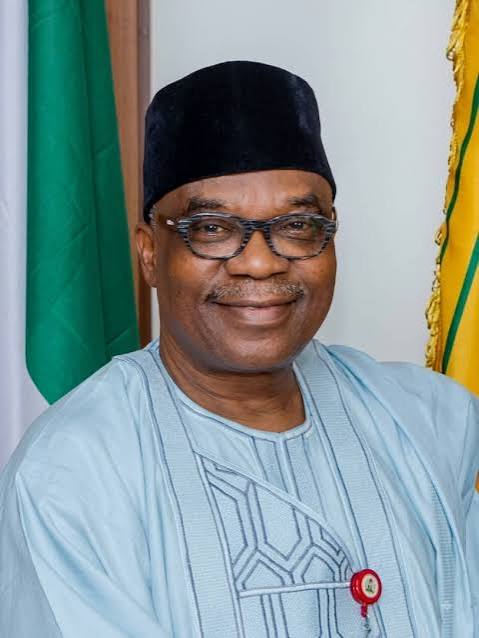
The Minister of State for Foreign Affairs, Ambassador Sola Enikanolaiye, has said the 2026 Nigeria Diaspora Investment Economic Conference (NIDEC), scheduled to hold in Toronto, Canada, is not a diplomatic jamboree but a strategic platform to attract investment, create jobs and increase foreign exchange inflows into Nigeria.
Enikanolaiye stated this in Abuja, while addressing journalists ahead of his departure with a Federal Government delegation to the four-day conference.
Responding to concerns that previous international engagements had yielded limited tangible results, the Minister said the Tinubu administration had no room for ceremonial or unproductive foreign trips.
“This administration does not travel for jamborees. We travel for results. Mr. President has mandated a high-powered delegation led by the Chief of Staff to the President, Hon. Femi Gbajabiamila, because NIDEC 2026 is a deal room for Nigeria’s growth,” he said.
According to the Minister, the conference aligns with President Bola Ahmed Tinubu’s realigned 4Ds Foreign Policy Agenda — Demography, Development, Democracy and Diaspora.
Enikanolaiye said NIDEC 2026 would provide an opportunity to deepen Nigeria-Canada economic relations, with senior Canadian officials, including Treasury Board President Shafqat Ali and ministers from Ontario, expected to participate.
He said discussions would focus on new trade agreements, SME partnerships and improved market access for Nigerian products in North America.
The Minister also highlighted the participation of key Nigerian economic agencies, including the Central Bank of Nigeria, the Nigerian Investment Promotion Commission (NIPC), the Nigerian Export Promotion Council (NEPC) and the Nigeria Revenue Service (NRS).
He said the delegation would promote incentives for diaspora capital repatriation, export expansion and remittance-backed investment vehicles, with the aim of increasing foreign exchange inflows and creating jobs in Nigeria.
Enikanolaiye said the participation of five governors from Anambra, Borno, Kaduna, Plateau and Zamfara would strengthen sub-national investment partnerships.
The governors, he explained, would directly engage potential investors on projects spanning infrastructure, agriculture, technology and mining, thereby extending investment opportunities beyond Abuja.
The Minister said the participation of NITDA Director-General Kashifu Inuwa would support Nigeria’s efforts to secure partnerships in digital innovation, fintech and information technology capacity building.
He said such partnerships would contribute to the Federal Government’s broader digital economy and skills development agenda.
On diaspora engagement, Enikanolaiye said NIDEC was designed to connect investment-ready Nigerian projects with high-net-worth Nigerians in the diaspora, while also addressing bottlenecks faced by Nigerians abroad who want to invest in the country.
He noted that Nigeria received more than $20 billion in diaspora remittances last year, stressing that the objective was to transform the goodwill represented by those remittances into equity, factories and businesses capable of employing Nigerians.
@NIDEC 2026 is economic diplomacy in action. Nigeria is open for business. And we are going to Toronto to close deals,” he said.
The four-day NIDEC 2026, themed “Invest Nigeria, Thrive Abroad,” is scheduled for August 12–15, 2026, in Toronto, Canada.
The conference is being organised by the Nigerians in Diaspora Commission (NiDCOM), in collaboration with the Nigerian High Commission in Ottawa and the Canadian High Commission in Abuja.
The Ministry of Foreign Affairs said the conference is intended to serve as a bridge connecting global capital with bankable investment opportunities in Nigeria.
NIDEC 2026: No Room for Jamboree Under Tinubu’s 4Ds Agenda — Enikanolaiye
Four Terrorist Family Members Escape Enclaves, Surrender to Troops in Borno
By Zagazola Makama
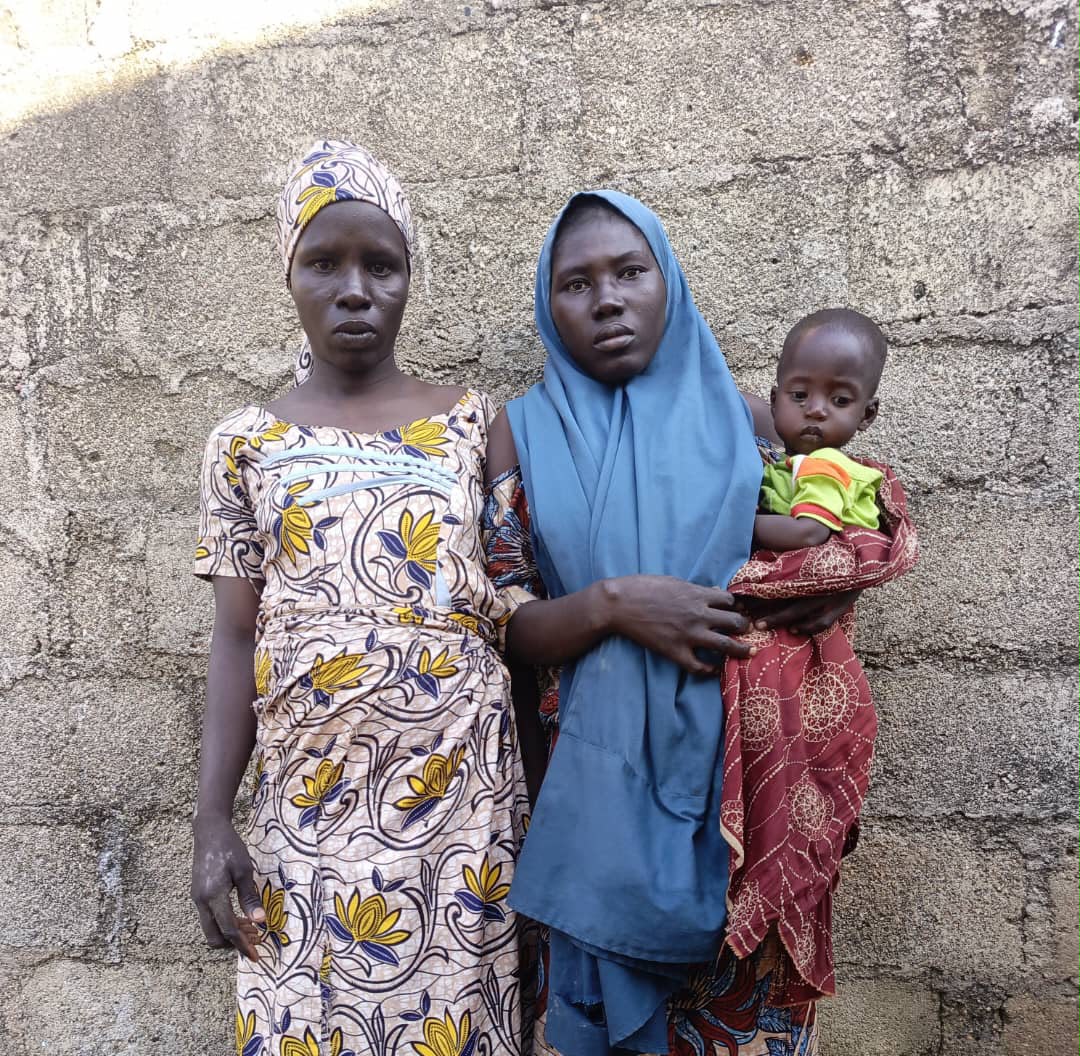
Four persons identified as family members of terrorists have escaped from insurgent enclaves in the Mandara Mountains and surrendered or been intercepted by troops of Operation HADIN KAI in Gwoza Local Government Area of Borno State.
A military source told Zagazola Makama that a 15-year-old boy, identified as Idi Musa, was intercepted at about 6:25 a.m. on August 9, 2026, by troops of 192 Battalion conducting picketing and fighting patrol duties along the Gwoza–Limankara road.
Preliminary interrogation revealed that Musa had escaped from a terrorist enclave in the Mandara Mountains.
He reportedly disclosed that he was abducted about two years ago while picking mangoes around Dala Village in the Hambagda general area.
According to the source, the teenager was forced to cook for other abductees being held within the enclave. He said the task was assigned to him by a terrorist commander identified as Idrisa Taklace.
One Itel mobile phone was recovered from him.
In a separate development at about 9:55 a.m. the same day, three other suspected members of terrorist families — 20-year-old Binta Idrisa, 18-year-old Amina Muhammadu and two-year-old Musa Alhaji — surrendered to troops of 192 Battalion.
Preliminary investigation revealed that the three had escaped from a terrorist enclave in Chikide, within the Mandara Mountains of Gwoza LGA.
The escapees reportedly said the lack of basic necessities in the terrorist camp compelled them to flee the enclave.
The troops recovered ₦9,500 from the three escapees.
The four persons were subsequently screened and documented and remain in military custody for further necessary action.
The development highlights the continuing pressure on terrorist enclaves in the Mandara Mountains, with civilians and family members held within the camps increasingly seeking opportunities to escape as military operations intensify across the Gwoza axis.
Four Terrorist Family Members Escape Enclaves, Surrender to Troops in Borno
Ethiopia’s Withdrawal from Buurhakaba Base Raises Security Concerns in Somalia
By Zagazola Makama
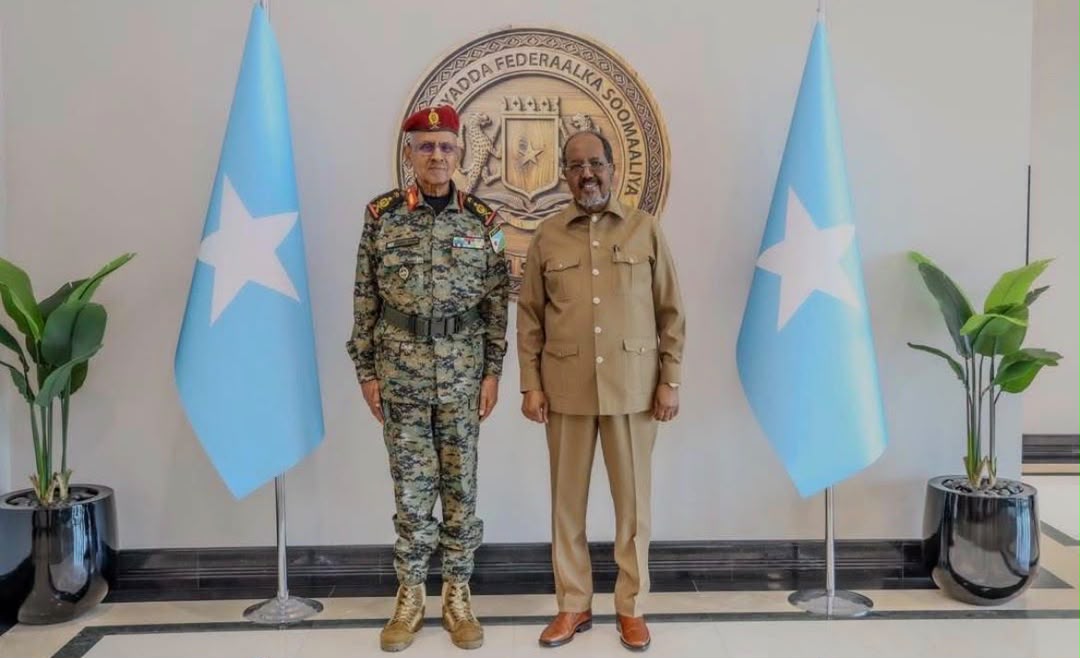
The withdrawal of Ethiopian troops serving under the African Union Support and Stabilization Mission in Somalia (AUSSOM) from their base in Buurhakaba, Bay Region, has raised concerns over the ability of Somali security forces to assume full responsibility for security in the strategically important area.
Ethiopian forces have maintained a presence in Buurhakaba since 2014, with the town playing a significant role in the security of Baidoa and along the major road linking Mogadishu and Baidoa.
Its strategic location makes Buurhakaba an important security node and a potential staging area for military operations affecting both major urban centres and surrounding communities.
Security analysts believe Al-Shabaab could attempt to exploit the withdrawal by increasing pressure around Buurhakaba and its environs.
The immediate challenge for Somali security forces is therefore to secure the town’s perimeter, key access routes and surrounding settlements before the militant group can exploit any potential security gaps.
Although Ethiopia’s eventual withdrawal from selected positions across Somalia has been anticipated, sources close to the Somali National Army indicated that the Buurhakaba withdrawal was a planned redeployment that had been under preparation for some time.
Preliminary reports indicate that Somali forces will operate alongside troops from other partner countries during the transition period while the Holding Forces being prepared by the Somali authorities attain operational readiness.
The partner forces are expected to provide critical security support, including air and ground capabilities, aimed at deterring and disrupting any attempt by Al-Shabaab to launch attacks against positions or bases vacated by AUSSOM troops.
The coming weeks are expected to be critical in determining whether the transition can be managed without creating exploitable security gaps.
The key test will not simply be whether Somali forces can occupy positions previously held by Ethiopian troops, but whether they can establish sustainable security perimeters, maintain freedom of movement along critical routes and prevent Al-Shabaab from turning the transition into an operational advantage.
Buurhakaba could consequently emerge as an important early indicator of Somalia’s capacity to manage the transition from AUSSOM-held positions to Somali-led security arrangements amid continuing political and military pressure.
Ethiopia’s Withdrawal from Buurhakaba Base Raises Security Concerns in Somalia

NIDEC 2026: No Room for Jamboree Under Tinubu’s 4Ds Agenda — Enikanolaiye

PDP faults appointment of permanent secretaries in Gombe

Troops Foil Armed Herders’ Attack, Recover AK-47 Rifle in Benue

Roger Federer’s Shock as DNA Results Reveal Myla and Charlene Are Not His Biological Children

THE PLIGHT OF FARIDA

FAILED COUP IN BURKINA FASO: HOW TRAORÉ NARROWLY ESCAPED ASSASSINATION PLOT AMID FOREIGN INTERFERENCE CLAIMS
-
 News2 years ago
Roger Federer’s Shock as DNA Results Reveal Myla and Charlene Are Not His Biological Children
-
Opinions4 years ago
THE PLIGHT OF FARIDA
-
 News1 year ago
FAILED COUP IN BURKINA FASO: HOW TRAORÉ NARROWLY ESCAPED ASSASSINATION PLOT AMID FOREIGN INTERFERENCE CLAIMS
-

 News2 years ago
EYN: Rev. Billi, Distortion of History, and The Living Tamarind Tree
-
 Opinions5 years ago
POLICE CHARGE ROOMS, A MINTING PRESS
-

 ACADEMICS2 years ago
A History of Biu” (2015) and The Lingering Bura-Pabir Question (1)
-

 Columns2 years ago
Army University Biu: There is certain interest, but certainly not from Borno.
-

 Politics1 year ago
2027: Why Hon. Midala Balami Must Go, as Youths in Hawul and Asikira/Uba Federal Constituency Reject ₦500,000 as Sallah Gift
