
News
World Bank tasks Gombe communities to utilise 169 upgraded health facilities


World Bank tasks Gombe communities to utilise 169 upgraded health facilities
The World Bank has urged Gombe communities to ensure effective utilisation of the 169 revitalised health facilities to enhance access to quality healthcare services.
Dr Onoriode Ezire, Task Team Lead, World Bank IMPACT project, said this on Saturday during the inauguration of one of the revitalised facilities in Akko community, Akko Local Government Area of the state.
The World Bank, through its IMPACT project in collaboration with the Gombe state government has revitalised and upgraded 103 Primary Healthcare facilities and 66 clinics to “Level 2 Status.”
The project is designed to improve quality and utilisation of immunisation, maternal/child health services, and malaria control, to reduce under-five mortality rates in the state.
Ezire urged the benefiting communities, traditional leaders and stakeholders to ensure maximum use of the facilities towards improving health services at the grassroots.
He said the common dream that no woman would die while giving birth could be achieved with the new facilities provided, hence the need for women, men and other groups to access the facilities.
The World Bank official said effective utilisation of the facilities by members of the communities would guarantee that the investments and resources committed in the upgrade project didn’t go to waste.
“We are excited that these have been done but my comments will go to the communities for whom these facilities have been built.
“I can guarantee you that quite some monies have been spent to upgrade the facilities to its new level.
“These were done through collaboration effort of the World Bank and Gombe state government to ensure that you have access to quality healthcare.
“If these facilities are here and you are not accessing them, then it is a disservice to everybody. I challenge our women and men to take advantage of these facilities and access quality healthcare.
“What you need to access quality healthcare have been provided, so use this place,” he said.
Ezire lauded Gov. Inuwa Yahaya for the proactive and results-driven approach towards strengthening primary healthcare delivery via the Immunisation Plus and Malaria Progress by Accelerating Coverage and Transforming Services (IMPACT) project.
He also hailed the governor’s exceptional leadership in securing the state’s inclusion in the multi-state intervention, in spite of Gombe not being originally listed among the participating states.
Yahaya reiterated commitment to the improvement of health and wellbeing of the people of the state.
Represented by his deputy, Manassah Jatau, the governor said that his administration’s commitment resulted in the consistent increase in funding for healthcare in the state’s budget from 3.5 per cent in 2019 to 15 per cent in 2025, in line with the Abuja Declaration.
“We have revitalised 103 Primary Health Centers and an additional 66 Health Clinics with the support of the World Bank through IMPACT project.
“These facilities are now equipped with solar power, water supply, basic equipment, and staff accommodation, ensuring that our citizens receive quality healthcare services.”
World Bank tasks Gombe communities to utilise 169 upgraded health facilities


News
Uba Sani’s Christian Running Mate Will Deepen Unity, Heal Kaduna’s Religious Divide, NCYP Declares
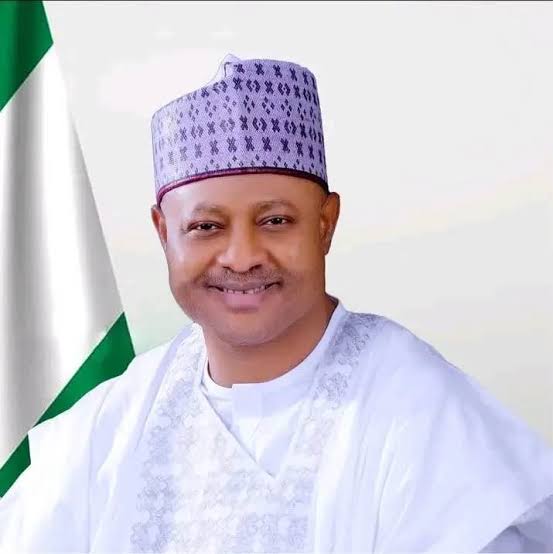
Uba Sani’s Christian Running Mate Will Deepen Unity, Heal Kaduna’s Religious Divide, NCYP Declares
…Group backs Jerry Adams’ nomination, says decision signals new era of inclusion ahead of 2027
By: Michael Mike
The Northern Christian Youth Professionals (NCYP) has thrown its weight behind Kaduna State Governor, Senator Uba Sani’s decision to nominate Mr. Jerry Adams, a Christian and former Executive Chairman of the Kaduna State Internal Revenue Service (KADIRS), as his running mate for the 2027 governorship election, describing the move as a landmark step towards healing the state’s long-standing religious divisions and consolidating peace.
In a statement signed by its National Chairman, Isaac Abrak, and Kaduna State Coordinator, Daniel John, the organisation said the Governor’s choice was driven by statesmanship rather than political expediency, arguing that it reflects a deliberate commitment to building an inclusive government in one of Nigeria’s most religiously diverse and politically sensitive states.
The endorsement comes amid public debate over the Governor’s decision to replace his current deputy with Adams, a move widely viewed as one of the most politically significant developments ahead of the 2027 elections in Kaduna.
NCYP said Governor Uba Sani had demonstrated that leadership should be guided by fairness, justice and competence rather than religious or sectional considerations.
According to the group, the nomination of a Christian running mate sends a strong signal that every segment of Kaduna society has a place in government and that the administration is determined to rebuild trust among communities fractured by years of ethno-religious violence.
“Governor Uba Sani did not make this decision for personal political gain but in the overall interest of Kaduna State. It is a step towards restoring mutual trust, strengthening peaceful coexistence and creating an environment where businesses can flourish, families can prosper and citizens can pursue their aspirations without fear,” the statement said.
The group recalled that Kaduna had, over the years, become synonymous with recurring religious crises, communal clashes, banditry, kidnappings and violent attacks that claimed hundreds of lives, displaced thousands of residents and deepened mistrust between Christian and Muslim communities.
It argued that the immediate past administration inherited and grappled with many of those security challenges, but maintained that Governor Uba Sani had adopted a markedly different governance approach centred on dialogue, reconciliation and stakeholder engagement.
NCYP cited the administration’s Peace and Reconciliation Initiative, which brings together Christian and Muslim leaders as well as traditional institutions, as one of the policies that has contributed to the relative peace currently being experienced in many parts of the state.
The organisation said Kaduna’s reconciliation model is increasingly attracting attention as a template that could be replicated by other states confronting similar security and communal tensions.
On Adams’ credentials, NCYP described him as an accomplished administrator whose record in both the private and public sectors demonstrates competence and integrity.
It noted that as Chairman of KADIRS, Adams played a pivotal role in strengthening internally generated revenue through institutional reforms, while his earlier career with the Nigerian Bottling Company equipped him with extensive management experience and the ability to work effectively across religious and ethnic divides.
The group further argued that while Governor Uba Sani’s Muslim-Muslim ticket in the 2023 election reflected the prevailing political arrangements at the time, the decision to pick a Christian running mate for 2027 represents a conscious effort to deepen inclusion and reinforce confidence among Kaduna’s diverse religious communities.
It urged political leaders, traditional rulers, religious organisations and residents to support what it described as a courageous decision capable of strengthening the state’s social cohesion.
While acknowledging that a few dissenting voices had criticised the nomination, NCYP insisted that the choice should be viewed beyond politics and recognised as an investment in lasting peace and sustainable development.
The organisation reaffirmed its support for Governor Uba Sani’s administration and pledged to mobilise support for his re-election bid in 2027, expressing confidence that his inclusive leadership would further stabilise Kaduna and unlock greater economic opportunities for its people.
Kaduna has historically occupied a unique place in Nigeria’s political landscape, with religion often playing a defining role in electoral calculations and governance. Over the years, debates over Muslim-Christian balance in leadership have shaped political alignments and, at times, fuelled tension. Analysts say Governor Uba Sani’s decision to nominate a Christian running mate marks a notable departure from recent political configurations and is likely to remain a major issue as political activities gather momentum ahead of the 2027 general elections.
Uba Sani’s Christian Running Mate Will Deepen Unity, Heal Kaduna’s Religious Divide, NCYP Declares
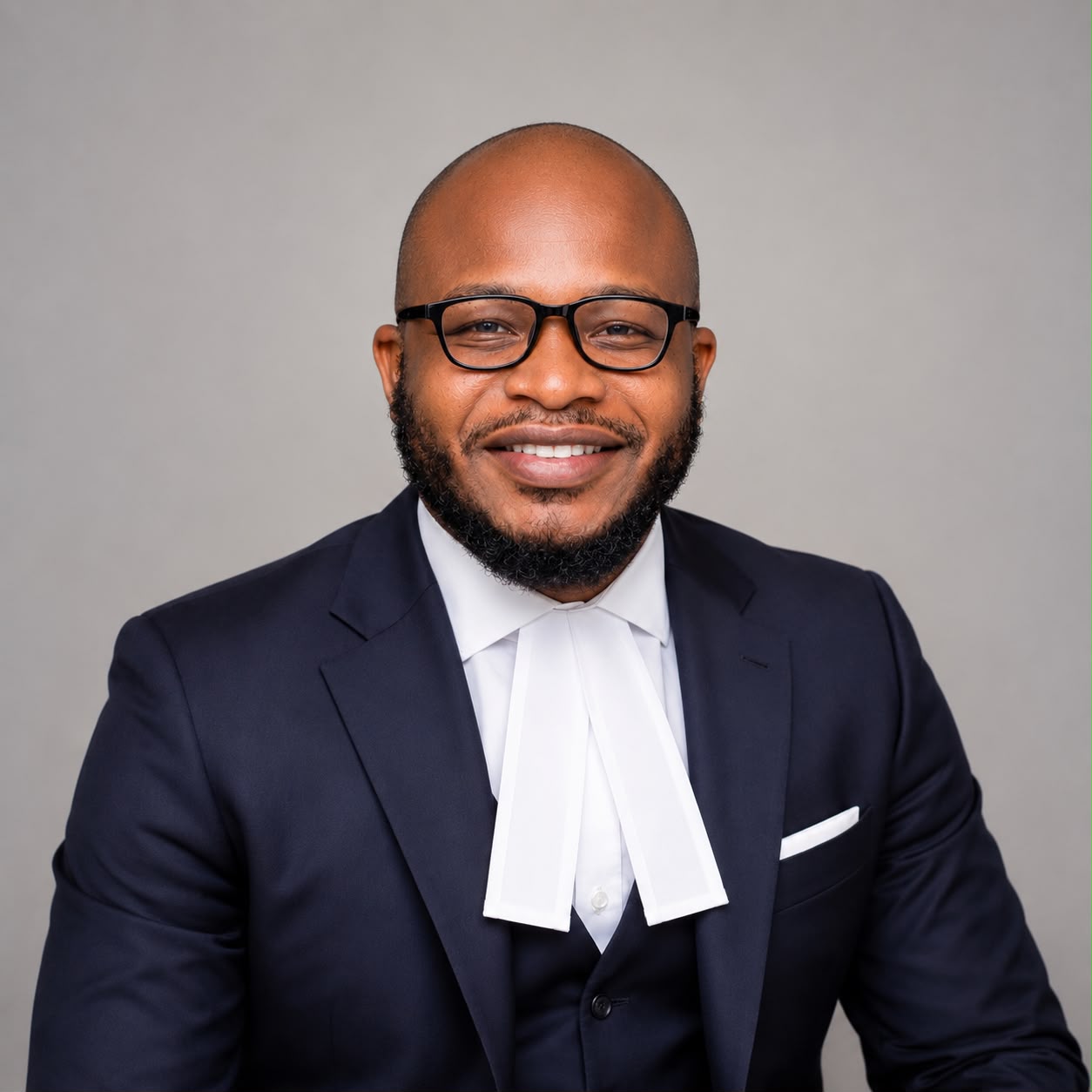
DSS Compensation Initiative Sets Standard for Security Agencies – Dantani
By: Our Reporter
A legal practitioner and human rights advocate, Hamza D. Dantani, Esq., has called on security agencies across the country to emulate the Department of State Services (DSS) by compensating innocent Nigerians who are wrongly arrested, unlawfully detained or harmed during security operations.
Dantani made the call while commending the Director-General of the DSS, Mr Adeola Oluwatosin Ajayi, for what he described as a bold and unprecedented decision to compensate victims of wrongful arrests and operational errors.
He said the initiative demonstrated that while security agencies have a constitutional responsibility to safeguard the country, they also have a moral and legal obligation to acknowledge mistakes and provide remedies to innocent citizens whose rights have been violated.
According to him, the fight against terrorism, banditry, kidnapping and other violent crimes should not come at the expense of justice and respect for fundamental human rights.
He said the DSS initiative had shown that institutions could admit and correct their mistakes without compromising operational effectiveness, adding that such accountability would strengthen public confidence and reinforce the principle that no authority is above the law.
Dantani cited some of the publicly known beneficiaries of the compensation initiative to include Nura Idris, a Kaduna-based farmer and herder who received ₦3 million after he was wrongly linked to Boko Haram; Umar Ibrahim, Alhaji Bello Rabiu and Jaja Sarki Bamo, who shared a compensation package after they were mistakenly arrested over allegations of banditry and kidnapping; and Chineze Ozoadibe, an Abuja-based businesswoman, who was awarded ₦10 million following her wrongful arrest over allegations of oil bunkering.
He also listed a Sokoto-based trader who was mistakenly shot during a 2016 security operation in Jos and later received ₦20 million, comprising court-awarded damages and an additional goodwill payment, alongside lifetime healthcare, as well as 11 artisans from Osun State who were cleared of terrorism-related allegations and compensated.
He noted that these were only a few publicly known cases, stressing that many other innocent Nigerians might have suffered similar experiences without receiving public attention.
Dantani said wrongful arrest and unlawful detention often result in the loss of liberty, employment, businesses, reputation and peace of mind, while families also suffer emotional and financial hardship.
Although monetary compensation cannot fully restore lost time or erase emotional trauma, he said it remains an important acknowledgement of injustice and the state’s willingness to accept responsibility.
He urged the Nigeria Police Force, the Nigerian Army, the Nigeria Security and Civil Defence Corps (NSCDC), the Economic and Financial Crimes Commission (EFCC), the National Drug Law Enforcement Agency (NDLEA) and other law enforcement agencies to adopt similar measures whenever investigations establish that innocent citizens have been wrongly arrested, unlawfully detained or injured during official operations.
He also called on security agencies to strengthen their operational procedures by ensuring that arrests are based on credible intelligence and verified evidence, improving identity verification, investing in technology and forensic investigations, enhancing inter-agency intelligence sharing, and providing regular human rights training for personnel.
Dantani further advocated strict compliance with constitutional safeguards, independent internal review mechanisms to investigate complaints of wrongful arrest and unlawful detention, and accountability for officers found culpable of negligence or abuse of power.
He said arrest should never be treated as punishment, while detention should never replace proper investigation.
Commending the DSS Director-General for what he described as exemplary leadership, Dantani expressed hope that the initiative would usher in a new era in which all security agencies would embrace accountability, uphold constitutional rights and ensure that innocent citizens affected by operational errors receive justice and appropriate compensation.
He added that the true measure of a nation’s justice system lies not only in its ability to punish offenders but also in its willingness to protect the innocent and correct its mistakes whenever they occur.
A New Standard for Justice: Why Other Nigerian Security Agencies Should Emulate the Director-General of the DSS
As a legal practitioner, human rights activist, and advocate for the rule of law, I have closely observed the recent actions of the Director-General of the Department of State Services (DSS), Adeola Oluwatosin Ajayi, in compensating innocent Nigerians who were wrongly arrested, unlawfully detained, or otherwise affected during security operations.
This is a bold, commendable, and unprecedented gesture that deserves national recognition. It demonstrates that while security agencies have a constitutional responsibility to protect the nation, they also have a moral and legal obligation to acknowledge mistakes and provide remedies to innocent citizens whose rights have been violated.
The fight against terrorism, banditry, kidnapping, and other forms of criminality is a national priority. However, the pursuit of security must never come at the expense of justice. National security and respect for fundamental human rights are not opposing ideals; they are complementary principles that strengthen one another. A security institution that respects the rule of law earns greater public confidence, cooperation, and credibility.
The recent compensation initiative by the DSS is evidence that institutions can correct their errors without compromising their operational effectiveness. On the contrary, such accountability enhances public trust and demonstrates that no authority is above the law.
Among the beneficiaries of this commendable initiative are:
- Nura Idris, a Kaduna-based farmer and herder who was wrongfully linked to Boko Haram and was awarded ₦3 million.
- Umar Ibrahim, Alhaji Bello Rabiu, and Jaja Sarki Bamo, who were mistakenly arrested and detained over allegations of banditry and kidnapping and later shared a compensation package.
- Chineze Ozoadibe, an Abuja-based businesswoman who was wrongfully arrested over allegations of oil bunkering and was awarded ₦10 million.
- A Sokoto-based trader, who was mistakenly shot during a 2016 security operation in Jos, received ₦20 million, comprising court-awarded damages and an additional goodwill payment, together with lifetime free healthcare.
- Eleven artisans from Osun State, including Mohammed Adamu, Adamu Abubakar, Mohammed Bindi, and Baba Kura Mallam, who were eventually cleared of terrorism-related allegations and compensated.
These are only a few publicly known examples. There may be many more deserving victims whose stories have never reached the public domain.
Wrongful arrest and unlawful detention inflict profound harm. Victims often lose their liberty, employment, businesses, reputation, and peace of mind. Their families equally suffer emotional and financial hardship. In some cases, the stigma associated with being falsely accused continues long after their innocence has been established.
Although monetary compensation can never fully restore lost time, damaged reputations, or emotional trauma, it is an important acknowledgment that an injustice has occurred and that the State is willing to accept responsibility for its actions.
I therefore urge every security agency in Nigeria—including the Nigerian Police Force, the Nigerian Army, the Nigeria Security and Civil Defence Corps (NSCDC), the Economic and Financial Crimes Commission (EFCC), the National Drug Law Enforcement Agency (NDLEA), and other law enforcement institutions—to adopt similar measures whenever investigations establish that innocent citizens have been wrongly arrested, unlawfully detained, or injured during official operations.
Beyond compensation, there is an urgent need to prevent such incidents from occurring in the first place. Prevention is always better than remedy. Security agencies should therefore strengthen their operational procedures by adopting the following measures:
- Ensure that arrests are based on credible intelligence, verified evidence, and thorough investigations rather than mere suspicion, rumours, anonymous allegations, or unreliable informants.
- Conduct proper identity verification before arresting suspects, particularly in terrorism, kidnapping, and banditry investigations where mistaken identity is common.
- Subject intelligence reports to supervisory review before authorising high-risk arrests or detention.
- Improve intelligence gathering through technology, forensic analysis, and inter-agency collaboration instead of relying solely on confessional statements or unverified information.
- Provide continuous human rights and constitutional law training for security personnel, particularly on the legal standards governing arrest, detention, and the treatment of suspects.
- Ensure strict compliance with constitutional safeguards, including informing suspects of the reasons for their arrest, granting prompt access to legal representation, and producing them before a court within the time prescribed by law.
- Establish independent internal review mechanisms to promptly investigate complaints of wrongful arrest, unlawful detention, and abuse of power.
- Hold officers accountable where investigations reveal negligence, recklessness, bad faith, or abuse of authority that resulted in the violation of innocent citizens’ rights.
Professionalism demands caution before depriving any citizen of liberty. An arrest should never be treated as punishment, and detention should never become a substitute for proper investigation. Every officer should remember that once an innocent person’s liberty is taken away, no amount of compensation can fully restore the lost time, dignity, opportunities, and emotional well-being.
A justice system that readily admits and corrects its mistakes is stronger than one that refuses to acknowledge them. Transparency and accountability should never be viewed as signs of institutional weakness; rather, they are hallmarks of professionalism and democratic governance.
I commend the Director-General of the DSS, Mr. Adeola Oluwatosin Ajayi, for demonstrating exceptional leadership, fairness, and respect for the rule of law. His actions have set a commendable precedent for security institutions across Nigeria.
It is my sincere hope that this initiative marks the beginning of a new era in which every Nigerian security agency embraces accountability, respects constitutional rights, and ensures that innocent citizens who suffer from wrongful arrest, unlawful detention, or operational errors are not left without justice or appropriate compensation.
The true measure of a nation’s justice system is not merely its ability to punish the guilty, but also its willingness to protect the innocent and to correct its own mistakes whenever they occur.
Hamza N. Dantani Esq
Human rights Activist
DSS Compensation Initiative Sets Standard for Security Agencies – Dantani

Troops Monitor IMN Annual Procession Along Kano–Zaria Highway
By Zagazola Makama
Troops of the 4 Demonstration Battalion have commenced close monitoring of members of the Islamic Movement in Nigeria (IMN) participating in their annual religious procession along the Kano–Zaria highway in Kaduna State.
Security sources told Zagazola Makama that at about 7:30 a.m. on Aug. 2, personnel observed a large group of IMN members moving along the Kano–Kaduna Expressway within Makarfi Local Government Area, heading towards Zaria.

According to the sources, about 1,000 participants were seen trekking on the left side of the highway while carrying their personal luggage.

The annual procession is expected to continue until Aug. 9, with security agencies maintaining surveillance and deploying personnel along the route to ensure public safety, facilitate traffic management and prevent any breakdown of law and order.
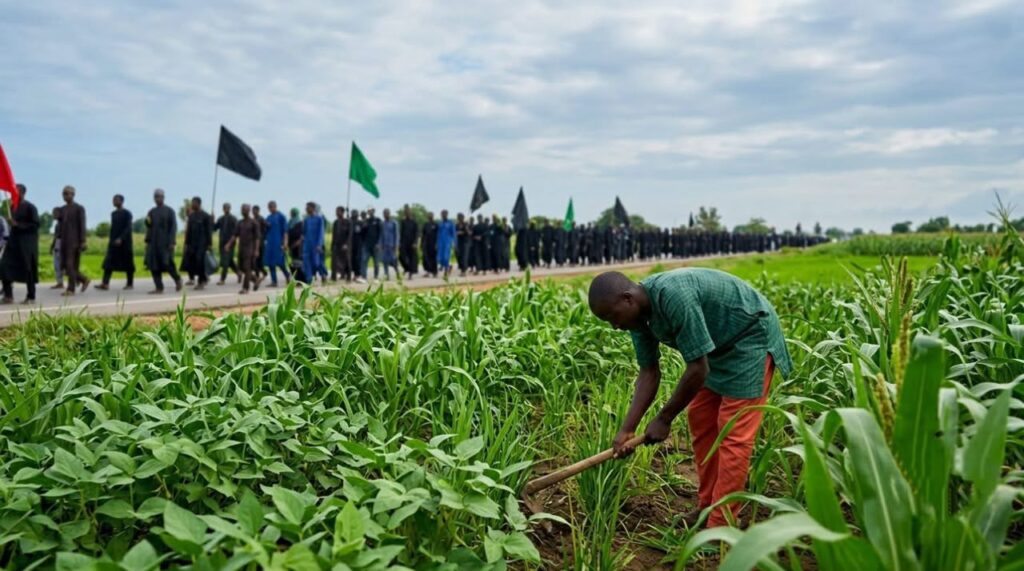
As of the time of filing this report, the procession was progressing peacefully without any reported security incident.
Troops Monitor IMN Annual Procession Along Kano–Zaria Highway

Uba Sani’s Christian Running Mate Will Deepen Unity, Heal Kaduna’s Religious Divide, NCYP Declares

DSS Compensation Initiative Sets Standard for Security Agencies – Dantani

Troops Monitor IMN Annual Procession Along Kano–Zaria Highway

Roger Federer’s Shock as DNA Results Reveal Myla and Charlene Are Not His Biological Children

THE PLIGHT OF FARIDA

FAILED COUP IN BURKINA FASO: HOW TRAORÉ NARROWLY ESCAPED ASSASSINATION PLOT AMID FOREIGN INTERFERENCE CLAIMS
-
 News2 years ago
Roger Federer’s Shock as DNA Results Reveal Myla and Charlene Are Not His Biological Children
-
Opinions4 years ago
THE PLIGHT OF FARIDA
-
 News1 year ago
FAILED COUP IN BURKINA FASO: HOW TRAORÉ NARROWLY ESCAPED ASSASSINATION PLOT AMID FOREIGN INTERFERENCE CLAIMS
-

 News2 years ago
EYN: Rev. Billi, Distortion of History, and The Living Tamarind Tree
-
 Opinions5 years ago
POLICE CHARGE ROOMS, A MINTING PRESS
-

 ACADEMICS2 years ago
A History of Biu” (2015) and The Lingering Bura-Pabir Question (1)
-

 Columns2 years ago
Army University Biu: There is certain interest, but certainly not from Borno.
-

 Politics1 year ago
2027: Why Hon. Midala Balami Must Go, as Youths in Hawul and Asikira/Uba Federal Constituency Reject ₦500,000 as Sallah Gift
