
News
Yobe: Bakers urge Buni to keep his promises of assistance to members


Yobe: Bakers urge Buni to keep his promises of assistance to members
By: Yahaya Wakili
Yobe State Governor, Hon. Mai Mala Buni CON, has been urged to fulfill his promises to assist the bakery owners in the Potiskum local government area of the state.
The acting chairman of the bakery owners of Potiskum local government, Alhaji Aliyu Hassan Afuwa, made the call in an interview with the Newsmen in Potiskum.
He said most of our members have been crippled as a result of luck of capital because this hard ship has made them down and all that they have has been finished. There are now sitting ideal; they don’t have anything to do. He noted that the cost of the materials is skyrocketing because now a bag of flour is $50,000, while a bag of sugar is $78,000, and other ingredients have also jumped up.
“Therefore, we are appealing to His Excellency Governor Mai Mala Buni CON, Chiroman Gujba, to look into this critical condition that our members are in. I know Governor Buni is a person who is always sympathetic with his people,” Afuwa said.
“I have four bakery houses in Potiskum and one in Geidam, and in each one, about 50 people are working there; therefore, about over two hundred and fifty people are working under me, earning a salary every month, and feeding their families.
Alhaji Aliyu Hassan Afuwa, who is also the secretary of the bakery owners, revealed that we are reducing the rate of unemployment in the country by engaging youths and people to work in our factories, adding that our people need intervention from the government. I know this government, under the able leadership of Governor Buni, will assist us.
The chairman also appeals to the federal government to come to the aid of the people of this country. People are suffering enough in Nigeria; most of the people cannot even eat three times a day, and people need emergency assistance.
He calls on their members to be patient. Definitely, people have to be patient. Things are getting worse; the cost of living is increasing, people are suffering, and we know the government is doing its best to tackle these problems of the cost of living in the country.
Yobe: Bakers urge Buni to keep his promises of assistance to members


Troops rescue two abducted victims, recover terrorists’ motorcycles in Katsina
By Zagazola Makama
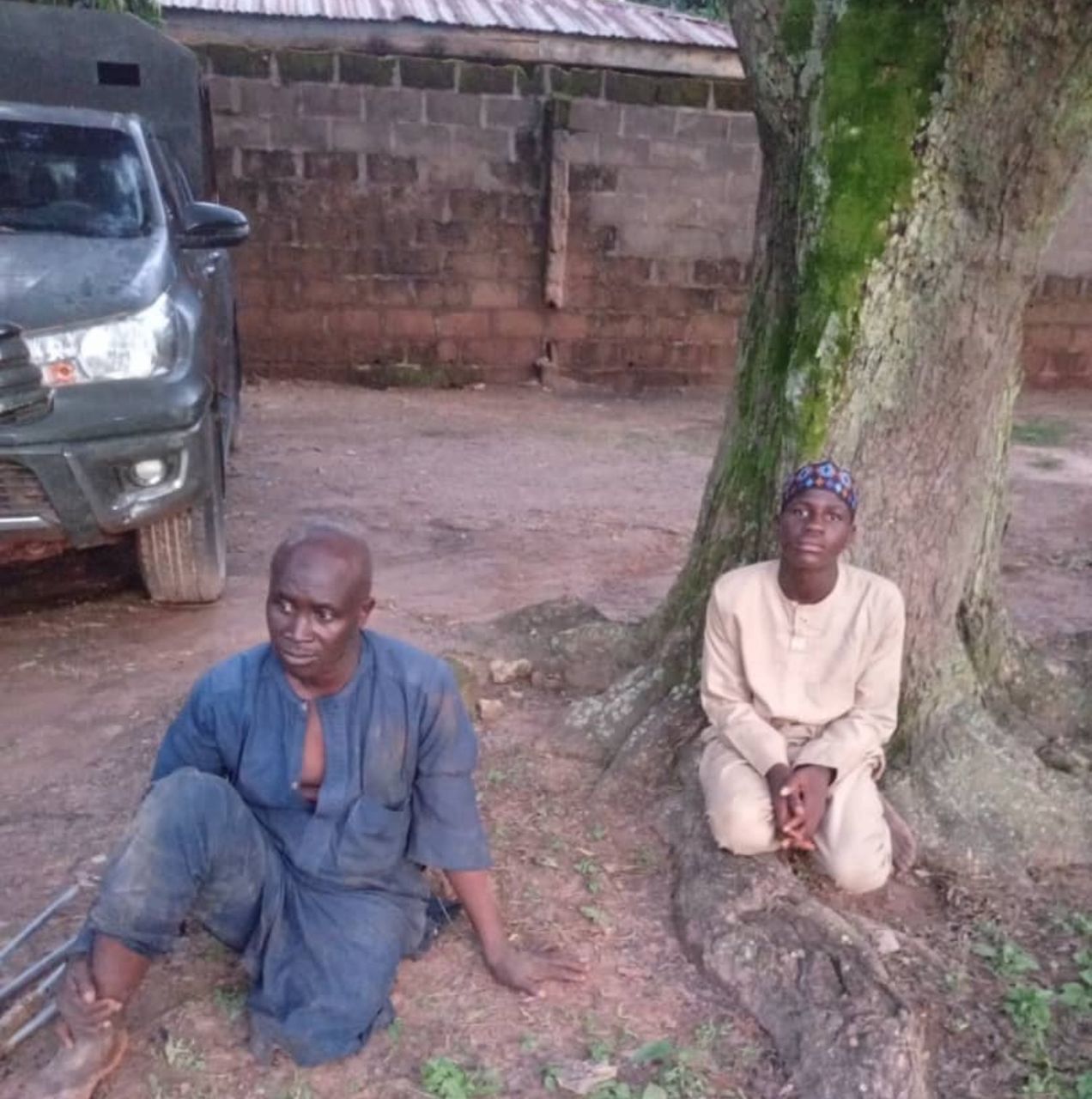
Troops of Sector 2, Operation FANSAN YAMMA, have rescued two abducted victims and recovered two motorcycles belonging to terrorists during a counter-terrorism operation in Sabuwa Local Government Area of Katsina State.
The troops, deployed for counter-terrorism and anti-banditry operations in the state, encountered an armed terrorist group while conducting routine security operations in the area.
The troops engaged the terrorists with superior firepower, forcing them to flee in disarray into the surrounding terrain.
During a subsequent search and clearance operation along the terrorists’ escape route, the troops rescued two male victims who had earlier been abducted along the Dandume–Damari axis.
The troops also recovered two motorcycles reportedly used by the terrorists to conduct their criminal activities.
The rescued victims are currently receiving necessary care and assessment before being reunited with their families.
Troops have maintained a heightened state of vigilance in the general area to safeguard local communities and prevent further attacks and criminal activities along critical transit corridors.
The operation forms part of the ongoing efforts by Operation FANSAN YAMMA to disrupt terrorist and bandit networks and restore lasting peace across the North-West.
Troops rescue two abducted victims, recover terrorists’ motorcycles in Katsina
Troops rescue 23 abducted civilians, foil kidnapping attempt in Zamfara
By Zagazola Makama
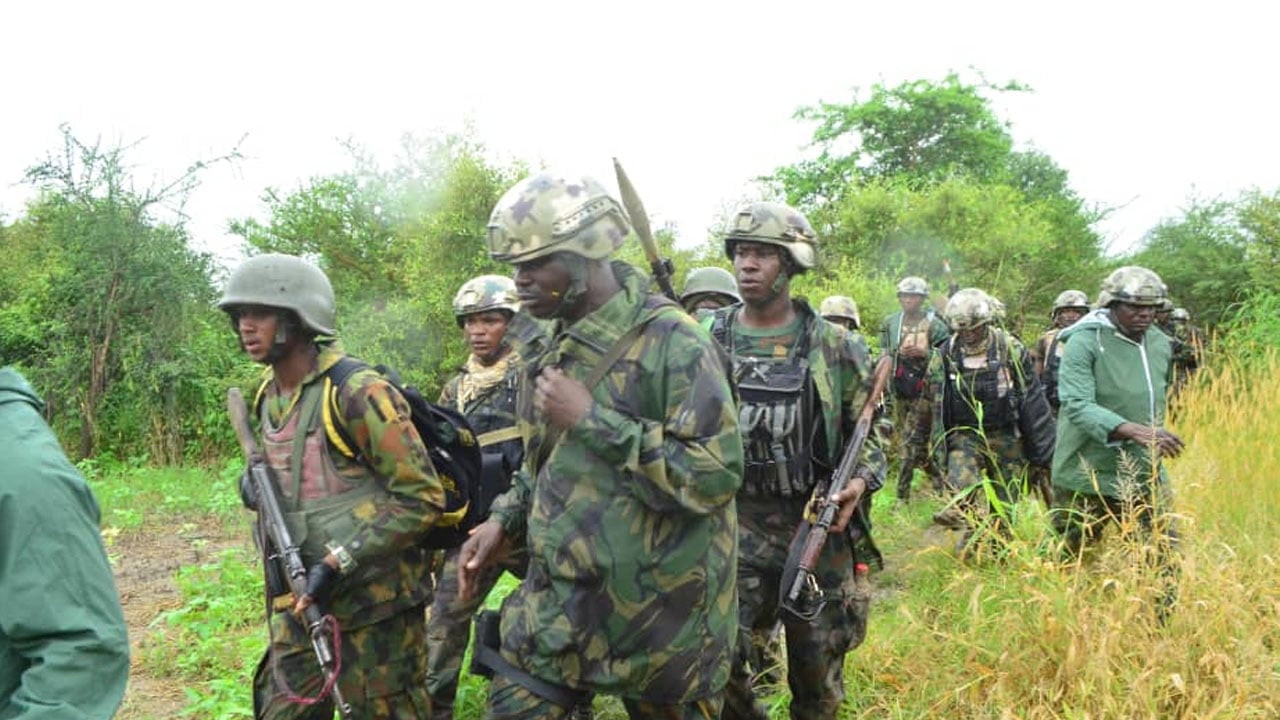
Troops of Operation FANSAN YAMMA have rescued 23 abducted civilians and foiled a separate kidnapping attempt during operations in Zamfara State.
The operations were conducted as part of ongoing counter-terrorism and anti-banditry efforts to disrupt criminal groups operating across the state.
In Anka Local Government Area, troops on combat patrol around the outskirts of Wuya Town encountered a group of terrorists and successfully secured the release of 23 kidnapped civilians.
The victims comprised three adult males and 20 females. Preliminary debriefing revealed that they were abducted from Gummi Local Government Area and had been held in captivity for about three weeks.
The rescued victims are currently receiving medical attention and other necessary support before being reunited with their families.
In a separate operation in Bungudu Local Government Area, troops responded to intelligence indicating that armed bandits had infiltrated Dankurmi Town with the intention of abducting residents.
The troops swiftly mobilised to the area and engaged the attackers in a heavy firefight.
The superior firepower of the troops forced the bandits to retreat without succeeding in abducting any civilian.
According to security sources, traces of blood were subsequently discovered along the terrorists’ withdrawal route, indicating that some of the attackers may have sustained gunshot wounds during the encounter.
Troops have maintained a strong presence in the area and are continuing operations to track the fleeing terrorists.
The latest successes further demonstrate the sustained efforts of Operation FANSAN YAMMA to rescue abducted citizens, disrupt bandit networks and restore security across Zamfara State.
Troops rescue 23 abducted civilians, foil kidnapping attempt in Zamfara
Troops rescue two female kidnap victims in Kogi
By: Zagazola Makama
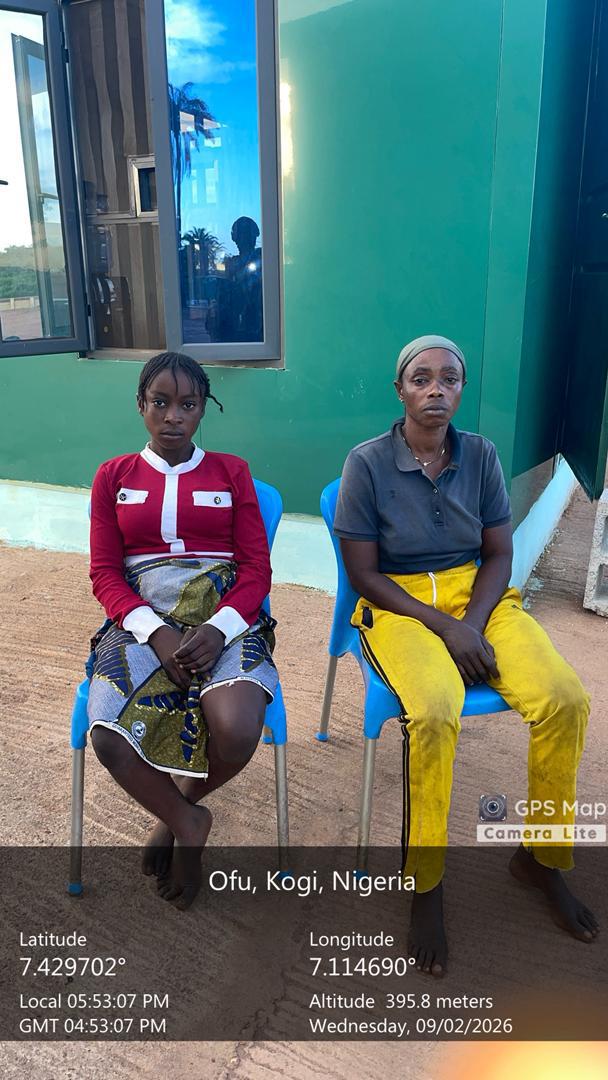
Troops of the Nigerian Army have rescued two female kidnap victims after suspected bandits invaded a farmland in Ajodomodo Village, Dekina Local Government Area of Kogi State.
The incident occurred at about 10:30 a.m. on Wednesday, Sept. 2, when the suspected bandits reportedly invaded the farmland and abducted the two victims before fleeing the area.
Troops of the 21 Battalion Quick Reaction Force swiftly responded to the incident and pursued the fleeing criminals along their withdrawal route towards Agbodakodo Forest.
According to sources the pressure from the troops forced the abductors to abandon the victims in the forest.
The victims, identified as 15-year-old Miss Mohammed Rahinat and Mrs Hassanatu Mohammed, 30, were subsequently rescued unharmed.
The two women were evacuated to the 21 Battalion Medical Reception Station for medical attention and further assessment.
The military said troops have continued operations in the area to track the fleeing suspects and prevent further attacks on farming communities.
The rescue illustrates the importance of rapid military response and timely information sharing in countering kidnapping and other criminal activities in rural communities.
Troops rescue two female kidnap victims in Kogi

Troops arrest soldier, recover 69 rounds of ammunition in Plateau

Troops rescue two abducted victims, recover terrorists’ motorcycles in Katsina

Troops rescue 23 abducted civilians, foil kidnapping attempt in Zamfara

Roger Federer’s Shock as DNA Results Reveal Myla and Charlene Are Not His Biological Children

THE PLIGHT OF FARIDA

FAILED COUP IN BURKINA FASO: HOW TRAORÉ NARROWLY ESCAPED ASSASSINATION PLOT AMID FOREIGN INTERFERENCE CLAIMS
-
 News2 years ago
Roger Federer’s Shock as DNA Results Reveal Myla and Charlene Are Not His Biological Children
-
Opinions5 years ago
THE PLIGHT OF FARIDA
-
 News1 year ago
FAILED COUP IN BURKINA FASO: HOW TRAORÉ NARROWLY ESCAPED ASSASSINATION PLOT AMID FOREIGN INTERFERENCE CLAIMS
-

 News2 years ago
EYN: Rev. Billi, Distortion of History, and The Living Tamarind Tree
-
 Opinions5 years ago
POLICE CHARGE ROOMS, A MINTING PRESS
-

 ACADEMICS3 years ago
A History of Biu” (2015) and The Lingering Bura-Pabir Question (1)
-

 Columns3 years ago
Army University Biu: There is certain interest, but certainly not from Borno.
-

 Politics1 year ago
2027: Why Hon. Midala Balami Must Go, as Youths in Hawul and Asikira/Uba Federal Constituency Reject ₦500,000 as Sallah Gift
