
News
Yobe to establish an institute for biomedical engineering.

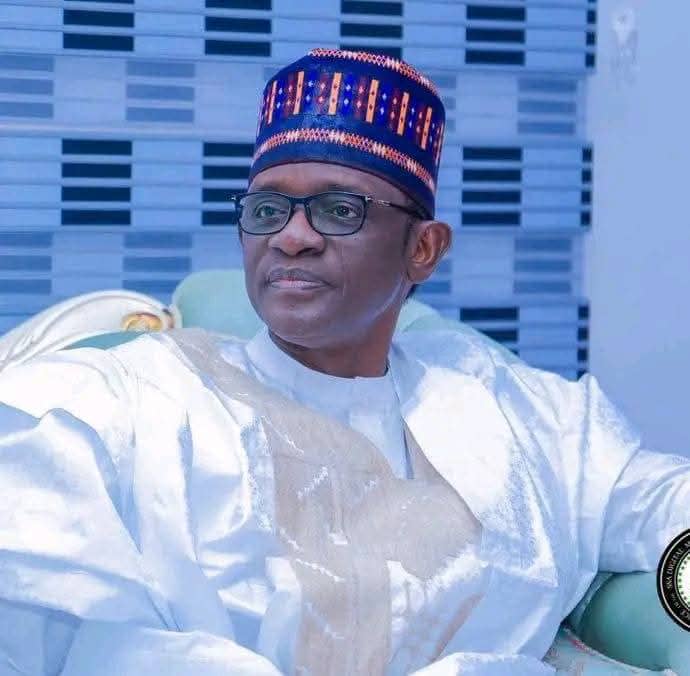
Yobe to establish an institute for biomedical engineering.
By: Yahaya Wakili
Governor Mai Mala Buni CON of Yobe State has approved the commencement of processes for the establishment of the Yobe Institute of Biomedical Engineering Technology (YIBET).
Governor Buni also approved the constitution of a steering committee to drive the planning and establishment of the institute, considering the growing global demand for highly skilled professionals in biomedical and clinical engineering.
Buni gave the approval in a statement signed by the acting secretary to the state government, Dr. Mohammed Goje, in Damaturu.
“When established, YIBET is expected to serve as a premier institution for training, innovation, and capacity development in Biomedical and Clinical Engineering Technology (BCET). ” the statement further added.
The statement also revealed that the institute will equip young Nigerians with globally relevant technical skills while positioning Yobe State as a leading hub for producing the skilled workforce required by Nigeria and the wider West African subregion.
Therefore, the establishment of YIBET is another milestone in Governor Buni’s transformational agenda of investing in education and healthcare systems, creating opportunities for young people, and laying the foundation for a knowledge-driven economy.
The steering committee has Professor Mohammed Bello Kawuwa, Yobe State Commissioner for Higher Education, as chairman.
Yobe to establish an institute for biomedical engineering.


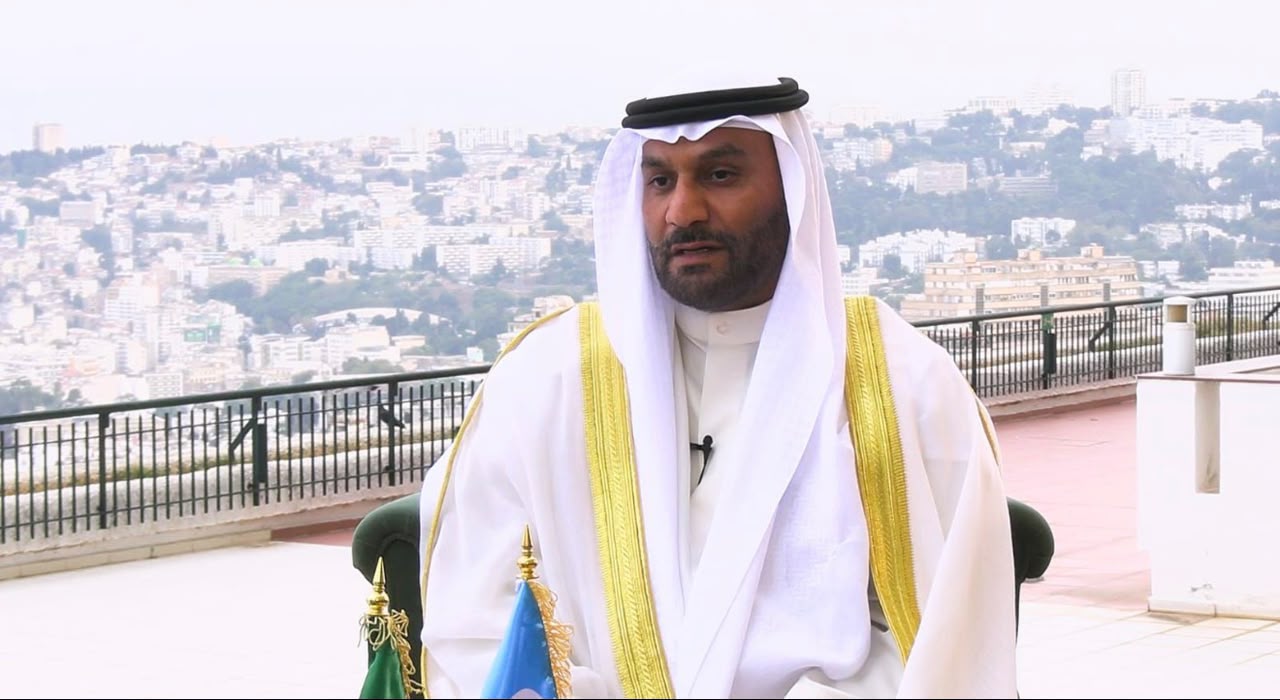
OPEC chief backs Trans-Saharan Gas Pipeline,linking Nigeria, Niger and Algeria
…Says project will boost energy security..
By: Zagazola Makama
The Secretary General of the Organisation of the Petroleum Exporting Countries (OPEC), Mr Haitham Al-Ghais, has described the Trans-Saharan Gas Pipeline (TSGP), linking Nigeria, Niger and Algeria, as an “excellent project” capable of strengthening energy security in Europe and beyond.
Al-Ghais made the remarks in an interview with Algerian television channel, Ennahar, where he highlighted the strategic importance of the long-planned gas infrastructure project to the energy sector and the wider economies of the three participating countries.
The OPEC Secretary General said the pipeline was consistent with efforts to strengthen the security and reliability of global energy supplies, particularly at a time when energy security remains a major concern for consuming countries.
He said the project would not only facilitate the movement of Nigerian natural gas towards Algeria and onward to European markets but could also generate significant economic opportunities along its route.
According to him, the development of the pipeline could create employment opportunities for young people in Nigeria, Niger and Algeria while supporting economic activity in communities and regions connected to the project.
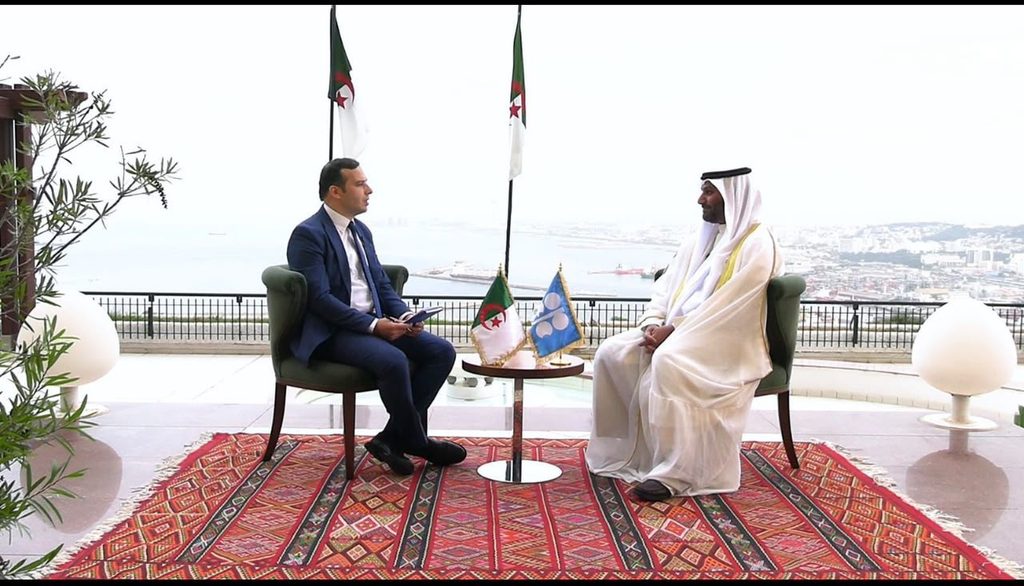
Al-Ghais further commended Algeria’s role in advancing the initiative, describing the country’s efforts as part of a broader drive to promote regional and continental integration through strategic energy infrastructure.
He said the cooperation among Nigeria, Niger and Algeria demonstrated how economic diplomacy could be deployed to advance shared interests in Africa, particularly through projects capable of connecting energy-producing countries with international markets.
The Trans-Saharan Gas Pipeline is envisaged as a major regional gas infrastructure project designed to transport natural gas from Nigeria through Niger to Algeria, from where it could access existing pipeline networks linking North Africa with European markets.
Beyond its potential contribution to gas supply, the project has been associated with wider economic objectives, including infrastructure development, job creation, increased investment and stronger economic cooperation among the participating countries.
Al-Ghais expressed optimism that the project would progress to successful completion, saying its timely delivery would enable Nigeria, Niger and Algeria to begin benefiting from its expected economic and social opportunities.
He also expressed his best wishes for the swift success of the initiative, stressing the importance of translating the long-standing plans into tangible benefits for the countries and their populations.
The OPEC chief’s comments come as African energy-producing countries continue to explore ways of expanding gas infrastructure and securing new markets, while positioning natural gas as an important component of the continent’s energy and economic development strategy.
For Nigeria, the project could provide an additional avenue for monetising the country’s substantial natural gas resources, while deepening its energy partnership with Algeria and strengthening regional economic cooperation.
The project also highlights the growing importance of cross-border energy infrastructure in Africa, where inadequate transportation networks and limited investment have historically constrained the ability of resource-rich countries to fully exploit their energy potential.
OPEC chief backs Trans-Saharan Gas Pipeline,linking Nigeria, Niger and Algeria
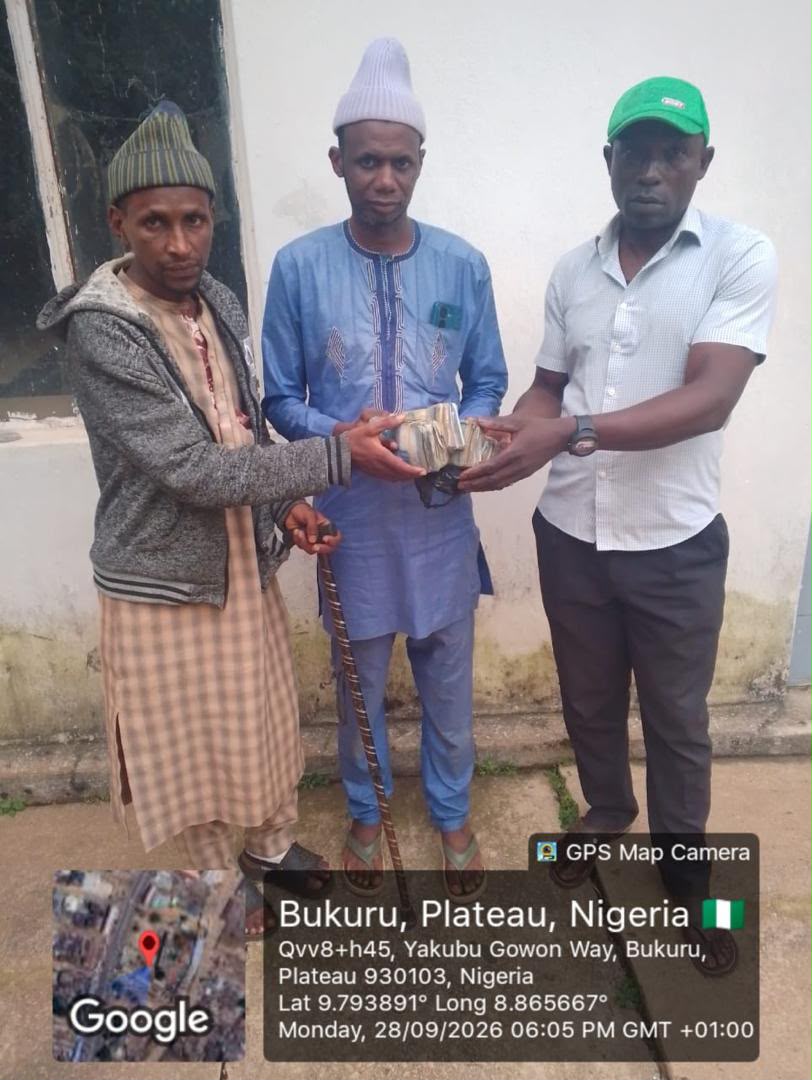
OPEP brokers N1m settlement over farm destruction in Jos South
By: Zagazola Makama
Jos — Troops of Operation Enduring Peace (OPEP) have brokered an amicable settlement between farmers and cattle owners following a reported case of farmland destruction at Gero Gyel District in Jos South Local Government Area of Plateau State.
The incident, which was reported on Sept. 28, involved six cattle intercepted while grazing on the affected farmland.
According to a situation report obtained by Zagazola, troops of Sector 6, OPEP, invited the parties for dialogue at about 3:30 p.m. on Sept. 29 in an effort to resolve the dispute peacefully.
The engagement resulted in an agreement that the cattle be released to their owner, Mr Yusuf Abubakar, through the Wakilin Ardo, Abdullahi Shuaibu.
The release followed an agreement on compensation for the reported farm damage, which was assessed at N1 million.
The report said N750,000 was paid to the representative of the farmers, Mr Ilya Solomon, while the remaining N250,000 was agreed to be paid on or before Oct. 12, 2026.
The intervention is part of ongoing efforts by security agencies and community stakeholders in Plateau State to prevent disputes involving farmers and herders from escalating into wider communal violence.
Zagazola understands that such mediation remains critical to maintaining peace and strengthening community confidence in security operations across the OPEP area of responsibility.
OPEP brokers N1m settlement over farm destruction in Jos South

Ogwashi-Uku Youths Begin New Chapter As Ugbah Pledges Unity, Jobs And Development
A new chapter has opened for the youth of Ogwashi-Uku Kingdom in Aniocha South Local Government Area of Delta State following the successful conclusion of a peaceful youth election and the subsequent recognition of the newly elected leadership by the Delta State Government.
The election, held at the Royal Palace of the Obi of Ogwashi-Uku, produced Comrade Chiedu Bobby Ugbah as President-General after he polled 64 votes against 36 votes recorded by his opponent.
The exercise was witnessed by the Delta State Commissioner for Youth Development, Hon. Barr. Oyinkuro Brave Enodeh, alongside officials of the Ministry of Youth Development and other stakeholders.
Following the conclusion of the process, the relevant Certificate of Recognition has now been issued to the new leadership, bringing the electoral process to a successful conclusion and clearing the way for the executives to begin the work of uniting and advancing the interests of Ogwashi-Uku youth.
Speaking following the recognition, Ugbah expressed appreciation to the Delta State Government and pledged that his administration would focus on reconciliation, youth empowerment, development and peace.
«“This recognition is not a victory for Bobby Ugbah or for any particular group. It is a victory for the entire youth of Ogwashi-Uku Kingdom. The elections are over, and the responsibility before us now is to bring everybody together and get to work.”»
He thanked the Governor of Delta State, Rt. Hon. Sheriff Oborevwori, and the Commissioner for Youth Development, Hon. Barr. Oyinkuro Brave Enodeh, for the State Government’s commitment to an orderly youth leadership process.
Ugbah also expressed appreciation to HRM Obi (Dr.) Ifechukwude Aninshi Okonjo II, the Obi of Ogwashi-Uku Kingdom, describing the traditional ruler as a father to the entire Ogwashi-Uku community and thanking the Palace for providing an environment in which the youth could peacefully choose their leadership.
The new President-General pledged to align the aspirations of Ogwashi-Uku youth with the development opportunities of the State Government and ensure that young people in the Kingdom benefit from the administration’s M.O.R.E. Agenda — Meaningful Development, Opportunities for All, Realistic Reforms and Enhanced Peace and Security.
«“We intend to move very quickly. Our young people need opportunities, skills, jobs and a voice in the development of their community. We will engage the State Government, the Local Government, the private sector and our sons and daughters across Nigeria and in the diaspora to attract opportunities and development to Ogwashi-Uku.”»
He said peace and security would remain central to the new administration’s programme, noting that sustainable investment and employment could only flourish in a stable community.
Ugbah Extends Hand of Fellowship to Opponents
In a significant reconciliation gesture, the President-General assured those who contested against him and those who supported other candidates that there would be room for them to contribute to the new administration.
«“I have already said that nobody should consider himself a loser. Those who contested and those who supported them are our brothers and sisters. They have ideas, experience and something to contribute. We will find ways of accommodating people and drawing on their strengths because the success of this administration must be the success of everyone.”»
He added that the new leadership would not allow differences arising from the election to become permanent divisions among Ogwashi-Uku youth.
«“We cannot develop Ogwashi-Uku by fighting one another. The election was one day; our responsibility to our community continues every day. My message to everybody is simple: come, let us work together.”»
Community Leaders Welcome Fresh Start
Community stakeholders have also welcomed the peaceful conclusion of the electoral process, describing the emergence of the new leadership as an opportunity for reconciliation and renewed youth participation in the development of Ogwashi-Uku.
They expressed particular satisfaction that the election was conducted peacefully in the presence of the Commissioner for Youth Development and officials of the Ministry, with no major security incident disrupting the exercise.
The Commissioner had commended the peaceful conduct of the election and urged the new leadership to embrace unity, inclusiveness and responsible leadership while working for the collective interests of Ogwashi-Uku youth.
For community stakeholders, the immediate priority is now to move beyond the electoral contest and allow the new executives to concentrate on programmes capable of improving opportunities for young people.
Focus Shifts to Development
Ugbah said his administration would shortly begin consultations with different sections of the youth, community leaders, professionals, business people and other stakeholders to develop a practical programme for its tenure.
Employment and entrepreneurship opportunities, skills acquisition, education, sports, community development, security, youth inclusion and constructive engagement with government are expected to feature prominently.
He also pledged to build a respectful working relationship with the Obi of Ogwashi-Uku, the Obi-in-Council, Delta State Government and other constituted authorities while maintaining an administration open to ideas from young people across the Kingdom.
«“Our generation must be remembered for what we built, not for disagreements. We have an opportunity for a fresh beginning, and I intend to use it to unite our youth and make Ogwashi-Uku a stronger, safer and more prosperous community.”»
With the election concluded and the new executives moving into office, attention is now expected to shift from electoral competition to reconciliation and the task of delivering tangible opportunities for the youth.
The new President-General said that would be the defining objective of his administration.
Ogwashi-Uku Youths Begin New Chapter As Ugbah Pledges Unity, Jobs And Development

FG Declares October 1 Public Holiday as Nigeria Mark’s 66th Independence Anniversary

OPEC chief backs Trans-Saharan Gas Pipeline,linking Nigeria, Niger and Algeria

OPEP brokers N1m settlement over farm destruction in Jos South

Roger Federer’s Shock as DNA Results Reveal Myla and Charlene Are Not His Biological Children

THE PLIGHT OF FARIDA

FAILED COUP IN BURKINA FASO: HOW TRAORÉ NARROWLY ESCAPED ASSASSINATION PLOT AMID FOREIGN INTERFERENCE CLAIMS
-
 News3 years ago
Roger Federer’s Shock as DNA Results Reveal Myla and Charlene Are Not His Biological Children
-
Opinions5 years ago
THE PLIGHT OF FARIDA
-
 News1 year ago
FAILED COUP IN BURKINA FASO: HOW TRAORÉ NARROWLY ESCAPED ASSASSINATION PLOT AMID FOREIGN INTERFERENCE CLAIMS
-

 News3 years ago
EYN: Rev. Billi, Distortion of History, and The Living Tamarind Tree
-
 Opinions5 years ago
POLICE CHARGE ROOMS, A MINTING PRESS
-

 ACADEMICS3 years ago
A History of Biu” (2015) and The Lingering Bura-Pabir Question (1)
-

 Columns3 years ago
Army University Biu: There is certain interest, but certainly not from Borno.
-

 Politics1 year ago
2027: Why Hon. Midala Balami Must Go, as Youths in Hawul and Asikira/Uba Federal Constituency Reject ₦500,000 as Sallah Gift
