
News
Zulum Allaocates New Site for Permanent NYSC Orientation Camp in Maiduguri

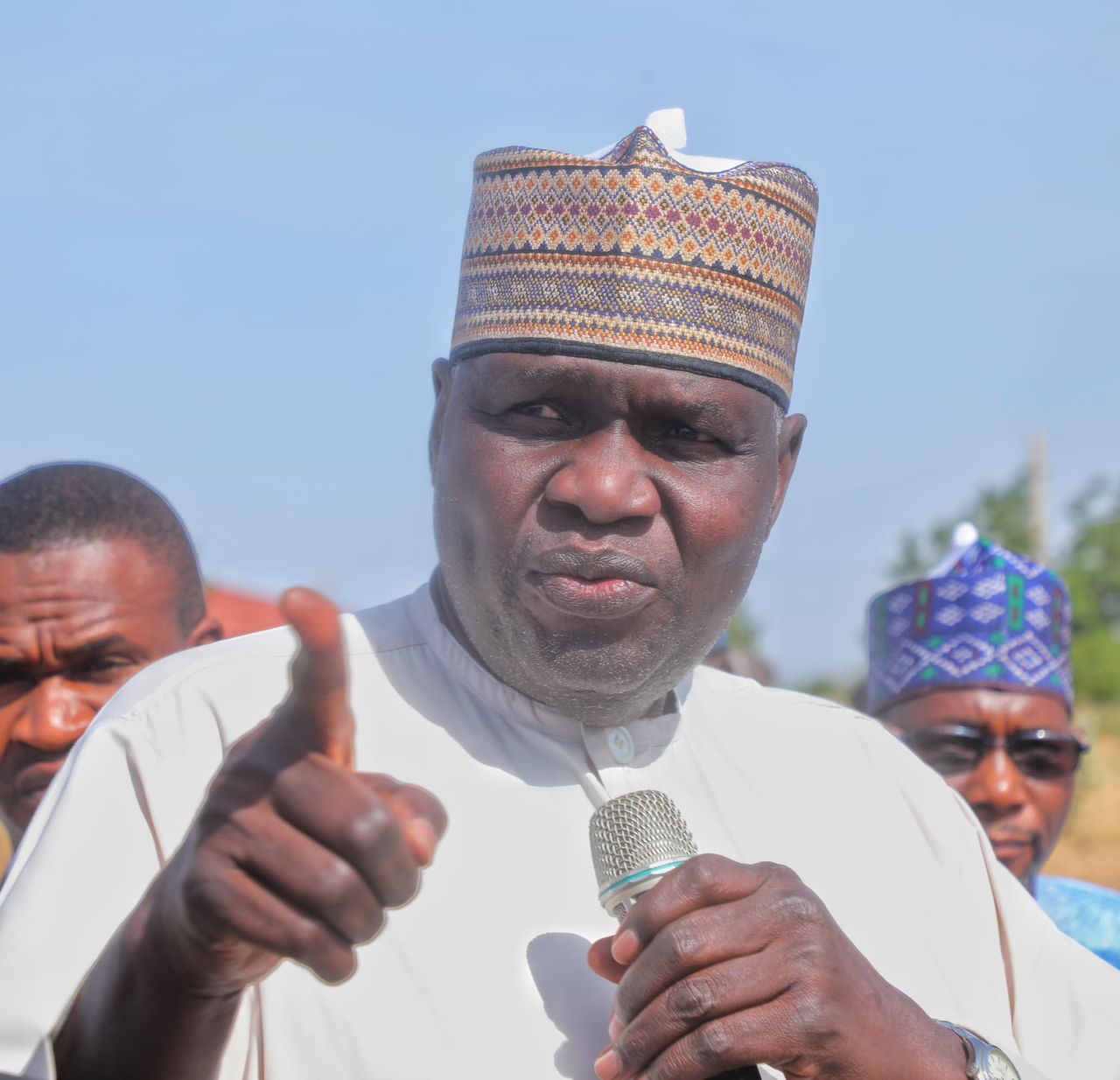
Zulum Allaocates New Site for Permanent NYSC Orientation Camp in Maiduguri
By: Our Reporter
Governor of Borno State, Professor Babagana Umara Zulum, has proposed the relocation of the National Youth Service Corps (NYSC) permanent orientation camp from its current site within the city center to Government Secondary School, Auno.
Governor Zulum identified sustainability, security, and future expansion as critical factors in his proposal.
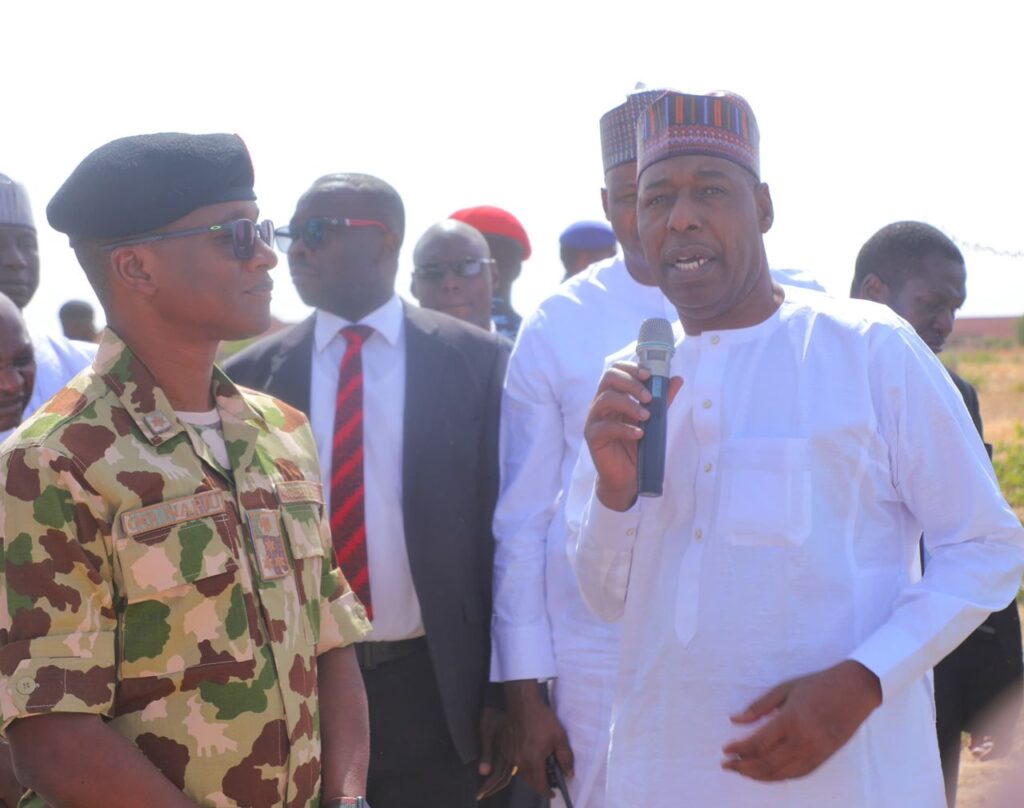
Speaking during an inspection of the facility alongside the Director General of NYSC, Brigadier General Olakunle Oluseye Nafiu, and other management staff of the Corps, Zulum, on Friday, said the decision was driven by long-term planning rather than short-term convenience.
“One of the key reasons I am proposing this location for the NYSC permanent orientation camp is sustainability. In the next one or two years, we may be hosting between 3,000 and 5,000 corps members. Keeping such a population within the town will create pressure on infrastructure,” Zulum stated.
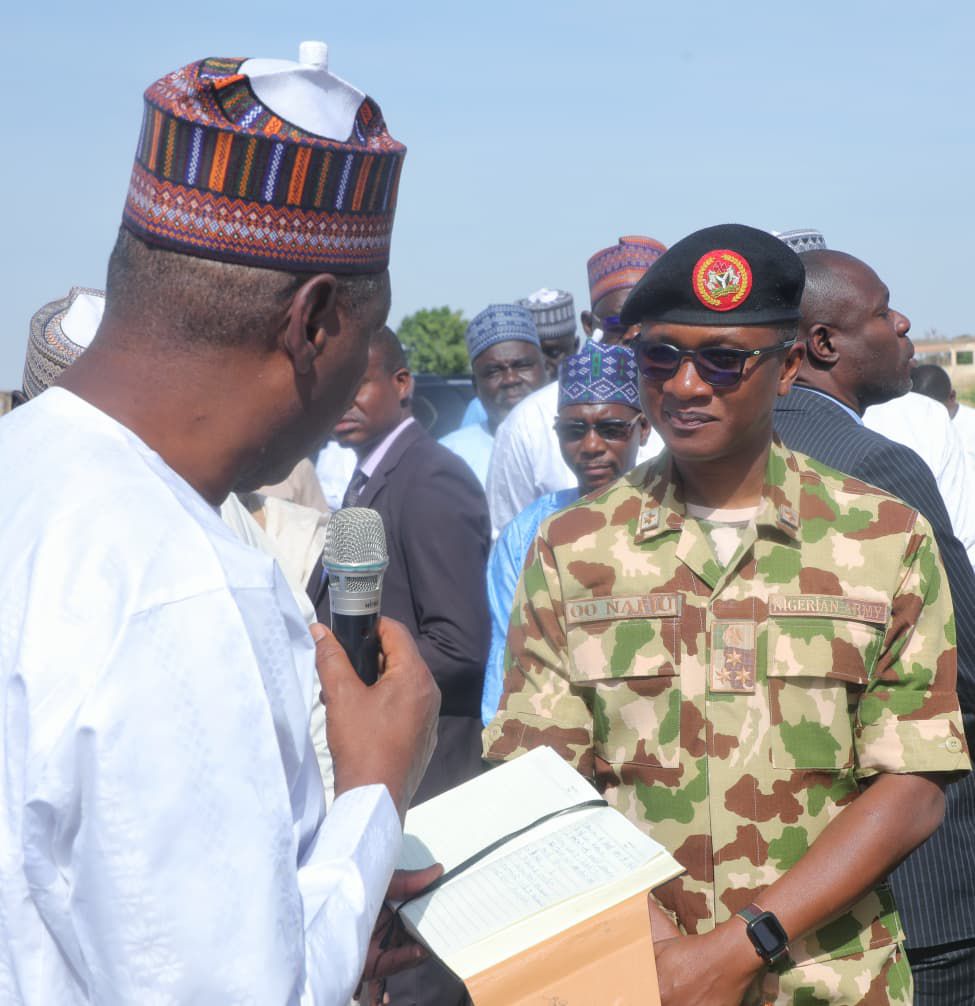
The governor noted that the ongoing construction of a bypass located about two to 2.5 kilometres from the site would enhance accessibility, while the Teaching Hospital—expected to be commissioned within the next two to three months—and the State University along the same axis further underscore the area’s strategic importance.
“This corridor is fast becoming a major institutional and development hub. If we are serious about long-term planning, we must move to a more spacious and strategic location,” he added.
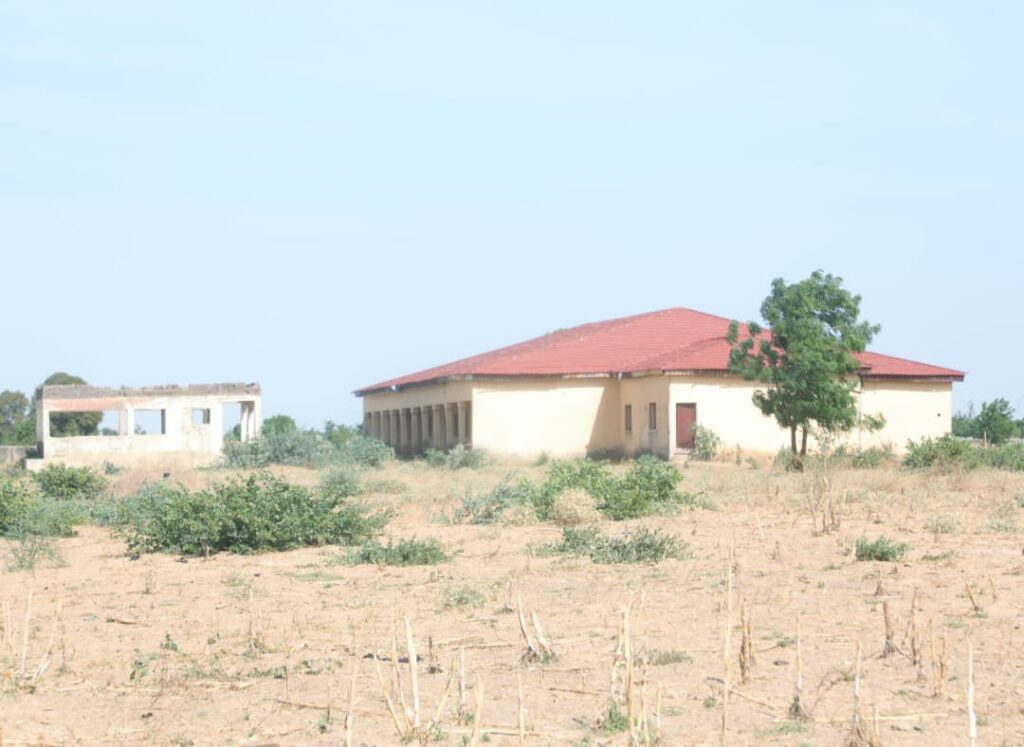
According to him, the facility includes two hostels with eight dormitories, a dining hall and kitchen, 26 classrooms with attached offices, seven laboratories, and 12 additional rooms, an overhead water tank and a functional solar-powered borehole. He added that the classrooms alone can accommodate between 1,300 and 1,500 corps members at a time.
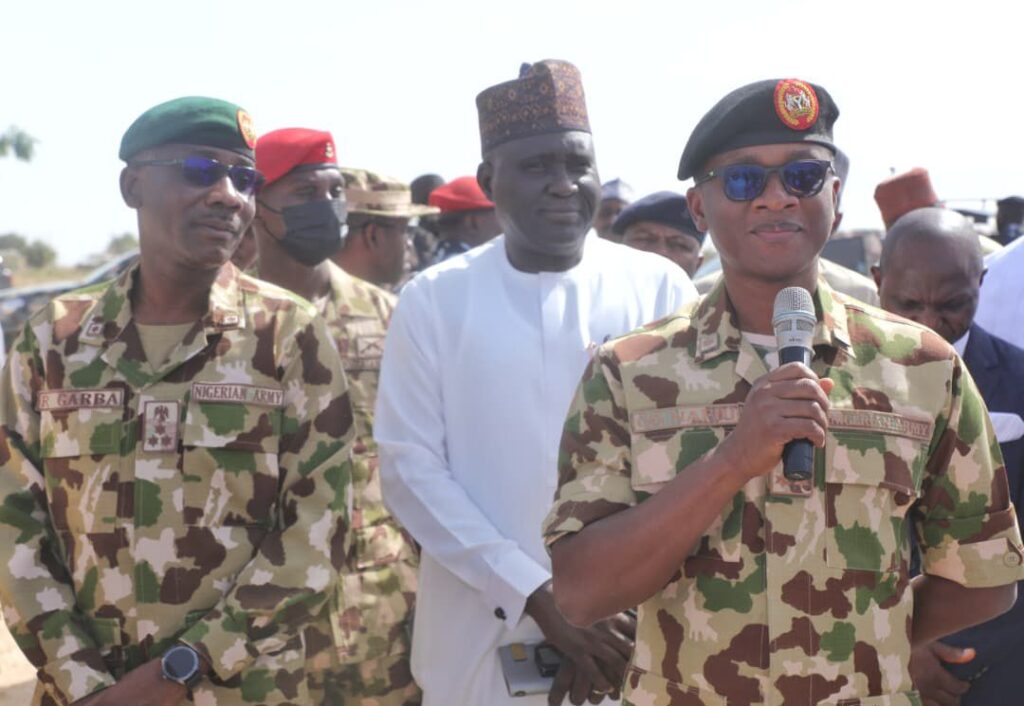
On security, the governor assured that the location can be effectively fortified, noting the proximity of security formations and a military checkpoint in the area.
“If this place is deemed suitable after your assessment, we will strengthen the perimeter fence, improve security architecture, and install modern technological gadgets to prevent intrusion. Once properly secured, this location will be ideal,”
He further pledged to provide accommodation for NYSC officials, including the possible acquisition of additional housing within the Federal Mass Housing Estate.
“As governor, I would rather invest public resources in a location that guarantees sustainability, expansion, and long-term value—not one that will soon become congested and inadequate,” he stressed.
In a remark, the Director-General of National Youth Service Corps (NYSC), Brigadier General Olakunle Oluseye Nafiu, commended Governor Babagana Umara Zulum, for what he described as a rare and forward-looking proposal to establish a permanent orientation camp in the state.
“His Excellency’s offering is uncommon. It is futuristic and shows he is thinking far ahead of where we currently are. That is exactly where this scheme is growing into,” Nafiu said.
He noted that the Federal Government has, in recent years, increased the number of corps members mobilised annually, from 300,000 to 350,000, then 400,000, and now 450,000 in 2026.
The Director-General emphasized that security remains a critical factor in the deployment of corps members nationwide. He lauded Governor Zulum for inviting the Garrison Commander and Theatre Intelligence Commander to participate in the assessment of the proposed site.
“His Excellency has graciously asked security commanders to join us in inspecting this land so they can properly advise on safety and other requirements,” he added.
Secretary to Borno State government, Hon. Bukar Tijani, explained that Borno State Government developed the structure but it was never put into operation, adding that the facility is fully fenced, with portions of the perimeter wall having collapsed due to animal intrusion and lack of use.
Zulum Allaocates New Site for Permanent NYSC Orientation Camp in Maiduguri



Zulum @57: Tribute to a Trailblazing Teacher
By: Inuwa Bwala
I have read a lot of tributes to Borno state Governor, Professor Babagana Umara Zulum on his 57th birthday anniversary.
In most, Nigerians celebrate many things about Professor Babagana Umara Zulum.
To many, his unique leadership style, to others, his developmental strides and yet to others his many ventures into danger zones, the rebuilding of schools, his sleepless nights on duty and many other things.
I want to celebrate something quieter, and maybe more rare: seeing him as the teacher that he is, using
Borno as a big lecture hall, in which he deploys his teaching technique.
I dare say that, Governor Zulum goes to schools unannounced, not for photo shots, but to check attendance, to ask pupils questions, to see if the teacher is teaching. That is a lecturer’s habit.
He commissions hospitals and ask about drug inventory and rosters. That is a supervisor’s habit.
He stands in the rain with displaced families, not to make a speech, but to take notes. That is a researcher’s habit.
Most politicians campaign on promises, but he he is not seeking any position and does not need to campaign. He does things out of passion for true development.
At 57, Zulum reminds me that leadership is not about sitting in the office of power. It’s about sitting on the floor with students, under a tree with farmers, and in the dust with people who have lost everything, and then going back to “prepare the next lesson plan” for Borno redemption.
People often say a leader must choose between the office and the field, the book and the gun, and between the seminar and the street. Governor Zulum seems to have broken that rule by chosing both. And ir is working for Borno.
For me, today, I do not just celebrate a governor turning 57, I celebrate a teacher who took his entire state as his assignment, and refused to submit it half-done.
As the only Governor in Nigeria, who foes not aspire for any other political office after this, he may be retiring into a future only God know about, but one must not fail to state, that, Governor Zulum’s strength lies, not in the paraphenilia of governance but in the dedication of a leader who work, teach to graduate Borno into peace, dignity, and pride.
Happy 57th Birthday, Proffessor Babagana Umara Zulum.
Zulum @57: Tribute to a Trailblazing Teacher
Opportunity or Entrapment? What Nigeria’s Youth Must Ask Before Flying to Russia
By Oumarou Sanou
There is nothing wrong with urging Nigerian youth to look past Britain, America and Canada, or with Russia offering scholarships to African students. Young Nigerians deserve every legitimate route to education the world can offer. But there is everything wrong with dismissing documented security concerns as “propaganda” simply because the offer arrives wrapped in the language of mentorship.
A recent online discussion by the Arewa Youth Mentorship Program did exactly that, urging Northern Nigerian youth toward Russia while waving away fears about the Ukraine war as fear-mongering. The pitch was seductive: no IELTS, no international passport at first instance, no punishing recommendation letters, just a strong “portfolio” and the confidence to apply. It is a comforting story. On the evidence, it is also a dangerous one, and the danger lies not in Russia offering scholarships but in telling young people they need not verify them.
We need a reminder about the scholarship that became a factory floor. Nigerians and Africans have not forgotten Alabuga. Online adverts promising paid education and vocational training at the Alabuga Special Economic Zone lured young Africans, many of them women, into facilities later tied to the assembly of Shahed attack drones used against Ukraine, a scheme slick enough to compromise the website of Nigeria’s own Ministry of Education. The lesson is not that Russian opportunities should be avoided outright, but that the label “opportunity” is not evidence of safety. A polished portal is not verification. It is, at best, unproven, and at worst, bait.
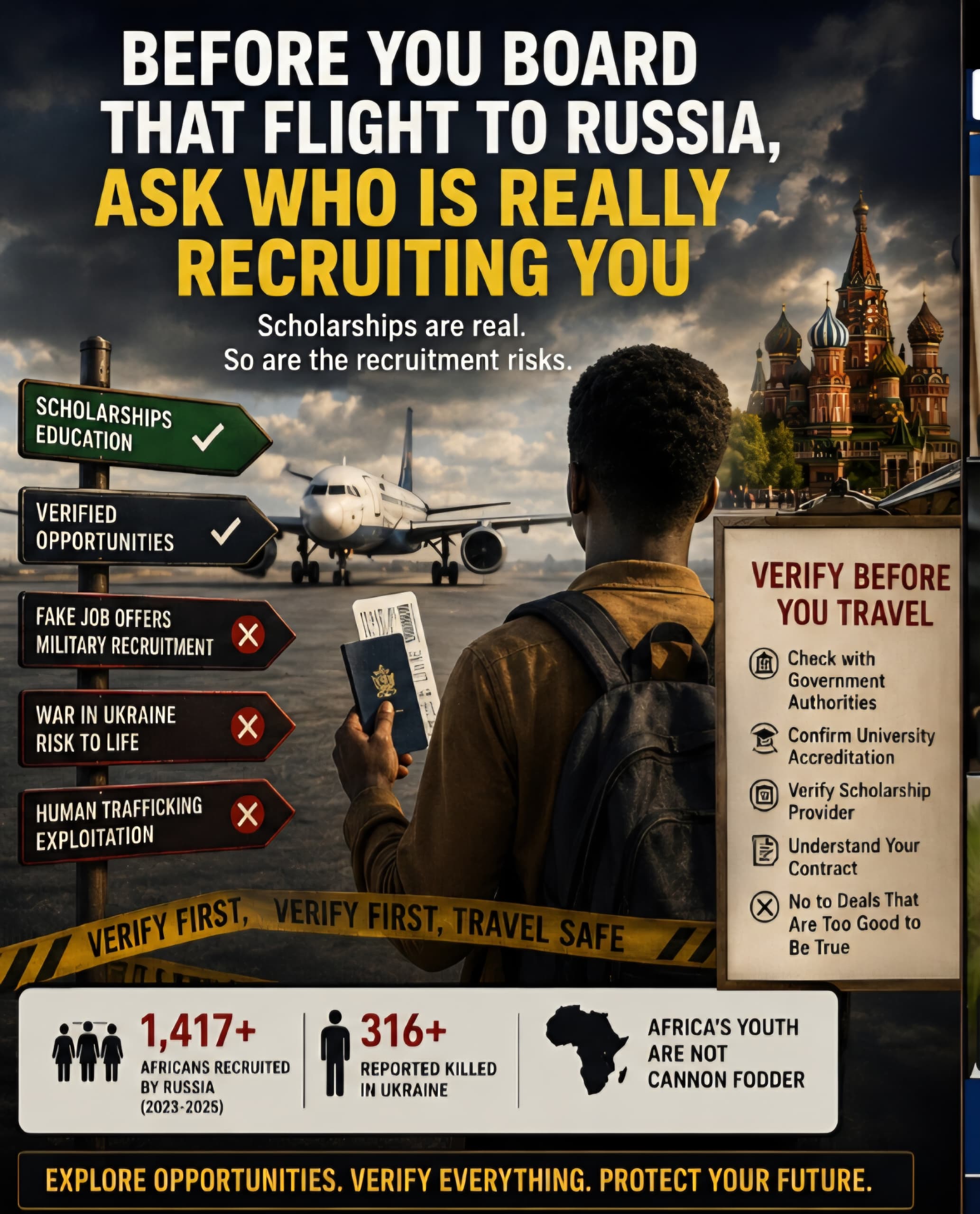
More importantly, the numbers are no longer a rumour. An INPACT investigation, cited in Global Sentinel reporting, found that at least 1,417 Africans, Nigerians, Ghanaians, Kenyans, Ugandans and South Africans among them, joined Russian military formations between 2023 and 2025, with no fewer than 316 killed in Ukraine. Ukrainian intelligence separately counts over 200 Nigerians who signed contracts with Russia’s defence ministry, dozens already dead or missing. These figures deserve scrutiny, but they are too serious to dismiss, particularly against Moscow’s denials, including a Russian diplomat’s assurance in Accra that African students were “safe,” and the Nigerian ambassador’s own insistence in Abuja that no such recruitment exists. Casualties do not lie the way denials do.
This is how the trick works, and the pattern, documented across multiple investigations, is depressingly consistent. A job or study offer arrives via WhatsApp, Telegram, or Facebook, not from an embassy or accredited institution. Travel is arranged quickly, often through a third country, to dodge scrutiny. On arrival, passports are collected “for processing” and never returned. Within days the promised job evaporates, and the recruit faces a choice: sign a military contract in a language he cannot read, face deportation with debt, or worse. Nigerian mechanic Bankole Manchi told Global Sentinel he travelled to Russia expecting employment and, instead, found himself in a military-style camp, later deployed to the front. This is not misfortune. It is a supply chain, built on young Africans not asking questions first.
Investigators have also flagged the so-called Russian Houses, cultural centres that legitimately teach language and offer scholarships but, unlike the British Council or the Goethe-Institut, operate through an opaque franchise model that lets private, sometimes militarily linked, actors act in Moscow’s name. At the same time, the state keeps its hands clean. In Ghana, university partnerships have been linked to the enlistment of hundreds, dozens now dead. This does not mean every Russian cultural centre is a recruitment centre. It means governments should demand transparency wherever public trust and vulnerable youth are involved.
The key issue here when dealing with Russia and other emerging powers from a pan-African perspective is sovereignty, not substitution. There is a wider context Nigerians cannot ignore. Russia has marketed itself across the Sahel as the anti-imperial alternative to a West weighed down by colonial guilt and failed interventions, and the message has won real disciples. But a power that fills its trenches with African bodies while denying it does so is practising the oldest imperialism of all. Anti-Western is not the same as pro-African.
Nor should young Nigerians accept a false choice between “Western propaganda” and “Russian truth.” Every external power,-Russia, China, France, Britain, the United States- pursues its own interests in Africa and can deploy disinformation when it suits them. The question worth asking of any offer, wherever it originates, is simple: what is the strategic interest behind this opportunity, and who benefits if I do not check? Asking that of Moscow is not anti-Russian. It is pro-African and pro-sovereignty, andNigeria’s youth are entitled to exercise it. Strategic autonomy means diversifying partnerships from a position of informed national interest, not swapping one uncritical dependency for another.
Going forward, the approach should be to verify first, and trust second. Therefore, the Arewa panellists are right that Nigerian youth should be intentional and strategic. But intentionality means verification, not enthusiasm. Check the university and its accreditation against the Federal Ministry of Education, the Federal Scholarship Board and the Ministry of Foreign Affairs. Confirm the offer with the institution and the embassy before booking a flight, not after. Establish who is paying for travel and tuition, and read every document before signing. No genuine opportunity requires surrendering a passport indefinitely, concealing the purpose of travel, or signing contracts you cannot understand. A recruiter who pushes for haste or discourages official checks has already told you what you need to know.
This obligation extends to those doing the recommending. Academics, mentors, religious and traditional leaders and youth organisations carry real influence, and their endorsement can confer legitimacy an applicant would never independently investigate. That influence demands a duty to vet before endorsing.
Against this backdrop, what the government owes its citizens is protection through a verifiable database on foreign scholarships. Nigeria’s Ministry of Foreign Affairs has issued warnings before. One young man from Ondo State signed his contract with Russia’s military barely a week after such a warning was published, and died near Kharkiv weeks later. He may never have seen it. The state cannot keep issuing statements into the void. It needs a living, public database of verified foreign scholarships, rapid alerts when a scheme is flagged, and closer scrutiny of recruitment channels operating through cultural and educational fronts.
There is no contradiction between encouraging Nigerian youth to pursue Russian education and warning them about fraudulent recruitment. Nigeria should encourage its youth to explore the world, not fear it, but exploration without verification can quietly become exploitation. Africa’s youth must not become cannon fodder in other people’s wars or raw material for competing geopolitical projects, under whichever flag those projects fly. The real test of mentorship is not how many young people are persuaded to travel abroad, but how many can tell opportunity from entrapment, and partnership from dependency.
Explore widely. Dream boldly. But verify everything. When the price of an opportunity is your judgement, it was never an opportunity at all.
Oumarou Sanou is a social critic, Pan-African observer and researcher focusing on governance, security, and political transitions in the Sahel. He writes on geopolitics, regional stability, and African leadership dynamics. Contact: sanououmarou386@gmail.com
Opportunity or Entrapment? What Nigeria’s Youth Must Ask Before Flying to Russia
Guinea-Bissau picks Gabú, Oio for ECOWAS community health pilot
By: Michael Mike
Guinea-Bissau has selected the Gabú and Oio regions as pilot areas for the implementation of the new ECOWAS Regional Community Health Policy, in a major step towards bringing healthcare services closer to vulnerable and underserved communities.
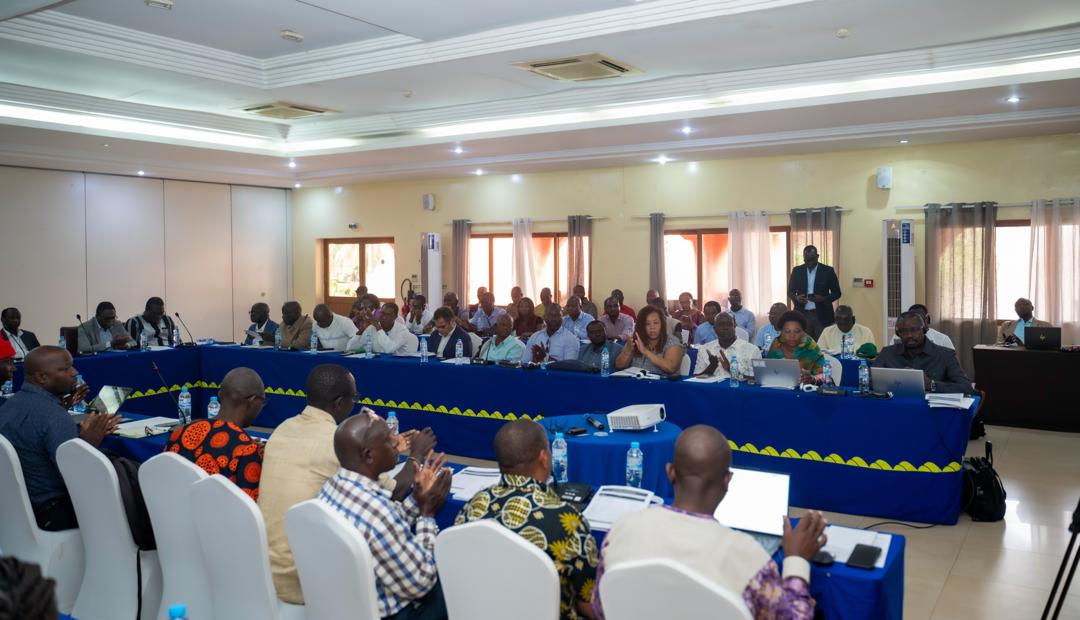
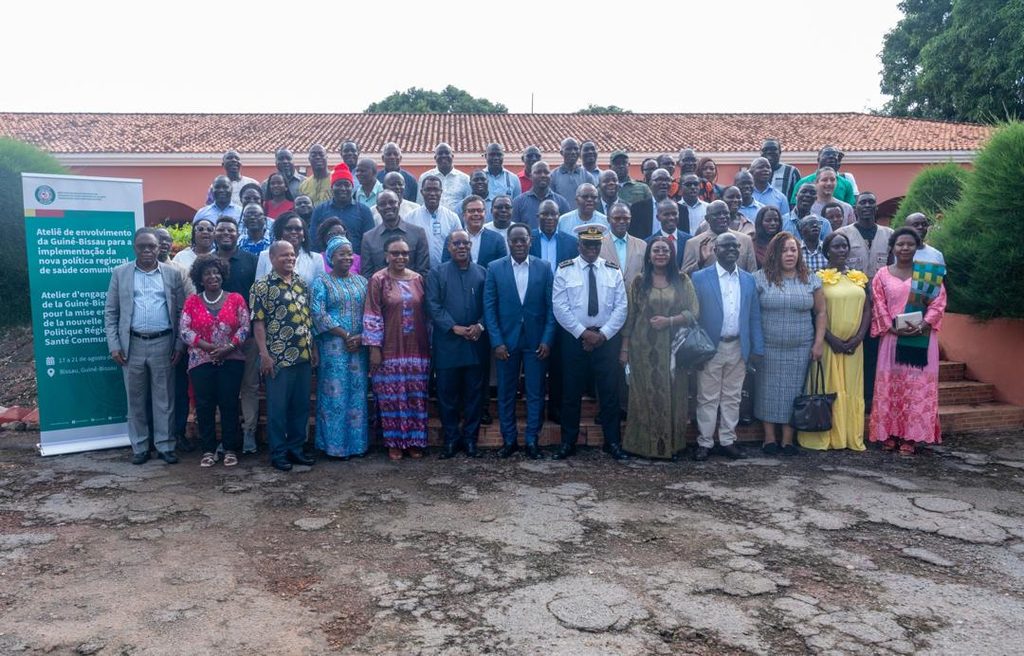
The decision was reached at a three-day National Engagement Workshop on the implementation of the policy, organised by the West African Health Organisation (WAHO) in collaboration with the Ministry of Public Health of Guinea-Bissau in Bissau from August 19 to 21, 2026.
The selection of the two regions signals the transition of the Regional Community Health Policy (RCHP) from the planning stage to concrete implementation, with national and local authorities, communities and other stakeholders expected to play defined roles in its execution.
Speaking at the opening of the workshop, WAHO Director-General, Dr Melchior Athanase Joël C. Aïssi, described Guinea-Bissau as a pioneer among ECOWAS Member States for hosting the first information and engagement mission on implementation of the new policy.
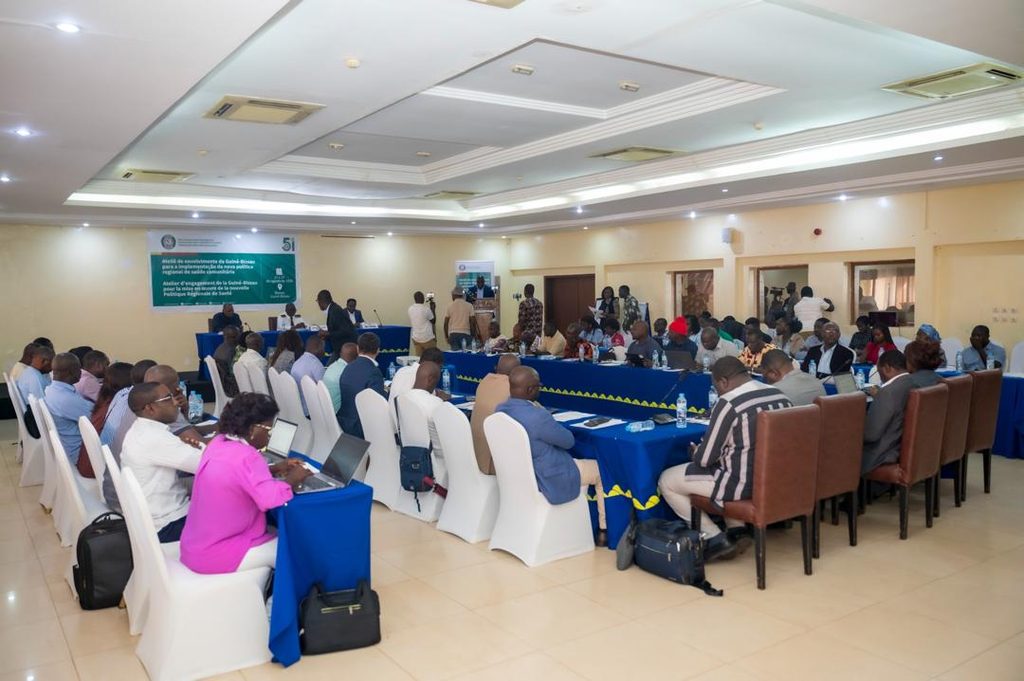
He said the meeting should not be regarded merely as a forum for discussion but as the starting point for translating the regional policy into action.
Aïssi stressed that successful implementation would depend on national ownership, effective multisectoral coordination and a clear division of responsibilities among stakeholders.
He reaffirmed WAHO’s readiness to provide technical support, guidance and facilitation, but emphasised that Guinea-Bissau must take ownership and lead the implementation process.
The Minister of Public Health, Commodore Dr Quinhin Nantote, in his keynote address, reaffirmed the government’s commitment to the policy, describing investment in community health as both a necessity and a national priority.
Nantote said expanding access to healthcare required deliberate efforts to reach vulnerable populations, particularly those living in remote and hard-to-reach communities.
He also highlighted the critical role of Community Health Workers (CHWs), describing them as an essential link between formal health services and communities.
The minister called for an approach anchored on equity, community participation and intersectoral collaboration, arguing that sustainable improvements in health could not be achieved by government and health professionals alone.
The workshop brought together representatives of government ministries and agencies, national institutions, civil society and community-based organisations, research and training institutions, as well as technical and financial partners.
Participants reviewed key regional and national community health instruments, including the Regional Community Health Policy, its norms and principles, regional guidance documents and practical tools for Community Health Workers.
They also identified priority interventions, assigned responsibilities to sectoral stakeholders and worked towards developing costed action plans for priority areas.
Discussions further focused on the proposed regional community information system platform, the national coordination mechanism and other steps required to establish an effective framework for implementing the policy.
WAHO Liaison Officer in Guinea-Bissau, Dr Plácido Cardoso, underscored the importance of sustained engagement among national stakeholders and development partners in ensuring the success of the implementation process.
With Gabú and Oio now designated as pilot regions, Guinea-Bissau is expected to test and strengthen the policy’s implementation mechanisms at the community level before lessons from the pilot phase inform wider application.
WAHO said the initiative underscores its commitment to supporting Guinea-Bissau and other ECOWAS Member States to strengthen community health systems and ensure that quality healthcare is brought closer to the people.
Guinea-Bissau picks Gabú, Oio for ECOWAS community health pilot

Zulum @57: Tribute to a Trailblazing Teacher

Opportunity or Entrapment? What Nigeria’s Youth Must Ask Before Flying to Russia

Guinea-Bissau picks Gabú, Oio for ECOWAS community health pilot

Roger Federer’s Shock as DNA Results Reveal Myla and Charlene Are Not His Biological Children

THE PLIGHT OF FARIDA

FAILED COUP IN BURKINA FASO: HOW TRAORÉ NARROWLY ESCAPED ASSASSINATION PLOT AMID FOREIGN INTERFERENCE CLAIMS
-
 News2 years ago
Roger Federer’s Shock as DNA Results Reveal Myla and Charlene Are Not His Biological Children
-
Opinions5 years ago
THE PLIGHT OF FARIDA
-
 News1 year ago
FAILED COUP IN BURKINA FASO: HOW TRAORÉ NARROWLY ESCAPED ASSASSINATION PLOT AMID FOREIGN INTERFERENCE CLAIMS
-

 News2 years ago
EYN: Rev. Billi, Distortion of History, and The Living Tamarind Tree
-
 Opinions5 years ago
POLICE CHARGE ROOMS, A MINTING PRESS
-

 ACADEMICS2 years ago
A History of Biu” (2015) and The Lingering Bura-Pabir Question (1)
-

 Columns2 years ago
Army University Biu: There is certain interest, but certainly not from Borno.
-

 Politics1 year ago
2027: Why Hon. Midala Balami Must Go, as Youths in Hawul and Asikira/Uba Federal Constituency Reject ₦500,000 as Sallah Gift
