
News
Zulum Directs 27 LGA Chairmen to Scale Up Immunisation Campaign

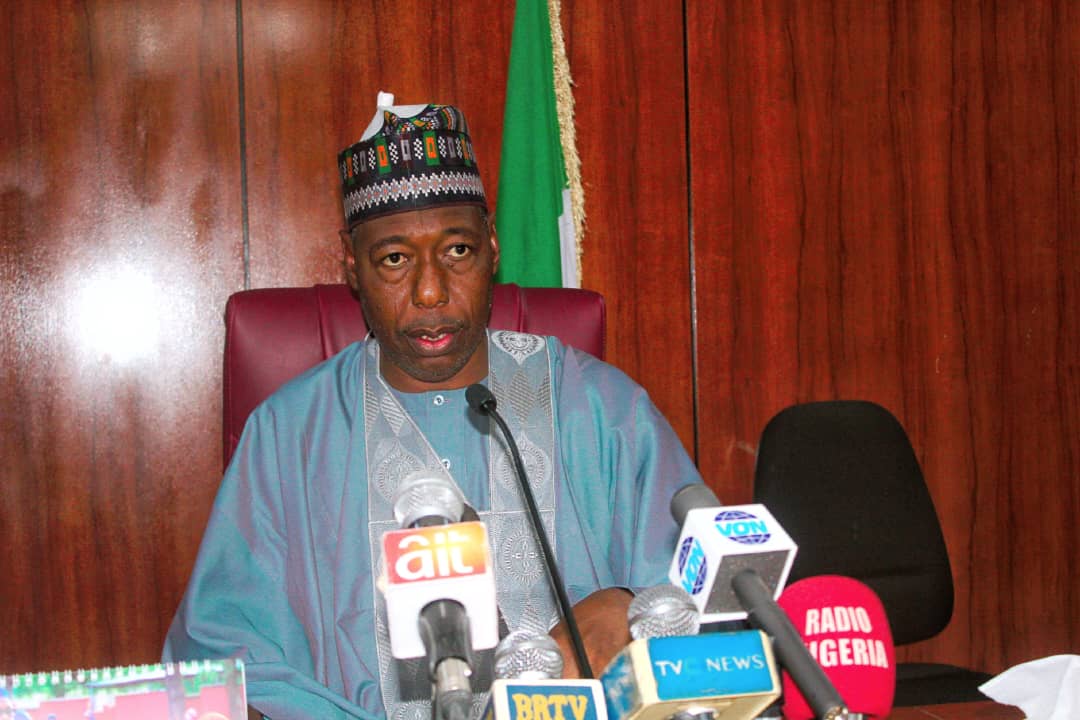
Zulum Directs 27 LGA Chairmen to Scale Up Immunisation Campaign
By: Our Reporter
Borno State Governor, Prof. Babagana Umara Zulum, has directed chairmen of all the 27 Local Government Areas to scale up awareness campaign on Routine Immunisation, In-Between Rounds and Integrated Measles campaign.
He also requested the traditional rulers to continue to sensitize their subjects on the importance of immunisation particularly on polio and other preventable diseases.
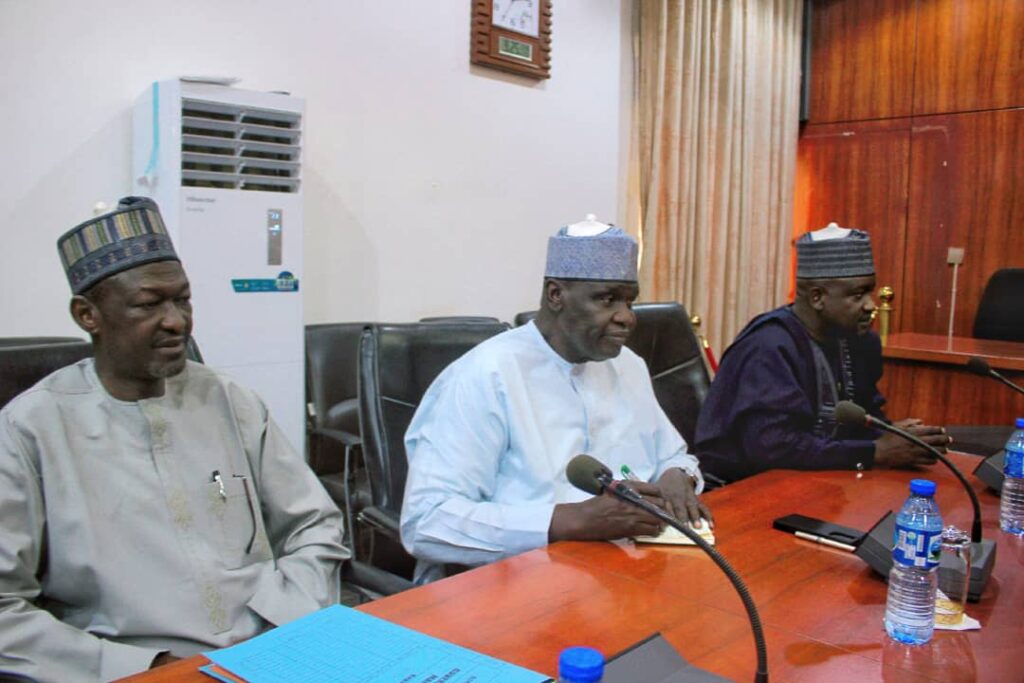
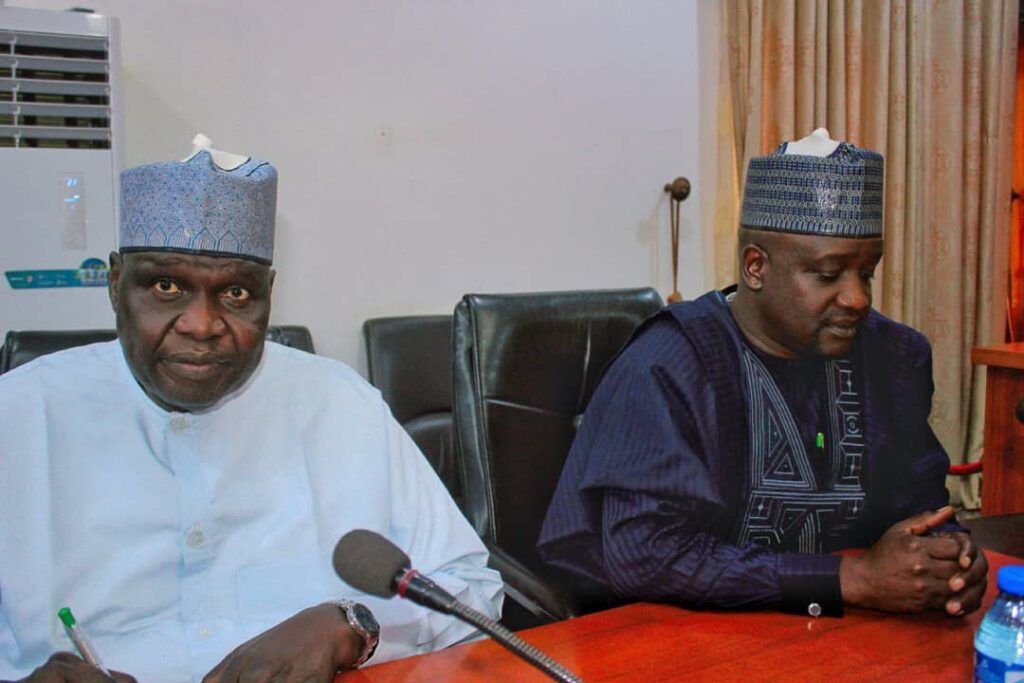
The governor gave the directive on Thursday during a strategic meeting and update on Primary Healthcare activities with traditional rulers under the leadership of Shehu of Borno, Chairman Association of Local Government of Nigeria (ALGON) and development partners at the Government House, Maiduguri.
“I hereby direct all the local government chairmen to step up campaign on Routine Immunisation, In-Between Rounds and other campaigns, must be carried out across the state. Let me also emphasise that attending evening review meetings is compulsory for all LGA Chairmen,” Zulum stated.
Governor Zulum expressed commitment of his administration to partner with relevant stakeholders with a view to ensuring effective delivery of Routine Immunisation and other services to be rendered by the Primary Healthcare Centers across the state.
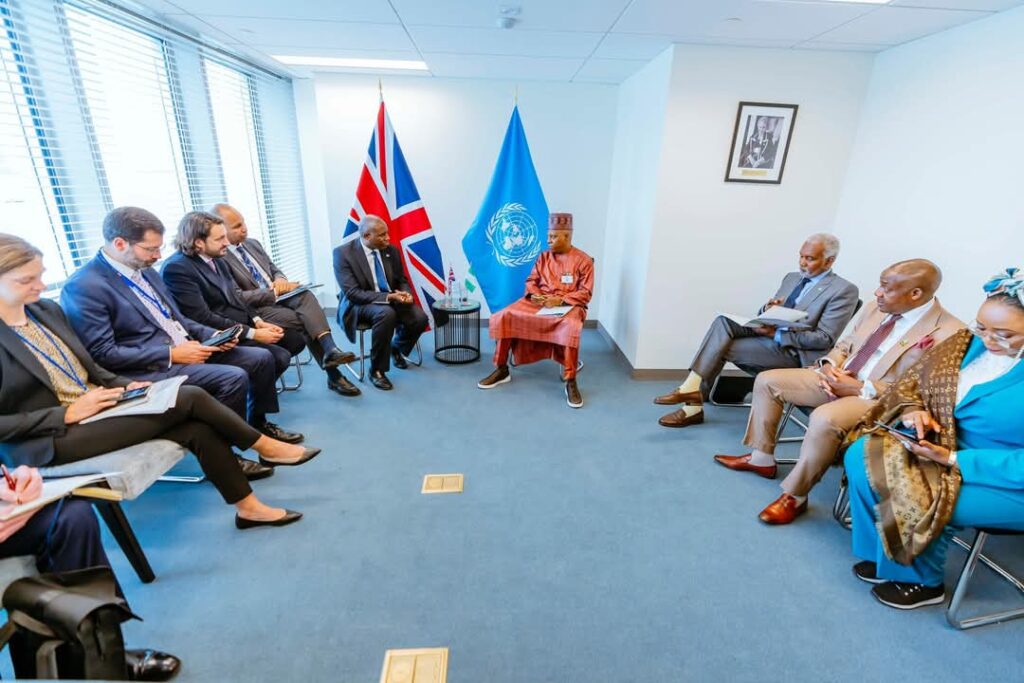
“We are aware that the tripartite agreement between Aliko Dangote Foundation, Bill and Melinda Foundation and the state has ended in December 2024. However, I want to assure you that Borno State government will ensure sustainability of all the activities to be carried out,” he assured.
“All our counterpart funding have been paid, we are upto date. I want to assure you that we will provide all the needed support and political will to ensure effective and efficient healthcare delivery system to the people.
The governor also assured that adequate security would be provided to ensure Immunisation coverage in hard-to-reach-areas”. Borno state government will provide adequate security in order for those in difficult-to-reach areas to have access to the Immunisation”.
On the provision of minimum standard package for effective healthcare delivery system, Governor Babagana Zulum remarked that the state has recorded milestone with the sponsorship of 1,400 indigent students to study nursing and midwifery, announcing that 500 would graduate by end of the year.
Executive Secretary State Primary Healthcare Development Board, Prof. Mohammed Arab Alhaji briefed the governor and the traditional rulers with regards to the ongoing Immunisation programme and the PHC Leadership Challenge Fund.
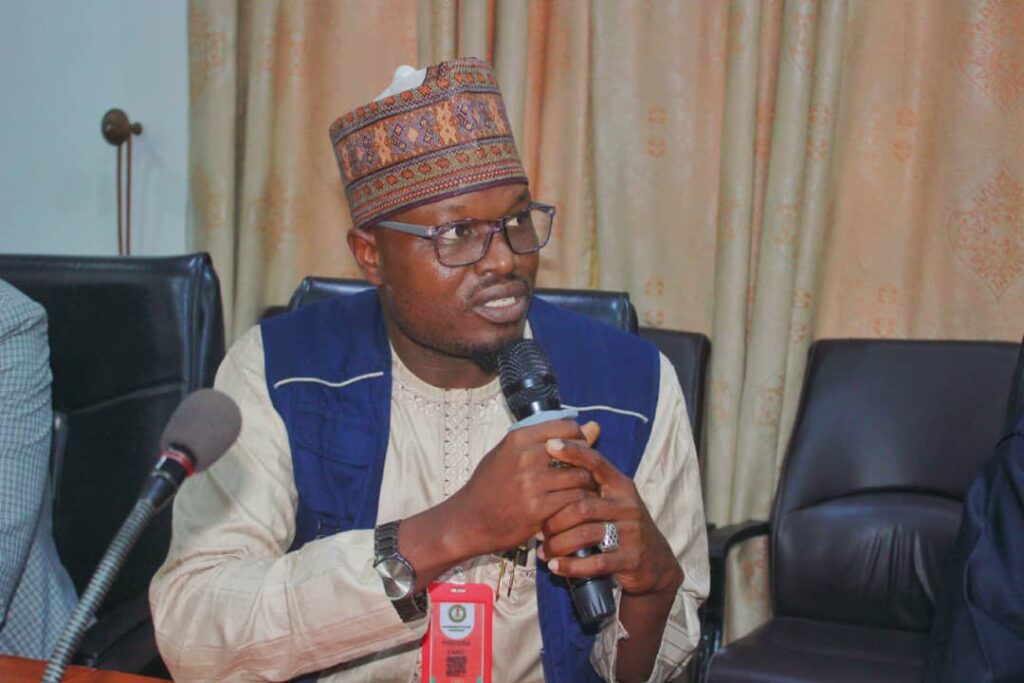
According to him, the objective of the initiative is to accelerate the Seattle Declaration made by Governors in 2019, a political commitment to improve PHC services by promoting accountability, drive measurable improvement in health performance and outcome.
Prof. Alhaji called for improved security especially in hard-to-reach-communities, intensify support of resolution of non-compliance of Polio and other Immunizations by traditional leaders, strengthen Evening Review Meetings by LGA Chairmen and to institute appropriate measures to stop misuse of Ready To Use Therapeutic Food (RUTF).
“I want to appreciate His Excellency for the prompt payment of counterpart funds, provision of drugs and other consumables at the PHCs, absorption of 859 health workforce, infrastructure among others,” Arab said.
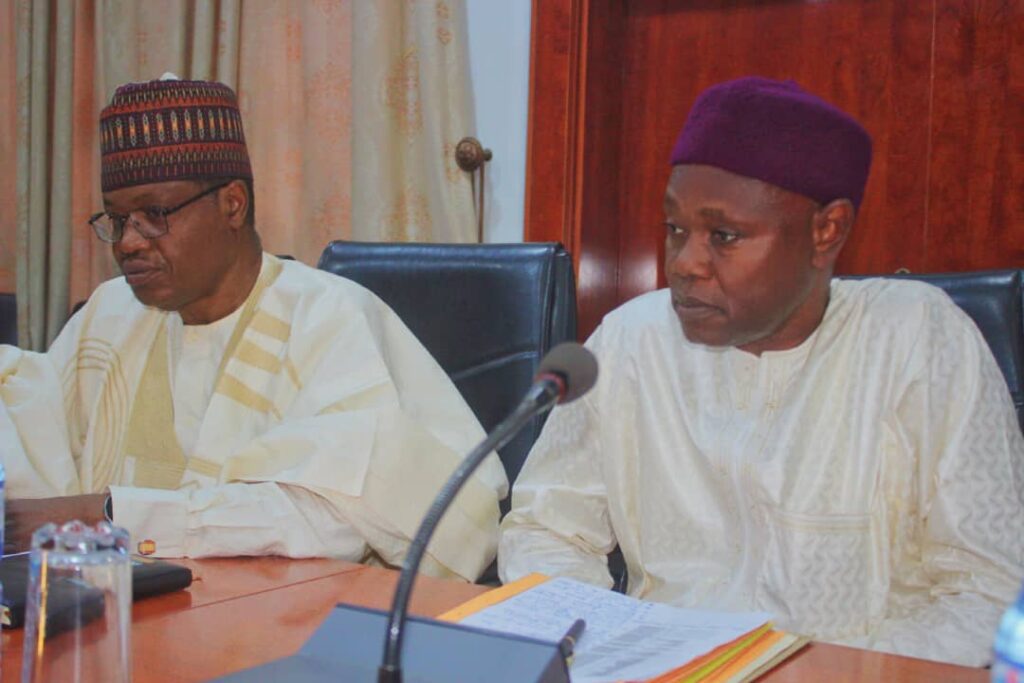
The meeting was attended by the Deputy Governor, Dr Umar Usman Kadafur, who is also the Chairman State Taskforce on Immunisation and other Primary Healthcare activities; Shehu of Borno, Dr. Abubakar ibn Umar Garbai El-Kanemi; Shehu of Dikwa and Bama; Emirs of Biu, Askira Uba, Gwoza, Shani and Uba; Secretary to the State Government and Acting Chief of Staff.
Others include, Commissioners for Health, Local Government and Emirate Affairs, as well as Development Partners.
Zulum Directs 27 LGA Chairmen to Scale Up Immunisation Campaign



Troops intercept 11 youths with donkeys during patrol in Borno
By: Zagazola Makama
Troops of 68 Battalion have intercepted 11 youths during a routine patrol in Mallam Fatori area of Abadam Local Government Area of Borno State.
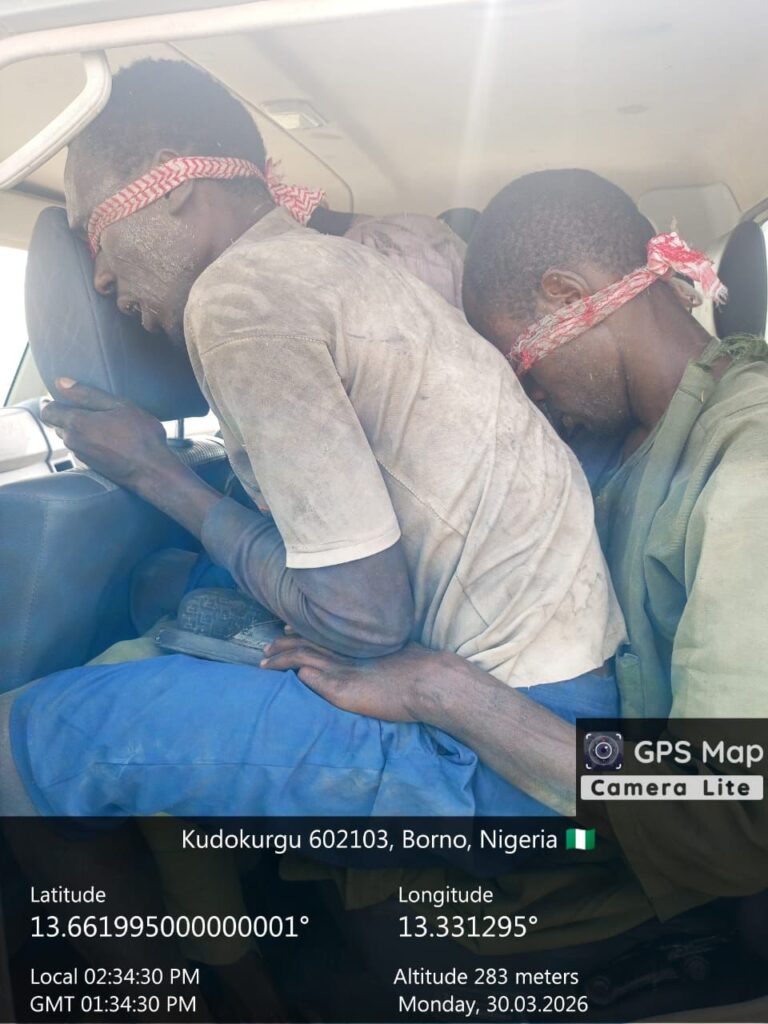
Security sources said the interception occurred along the Bulagana–Cheisa axis on April 2 during ongoing clearance operations in the area.
According to the sources, the individuals were found moving in the area with 12 donkeys when they were stopped and briefly interrogated by troops.
The sources added that the youths were later handed over, alongside the animals, to relevant authorities in a neighbouring country for further necessary action.
The military said the patrol was part of sustained efforts to maintain security dominance and prevent exploitation of border communities by criminal elements.
Troops intercept 11 youths with donkeys during patrol in Borno
Troops recover ammunition, logistics items in Kwara patrol operation
By: Zagazola Makama
Troops of the Nigerian Army under the 22 Brigade have recovered ammunition and other logistics items during a fighting patrol in Ifelodun Local Government Area of Kwara State.
A security source disclosed that the operation was conducted at about 4:00 p.m. on April 2 at Daban Lema, where troops of the brigade, operating from the Patrol Base, encountered signs of suspected terrorist activities in a deserted location.
According to the source, the troops immediately carried out exploitation of the area, leading to the recovery of four rounds of 7.62mm special ammunition and one empty PKT ammunition belt link.
Other items recovered include four mobile phones, two head warmers, two small solar panels, and assorted repair tools believed to have been used by the suspected terrorists.
The source added that the recovery indicates the presence and movement of suspected criminal elements within the area, noting that troops have intensified surveillance and patrols to deny them freedom of action.
Troops recover ammunition, logistics items in Kwara patrol operation

Troops foil attack by Criminal Youths, rescue victims, arrest suspects in plateau
By: Zagazola Makama
Troops of Sector 1, Operation Enduring Peace (OPEP), have foiled an attack on residents at Dutse Uku in Jos North Local Government Area of Plateau State.
A security source said the troops responded swiftly to a report of sporadic gunshots in the area at about 11:50 p.m. on April 2.
According to the source, upon arrival at the scene, the suspected criminals fled, abandoning their operation due to the prompt intervention of the troops.
He said the troops rescued two victims who sustained gunshot wounds during the incident and immediately evacuated them to a hospital for medical attention.
The source further disclosed that two suspects, dressed in black attire, were arrested at the scene.
Items recovered from the suspects include a cutlass and a knife.
He added that the suspects are currently in military custody and undergoing preliminary investigation, while efforts are ongoing to track down other fleeing members of the group.
Zagazola report that despite heightened security, there has been report of pocket of attacks in some communities.
The source reassured residents of the military’s commitment to protecting lives and property and urged the public to continue providing timely information to security agencies.
Troops foil attack by Criminal Youths, rescue victims, arrest suspects in plateau

Troops intercept suspected Boko Haram logistics convoy conveying 13 persons in Borno

Troops intercept 11 youths with donkeys during patrol in Borno

Troops, CJTF arrest three suspected Boko Haram logistics suppliers in Borno

Roger Federer’s Shock as DNA Results Reveal Myla and Charlene Are Not His Biological Children

THE PLIGHT OF FARIDA

FAILED COUP IN BURKINA FASO: HOW TRAORÉ NARROWLY ESCAPED ASSASSINATION PLOT AMID FOREIGN INTERFERENCE CLAIMS
-
 News2 years ago
Roger Federer’s Shock as DNA Results Reveal Myla and Charlene Are Not His Biological Children
-
Opinions4 years ago
THE PLIGHT OF FARIDA
-
 News12 months ago
FAILED COUP IN BURKINA FASO: HOW TRAORÉ NARROWLY ESCAPED ASSASSINATION PLOT AMID FOREIGN INTERFERENCE CLAIMS
-

 News2 years ago
EYN: Rev. Billi, Distortion of History, and The Living Tamarind Tree
-
 Opinions4 years ago
POLICE CHARGE ROOMS, A MINTING PRESS
-

 ACADEMICS2 years ago
A History of Biu” (2015) and The Lingering Bura-Pabir Question (1)
-

 Columns2 years ago
Army University Biu: There is certain interest, but certainly not from Borno.
-

 Opinions2 years ago
Tinubu,Shettima: The epidemic of economic, insecurity in Nigeria
