
Politics
2023: APC needs a rocky Chairman to succeed – Former Borno Governor

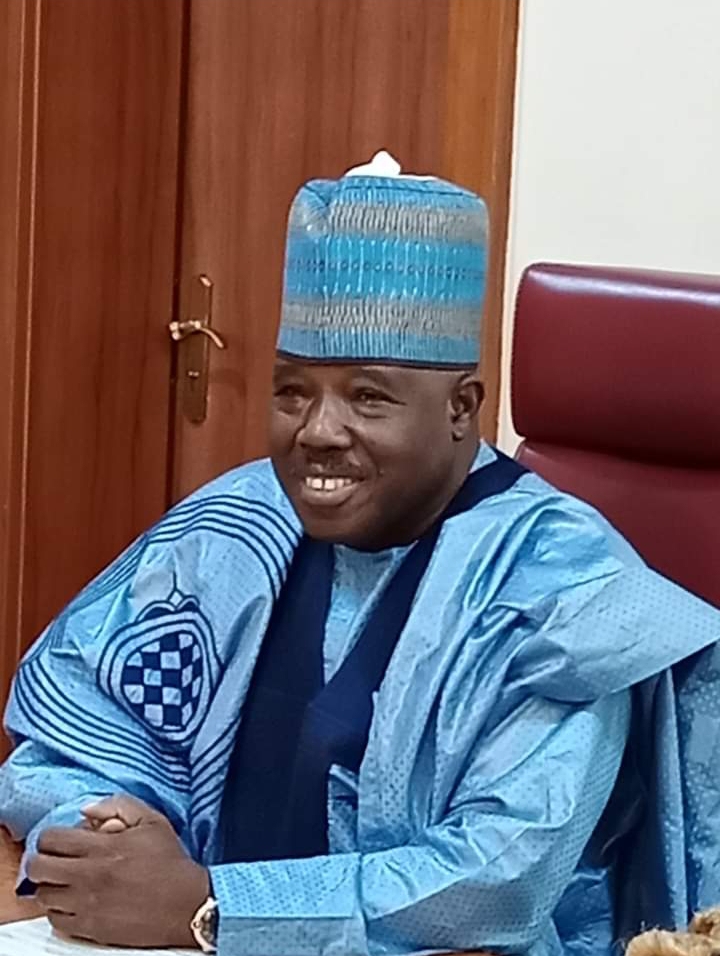
2023: APC needs a rocky Chairman to succeed – Former Borno Governor
Former Borno state governor and a top contender for the national Chairmanship of the All Progressive Congress, APC, Senator Ali Modu- Sheriff has said the ruling party needs a rocky chairman to remain relevant and attractive ahead of the 2023 general elections.
Modu Sheriff said the party will require a well-grounded and politically competent leader to steer its ship as another general elections approach.
Modu-Sheriff, who spoke with newsmen in Abuja on Sunday on his national chairmanship aspiration, said he embarked on national consultations ahead of the forthcoming National Convention of the party to offer himself to serve as the next leader of the ruling party’s National Working Committee (NWC).
According to him, for APC to retain its status as the ruling party as envisaged for the next 40 to 50 years, it requires “a rugged captain” who knows how to navigate the murky waters of the country’s political system.
“Today, as a party we are only six years in government, our aspirations are for APC to be in government in the next 30 to 40 years. Doing that doesn’t come on the platter of gold, we need to put in hard work. Therefore, I believe it is important for me to reach out to all leaders of our party; the youths, the women, different organizations to tell them that we must come together to get our party to run for the next 30, 40, 50 years by the grace of God.
“Doing that you needs a rugged captain. You don’t need a captain that will capsize. A ship has to be navigated by a knowledgeable person who knows the water and I believe I can do that for our party if given the opportunity by party men and women who are the decision-makers.
“There are so many people in the field but you can look at everybody and see where you can put your deposit. We don’t want a bank that will collapse after a short period.
“So, I have been going around the country. I have been away, traveling from one state to the other and I will continue doing that until everybody in our party is consulted.
Also Read: SNAKES: THEY ARE COLD- BLOODED AND ECTOTHERMIC IN NATURE
“I meet them in their homes to say that, yes I want to run for the National Chairmanship of this party and I believe I can lead us well because party politics is different.” Modu Sheriff said
Appealing to party members for support, the former Borno Governor noted that unlike 2015 when President Buhari single-handedly brought over 12 million votes, the party will have to redouble efforts by 2023 to retain power.
Sheriff who promised an all-inclusive administration if elected said he would engage in wide consultations with all stakeholders and ensure that the people are allowed to own the party at all levels.
“We will make sure that everybody is given his or her respect and everybody is consulted so that the party survives. Survival of the party is paramount. If the followers of the party are not carried along the party will always have a problem,” Sheriff promised.
Speaking on plans to resolve the crisis rocking the party, he said: “You know, political party administration is never a new thing to me. I was the Acting National Chairman of the ANPP. When the merger was coming, I was the Chairman of the Board of Trustees of the ANPP that makes up the APC.
“Party is about talking to people, listening to them, understanding their problems, finding amicable solutions to aggrieved people. Carry them along; make them feel important because they are important.
“Let them know that they have a right to aspire for anything and there is also the right to get angry because we are all human beings. We make the party.
“A lot of the problems that you see today are created not even by the principal actors but people that are surrounding these actors.
“We will find a solution to all the problems. I have the strength to visit the 774 local government areas of this country. I had done that when we formed the UNCP. I was one of the founders of the ANPP and I have gone to the 774 local government areas of this country and I will do that again. I have the experience and the political will. I will ensure a good relationship among members”
2023: APC needs a rocky Chairman to succeed – Former Borno Governor



IPCR Warns: Let Ballot, Not Violence, Decide Osun Election
By: Michael Mike
The Institute for Peace and Conflict Resolution (IPCR) has warned political actors in Osun State against allowing violence, intimidation and inflammatory rhetoric to overshadow Saturday’s governorship election, urging all stakeholders to ensure that the ballot, rather than coercion, determines the choice of the people.
The warning came on Friday, less than 24 hours before voters in the state are scheduled to elect their governor, amid heightened concerns over election-related violence and security threats in parts of the state. Recent security assessments have identified several Osun local government areas as vulnerable to electoral violence.
In an immediate press statement signed by its Director-General, Dr. Joseph Ochogwu, the IPCR charged governorship candidates, political parties, their supporters, security agencies, election officials and voters to place the interest of Osun above partisan considerations.
The Institute cautioned that political competition must not degenerate into violence, intimidation, threats, hate speech or destruction of property, stressing that political contests are temporary while the consequences of electoral violence could scar individuals, families and communities for years.
“Elections should not be treated as a do-or-die affair,” the Institute said, urging political leaders and candidates to demonstrate leadership by cautioning their supporters against inflammatory statements, misinformation and actions capable of escalating tensions.
The IPCR also delivered a clear message to candidates who may be dissatisfied with the outcome: accept the result peacefully or seek redress through the courts, rather than resorting to self-help.
It urged the candidates and political parties to respect the rules of democratic competition and demonstrate maturity before, during and after the election.
The Institute equally called on voters to resist attempts by politicians or other actors to recruit them as agents of violence, urging them to exercise their civic responsibilities peacefully and respect the rights of citizens supporting rival political parties.
It advised voters to maintain order at polling units, respect election officials and security personnel, and avoid confrontations with political opponents.
The IPCR further warned citizens against becoming conduits for election-related misinformation, particularly on social media, urging them to verify information before sharing rumours or unconfirmed reports capable of triggering unrest.
The appeal comes against a backdrop of heightened political tension in Osun, where reports of shootings, killings, clashes and other politically linked disturbances have fuelled concerns over the security of the August 15 poll. A recent assessment by The Kukah Centre identified 15 local government areas as critical, high or moderate violence-risk zones, with Osogbo and Irewole classified as critical-risk areas.
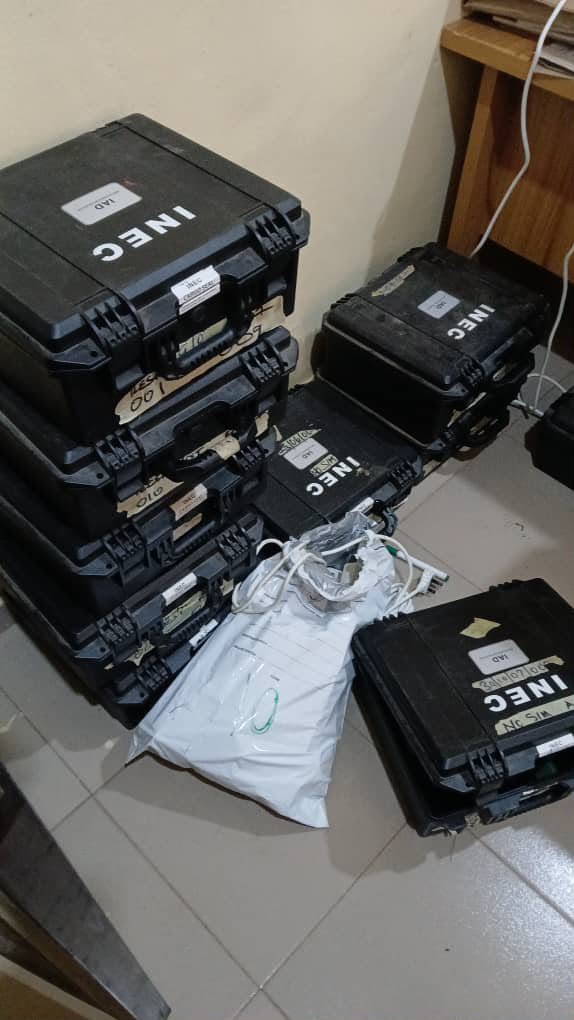
The IPCR consequently charged security agencies to remain professional, impartial and respectful of citizens’ rights while ensuring adequate protection for voters, election officials and electoral materials.
It also called on the Independent National Electoral Commission (INEC) and its officials to discharge their responsibilities transparently and impartially, ensuring that eligible voters can cast their ballots without fear or intimidation.
Beyond the polling booths, the Institute urged traditional rulers, religious leaders, community leaders, civil society organisations and the media to play their part in preventing violence and discouraging inflammatory rhetoric.
It stressed that the responsibility for a peaceful election does not rest solely with security agencies or INEC, but with every stakeholder participating in the electoral process.
The Institute placed particular emphasis on the period after the announcement of results, urging winners to be magnanimous in victory and losers to accept defeat peacefully or pursue legitimate grievances through the judicial process.
The warning is particularly significant as Osun heads into Saturday’s contest after political parties had earlier signed a peace accord committing themselves to peaceful, free and credible elections.
The IPCR therefore called on the people of Osun State to protect the peace of their communities and demonstrate democratic maturity by ensuring that political differences do not become a trigger for bloodshed.
It said the ultimate test of the election would be whether the people are allowed to freely choose their governor without violence, intimidation or coercion.
“Let the ballot, rather than violence, intimidation or coercion, determine the choice of the people,” the Institute urged.
IPCR Warns: Let Ballot, Not Violence, Decide Osun Election
Between the politics and comedy of Nigerian religious leaders
Dr. James Bwala
The politics and religion of Nigeria are a theater of absurdity. Religious leaders in Nigeria frequently mix partisan politics with pulpit preaching. High-profile clerics from both major faiths use their religious platforms to endorse candidates, campaign for specific ballot tickets, and reduce national elections to religious headcounts, often ignoring good governance in favor of sectarian loyalty. I have read, watched, and heard about respected individuals, particularly across the Nigerian faithful—Christians and Muslims—taking to the pulpits or, on any given opportunity, across society, to demonstrate foolishness. I never want to join issues with whatever debate is ongoing within the Nigerian space, whether on traditional platforms, religious views, or the political landscape. However, while observing these trends, I chose to draw our attention to wherever we think we are going as Christians, Muslims, or traditional believers in Nigeria. I see the platform that established this theatrical battleground in our lives as citizens of a great nation. And here we must all come to understand that it benefits no one.
Politics, often deemed one of the most perilous concepts in human experience, demands a critical and profound reflection to truly grasp its implications. It is not just a word or an abstract idea; it speaks more about the intricate interplay of leadership and followership across diverse religious, traditional, and ethnic backgrounds—this essentially encompasses every facet of society. In fact, this universality makes politics in democratic governance extremely complex, expensive, and frequently bewildering even to those who are so involved in its practice. The chameleonic nature of politics, its propensity for self-serving manipulation, and its enduring influence on social structures call for a careful examination, particularly through the lens of Nigerian political realities since the nation’s return to democracy in 1999.
From the outset, politics is about power: who wields it matters, how it is acquired is key, and how it is exercised is very vital. The dynamics of politics go far and beyond the formal institutions and electoral processes; they permeate everyday interactions, decisions, and negotiations among individuals and communities. For example, in democratic societies such as ours, politics ostensibly serves as the mechanism through which diverse interests are reconciled and governance is carried out but not transparently and equitably. Yet the practical dimension often reveals a different story. However, through the lenses, we know that this is marked by intrigue, division, and exploitation. This duality renders politics simultaneously captivating and dangerous. The danger lies not only in overt conflict but also in subtler forms of manipulation and exclusion, which breed mistrust and instability.
The Nigerian context of politics vividly illustrates these tensions. Since the return of democracy or political rule in 1999, the political atmosphere in Nigeria has been characterized by visible ‘shapes and twists,’ referencing the multifaceted and sometimes contradictory practices that define political engagements across the country. From Lagos to Sokoto and Borno to Lagos again, the influence of politics has been unmistakable, shaping the social and economic life of Nigerians in profound ways. It is important to note that politics in Nigeria has often transcended its institutional boundaries to become a tool wielded by clerics, traditional rulers, and various opportunists who understand and manipulate it for personal gain. These actors exploit their positions of trust and authority within communities, utilizing politics as a means of consolidating influence or furthering agendas that may not align with democratic ideals or national unity.
In Nigeria, religion occupies a particularly significant role in the political arena, a situation made more complex by the country’s deep religious diversity. Political actors have frequently exploited this diversity, turning religion into a weapon for division rather than a foundation for coexistence. Figures such as Gumi, Jingir, and Dachemo symbolize how religious leaders can stir societal tensions, often under the protective umbrella of political maneuvering. Politics has afforded these figures the latitude to influence public opinion and exacerbate divisions without facing substantial restrictions or accountability. This phenomenon exemplifies the potent intersection between religion and politics, where the latter facilitates an environment conducive to “divide and rule” strategies.
The phrase “divide and rule” encapsulates a political tactic that has been evident throughout Nigerian history and remains alarmingly relevant today. It refers to the deliberate fostering of division among groups to maintain control and prevent unified opposition. In Nigeria, this strategy manifests in various forms, from ethnic and religious polarization to regional favoritism and patronage networks. An illustrative incident is the comment attributed to the governor of Katsina, Malam Dikko Umaru Radda, who reportedly sought to discriminate against civil servants based on faith. Such statements reveal the pernicious impact of political divisions, which not only undermine social cohesion but also threaten the equitable distribution of resources and opportunities. Ironically, Katsina State’s funding largely derives from federal allocations sourced from the oil revenues of states with populations of differing faiths, underscoring the interconnectedness of Nigeria’s socio-economic fabric and the folly of sectarian posturing.
The permissiveness of Nigeria’s political system towards divisive rhetoric and self-serving actions points to deeper systemic issues. Politics, as practiced, often shields arrogance and impunity, allowing destructive narratives to proliferate while compromising democratic accountability. Nonetheless, this same political arena has proven to be a double-edged sword. History testifies that politics, while seductive in its initial appeal, inevitably exposes vulnerabilities and precipitates the downfall of many who wield it arrogantly. The metaphor of politics as initially sweet but ultimately bitter rings especially true for political office holders who experience the transition back to civilian life at the end of their tenure. The reality they confront is sobering: the power and privileges of office evaporate, leaving behind a life that is “never normal at all.” This truth serves as both a caution and a moral imperative for political actors to govern with humility and foresight.
To move Nigeria toward a healthier political culture, there must be a collective effort to reframe the understanding and practice of politics. Leaders should prioritize genuine service over self-interest, embrace inclusivity, and foster respect for diversity rather than exploiting it for short-term gains. Reform is essential not only in institutional mechanisms but also in the societal attitudes that allow politics to be hijacked by sectarianism and opportunism. Civil society, media, and grassroots movements all have roles to play in holding political actors accountable and promoting a politics that unites rather than divides.
Moreover, democratic governance must transcend mere electoral processes and embody principles that ensure transparency, justice, and equitable development for all citizens. Only then can politics reclaim its nobler purpose: to serve as the art of governance for collective well-being rather than a battlefield for personal ambition or communal discord.
The study of politics, particularly within the Nigerian experience, reveals a landscape fraught with contradictions and challenges. Its dangers lie not only in overt conflicts but also in subtle manipulations that exploit identity and power asymmetries. However, acknowledging these dangers provides the foundation for meaningful reform and transformation. Nigerian politics need not remain a domain of confusion, expense, and exploitation. With committed leadership, informed citizenry, and robust institutions, politics can once again become a force for unity, development, and democratic consolidation. The journey may be arduous, but the stakes—peace, prosperity, and dignity—demand no less. It is time for Nigerian leaders and citizens alike to learn from past mistakes and embrace a politics that truly serves the common good.
- James Bwala, PhD, writes from Abuja.
Between the politics and comedy of Nigerian religious leaders
PDP faults appointment of permanent secretaries in Gombe
The Peoples’ Democratic Party (PDP), Gombe State Chapter, has faulted the recent appointment of permanent secretaries by Gov Inuwa Yahaya of Gombe State.
This is contained in a press statement issued in Gombe on Tuesday by Mr Abdulkadir Dukku, the party’s State Publicity Secretary.
Dukku said that the party acknowledged the constitutional authority of Yahaya to appoint permanent secretaries under Section 208 of the Constitution of the Federal Republic of Nigeria.
According to him, the exercise of that authority should, however be guided by due process, merit, and the applicable Public Service Rules and other extant administrative regulations.
He stated that the PDP expressed concerns by reports that some long serving and qualified career officers were overlooked, while others reportedly drawn from institutions of higher learning and non-scheduled
services were appointed as permanent secretaries.
“The party does not contend that persons from outside the established career structure are automatically disqualified.
“However, where such appointments are made, the Government should clearly explain the legal and administrative basis, eligibility requirements, and procedures through which the affected persons entered the State Public Service and became eligible for appointment to
the position of permanent secretaries.”
The PDP publicity secretary called on the Gombe State government to disclose the broad criteria and procedures used in selecting the 19 permanent secretaries.
He further urged the state government to review any appointment where credible evidence of nepotism, favouritism, conflict of interest, or procedural irregularity was discovered.
PDP faults appointment of permanent secretaries in Gombe

Troops Repel ISWAP Attack on Mandaragirau FOB, Detonate IED During Clearance Operation in Borno

ISWAP Fighter Surrenders in Borno After Eight Months in Terrorist Camp

Al-Shabaab and the Emerging Debate Over a Taliban-Style Political Transition

Roger Federer’s Shock as DNA Results Reveal Myla and Charlene Are Not His Biological Children

THE PLIGHT OF FARIDA

FAILED COUP IN BURKINA FASO: HOW TRAORÉ NARROWLY ESCAPED ASSASSINATION PLOT AMID FOREIGN INTERFERENCE CLAIMS
-
 News2 years ago
Roger Federer’s Shock as DNA Results Reveal Myla and Charlene Are Not His Biological Children
-
Opinions5 years ago
THE PLIGHT OF FARIDA
-
 News1 year ago
FAILED COUP IN BURKINA FASO: HOW TRAORÉ NARROWLY ESCAPED ASSASSINATION PLOT AMID FOREIGN INTERFERENCE CLAIMS
-

 News2 years ago
EYN: Rev. Billi, Distortion of History, and The Living Tamarind Tree
-
 Opinions5 years ago
POLICE CHARGE ROOMS, A MINTING PRESS
-

 ACADEMICS2 years ago
A History of Biu” (2015) and The Lingering Bura-Pabir Question (1)
-

 Columns2 years ago
Army University Biu: There is certain interest, but certainly not from Borno.
-

 Politics1 year ago
2027: Why Hon. Midala Balami Must Go, as Youths in Hawul and Asikira/Uba Federal Constituency Reject ₦500,000 as Sallah Gift
