
News
2026 Budget: A Logical Step in Gombe’s Upward Growth – Commissioner


2026 Budget: A Logical Step in Gombe’s Upward Growth – Commissioner
By Ben Ngwakwe, Gombe
The Gombe State Commissioner for Budget and Economic Planning, Alhaji Salihu Baba Alkali, has described the 2026 budget presented by Governor Muhammadu Inuwa Yahaya as a bold and strategic continuation of the administration’s vision to transform the state into a modern, thriving hub of economic empowerment and security.
Speaking shortly after the presentation of the 2026 Appropriation Bill to the State House of Assembly in Gombe, Alkali said the budget was not merely an annual fiscal ritual but “a powerful statement of intent — meticulously designed to secure the state’s immediate, long-term, and intergenerational well-being.”
According to him, the financial architecture of the 2026 budget “tells a story of developmental ambition,” with a total proposed expenditure of ₦535.69 billion. Of this figure, ₦371.44 billion (69.34%) is allocated to capital projects, while ₦164.25 billion (30.66%) is earmarked for recurrent expenditure.
“This aggressive capital-to-recurrent ratio reflects a government focused on building the future, not just servicing the present. It ensures that the bulk of our resources are channelled into tangible assets and projects that will serve our people for decades to come,” he stated.
The Commissioner highlighted several signature mega projects embedded in the 2026 fiscal plan, including the Three Arms Zone, extensive road dualisation, and the State Industrial Park, describing them as “interconnected components of a master plan” aimed at upgrading the state’s infrastructure and economic capacity.
“The Three Arms Zone will modernise governance, the new road networks will serve as commercial arteries, while the Industrial Park will become the economic engine — attracting investment, creating jobs, and positioning Gombe alongside modern cities like Abuja,” Alkali explained.
He further noted that beyond physical infrastructure, the 2026 budget reflects a deep commitment to human capital development. “Governor Inuwa Yahaya’s administration has ticked all boxes of international best practices,” he said, pointing out that the budget meets the 15% ‘Abuja Declaration’ benchmark for the health sector, reaffirming the government’s commitment to residents’ well-being.
Education, human development, and citizen empowerment also form central pillars of the plan, supported by targeted investments in agriculture and industrialisation to create a synergistic link between agricultural productivity and industrial growth.
Alkali emphasised that the 2026 budget was the product of extensive public consultations, ensuring inclusivity and collective ownership. “Our people were carried along throughout the process. This inclusive approach aligns state priorities with citizens’ needs and fosters trust,” he said.
The Commissioner expressed confidence in the administration’s ability to deliver, noting that Gombe achieved an implementation rate of over 60% in the 2025 budget cycle.
“With that track record, the political will to execute this vision is beyond doubt. The 2026 budget is not just a proposal — it is the next logical step in Gombe’s consistent upward trajectory of growth and development,” Alkali declared.


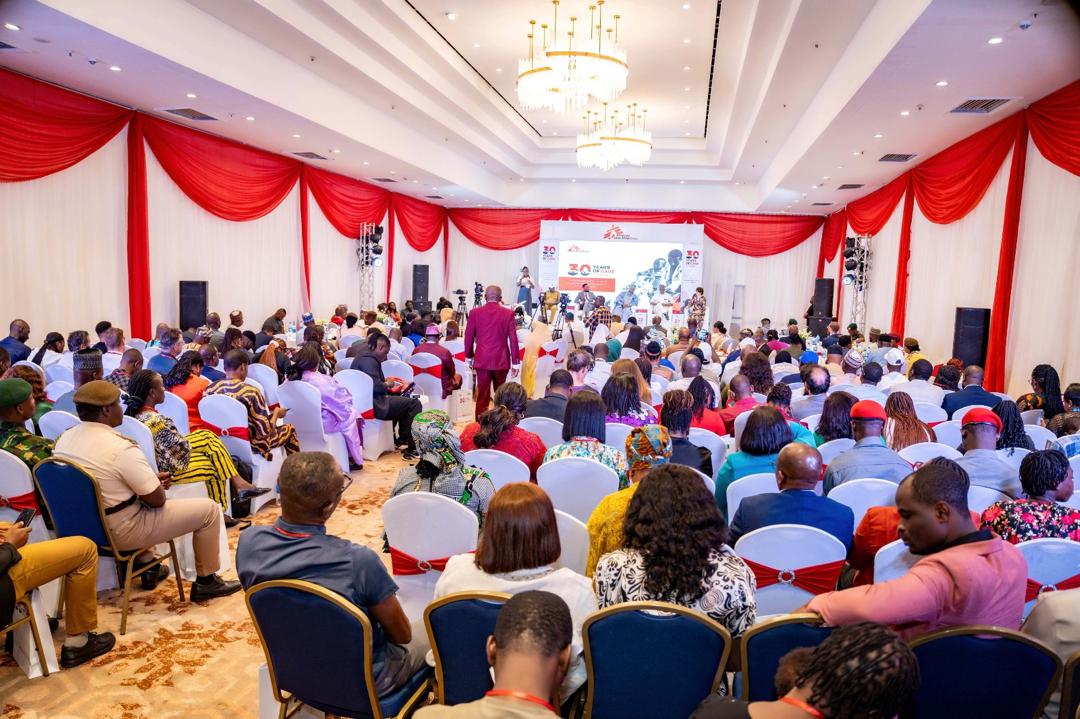
MSF Celebrates Three Decades of Saving Lives on Nigeria’s Humanitarian Frontline
By: Michael Mike
Thirty years after Médecins Sans Frontières (MSF) opened its humanitarian mission in Nigeria, the international medical organisation has marked three decades of reaching millions of people caught on the frontlines of disease outbreaks, displacement, emergencies and inadequate access to healthcare.
MSF, which commenced operations in Nigeria in 1996, said its three-decade journey had been defined by a sustained commitment to communities facing some of the country’s most difficult medical and humanitarian challenges.
The organisation’s intervention has spanned emergency and frontline healthcare, responses to disease outbreaks and crises, as well as medical support for vulnerable populations and communities where access to essential healthcare remains limited.
Marking the anniversary, MSF said the milestone was more than a celebration of its longevity in Nigeria, describing it as an opportunity to reflect on its partnership with Nigerian communities and the millions of people whose lives had been touched by its humanitarian work.
For three decades, the organisation has operated in an environment where emergencies can rapidly overwhelm communities and place additional pressure on an already challenged healthcare system. Its interventions have consequently taken medical services closer to people facing crises, including displaced and other vulnerable populations.
MSF said its history in Nigeria was shaped by responding to adversity and reaching people in need, regardless of the circumstances confronting them.
At the heart of the organisation’s work, it said, was the belief that access to healthcare should not be determined by privilege or circumstance.
That principle has informed its response to medical emergencies and its efforts to improve access to healthcare, particularly for vulnerable groups and children.
The organisation’s 30-year presence also reflects the changing nature of Nigeria’s humanitarian and public health landscape, where disease outbreaks, displacement and emergencies continue to expose vulnerable communities to heightened health risks.
In marking the anniversary, MSF said the experiences accumulated over three decades had strengthened its commitment to working alongside communities and healthcare professionals to confront medical emergencies and improve healthcare delivery.
The organisation said it would continue its humanitarian activities in Nigeria, working with communities and health workers to respond to emergencies and strengthen access to essential medical services.
Its anniversary comes as Nigeria continues to grapple with significant healthcare needs, particularly among populations whose access to medical services is constrained by poverty, displacement, emergencies or geographic isolation.
Against that backdrop, MSF’s three decades in the country have positioned the organisation as a longstanding humanitarian medical partner, providing frontline assistance at moments when communities are most vulnerable.
Reflecting on the journey, MSF said the millions of people reached over the years remained at the centre of its anniversary, underscoring the human dimension of three decades of humanitarian service.
From its arrival in Nigeria in 1996 to its continued response to emergencies today, the organisation said its mission remained anchored on one fundamental principle: reaching people in need with medical care when and where they require it.
MSF said the commitment would remain central to its work in Nigeria as it enters another chapter of its humanitarian presence in the country.
MSF Celebrates Three Decades of Saving Lives on Nigeria’s Humanitarian Frontline
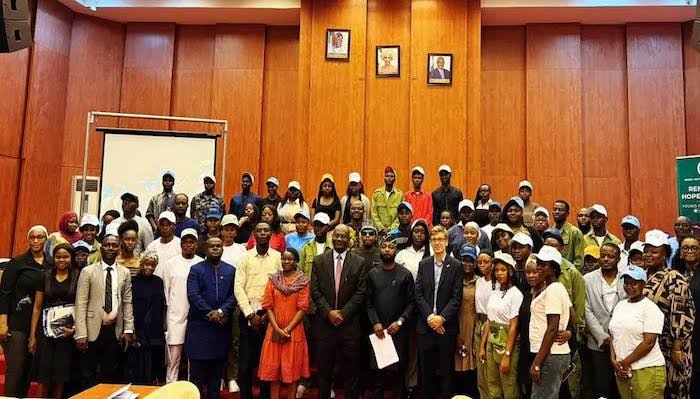
IPCR Urges Nigerians to Shun Violence, Hate Speech Ahead of 2027 Elections
By: Michael Mike
The Institute for Peace and Conflict Resolution (IPCR) has called on Nigerians to reject violence, inflammatory rhetoric, misinformation and disinformation as the country marks its 66th Independence Anniversary and prepares for the 2027 general elections.
The Institute warned that sustainable national development could not be achieved in an atmosphere of violent conflict, intolerance, exclusion and mistrust, urging political leaders and citizens to make peacebuilding and peaceful coexistence a shared responsibility.
The Director General of IPCR, Dr Joseph Ochogwu, made the call in an Independence Day statement issued on Wednesday, in which the Institute felicitated with the government and people of Nigeria on the October 1 anniversary.
Ochogwu said the anniversary provided an opportunity for Nigerians to reflect on the country’s journey since independence, celebrate its achievements and renew their commitment to building a peaceful, united, secure and prosperous nation.
He said the resilience and determination of Nigerians who continued to contribute to national development despite the country’s challenges deserved recognition, while stressing the need to strengthen democratic institutions and national cohesion.
With the 2027 elections approaching, IPCR urged political actors and their supporters to ensure that political competition remained within the bounds of law and democratic principles.
According to the Institute, political participation should respect the rights, dignity and opinions of fellow citizens, while elections should be viewed not only as contests for political power but also as opportunities for citizens to exercise their constitutional rights and strengthen democratic governance.
IPCR specifically called on political leaders, traditional and religious institutions, civil society organisations, the media and young people to promote dialogue, tolerance and constructive engagement in resolving disagreements.
It urged political actors and their supporters to reject actions capable of heightening tensions or undermining national cohesion, particularly inflammatory rhetoric, misinformation, disinformation and violence.
The Institute also called for stronger collaboration among government institutions, security agencies, communities and civil society organisations to prevent and respond to emerging conflicts.
It recognised the sacrifices of security agencies and other peace actors working to protect communities and maintain national security, while stressing that security measures must be complemented by sustained peacebuilding and conflict-prevention efforts.
IPCR further linked lasting peace to greater social and economic inclusion, calling for increased investment in peacebuilding, early warning and early response mechanisms, youth empowerment, social inclusion and community resilience.
It identified poverty, unemployment, exclusion and social injustice among the issues requiring sustained attention if Nigeria is to address the root causes of conflict and build lasting peace.
The Institute also emphasised the importance of inclusion in national development, describing Nigeria’s diversity as a major national asset and urging citizens to see themselves as stakeholders in a common national project irrespective of ethnic, religious, political, regional or social differences.
Ochogwu reaffirmed IPCR’s commitment to supporting government and other stakeholders in strengthening Nigeria’s peace architecture and promoting dialogue, tolerance and peaceful conflict resolution.
“As Nigeria enters another year of nationhood, the Institute urges citizens to work together in the spirit of ‘one nation, one people’ to build a peaceful, inclusive and prosperous country for present and future generations,” he said.
IPCR Urges Nigerians to Shun Violence, Hate Speech Ahead of 2027 Elections
News
“Identity Cannot Become a Death Sentence, Crime Must Be Treated as Crime, Not Ethnicity” MACBAN Warns Against Collective Blame in Plateau
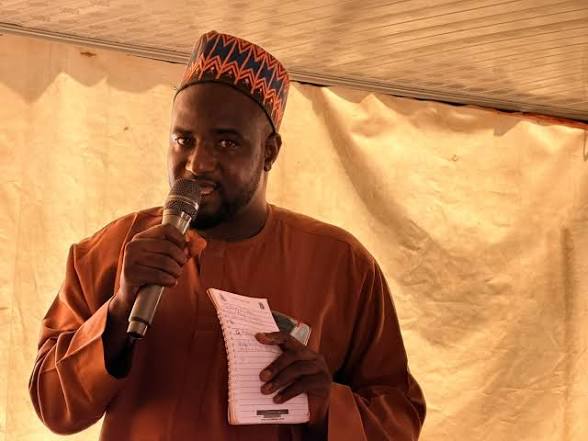
“Identity Cannot Become a Death Sentence, Crime Must Be Treated as Crime, Not Ethnicity” MACBAN Warns Against Collective Blame in Plateau
By: Zagazola Makama
The Assistant Youth Leader of Miyetti Allah Cattle Breeders Association of Nigeria (MACBAN), Barkin Ladi branch, Idris Saidu Adamu, has identified collective blame, civilian vigilantism, identity-based killings, social-media incitement and what he described as unequal treatment of displaced communities as major factors sustaining violence in Plateau State.
Adamu made the submission during an interaction with journalists in Plateau State, where he argued that lasting peace would remain difficult unless government and communities stopped treating criminality as a crime belonging to a particular ethnic or religious group.
He said the presence of criminals in every community should make investigation, evidence and due process the basis for determining responsibility for crimes.
“We are having criminals in all parts. Every tribe, every religion has criminals.”
According to him, one of the most dangerous developments in the Plateau crisis is the practice of civilians taking the law into their own hands whenever an incident occurs.
Adamu alleged that while the Fulani community generally accepts the prosecution of suspects arrested for crimes, there have been instances where community members from other groups have protested against the arrest or prosecution of suspects from their communities.
“As far as the Fulani community in Plateau State is concerned, we have never protested the arrest of any criminal that was. In fact, we want the law to take its course on any criminal that is caught.”
He added: “But on the contrary, in the part of the natives and other tribes, when a criminal is caught, they will come out and protest that such a criminal should not be prosecuted.”
Adamu said such behaviour creates an environment in which criminal suspects can become protected by communal identity, while victims and security agencies are placed under additional pressure.
‘If suspect is not caught, it must be Fulani’
The MACBAN youth leader also accused sections of the population of prematurely attributing crimes to Fulani people whenever the actual perpetrators are not immediately identified.
“If there is any ordinary incident that happens, be it a kidnapping, be it a robbery, anything, any criminality that everyone is capable of doing, if the suspect or the criminal is not caught, the final conclusion to the negative crimes is that it must have been committed by a Fulani.”
He said such assumptions can transform an ordinary criminal investigation into an ethnic confrontation.
Adamu cited Mushere as an example, recalling the kidnapping of the father of former Plateau State Governor Joshua Dariye.
He claimed that the initial suspicion at the time was that Fulani people were responsible, but that subsequent investigations, according to his account, pointed to individuals from the same community as the victim.
“The first thing they did that time was that it was Fulani that kidnapped him. But investigations later revealed that it was his close ally, his tribesman, that kidnapped him under the leadership of one Jethro Bassey.”
That historical claim was presented by Adamu as an illustration of the danger of assigning ethnic responsibility before investigations are completed.
May 2025 Mushere violence
Adamu also referred to the violence that followed the killing of a pastor in the Mushere area in May 2025, arguing that accusations against Fulani residents should have been subjected to investigation before retaliatory action was taken.
Contemporary reports from May 2025 documented the killing of Pastor Mimang Lekyil in Kwakas-Mushere and subsequent violence, including the reported burning of Fulani structures by youths, followed by further killings in Mbor and surrounding communities. Accounts of responsibility for the attacks differed, underscoring the complexity of the sequence of events.
Adamu said: “Instead of them to just let the allegation and fall back and allow security agencies to investigate, they came out and protested it. They began to pull in first that Fulani houses and they burn houses. They killed people on the 27th of May 2025.”
He alleged that Fulani residents were subsequently forced out of Mushere Central and neighbouring areas.
“So they chased all Fulani people out of Mushere central and all other neighboring areas in Mushere city.”
He argued that the incident demonstrated how an allegation, when converted into communal action without investigation, could produce a cycle of retaliation and further displacement.
Adamu further alleged that women confronted security personnel during the violence, some soldiers were wounded, and their houses were burnt while people were inside.
‘Identity cannot become a death sentence’
The MACBAN Youth Leader said another dimension of the crisis was the targeting of passengers travelling on public transportation simply because of their ethnic or religious identity.
“Passengers, people who are in public transit, that are moving from one place to another, they don’t even know what is happening where. They will be singled out of public bus and killed on highway because of their identity.”
He described this as unacceptable, arguing that an individual’s ethnicity or religion cannot constitute evidence of criminal involvement. “That one too must be stopped.”
This, perhaps more than any other issue, goes to the heart of Plateau’s security challenge: when identity becomes a substitute for evidence, ordinary criminality can rapidly become communal violence.
A kidnapper, robber or killer should be identified through investigation, intelligence and evidence. The failure to immediately identify a suspect cannot legitimately become proof against an entire ethnic group.
Social media and the escalation of violence
Adamu also raised concerns over social-media activity by individuals he described as influential figures who allegedly use their platforms to encourage retaliation and violence.
“You will see people that are supposed to be leaders, people that are supposed to take responsibility for this trend, they will come out and gather people and record it and put on social media.”
He alleged that some messages amount to direct calls for attacks. “They are calling for anarchy in this land.”
According to him, repeated public calls for violence should attract the attention of law-enforcement agencies.
“If one Fulani person will come out and do that on social media space, he will not stay more than 24 hours without being arrested.”
In addressing such allegations, however, the same principle of due process should apply: credible threats or incitement to violence should be investigated on the basis of evidence, while lawful expression should not itself be treated as a crime.
Political will and the question of displaced Fulani communities
Adamu said the deeper challenge was what he described as a lack of political will to apply peace and resettlement policies equally to all communities.
“That lack of political will, in fact, anything that we want to do, as far as we are doing it in order to have a lasting peace in this land, that political will must be there.”
He argued that government should not distinguish between displaced citizens on the basis of ethnicity or religion.
“You cannot be segregating among people who are supposed to be your subjects.”
He said some Fulani families who had lived for years in Plateau communities, owned houses and farmland, and established livelihoods had been forced to leave their homes during periods of violence.
“They are chased away. Some of them are now taking refuge in Bauchi, some are in other parts of Plateau.”
According to him, the question of their return has received insufficient attention.
“But this government has never talked about how to resettle the Fulani people back to where they were born and brought up.”
Adamu contrasted this with public calls for other displaced communities to return to their ancestral homes.
“But they are always saying that natives that have been displaced should go back to their houses.”
“Identity Cannot Become a Death Sentence, Crime Must Be Treated as Crime, Not Ethnicity” MACBAN Warns Against Collective Blame in Plateau

MSF Celebrates Three Decades of Saving Lives on Nigeria’s Humanitarian Frontline

Borno Police Explains Arrest, Prosecution of Five Over Alleged Thuggery

IPCR Urges Nigerians to Shun Violence, Hate Speech Ahead of 2027 Elections

Roger Federer’s Shock as DNA Results Reveal Myla and Charlene Are Not His Biological Children

THE PLIGHT OF FARIDA

FAILED COUP IN BURKINA FASO: HOW TRAORÉ NARROWLY ESCAPED ASSASSINATION PLOT AMID FOREIGN INTERFERENCE CLAIMS
-
 News3 years ago
Roger Federer’s Shock as DNA Results Reveal Myla and Charlene Are Not His Biological Children
-
Opinions5 years ago
THE PLIGHT OF FARIDA
-
 News1 year ago
FAILED COUP IN BURKINA FASO: HOW TRAORÉ NARROWLY ESCAPED ASSASSINATION PLOT AMID FOREIGN INTERFERENCE CLAIMS
-

 News3 years ago
EYN: Rev. Billi, Distortion of History, and The Living Tamarind Tree
-
 Opinions5 years ago
POLICE CHARGE ROOMS, A MINTING PRESS
-

 ACADEMICS3 years ago
A History of Biu” (2015) and The Lingering Bura-Pabir Question (1)
-

 Columns3 years ago
Army University Biu: There is certain interest, but certainly not from Borno.
-

 Politics1 year ago
2027: Why Hon. Midala Balami Must Go, as Youths in Hawul and Asikira/Uba Federal Constituency Reject ₦500,000 as Sallah Gift
