
Politics
2027: Nigeria Needs Issue-Based Political Discourse and Genuine Leadership


2027: Nigeria Needs Issue-Based Political Discourse and Genuine Leadership
By: Dr James Bwala
Going through the pages of newspapers, the drama that is taking over Nigeria’s approaches to the 2027 presidential elections is disconcerting. The pattern that dominates the political landscape speaks less of the personalities falling over themselves as the days unfolded. Politicians are fixated more on personal attacks and partisan squabbles than on substantive discussions about national challenges and solutions. This trend is not only counterproductive but also detrimental to Nigeria’s democratic progress and socio-economic development. For a country grappling with profound insecurity, widespread poverty, and pervasive corruption, the electorate deserves leaders who prioritise meaningful dialogue about policies and governance rather than engage in divisive rhetoric and political mudslinging.
The current state of political discourse reveals a troubling shift away from issue-based debates towards an obsession with personalities and irrelevant vendettas. A glaring example is the recent exchange between supporters of President Bola Tinubu and former Vice President Atiku Abubakar. When an Atiku supporter lambasted President Tinubu by questioning the public’s knowledge of his father, it exposed not only the pettiness of political arguments but also their irrelevance to the electorate’s pressing concerns. Ironically, the same critic forgets that Atiku himself has little public discourse about his own paternal background, underscoring how such personal attacks add no value to the presidential contest. More importantly, the lineage or parentage of these candidates bears absolutely no relevance to their ability to govern Nigeria effectively or address the nation’s myriad problems. Yet, this shallow focus distracts from urgent national issues that demand serious attention.
Similarly, Tinubu’s supporters have largely resorted to celebratory chants like “On your mandate we shall stand” instead of articulating and showcasing the tangible achievements or policy successes under the Tinubu-Shettima administration. Such displays may cultivate loyalty among core supporters but do little to persuade undecided voters or sceptics who seek evidence of competent governance. What Nigerians require are detailed outlines of policy frameworks and measurable progress reports on security, economic reforms, healthcare, education, and anti-corruption efforts—outcomes that directly impact daily lives. The absence of these critical conversations speaks volumes about the superficiality permeating political campaigns.
The disturbing episode involving Bishop Onayinkon and the Sultan of Sokoto further exemplifies the politics of distraction. While these revered figures occasionally become embroiled in political controversies, the essential “table” where politicians should lay down concrete plans remains conspicuously empty. Whether in the ruling party or the opposition, there is scant evidence of genuine engagement with the core issues undermining Nigeria’s stability and prosperity. Instead, time and resources are expended on symbolic gestures or media-driven theatrics rather than strategic policymaking and governance innovation.
As the opposition coalition attempts to regroup, with Atiku and Peter Obi supporters exploring alliances like the new G-100 coalition, numerous questions arise. For the new G-100 coalition, numerous questions loom large. Can these groups, historically divided by ideology and political ambition, genuinely reconcile and formulate a cohesive governance blueprint? Or will their efforts devolve into another round of factionalism and power struggles that fail to address Nigeria’s fundamental needs? The success or failure of such coalitions will significantly influence Nigeria’s political trajectory, underscoring the imperative for unity premised on substantive policy alignment rather than mere electoral arithmetic.
Giving this background, the broader socio-political context cannot be ignored. Nigeria’s challenges are deeply entrenched and multifaceted. Insecurity remains pervasive, with insurgency, banditry, kidnappings, and communal conflicts destabilising communities and eroding citizens’ confidence in government protection. Simultaneously, poverty continues to ravage millions, with economic inequality starkly visible in urban slums and rural hinterlands alike. Corruption, the perennial cancer afflicting governance structures, persists despite institutional anti-corruption agencies’ existence, largely due to weak enforcement, political interference, and lack of transparency.
Regrettably, government bodies tasked with combating these challenges have yet to deliver tangible results that speak at the grassroots level. Public trust in institutions is waning, and this vacuum often fuels apathy or cynicism during elections. Adding to the complexity, grassroots conversations across Nigerian towns and villages reveal a palpable anxiety about the future. Voters whisper tentative plans, alliances, and expectations ahead of 2027, signifying both hope and uncertainty. These silent discourses often escape mainstream political narratives but are crucial indicators of public sentiment and priorities.
From all indications, a critical juncture lies ahead. The political actors have a clear choice: continue with self-serving battles and distractions that risk further destabilising Nigeria’s fragile democracy, or rise above partisan bickering to offer authentic leadership grounded in ideas, solutions, and national interest. Nigerians deserve a “full table” of ideas—a comprehensive agenda addressing insecurity, poverty alleviation, systemic corruption, economic diversification, infrastructure development, education reform, and social cohesion. Without this, the elections risk becoming a mere spectacle of personalities rather than a genuine exercise in democratic renewal.
The fact remains that the 2027 Nigerian presidential elections must transcend the current culture of personal attacks and symbolic posturing. For Nigeria to progress, politicians must shift focus from criticising each other’s lineage or engaging in hollow celebrations to presenting substantive plans that respond to the nation’s critical challenges. The electorate deserves leaders who speak boldly about what they can contribute to Nigeria’s development and who demonstrate commitment to transparent governance and inclusive growth. Only through such a transformation in political discourse can Nigeria hope to build a more secure, prosperous, and united future. The days ahead will reveal whether Nigerian politicians choose to build bridges or deepen divisions—but the stakes could not be higher for the country and its people.
- James Bwala, PhD, writes from Abuja.
- 2027: Nigeria Needs Issue-Based Political Discourse and Genuine Leadership




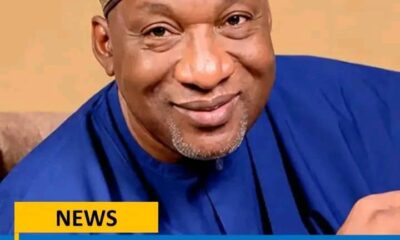


2027: VP Shettima Rallies Northern Artists For President Tinubu’s Second Term
** *Says president’s reelection non-negotiable for Nigeria’s prosperity, national unity
** *As northern-based professionals in creative industry pledges full support for president’s return, election of all APC candidates
By: Our Reporter
The Vice President, Senator Kashim Shettima @officialSKSM, has appealed to northern-based professionals in the creative industry to support the re-election of President Bola Ahmed Tinubu @officialABAT in the interest of fairness and the unity of the Nigerian project.
He said the President deserves the support of the North, assuring the group of Northern artists that the Tinubu administration will continue to support the growth of the entertainment industry in the region.
Speaking on Wednesday during an audience with a delegation of Northern Performing Artists under the auspices of Triple-R For Renewed Hope at the All Progressives Congress (@officialAPCNg) campaign office in Abuja, Senator Shettima emphasised that the region stands to benefit significantly from the administration’s creative economy initiatives.
According to him, President Tinubu deserves the collective support of the North, as the federal government under his watch was implementing policies designed to empower local talent, stimulate cultural preservation, and generate economic opportunities through the creative arts.
Underscoring the importance of reciprocal support from Northern stakeholders to ensure the seamless execution of the administration’s Renewed Hope Agenda, the Vice President assured the delegation that the federal government will continue to roll out targeted interventions to support regional artists, filmmakers, and musicians.
On the gains of the reforms being undertaken by the Tinubu administration, VP Shettima urged the group to remain steadfast with the government and the APC as a party, maintaining that the benefits of its programmes and policies will continue to manifest across different sectors in the coming months and years.
Earlier, the Director-General of the Presidential Campaign Council, Sen. Abdulaziz Yari, said the re-election of President Tinubu in the 2027 general elections would be based on facts and achievements, while urging support groups and individuals to be guided by the performance of the administration.
He also called on creative industry professionals to disregard claims by political opponents about the exclusion of the North in terms of appointments and projects, stating that the region has been fairly treated by the current administration and remains an integral part of the country’s democratic journey.
In his remarks, the Deputy Director General, Parliamentary Mobilization, APC Presidential Campaign Council and former governor of Katsina, Aminu Bello Masari, thanked the creative industry professionals for their resolve to support all APC candidates, including President Tinubu, in the forthcoming general elections.
He said the programmes of the Tinubu administration and its policies are positively impacting the fortunes of creative industries, urging professionals to leverage the opportunities enhanced by the administration to improve their lives and livelihoods.
Former Kano State Governor and APC National Chairman, Dr. Abdullahi Umar Ganduje, thanked the group for their support. He urged them to stand for justice, fairness, and inclusiveness to ensure the re-election of President Tinubu in 2027.
Acknowledging the commitment, love and passion of the group in supporting the party’s candidates across all levels, Ganduje insisted that Triple-R For Renewed Hope remained one of the most organic support groups of the APC in the country.
He advocated the enhancement of the entertainment industry in Nigeria through the provision of infrastructure and training of upcoming artistes from the region.
For his part, President of Triple-R For Renewed Hope, Alhaji Dauda Kahutu Rarara, pledged the support of the group for the reelection of President Tinubu and all other candidates of the party across thw north.
He noted that northern Nigerian creatives remain focused on building a united front to support the reelection of President Tinubu and regional APC candidates.
He said the support of northern-based professionals was organic and based on performance, noting that all professionals in the film industry from the northern part of the country were united in supporting all APC candidates in the 2027 elections.
Also, National Chairman of the group, Alhaji Lawan Ahmad, and Secretary of Triple-R For Renewed Hope, Alhaji Ahmad Bifa, who spoke separately, expressed their readiness to work for the success of President Tinubu and all the APC candidates in the forthcoming elections.
They sought the support of the federal government in the reorganisation of the creative industry in northern Nigeria, particularly in the provision of the necessary infrastructure and wellbeing of professionals.
2027: VP Shettima Rallies Northern Artists For President Tinubu’s Second Term
Politics
2027: President Tinubu, Health Rumours, Politics And Response of Confidence and Responsibility

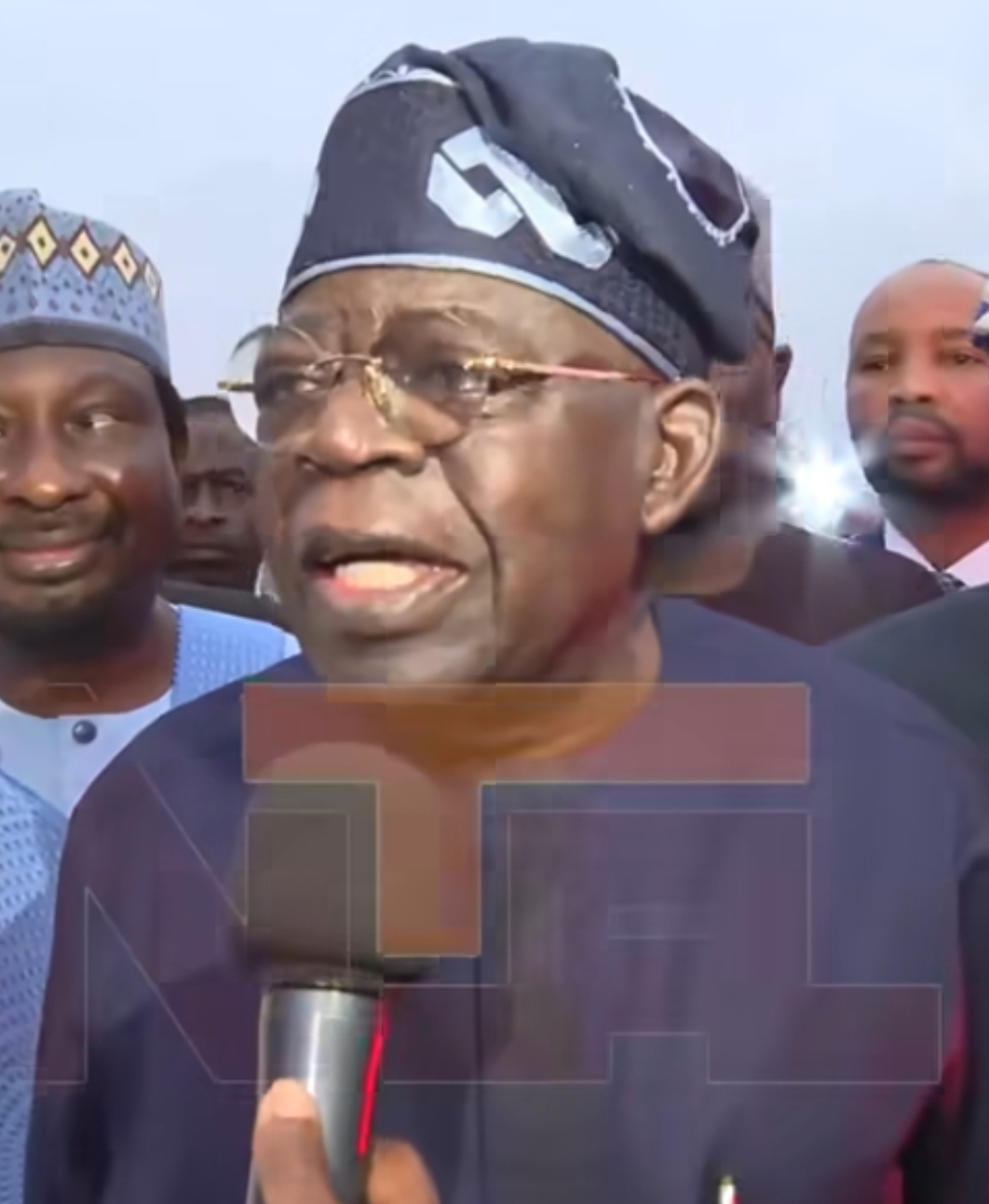
2027: President Tinubu, Health Rumours, Politics And Response of Confidence and Responsibility
By: Dr James Bwala
Rumours about the health of Nigeria’s President Bola Ahmed Tinubu have travelled far and wide, especially in the camps of the opposition, who speak about it with pride and confidence. Within the ruling All Progressive Congress, APC corners talks and whispers rent the humid air with silent prayers. But it is common for everyone to fall sick, with no barrier between the mighty and the lowly. The rich and the poor all have tasted it either way. In politically competitive environments, sadly, it becomes a celebration of sorts to see an opponent in a weakening state, even if it is illness. So the rumours take the air about President Tinubu. This has generated anxiety, affected public confidence, and distracted attention from important national issues with such mindless imagination in politics. However, at the end of his vacation in the United Kingdom and France, President Bola Ahmed Tinubu addressed speculation about his health during an interview in Lagos. In a brief but confident statement, he said, “I enjoyed myself. Ready to kick, ready to walk – there is nothing wrong. Rumours will always be emanating from politics, but the fact remains I am here healthy, sound and ready to go.”
The president’s response was more than a personal denial. It was a direct attempt to reassure Nigerians, challenge opposition narratives, and redirect public attention toward the responsibilities of governance. His words presented a picture of a leader who was physically active, mentally prepared, and willing to continue discharging his duties. While public officials must be open and accountable about matters that affect their ability to govern, the president’s statement also reminds the public that political rumours should not automatically be treated as facts.
The central strength of President Tinubu’s response was its simplicity. Rather than offering a long explanation or engaging in an extended argument with his critics, he used a few direct words to communicate confidence. The expressions “ready to kick” and “ready to walk” conveyed energy, mobility, and readiness. His declaration that there was “nothing wrong” was intended to remove doubts and reassure citizens who might have been concerned by reports circulating in political and media circles.
In an age when public figures often respond to rumours with lengthy statements, legal threats, or aggressive attacks on their opponents, the president’s brief response was strategically effective. It demonstrated that he did not consider the claims serious enough to require an elaborate defence. By stating that he had enjoyed himself during his vacation and was returning healthy and sound, he presented himself as calm rather than defensive. This tone can be persuasive because confidence is often communicated not only through the content of a message but also through the manner in which it is delivered.
The president’s response also placed the rumours within the wider context of politics. His observation that “rumours will always be emanating from politics” acknowledged a reality of democratic competition. Opposition parties and political actors frequently scrutinise the government and may use every opportunity to question the competence, strength, or stability of those in power. Such scrutiny is legitimate when it is based on facts and directed toward the public interest. However, political competition can become harmful when it relies on unverified claims, personal attacks, or speculation about an individual’s private condition.
Health rumours are particularly sensitive because they concern both personal privacy and public responsibility. On one hand, every individual, including a president, has a right to dignity and reasonable privacy. On the other hand, the president’s health is a matter of national interest because the office involves demanding constitutional, administrative, and diplomatic responsibilities. Citizens are entitled to confidence that their leader is capable of carrying out those responsibilities. This balance requires transparency without sensationalism and accountability without cruelty.
President Tinubu’s statement attempted to achieve that balance by offering a direct public assurance. He did not dismiss the concerns of citizens as entirely irrelevant; rather, he addressed them by affirming his physical condition and readiness to work. His words suggested that Nigerians should judge his capacity through his visible activities and official performance, not through rumours circulated for political purposes.
The president’s response was also important because uncertainty can have consequences beyond public discussion. Persistent rumours about the health of a national leader may affect investor confidence, government morale, international perceptions, and the stability of political institutions. In a country facing economic pressures and social challenges, unnecessary uncertainty can deepen public anxiety. A clear message from the president can therefore help to reduce speculation and restore attention to policy matters.
Nevertheless, reassurance alone cannot permanently resolve questions about a leader’s health. In a modern democracy, trust is built through consistent transparency and observable performance. Citizens may accept a president’s statement, but they also expect to see evidence of effective leadership in the form of regular public engagements, active participation in government affairs, and the timely execution of official duties. Words are important, but they gain credibility when supported by action.
For this reason, the president’s assurance should be understood as the beginning of a broader responsibility rather than the end of the matter. If the administration wishes to prevent health rumours from recurring, it must maintain a clear and credible communication strategy. The presidency should provide timely information about the president’s official schedule, public engagements, and periods of absence. Such communication would not require the disclosure of private medical details. It would simply enable citizens to distinguish between legitimate information and politically motivated speculation.
The opposition, for its part, also has a responsibility to conduct itself with restraint. In a democracy, the opposition is expected to question government decisions, expose weaknesses, and offer alternative policies. It should not, however, rely on unverified health claims as a substitute for substantive criticism. The most effective opposition is one that challenges the government on issues such as economic management, unemployment, security, education, healthcare, and institutional accountability. Personal rumours may attract temporary attention, but they do little to advance national debate.
A political system becomes healthier when criticism is focused on performance rather than personal attacks. If the opposition believes that the president is unable to perform his duties, it should present credible evidence and use constitutional and democratic channels. If no such evidence exists, spreading rumours is irresponsible. It can damage not only the reputation of the president but also the credibility of the opposition and the stability of the nation.
The media also plays a major role in shaping public understanding of health-related claims. Journalists have a duty to verify information before publishing or broadcasting it. Sensational headlines based on anonymous sources, social media posts, or political gossip can create unnecessary fear. Responsible journalism should distinguish between confirmed facts, official statements, and unverified allegations. It should also give the public context rather than simply repeating rumours.
At the same time, citizens must develop the habit of evaluating political information critically. Social media has made it possible for false claims to spread rapidly, often before facts can catch up. A photograph, video clip, or anonymous message may be presented as proof of illness even when it has been taken out of context. Nigerians should therefore ask important questions: What is the source of the information? Has it been independently verified? Is the claim supported by credible evidence? Could it be part of a political strategy?
President Tinubu’s choice to respond personally was significant because it placed his own voice at the centre of the discussion. In political communication, personal engagement can be more effective than a statement issued solely by aides. By speaking in Lagos and describing himself as healthy, sound, and ready to work, he sought to show that he was not hiding behind official machinery. His response communicated immediacy and confidence.
However, the effectiveness of such a response depends on the public’s existing level of trust. Where citizens already have confidence in a leader, a brief assurance may be sufficient. Where distrust is widespread, a simple denial may not satisfy everyone. This is why the broader conduct of the administration matters. Transparency in governance, regular communication, and visible institutional accountability can strengthen the credibility of presidential statements.
The president’s words also reflected a determination not to allow political rumours to define his administration. By saying that he was “ready to go”, he presented himself as focused on the work ahead. This is particularly important for a country facing complex challenges, including economic hardship, inflation, insecurity, unemployment, and institutional reform. The nation needs its political leaders to concentrate on solving these problems rather than spending excessive time responding to every allegation.
Yet dismissing rumours should not mean dismissing legitimate public concern. Political leaders must understand that citizens are not always motivated by malice when they ask questions about a president’s health. In many cases, concern arises from the importance of the office and from past experiences in which information was withheld from the public. A respectful and transparent response is therefore preferable to insults or intimidation. The public deserves facts, while the president deserves fairness.
Ultimately, President Tinubu’s statement was persuasive because it combined personal assurance with a broader criticism of political rumour-mongering. His message was short, direct, and confident: he had enjoyed his vacation, remained physically capable, and was prepared to continue his duties. By describing the rumours as a product of politics, he urged Nigerians to separate genuine public interest from partisan speculation.
The proper response to the president’s statement should be neither blind acceptance nor automatic disbelief. Nigerians should respect his assurance while continuing to judge his fitness for office through constitutional procedures, public performance, and credible information. Opposition parties should focus on evidence and policy. The media should verify claims. Citizens should reject sensationalism.
* James Bwala, PhD, writes from Abuja
2027: President Tinubu, Health Rumours, Politics And Response of Confidence and Responsibility
Politics
Gubio 2027: The Next Governor of Borno Is Signalled by Solidarity Visits and Campaign Support
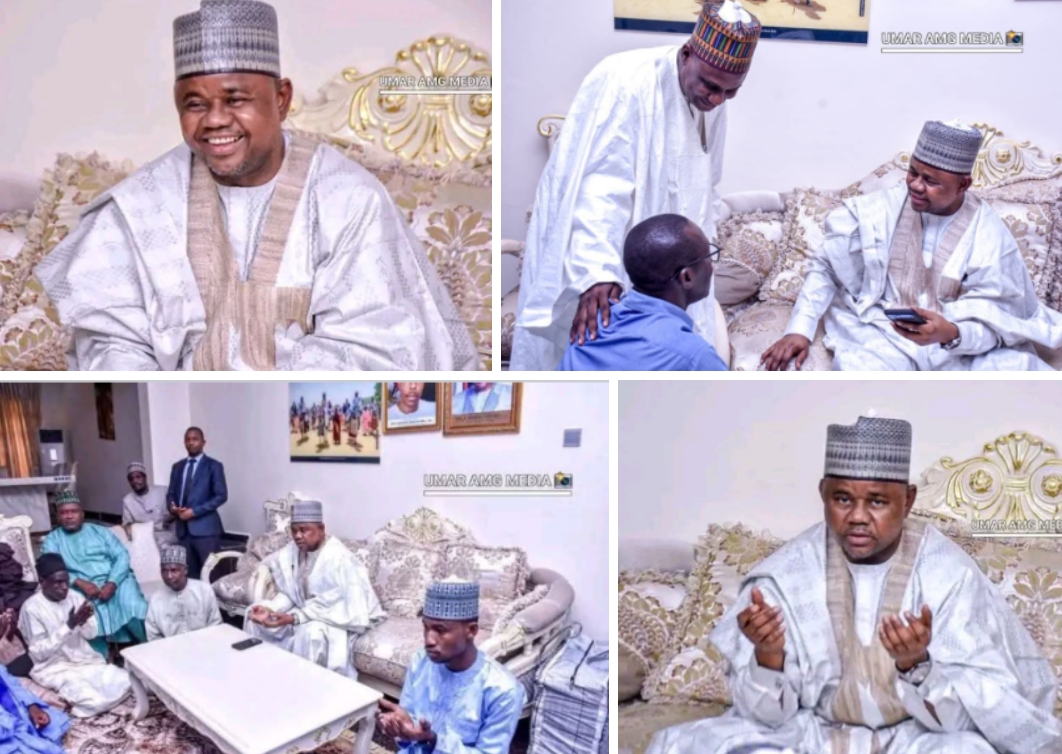
Gubio 2027: The Next Governor of Borno Is Signalled by Solidarity Visits and Campaign Support
By: Dr James Bwala
As Borno State prepares for the 2027 governorship election, political activities are gradually gaining momentum. Across the state, citizens, community leaders, professional groups, youth organisations, women’s associations and political stakeholders are beginning to express their preferences and expectations. Among those receiving increasing attention is the All Progressives Congress (APC) gubernatorial candidate, Engr. Alhaji Mustapha Gubio, FNSE.
Recently, Gubio has continued to receive solidarity visits and campaign support from various clubs, associations, community groups and stakeholders. These engagements have brought together no fewer than 25 forums and groups, each presenting messages of support, campaign materials and other items to strengthen political mobilisation across Borno. While such activities are part of the normal process of political campaigning, their scale, diversity and consistency suggest something more significant: a growing public confidence in Gubio’s leadership capacity and political vision.
READ ALSO: https://newsng.ng/tinubu-kashim-shettima-and-nigerias-call-for-a-more-representative-united-nations/
The importance of these visits lies not merely in the number of people attending or the quantity of materials presented. Their deeper meaning can be found in the breadth of the groups involved and the shared conviction that Engr. Alhaji Moustache Gubio represents a credible path toward continuity, inclusion and sustainable development in Borno State. Political support is rarely built on one factor alone. It is usually the result of personal reputation, community engagement, trust, competence and the belief that a candidate can respond effectively to the challenges facing society. The solidarity being expressed toward Gubio indicates that many stakeholders see these qualities in him.
One of the strongest features of the recent engagements is the diversity of the groups involved. The groups received by Engr. Gubio includes Gubio Youths Patriotic, Kaumi Group, Gubio Peace & Progress Bura Kime, State Monitor FIRS, Jr. H.E. AMG, Almisikin BG Ali Kawu, Bar Mallum L. Kur, Hon. Mustapha Kur Konduga, Amma B. Lmisula and others, Elefaruk and Zannah Solidarity PVC, Borno Zulum Campaign Organisation, Gubio Youths Generation Club, Monguno Old Boys Prof. Sulumbe, Cap Washing Association, Bolori Community, AMG Progressive Movement, Gubio APC E-Registration Members, Modu Gambo Team Kasuwa Shanu, Dr Zainab Eyn Women Christian, Six Digit Committee Members and Elbash Group, among others.
READ ALSO: https://newsng.ng/tinubu-kashim-shettima-and-nigerias-call-for-a-more-representative-united-nations/
This range of support is politically meaningful because it cuts across different sections of society. It includes youth groups, community forums, women’s organisations, professional networks, political associations, grassroots mobilisers and local stakeholders. A candidate who attracts support from such a broad coalition is better positioned to understand the varied concerns of the electorate. The needs of young people may differ from those of community elders; the priorities of women’s groups may not always be identical to those of professional associations. However, a broad-based support structure creates an opportunity for dialogue and collective problem-solving.
The solidarity visits also show that political mobilisation in Borno extends beyond elite meetings and formal party structures. Grassroots organisations are actively participating in the process. Their involvement shows that citizens want to play a direct role in determining the future direction of the state. When groups make the effort to visit a candidate, present campaign materials and publicly express their support, they are not simply observing politics from a distance. They are investing their time, resources and organisational energy in a political project they consider worthwhile.
READ ALSO: https://newsng.ng/tinubu-kashim-shettima-and-nigerias-call-for-a-more-representative-united-nations/
The materials presented during the visits further illustrate the seriousness of the support. The Lawan Bukar Community Elders Forum presented 1,000 campaign posters, 1,000 wrappers, T-shirts and 500 face caps. The Gubio Youths and Progress Forum, led by its chairman from Bura Kime, presented 300 wrappers and campaign banners. Ahmed Malam Ali, Chairman of Gubio Youths Patriotic, presented six bales and 100 wrappers.
These contributions are significant because they reflect active participation rather than passive endorsement. Campaign materials help communicate political messages, but they also serve as symbols of collective ownership. When supporters contribute posters, wrappers, T-shirts, banners and face caps, they demonstrate their willingness to identify publicly with a candidate. In communities where political loyalty is often expressed through physical presence and direct engagement, such gestures can carry considerable weight.
More importantly, these contributions suggest that supporters are prepared to take responsibility for spreading Gubio’s message. They are not waiting for the candidate or the party to do everything. Instead, they are organising themselves, mobilising their communities and supporting the campaign with available resources. This type of participation can become a powerful foundation for an effective grassroots campaign ahead of the 2027 general elections.
READ ALSO: https://newsng.ng/tinubu-kashim-shettima-and-nigerias-call-for-a-more-representative-united-nations/
Another important aspect of the engagements is the response of Engr Gubio himself. Receiving the groups, he expressed appreciation for their solidarity visits and contributions, commending them for their commitment and support. His response was not limited to gratitude. He also assured the groups of continued engagement and promised that, if elected in 2027, his administration would work with communities and stakeholders toward sustainable development across Borno State.
This commitment to continued engagement is particularly important in contemporary governance. Citizens increasingly expect leaders to maintain communication with them beyond election periods. A government that listens to communities, consults stakeholders and includes citizens in development planning is more likely to design policies that respond to real needs. Sustainable development cannot be achieved through government action alone. It requires cooperation among public institutions, traditional leaders, community associations, youth groups, women’s organisations, private-sector actors and professional bodies.
Gubio’s assurance of partnership therefore presents a governance model based on consultation and inclusion. If translated into practice, such an approach could help strengthen trust between government and citizens. It could also improve accountability, as stakeholders who participate in development discussions are more likely to monitor projects and demand responsible use of public resources.
READ ALSO: https://newsng.ng/tinubu-kashim-shettima-and-nigerias-call-for-a-more-representative-united-nations/
Borno State faces complex challenges that require competent and collaborative leadership. The effects of insecurity, displacement, limited economic opportunities, infrastructure deficits and social disruption cannot be addressed through isolated interventions. The state needs a leadership team capable of combining technical knowledge with political sensitivity and grassroots understanding. As an engineer and professional, Gubio is expected to bring an analytical and development-oriented perspective to governance. His professional background, combined with his current engagement with communities and political stakeholders, may position him to contribute meaningfully to the state’s reconstruction and development agenda.
However, the significance of the current support should not be understood as a substitute for policy debate. Solidarity visits and campaign materials are important expressions of political confidence, but the 2027 election must ultimately be decided by the quality of ideas, programmes and leadership commitments presented to the people. Supporters of Gubio will need to articulate clearly what distinguishes his vision from those of other candidates. They must explain how his administration would improve security, education, healthcare, agriculture, youth employment, women’s empowerment, infrastructure and economic development.
The candidate, for his part, must continue to transform goodwill into a clear and realistic policy platform. He must demonstrate how his proposed programmes would be funded, implemented and evaluated. He must also show that his commitment to stakeholder engagement would extend to all communities, including those that may not initially support his candidacy. True leadership is measured not only by the ability to attract supporters but also by the capacity to serve the entire population fairly after election.
READ ALSO: https://newsng.ng/tinubu-kashim-shettima-and-nigerias-call-for-a-more-representative-united-nations/
The growing solidarity around Gubio nevertheless offers an encouraging foundation. It indicates that many people are already willing to participate in a campaign centred on development and collective action. The presence of elders, youths, women, community groups and professional associations suggests that the campaign has the potential to become a broad movement rather than a narrow political organisation. If properly managed, this coalition can promote peaceful participation, issue-based campaigning and constructive engagement across the state.
Political campaigns should not deepen divisions. In a state that has endured serious challenges, the 2027 election should be an opportunity for citizens to discuss their aspirations and assess the capacity of candidates. Gubio’s engagements with different groups can contribute to this process if they remain focused on respect, unity and the delivery of practical solutions. Supporters should be encouraged to campaign responsibly, avoid inflammatory language and place Borno’s collective interest above personal or sectional considerations.
The current pattern of solidarity visits therefore speaks volumes about the political possibilities surrounding Engr Alhaji Mustapha Gubio. It reflects growing organisation at the grassroots, confidence among diverse stakeholders and a willingness to invest in his campaign. The posters, wrappers, banners, T-shirts and face caps may appear to be simple campaign items, but collectively they represent commitment, identity and shared expectation.
READ ALSO: https://newsng.ng/tinubu-kashim-shettima-and-nigerias-call-for-a-more-representative-united-nations/
Ultimately, the strength of Gubio’s candidacy will depend on how effectively he converts this support into a coherent programme for governance. The people of Borno will expect more than promises. They will demand competence, integrity, inclusiveness and measurable results. If Gubio sustains his engagement with communities, communicates a clear development agenda and remains committed to accountable leadership, the solidarity currently surrounding him could become a decisive political advantage.
The 2027 governorship election is still ahead, but the message from these visits is already clear: a significant number of Borno stakeholders are prepared to stand with Mustapha Gubio and support his journey. Their solidarity suggests that they see in him the possibility of a governor who listens, collaborates and works toward sustainable development. Whether that confidence ultimately translates into electoral victory will depend on the campaign ahead, but the foundation is unmistakable. In Borno’s evolving political landscape, the voices, contributions and organised activities of these groups are speaking loudly—and they are pointing toward Gubio in the 2027 arrangements.
- James Bwala, PhD, writes from Abuja
Gubio 2027: The Next Governor of Borno Is Signalled by Solidarity Visits and Campaign Support

Troops storm suspected IPOB-linked camp across treacherous waters in Anambra, recover arms, explosives materials

Kidnapped Plateau resident regains freedom after security pressure

Troops arrest suspected ISWAP member, recover ₦396,200 in Yobe

Roger Federer’s Shock as DNA Results Reveal Myla and Charlene Are Not His Biological Children

THE PLIGHT OF FARIDA

FAILED COUP IN BURKINA FASO: HOW TRAORÉ NARROWLY ESCAPED ASSASSINATION PLOT AMID FOREIGN INTERFERENCE CLAIMS
-
 News3 years ago
Roger Federer’s Shock as DNA Results Reveal Myla and Charlene Are Not His Biological Children
-
Opinions5 years ago
THE PLIGHT OF FARIDA
-
 News1 year ago
FAILED COUP IN BURKINA FASO: HOW TRAORÉ NARROWLY ESCAPED ASSASSINATION PLOT AMID FOREIGN INTERFERENCE CLAIMS
-

 News3 years ago
EYN: Rev. Billi, Distortion of History, and The Living Tamarind Tree
-
 Opinions5 years ago
POLICE CHARGE ROOMS, A MINTING PRESS
-

 ACADEMICS3 years ago
A History of Biu” (2015) and The Lingering Bura-Pabir Question (1)
-

 Columns3 years ago
Army University Biu: There is certain interest, but certainly not from Borno.
-

 Politics1 year ago
2027: Why Hon. Midala Balami Must Go, as Youths in Hawul and Asikira/Uba Federal Constituency Reject ₦500,000 as Sallah Gift
