
National News
PRESIDENT TINUBU AT NBA CONFERENCE: We’ll Continue To Promote Rule Of Law, Tolerate Dissenting Voices

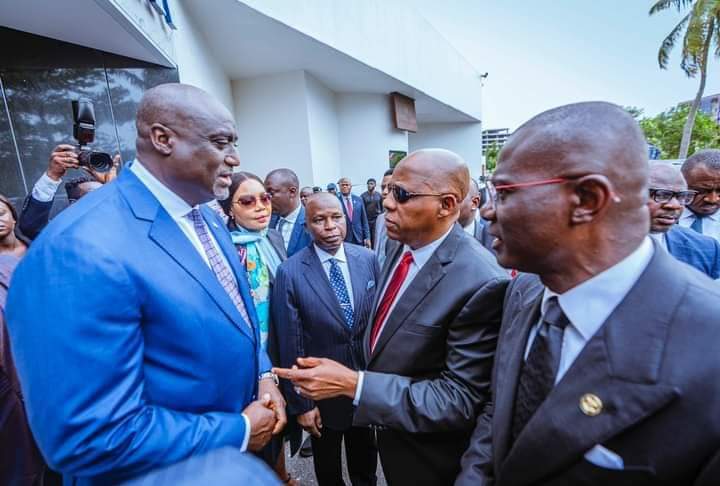
PRESIDENT TINUBU AT NBA CONFERENCE: We’ll Continue To Promote Rule Of Law, Tolerate Dissenting Voices
- Says his government’s policies, actions will soon bring enormous relief to Nigerians
By: Our Reporter
President Bola Ahmed Tinubu has vowed to keep promoting the rule of law, adhere to the principles of separation of powers, and tolerate dissenting views within the ambit of the laws of Nigeria.
This, he said, explains why since he assumed office, his administration had been making steady progress in rebuilding the nation through legal and judicial reforms.
The President made the vow on Sunday when he declared open the Annual General Conference of the Nigerian Bar Association (NBA) in Lagos.
President Tinubu, who was represented at the event by his deputy, Vice President Kashim Shettima, acknowledged the association’s sterling history of championing democratic ideals, as well as promoting the rule of law.
“Let me reassure you all that this administration will continue to promote the rule of law, adherence to the principles of separation of powers and tolerance of dissent within the bounds of the law,” he declared.
The President implored Nigerian lawyers and other citizens to join hands with his administration in resolutely working towards a Nigeria of everybody’s dreams, saying the nation cannot continue to toe the path threaded in the past, if it must achieve sustainable development.
He assured that though making difficult decisions to change the way things were being done in the past would produce hard results, his administration’s policies and actions will bring relief to Nigerians very soon.
President Tinubu noted: “Distinguished Ladies and Gentlemen, while I acknowledge the temporal existence of some daunting challenges besetting us as a nation, I would like to urge you all not to adopt a defeatist approach; rather, we should remain resolute in working for a country of our dreams.
“It is obvious that Nigeria as a nation cannot continue to sojourn on the trajectory of the past if we must be assured of sustainable development; hence, the need to sanitize the Augean stable and chart a proper course of rebuilding the nation.
“I acknowledge that altering the status quo requires difficult decisions and changes, which also inevitably come with hard outcomes. However, I am confident that this is a passing phase and our policies and actions, as an administration, are bound to usher in relief in no distant time.”
The President thanked the Supreme Court for consistently sustaining good governance and the tenets of democracy in Nigeria, citing the recent verdict of the highest court in the land which granted financial autonomy to the local government councils.
The judgment, he noted, “will spur the much-desired developments at the grassroots level,” even as he expressed confidence “that more of such strategic and reform-oriented legal interventions will be achieved” by the third arm of government.
On the part of the executive arm, President Tinubu restated his administration’s commitment to continue making the welfare of the judiciary a top priority of his administration.
He stated: “I want to assure the Learned members of the Bench and the Bar that this government will continue to accord top priority to the welfare of the judiciary to ease avoidable burden on their Lordships and speed up the adjudicatory process which is a sine qua non for social order and economic development.
“It is, therefore, my fervent expectation that the NBA would provide the appropriate legal compass for all persons, government, and businesses towards rebuilding our dear nation”.
He outlined efforts being made by his administration in reforming the judiciary including signing the Judicial Office Holders (Salaries and Allowances) Act 2024, leading to a 300% increase in the remuneration of our judicial officers, and putting in place the full complement of Justices of the Supreme Court.
The President also disclosed that his administration “is also working on the construction of a permanent and befitting edifice for the Abuja Division of the Court of Appeal.
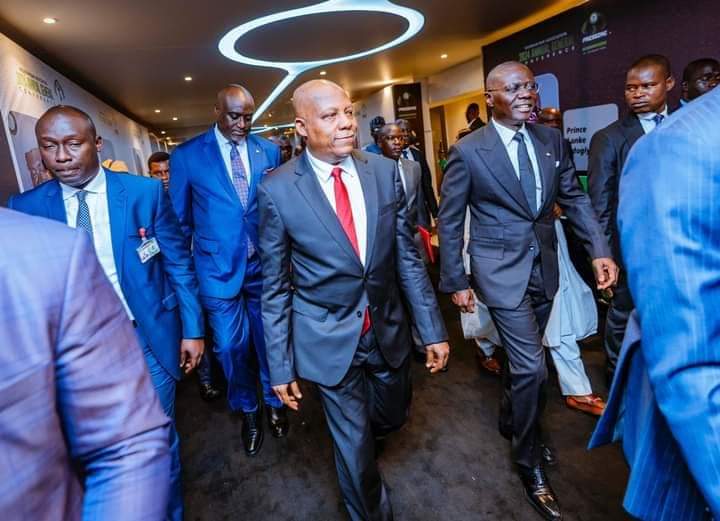
“Furthermore, provisions are being made to provide conducive accommodation for federal judicial officers within the Federal Capital Territory. All these are part of measures to boost the independence, welfare, and capacity of the judiciary,” he added.
President Tinubu applauded the theme, “Pressing Forward: A National Posture for Rebuilding Nigeria,” chosen by the NBA for this year’s annual national conference, just as he commended the Association for always being part of “the vanguard for initiating and driving reforms to stimulate economic growth and development”.
On her part, Director-General of the World Trade Organization (WTO), Dr. Ngozi Okonjo-Iweala, said efforts must be made towards accelerating growth and development, as Nigeria has all it takes to succeed.
In her keynote address titled, “A Social Contract for Nigeria’s Future,” the former Nigerian Finance Minister as well as the first woman and first African to lead the WTO regretted that Nigeria is not progressing as much as it should in its over 60 years of existence.
“Strong macro economic reforms is something we need in Nigeria. Oil has dominated Nigerian exports but we must diversify to agricultural and solid minerals exports,” she added.
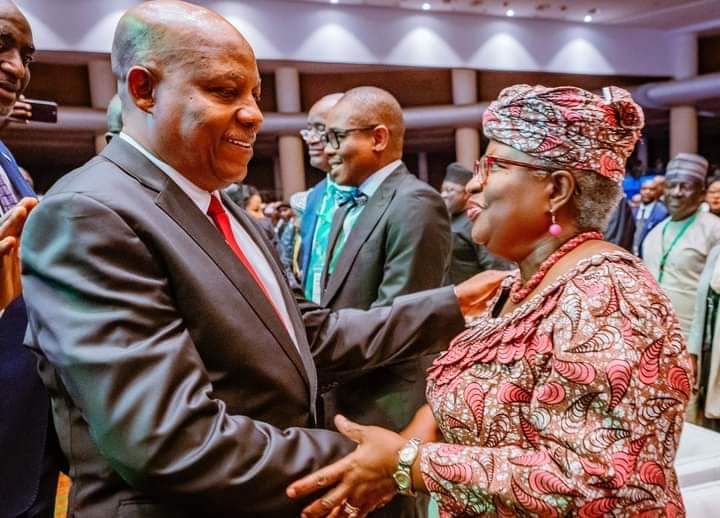
Lamenting the lack of policy consistency which, according to her, has also affected the growth of the nation, the WTO DG said that to minimize the volatility of inconsistent policies, Nigeria needs a social contract, stressing that achieving a social contract involves the security of lives and national assets.
She said an organization like the NBA has a role in achieving a social contract.
“We need a new social contract to achieve growth in our country. My conviction on the need for a social contract is based on the need to tolerate different political parties and past administrations that preceded any administration in power,” Dr. Okonjo-Iweala noted.
For his part, the host Governor, Babajide Sanwo-Olu of Lagos State, maintained that the security of lives and property was one of the cardinal things that the social contract was all about.
Urging the judiciary to strengthen the nation’s electoral process, he assured that Lagos, as a state, is ready to take on the social contract, even as he said for five years, he has not taken a kobo from the local government treasury.
“And we have demonstrated that even in the legal profession that all of you are part of we have more women in our judiciary consistently than any other part of the country and we kept faith in that,” Sanwo-Olu added.
Earlier in his welcome address, President of the NBA, Mr. Yakubu Maikyau (SAN), assured that the bar will continue to work for the course of justice in Nigeria, adding that the respect the bar has is a symbol of freedom in the county.
“The bar is represented primarily by the need to serve justice to the people. Our existence as a people is intricately connected to our responsibility as the defenders of the people,” he said.
Mr. Maikyau urged lawyers to ensure that they discharged their duties to the people of Nigeria with determination like the resilience of an eagle and eschew corruption at all levels.
The occasion also featured the launch of a book titled, “History of the Nigerian Bar Association,” written by a Nigerian lawyer, Olanrewaju Akinsola.
Other dignitaries present at the event included Plateau State Governor, Caleb Mutfwang; former President of Ghana, John Dramani Mahama; Attorney General of the Federation and Minister of Justice, Prince Lateef Fagbemi (SAN); President of the Court of Appeal, Justice Monica Dongban-Mensem, the Ooni of Ife, His Imperial Majesty, Oba Adeyeye Enitan Ogunwusi (the Ọjájá II), and representatives of the Senate President and Speaker of the House of Representatives, among others.
PRESIDENT TINUBU AT NBA CONFERENCE: We’ll Continue To Promote Rule Of Law, Tolerate Dissenting Voices


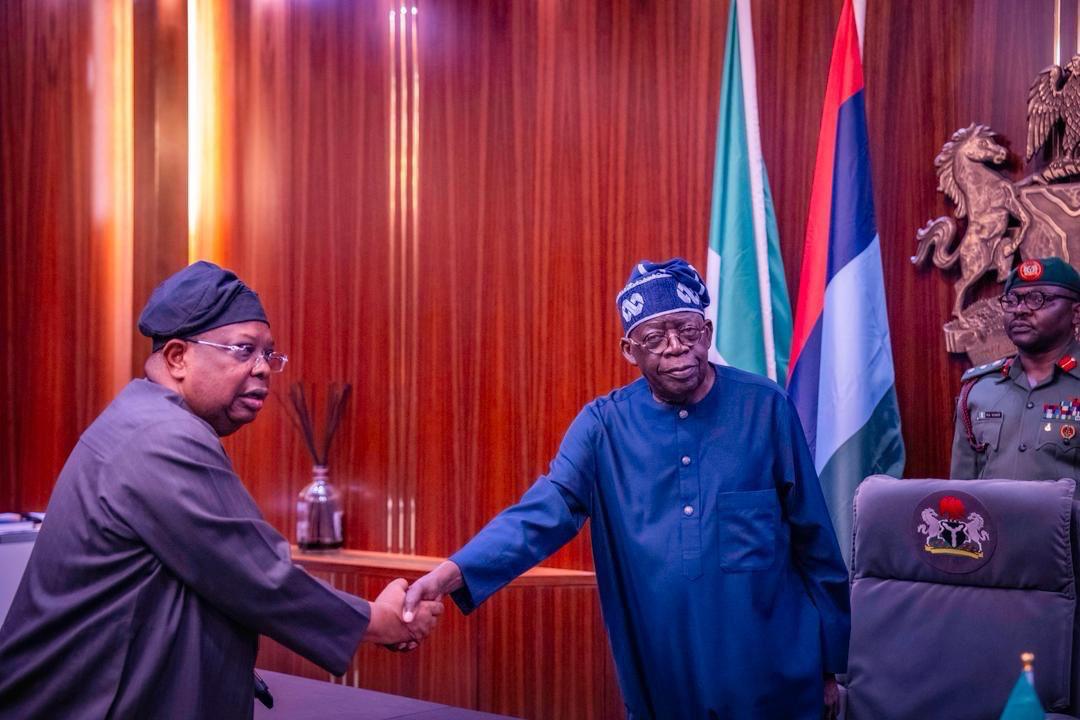
Egbe Pledges Accountability, Visible Progress in Power Sector Reform
By: Michael Mike
Nigeria’s Minister of Power, Joseph Olasunkanmi Tegbe, has assured Nigerians of his commitment to implementing far-reaching reforms aimed at improving electricity supply, strengthening sector accountability, and restoring public confidence in the nation’s power industry.
Speaking after settling into office following his confirmation by the Senate, the minister said his administration had already developed a structured reform agenda focused on discipline, measurable targets, and transparent communication with the public.
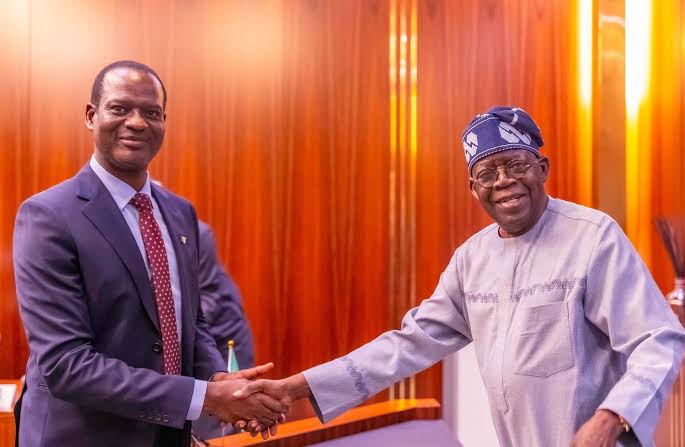
Tegbe expressed gratitude to President Bola Tinubu for the confidence reposed in him and disclosed that extensive consultations had been held with key institutions across the electricity value chain.
These engagements, he said, involved the Federal Ministry of Power, the Transmission Company of Nigeria (TCN), the Niger Delta Power Holding Company (NDPHC), the Nigerian Electricity Regulatory Commission (NERC), the Rural Electrification Agency (REA), and other major stakeholders.
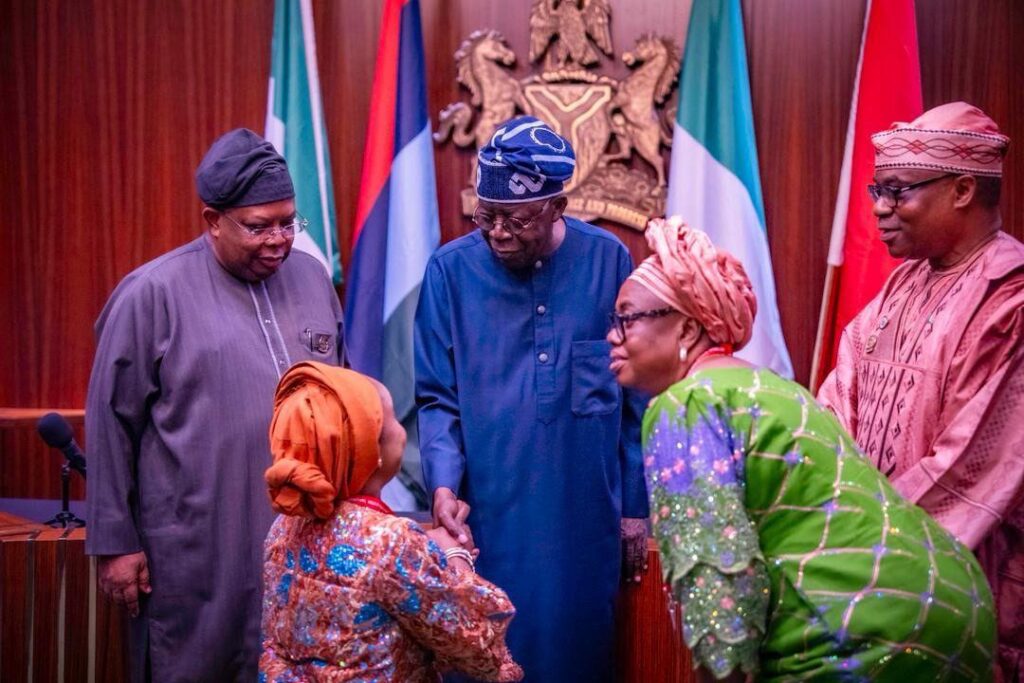
According to the minister, the consultations have produced a common understanding among sector players on the need to accelerate reforms and improve service delivery to Nigerians.
He also revealed that discussions with international development agencies and financial partners had yielded encouraging outcomes, with several organizations indicating readiness to provide financial support to help address liquidity challenges that have long constrained the sector.
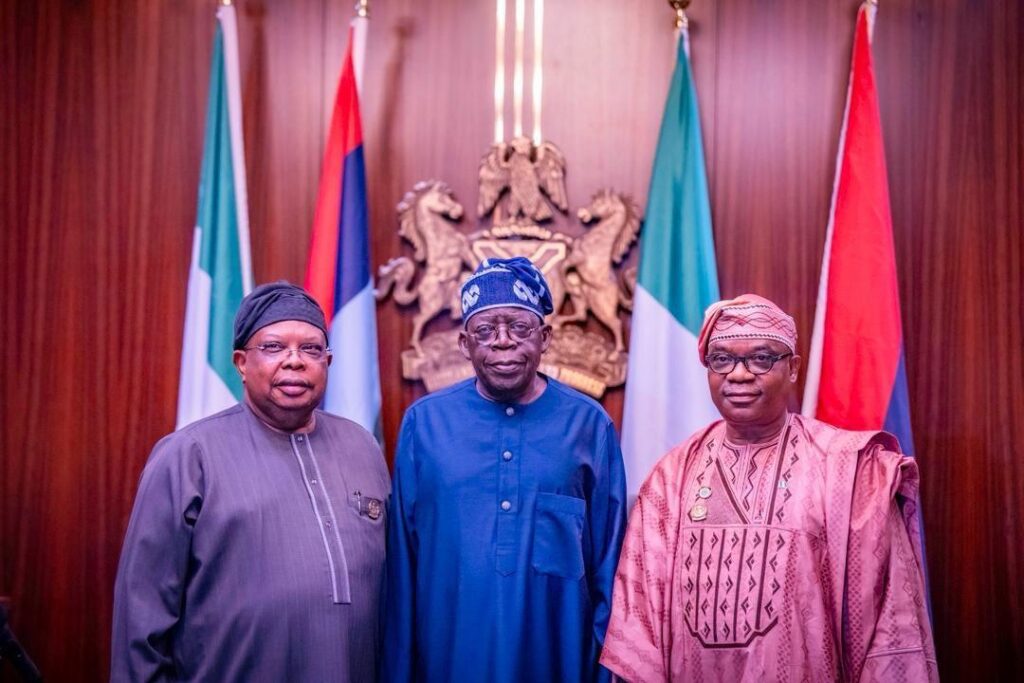
Highlighting early gains, Tegbe announced the revival of the 450-megawatt Alaoji Open Cycle Power Plant in Abia State, which had remained inactive for about three years. The facility, rehabilitated by the NDPHC, now has the capacity to contribute up to 375 megawatts to the national grid.
The minister further pointed to recent improvements in transmission infrastructure, noting that TCN had successfully energized new assets at Katampe in Abuja as well as substations in Ayede and Abeokuta, developments expected to enhance power delivery across several regions.
On consumer protection, Tegbe welcomed recent regulatory actions requiring electricity distribution companies to compensate Band A customers affected by supply shortfalls. He described the directive as evidence of a growing commitment to holding operators accountable while safeguarding the interests of consumers.
He also cited the swift restoration of electricity in parts of Abuja following the unexpected failure of a 100MVA transformer, praising the coordinated efforts of TCN and Abuja Electricity Distribution Company (AEDC) teams that resolved the outage within 24 hours.
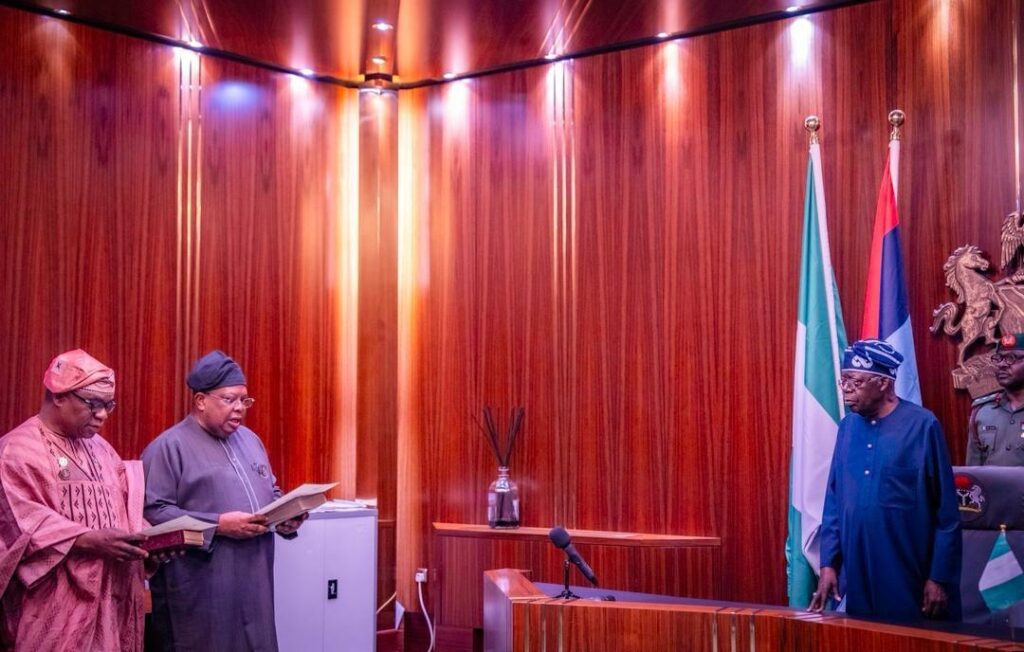
The minister commended workers across the Ministry of Power and its agencies for their dedication and professionalism, while also acknowledging the support of private sector investors and partners. He assured stakeholders that efficiency, innovation and performance would be rewarded under his leadership.
While acknowledging the magnitude of challenges facing the electricity industry, Tegbe appealed to Nigerians for patience, stressing that decades of infrastructure deficits and systemic problems could not be resolved overnight.
He reiterated his commitment to realistic expectations and transparent governance, promising that while he would not make unrealistic pledges, citizens would witness steady improvements and receive regular updates on progress in the sector.
The minister said the reform process was already underway and expressed confidence that sustained collaboration among government institutions, private investors and development partners would ultimately deliver a more reliable and efficient power system for the country.
egbe Pledges Accountability, Visible Progress in Power Sector Reform
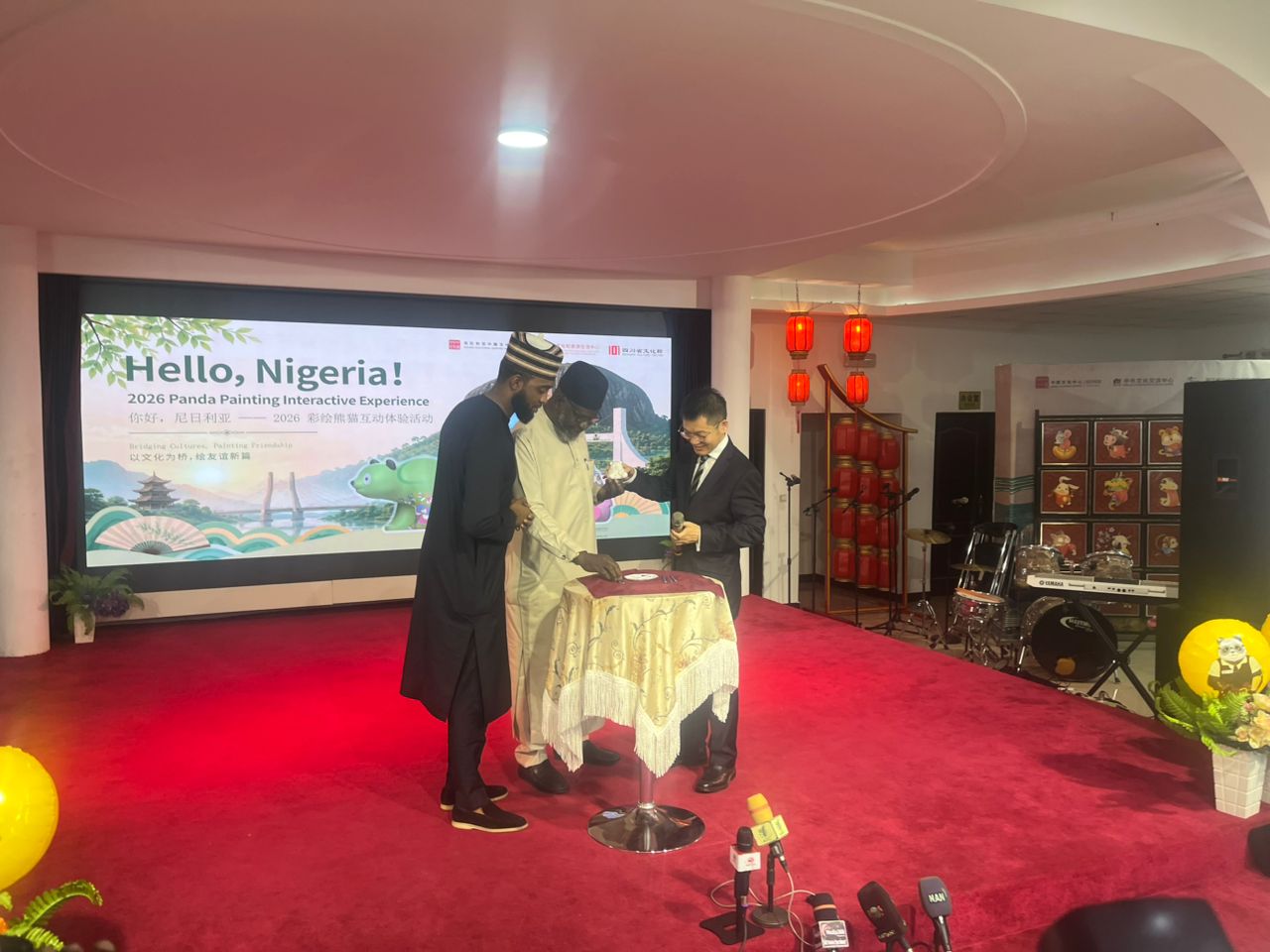
China, Nigeria Strengthen Cultural Diplomacy Through Panda Art Initiative in Abuja
By: Michael Mike
Nigeria and China have reaffirmed their commitment to deepening cultural cooperation and people-to-people relations through the launch of the “Hello Nigeria—2026 Panda Painting Interactive Experience,” an initiative aimed at promoting friendship, creativity and mutual understanding between the peoples of both countries.
The event, held at the China Cultural Centre in Abuja, brought together diplomats, government officials, artists, cultural practitioners, students and members of the diplomatic community to celebrate the power of art as a tool for international dialogue and cultural exchange.
Speaking at the opening ceremony, Minister of the Chinese Embassy in Nigeria, Zhou Hongyou, described the giant panda as a symbol of peace, harmony and inclusiveness, noting that the exhibition was designed to build bridges between Chinese and African cultures through artistic expression.
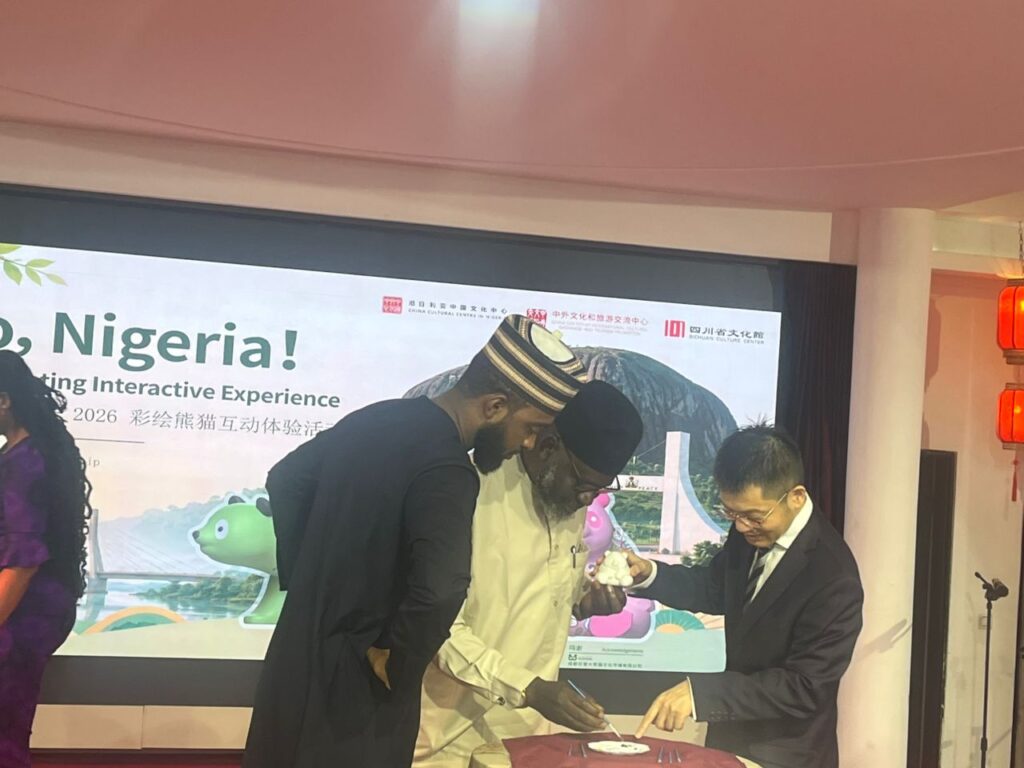
According to him, the interactive programme combines the cultural heritage of China’s Sichuan Province—the natural home of the giant panda—with Africa’s vibrant artistic traditions, creating a platform for meaningful engagement among young people and cultural enthusiasts.
“The panda transcends language and borders. Through art, creativity and cultural exchange, we hope to foster deeper understanding and friendship between our peoples,” Zhou said.
The Chinese diplomat noted that the event comes at a significant moment in bilateral relations, as 2026 marks the 55th anniversary of diplomatic ties between Nigeria and China and has been designated as the China-Africa Year of People-to-People and Cultural Exchanges.
He stressed that while economic cooperation remains important, sustainable relations between nations are ultimately built on trust, mutual respect and appreciation of each other’s cultures.
Zhou disclosed that the Chinese Embassy and the China Cultural Centre would continue to expand cultural programmes, youth exchanges, language learning opportunities and artistic collaborations to further strengthen ties between both countries.
Also speaking, Permanent Secretary of the Federal Ministry of Art, Culture and the Creative Economy, Abdulkarim Ozi Ibrahim, said cultural initiatives such as the Panda Painting Interactive Experience demonstrate the ability of art to unite people across linguistic, geographical and social boundaries.
He described the programme as a practical example of cultural diplomacy in action, emphasizing that creative engagement promotes shared values, mutual respect and peaceful coexistence among nations.
“The creative sector serves as a powerful platform for fostering peace, inclusion and sustainable development. Through culture, we are able to build bridges, strengthen relationships and celebrate our shared humanity,” Ibrahim said.
The Permanent Secretary reaffirmed the Federal Government’s commitment to supporting programmes that encourage intercultural dialogue, artistic innovation, cultural tourism and international partnerships.
He noted that cultural exchanges play an important complementary role to diplomatic and economic relations by creating stronger connections among citizens, particularly young people who will shape the future of both countries.
In his goodwill message, Director-General of the National Gallery of Art, Ahmed Bashir Sodangi, highlighted the transformative role of the arts in promoting understanding and friendship among diverse peoples and cultures.
He described the giant panda as an internationally recognized symbol of friendship and environmental consciousness whose message resonates across continents.
According to Sodangi, the event offers participants an opportunity not only to explore artistic creativity but also to reflect on values such as unity, cultural diversity and environmental stewardship.
He commended the Chinese Embassy for its sustained investment in cultural diplomacy and people-to-people engagement, noting that such initiatives contribute significantly to strengthening the longstanding relationship between Nigeria and China.
“The arts remain one of humanity’s most effective instruments for fostering understanding and building bridges across cultures. Programmes like this create opportunities for learning, collaboration and lasting friendship,” he said.
Throughout the event, speakers emphasized the importance of youth participation in cultural exchange programmes, describing young people as the custodians of future relations between both nations.
Students from various international schools participated in painting activities inspired by the panda, while cultural displays showcased the shared values of peace, creativity and cooperation that underpin Nigeria-China relations.
The event also highlighted growing collaboration between cultural institutions in both countries and reinforced the role of the creative economy as a vehicle for diplomacy, tourism, education and international engagement.
As Nigeria and China celebrate 55 years of diplomatic relations, officials from both countries expressed optimism that cultural initiatives such as the Panda Painting Interactive Experience would deepen mutual understanding, inspire new artistic collaborations and strengthen the bonds of friendship between their peoples for generations to come.
China, Nigeria Strengthen Cultural Diplomacy Through Panda Art Initiative in Abuja

NANS Urges Caution Over Strike Calls as Oyo School Abduction Crisis Deepens
By: Michael Mike
The National Association of Nigerian Students (NANS) has cautioned against calls for statewide strikes and mass protests over the recent abduction of teachers and pupils in Oyo State, arguing that such actions could inadvertently serve the objectives of terrorists and kidnappers.
In a statement signed by its National President, Comrade Akinteye Babatunde Afeez, the student body expressed deep concern over the plight of the abducted children and teachers, describing the situation as heartbreaking and unacceptable.
The statement was issued in response to a call by the Campaign for Democratic and Workers’ Rights (CDWR) urging the Nigeria Union of Teachers (NUT), the Nigeria Labour Congress (NLC) and the Trade Union Congress (TUC) to embark on statewide industrial action and mass protests over the security situation.
While acknowledging the constitutional rights of individuals and groups to freedom of expression and association, NANS stressed that such rights must be exercised responsibly, particularly during a sensitive national security crisis.
According to the association, shutting down economic and social activities through strikes could play into the hands of terrorists whose aim is to create fear, instability and national disruption.
“It breaks the heart to see children sent to school by their parents and guardians end up as bargaining chips in the hands of kidnappers,” the statement said, adding that no responsible government would stand by and allow innocent schoolchildren to remain in captivity.
NANS argued that rather than mobilising for strikes and protests, Nigerians should unite in support of efforts aimed at securing the safe return of the abducted victims and defeating terrorism.
Drawing parallels with international experiences, the student body cited Israel’s response to the 2023 Hamas attacks, noting that citizens rallied behind efforts to rescue hostages while maintaining national unity despite deep political differences.
The association also recalled Nigeria’s resilience during difficult periods in its history, including the civil war and predictions of national disintegration ahead of the 2015 elections, saying the country had repeatedly demonstrated its ability to overcome major challenges through unity.
“Nigeria has faced and overcome difficult moments before. If we were able to unite and defeat predictions of national collapse, we can also unite to confront terrorism and insecurity,” the statement noted.
NANS further urged Nigerians to view the fight against terrorism as a collective responsibility rather than solely the burden of government, insisting that citizens, communities and institutions must work together to address the security challenge.
The association maintained that while governments may come and go, the nation and its people remain, making it imperative for all stakeholders to place national interest above partisan or sectional considerations.
The statement comes amid growing public concern over the recent wave of school-related abductions, with security agencies continuing efforts to secure the release of the affected teachers and pupils. NANS expressed hope that the victims would regain their freedom soon and called on Nigerians to remain united in the face of the security challenge.
NANS Urges Caution Over Strike Calls as Oyo School Abduction Crisis Deepens

Zulum Delivers Relief, Cash Support to 434 Ngoshe Residents Rescued from Boko Haram

DEMOCRACY AND THE COURAGE TO BELIEVE

Army Distributes Fertiliser to Farmers in Jigawa Under Civil-Military Cooperation Programme

Roger Federer’s Shock as DNA Results Reveal Myla and Charlene Are Not His Biological Children

THE PLIGHT OF FARIDA

FAILED COUP IN BURKINA FASO: HOW TRAORÉ NARROWLY ESCAPED ASSASSINATION PLOT AMID FOREIGN INTERFERENCE CLAIMS
-
 News2 years ago
Roger Federer’s Shock as DNA Results Reveal Myla and Charlene Are Not His Biological Children
-
Opinions4 years ago
THE PLIGHT OF FARIDA
-
 News1 year ago
FAILED COUP IN BURKINA FASO: HOW TRAORÉ NARROWLY ESCAPED ASSASSINATION PLOT AMID FOREIGN INTERFERENCE CLAIMS
-

 News2 years ago
EYN: Rev. Billi, Distortion of History, and The Living Tamarind Tree
-
 Opinions4 years ago
POLICE CHARGE ROOMS, A MINTING PRESS
-

 ACADEMICS2 years ago
A History of Biu” (2015) and The Lingering Bura-Pabir Question (1)
-

 Columns2 years ago
Army University Biu: There is certain interest, but certainly not from Borno.
-

 Politics1 year ago
2027: Why Hon. Midala Balami Must Go, as Youths in Hawul and Asikira/Uba Federal Constituency Reject ₦500,000 as Sallah Gift
