
Uncategorized
FG Asks Nigerians Not to Shun Handwashing Culture Insists It is Crucial for Public Health

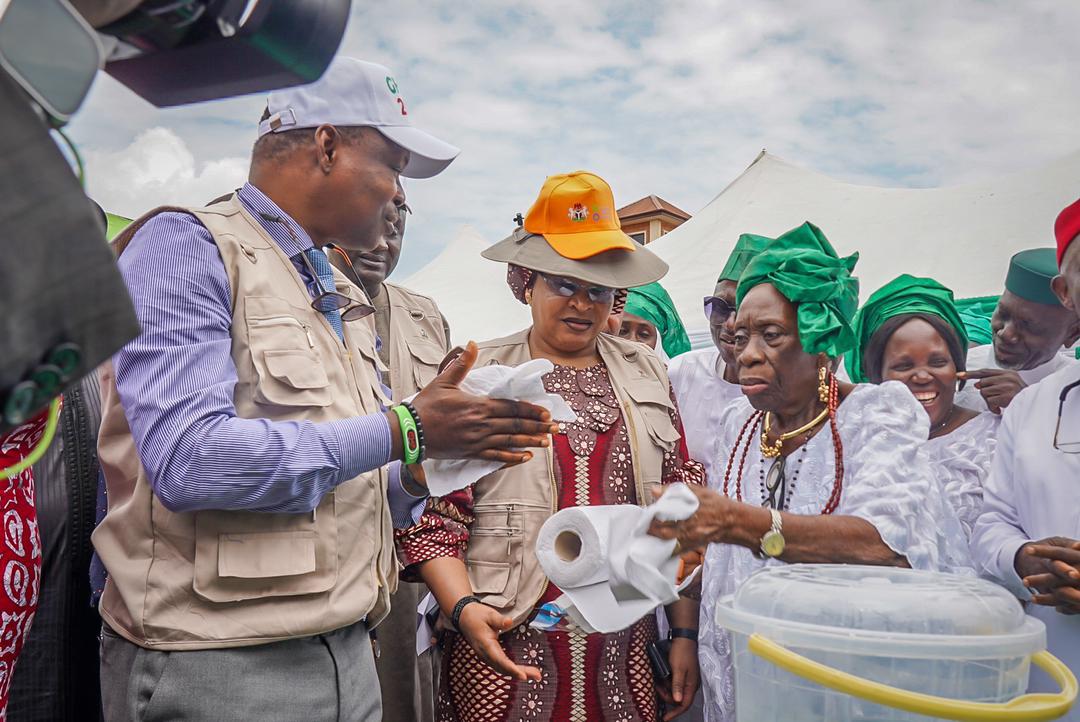
FG Asks Nigerians Not to Shun Handwashing Culture Insists It is Crucial for Public Health
By: Michael Mike
The Federal Government has encouraged Nigerians not to shun the handwashing culture, insisting that clean hands are crucial for public health and global health security.
Speaking at the commemoration of the Global Handwashing Day in Abuja on Tuesday, the Minister of State for Environment, Dr. Iziaq Salako while noting that about 1.8 million children under the age of 5 die each year from diarrheal diseases and pneumonia, the top two killers of young children around the world, said: “Promoting proper handwashing in Nigeria is a strategic move to equip the nation in its fight against disease outbreaks as well as global threats such as antimicrobial resistance (AMR).”
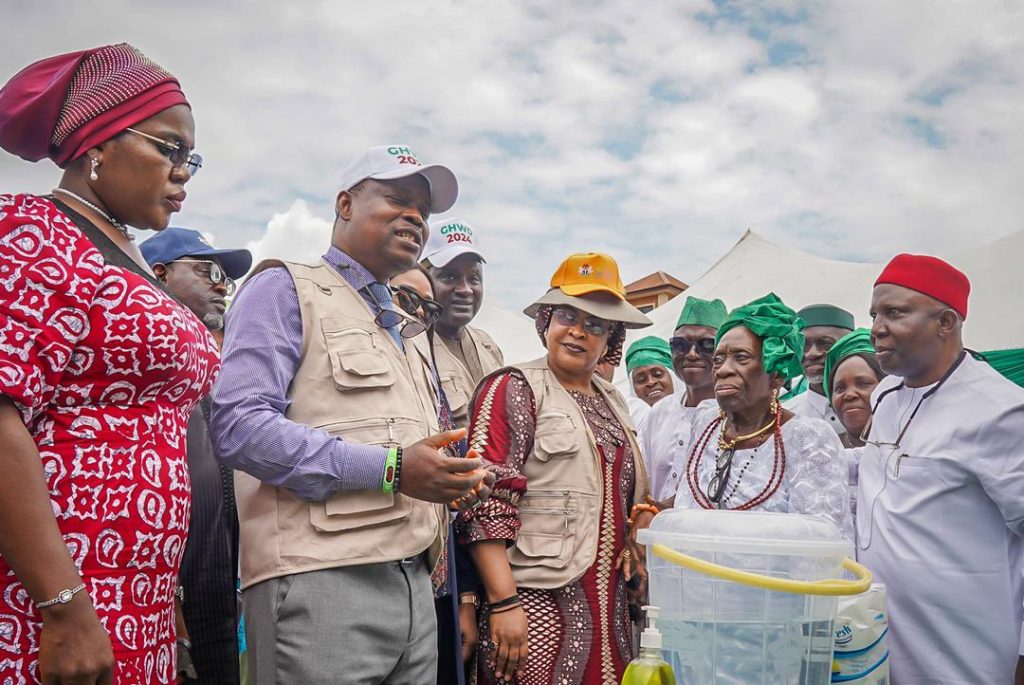
He lamented that children and other vulnerable population are more prone to such diseases like diarrheal diseases and pneumonia, because of poor knowledge about the importance and practice of effective handwashing. In order to create and promote awareness and understanding about the importance of handwashing as an easy, effective and affordable way to prevent diseases and save lives, noting that the United Nations General Assembly in 2008 declared 15th October of every year as Global Handwashing Day.
The Minister said this years’ theme: “Why Are Clean Hands Still Important?” reflects an important question which provokes the thought that irrespective of the significant progress made in promoting handwashing with soup under running water, “our journey is far from over. This theme therefore confronts every sector and every individual with the reason to continue practicing and promoting effective handwashing and not to neglect this simple but powerful practice seeing that the benefits are limitless.”
He stated that: “Hand hygiene inclusion in government plans and funding not only improves health but also boosts the economy by reducing the burden on health services and promoting high healthcare standards.
“It also contributes to attaining multiple target’s of the Sustainable Development Goals on Water Sanitation and Hygiene (WASH), nutrition, education, health and economic growth.”
He stressed that: “For businesses including markets, effective hand hygiene practices can significantly reduce the spread of infectious diseases leading to fewer sick days for businessmen/traders, and increased productivity. This enhances marketplace well-being, supports public health, and strengthens overall resilience against disruption of business.
“In schools and workplaces such as hospitals and offices, clean hands are important in preventing diseases including hospital-acquired infections, ensuring consistent school/work attendance, and increased productivity.
“In the home, clean hands are still very much important to maintain good health by reducing the transmission of infectious agents (germs), and lowering the risk of infections such as diarrhea, typhoid and respiratory infections. Clean hands are still important in the home to prevent cross-contamination of food thereby reducing the risk of foodborne illnesses. Very importantly clean hands help to protects vulnerable family members such as newborns, elderly and immunocompromised individuals who are more susceptible to infections.”
The minister insisted that: “Handwashing with soap under running water helps to reduce diarrhoeal diseases by 30%, respiratory infections up to 20%, and can also help to reduce the transmission of outbreak-related diseases such as cholera, Lassa fever, Ebola, COVID-19, m-pox etc. Handwashing is protective against up to 50% of avoidable infections acquired during health care and also prevents the spread of antimicrobial resistance.”
FG Asks Nigerians Not to Shun Handwashing Culture Insists It is Crucial for Public Health



Troops Arrest Suspected ISWAP Logistics Supplier, Vigilante Accomplice in Borno
By Zagazola Makama
Troops of Operation Hadin Kai have arrested a suspected Islamic State West Africa Province (ISWAP) logistics supplier and an alleged accomplice during an intelligence-led operation in Konduga Local Government Area of Borno State.
Intelligence sources told Zagazola Makama that the operation followed sustained communication intercepts and surveillance on suspected terrorist logistics networks operating within the area.
The sources said troops of the 222 Battalion (Mechanised) conducted a covert operation at about 10:00 p.m. on June 26 and arrested the suspect, identified as Abdullahi Hamza, in Malari village while he was allegedly attempting to deliver supplies to ISWAP fighters.
Items recovered from the suspect included a loaf of bread, two bottles of soft drinks, a pack of sewing needles and thread, which investigators believe were intended for insurgent elements.
During preliminary interrogation, the suspect reportedly confessed that he was on his way to meet an ISWAP member whose telephone number had earlier been identified through intelligence intercepts.
The investigation subsequently led to the arrest of a second suspect, Haruna Abubakar, identified as a member of a vigilante group in Maiduguri, who is alleged to have acted as an accomplice.
Both suspects have been handed over to the military intelligence authorities for further investigation and profiling.
Military sources said the arrests underscore the effectiveness of intelligence-driven operations aimed at dismantling terrorist logistics and support networks across the North-East.
The sources added that troops would continue sustained surveillance, covert operations and intelligence exploitation to identify and disrupt individuals providing material support to terrorist groups operating in the region.
Troops Intercept Tricycle, Solar Equipment Suspected for Terrorist Logistics in Borno
By Zagazola Makama
Troops of Operation Hadin Kai have intercepted a tricycle and a consignment of solar generators and panels suspected to be destined for terrorist elements during a stop-and-search operation along the Potiskum–Maiduguri highway.
Intelligence sources told Zagazola Makama that the interception was made at about 8:00 p.m. on June 26 by troops of the 233 Tank Battalion deployed at a checkpoint along the route.
According to the sources, troops first intercepted a truck bearing registration number KTG 647 ZZ conveying a tricycle without valid ownership or transportation documents.
Further search operations along the route led to the interception of a Volkswagen Sharan with registration number KRD 74 XL, loaded with 16 solar panels and 16 solar generators, also without valid documentation.
The suspects were identified as Abdullahi Nasiru, 39, from Azare Local Government Area of Bauchi State; Anas Danliti, 35, also from Azare, Bauchi State; and Kabiru Yakubu, 55, from Hardokwala Local Government Area of Taraba State.
The suspects and the recovered items are currently in the custody of the 233 Tank Battalion for further investigation to determine the ownership, destination and intended use of the equipment.
Military sources said the operation forms part of sustained efforts by Operation Hadin Kai to disrupt terrorist logistics networks and prevent the movement of equipment that could support insurgent activities in the North-East.
The sources added that troops have continued to intensify stop-and-search operations along major supply routes as part of ongoing measures to deny terrorist groups access to critical logistics.
Troops Arrest Suspected ISWAP Logistics Supplier, Vigilante Accomplice in Borno
Nine Irigwe Residents Killed in Armed Fulani Bandits’ Attack in Kaduna
By Zagazola Makama
Nine members of the Irigwe community, have been killed following an attack by armed fulani bandits on Ungwan Magaji village in Kamaru Ward of Kauru Local Government Area of Kaduna State.
Sources told Zagazola Makama that the attackers stormed the community in the early hours of June 16, opening fire on residents and killing nine persons.
The victims were laid to rest on Saturday, June 27, in a mass burial attended by members of the Irigwe community, religious leaders and sympathisers.
Community leaders condemned the attack and called on security agencies to intensify efforts to apprehend those responsible and prevent further attacks in the area.
They also urged the government to strengthen security in vulnerable communities along the Plateau-Kaduna border.
Security agencies had yet to issue an official statement on the incident as of the time of filing this report.
Nine Irigwe Residents Killed in Armed Fulani Bandits’ Attack in Kaduna

MACBAN Chairman, Son Killed After Peace Meeting in Benue
By: Zagazola Makama
The Chairman of the Miyetti Allah Cattle Breeders Association of Nigeria (MACBAN) in Benue State, Alhaji Ardo Risku, and his son, Ibrahim, have reportedly been killed by local militia members while returning from a peace meeting in Otukpo, Benue state.
Sources said the incident occurred near Ahimeni in the Okodu area as the victims were travelling home after participating in the meeting aimed at fostering peaceful coexistence among communities.
The killing has sparked renewed concern over the persistent insecurity in parts of Benue State, where recurring attacks have continued to claim lives and heighten ethnic tensions.
Community members described the incident as tragic, noting the irony that the victims lost their lives shortly after attending a meeting dedicated to promoting peace and dialogue.
Stakeholders have urged Nigerians not to allow the actions of criminal elements to fuel ethnic profiling or collective blame, stressing that criminality should remain an individual responsibility rather than being attributed to any ethnic or religious group.
They noted that millions of Fulani men, women and children are law-abiding citizens who contribute to their communities and should not be targeted because of the actions of a few criminal elements.
The incident has further pointed to the need for sustained collaboration among government, security agencies, traditional rulers, religious leaders and community stakeholders to address insecurity and strengthen peace-building initiatives across the country.
As of the time of filing this report, security authorities had yet to issue an official statement on the incident, while efforts were reportedly ongoing to apprehend the perpetrators.
The latest attack adds to growing concerns over the cycle of violence in parts of the country and highlights the urgent need for lasting measures to safeguard innocent lives and promote peaceful coexistence among all Nigerians.
MACBAN Chairman, Son Killed After Peace Meeting in Benue

Male Leaders Key to Ending GBV, Changing Harmful Norms in West Africa, FG Says

Marwa Inaugurates Historic Weapons Training for NDLEA Officers, Inducts AK-47 Rifles After 36 Years

Army EOD Team Discovers, Destroys Two Terrorist IEDs in Borno

Roger Federer’s Shock as DNA Results Reveal Myla and Charlene Are Not His Biological Children

THE PLIGHT OF FARIDA

FAILED COUP IN BURKINA FASO: HOW TRAORÉ NARROWLY ESCAPED ASSASSINATION PLOT AMID FOREIGN INTERFERENCE CLAIMS
-
 News2 years ago
Roger Federer’s Shock as DNA Results Reveal Myla and Charlene Are Not His Biological Children
-
Opinions4 years ago
THE PLIGHT OF FARIDA
-
 News1 year ago
FAILED COUP IN BURKINA FASO: HOW TRAORÉ NARROWLY ESCAPED ASSASSINATION PLOT AMID FOREIGN INTERFERENCE CLAIMS
-

 News2 years ago
EYN: Rev. Billi, Distortion of History, and The Living Tamarind Tree
-
 Opinions5 years ago
POLICE CHARGE ROOMS, A MINTING PRESS
-

 ACADEMICS2 years ago
A History of Biu” (2015) and The Lingering Bura-Pabir Question (1)
-

 Columns2 years ago
Army University Biu: There is certain interest, but certainly not from Borno.
-

 Politics1 year ago
2027: Why Hon. Midala Balami Must Go, as Youths in Hawul and Asikira/Uba Federal Constituency Reject ₦500,000 as Sallah Gift
