
News
NARC SENIOR RESEARCH FELLOWS AND SUBJECT EXPERTS MAKE PRESENTATIONS

NARC SENIOR RESEARCH FELLOWS AND SUBJECT EXPERTS MAKE PRESENTATIONS
By: Our Reporter
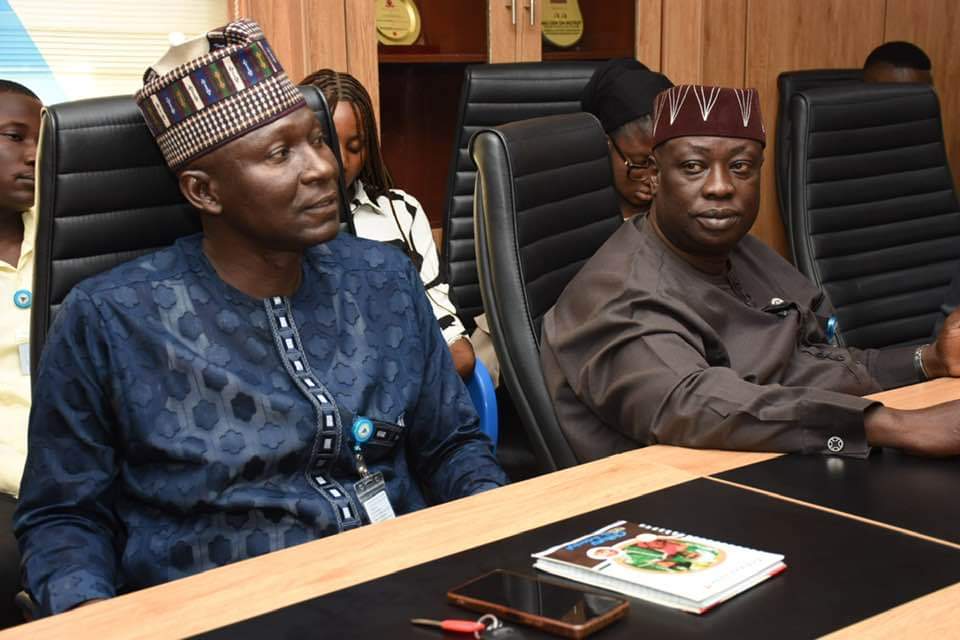
The Monday 11 November 2024 edition of the Nigerian Army Resource Centre (NARC) Weekly Subject Experts’ Presentation was held at Board Room, TY Buratai Block, Abuja. There were two presentations made by the Subject Experts on, Western Europe, and North America.
The first presentation by Maj Gen GU Chibuisi subject expert on Western Europe centered his presentation on how, French Parents Sue Tiktok over alleged Failure to Remove Harmful Content. The Reuters News Agency reported that seven French parents have filed a lawsuit against social media platform TikTok, accusing TikTok of exposing their adolescent children to harmful content, which they allege led to two of the teenagers, both aged 15, taking their own lives. The families’ lawyer, Laure Boutron-Marmion, confirmed the news on Monday 4 Nov 24. The lawsuit claims that TikTok’s algorithm exposed the teens to content promoting suicide, self-harm, and eating disorders.

The families are pursuing joint legal action in the Créteil Judicial Court, marking a first for such a collective lawsuit in Europe. “The parents want TikTok’s legal liability to be recognized in court,” said Boutron-Marmion, adding, “This is a commercial company providing a product to consumers who are minors. Therefore, they must be held accountable for the product’s flaws.” Like other social media platforms, TikTok has long faced scrutiny over content moderation. Alongside Meta’s platforms, Facebook and Instagram, it faces hundreds of lawsuits in the US, accusing them of drawing and addicting millions of children to their applications, and adversely affecting their mental health. TikTok is however yet to comment on the latest allegations, though the company had previously stated that it takes children’s mental health seriously.
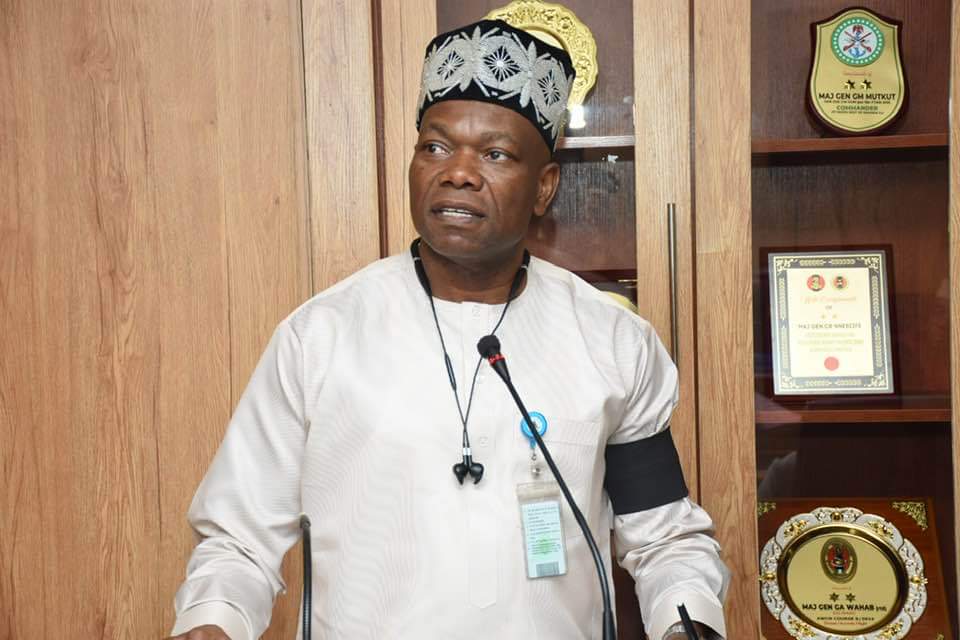
In his analysis and lessons for Nigeria, Maj Gen GU Chibuisi pointed out that, Social media platforms such as TikTok, Instagram, Facebook, X/Twitter, YouTube, and Telegram have pervaded the lives of many Nigerians, profoundly influencing their behaviour, values and societal roles. A recent survey by Data Reportal highlighted that Nigeria has over 33 million active social media users, and that a significant percentage of them engage daily on TikTok, Instagram, and Facebook (DataReportal, 2023). This widespread access allows users to consume and share multimedia content at unprecedented rates, shaping their opinions, social interactions, and aspirations. Nigeria’s youth population ration is one of the largest in the world, comprising about 60% of the nation’s total population (World Bank,2022).
The influence of social media on this demographic group is substantial, driven by several factors, including increased smartphone penetration, affordable internet data packages and a shared desire for social connectivity. Social media has increasingly become a platform where Nigerian youths engage in illicit activities, influenced by the anonymity and accessibility the platforms provide. It has spurred notable cases of sextortion, where individuals use deception and blackmail to exploit others. A tragic incident involved 17-year-old Jordan DeMay from Michigan, USA, who fell victim to a sextortion scheme orchestrated by three Nigerian youths: Samuel Ogoshi, 22, Samson Ogoshi, 20, and Ezekiel Robert, 19. The men posed as a woman on Instagram, convincing DeMay to send explicit photographs, and then demanded money, threatening to release the images. When DeMay was unable to pay the extortion amount, he faced relentless pressure that ultimately led him to take his own life (Detroit Free Press, 2023).
He recommended that the Federal and State Governments should collaborate with technology companies to improve age-based restrictions on social media in Nigeria and also tighten enforcement of cybercrime laws and collaborate with social media companies to monitor and remove contents that promote fraudulent or extremist activities.
Similarly, the second presentation by Brig Gen B Sarki subject expert on North America focused his presentation on how, Two Women and Boy Shot Dead at Altar to Folk Saint Cult “La Santa Muerte” in Mexico. A local leader of the Mexican folk saint cult “La Santa Muerte” was gunned down at an altar to the skeletal figure on 6 Nov 24, two other people were killed and eight injured in the attack in the city of Leon, in Guanajuato state the authorities said. The saint whose name means roughly “Holy Death” is often worshipped by convicts, drug addicts and criminals, along with other people who feel excluded or are experiencing difficulties in life. The saint, who is not recognized by the Roman Catholic church, is usually depicted as a female skeleton, and is supposed to protect her followers from death.
But that didn’t work for “La Madrina Chayo,” a woman considered a leader of the cult in the north-central state of Guanajuato. Prosecutors did not give her real name, in keeping with Mexican law, but the nickname “La Madrina Chayo” was used by a faith healer also known as “Chayito.” She, another woman and a boy were shot dead on Friday 1 Nov 24 as they prepared the annual Santa Muerte celebration. There was no immediate information on the condition of the eight people, including two children wounded in the shooting attack on the street corner altar. Like Mexico’s Day of the Dead holiday, the Santa Muerte is honored on Nov 1 and 2. The Roman Catholic leaders in Mexico have condemned the deity’s connection to violence and the illicit drug trade.
In his analysis and lessons for Nigeria Brig Gen B Sarki noted that, In Nigeria, religious practices and spirituality play a significant role in shaping social dynamics, with various syncretic belief systems blending indigenous African religions, Islam and Christianity. While the Santa Muerte cult is not present in Nigeria, similar forms of folk spirituality, often intertwined with criminal activity, can be found. In many Nigerian communities, traditional religious practices still hold significant cultural importance, particularly among ethnic groups in the South, East, Middle Belt and some parts of the North, where ancestral worship, the veneration of local deities, and the use of charms and amulets (often for protection, wealth, or power) are common. These practices are sometimes fused with Christian and Islamic elements, creating unique forms of syncretism that can include ritual sacrifices, consultations with spiritual mediums, and the use of occult practices to achieve material or spiritual goals.
In some cases, these religious practices are associated with organized crime or violence, particularly in regions with high levels of socio-economic inequality, political instability, and corruption. For instance, youth cults or secret societies, such as the Aiye and Eiye cults in the South West, use a mix of traditional beliefs and modern rituals to enforce loyalty, intimidate rivals, and maintain power. These cults sometimes engage in violent activities, including ritual killings, extortion, and kidnappings. Similarly, certain internet fraud rings (often referred to as yahoo boys) use spiritual rituals and charms to protect themselves from law enforcement or to attract wealth, in a manner akin to how criminal organizations in Mexico might use Santa Muerte as a symbol of protection and power. While the specific figure of Santa Muerte does not appear in Nigerian religious practices, similar themes of using spirituality for personal or criminal gain can be observed across various sectors of Nigerian society.
He recommended that the FGN should establish specialized units to combat religiously motivated crime and cults, and enhance intelligence-sharing and surveillance and also strengthen the rule of law to ensure swift prosecution of cult-related violence and enforce legal frameworks to protect against harmful religious practices.
NARC SENIOR RESEARCH FELLOWS AND SUBJECT EXPERTS MAKE PRESENTATIONS


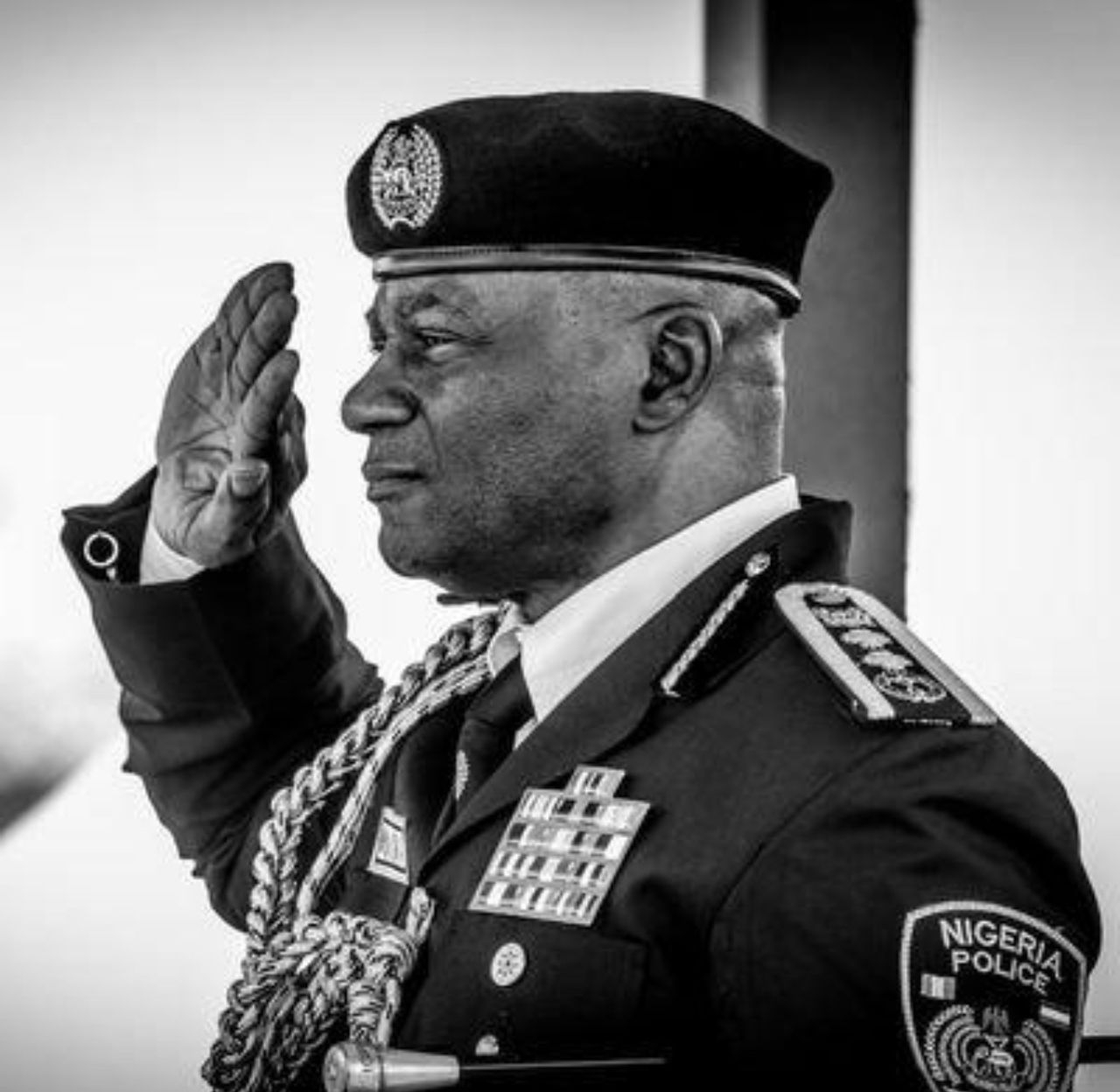
Why the New IGP Must Protect the Integrity of Police Promotions as Nigerians Are Watching
…Some Officers Climb the Ladder, Others Take the Elevator….
By: Zagazola Makama
There are many roads to promotion in the Nigeria Police Force. Some are long, winding and filled with hardship. They pass through insurgency-ravaged communities in Borno, bandit-infested forests in Zamfara, kidnapping hotspots in Niger State and dangerous highways where officers routinely place their lives on the line.
Recent revelations published by TheCable have reopened an uncomfortable conversation within the Nigeria Police Force and among members of the public: Is promotion in the Force still governed primarily by merit and institutional procedures, or is proximity to political power becoming an increasingly valuable qualification?
The controversy stems from reports that Femi Gbajabiamila, Chief of Staff to President Bola Tinubu, wrote two separate letters to the Police Service Commission (PSC) requesting special promotion for eight police officers attached to political office holders, including officers attached to the President.
One of the letters, dated February 20, 2026, reportedly contained the names of three officers, while another listed five officers.
The recommendations sought the elevation of one officer from Assistant Commissioner of Police (ACP) to Deputy Commissioner of Police (DCP), while others were recommended for promotion from Chief Superintendent of Police (CSP) to Assistant Commissioner of Police (ACP).
According to the report, the officers were recommended on account of their “exemplary leadership qualities, gallantry, teamwork and general performance.” Nobody disputes that these are admirable qualities.
Indeed, they are precisely the qualities expected of every police officer. Yet that is where the debate begins.
Across police formations nationwide, many officers quietly wonder whether gallantry has suddenly become more visible when displayed within the corridors of power than when demonstrated on the frontlines.
For decades, Nigerian police officers have worked under difficult conditions. Many have fought insurgents in the North-East. Others have pursued armed bandits through forests and mountains. Some have lost colleagues in violent confrontations with criminals. Many have spent years separated from their families while serving in high-risk operational environments.
Yet promotion has traditionally followed a structured process involving service records, examinations, seniority, performance assessments and recommendations through established channels.
That is why the reported intervention by a political office holder has generated concern.
Not necessarily because the officers involved are unqualified. Rather, because many fear the precedent it may establish.
One senior officer, speaking anonymously, observed that if recommendation letters from political offices become an accepted route to accelerated promotion, many officers may begin to reassess what constitutes career excellence.
“The officer risking his life in a remote operational base may start wondering whether his greatest mistake was choosing a dangerous posting instead of a strategic attachment,” he said.
The remark was delivered with humour. Its implications are anything but amusing.
The controversy revolves largely around the provisions of the Police Service Commission Act. Section 6 of the Act clearly assigns responsibility for appointments and promotions of police officers, excluding the Inspector-General of Police to the Police Service Commission.
The same legislation states that the Commission shall not be subject to the direction, control or supervision of any authority or person in the exercise of those responsibilities.
It was argued that while the President may issue directives relating to broad policy matters affecting the Commission, the law was deliberately designed to shield personnel decisions from external influence. A professional police force therefore cannot thrive if promotions become susceptible to political pressure.
This is not merely a legal issue. It is a question of institutional credibility. Every disciplined organisation depends on the confidence of its members. An officer who spends years serving in difficult and dangerous environments must believe that hard work, competence and sacrifice remain the principal pathways to advancement.
Once that belief weakens, morale inevitably suffers. Many retired officers argue that the greatest threat to any institution is not always external. Sometimes it is the gradual erosion of confidence in the fairness of internal processes.
The controversy has also revived memories of a similar debate within the military.
It will be recalled that President Tinubu’s aide-de-camp, Nurudeen Yusuf, reportedly rose from Lieutenant Colonel to Colonel in January 2025 and was subsequently to be elevated to Brigadier-General through what was described as a special presidential promotion. The proposal reportedly generated significant disquiet within military circles before plans for the decoration were shelved.
The latest revelation however, revives questions that have refused to go away.
Are Nigeria’s security institutions drifting toward a culture in which proximity to political power increasingly influences career progression? Or are these isolated incidents being misunderstood? Whatever the answer, perception matters. And perception, rightly or wrongly, is often more powerful than official explanations. The average police officer does not read legal opinions. He observes outcomes.
He watches who gets promoted, how quickly it happens and what circumstances surround the process. If he concludes that some officers are operating on a faster track, resentment may follow. That is why many stakeholders believe the issue deserves careful handling by the new Inspector-General of Police.
At a time when the Force is striving to improve professionalism, discipline and public confidence, few issues are more sensitive than promotion. Every rank earned should command respect. Every promotion should inspire confidence. Every officer should believe that the rules apply equally to all.
This is why many Nigerians believe the new IGP faces a challenge that goes beyond crime-fighting. He must protect the credibility of the promotion system.
He must convince officers that career progression is determined by professionalism, competence and sacrifice rather than access to corridors of power.
Otherwise, the message being sent across the Force may be difficult to ignore. Why spend years chasing criminals in forests when a posting close to political power appears capable of performing miracles for one’s career?
Why endure hardship postings when proximity may be more rewarding than performance?
Such questions may be uncomfortable, but they are increasingly being asked.
The truth is that institutions are weakened not only by corruption or insecurity. They are weakened when their members begin to suspect that rules apply differently depending on who is involved. The Nigeria Police Force cannot afford that perception.
Whether fair or unfair, that perception alone can damage an institution. The new IGP would therefore be wise to remember one important fact. Nigerians are watching. More importantly, police officers are watching.
And in an institution built on discipline and hierarchy, nothing attracts attention quite like a fast-moving elevator in a building where everyone else is climbing the stairs.
Why the New IGP Must Protect the Integrity of Police Promotions as Nigerians Are Watching
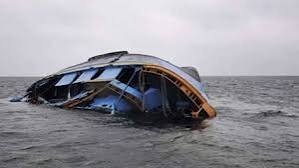
Three Cameroonian Nationals Involved in Boat Mishap in Taraba
By: Zagazola Makama
The Police in Taraba State have confirmed a boat mishap involving three Cameroonian nationals in Takum Local Government Area of the state.
A police source disclosed that information about the incident was received on June 17 by the Divisional Police Officer (DPO) of Takum Division from a good Samaritan.
According to the source, the boat capsized on June 16 while conveying the foreign nationals across a river in the area.
The source said that upon receiving the report, the DPO led a team to the scene to ascertain the situation.
“Preliminary findings revealed that three Cameroonian nationals were on board the boat when it capsized.
“Two of the occupants survived after reportedly holding onto sticks in the river until they were rescued by local residents, while one person remains missing,” the source said.
The sources further stated that representatives of the Cameroonian community had been mobilised to assist in establishing the identities of the victims involved in the incident.
According to the source, residents living along the riverbank are also assisting in efforts to locate the missing person, whose body is yet to be recovered.
The police said monitoring of the situation is ongoing as search efforts continue.
Three Cameroonian Nationals Involved in Boat Mishap in Taraba
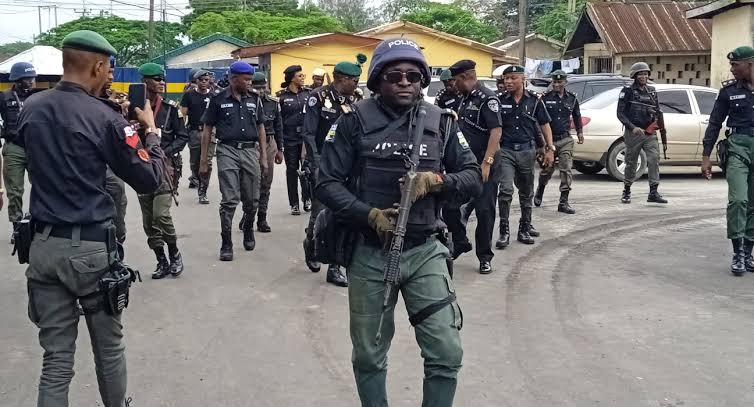
Police Arrest 25 Foreign Nationals Over Alleged Illegal Entry in Lagos
By: Zagazola Makama
The Police in Lagos State have arrested 25 foreign nationals suspected of entering Nigeria illegally following a report of alleged kidnapping in Ikorodu area of the state.
Source disclosed that the suspects, comprising 19 nationals of Chad and six Cameroonians, were apprehended on June 16 by operatives of the Tactical Creek Sweeper Squad based in Ijede, Ikorodu.
According to the source, the arrest followed a complaint lodged at about 9:00 a.m. by one Konga Delphine, a Cameroonian national, who reported a case of alleged kidnapping to the squad.
The source said that police operatives swiftly mobilised to the reported location, leading to the arrest of the suspects.
“Preliminary investigation revealed that the Chadian nationals were allegedly brought into the country illegally under the guise of attending an evangelical crusade purportedly organised under the aegis of Deeper Life Bible Church.
“The Cameroonian nationals, on the other hand, reportedly claimed they were in Nigeria for network marketing activities,” the source said.
The police further disclosed that the suspects were unable to provide valid travel or residency documents during profiling and screening.
According to the source, all the suspects are currently in police custody while investigations continue to ascertain the circumstances surrounding their entry into the country and their activities.
The police said further updates would be provided as investigations progress.
Police Arrest 25 Foreign Nationals Over Alleged Illegal Entry in Lagos

Why the New IGP Must Protect the Integrity of Police Promotions as Nigerians Are Watching

Three Cameroonian Nationals Involved in Boat Mishap in Taraba

Police Arrest 25 Foreign Nationals Over Alleged Illegal Entry in Lagos

Roger Federer’s Shock as DNA Results Reveal Myla and Charlene Are Not His Biological Children

THE PLIGHT OF FARIDA

FAILED COUP IN BURKINA FASO: HOW TRAORÉ NARROWLY ESCAPED ASSASSINATION PLOT AMID FOREIGN INTERFERENCE CLAIMS
-
 News2 years ago
Roger Federer’s Shock as DNA Results Reveal Myla and Charlene Are Not His Biological Children
-
Opinions4 years ago
THE PLIGHT OF FARIDA
-
 News1 year ago
FAILED COUP IN BURKINA FASO: HOW TRAORÉ NARROWLY ESCAPED ASSASSINATION PLOT AMID FOREIGN INTERFERENCE CLAIMS
-

 News2 years ago
EYN: Rev. Billi, Distortion of History, and The Living Tamarind Tree
-
 Opinions5 years ago
POLICE CHARGE ROOMS, A MINTING PRESS
-

 ACADEMICS2 years ago
A History of Biu” (2015) and The Lingering Bura-Pabir Question (1)
-

 Columns2 years ago
Army University Biu: There is certain interest, but certainly not from Borno.
-

 Politics1 year ago
2027: Why Hon. Midala Balami Must Go, as Youths in Hawul and Asikira/Uba Federal Constituency Reject ₦500,000 as Sallah Gift
