
National News
African Gas Pipeline Project, Lake Chad Recharge Top Agenda As VP Shettima, WEF President Meet

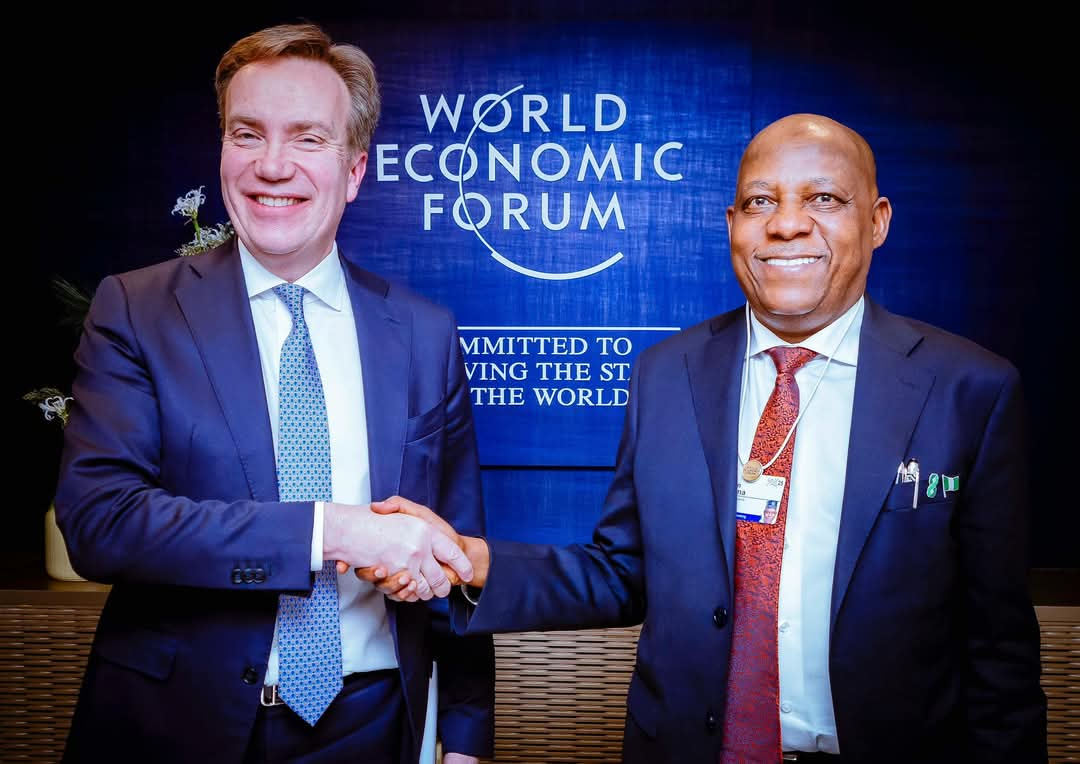
African Gas Pipeline Project, Lake Chad Recharge Top Agenda As VP Shettima, WEF President Meet
** Nigeria on path of sustained growth under President Tinubu, Says VP Shettima
By: Our Reporter
The Nigerian government has called for collaboration with the World Economic Forum (WEF) to foster economic development and growth in the country and on the African continent.
Specifically, it sought partnerships with the global body on the African Atlantic Gas Pipeline (AAGP) in the bid to connect Nigeria to Morocco and other African countries as well as the recharging of Lake Chad to tackle the global food security crisis and other existential threats.
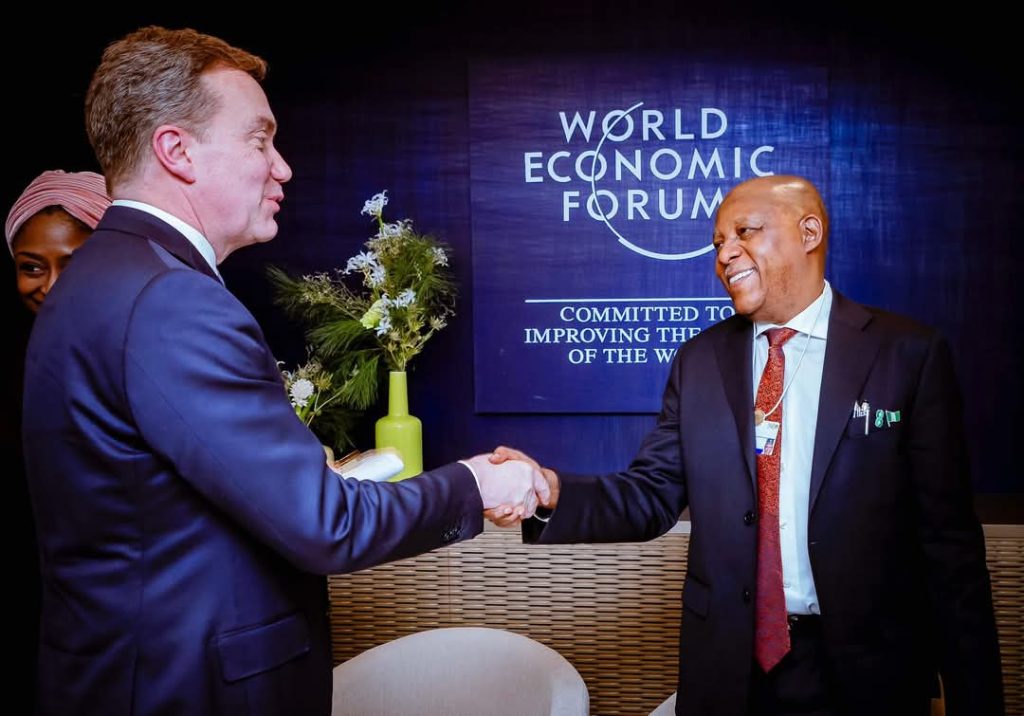
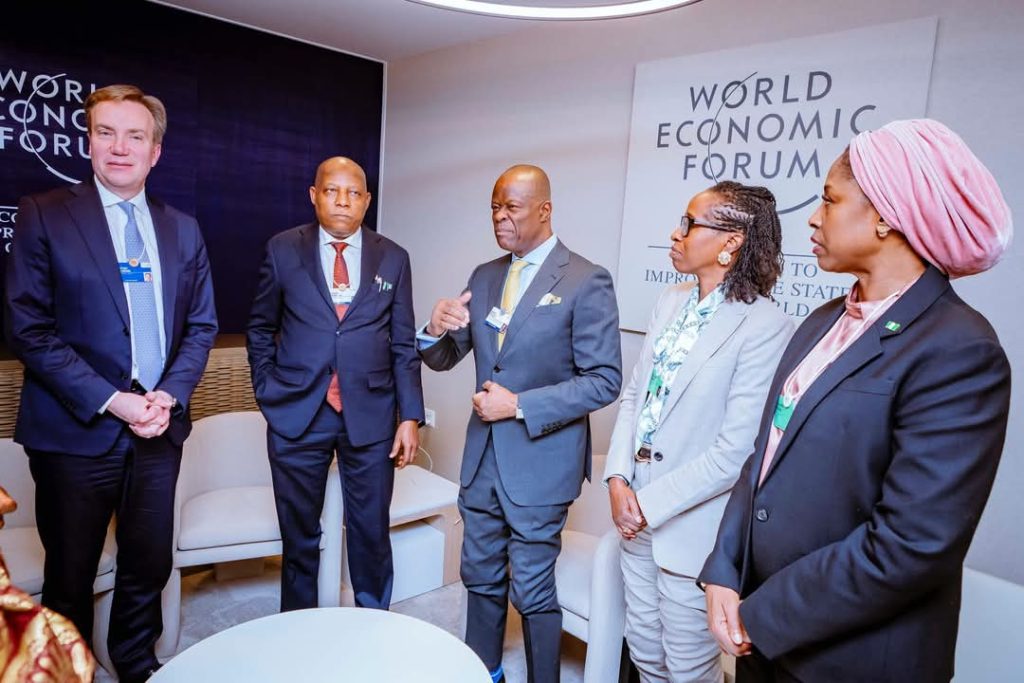
Vice President Kashim Shettima stated this on Thursday during a bilateral meeting with President of the World Economic Forum (WEF), Mr. Børge Brende, on the sidelines of the ongoing annual meeting of WEF in Davos, Switzerland.
On the African Atlantic Gas Pipeline, Senator Shettima said Nigeria will be in a vantage position to take advantage of the WEF platform to develop the gas project, pointing out that this will address the geopolitical challenges in Europe and the growing demand for energy due to artificial intelligence, data mining and storage.
He said, “We seek your collaboration in fundamental areas. One is on the African Atlantic Gas Pipeline (AAGP) which will connect Nigeria to Morocco and other African countries. The pipeline will transport natural gas from Nigeria to North Africa and Europe and is expected to improve energy security and economic growth in the region.
“With the geopolitical challenges in Europe from Russian gas problems and the rising demand for energy because of artificial intelligence, data mining and storage, we will be in a vantage position to take advantage of this opportunity.
“A lot of littoral states in West Africa who have discovered gas are more than willing to plug into the system and feed their gas to other end users. We are also exploring the area of undersea passage of the pipelines for it to be a win-win for everyone. We want to use the WEF platform.”
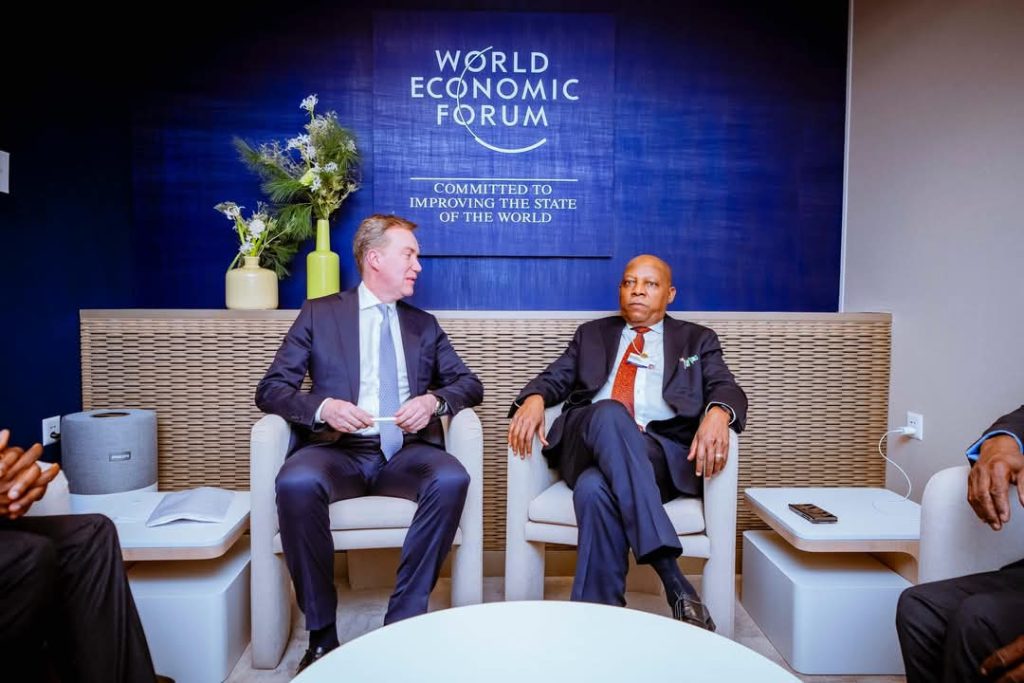
VP Shettima told the WEF President that while Nigeria is a country blessed with gas, the nation is exploring every option to maximise available opportunities for economic growth and create wealth for its growing population.
“Nigeria is a gas nation than an oil nation. Because of our population, we either take care of the young men and women, (our average is 16.9), or they take care of us in the next ten or twenty years down the line. This is why we are in a hurry to develop in our enlightened self-interest. Gas provides us with the utmost opportunity to generate wealth for our people,” he noted.
On recharging of the Lake Chad, the Nigerian Vice President said apart from addressing the food security crisis, it will also put Nigeria in a vantage position to generate clean energy and combat terrorism.
His words: “There is an incestuous relationship between economy and ecology in the Sahelian region. The challenges of Boko Haram and ISWAP might not be disconnected from the realities of existential threats we are facing.
“The Lake Chad hitherto was 25,000 sq. km but it has shrunk to 2,000 sq. km. There is the issue of the recharging of the Lake Chad from the Congo River basin which is the second largest river basin in the world, and the water is flowing into the Atlantic. We want to use your platform to recharge the Lake Chad.
“This will help us to successfully generate clean energy, a significant amount of hydropower annually, and there will be a canal of 2400 kilometres that will change the agricultural landscape of that sub-region. This will address the food security crisis that the world is facing.”
The Vice President also informed the WEF President about the ongoing reforms being undertaken by the administration of President Bola Ahmed Tinubu, saying the Nigerian President has returned Nigeria to the part of sustained economic growth.
“Most importantly, we are talking about the present. My leader and my boss, President Bola Ahmed Tinubu is someone who also grew up in the finance ecosystem. He was a financial controller for ExxonMobil; he was a transformative leader in Lagos State and in Nigeria, he is the most disruptive leader we have had in half a century.
“From the first week in office, he did the right thing – from the subsidy removal to the alignment of the exchange rates, tax reforms, and so many ongoing reform efforts. Our economy has turned the corner, we have crossed the Rubicon and we’re now on the path to sustained economic growth,” he stated.
The Vice President invited the WEF President to Nigeria to meet with President Bola Ahmed Tinubu, while also intimating him of Nigeria’s readiness to host the WEF Africa.
Underscoring why fostering collaboration with WEF is germane to the growth of Africa, VP Shettima noted that apart from being the biggest economy in the continent, Nigeria is also the most populous nation in Africa, with 250 million people.
“And by 2050, we will be the third most populous nation on earth, surpassing the United States. By the end of the century, Nigeria will be the most populous nation on earth,” he added.
African Gas Pipeline Project, Lake Chad Recharge Top Agenda As VP Shettima, WEF President Meet


Troops Rescue Security Personnel, Recover Arms After Mob Attack in Oyo
By: Zagazola Makama
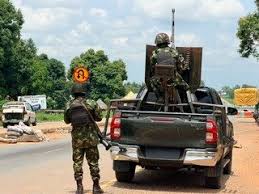
Troops of the 2 Division Garrison have intervened in a mob attack at Ojurin Mammy Market in Lagalu Local Government Area of Oyo State, rescuing three police personnel and a civilian driver who were assaulted by unknown individuals.
Military sources said the incident occurred at about 6:46 p.m. on June 18, when the victims were attacked by a mob who mistook them for armed robbers while they were dressed in plain clothes.
The victims were later identified as personnel attached to the Violent Crimes and Response Unit Annex, Iyana Church, Alakia, Ibadan.
Troops who responded swiftly to the distress situation succeeded in rescuing the victims from the mob and restoring order in the area.
The civilian driver involved in the incident reportedly sustained varying degrees of injury and was evacuated to the 2 Division Medical Services and Hospital for treatment.
During the operation, troops recovered one AK-47 rifle, one riot gun, and 25 rounds of 7.62mm special ammunition from the scene.
Authorities said the situation had been brought under control, while efforts were ongoing to prevent further escalation and ensure public safety in the area.
Troops Rescue Security Personnel, Recover Arms After Mob Attack in Oyo
National News
UN Envoy Blasts Nigeria’s Security Collapse, Warns Impunity Fuelling Cycle of Violence, Rights Breakdown
UN Envoy Blasts Nigeria’s Security Collapse, Warns Impunity Fuelling Cycle of Violence, Rights Breakdown
By: Michael Mike
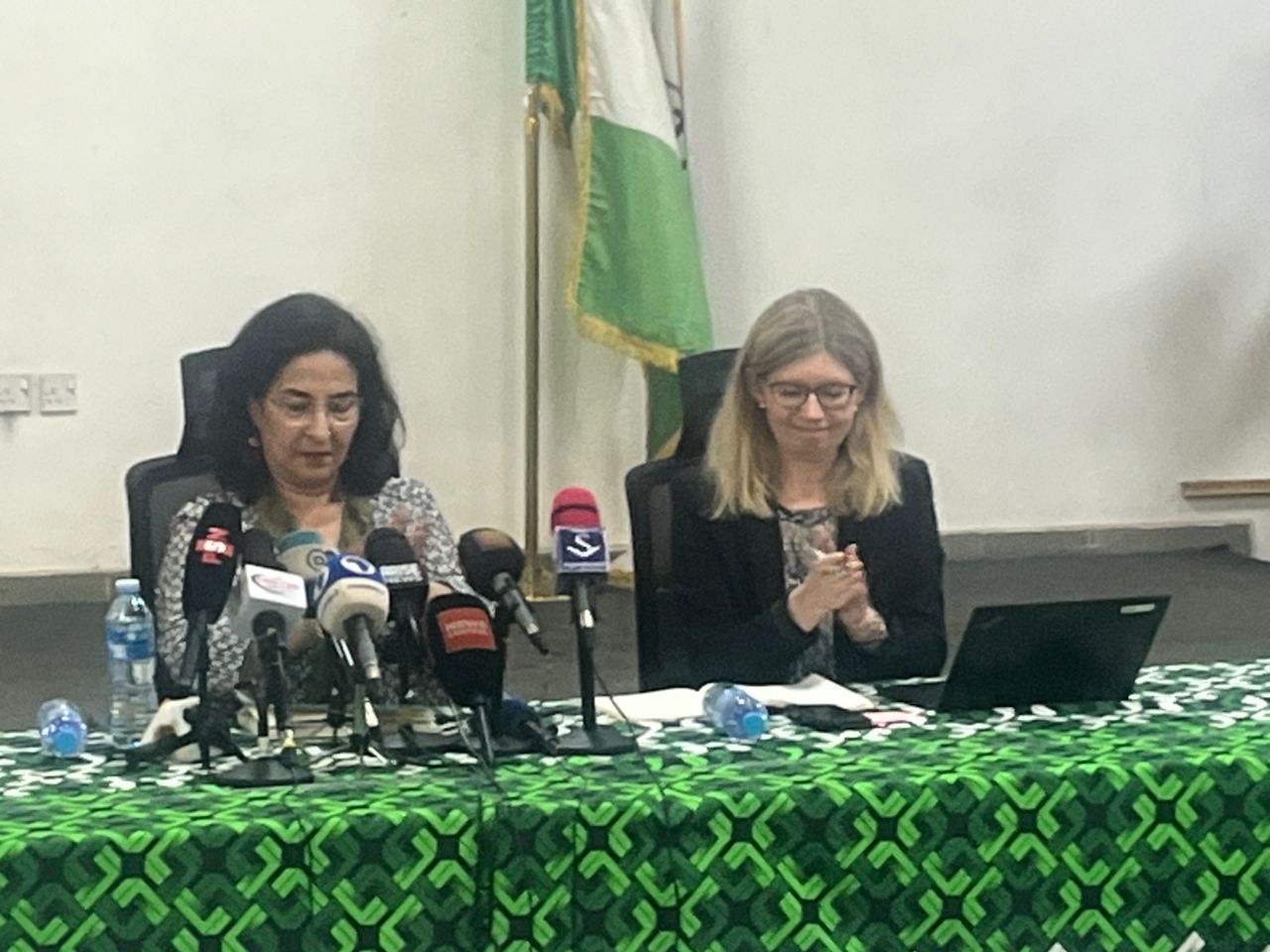
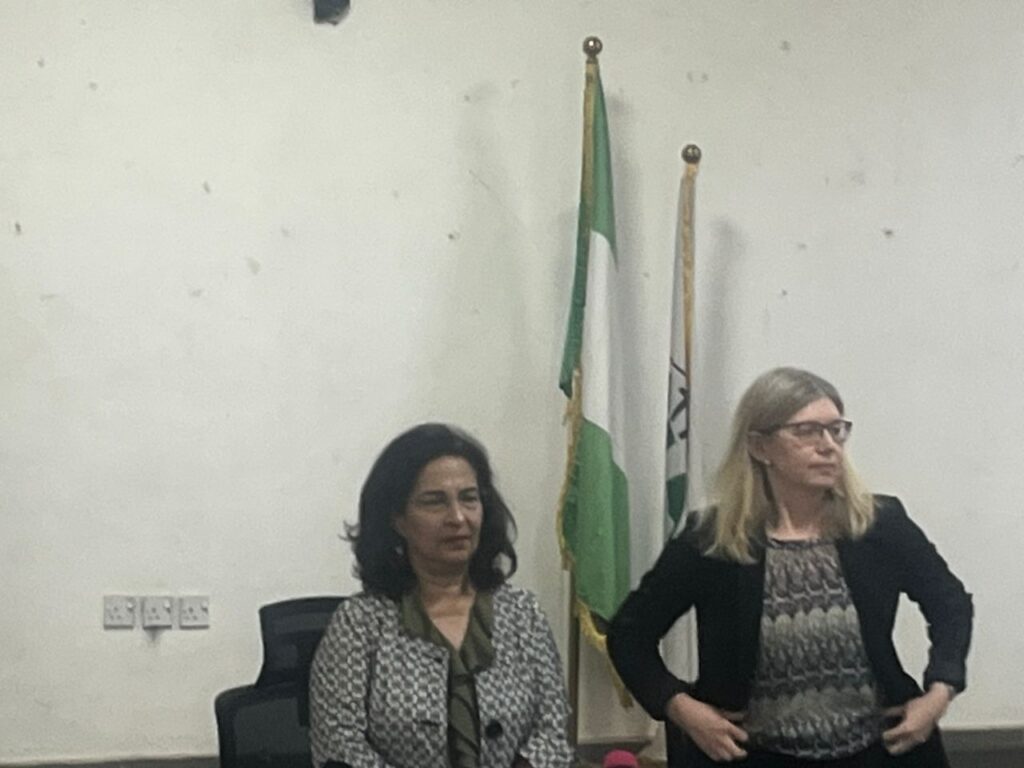
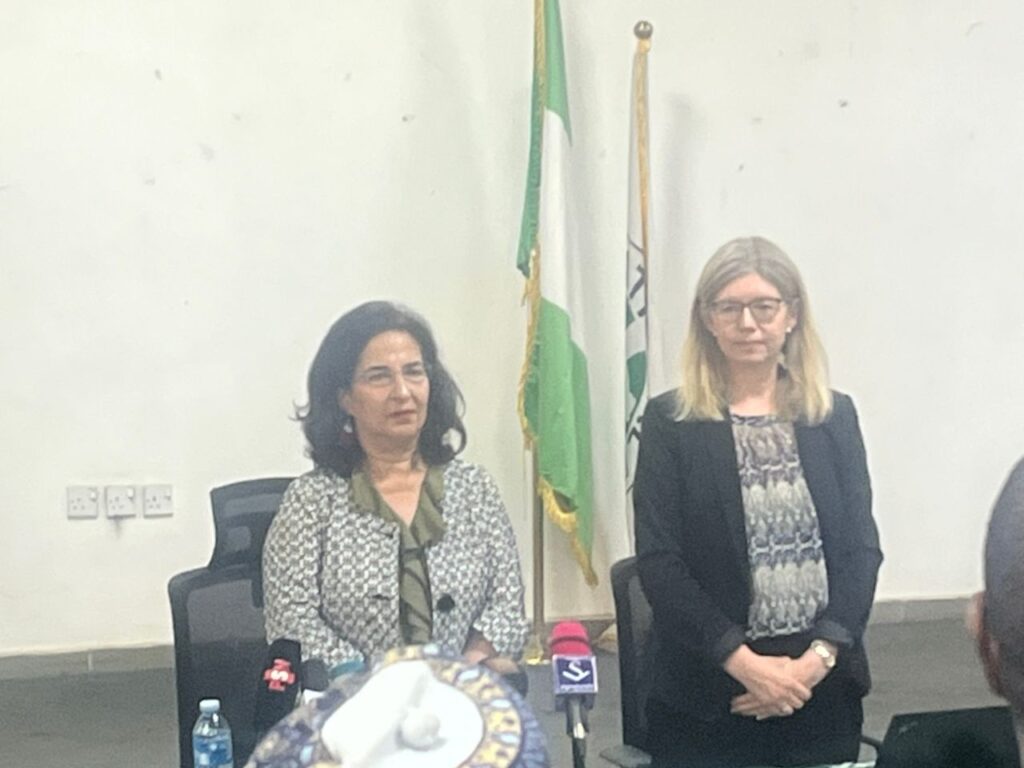
The United Nations Special Rapporteur on Freedom of Religion or Belief, Nazila Ghanea, has delivered one of the starkest international assessments yet of Nigeria’s security situation, warning that entrenched impunity and collapsing accountability systems are fuelling a self-perpetuating cycle of violence across the country.
Speaking at the end of an 11-day official visit, Ghanea said Nigeria’s insecurity has moved beyond episodic attacks to a structural crisis characterised by mass killings, repeated displacement of communities, destruction of livelihoods and widespread erosion of public trust in state institutions.
She said what emerged consistently from her engagements with over 200 stakeholders — including government officials, security agencies, victims, civil society organisations and religious leaders — was a country struggling to contain overlapping threats of terrorism, banditry, kidnapping, communal conflict and organised criminal networks.
According to her, the failure to ensure accountability for atrocities has created conditions in which violence is not only repeated but expands, leaving entire communities trapped in cycles of fear and survival.
“The absence of justice and accountability appears to be entrenching these cycles of violence and encouraging their spread,” she warned.
The UN envoy said victims across multiple regions described repeated attacks that destroyed entire villages, forced mass displacement and left survivors dependent on internally displaced persons’ camps with no clear path to return home.
She noted that many communities have suffered repeated assaults over the years, with some victims reporting displacement as many as six times, each time forced to rebuild their lives only to face renewed violence.
Ghanea also drew attention to disturbing accounts of armed groups allegedly imposing terms on rural communities, including arrangements in which residents surrender farmland and agricultural produce under coercion, deepening what she described as a breakdown of state protection in rural areas.
She warned that the scale and persistence of abductions — including kidnappings of children, clergy, traditional leaders, security personnel and political figures — has created a parallel economy of ransom and fear that further weakens state authority.
The Special Rapporteur said insecurity has also triggered the rise of vigilante groups, community defence networks and informal security structures, reflecting what she described as citizens’ growing loss of confidence in formal protection systems.
Ghanea further cautioned that the proliferation of arms and informal checkpoints risks blurring the line between community self-defence and criminal exploitation, warning that weak oversight could worsen insecurity.
Beyond violence, she raised concerns about structural issues affecting freedom of religion or belief, including the continued requirement in some administrative processes for citizens to declare their religion, saying such practices reinforce identity-based divisions and expose governance systems to political manipulation.
She also criticised the dominant framing of Nigeria as a rigid religious binary between a Muslim north and Christian south, describing it as an oversimplification that obscures the country’s internal diversity and fuels polarisation.
While acknowledging Nigeria’s constitutional guarantees of fundamental rights, Ghanea pointed to tensions arising from parallel legal and administrative systems in parts of the country, particularly around issues such as blasphemy, personal status laws and freedom of expression.
Despite her concerns, the UN envoy commended the resilience of affected communities, the efforts of civil society organisations and the work of interfaith initiatives aimed at promoting dialogue and coexistence.
She said Nigeria possesses the institutional capacity, human expertise and civic energy needed to reverse current trends, but stressed that urgent reforms are required to break what she described as the entrenched cycle of violence and impunity.
Ghanea confirmed that her full findings and recommendations will be submitted to the United Nations Human Rights Council in March 2027.
UN Envoy Blasts Nigeria’s Security Collapse, Warns Impunity Fuelling Cycle of Violence, Rights Breakdown
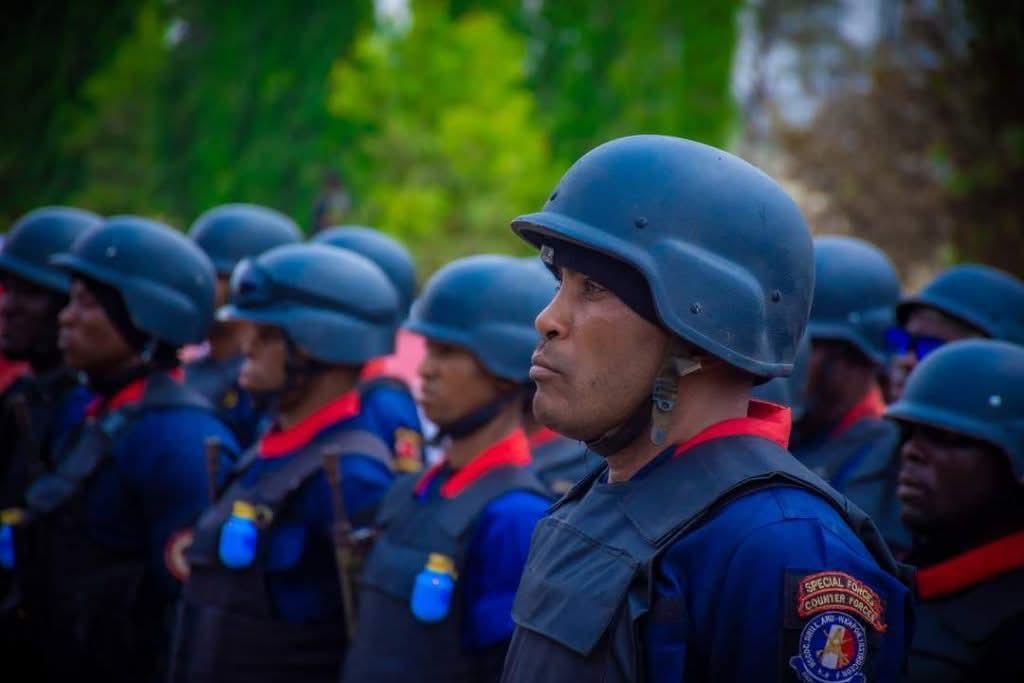
Ekiti Poll: NSCDC Deploys 10,000 Personnel
By: Michael Mike
The Nigeria Security and Civil Defence Corps (NSCDC) has deployed 10,000 personnel, including elite tactical squads and K9 units, to Ekiti State ahead of the forthcoming governorship election, in a major security operation aimed at ensuring a peaceful and credible poll.
The deployment, announced on Wednesday by the NSCDC National Headquarters in Abuja, is part of the Corps’ efforts to guarantee a violence-free atmosphere and protect the integrity of the electoral process.
According to the NSCDC, personnel have been mobilised from several neighbouring states, including Ondo, Osun, Oyo, Lagos, Kwara, Edo, Ogun and Kogi, alongside operational reinforcements from Zones 11 and 6.
The Corps said its specialised units, including the Commandant General’s Special Intelligence Squad (SIS), Special Weapons and Tactics (SWAT) unit, Specialized Female Squad, Mining Marshals, Special Force and Crack Squad, as well as the K9 Unit, have been placed on high alert to detect and neutralise any security threats before, during and after the election.
To coordinate the operation, the Commandant General, Ahmed Audi has designated the Deputy Commandant General in charge of Operations, Ayuba Phillips, to personally lead the security exercise on the ground in Ekiti State.
Reaffirming the Corps’ readiness, the Commandant General said the security operation was designed to protect voters, election officials and other stakeholders and to prevent any form of electoral violence.
“Our mission in Ekiti State is definitive: to protect the integrity of the democratic process and guarantee the safety of every voter, election official, and citizen. We will tolerate no form of electoral violence, thuggery, or disruption. Our specialized squads and tactical forces are fully briefed and strategically positioned to maintain absolute law and order,” he said.
The NSCDC also disclosed that it is working closely with other security agencies to provide comprehensive security coverage throughout the election period, stressing that all personnel have been directed to maintain professionalism, neutrality and civility in line with the provisions of the Electoral Act.
The deployment comes amid heightened preparations for the governorship election, with security agencies under pressure to prevent voter intimidation, electoral violence and other disruptions that have occasionally marred elections in parts of the country.
The Corps urged residents of Ekiti State to conduct themselves peacefully, turn out to exercise their civic rights without fear and promptly report suspicious activities to security personnel.
Ekiti Poll: NSCDC Deploys 10,000 Personnel

Mob Burns Islamic Teacher to Death in Kaduna Over Unverified Child Theft Allegation

Fubara Celebrates Fathers, Describes Them as Society’s Unsung Heroes

Sowore’s Attack on NUJ Over DSS Chief’s Award Baseless, Threatens Free Speech – Group

Roger Federer’s Shock as DNA Results Reveal Myla and Charlene Are Not His Biological Children

THE PLIGHT OF FARIDA

FAILED COUP IN BURKINA FASO: HOW TRAORÉ NARROWLY ESCAPED ASSASSINATION PLOT AMID FOREIGN INTERFERENCE CLAIMS
-
 News2 years ago
Roger Federer’s Shock as DNA Results Reveal Myla and Charlene Are Not His Biological Children
-
Opinions4 years ago
THE PLIGHT OF FARIDA
-
 News1 year ago
FAILED COUP IN BURKINA FASO: HOW TRAORÉ NARROWLY ESCAPED ASSASSINATION PLOT AMID FOREIGN INTERFERENCE CLAIMS
-

 News2 years ago
EYN: Rev. Billi, Distortion of History, and The Living Tamarind Tree
-
 Opinions5 years ago
POLICE CHARGE ROOMS, A MINTING PRESS
-

 ACADEMICS2 years ago
A History of Biu” (2015) and The Lingering Bura-Pabir Question (1)
-

 Columns2 years ago
Army University Biu: There is certain interest, but certainly not from Borno.
-

 Politics1 year ago
2027: Why Hon. Midala Balami Must Go, as Youths in Hawul and Asikira/Uba Federal Constituency Reject ₦500,000 as Sallah Gift
