
News
Zulum: Alau Dam Reconstruction to Restore Dignity, Livelihoods in Borno

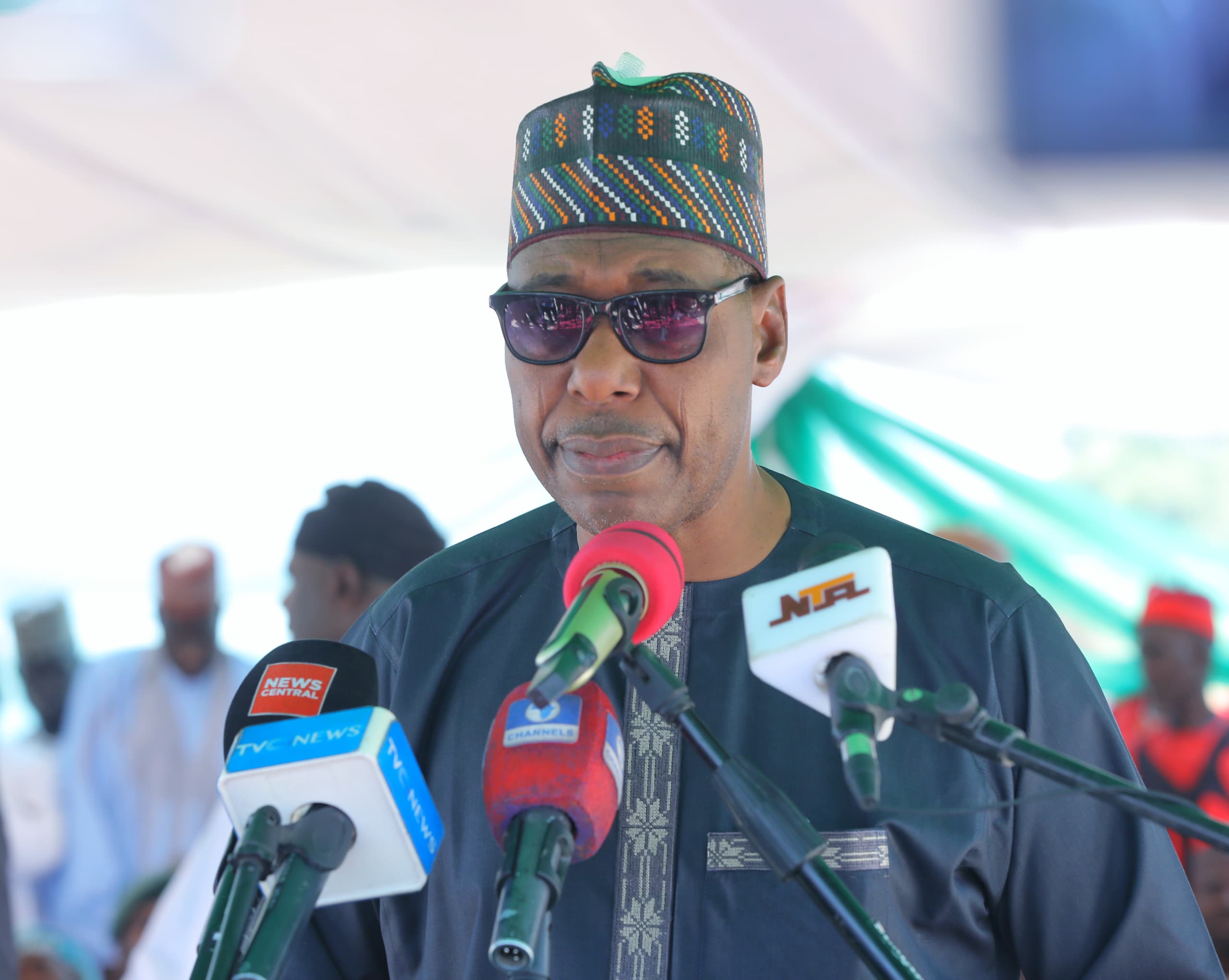
Zulum: Alau Dam Reconstruction to Restore Dignity, Livelihoods in Borno
…approves construction of school, hospital
By: Our Reporter
Borno State Governor, Professor Babagana Umara Zulum, has emphasised that the reconstruction of the Alau Dam will restore the dignity and livelihoods of the people of Borno, who were severely impacted by the devastating flood disaster of 2024.
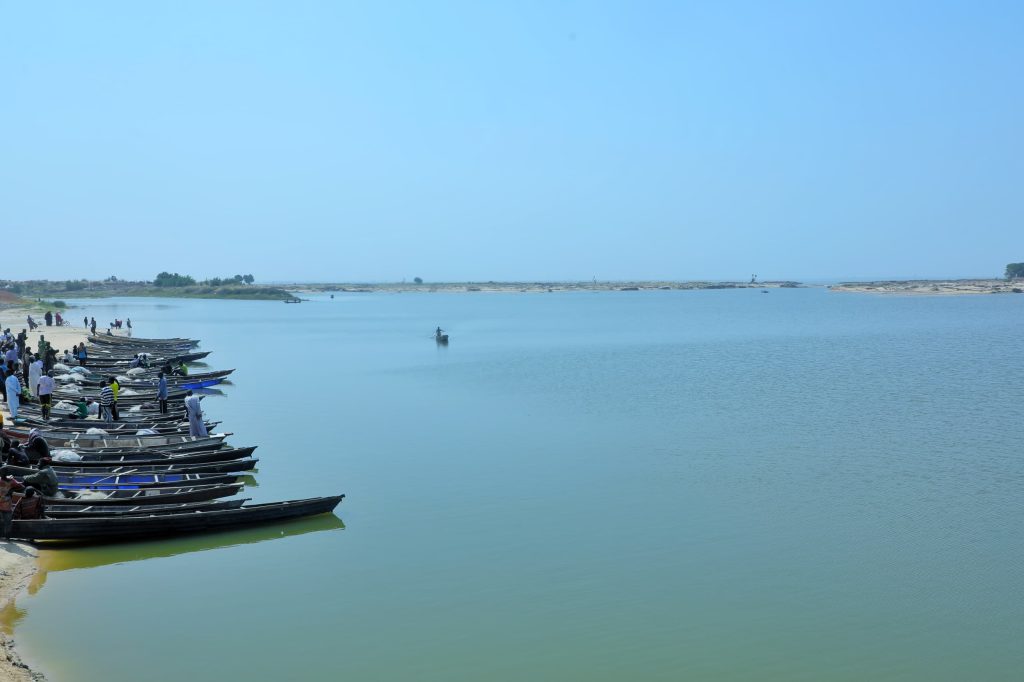
The Alau Dam collapsed on September 10, 2024, causing catastrophic flooding that killed at least several people and displaced thousands. The dam was built between 1984 and 1986. It stored water from the Ngadda River, a Lake Chad tributary, mainly used for irrigation and as a tap water source within Maiduguri and its environs.
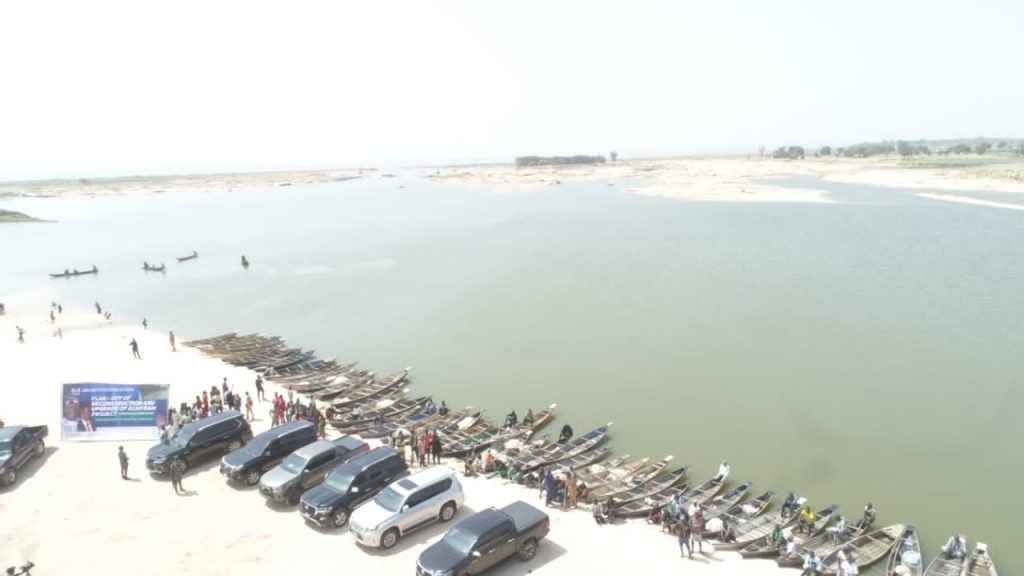
The Governor stated this on Saturday during the groundbreaking ceremony for the restoration and rehabilitation of the Alau Dam by the federal government.
The event took place at the Alau community in Jere Local Government Area.
Governor Zulum outlined several key benefits the people of Borno will gain from the rehabilitation of the dam, including enhanced agricultural activities, improved water supply, flood control, economic diversification, and community empowerment.
“This groundbreaking ceremony is a testament to the Federal Government’s unwavering commitment to rebuilding Borno State, not just in terms of physical infrastructure, but in restoring the livelihoods and dignity of our citizens,” Zulum said.
Governor Zulum added, “We understand that sustainable development is inextricably linked to the availability of water resources, and the Alau Dam is crucial in this regard.”
Zulum also said, “The restoration and rehabilitation of this dam will bring numerous benefits to our people.”
“Enhanced Agricultural Productivity along the dams: This project will significantly improve irrigation capacity, enabling our farmers to cultivate more land and increase their yields. This will boost food security, create employment opportunities and contribute to the overall economic development of the state.”
He acknowledged the support of President Bola Ahmed Tinubu for approving the repair of the dam within short period of time.
Minister of Water Resources and Sanitation, Prof Joseph Terlumun Utsev, who was the special guest of honour at the groundbreaking ceremony stated that the rehabilitation will be conducted in two phases.
According to the minister, when completed, the Alau Dam will enhance the provision of drinking water and revamp agricultural activities for thousands of people around the facility.
“It is evident that the reconstruction and upgrade of Alau Dam will significantly enhance the provision of potable drinking water, support downstream irrigation, boost socio-economic activities and enable flood control while facilitating other viable socio-economic activities capable of revamping people’s livelihoods and economic development. The project work is structured in two phases over a completion period of 24 months,” Prof Utsev disclosed .
He added that phase one will be executed between February and September 2025 to cover the critical interventions to mitigate immediate flood risks, while phase two will focus on extensive distilling and structural enhancements to ensure long-term functionality and resilience of the dam, commencing from October 2025.”
Speaking earlier in his welcome address, the Borno State Commissioner of Water Resources, Engr Tijjani Goni Alkali, applauded the federal government for its timely intervention in rehabilitating the dam.
…Zulum approves construction of school and hospital
Governor, Babagana Umara Zulum, has approved the construction of a primary school and hospital for Alau community in Jere local government area in the central part of the state.
“I have approved the construction of a primary school and hospital for Alau community to ensure development of the area” Zulum said.
Zulum announced the approval on Saturday at the groundbreaking ceremony. He called on people of the area to cooperate with the contractors and support the rehabilitation.
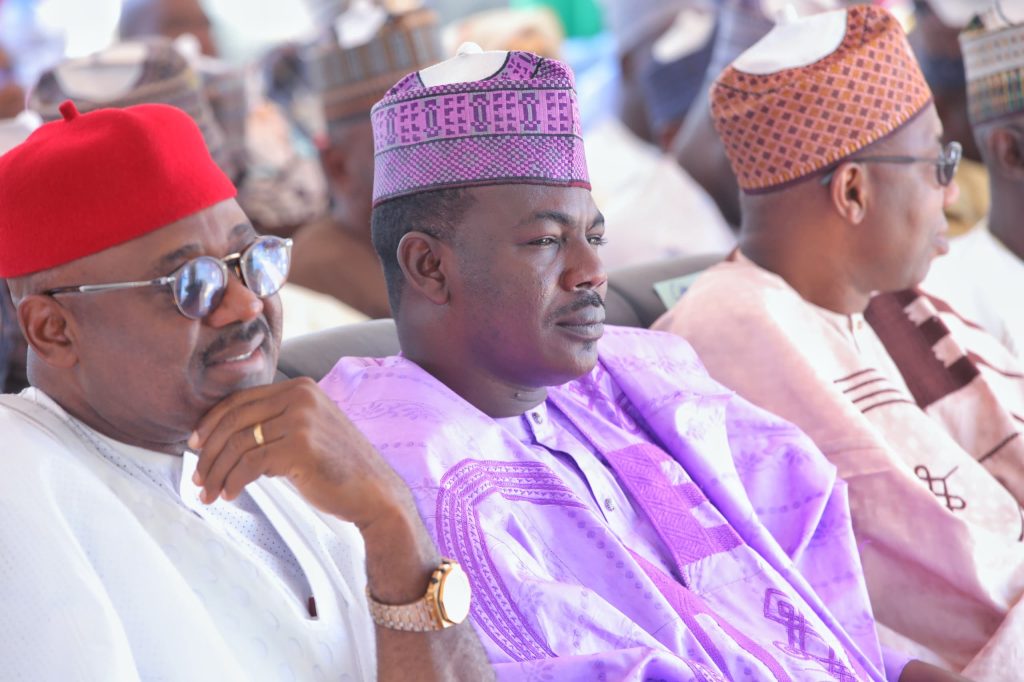
Chairman Senate Committees on Water and Sanitation, Senator Abdulaziz Yari represented by the vice chairman of the committee, Senator Eze Ken Emeka, and the chairman of the House of Representatives Committee on Water and Sanitation, Hon. Sada Soli Jibia, attended the occasion.
Also present were the Senator representing Borno Central, Barrister Kaka Shehu Lawan, the Minister of Agriculture and Food Security, Senator Abubakar Kyari, and House of Representatives members.
The Shehu of Borno, Abubakar Ibn Umar Garbai El-Kanemi, led members of Borno Emirates Council, including the Waziri of Borno, Mutawali Shettima.
Other dignitaries include the secretary to Borno State Government, Alhaji Bukar Tijani, the Permanent Secretary of the Federal Ministry of Water Resources and Sanitation, Mr Richard Pheelangwaah, the APC Chairman, Hon Bello Ayuba, the Deputy Speaker of Borno State House of Assembly, Engr Abdullahi Askira, and the Deputy Chief of Staff, Dr Babagana Mallumbe.
Zulum: Alau Dam Reconstruction to Restore Dignity, Livelihoods in Borno


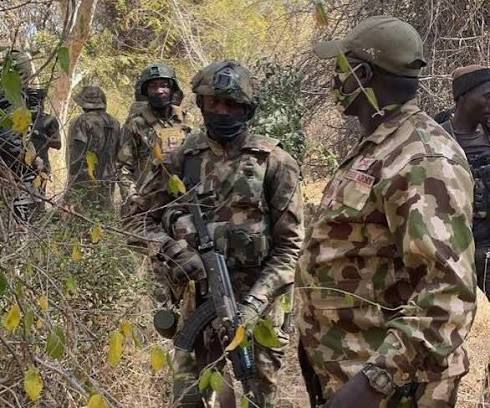
Troops Foil ISWAP/JAS Attack on Military Position in Borno, Recover UXOs
By: Zagazola Makama
Troops of 3 Battalion (Mechanised)/24 Task Force Brigade have successfully repelled an attack by suspected Islamic State West Africa Province (ISWAP) terrorists in Ngala Local Government Area of Borno State.
Security sources said the attack occurred at about 2:44 a.m. on June 12 when terrorists launched coordinated assaults on the troops’ location from Wurge, Manawaji and Kinuba.
According to the sources, the troops engaged the attackers with superior firepower, supported by reinforcements from battalion headquarters, as well as mortar and artillery fire support, forcing the insurgents to withdraw.
Following the encounter, the fleeing terrorists retreating and scampered into the bushes.
At about 5:45 a.m., troops and auxiliary forces conducted a follow-up exploitation along the withdrawal route towards Wurge, during which three RPG-7 high-explosive unexploded ordnances (UXOs) and two torchlights were recovered.
The sources further disclosed that a main battle tank developed technical faults during the aftermath of the engagement, while one soldier sustained injuries from fragments of an RPG blast.
The wounded personnel was evacuated to the 3 Battalion Regimental Aid Post (RAP) for medical treatment.
Military authorities said clearance and follow-up operations were ongoing in the area to consolidate gains and prevent further terrorist regrouping.
They reaffirmed commitment to sustaining aggressive counter-terrorism operations across the North-East theatre.
Troops Foil ISWAP/JAS Attack on Military Position in Borno, Recover UXOs
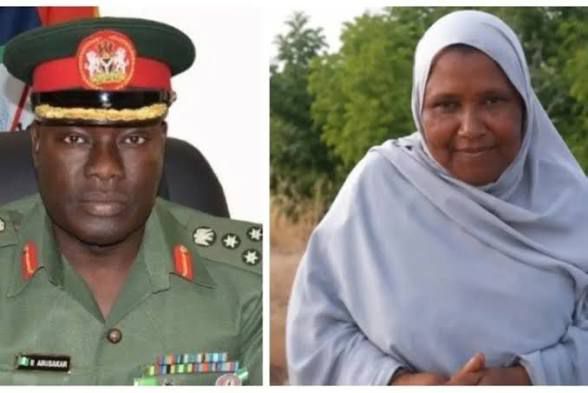
Katsina Govt Confirms Death of Retired Major General Rabe in Bandits’ Captivity
By: Zagazola Makama
The Katsina State Government has announced the death of retired Major General Rabe Abubakar while in the captivity of bandits.
The government, in a statement issued on Friday by the Commissioner for Internal Security and Home Affairs, Dr Nasiru Mu’azu, described the development as tragic and a major loss to the state and the nation.
According to the statement, the retired senior military officer died from complications arising from diabetes and hypertension while in captivity.
The government said that despite sustained efforts by the state government and security agencies to secure his release, the situation ended in tragedy.
“The deceased retired general died a natural death from complications of diabetes and hypertension,” the statement said.
It noted that the late officer’s abduction and subsequent death represented not only a loss to his immediate family and Katsina State but also a monumental loss to the country.
Governor Dikko Umaru Radda expressed deep condolences to the family of the deceased, describing the incident as a dark moment and a reminder of the need for intensified efforts against criminal elements threatening peace and security.
The governor reaffirmed the state government’s commitment to working closely with the Federal Government and security agencies to ensure that those responsible for the abduction are brought to justice.
He also assured residents that the government remained resolute in its determination to eliminate banditry and safeguard lives and property across the state.
The government prayed for the repose of the soul of the late retired Major General and urged citizens to continue supporting security agencies in the fight against insecurity.
Katsina Govt Confirms Death of Retired Major General Rabe in Bandits’ Captivity
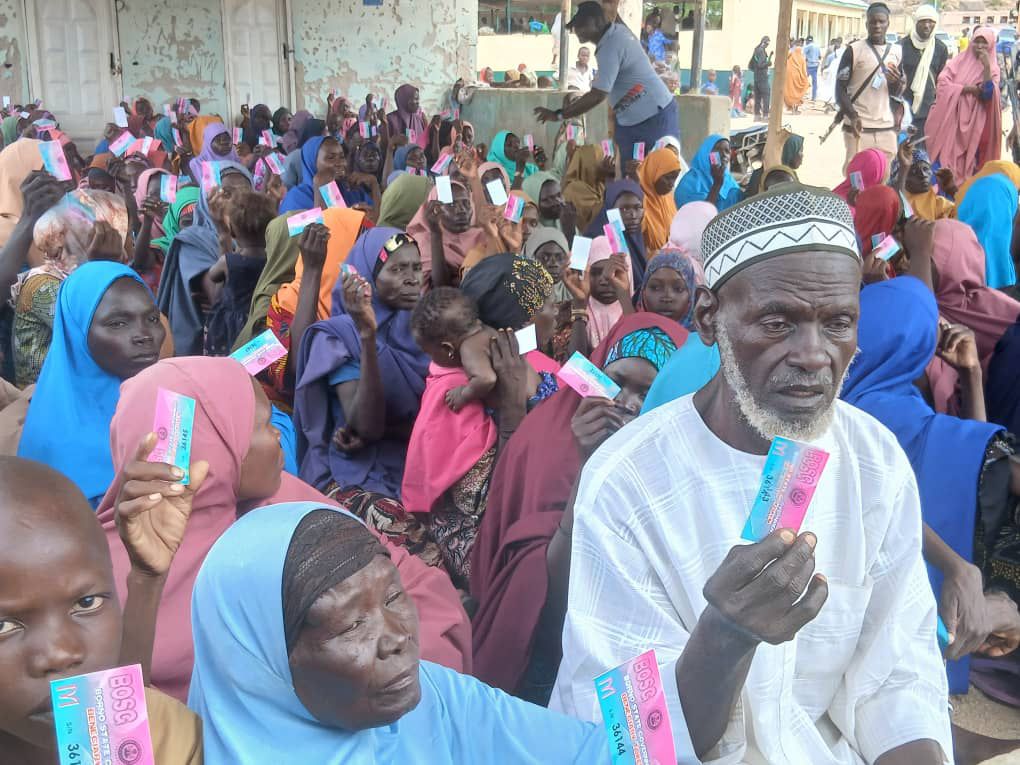
Zulum Delivers Relief, Cash Support to 434 Ngoshe Residents Rescued from Boko Haram
By: Our Reporter
Borno State Government has distributed relief materials to 434 indigenes of Ngoshe community in Gwoza Local Government Area who were recently rescued by security agencies after spending three months in Boko Haram captivity.
Governor Babagana Umara Zulum visited the victims in Pulka on Monday and directed the immediate distribution of food and non-food items to support their recovery and reintegration.
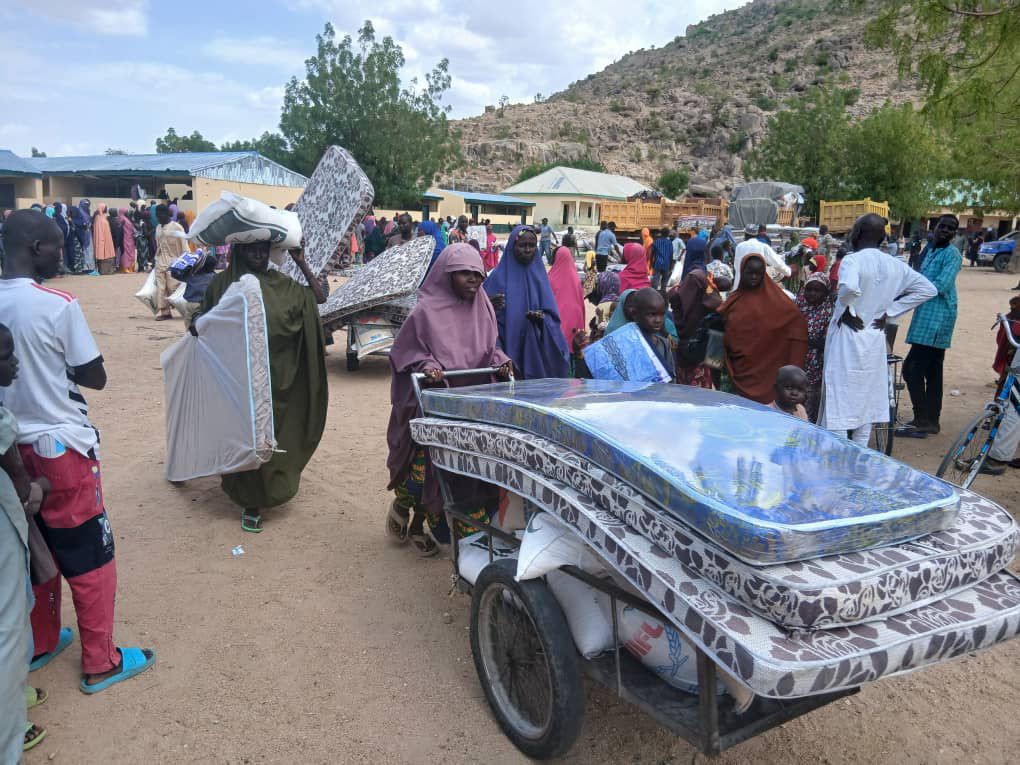
In compliance with the Governor’s directive, the Director General of the Borno State Emergency Management Agency (SEMA), Alhaji Ali Abdullahi Isa, promptly supervised the distribution exercise.
Each rescued person received a bag of rice, a bag of maize grits, a mattress, a wrapper, and a shadda, while children received two pairs of clothing.
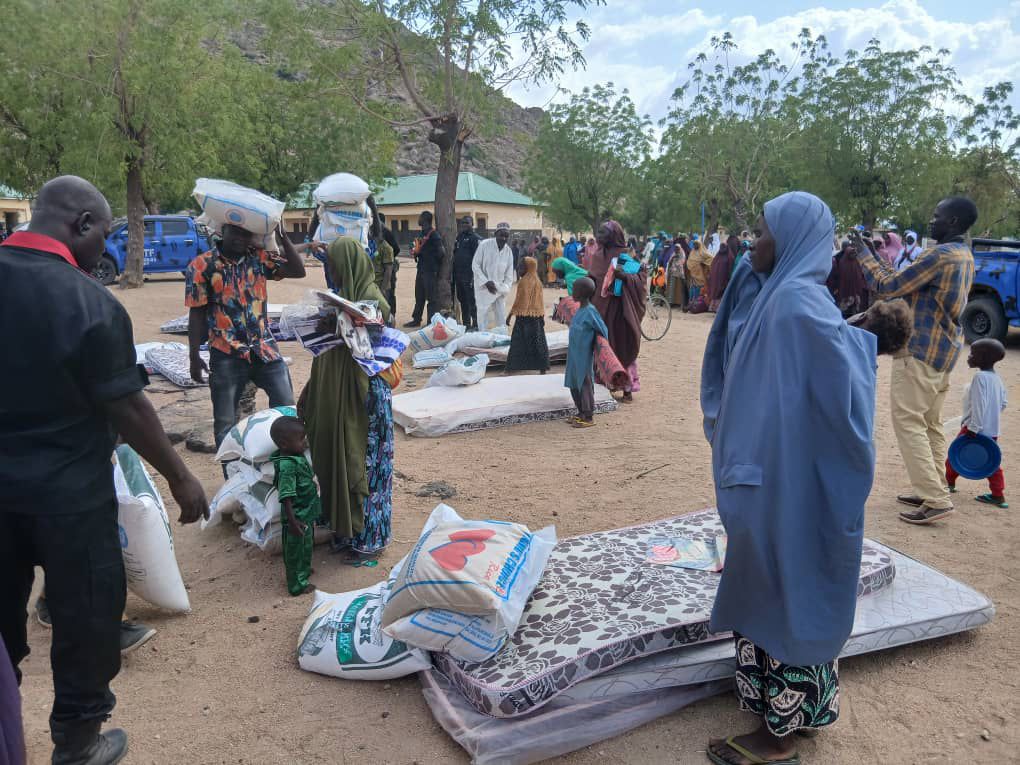
In addition, 208 heads of households received N50,000 each, fulfilling Governor Zulum’s earlier pledge of financial assistance.
Speaking during the distribution, the SEMA Director General said the intervention was part of the government’s immediate response to ease the hardship faced by the rescued victims.
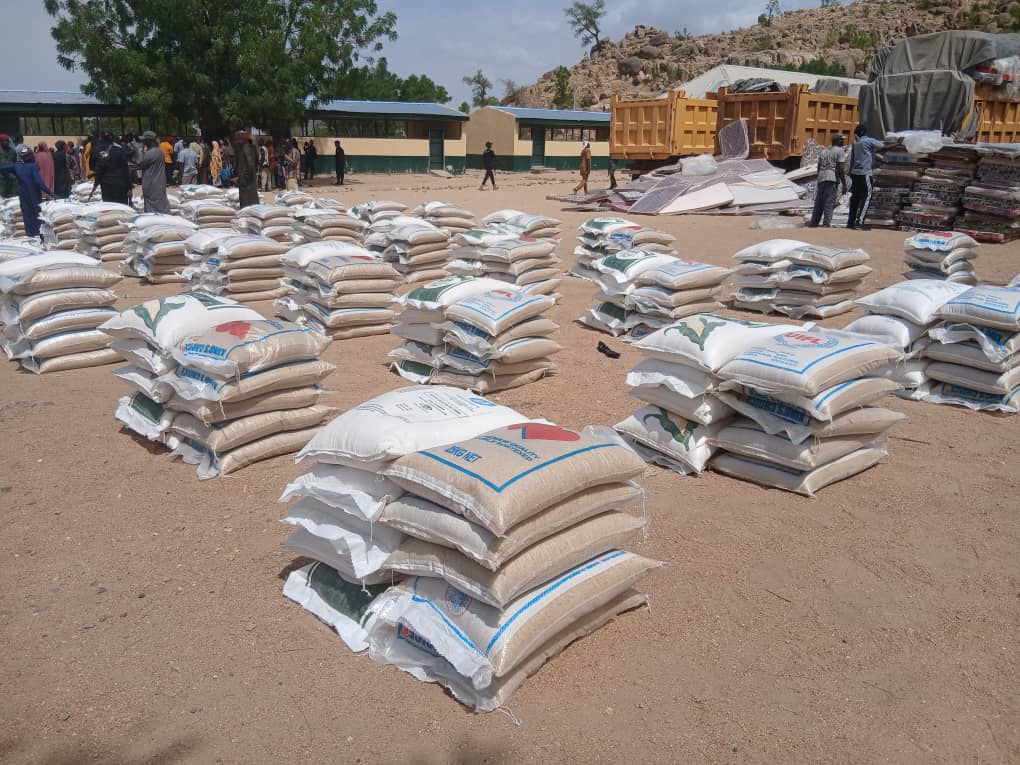
“I am here at the instance of His Excellency, Governor Babagana Umara Zulum, who was here some few days ago, and to deliver the items he directed that it should be given to you as emergency relief,” Ali stated.
The rescued individuals are currently receiving medical care and psychosocial support at a government facility. Upon completion of the rehabilitation process, they will be reintegrated into their respective communities.
The exercise was carried out alongside the Chairman of Gwoza local government, representatives of the Ngoshe community, and other officials.
Zulum Delivers Relief, Cash Support to 434 Ngoshe Residents Rescued from Boko Haram

Troops Recover AK-47 Rifle, Ammunition in Failed ISWAP Reconnaissance Operation in Borno

Troops Foil ISWAP/JAS Attack on Military Position in Borno, Recover UXOs

Katsina Govt Confirms Death of Retired Major General Rabe in Bandits’ Captivity

Roger Federer’s Shock as DNA Results Reveal Myla and Charlene Are Not His Biological Children

THE PLIGHT OF FARIDA

FAILED COUP IN BURKINA FASO: HOW TRAORÉ NARROWLY ESCAPED ASSASSINATION PLOT AMID FOREIGN INTERFERENCE CLAIMS
-
 News2 years ago
Roger Federer’s Shock as DNA Results Reveal Myla and Charlene Are Not His Biological Children
-
Opinions4 years ago
THE PLIGHT OF FARIDA
-
 News1 year ago
FAILED COUP IN BURKINA FASO: HOW TRAORÉ NARROWLY ESCAPED ASSASSINATION PLOT AMID FOREIGN INTERFERENCE CLAIMS
-

 News2 years ago
EYN: Rev. Billi, Distortion of History, and The Living Tamarind Tree
-
 Opinions4 years ago
POLICE CHARGE ROOMS, A MINTING PRESS
-

 ACADEMICS2 years ago
A History of Biu” (2015) and The Lingering Bura-Pabir Question (1)
-

 Columns2 years ago
Army University Biu: There is certain interest, but certainly not from Borno.
-

 Politics1 year ago
2027: Why Hon. Midala Balami Must Go, as Youths in Hawul and Asikira/Uba Federal Constituency Reject ₦500,000 as Sallah Gift
