
News
At State Burial, President Tinubu Eulogizes Late Nujoma’s Legacy As Warrior, Nation-builder

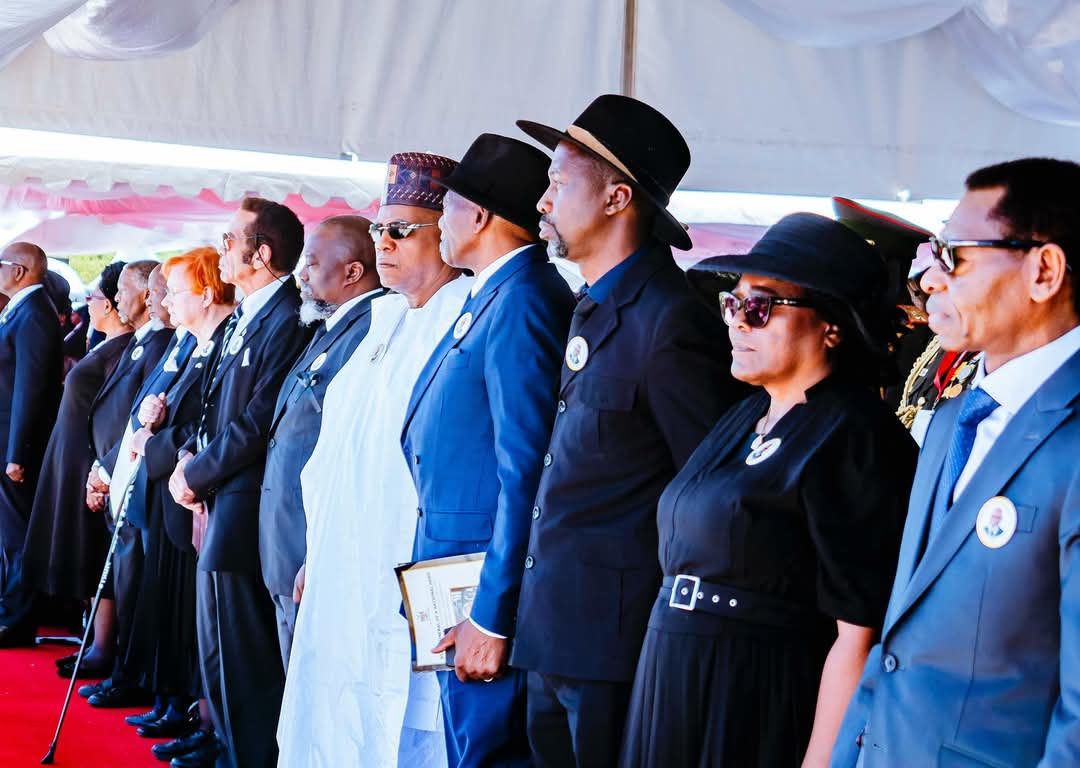
At State Burial, President Tinubu Eulogizes Late Nujoma’s Legacy As Warrior, Nation-builder
** Says founding Namibian president sacrificed comfort for his people’s freedom, dignity, justice
By: Our Reporter
President Bola Ahmed Tinubu has paid glowing tribute to the late founding President of the Republic of Namibia, Dr. Sam Shafiishuna Nujoma, describing him as a warrior who galvanised Nigeria and other African nations to fight for his country’s freedom.
The late Nujoma, a revered figure who led his country to gain Independence, and steered the nation on the path towards democracy and stability, passed away on February 8, 2025, at the age of 95 at a hospital in Windhoek, where he had been confined for weeks due to an illness.
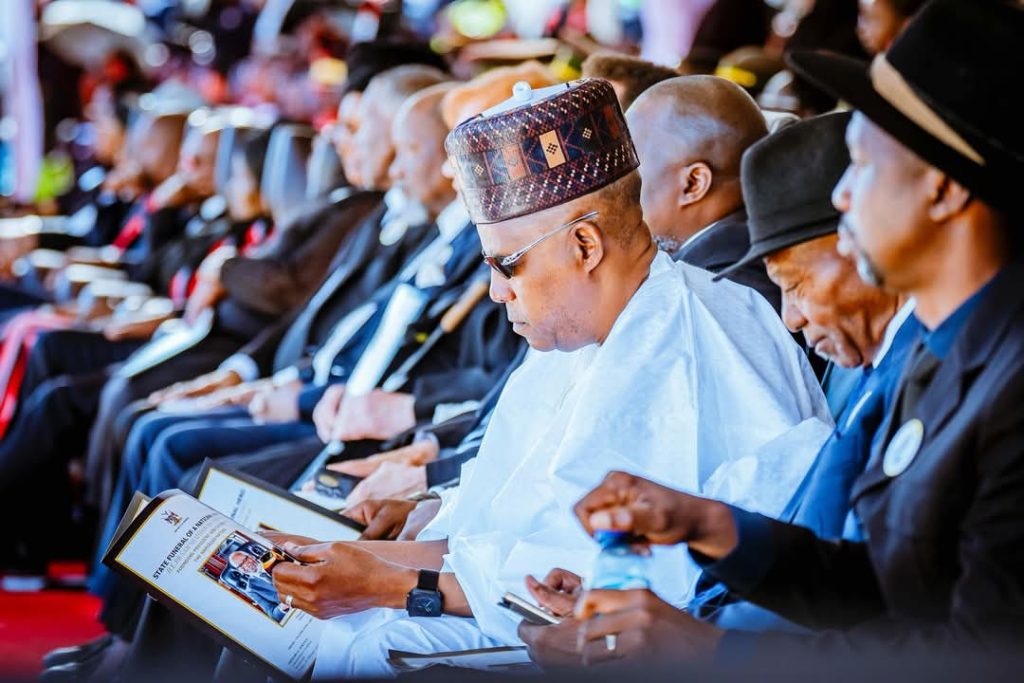
Speaking on Saturday during a state burial for the late Namibian leader held at Heroes’ Acre, Windhoek, Namibia, President Tinubu who was represented by his deputy, Vice President Kashim Shettima, noted that Dr. Nujoma’s demise is not an exit from space and time, but the wake of his immortality in the minds of Africans.
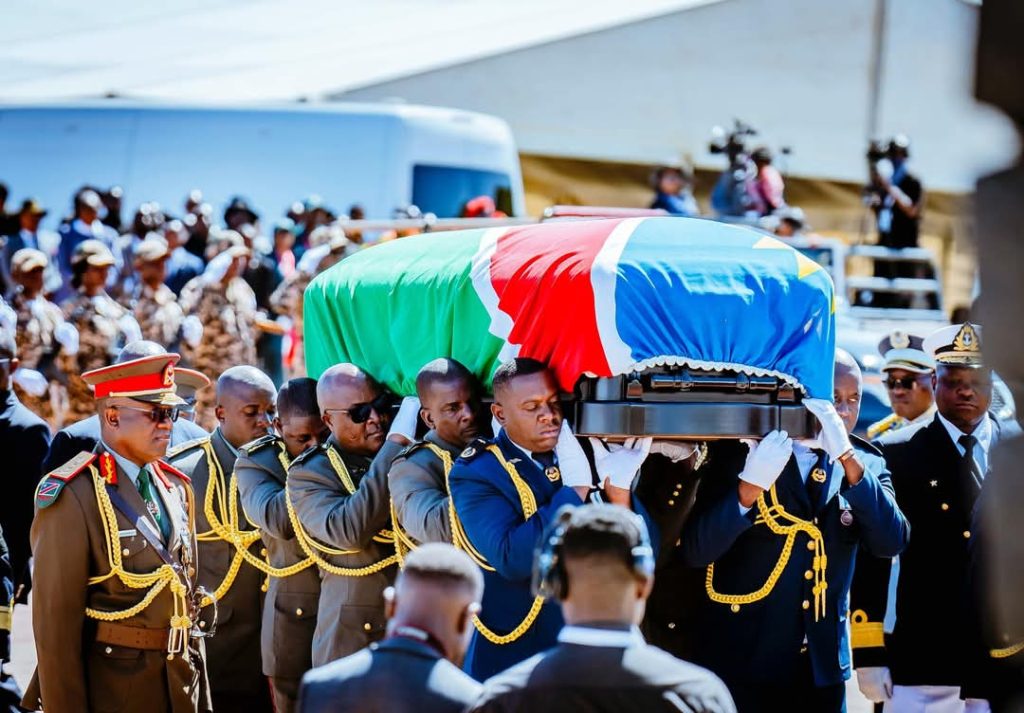
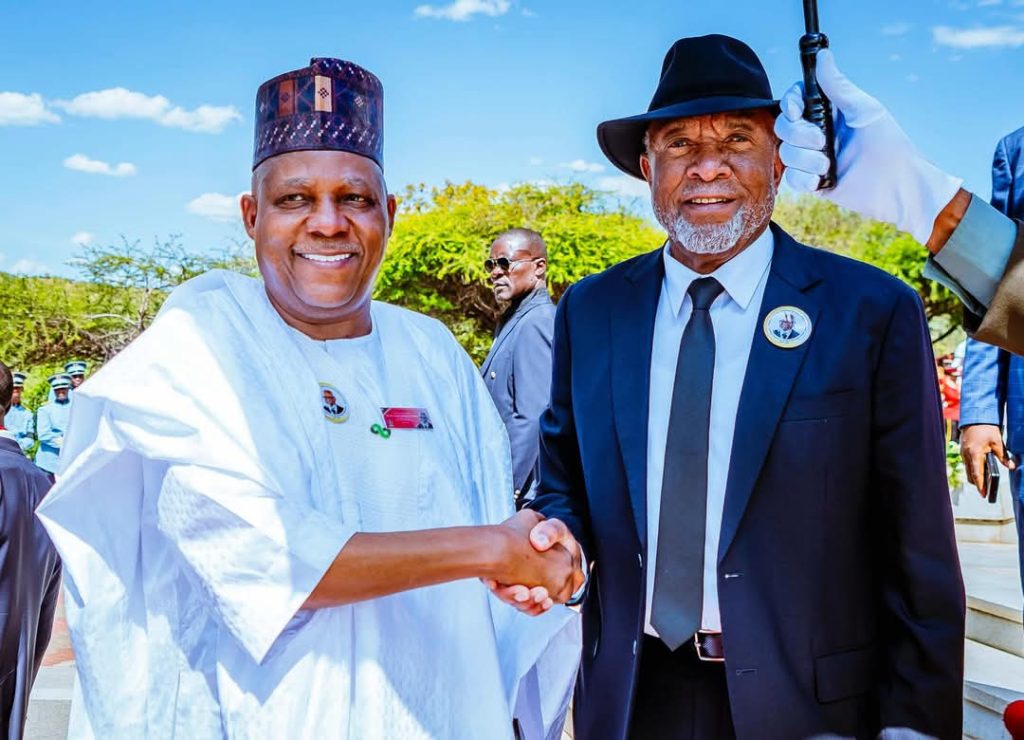
VP Shettima, in the company of several African Heads of Government, joined President Nangolo Mbumba of Namibia at the state burial where he paid Nigeria’s last respect – on behalf of President Tinubu – to the late Nujoma.
In his speech delivered by Vice President Shettima, President Tinubu eulogized the foremost African statesman, saying he was not just a national hero but a warrior who defied oppression and inspired an entire continent.
He stated: “We have not come to this sacred ground to bury a man. We have come to enshrine a legacy. We have come to salute a life that was lived not for itself, but for the people, for the land, for the ideals of freedom. For him, Africa stands still today.
“Dr. Sam Shafiishuna Nujoma was not just the founding father of a nation that needed a hero; he was a warrior in the age of chains. He looked into the face of oppression in the most dangerous time to do so and declared that no African shall ever be a second-class citizen on his own soil.”
President Tinubu praised Nujoma’s leadership beyond independence, noting that he built Namibia from the ashes of occupation and ruled selflessly for his people.
“But even after victory, you did not rest. Independence was not the destination; it was only the beginning. You built this nation from the ashes of occupation. You turned resistance into governance, turned a dream into reality. You did not rule for yourself; you ruled for your people. You sacrificed your comfort for the freedom, dignity, and justice of all Namibians,” he noted.
Acknowledging Nujoma’s legacy, which he said transcends time, the Nigerian leader declared that he now lives on in Namibia’s freedom and Africa’s collective history.
He highlighted Nigeria’s support for Namibia’s liberation struggle, stressing that the bond between the two nations was forged in the fight against apartheid and colonial rule.
His words: “Nigeria was not a bystander in the Namibian struggle. When the world turned its back, we stood. When your voice was drowned by the guns of apartheid, we spoke.
“When your hands were tied, we reached out. We did not do this as charity. We did not do this as a favour. We did this because your struggle was our struggle. Your pain was our pain. Your freedom was our freedom.”
President Tinubu reassured the people of Namibia of Nigeria’s solidarity, asserting that the struggle that united both countries has become the foundation of an unbreakable friendship.
The Nigerian leader added: “Nigeria is here today not only to honour you but to remind the world that the bond between our nations is unbreakable. That the struggle that brought us together is now the foundation of a friendship that will never fade.
“Namibia, you do not grieve alone. Africa grieves with you. The free world grieves with you. But more than that, we celebrate you. Because in this land, in this soil, we did not just lose a man. We gained a legend.”
The burial was also attended by Presidents of South Africa, Matamela Cyril Ramaphosa; Zimbabwe, Emmerson Mnangagwa; Democratic Republic of Congo, Félix Tshisekedi; Tanzania, Samia Suluhu Hassan; Malawi, Lazarus Chakwera, and Ghana, John Mahama, as well as some former Presidents, and heads of missions.
At State Burial, President Tinubu Eulogizes Late Nujoma’s Legacy As Warrior, Nation-builder


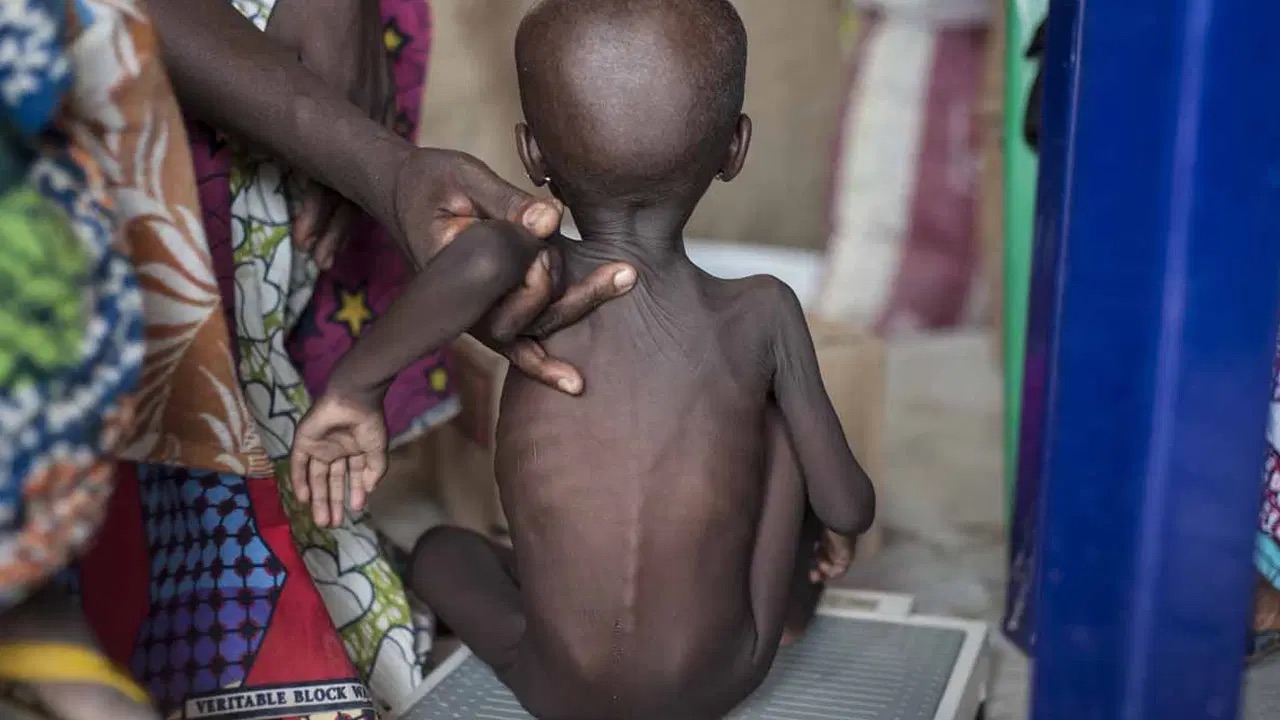
Nigeria’s Nutrition Accountability Gap Persists as Child Stunting Hits 40%
By: Michael Mike
Nigeria’s failure to translate nutrition policies and funding commitments into measurable results has come under scrutiny, with the Athena Centre for Policy and Leadership calling for performance-based financing, stronger legislative oversight and tougher accountability measures to address child malnutrition.
The centre said on Wednesday that under-five stunting in Nigeria stood at 40 per cent, against a national target of 18 per cent that has expired, highlighting the gap between policy commitments and implementation.
Speaking at a policy webinar in Abuja, the Director of the Olikoye Ransome-Kuti Institute for Health and Social Equity, Dr Danjuma Iyaji, said Nigeria had developed systems for measuring nutrition outcomes without establishing adequate mechanisms to hold public officials accountable for poor performance.
“Nigeria has built the measurement architecture of nutrition accountability without building its consequence architecture,” Iyaji said.
The webinar, organised by the Athena Centre through its institute, was titled From Measurement to Consequence: Fixing Nigeria’s Nutrition Accountability Gap. It examined findings from the centre’s policy paper, Political Incentives and Nutrition Neglect: Why State Governments Fail to Improve Child Nutrition.
The discussion brought together officials from the Office of the Vice President, the National Primary Health Care Development Agency (NPHCDA) and the House of Representatives Committee on Nutrition and Food Security to examine why government commitments were not consistently translating into improved nutrition outcomes.
According to the centre, only nine of Nigeria’s 36 states had formally established State Councils on Nutrition as of April 2026, while the existence of such councils did not necessarily demonstrate that they were functioning effectively.
To address the gaps, the centre proposed linking supplementary funding tranches to independently verified readiness, conducting annual state performance assessments, establishing an escalation framework for persistent non-performance and holding annual legislative hearings at the state level.
However, participants stressed that accountability measures must not deprive vulnerable children of essential nutrition services because their state governments failed to meet administrative or performance requirements.
The Senior Special Assistant to the President on Nutrition and Public Health, Uju Rochas-Anwukah, endorsed the diagnosis, identifying three major breaks in the accountability chain: commitments not translating into fund releases, releases failing to translate into service delivery, and inadequate understanding of nutrition priorities among subnational leaders.
“A stunted child is a lost asset that no bridge can build,” she said.
Rochas-Anwukah cautioned that readiness-based financing must not disadvantage states with the greatest nutrition needs but weaker implementation capacity. She also clarified that the terms governing the Child Nutrition Fund rested with UNICEF and its partners, rather than her office.
She called for a pathway through which less-prepared states could strengthen their capacity to qualify for support without leaving children in those states behind.
The presidential aide also urged the passage of the proposed National Food and Nutrition Bill, arguing that a stronger legal framework would help sustain accountability beyond individual administrations.
The Director of Nutrition at NPHCDA, Dr Adebiyi Olatunde, said accountability must extend beyond state-level indicators to primary healthcare facilities, where the availability of therapeutic foods and micronutrients directly affects children’s access to treatment and preventive services.
She warned that state-level figures could conceal serious deficiencies in individual communities and health facilities.
“At times we have data for a state, and the issue may be in only two particular wards,” Olatunde said.
She advocated collecting and analysing data down to ward and facility levels to identify localised failures. She also called for a root-cause assessment before sanctions or other escalation measures were imposed, to establish whether poor performance resulted from funding shortages, supply-chain problems or weaknesses in implementation.
The Research Lead for the House of Representatives Committee on Nutrition and Food Security, Abel Okechukwu, described conditional financing as “workable and urgently needed”, but argued that the approach should combine protected funding for essential services with incentives for improved performance.
He proposed allocating 70 per cent of funding as a protected lifeline for interventions such as micronutrient provision and school feeding, while reserving 30 per cent as a performance incentive linked to functional nutrition councils, approved costed plans and published expenditure records.
“Conditional financing should not punish the child,” Okechukwu said.
He also called for stronger legislative scrutiny, arguing that oversight hearings must be supported by reliable data and adequate preparation rather than conducted as ceremonial exercises.
According to him, effective hearings require standardised reporting templates and the submission of reports at least 21 days before proceedings.
Okechukwu said the committee intended to intensify joint oversight in 2026 and 2027. He also proposed inserting a provision in the Appropriation Act to link federal grants to evidence that state governments had exercised appropriate oversight of nutrition programmes.
The discussions refined several of the centre’s recommendations, particularly the need to protect essential nutrition funding, provide weaker states with a route to meeting readiness requirements, assess performance below the state level and make root-cause reviews the starting point for addressing persistent failures.
However, whether the existing Child Nutrition Fund arrangements permit the proposed financing conditions remains unresolved, according to the centre’s policy paper.
As follow-up measures, the Athena Centre said it would engage partners in the Child Nutrition Fund on financing conditions, present the proposed escalation framework to the Nigeria Governors’ Forum and take its legislative recommendations to State Houses of Assembly.
It also plans to circulate a policy note incorporating the panellists’ recommendations before publication and reassess the four proposed reforms in July 2027.
In her closing remarks, the webinar moderator and researcher at the institute, Ijeoma Achebe, said the discussion had strengthened the paper’s diagnosis of the challenges undermining nutrition outcomes.
“The gap is not simply about a lack of policies,” she said. “It is the distance between commitments and delivery.”
Nigeria’s Nutrition Accountability Gap Persists as Child Stunting Hits 40%
News
Nigeria Mourns 140 Migrants Killed in Djibouti Boat Tragedy, Calls for Action Against Irregular Migration
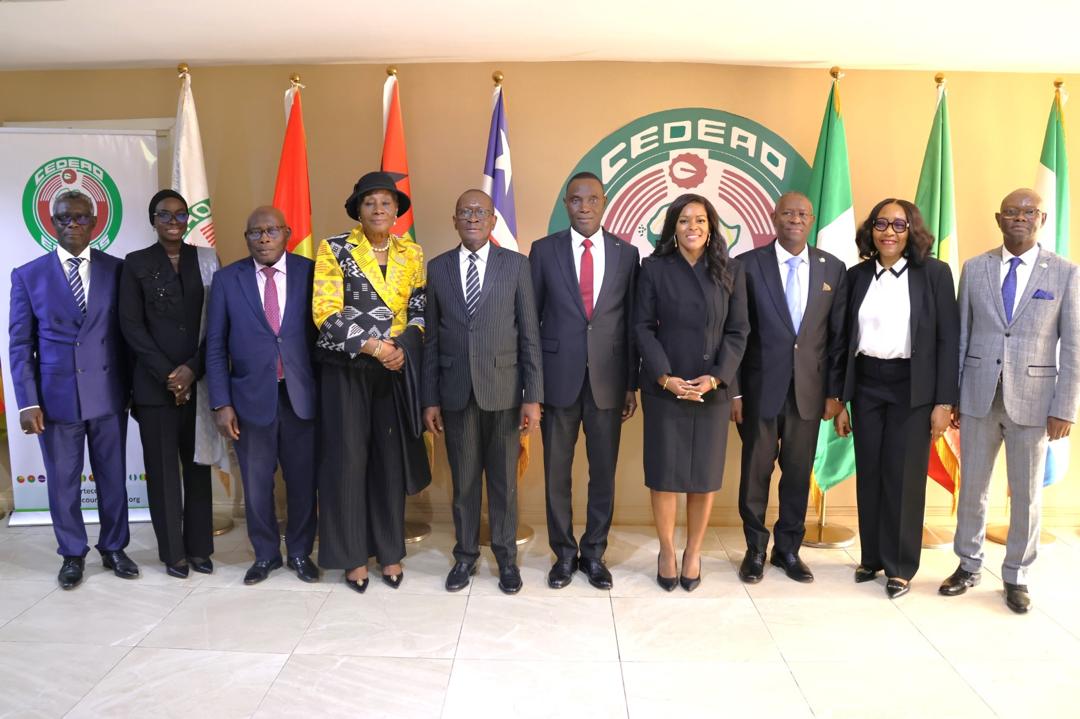
Nigeria Mourns 140 Migrants Killed in Djibouti Boat Tragedy, Calls for Action Against Irregular Migration
By: Michael Mike
The Federal Government has expressed condolences to Djibouti following the death of nearly 140 migrants, including 15 children, in a boat disaster off the country’s coast, calling for urgent collective action to address the root causes of irregular migration.
Nigeria, in a statement issued by the Ministry of Foreign Affairs in Abuja, said the boat capsized between October 8 and 9, 2026, leaving scores of people missing, according to the International Organisation for Migration (IOM).

The government expressed sympathy to the bereaved families and solidarity with the government and people of Djibouti over the tragedy, describing the incident as a grim reminder of the dangers confronting migrants who undertake perilous journeys in search of economic opportunities.
The statement, signed by the ministry’s spokesperson, Oluwafemi Adeniyi, said the disaster underscored the urgent need to tackle the underlying factors driving irregular migration, strengthen the fight against migrant smuggling and human trafficking, and promote safe, orderly and regular migration.

It stressed that efforts to prevent such tragedies must align with relevant African Union frameworks and applicable international instruments.
Nigeria further emphasised that protecting migrants, particularly children and other vulnerable persons, was a shared responsibility requiring sustained cooperation among countries of origin, transit and destination, as well as regional and international organisations.
According to the government, stronger collaboration is essential to prevent further loss of life, protect migrants’ fundamental rights and dignity, and ensure that migration is managed safely and humanely.
The Federal Government reaffirmed its commitment to working with the United Nations, the African Union and other relevant stakeholders to strengthen migration management, raise awareness about the dangers of irregular migration and develop practical measures to address its root causes.

It also called for renewed international cooperation to safeguard human life along migration routes across Africa and beyond.
The tragedy adds to concerns over the risks faced by migrants travelling along dangerous routes in pursuit of better economic prospects, reinforcing calls for stronger action against criminal networks that facilitate irregular journeys and for more sustainable solutions to the factors compelling people to leave their homes.
Nigeria reiterated its deepest sympathies to all those affected by the disaster and urged collective efforts to prevent similar tragedies.
Nigeria Mourns 140 Migrants Killed in Djibouti Boat Tragedy, Calls for Action Against Irregular Migration
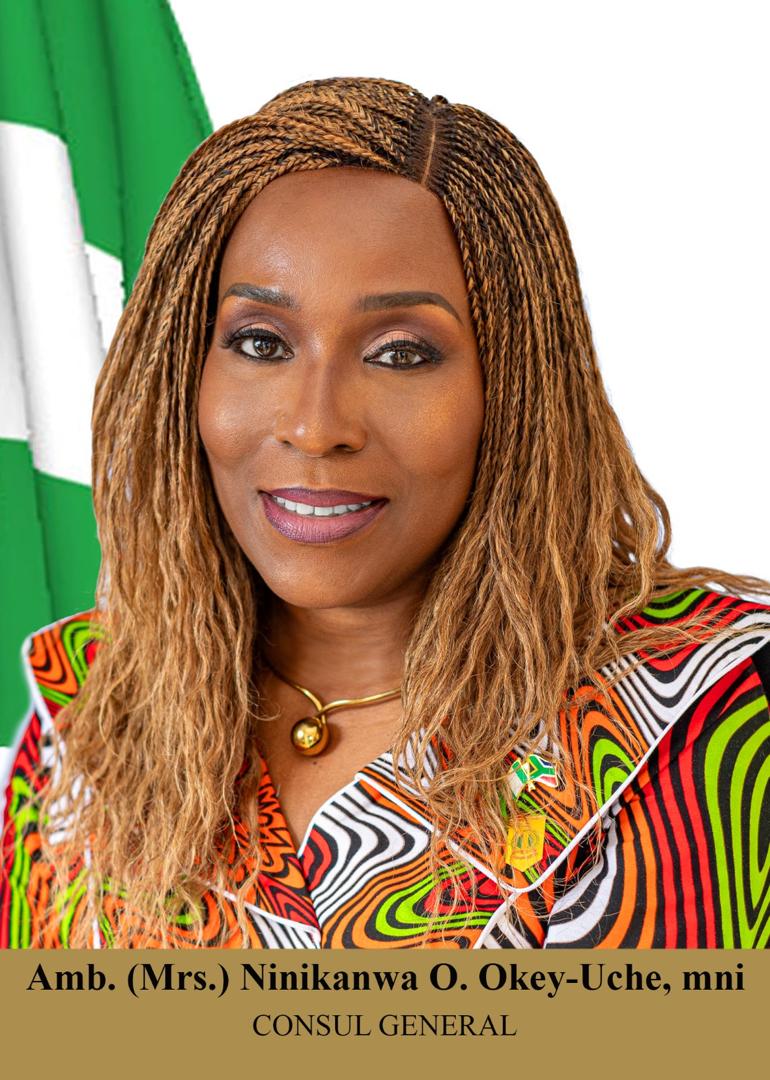
Nigeria Demands Justice over Nigerian’s Death in South African Police Custody
By: Michael Mike
The Nigerian Consulate General in Johannesburg has demanded a thorough investigation into the death of another Nigerian national, Odueze Chimezie Odueze, who allegedly died following torture by South African police officers in Cape Town.
The consulate, in a press statement dated October 13, 2026, said Odueze died on October 9 in the Parklands area of Cape Town, describing the incident as a source of shock and distress to his family and the Nigerian community in South Africa.
According to the statement issued by the Consul General, Ninikanwa Okey-Uche, the deceased was reportedly arrested at a shopping centre on suspicion of drug possession and subsequently taken to his residence for a search.
The consulate said no drugs were found during the search but alleged that Odueze was nevertheless subjected to torture.
The mission expressed grave concern over what it described as a recurring pattern of alleged extrajudicial killings involving Nigerians in South Africa, warning that the incidents raised serious questions about the safety and protection of Nigerian citizens and other foreign nationals in the country.
It also linked its concerns to reports of xenophobic and Afrophobic attacks and threats against foreign nationals, urging the South African authorities to ensure that allegations of abuse by law enforcement officers were investigated impartially and transparently.
“No matter what the allegations may be, there are processes and steps to justice,” the consulate said, stressing that criminal allegations should be addressed through established legal procedures and that suspects were entitled to a fair hearing before a court of law.
The mission called on the relevant South African authorities to conduct a comprehensive investigation into Odueze’s death and ensure that anyone found culpable was prosecuted in accordance with the law.
It further appealed to Nigerians living in South Africa to remain calm, law-abiding and security-conscious amid reported attacks and threats against foreign nationals.
The consulate extended its condolences to Odueze’s family and assured Nigerians that it would continue to pursue the protection, welfare and fair treatment of Nigerian citizens in South Africa.
Reaffirming its commitment to seeking justice for the deceased, the mission declared that it would not relent in insisting that “Nigerian and all lives matter.”
Nigeria Demands Justice over Nigerian’s Death in South African Police Custody

Nigeria’s Nutrition Accountability Gap Persists as Child Stunting Hits 40%

NHRC Raises Alarm Over Child Abuse, Custodial Torture, Civic Freedom Violations

Borno Politics: Power, Continuity, and the Fight for Democratic Space Ahead of 2027 Elections

Roger Federer’s Shock as DNA Results Reveal Myla and Charlene Are Not His Biological Children

THE PLIGHT OF FARIDA

FAILED COUP IN BURKINA FASO: HOW TRAORÉ NARROWLY ESCAPED ASSASSINATION PLOT AMID FOREIGN INTERFERENCE CLAIMS
-
 News3 years ago
Roger Federer’s Shock as DNA Results Reveal Myla and Charlene Are Not His Biological Children
-
Opinions5 years ago
THE PLIGHT OF FARIDA
-
 News1 year ago
FAILED COUP IN BURKINA FASO: HOW TRAORÉ NARROWLY ESCAPED ASSASSINATION PLOT AMID FOREIGN INTERFERENCE CLAIMS
-
 Opinions5 years ago
POLICE CHARGE ROOMS, A MINTING PRESS
-

 News3 years ago
EYN: Rev. Billi, Distortion of History, and The Living Tamarind Tree
-

 ACADEMICS3 years ago
A History of Biu” (2015) and The Lingering Bura-Pabir Question (1)
-

 Columns3 years ago
Army University Biu: There is certain interest, but certainly not from Borno.
-

 Politics1 year ago
2027: Why Hon. Midala Balami Must Go, as Youths in Hawul and Asikira/Uba Federal Constituency Reject ₦500,000 as Sallah Gift
