
Uncategorized
VP Shettima Attributes Nigeria’s New Growth Trajectory To President Tinubu’s Bold Leadership, Policies

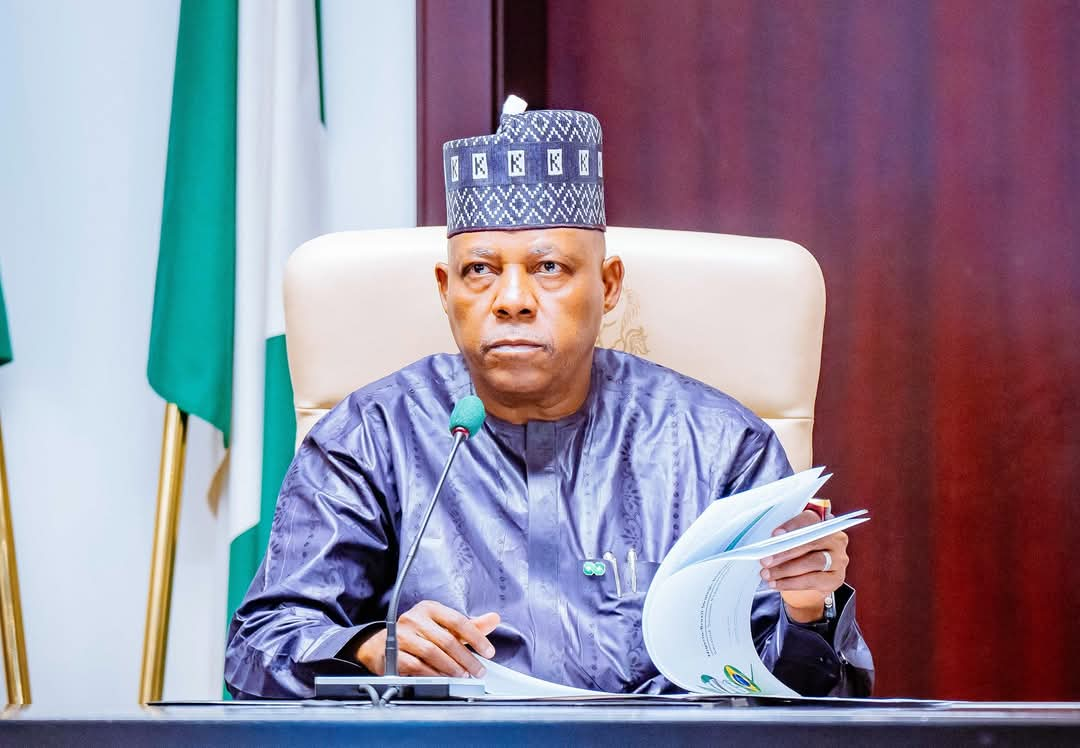
VP Shettima Attributes Nigeria’s New Growth Trajectory To President Tinubu’s Bold Leadership, Policies
** As Nigeria-Brazil Strategic Dialogue to resume after decade-long break
By: Our Reporter
Ahead of the forthcoming Nigeria-Brazil Strategic Dialogue Mechanism, Vice President Kashim Shettima has said due to President Bola Ahmed Tinubu’s bold, courageous leadership and well-thought-out policies, Nigeria is now on a new growth trajectory, ready for investments across different sectors.
This is just as Brazil’s Vice President, Geraldo Alckmin, is set to lead a delegation of top executives in the country’s public and private sectors on a state visit to Nigeria for the second session of the Brazil-Nigeria Mechanism for Strategic Dialogue, after over a decade-long break.
Speaking on Tuesday during an update meeting with relevant ministers and heads of agencies at the Presidential Villa, Vice President Shettima noted that “in President Bola Tinubu, we have a leader who has shown that dexterity, that audacity to hope for a better tomorrow.”
Senator Shettima expressed satisfaction with the firm grasp of the real issues by ministers in the key sectors targeted for deliberations during the Nigeria-Brazil Strategic Dialogue Mechanism slated for the later part of the year.
He called on all the key actors on the Nigerian side to make adequate preparations for the meeting, noting that there has to be some clarity, strategic coherence and a deep understanding of issues that will be tabled for discussion.
He said, “I want to urge all Ministers involved in this Nigeria-Brazil strategic dialogue to take charge of the initiative of the discussions so that we can take it to the next level, let’s walk the talk. Please, drive the process, engage with the different strategic focus groups to give you weekly updates to prepare us for the visit of the Brazilian Vice President and his delegation.
“The most important thing at this moment is for us to actualize the dreams of our nation’s development. We have the resources and institutional knowledge to make this work for our country.”
On the similarities between Nigeria and Brazil, the Vice President stressed the need to leverage the huge opportunities inherent in the partnership between both countries to actualize Nigeria’s vision across agriculture, culture and tourism, livestock production and military technology, among others.
Earlier in his speech, the Minister of Agriculture and Food Security, Abubakar Kyari, said the dialogue presents a renewed opportunity for Nigeria to revitalise the nation’s agricultural sector to attain the food sovereign goals of the administration.
“On behalf of the agriculture sector, it is time for us to walk the talk. It is a good day for Nigeria because agriculture will play a major role in the partnership. We have an opportunity to catch up with the rest of the world and be on our way to food sovereignty,” the Minister said.
Minister of Art, Culture, Tourism and Creative Economy, Hannatu Musawa spoke on the cultural significance of the partnership, saying, “There is a huge population in Brazil of Nigerian descent who have a lot of interest in Nigeria.
“What we have done in the Ministry is to engage Brazil actively in working together. Already, we have an MoU, but we want to expand that beyond cultural diplomacy. Brazilians have a lot of interest in tapping into our creative industry,” she added.
The Minister hinted on plans to rebuild the Nigerian House in Brazil as well as host an annual Orisha Festival soon.
On defence cooperation, Minister of Defence, Muhammad Badaru, stated: “All is set for signing of a defence agreement with Brazil. We are also engaging with them on defence industry development to start production centres in Nigeria.”
Also, Coordinating Minister of Health and Social Welfare, Mohammed Ali Pate, highlighted healthcare opportunities that dialogue presents to Nigeria, noting that the platform is an important relationship for Nigeria.
He said, “Brazil is able to produce almost everything they need, including pharmaceuticals and vaccines. We are keen on turning things around and with the efforts of President Bola Ahmed Tinubu, we are unlocking the healthcare value chain. Manufacturing vaccines, diagnostics and pharmaceuticals is on the agenda, but it’s a very long journey and we are determined to walk through it.”
Also, Technical Assistant to the President on Agriculture (Office of the Vice President), Ms. Marion Moon, said, “Brazil’s agricultural expertise—from their successful cropland expansion to their global leadership in key commodities—offers invaluable insights for our development. The upcoming $1.1 billion Green Imperative Project exemplifies the depth of our relationship and its potential to revolutionize Nigerian agriculture through modernization and technology transfer.”
She explained that the Strategic Dialogue will be preceded by a Trade and Investment Forum coinciding with the anticipated visit of Brazil’s Vice President and Minister of Development, Industry, Trade, and Services, H.E. Geraldo Alckmin.
Others who spoke at the meeting included the Minister of Livestock Development, Alhaji Idi Mukhtar Maiha, and a representative of the Minister of State for the Environment, Balarabe Lawal, among many others.
VP Shettima Attributes Nigeria’s New Growth Trajectory To President Tinubu’s Bold Leadership, Policies


Uncategorized
Three Killed, Two Injured in Attack by Fulani Bandits Near Illegal Mining Site in Plateau
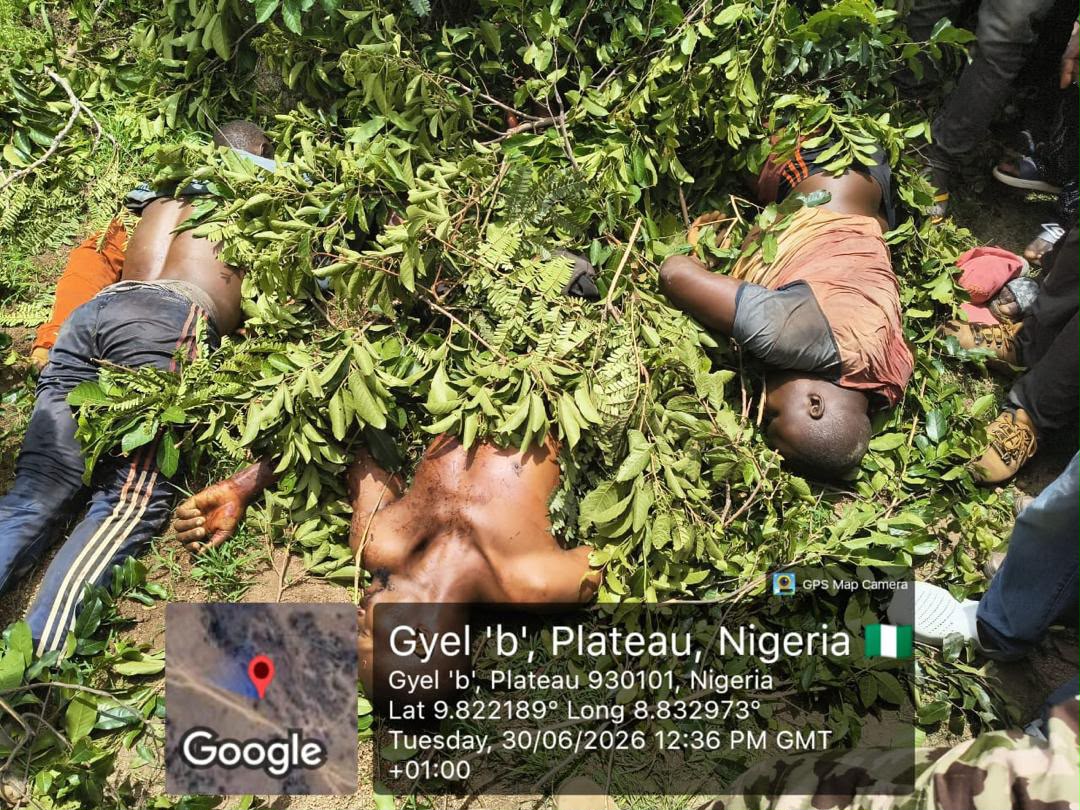
Three Killed, Two Injured in Attack by Fulani Bandits Near Illegal Mining Site in Plateau
By: Zagazola Makama
Three persons have been killed and two others injured following an attack by suspected armed Fulani bandits near an illegal mining site in Jos South Local Government Area of Plateau State.
Security sources said the incident occurred at about 10:00 a.m. on June 30 around the border communities of Tsoho Gero and Nyango, where armed assailants ambushed local residents before fleeing the scene.
The sources said troops of Sector 6, Operation Enduring Peace (OPEP), under Operation Safe Haven (OPSH), responded to a distress call and, in conjunction with members of the Vigilante Group of Nigeria (VGN), moved to the area.
On arrival, the troops made contact with the fleeing attackers, who escaped towards the Dutse Kura axis in neighbouring Bassa Local Government Area.
However, security personnel confirmed that the attackers had already killed three local residents and injured two others before the troops arrived.
The deceased were identified as Mr. Chung Davou, Gyang Gwaha and Pam Chung.
Following the incident, troops carried out exploitation and clearance operations from Tsoho Gero to the Gero High Grounds in search of the fleeing assailants.
During the operation, Fulani community leaders alleged that four Fulani men had also been killed in the violence. However, security personnel said no bodies were found to substantiate the claim.
Tension later escalated at Gyel, where a group of aggrieved women blocked the troops’ route and threw stones at security personnel, accusing them of failing to prevent the attack.
The troops fired warning shots into the air to disperse the crowd and restore access before continuing the operation.
Security sources said clearance operations were ongoing in the area to track down the perpetrators and prevent further attacks.
Three Killed, Two Injured in Attack by Fulani Bandits Near Illegal Mining Site in Plateau
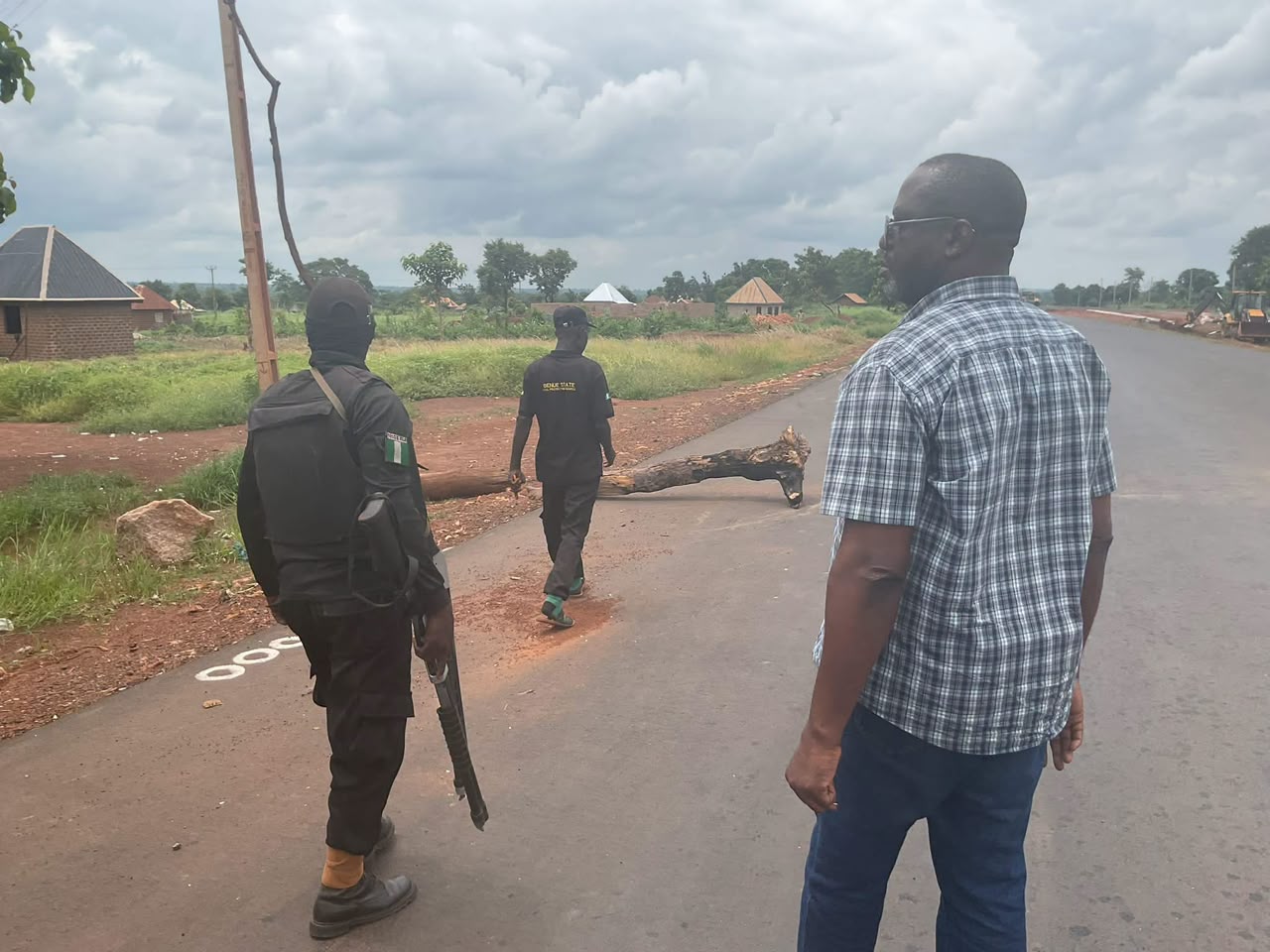
Benue Govt. Dismantles Illegal Checkpoints, Arrests Civil Protection Guards
By: Zagazola Makama
The Special Adviser to the Benue State Governor on Security and Internal Affairs has dismantled several illegal checkpoints along the Makurdi–Otukpo Road and ordered the arrest of members of the Benue State Civil Protection Guards (BSCPG) found manning them.
The operation, carried out on Tuesday, was conducted alongside the State Commander and other senior officers of the BSCPG as part of efforts to enforce compliance with security directives and ensure the free flow of traffic across the state.
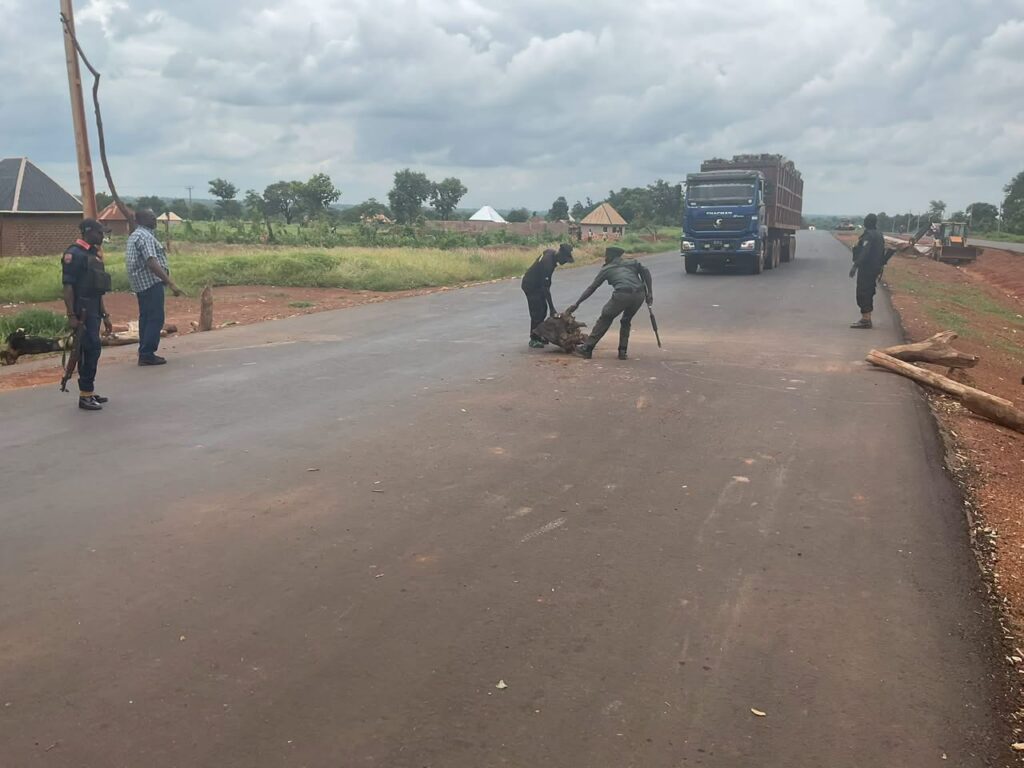
According to a statement issued by the Media Aide to the Special Adviser, Comrade Mfa A. Igirgi Jr., the operation followed concerns over the increasing number of unauthorized roadblocks mounted by security volunteers along the highway.
The Special Adviser said the exercise was in line with the directive of the Benue State Commissioner of Police that roads should not be obstructed except at officially approved security checkpoints.
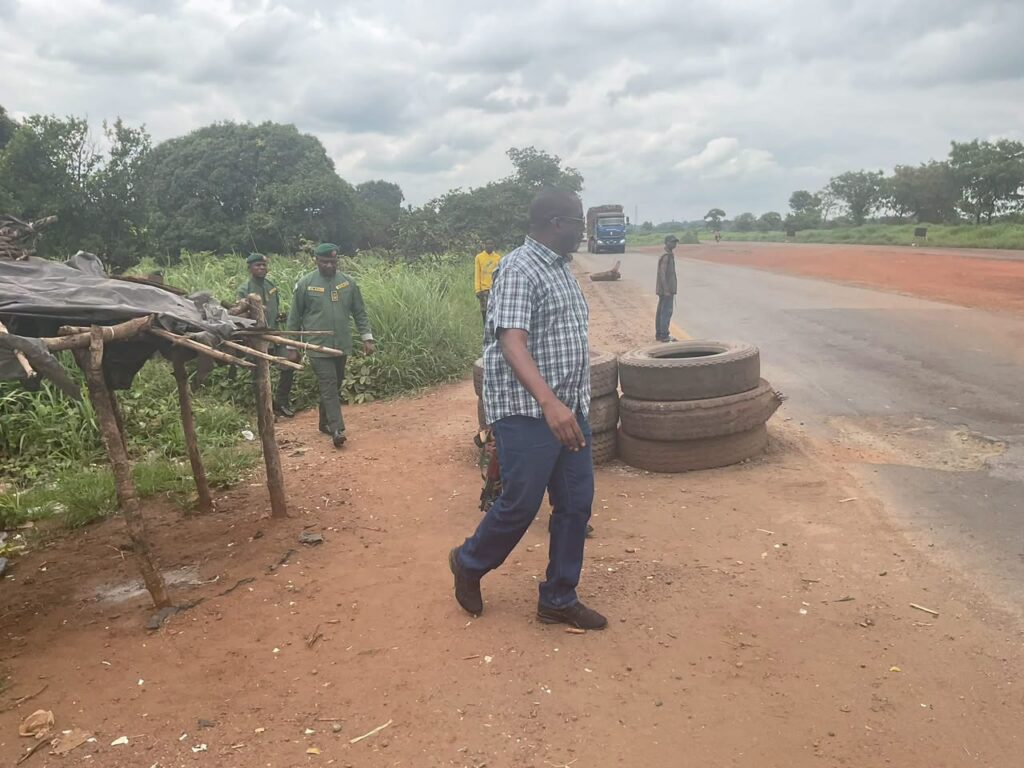
During the operation, two illegal checkpoints in Aliade were dismantled, while BSCPG personnel found operating them were disarmed and taken into custody for further administrative action.
The team also visited Howe, where soldiers had mounted a checkpoint near the premises of a Chinese construction company. The soldiers explained that they were providing security for the Chinese Harbor Company and its expatriate staff.
The Special Adviser, however, directed that the roadblock be removed and instructed the soldiers to concentrate on securing the company’s premises rather than occupying the highway.
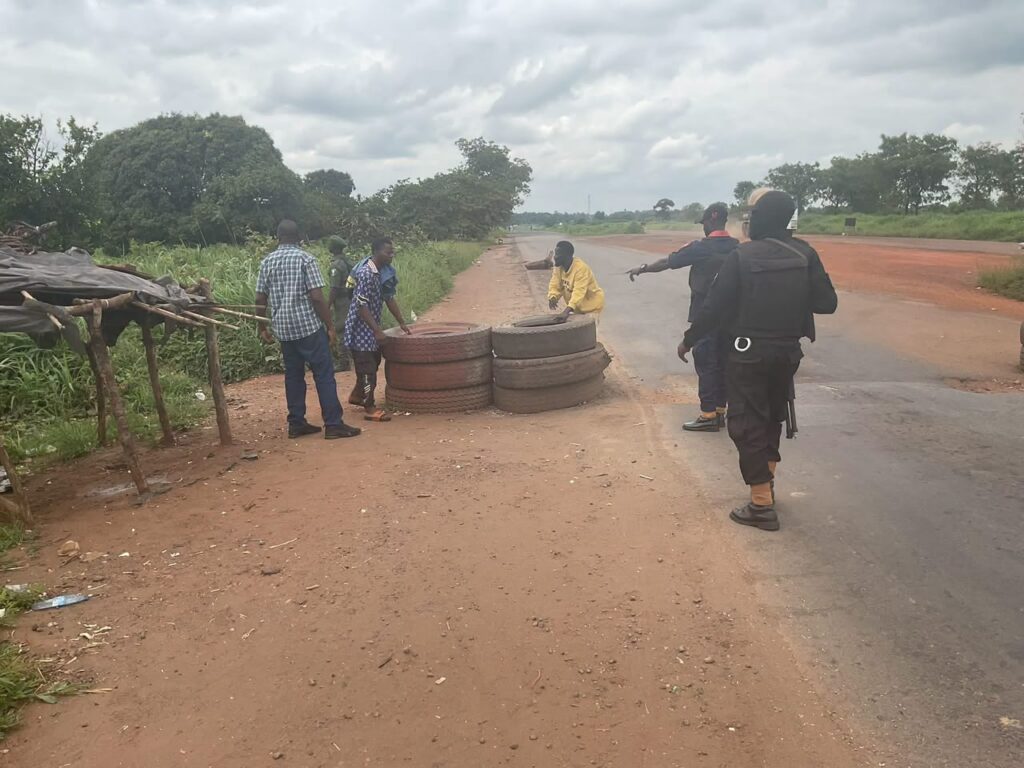
He noted that unnecessary checkpoints impede the free movement of motorists and could create security vulnerabilities, particularly when left unmanned.
Reiterating the operational mandate of the Benue State Civil Protection Guards, the Special Adviser said members of the outfit are expected to patrol their communities, provide early warning on security threats and serve as first responders, rather than establish checkpoints on public highways.
He stressed that BSCPG personnel are only permitted to participate in checkpoint operations when working jointly with the Nigeria Police Force or other authorized security agencies.
The Special Adviser urged residents to report any BSCPG personnel operating unauthorized checkpoints to the office of the State Commander or his office for prompt disciplinary action.
He reaffirmed the Benue State Government’s commitment to promoting lawful security operations while ensuring that measures put in place to protect lives and property do not inconvenience law-abiding citizens or create opportunities for criminal activities.
Benue Govt. Dismantles Illegal Checkpoints, Arrests Civil Protection Guards
Uncategorized
Nigerian Army Boosts Training Capacity as COAS Inaugurates Modern Training Facilities in Plateau
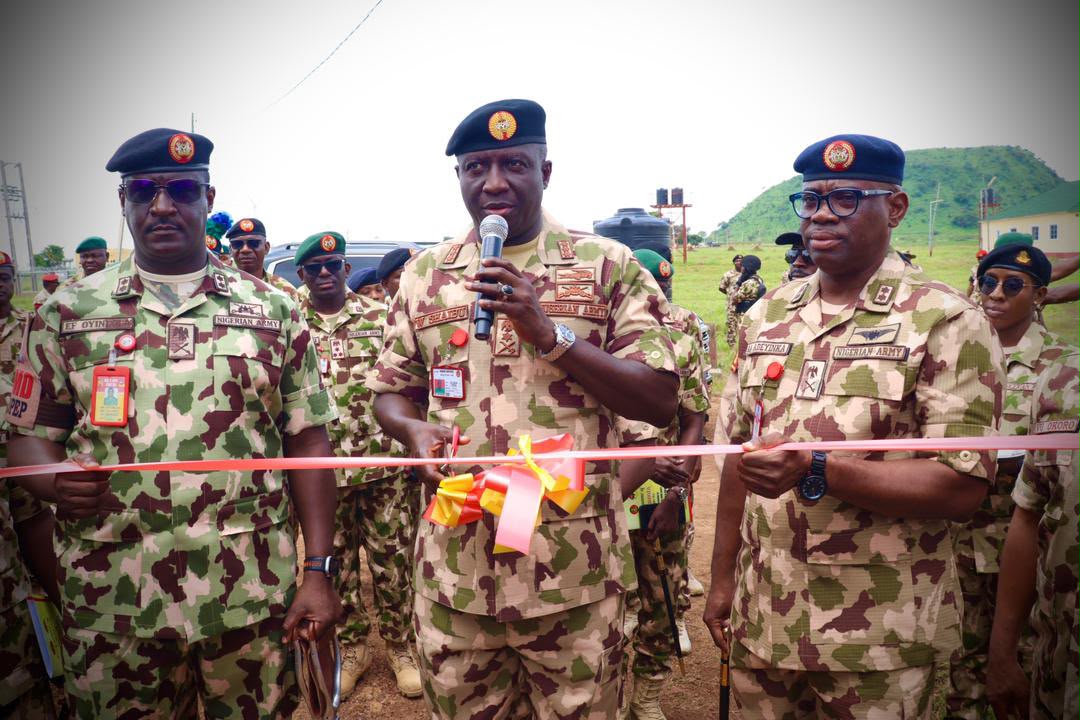
Nigerian Army Boosts Training Capacity as COAS Inaugurates Modern Training Facilities in Plateau
By Zagazola Makama
The Nigerian Army has taken another significant step toward enhancing the professionalism and combat readiness of its personnel with the inauguration of modern training facilities at the 3 Division Training School and Shooting Range in Miango, Bassa Local Government Area of Plateau State.
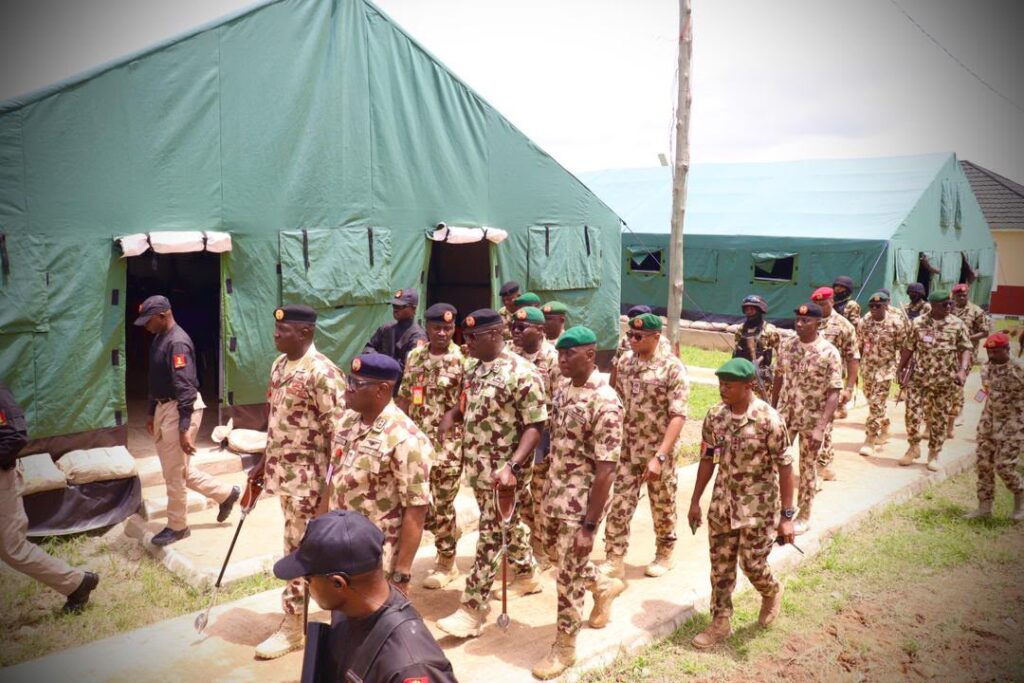
The facilities, commissioned on Tuesday by the Chief of Army Staff (COAS), Lt. Gen. Waidi Shaibu, form part of the Army’s ongoing efforts to modernise its training infrastructure and provide a more conducive environment for the development of officers and soldiers.
Speaking during the inauguration of newly constructed hostel blocks at the training school, the COAS described training as the bedrock of operational success, stressing that a well-trained force remains indispensable in addressing Nigeria’s evolving security challenges.
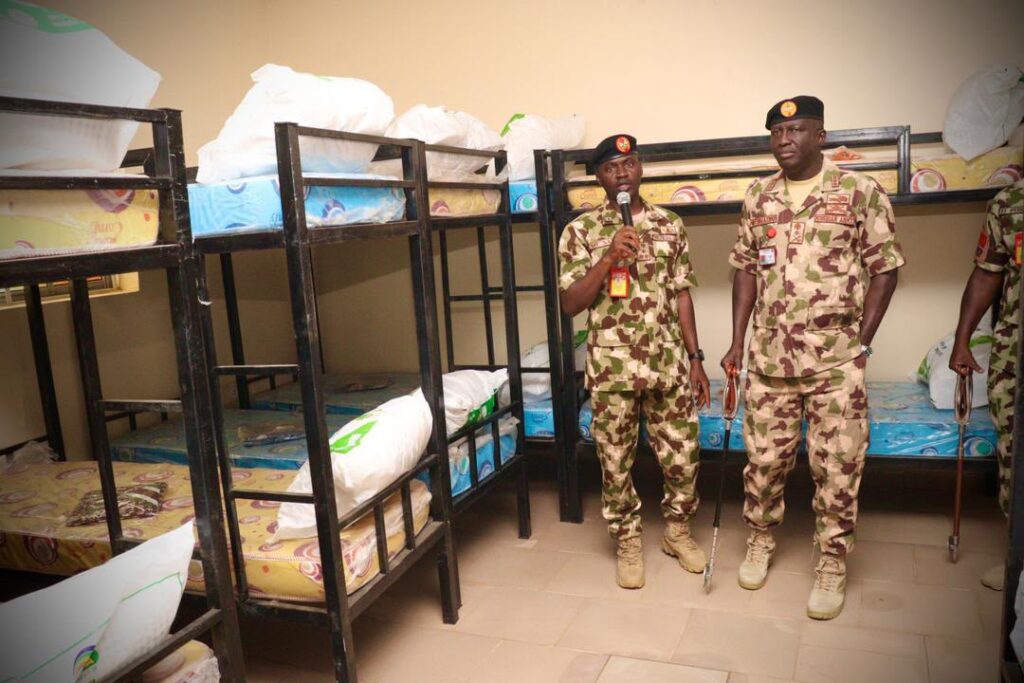
He said the provision of modern accommodation and improved training infrastructure would significantly enhance the capacity of the institution to conduct effective and realistic training, thereby producing personnel capable of meeting contemporary operational demands.
Lt. Gen. Shaibu noted that the Nigerian Army has continued to invest in training institutions across the country as part of deliberate efforts to strengthen force readiness, improve operational efficiency, and sustain the momentum in ongoing counter-terrorism, counter-insurgency, and internal security operations.
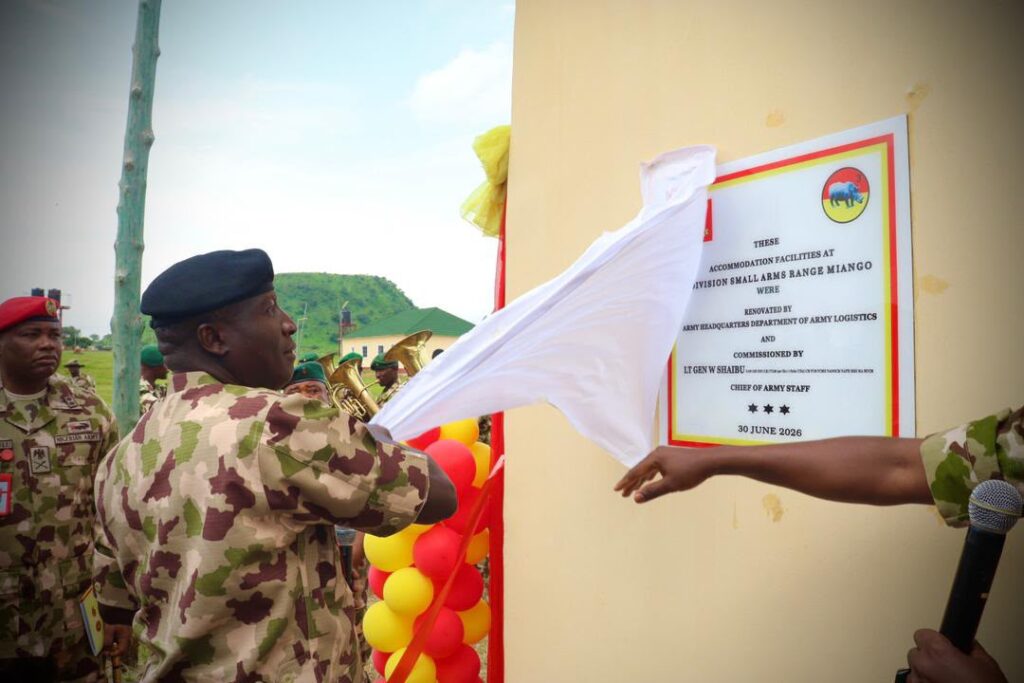
According to him, creating a conducive learning and training environment is essential to achieving excellence, as quality infrastructure directly contributes to effective knowledge acquisition, skills development, and professional competence among troops.
The Army Chief reiterated that the welfare of personnel remains a central pillar of his command philosophy, explaining that improving accommodation, training facilities, and the overall working environment for soldiers is critical to maintaining morale and enhancing operational effectiveness.
He commended the General Officer Commanding (GOC) 3 Division and Commander of Operation Enduring Peace for his foresight, prudent management of resources, and commitment to executing projects that directly improve the Army’s training capacity.
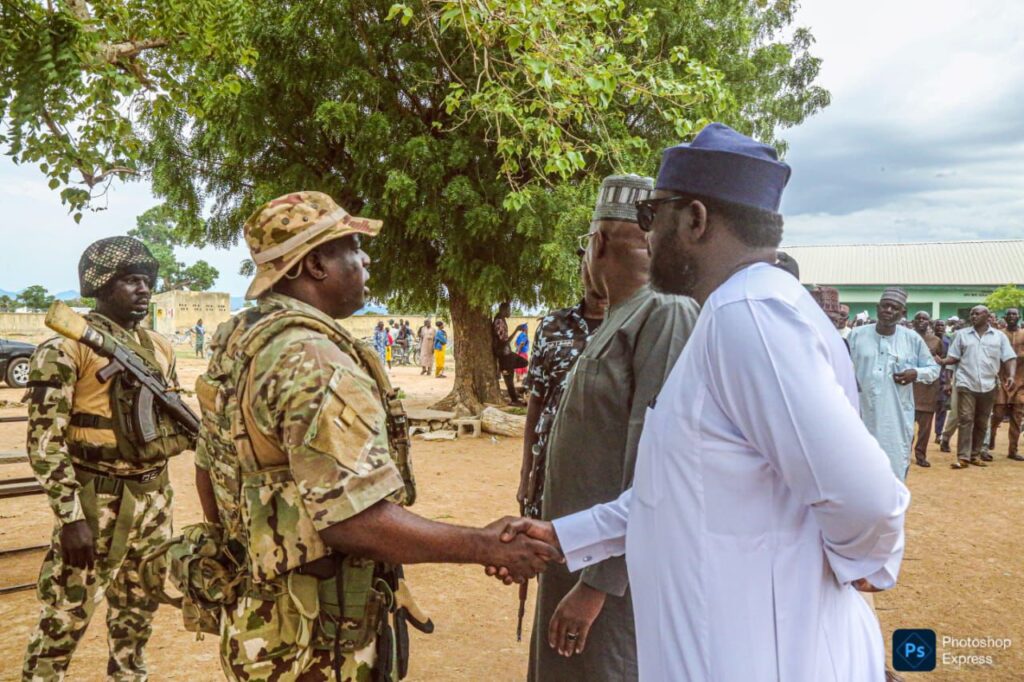
The COAS expressed confidence that the new facilities would not only improve the quality of instruction at the training school but also reinforce the Nigerian Army’s broader transformation agenda aimed at building a highly professional, disciplined, and combat-ready force capable of effectively discharging its constitutional responsibilities.
The commissioning of the facilities illustrates the Nigerian Army’s sustained commitment to investing in human capital development through modern training infrastructure, reflecting its determination to prepare personnel for the complex security environment confronting the nation.
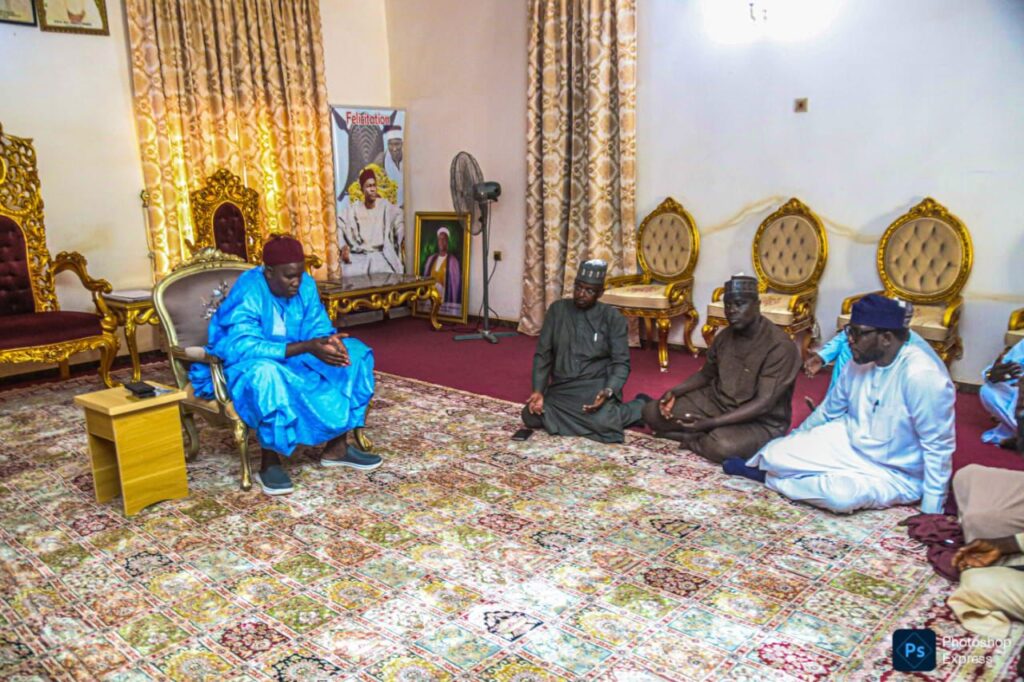
The initiative also aligns with the Army’s strategic objective of developing a technologically driven, professionally competent, and highly motivated force capable of responding swiftly and effectively to both conventional and asymmetric threats across the country.
Nigerian Army Boosts Training Capacity as COAS Inaugurates Modern Training Facilities in Plateau

Troops Recover AK-47 Rifle in Raid on Suspected Gunrunners’ Hideout in Taraba

Benue Deputy Gov. Visit family Slain MACBAN Leader, Urges Calm as Police Probe Killing

Three Herders Killed in Ambush in Plateau, MACBAN Calls for Investigation

Roger Federer’s Shock as DNA Results Reveal Myla and Charlene Are Not His Biological Children

THE PLIGHT OF FARIDA

FAILED COUP IN BURKINA FASO: HOW TRAORÉ NARROWLY ESCAPED ASSASSINATION PLOT AMID FOREIGN INTERFERENCE CLAIMS
-
 News2 years ago
Roger Federer’s Shock as DNA Results Reveal Myla and Charlene Are Not His Biological Children
-
Opinions4 years ago
THE PLIGHT OF FARIDA
-
 News1 year ago
FAILED COUP IN BURKINA FASO: HOW TRAORÉ NARROWLY ESCAPED ASSASSINATION PLOT AMID FOREIGN INTERFERENCE CLAIMS
-

 News2 years ago
EYN: Rev. Billi, Distortion of History, and The Living Tamarind Tree
-
 Opinions5 years ago
POLICE CHARGE ROOMS, A MINTING PRESS
-

 ACADEMICS2 years ago
A History of Biu” (2015) and The Lingering Bura-Pabir Question (1)
-

 Columns2 years ago
Army University Biu: There is certain interest, but certainly not from Borno.
-

 Politics1 year ago
2027: Why Hon. Midala Balami Must Go, as Youths in Hawul and Asikira/Uba Federal Constituency Reject ₦500,000 as Sallah Gift
