
News
“Malnutrition is not just a short-term emergency — it’s a lifelong struggle for many children.”

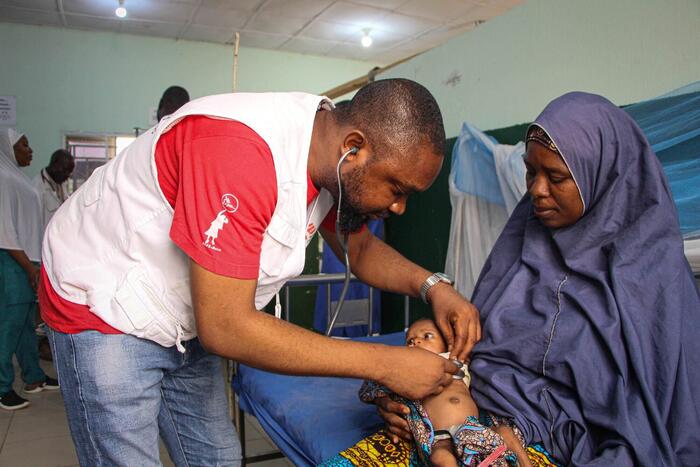
“Malnutrition is not just a short-term emergency — it’s a lifelong struggle for many children.”
By: Abdulkareem Yakubu
As the malnutrition crisis in Nigeria deepens, MSF tackles both immediate needs and long-term consequences
Survivors of childhood malnutrition often experience physical and cognitive delays that can lead to irreversible and lasting damage long into adulthood. Doctors Without Borders/Médecins Sans Frontières (MSF) is warning of the devastating long-term consequences of malnutrition as the international medical humanitarian organization records a surge in cases in northern Nigeria.
At an MSF-supported inpatient therapeutic feeding centre in Maiyama General Hospital in Kebbi State, two-year-old Ummul Khairun Mohammed is receiving treatment for severe acute malnutrition. Due to developmental delays caused by the condition, she is still unable to walk.
The little girl is one of thousands of under five-year-old children currently receiving care from MSF teams across northern Nigeria during the annual peak malnutrition season.
For several days – sometimes up to several weeks – these children receive treatment aimed at stabilising them, addressing medical complications, and promoting rapid weight gain.
While most children recover, many will suffer long-term consequences.
“Malnutrition is not just a short-term emergency — it is a lifelong struggle for many children,” says Dr. Jamila Shuaibu Bello, an MSF doctor in the northern state of Kano. “It affects brain development. Malnutrition weakens the immune system, making children more susceptible to communicable diseases. It is also linked to chronic conditions like diabetes and hypertension.”
Childhood malnutrition effects last a lifetime
Even a few weeks of experiencing severe malnourishment can severely disrupt a child’s motor development. Affected children may miss key milestones such as crawling by 8–10 months or walking by 18 months. Chronic malnutrition often results in stunting — a condition that impairs mental development, school performance, and cognitive abilities. In girls, stunting can also lead to obstetric complications later in life due to smaller pelvis size.
If these issues are not addressed early, the damage can be irreversible. To respond to long-term effects of malnutrition, MSF is pioneering two new approaches.
Restoring movement: Pediatric physiotherapy
With the support of the MSF Foundation, which creates new medical tools for the most neglected patients where MSF operates, our teams recently launched pediatric physiotherapy programs in the northwestern states of Kano and Katsina. These sessions include guided exercises, play-based therapy, and training for caregivers to continue therapy at home. Each intervention is tailored to the child’s developmental stage and condition, helping rebuild strength, coordination, and confidence.
While still in their pilot stage, the two projects are already showing promising results in helping children regain motor functions and achieve developmental milestones.
13-month-old Usman Aliyu was treated for malnutrition at Unguwa Uku hospital in Kano before participating in physiotherapy sessions. “Before Usman fell ill, he could crawl and stand. But he lost those abilities due to the sickness,” says Usman’s mother Aisha Aliyu. “In the physiotherapy sessions, he was taught to stand again and is now taking steps towards walking.”
An MSF physiotherapist in Kano, Fatima Abdulmajid says, “When I first arrived, I was shocked by the severity of motor delays, but seeing the children’s progress week after week through motor stimulation makes me proud of the work we are doing.”
Mental health support for children and caregivers
Malnutrition also affects mental health. Children are more likely to develop anxiety and depression, while caregivers often feel helpless and overwhelmed as they watch their child grow weak and unresponsive.
To address this, MSF provides psychosocial support as part of its malnutrition projects in several states — including Zamfara, Bauchi, Sokoto, Borno, Kebbi, Kano, and Katsina. Services include play therapy, counselling, and caregiver education to help families manage emotional and behavioural challenges.
“It’s one thing to treat the child medically, and it’s another to assess which areas of development have been emotionally affected,” explains Kauna Hope Bako, MSF’s mental health supervisor in Bauchi. “Mental health support helps manage the child’s overall well-being. We stimulate the child emotionally and engage all these areas that have been compromised due to malnutrition.”
The integration of physiotherapy and mental health support into malnutrition treatment marks a critical step toward holistic care that goes beyond just survival to support a child’s quality of life.
Public health emergency
Malnutrition is a public health emergency in Nigeria. According to UNICEF, an estimated three million children are currently suffering from severe acute malnutrition (SAM) in the country — up from 2.6 million in 2024. Of these, 1.65 million are in six conflict-affected northern states – areas that MSF operates in.
MSF has been raising the alarm about the worsening malnutrition situation in northern Nigeria since 2022. In 2024 alone, more than 250,000 children with severe acute malnutrition were admitted to MSF- supported outpatient facilities and 76,000 acutely malnourished children with medical complications to inpatient facilities, representing an increase of 38 percent and 53 percent respectively compared to 2023.
This year, anticipating an even earlier start of the peak season that typically runs from June through September, MSF increased in-patient bed capacity, scaled up out-patient therapeutic feeding centres and hired more staff. The organization also boosted health promotion activities in several communities that include education on how to prevent, detect and treat malnutrition, and the need to take children for medical treatment early.
From January to May 2025, MSF admitted 24,784 severely malnourished children in inpatient therapeutic feeding centres, and 107,461 children in outpatient therapeutic feeding centres in northern Nigeria, an increase of 13 percent compared to the same period in 2024
The persistent malnutrition crisis in northern Nigeria stems from a variety of factors such as inflation, food insecurity, insufficient healthcare infrastructure, ongoing security issues, and disease outbreaks worsened by low vaccine coverage. The situation is further exacerbated by funding shortages for the already inadequate nutrition response.
To address such a complex issue, a holistic approach is needed from all local and international actors involved — not only to treat malnourished children in the short term, but also to tackle the long-term consequences of malnutrition.
“Malnutrition is not just a short-term emergency — it’s a lifelong struggle for many children.”


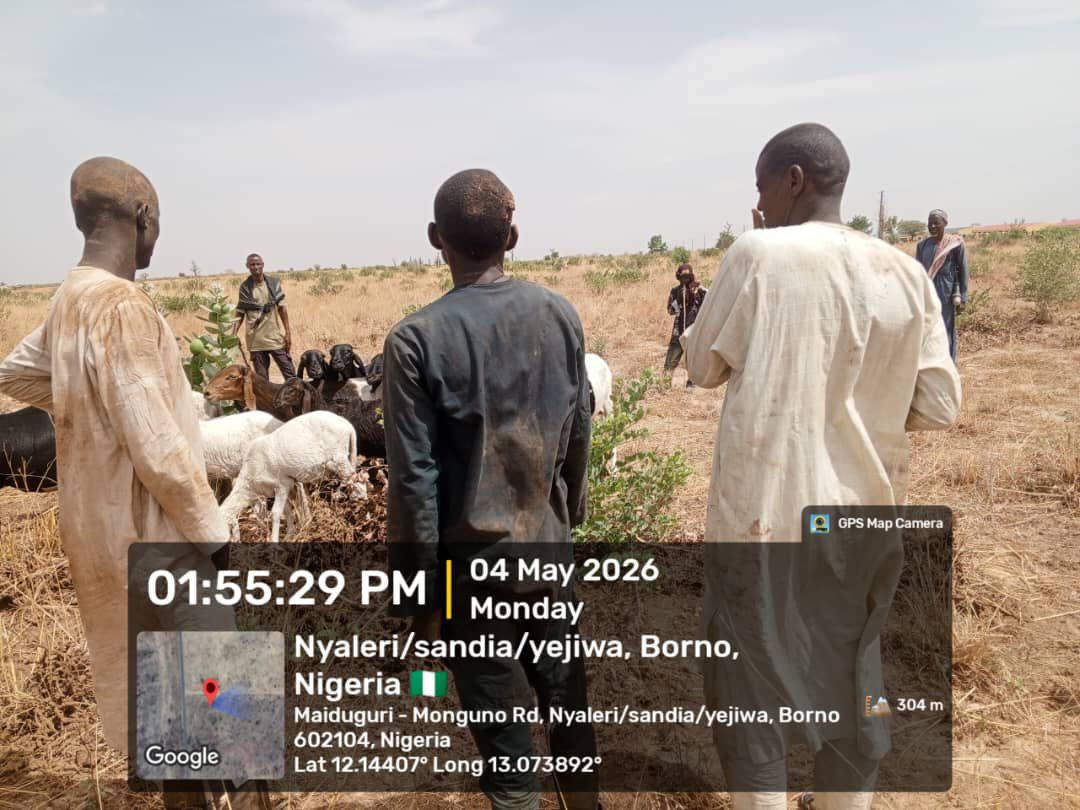
Troops Arrest Three Suspected Cattle Rustlers in Borno
By: Zagazola Makama
Troops of 212 Battalion deployed at Forward Operating Base (FOB) Tuba have arrested three suspected cattle rustlers during an operation in Karnuwa general area of Borno State.
Security sources said the operation followed intelligence provided by a local resident, Malam Muhammadu Ardo, concerning alleged cattle rustling activities within the area.
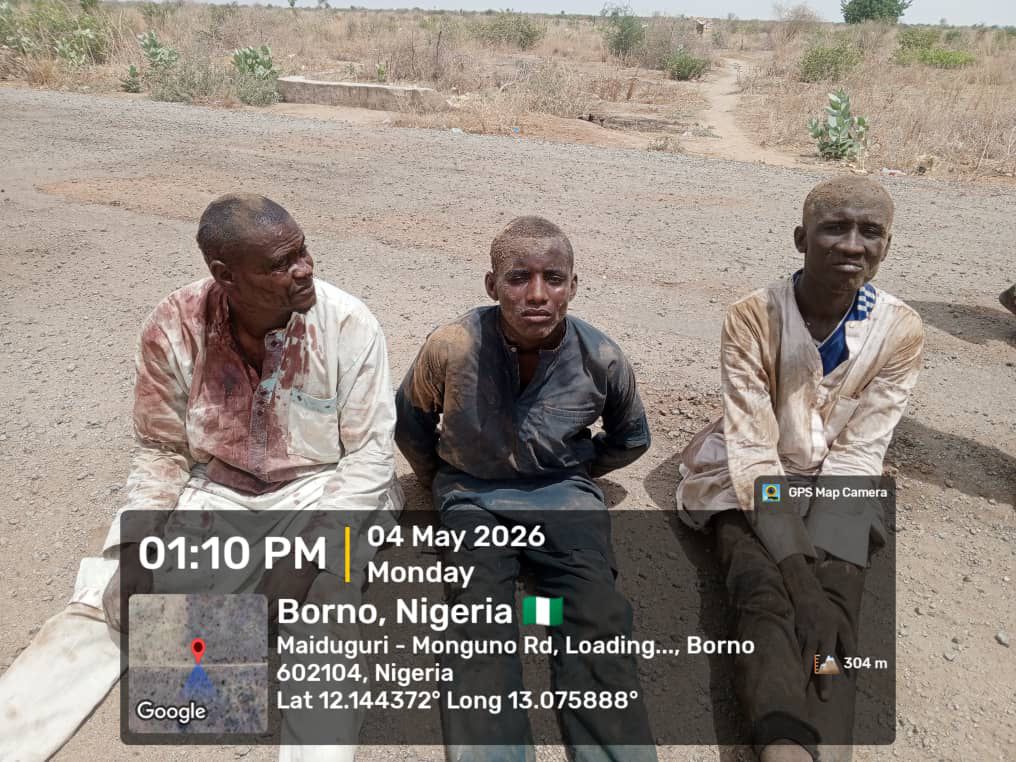
The troops reportedly mobilised to Karnuwa at about 12:30 p.m. on May 4, 2026, where they apprehended the suspects identified as Mallam Mohammad Abatcha, 28; Mallam Mamman Bukar, 18; and Malam Modu Hassan, 30.
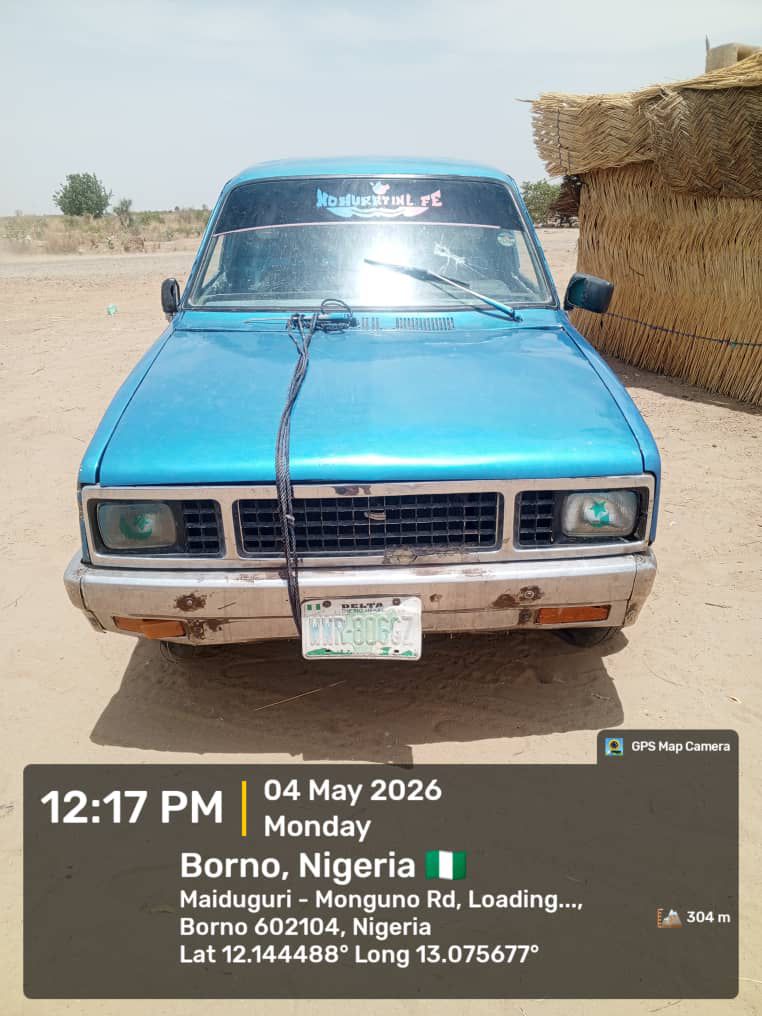
According to the sources, the suspects were intercepted while using a pickup vehicle with registration number WW 806 GZ Delta, allegedly employed in transporting stolen cattle.
The rustled cattle were recovered and immediately handed over to their rightful owners at the scene of the arrest.
Items recovered from the suspects included a bow and arrow, three mobile phones, five national identity cards and the sum of N20,650.
Preliminary investigation reportedly revealed that the suspects admitted to repeatedly stealing and selling rustled cattle to buyers in Maiduguri.
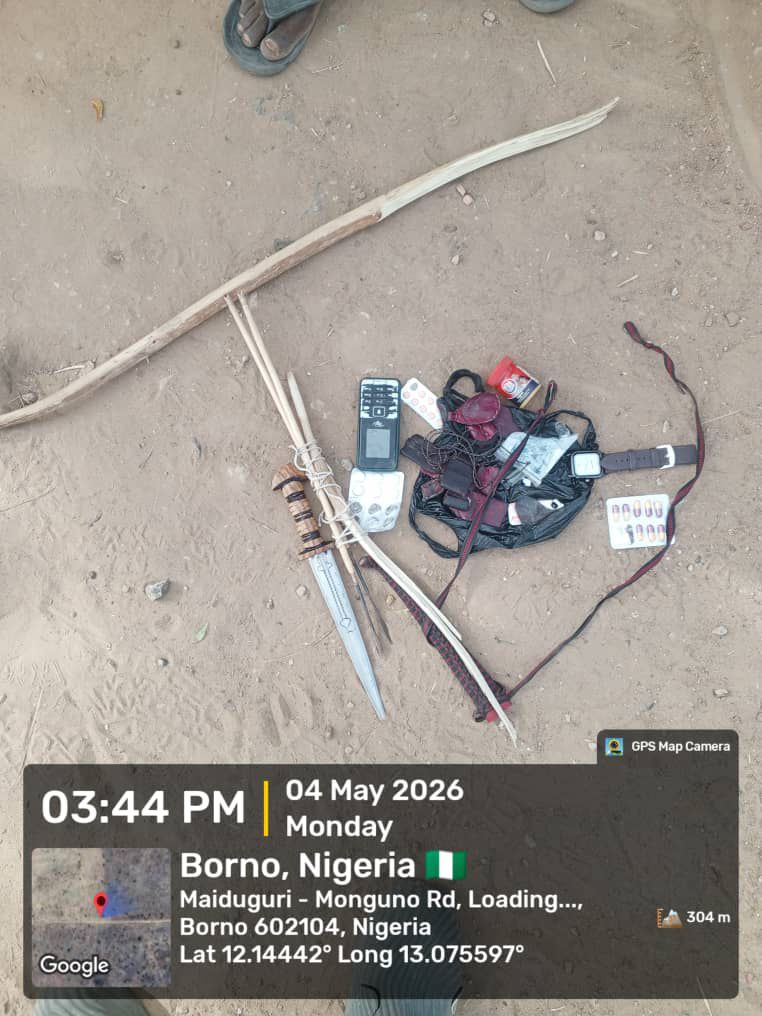
Security sources further disclosed that investigators suspect possible links between the suspects and members of the Islamic State West Africa Province or Jama’atu Ahlis Sunna Lidda’awati wal-Jihad due to alleged inconsistencies observed in their statements during interrogation.
Troops Arrest Three Suspected Cattle Rustlers in Borno
Troops Discover Illegal Refinery Site, Recover 600 Litres of Stolen Crude in Rivers
By: Zagazola Makama
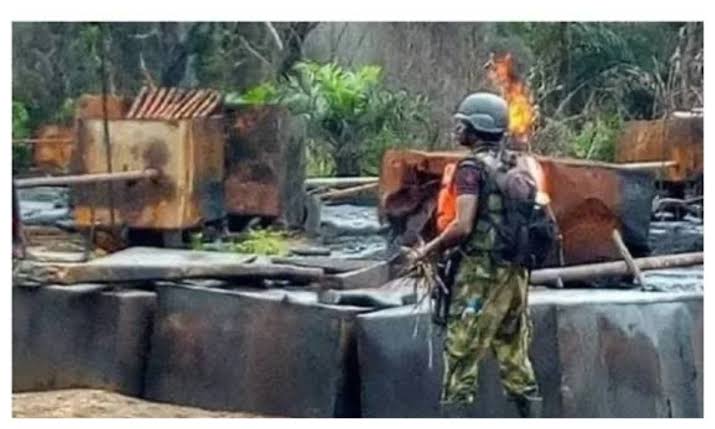
Troops of 29 Battalion operating under the Joint Task Force South-South, Operation Delta Safe (OPDS), have uncovered an illegal refining site and recovered about 600 litres of suspected stolen crude oil in Oyigbo Local Government Area of Rivers State.
Security sources said the discovery was made at about 10:00 a.m. on May 12, 2026, during ongoing anti-illegal bunkering operations in the Niger Delta region.
The troops reportedly discovered the illegal refining site around Asa community, where a large cooking pot loaded with stolen crude oil was found stockpiled in sacks.
Military authorities said the recovered products and equipment were handled in accordance with operational directives guiding anti-crude oil theft operations under Operation Delta Safe.
The operation was conducted without any confrontation or security incident.
The Nigerian military has continued to intensify operations against crude oil theft, illegal refining and other forms of economic sabotage across the Niger Delta region.
Troops Discover Illegal Refinery Site, Recover 600 Litres of Stolen Crude in Rivers

Troops, NDLEA Raid Drug Hideout in Katsina, Arrest Suspected Supplier to Terrorists
By: Zagazola Makama
Troops of the Forward Operating Base (FOB) Malumfashi at Kafur, in collaboration with the National Drug Law Enforcement Agency, have raided a suspected drug peddlers’ hideout in Kafur Local Government Area of Katsina State.
Security sources said the operation was conducted at about 12:30 p.m. on May 12, 2026, at Huguma village following intelligence on illicit drug activities within the area.
During the raid, troops apprehended one suspect identified as a major supplier of illicit drugs and other substances to terrorists and criminal elements operating within Kafur Local Government Area and surrounding communities.
Items recovered during the operation included 146 grams of suspected cannabis and 16.5 grams of a substance identified as Exol-5.
The suspect and the recovered drugs have since been handed over to the National Drug Law Enforcement Agency for further investigation and necessary legal action.
Troops, NDLEA Raid Drug Hideout in Katsina, Arrest Suspected Supplier to Terrorists

Troops Neutralise Two Terrorists in Night Ambush Operation in Borno

Troops Arrest Three Suspected Cattle Rustlers in Borno

Troops Intercept Vehicle Conveying Illegal Diesel in Bayelsa

Roger Federer’s Shock as DNA Results Reveal Myla and Charlene Are Not His Biological Children

THE PLIGHT OF FARIDA

FAILED COUP IN BURKINA FASO: HOW TRAORÉ NARROWLY ESCAPED ASSASSINATION PLOT AMID FOREIGN INTERFERENCE CLAIMS
-
 News2 years ago
Roger Federer’s Shock as DNA Results Reveal Myla and Charlene Are Not His Biological Children
-
Opinions4 years ago
THE PLIGHT OF FARIDA
-
 News1 year ago
FAILED COUP IN BURKINA FASO: HOW TRAORÉ NARROWLY ESCAPED ASSASSINATION PLOT AMID FOREIGN INTERFERENCE CLAIMS
-

 News2 years ago
EYN: Rev. Billi, Distortion of History, and The Living Tamarind Tree
-
 Opinions4 years ago
POLICE CHARGE ROOMS, A MINTING PRESS
-

 ACADEMICS2 years ago
A History of Biu” (2015) and The Lingering Bura-Pabir Question (1)
-

 Columns2 years ago
Army University Biu: There is certain interest, but certainly not from Borno.
-

 Opinions2 years ago
Tinubu,Shettima: The epidemic of economic, insecurity in Nigeria
