
News
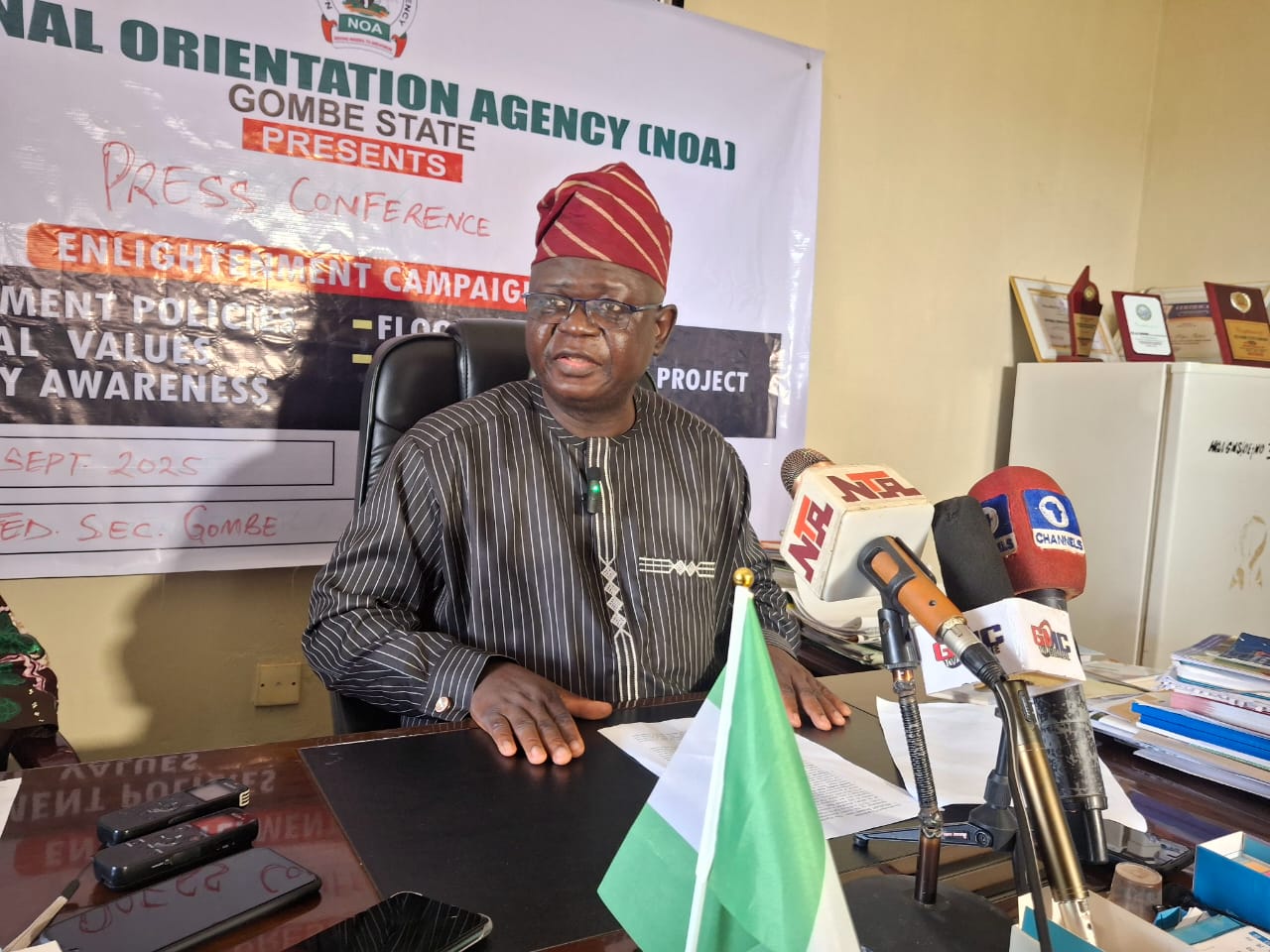
FG’s student loan scheme improving access to higher education -NOA DG

FG’s student loan scheme improving access to higher education -NOA DG
The National Orientation Agency (NOA), on Wednesday, said that the Federal Government’s interest-free loan under the Nigerian Education Loan Fund (NELFUND) is reducing dropout amongst undergraduates in the country.
Mallam Lanre Issa-Onilu, the NOA Director General, stated this in Gombe at a news conference on five thematic areas of the present administration.
The News Agency of Nigeria (NAN) reports that Issa-Onilu spoke through Mr David Akoji, the Director Special Duties, NOA Headquarters, Abuja.
He reiterated the commitment of President Bola Tinubu’s administration to improving access to education at all levels and ensuring that “financial constraints do not prevent young Nigerians from pursuing higher learning.”
Issa-Onilu said NELFUND was established by the Tinubu administration to ensure that no Nigerian who qualified to go for tertiary education was prevented from doing so, as a result of inability to pay school fees.
According to him, funding which used to be the biggest challenge in accessing tertiary education is no longer a threat to undergraduates and students seeking higher education.
The director general said the administration of President Tinubu had disbursed N59 billion to over 600,000 students that have applied for NELFUND Student Loan.
The director general assured that the era of students leaving tertiary institutions without completing their degree as a result of financial constraints was over.
He stated that the initiative showed that the Tinubu-led administration was committed to improving the wellbeing and welfare of Nigerians by empowering young Nigerians with education and skills.
Issa-Onilu urged students in Gombe State who have financial challenges to embrace the initiative to ease the burden, stressing that the loan scheme “is available to all qualified Nigerians who are schooling in public tertiary institutions in Nigeria.”
Speaking on the thematic areas Issa-Onilu said they include; Government Policies, Programmes and Activities, the Nigerian Identity Project and National Symbols, and flood mitigation.
He cited others as National Security Awareness towards achieving improved security consciousness in communities and National Values Re-orientation for Students of Secondary Schools and Tertiary Institutions against sign-out extreme practices.
He also announced plans by the federal government to support 150, 000 youths across Nigeria under the National Youth Investment Fund (NYIF), adding that N110 billion had been dedicated to implement the initiative.
The director general further expressed the commitment of Tinubu’s administration to impacting positively on the wellbeing of all Nigerians especially the poor and vulnerable households.
On government programmes, Issa-Onilu hinted that over 2 million households enrolled into the Social Safety Nets Expansion, had benefitted from the Conditional Cash Transfer.
He said: “Trader Moni and Farmer Moni were introduced through the Government Enterprise and Empowerment Programme (GEEP). These are interest-free loans of up to a maximum of N100,000 for trader moni, while, farmer moni up to N300,000.”
FG’s student loan scheme improving access to higher education -NOA DG


News
UN Women, Diplomats, Nollywood Stars Intensify Push for Special Seats Bill With New Advocacy Film
UN Women, Diplomats, Nollywood Stars Intensify Push for Special Seats Bill With New Advocacy Film
By: Michael Mike
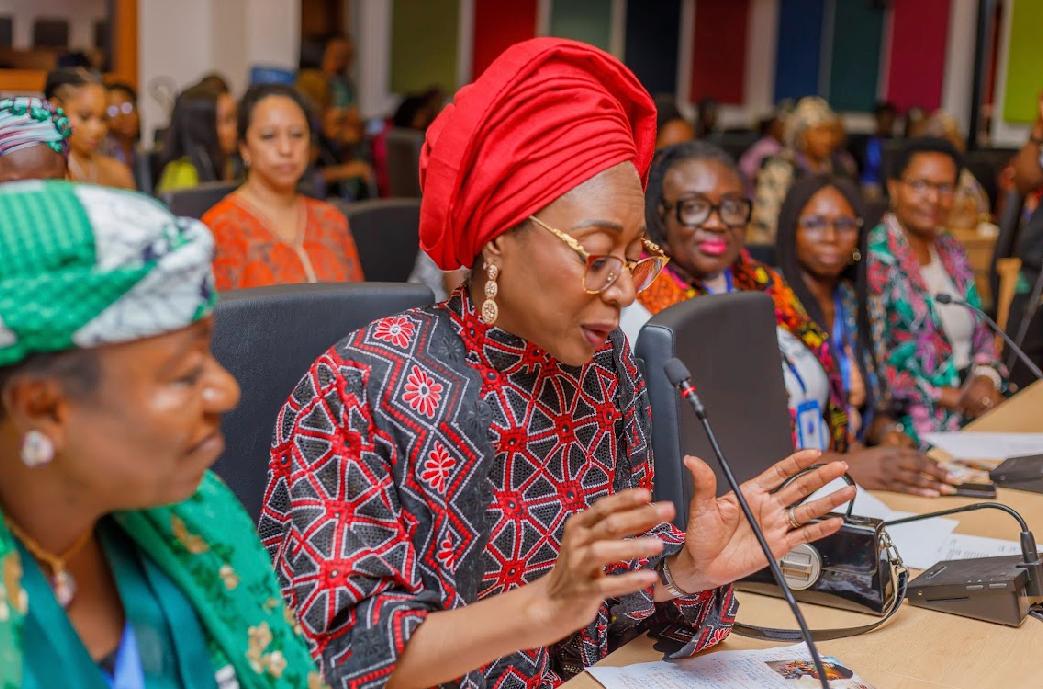
The Nigeria office of UN Women, alongside diplomats, civil society groups and Nollywood stars, has intensified pressure for the passage of the Special Seats for Women Bill with the premiere of a new advocacy film aimed at confronting the persistent exclusion of women from Nigeria’s political leadership.
The film, Ibukun and the People, was screened at the weekend in Abuja under the Side by Side Naija campaign as part of efforts to mobilise nationwide support for increased women’s representation in parliament and decision-making positions.
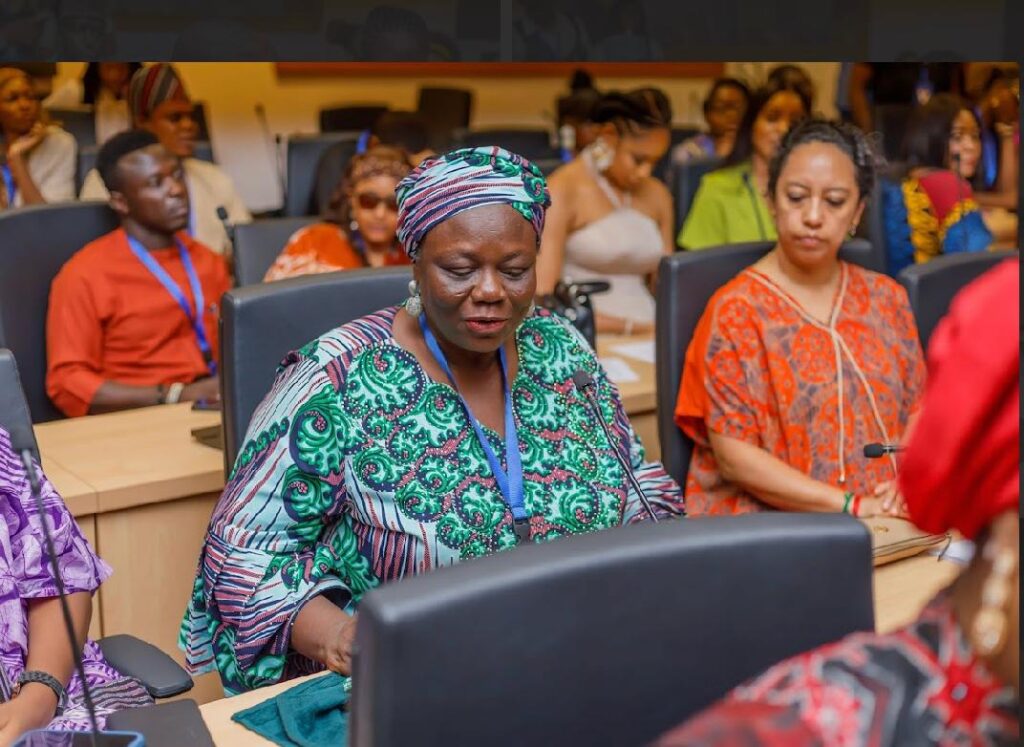
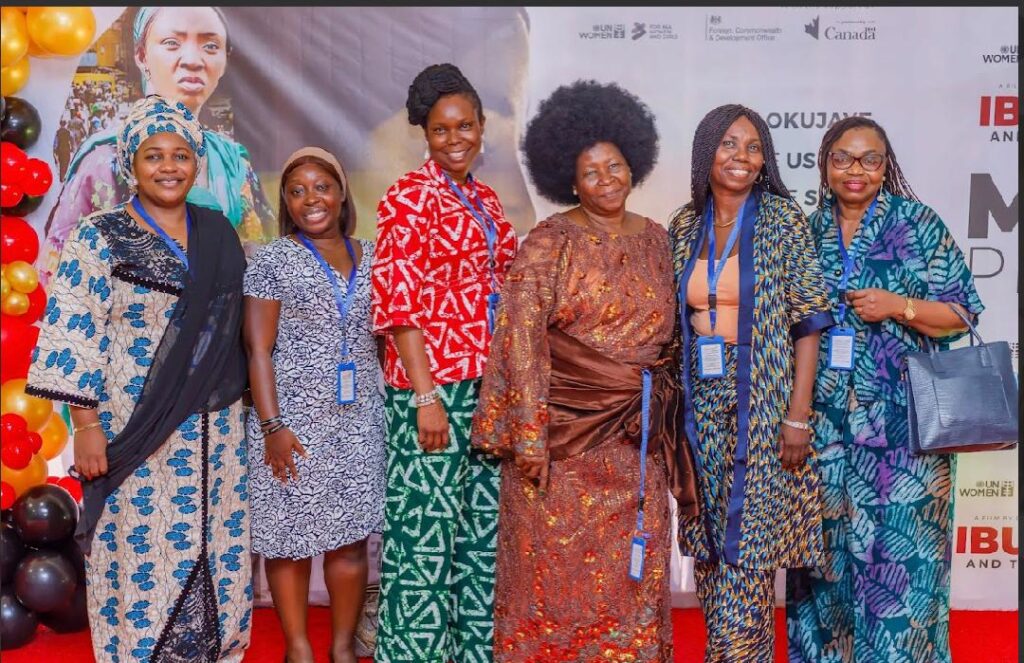
The production, supported by UN Women, the Foreign, Commonwealth and Development Office and the Government of Canada, brought together actors, development partners, women groups, civil society organisations, media practitioners and advocates of inclusive governance.
Featuring prominent Nollywood stars including Ivie Okujaiye, Uzee Usman and Joke Silva, the movie highlighted the structural barriers, intimidation, stereotypes and political exclusion confronting women seeking elective offices in Nigeria.
Speaking at the event, the UN Women Representative to Nigeria and ECOWAS, Beatrice Eyong described the initiative as a strategic intervention designed to deepen conversations around gender inclusion and strengthen advocacy for the Special Seats Bill.
She said women’s inclusion in governance must be seen as a national development imperative rather than an act of charity.
“Not as an act of charity, but as a necessity for national development. We need more women at the table when decisions that affect them are made. That is what the movie is advocating,” she said.
Eyong urged Nigerians to look beyond the entertainment value of the production and confront the realities women continue to face in politics, expressing optimism that the movie would inspire broader support for women seeking political offices.
She also commended the actors and production crew for volunteering their talents in support of the advocacy campaign.
The British Deputy High Commissioner to Nigeria, Gill Lever, described women’s participation in politics as an urgent democratic priority, noting that storytelling remains a powerful tool for driving policy conversations and social change.
According to her, the film aligns with ongoing advocacy for affirmative action and could help accelerate reforms that promote inclusive governance.
Also speaking, the Ambassador of Belgium to Nigeria, Pieter Leenknegt, said reserved seats remain one of the practical pathways for improving women’s representation in Nigeria’s political system.
He, however, stressed that broader political reforms and education were equally critical in addressing gender imbalance in leadership.
Similarly, the Ambassador of Finland to Nigeria, Sanna Selin, said gender equality promotes peace, social justice and sustainable development.
She noted that inclusive governance benefits society as a whole through improved stability and economic progress.
The Country Representative of United Nations Population Fund in Nigeria, Muriel Mafico, reaffirmed the commitment of United Nations agencies to supporting the passage of the Special Seats Bill to boost women’s representation in governance.
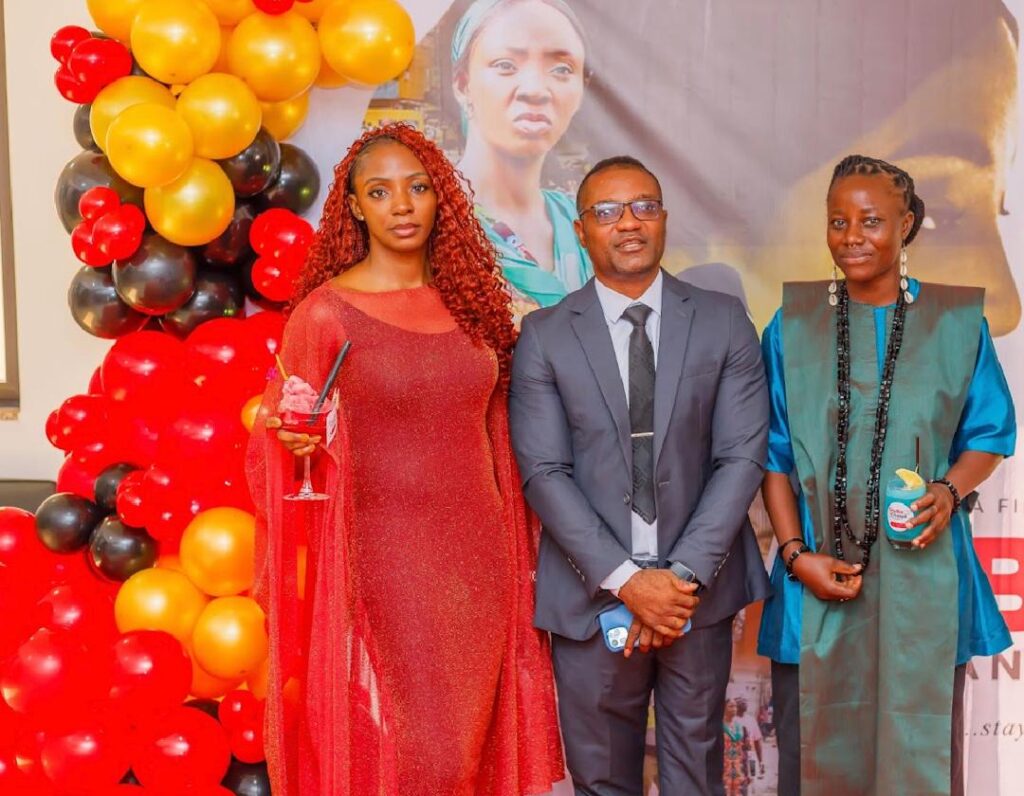
Director-General of the Maryam Babangida National Centre for Women Development, Adedayo Benjamins-Laniyi, urged women to sustain grassroots mobilisation and remain united in the campaign for increased political participation.
Women’s rights advocate, Ene Obi, said the proposed legislation would help correct Nigeria’s political imbalance and create opportunities for women to contribute more meaningfully to national development.
She called on men and key stakeholders to actively support the bill and champion the inclusion of women in leadership and governance.
President of the League of Women Voters of Nigeria, Irene Awunah-Ikyegh, described the bill as a crucial affirmative action measure needed to deepen democracy and empower women politically.
The National President of the National Council of Women Societies, Edna Azura, commended the organisers and young filmmakers for deploying cinema as a platform for social advocacy and democratic inclusion.
Director of the film, Patience Ejoke-Ogedegbe, said the movie sends a strong message that competent women should no longer be intimidated, blackmailed or discouraged from contesting political positions.
Actor Uzee Usman, who played the role of a senator in the film, stressed the need to encourage and support more women to seek elective offices.
Lead actress Ivie Okujaiye said the production would inspire women to challenge stereotypes and resist intimidation while pursuing leadership positions.
Guests at the screening praised the movie’s production quality, storyline and performances, describing it as socially impactful and politically relevant.
The event also featured the presentation of awards to some of the actors and advocates in recognition of their contributions to gender equality and inclusive governance in Nigeria.
UN Women, Diplomats, Nollywood Stars Intensify Push for Special Seats Bill With New Advocacy Film
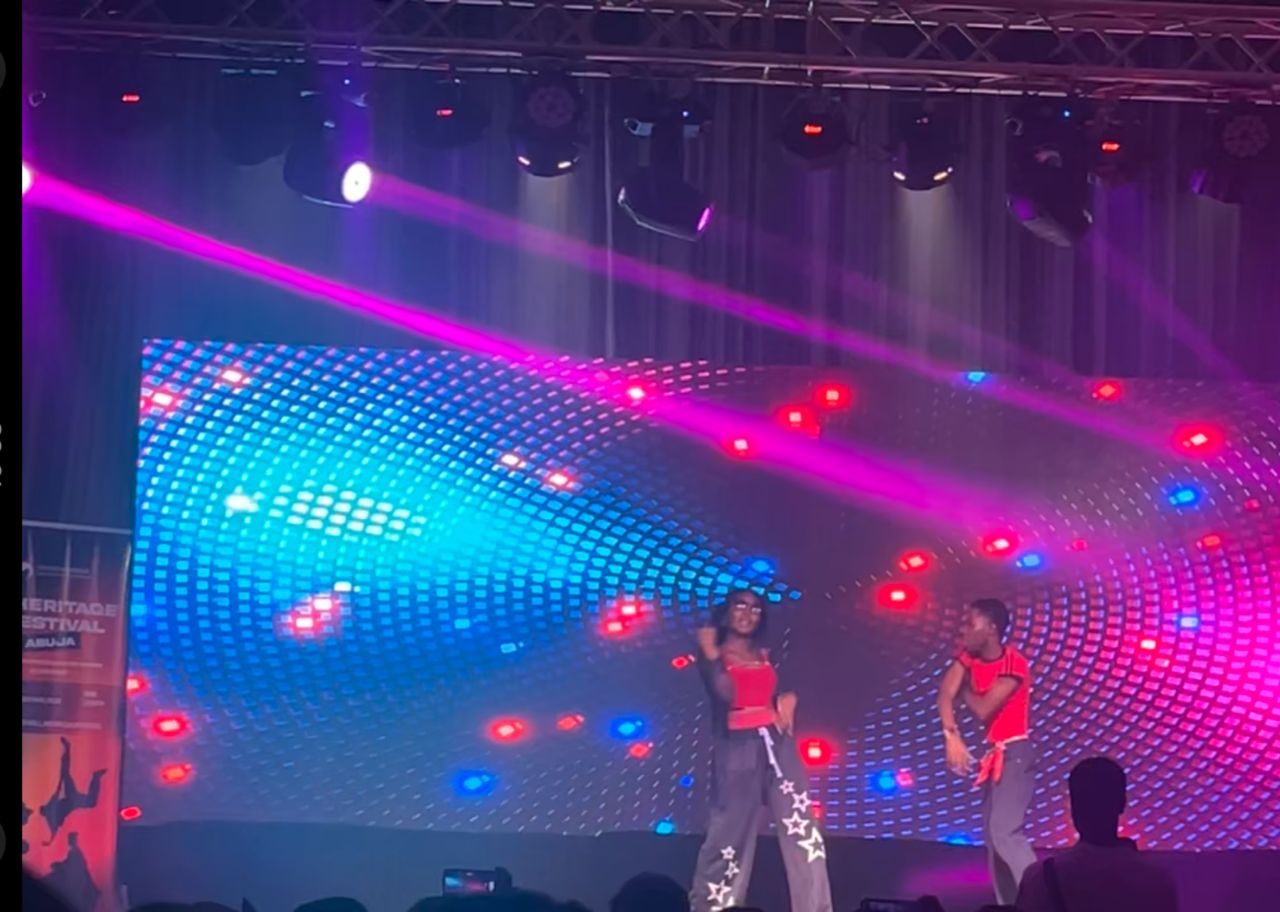
Korean Cultural Centre Deepens Nigeria-South Korea Ties Through K-Heritage Festival in Abuja
By:Michael Mike
The Korean Cultural Centre Nigeria has intensified efforts to strengthen cultural diplomacy and people-to-people relations between Nigeria and South Korea through the expansion of its K-Heritage Festival, an initiative aimed at promoting traditional Korean arts, music and cultural education in Nigeria.
Organisers said the Abuja edition of the festival reflects growing cultural exchanges between both countries and a deliberate effort to expose Nigerians to Korea’s rich traditional heritage beyond the globally celebrated K-Pop culture.
Speaking during the event in Abuja at the weekend, the Event Manager at the Korean Cultural Centre, Yoonjin Lee, said the festival was created to showcase the depth of Korean traditional performances and cultural identity to Nigerian audiences increasingly fascinated by Korean entertainment.
According to her, although K-Pop has gained massive international popularity among young people, the K-Heritage Festival was designed to introduce Nigerians to the traditional roots of Korean culture through indigenous music, dance and live performances.
“K-Pop is more like the modern type, more attracted by young people. But the K-Heritage Festival is trying to also bring Korean traditional performances to Nigeria,” she said.
The festival, which debuted in Lagos in 2025, was extended to Abuja this year as part of efforts to widen participation and deepen cultural engagement across Nigeria.
This year’s edition featured performances by Korean traditional performance duo Sorichum, comprising Melissa Minseong Seo and Hyunjung Park, who entertained audiences with displays of traditional Korean music and dance.
Beyond the stage performances, the artistes also organised intensive two-day cultural workshops where Nigerian participants were introduced to Korean fan dance and the traditional Korean percussion instrument known as the Janggu.
Participants who took part in the workshops later performed during the festival alongside students of the Korean Cultural Centre and winners of previous K-Pop competitions.
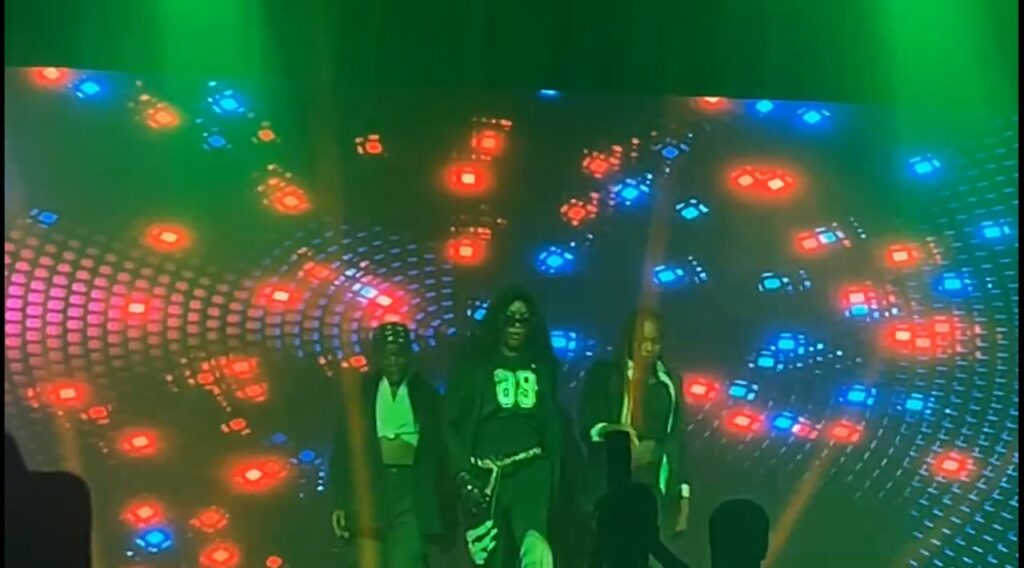
Lee described the level of enthusiasm and commitment shown by Nigerian participants as remarkable.
“The students only learned for two days, but they performed perfectly. People are really enjoying it,” she said.
According to her, the response from participants and audiences demonstrates that Nigerian interest in Korean culture is evolving beyond contemporary pop entertainment into deeper appreciation for traditional Korean heritage.
She stressed that the K-Heritage Festival forms part of the centre’s broader cultural mission to present multiple dimensions of Korean identity, history and artistic traditions to Nigerians.
“We really want to show different stages of Korean culture. K-Pop is very big, but as a Korean Cultural Centre, we also want to bring traditions and opportunities for people to experience them,” she added.
The growing popularity of Korean cultural programmes in Nigeria mirrors a wider global expansion of the “Korean Wave,” popularly known as Hallyu — a phenomenon driven by the international success of Korean music, films, television dramas, fashion and cuisine.
Over the past decade, South Korea has increasingly deployed cultural diplomacy as a soft-power strategy to strengthen global influence and international partnerships, particularly among younger populations.
Nigeria has emerged as one of the leading African countries embracing Korean cultural exports, with rising participation in K-Pop contests, Korean language classes, film screenings and cultural festivals organised by the Korean Cultural Centre in Abuja and Lagos.
The Korean Cultural Centre Nigeria, established to promote mutual cultural understanding, has continued to organise language education programmes, cultural exhibitions, culinary events and entertainment festivals aimed at fostering closer bilateral ties.
Lee disclosed that organisers are considering expanding traditional Korean cultural activities in Nigeria through additional workshops and festivals, especially in Lagos.
She revealed that plans are underway for another Janggu drum festival while traditional cultural classes are also expected to be strengthened ahead of the possible introduction of K-Heritage competitions in the future.
However, she noted that competitive events currently remain largely focused on K-Pop activities due to their strong youth appeal.
She further announced that another K-Pop Festival would hold later this year in Lagos as organisers continue rotating major cultural events between Lagos and Abuja to ensure broader national participation.
Observers say the growing acceptance of Korean cultural festivals in Nigeria reflects the increasing role of cultural exchanges in international relations, where arts, music and shared experiences are becoming powerful tools for strengthening diplomatic and economic cooperation between nations.
Korean Cultural Centre Deepens Nigeria-South Korea Ties Through K-Heritage Festival in Abuja
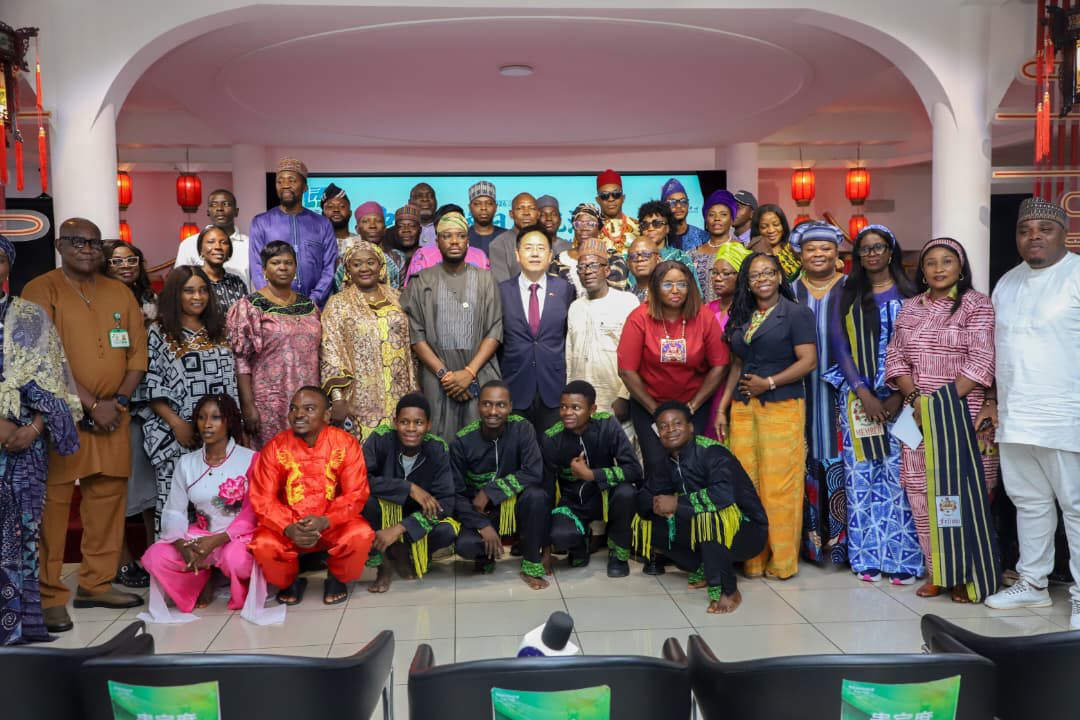
Nigeria, China Seek Expanded Cooperation in Tourism, Heritage, Creative Industries
By: Michael Mike
Nigeria and China have intensified efforts to strengthen bilateral cooperation in tourism, culture, and the creative economy, with both countries identifying the sectors as major drivers of economic growth, cultural diplomacy, and people-to-people relations.
This commitment was reaffirmed at the weekend during the 2026 China Tourism Day celebration hosted by the China Cultural Centre in Nigeria (CCIN) in Abuja, where government officials, diplomats, tourism stakeholders, artists, and cultural enthusiasts gathered to celebrate the growing partnership between the two nations.
Speaking at the event, Yang Jianxing said tourism remains one of the most effective instruments for fostering mutual understanding and strengthening ties among nations.
He explained that the theme of this year’s celebration, “Enjoying Quality Tourism, Exploring Beautiful Landscapes,” reflects the increasing global importance of tourism as a platform for intercultural dialogue and peaceful coexistence.
According to him, both China and Nigeria possess rich historical civilizations, diverse cultural identities, and globally recognised tourism assets capable of deepening cooperation between their peoples.
Yang cited iconic destinations including the Great Wall of China and Mount Tai, alongside Nigeria’s Osun-Osogbo Sacred Grove and Zuma Rock, describing them as enduring cultural symbols that continue to connect civilizations across continents.
He noted that several joint cultural initiatives organised over the years by both countries, including the Happy Chinese New Year programmes and China-Nigeria Cultural and Tourism Festivals, had expanded cultural exchanges through artistic performances, traditional exhibitions, and culinary experiences.
“These activities have not only strengthened friendship between our peoples but have also promoted the spirit of harmony, mutual respect, and cultural inclusiveness,” he said.
Yang further disclosed that China was prepared to deepen collaboration with Nigeria under the framework of the China-Africa Year of People-to-People Exchanges, with fresh opportunities expected in heritage preservation, tourism promotion, cultural innovation, and the creative industries.
He encouraged more Nigerians to explore educational and tourism opportunities in China while expressing optimism that more Chinese visitors would also discover Nigeria’s rich cultural heritage, artistic diversity, and tourism potential.
Also addressing participants, Abdulkarim Ibrahim described the event as another milestone in the long-standing diplomatic and cultural relationship between Nigeria and China, which he said has continued to flourish for more than five decades.
Nigeria, China Seek Expanded Cooperation in Tourism, Heritage, Creative Industries

UN Women, Diplomats, Nollywood Stars Intensify Push for Special Seats Bill With New Advocacy Film

NDLEA Intercepts Cocaine, Opioids Hidden in Carton Walls Bound for UK, Australia

Korean Cultural Centre Deepens Nigeria-South Korea Ties Through K-Heritage Festival in Abuja

Roger Federer’s Shock as DNA Results Reveal Myla and Charlene Are Not His Biological Children

THE PLIGHT OF FARIDA

FAILED COUP IN BURKINA FASO: HOW TRAORÉ NARROWLY ESCAPED ASSASSINATION PLOT AMID FOREIGN INTERFERENCE CLAIMS
-
 News2 years ago
Roger Federer’s Shock as DNA Results Reveal Myla and Charlene Are Not His Biological Children
-
Opinions4 years ago
THE PLIGHT OF FARIDA
-
 News1 year ago
FAILED COUP IN BURKINA FASO: HOW TRAORÉ NARROWLY ESCAPED ASSASSINATION PLOT AMID FOREIGN INTERFERENCE CLAIMS
-

 News2 years ago
EYN: Rev. Billi, Distortion of History, and The Living Tamarind Tree
-
 Opinions4 years ago
POLICE CHARGE ROOMS, A MINTING PRESS
-

 ACADEMICS2 years ago
A History of Biu” (2015) and The Lingering Bura-Pabir Question (1)
-

 Columns2 years ago
Army University Biu: There is certain interest, but certainly not from Borno.
-

 Opinions2 years ago
Tinubu,Shettima: The epidemic of economic, insecurity in Nigeria
