
News
Korean Cultural Centre Deepens Nigeria-South Korea Ties Through K-Heritage Festival in Abuja

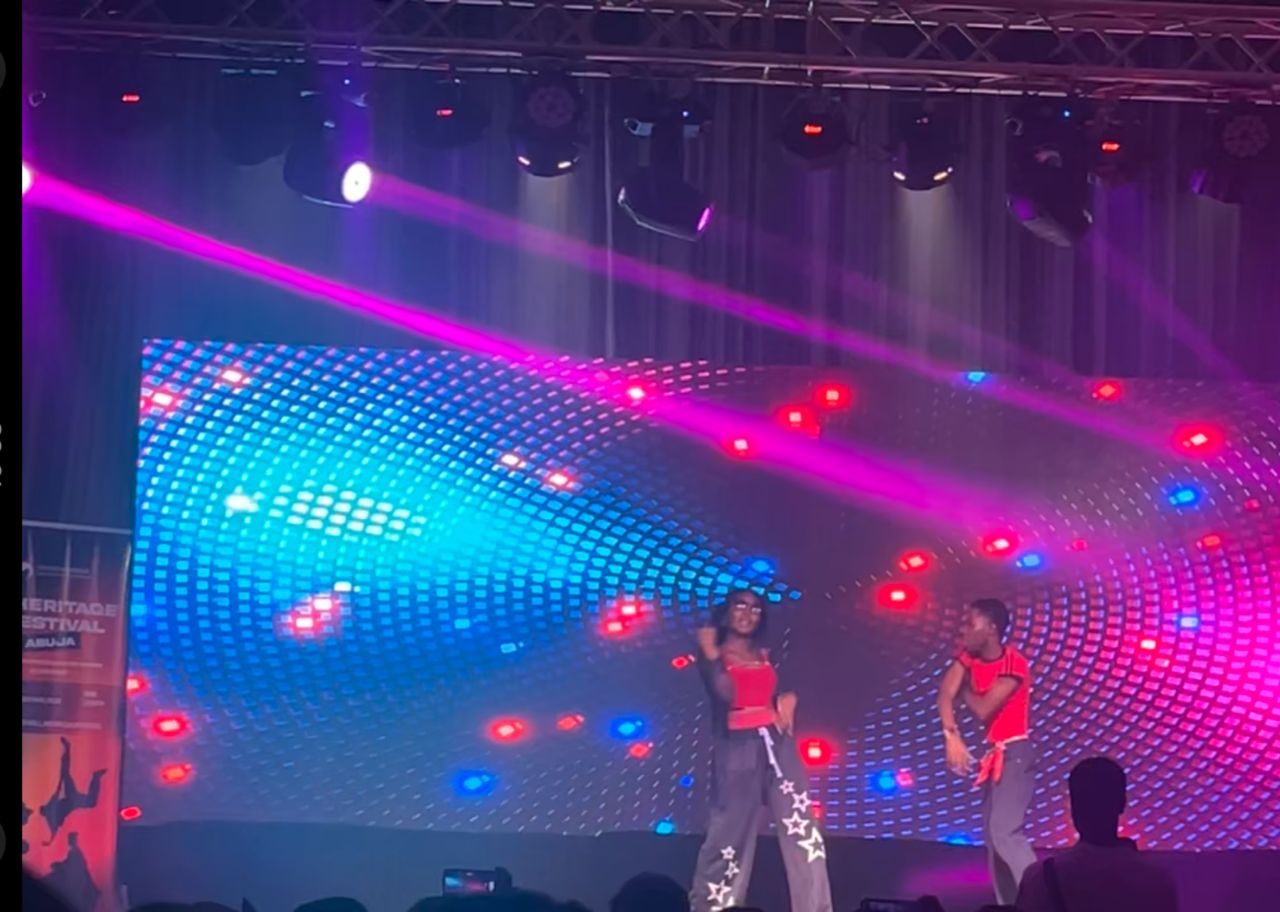
Korean Cultural Centre Deepens Nigeria-South Korea Ties Through K-Heritage Festival in Abuja
By:Michael Mike
The Korean Cultural Centre Nigeria has intensified efforts to strengthen cultural diplomacy and people-to-people relations between Nigeria and South Korea through the expansion of its K-Heritage Festival, an initiative aimed at promoting traditional Korean arts, music and cultural education in Nigeria.
Organisers said the Abuja edition of the festival reflects growing cultural exchanges between both countries and a deliberate effort to expose Nigerians to Korea’s rich traditional heritage beyond the globally celebrated K-Pop culture.
Speaking during the event in Abuja at the weekend, the Event Manager at the Korean Cultural Centre, Yoonjin Lee, said the festival was created to showcase the depth of Korean traditional performances and cultural identity to Nigerian audiences increasingly fascinated by Korean entertainment.
According to her, although K-Pop has gained massive international popularity among young people, the K-Heritage Festival was designed to introduce Nigerians to the traditional roots of Korean culture through indigenous music, dance and live performances.
“K-Pop is more like the modern type, more attracted by young people. But the K-Heritage Festival is trying to also bring Korean traditional performances to Nigeria,” she said.
The festival, which debuted in Lagos in 2025, was extended to Abuja this year as part of efforts to widen participation and deepen cultural engagement across Nigeria.
This year’s edition featured performances by Korean traditional performance duo Sorichum, comprising Melissa Minseong Seo and Hyunjung Park, who entertained audiences with displays of traditional Korean music and dance.
Beyond the stage performances, the artistes also organised intensive two-day cultural workshops where Nigerian participants were introduced to Korean fan dance and the traditional Korean percussion instrument known as the Janggu.
Participants who took part in the workshops later performed during the festival alongside students of the Korean Cultural Centre and winners of previous K-Pop competitions.
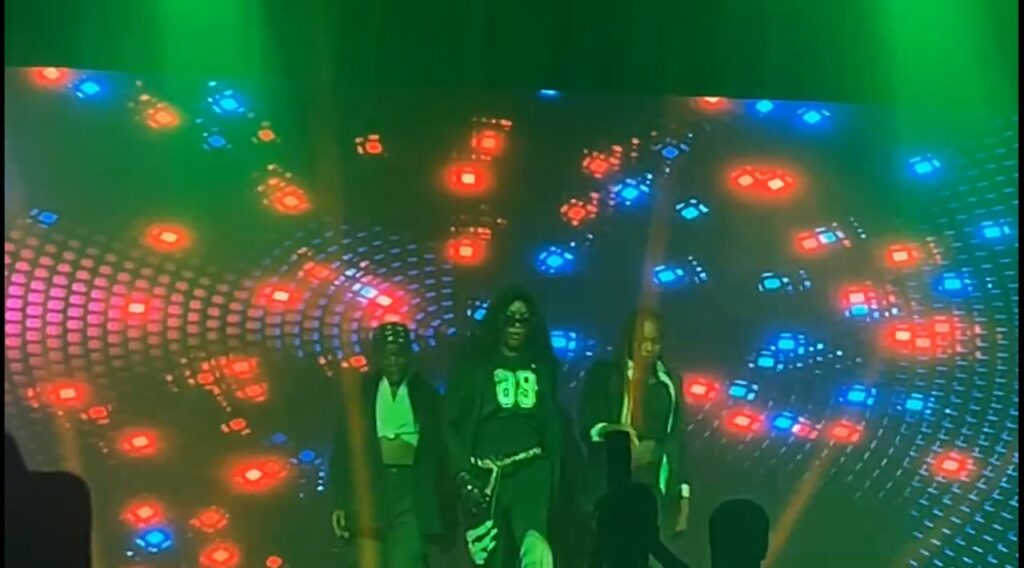
Lee described the level of enthusiasm and commitment shown by Nigerian participants as remarkable.
“The students only learned for two days, but they performed perfectly. People are really enjoying it,” she said.
According to her, the response from participants and audiences demonstrates that Nigerian interest in Korean culture is evolving beyond contemporary pop entertainment into deeper appreciation for traditional Korean heritage.
She stressed that the K-Heritage Festival forms part of the centre’s broader cultural mission to present multiple dimensions of Korean identity, history and artistic traditions to Nigerians.
“We really want to show different stages of Korean culture. K-Pop is very big, but as a Korean Cultural Centre, we also want to bring traditions and opportunities for people to experience them,” she added.
The growing popularity of Korean cultural programmes in Nigeria mirrors a wider global expansion of the “Korean Wave,” popularly known as Hallyu — a phenomenon driven by the international success of Korean music, films, television dramas, fashion and cuisine.
Over the past decade, South Korea has increasingly deployed cultural diplomacy as a soft-power strategy to strengthen global influence and international partnerships, particularly among younger populations.
Nigeria has emerged as one of the leading African countries embracing Korean cultural exports, with rising participation in K-Pop contests, Korean language classes, film screenings and cultural festivals organised by the Korean Cultural Centre in Abuja and Lagos.
The Korean Cultural Centre Nigeria, established to promote mutual cultural understanding, has continued to organise language education programmes, cultural exhibitions, culinary events and entertainment festivals aimed at fostering closer bilateral ties.
Lee disclosed that organisers are considering expanding traditional Korean cultural activities in Nigeria through additional workshops and festivals, especially in Lagos.
She revealed that plans are underway for another Janggu drum festival while traditional cultural classes are also expected to be strengthened ahead of the possible introduction of K-Heritage competitions in the future.
However, she noted that competitive events currently remain largely focused on K-Pop activities due to their strong youth appeal.
She further announced that another K-Pop Festival would hold later this year in Lagos as organisers continue rotating major cultural events between Lagos and Abuja to ensure broader national participation.
Observers say the growing acceptance of Korean cultural festivals in Nigeria reflects the increasing role of cultural exchanges in international relations, where arts, music and shared experiences are becoming powerful tools for strengthening diplomatic and economic cooperation between nations.
Korean Cultural Centre Deepens Nigeria-South Korea Ties Through K-Heritage Festival in Abuja


Military
Mutiny: Presidential Guard Tightens Security Around Niger Presidency Amid Reports of Military Protest
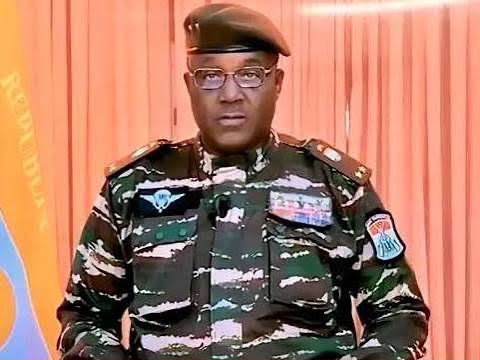
Mutiny: Presidential Guard Tightens Security Around Niger Presidency Amid Reports of Military Protest
By Zagazola Makama
Security was significantly reinforced around Niger’s Presidential Palace in Niamey following reports of unrest involving elements of the country’s armed forces, security sources told Zagazola Makama.
According to multiple security sources, the heightened deployment of the Presidential Guard, supported by armoured vehicles around the Presidential Palace on the night of July 3 and into July 4, followed what was described as a limited protest by personnel of an armoured unit within the Niger Armed Forces (FAN).
The sources said some soldiers reportedly declined deployment to frontline positions in northern Tillabéri Region, particularly around Inatès and Chinagodrar, citing inadequate heavy equipment and insufficient operational resources to confront the growing security threats in the area.
The protest was described by one source as a “small mutiny,” although there has been no official confirmation from the Nigerien authorities.
Security sources said the development triggered concern within the country’s leadership, prompting the reinforcement of security around the Presidential Palace and temporary restrictions on movement in the surrounding area as a precautionary measure.
The Tillabéri Region remains one of Niger’s most volatile security zones, with recurrent attacks by armed extremist groups, including factions linked to the so-called Islamic State in the Greater Sahara (ISGS).
As of the time of filing this report, the Nigerien government and military authorities had not issued any official statement regarding the reported protest or the increased security presence around the Presidency.
The situation remains under close observation.
Mutiny: Presidential Guard Tightens Security Around Niger Presidency Amid Reports of Military Protest
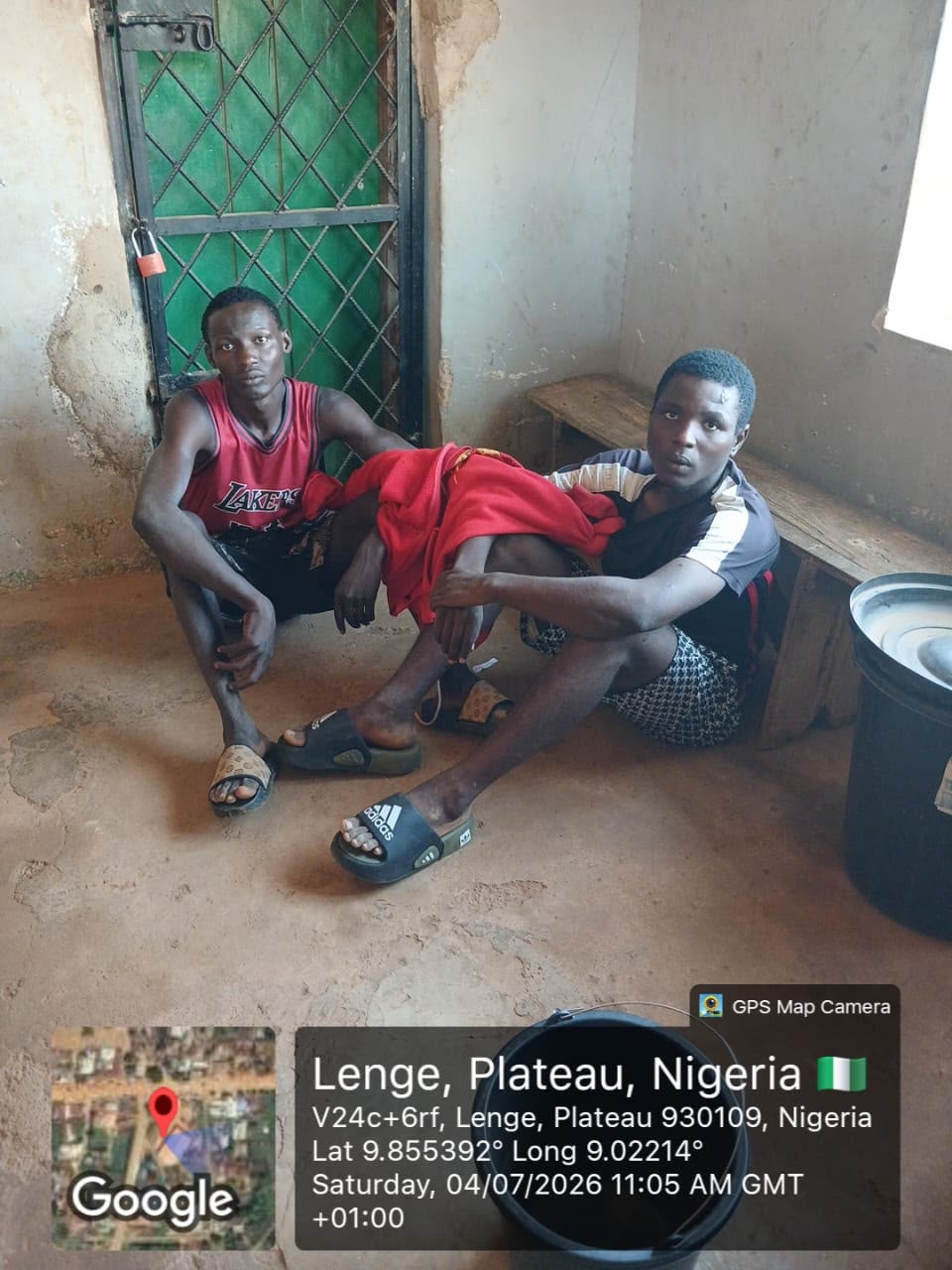
Two suspected criminals arrested during patrol in Plateau
By: Zagazola Makama
Troops of Sector 1 under Operation Enduring Peace have arrested two suspected criminals during a routine patrol in Jos East Local Government Area of Plateau.
Security sources disclosed that the suspects, identified as Azi Ezekiel, 21, and Ajiji Emmanuel, 19, were apprehended at about 10:30 a.m. on Saturday along the road leading to Forbur Village.
The sources said the suspects were intercepted by troops of Sector 1, Sub-Sector 12, while conducting a routine patrol in the area.
According to the sources, the two suspects have been handed over to the Keystone Police Station in Forbur for further investigation and possible prosecution.
The arrest forms part of ongoing security operations aimed at combating criminal activities and enhancing safety across Plateau State.
Two suspected criminals arrested during patrol in Plateau
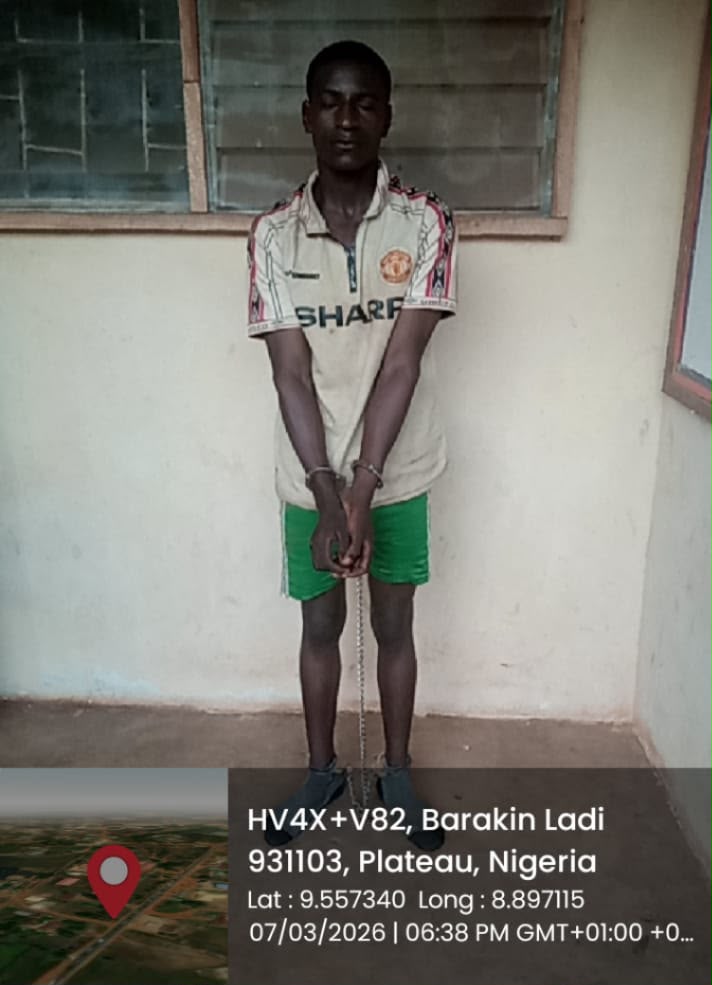
Troops arrest suspected kidnapper in Plateau community
By: Zagazola Makama
Troops of Sector 4 of Operation Enduring Peace have arrested a suspected kidnapper during a security operation in Barkin Ladi Local Government Area of Plateau.
Security sources said the suspect, identified as Mohamdu Surajo, 29, was arrested at about 6:45 p.m. on Friday at Sabon Layi Village following sustained security operations in the area.
The sources disclosed that the suspect is currently in military custody and is undergoing preliminary interrogation to aid ongoing investigations.
They added that the arrest is part of continued efforts by security forces to dismantle criminal networks and enhance security across Plateau State.
Troops arrest suspected kidnapper in Plateau community

President Tinubu Flags Off the Construction of Dikwa–Gamboru Ngala, Bama–Banki International Road Projects

Mutiny: Presidential Guard Tightens Security Around Niger Presidency Amid Reports of Military Protest

Troops Arrest Two Suspected Berom Militia Linked to NIPSS Attack as Security Sources Say Investigation Supports Earlier Leads

Roger Federer’s Shock as DNA Results Reveal Myla and Charlene Are Not His Biological Children

THE PLIGHT OF FARIDA

FAILED COUP IN BURKINA FASO: HOW TRAORÉ NARROWLY ESCAPED ASSASSINATION PLOT AMID FOREIGN INTERFERENCE CLAIMS
-
 News2 years ago
Roger Federer’s Shock as DNA Results Reveal Myla and Charlene Are Not His Biological Children
-
Opinions4 years ago
THE PLIGHT OF FARIDA
-
 News1 year ago
FAILED COUP IN BURKINA FASO: HOW TRAORÉ NARROWLY ESCAPED ASSASSINATION PLOT AMID FOREIGN INTERFERENCE CLAIMS
-

 News2 years ago
EYN: Rev. Billi, Distortion of History, and The Living Tamarind Tree
-
 Opinions5 years ago
POLICE CHARGE ROOMS, A MINTING PRESS
-

 ACADEMICS2 years ago
A History of Biu” (2015) and The Lingering Bura-Pabir Question (1)
-

 Columns2 years ago
Army University Biu: There is certain interest, but certainly not from Borno.
-

 Politics1 year ago
2027: Why Hon. Midala Balami Must Go, as Youths in Hawul and Asikira/Uba Federal Constituency Reject ₦500,000 as Sallah Gift
