
News
UN Women, Diplomats, Nollywood Stars Intensify Push for Special Seats Bill With New Advocacy Film

UN Women, Diplomats, Nollywood Stars Intensify Push for Special Seats Bill With New Advocacy Film
By: Michael Mike
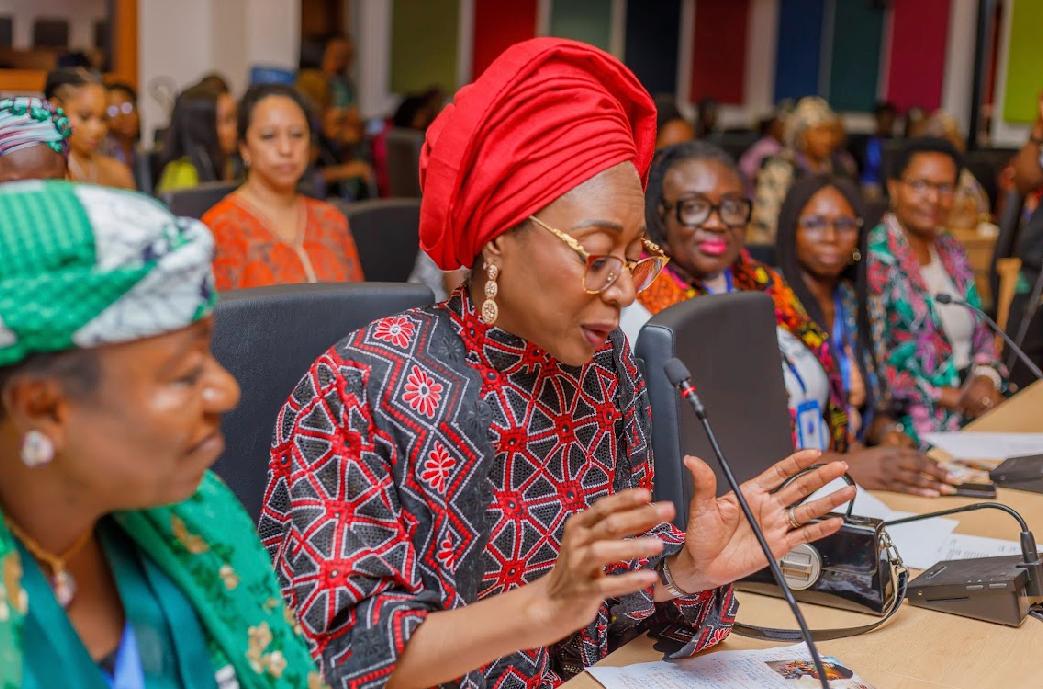
The Nigeria office of UN Women, alongside diplomats, civil society groups and Nollywood stars, has intensified pressure for the passage of the Special Seats for Women Bill with the premiere of a new advocacy film aimed at confronting the persistent exclusion of women from Nigeria’s political leadership.
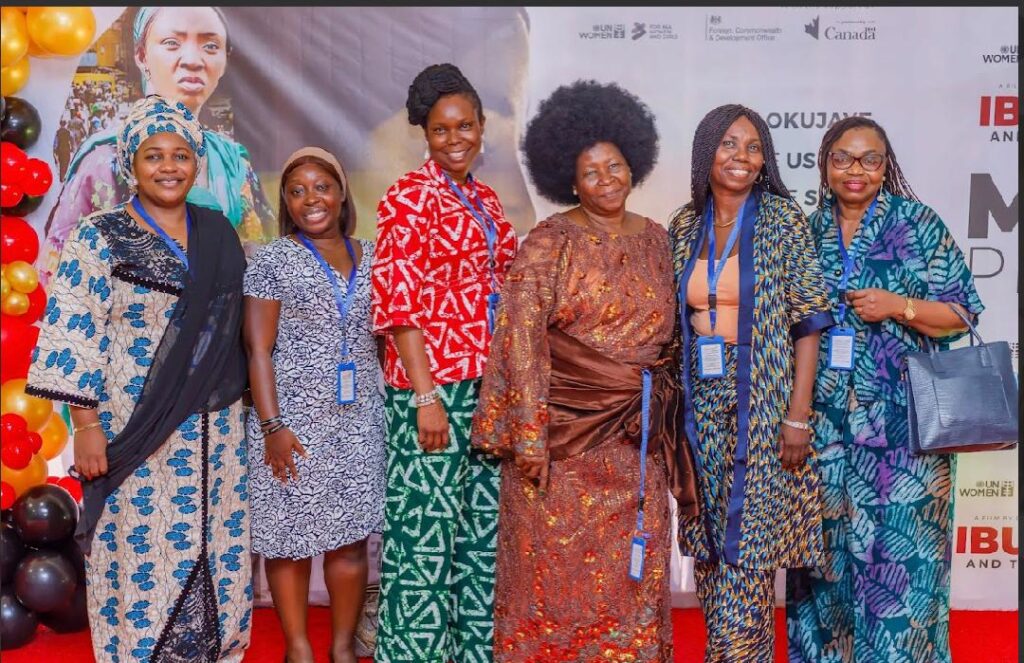
The film, Ibukun and the People, was screened at the weekend in Abuja under the Side by Side Naija campaign as part of efforts to mobilise nationwide support for increased women’s representation in parliament and decision-making positions.
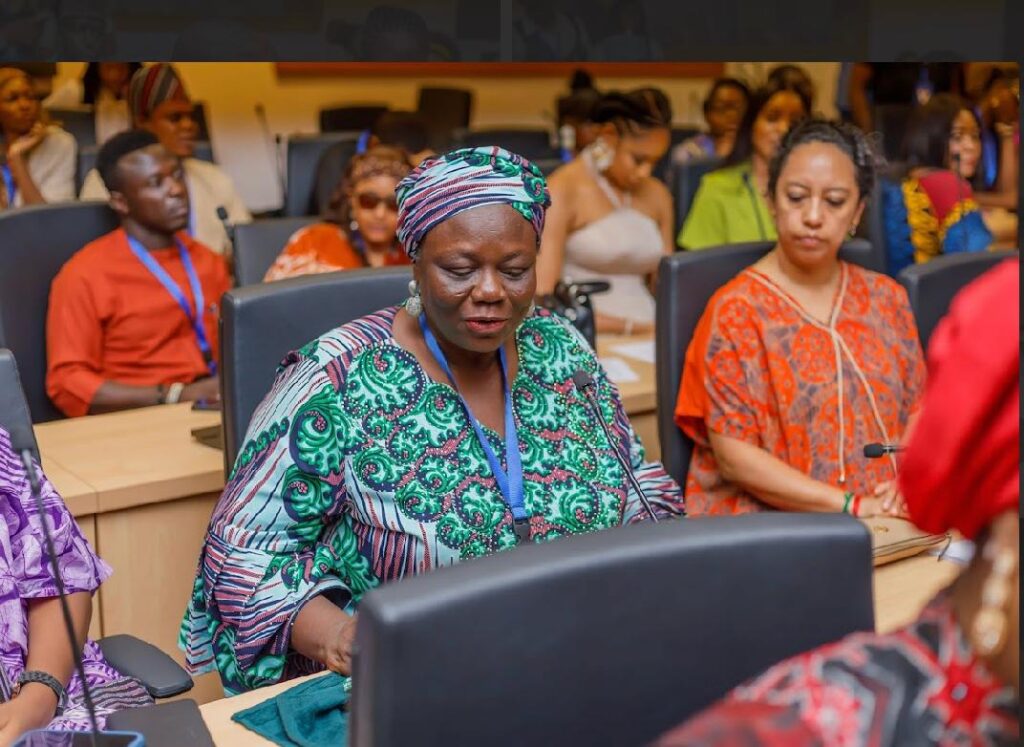
The production, supported by UN Women, the Foreign, Commonwealth and Development Office and the Government of Canada, brought together actors, development partners, women groups, civil society organisations, media practitioners and advocates of inclusive governance.
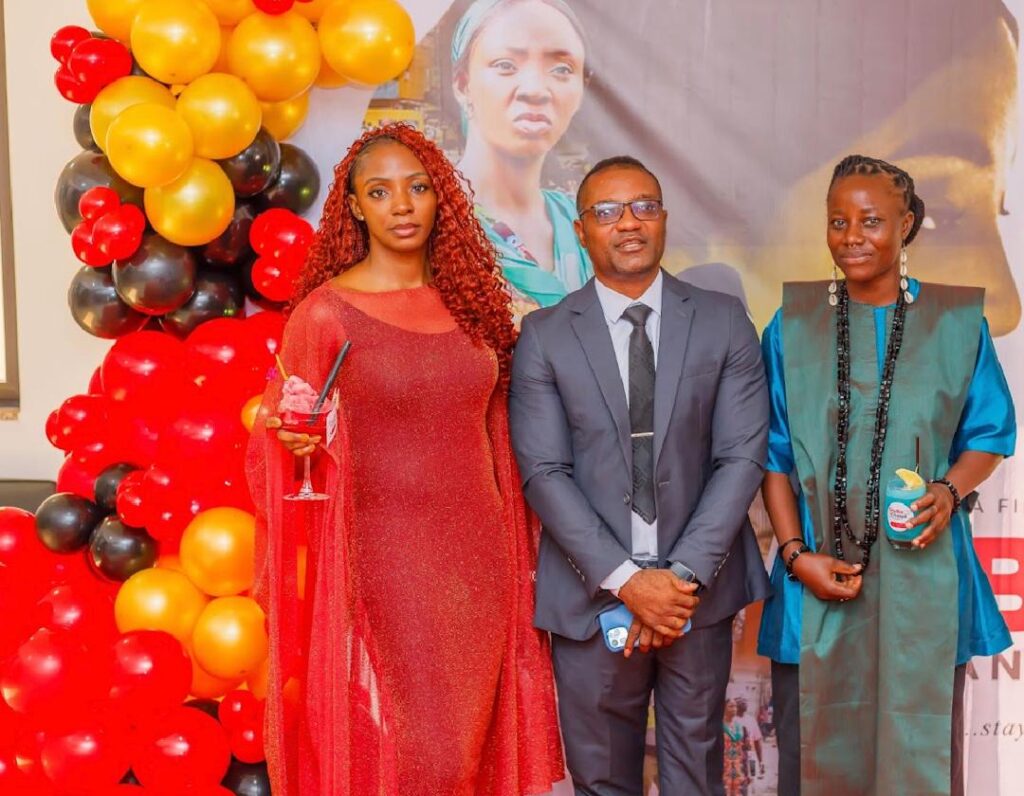
Featuring prominent Nollywood stars including Ivie Okujaiye, Uzee Usman and Joke Silva, the movie highlighted the structural barriers, intimidation, stereotypes and political exclusion confronting women seeking elective offices in Nigeria.
Speaking at the event, the UN Women Representative to Nigeria and ECOWAS, Beatrice Eyong described the initiative as a strategic intervention designed to deepen conversations around gender inclusion and strengthen advocacy for the Special Seats Bill.
She said women’s inclusion in governance must be seen as a national development imperative rather than an act of charity.
“Not as an act of charity, but as a necessity for national development. We need more women at the table when decisions that affect them are made. That is what the movie is advocating,” she said.
Eyong urged Nigerians to look beyond the entertainment value of the production and confront the realities women continue to face in politics, expressing optimism that the movie would inspire broader support for women seeking political offices.
She also commended the actors and production crew for volunteering their talents in support of the advocacy campaign.
The British Deputy High Commissioner to Nigeria, Gill Lever, described women’s participation in politics as an urgent democratic priority, noting that storytelling remains a powerful tool for driving policy conversations and social change.
According to her, the film aligns with ongoing advocacy for affirmative action and could help accelerate reforms that promote inclusive governance.
Also speaking, the Ambassador of Belgium to Nigeria, Pieter Leenknegt, said reserved seats remain one of the practical pathways for improving women’s representation in Nigeria’s political system.
He, however, stressed that broader political reforms and education were equally critical in addressing gender imbalance in leadership.
Similarly, the Ambassador of Finland to Nigeria, Sanna Selin, said gender equality promotes peace, social justice and sustainable development.
She noted that inclusive governance benefits society as a whole through improved stability and economic progress.
The Country Representative of United Nations Population Fund in Nigeria, Muriel Mafico, reaffirmed the commitment of United Nations agencies to supporting the passage of the Special Seats Bill to boost women’s representation in governance.
Director-General of the Maryam Babangida National Centre for Women Development, Adedayo Benjamins-Laniyi, urged women to sustain grassroots mobilisation and remain united in the campaign for increased political participation.
Women’s rights advocate, Ene Obi, said the proposed legislation would help correct Nigeria’s political imbalance and create opportunities for women to contribute more meaningfully to national development.
She called on men and key stakeholders to actively support the bill and champion the inclusion of women in leadership and governance.
President of the League of Women Voters of Nigeria, Irene Awunah-Ikyegh, described the bill as a crucial affirmative action measure needed to deepen democracy and empower women politically.
The National President of the National Council of Women Societies, Edna Azura, commended the organisers and young filmmakers for deploying cinema as a platform for social advocacy and democratic inclusion.
Director of the film, Patience Ejoke-Ogedegbe, said the movie sends a strong message that competent women should no longer be intimidated, blackmailed or discouraged from contesting political positions.
Actor Uzee Usman, who played the role of a senator in the film, stressed the need to encourage and support more women to seek elective offices.
Lead actress Ivie Okujaiye said the production would inspire women to challenge stereotypes and resist intimidation while pursuing leadership positions.
Guests at the screening praised the movie’s production quality, storyline and performances, describing it as socially impactful and politically relevant.
The event also featured the presentation of awards to some of the actors and advocates in recognition of their contributions to gender equality and inclusive governance in Nigeria.
UN Women, Diplomats, Nollywood Stars Intensify Push for Special Seats Bill With New Advocacy Film


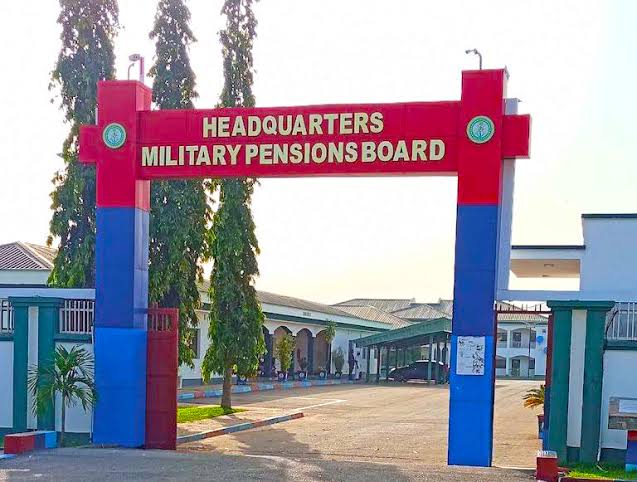
Military Pensions Board Begins Payment of New Pension Rates, Arrears to Veterans
By: Zagazola Mamama
The Military Pensions Board (MPB) has commenced the implementation of newly approved pension rates for military pensioners following adjustments arising from the new minimum wage.
The Board disclosed this in a statement issued on Friday by its Public Relations Officer, Squadron Leader Aliyu Mohammed.
According to the statement, the new pension rates have been implemented, while the applicable arrears have been processed for payment into the accounts of all military pensioners effective Oct. 2, 2026.
The Board expressed appreciation to military pensioners for their patience, understanding and cooperation throughout the implementation process.
It reaffirmed its commitment to ensuring timely pension payments and improving pension administration in recognition of the sacrifices and invaluable service rendered by Nigeria’s military veterans.
The development is expected to provide relief to retired military personnel whose pension entitlements are affected by the adjustment.
The Board urged continued cooperation as it works to strengthen pension administration and fulfil its obligations to military retirees.
Military Pensions Board Begins Payment of New Pension Rates, Arrears to Veterans
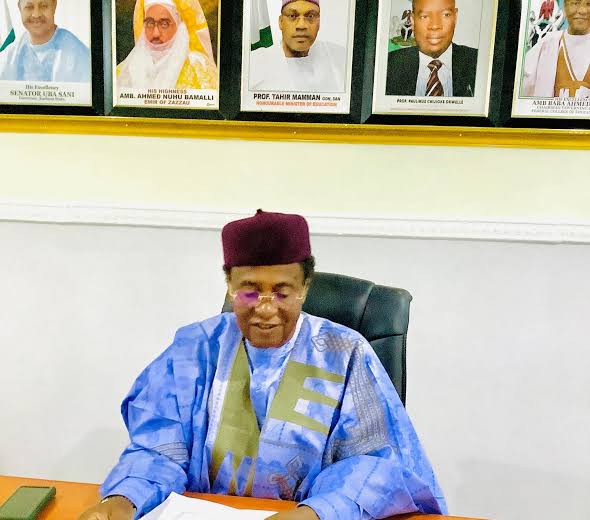
A LIFE OF SERVICE, AND DIPLOMACY: Tribute to Ambassador Baba Ahmed Jidda @75.
By Inuwa Bwala.
At 75, we are not just the age, but the substance, the grace and the towering legacy of Ambassador Baba Ahmed Jidda.
I state without any fear of contradiction, that, he remains one of the finest public servants Borno has ever produced. The story of his life is a textbook of dedicated public service and diplomatic excellence. From his early days as a brilliant Political Science graduate from my own almamater, the prestigious Ahmadu Bello University, ABU, Zaria, to his Master’s in Development Economics and Advanced Diploma in Development Administration from Manchester University, United Kingdom, Baba Ahmed Jidda, seems to have set out early to prepare himself for service.
We first felt his impact in the civil service, where he rose through sheer merit to become a Permanent Secretary, then Secretary to the Military Government, and later, Secretary to the State Government under successive administrations.
From the military era, to the administration of Senator Ali Modu Sheriff, to the first term of His Excellency, Vice President Kashim Shettima, he has been noted to be the virtual engine room of the government.
In all these roles, he remained the calm and calculative leader, even in stormy periods, serving as the institutional memory, and the man who understood the files, the people and the soul of Borno.
At the national level, Nigeria found in him a patriot of rare capacity. As a Director in the Federal Civil Service, as a Member of the National Political Reform Conference, as Senior Special Assistant to the President, BAJ brought the famous Borno discipline and intellect to national assignment.
On the diplomatic field he truly shone as a global citizen, in Burkina Faso, to the People’s Republic of China, Baba Jidda redefined economic diplomacy. Under his watch, Nigeria-China relations witnessed could be said to be her best in infrastructure cooperation, education exchange, trade and people-to-people ties. Even after leaving that post, he will be remembered for his fatherly role in protecting Nigerians during the COVID-19 pandemic in Wuhan, for facilitating the landmark Air Peace direct flight to Guangzhou, and for ensuring Nigerian interests were never compromised.
What makes Ambassador Jidda stand out at 75 is character.
He is loyal without being sycophantic, powerful without being oppressive and wise without being arrogant.
He remains one politician who never lost the civil servant in him, and a diplomat who never forgot his roots and Borno identity.
To all of us who had the previledge of serving with him in the Borno state executive council, he remains a mentor.
BAJ has also been the tutelage to countless young men and women who today are Commissioners, Permanent Secretaries, Directors and business leaders.
We regard him as a stabilizing force in Borno APC, a bridge between the old and new generations, and a trusted confidant to leaders at all levels.
At 75, he is not old; but a classic fine wine, which gets better with age.
May God grant him many more years in sound health, and continued service to Borno, Nigeria and humanity.
Happy 75th Birthday sir.
A LIFE OF SERVICE, AND DIPLOMACY: Tribute to Ambassador Baba Ahmed Jidda @75.

Troops Arrest Three Suspects in Rayfield in Jos
By Zagazola Makama
Troops of Sector 1, Sub-Sector 12, Operation Enduring Peace, have arrested three suspects during a raid on a reported hideout of suspected miscreants around the residence of retired Gen. H. Umar in Rayfield, Jos South Local Government Area of Plateau State.
Security sources said the operation was conducted at about 1:10 a.m. on Oct. 2, following reports about the suspected hideout.
The suspects were identified as Grace Festus Edang, 25; Zoya Alabi, 23; and Ishaya Pierre, 60.
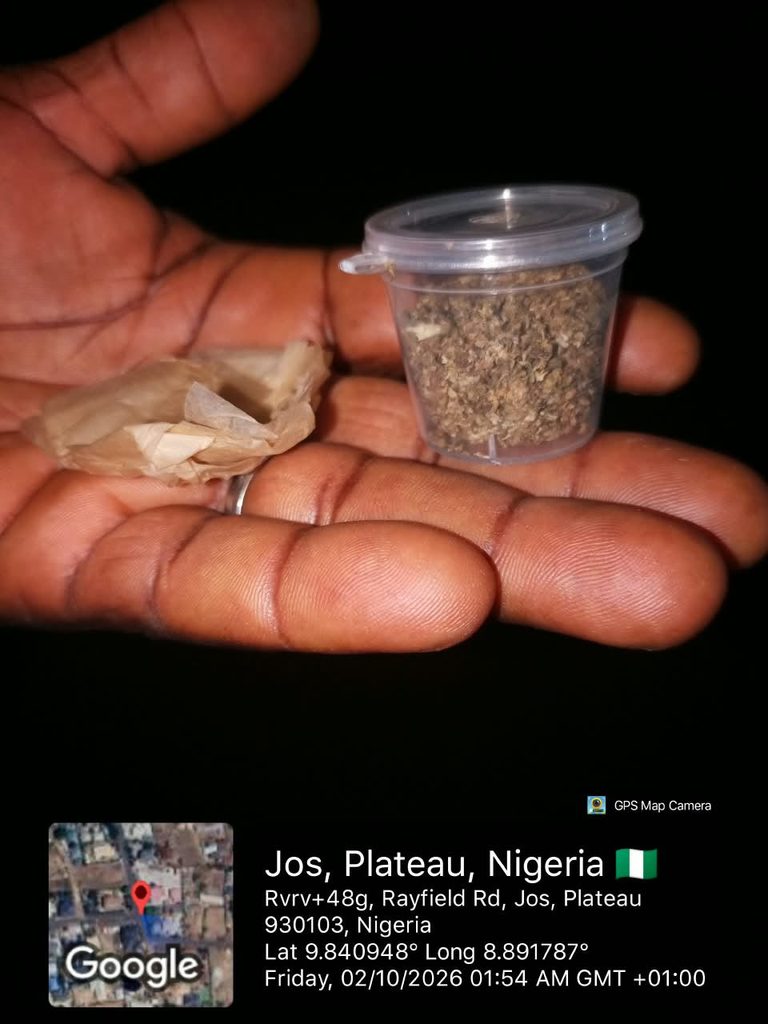
During the operation, troops reportedly recovered substances suspected to be cannabis sativa.
The suspects were subsequently handed over to Keystone Anglo Jos for further investigation and necessary action.
However, during the transfer, one of the female suspects allegedly bit a soldier, identified as X21930 OS Hussaini Ephraim, on the hand.
The injured soldier was evacuated to a nearby hospital, where he received medical attention and was later discharged.
The circumstances surrounding the suspects’ alleged activities and the recovered substances are expected to be established through further investigation.
Security sources said troops would continue operations aimed at addressing criminal activities and maintaining security across their area of responsibility.
Troops Arrest Three Suspects in Rayfield in Jos

2027: Should Atiku Withdraw from the Race and Find Peace, or Continue and Live with Regrets?

Military Pensions Board Begins Payment of New Pension Rates, Arrears to Veterans

A LIFE OF SERVICE, AND DIPLOMACY: Tribute to Ambassador Baba Ahmed Jidda @75.

Roger Federer’s Shock as DNA Results Reveal Myla and Charlene Are Not His Biological Children

THE PLIGHT OF FARIDA

FAILED COUP IN BURKINA FASO: HOW TRAORÉ NARROWLY ESCAPED ASSASSINATION PLOT AMID FOREIGN INTERFERENCE CLAIMS
-
 News3 years ago
Roger Federer’s Shock as DNA Results Reveal Myla and Charlene Are Not His Biological Children
-
Opinions5 years ago
THE PLIGHT OF FARIDA
-
 News1 year ago
FAILED COUP IN BURKINA FASO: HOW TRAORÉ NARROWLY ESCAPED ASSASSINATION PLOT AMID FOREIGN INTERFERENCE CLAIMS
-

 News3 years ago
EYN: Rev. Billi, Distortion of History, and The Living Tamarind Tree
-
 Opinions5 years ago
POLICE CHARGE ROOMS, A MINTING PRESS
-

 ACADEMICS3 years ago
A History of Biu” (2015) and The Lingering Bura-Pabir Question (1)
-

 Columns3 years ago
Army University Biu: There is certain interest, but certainly not from Borno.
-

 Politics1 year ago
2027: Why Hon. Midala Balami Must Go, as Youths in Hawul and Asikira/Uba Federal Constituency Reject ₦500,000 as Sallah Gift
