
News
PFI Strengthens Nigeria’s Fertilizer Supply Chain, Boosting Confidence for Farmers

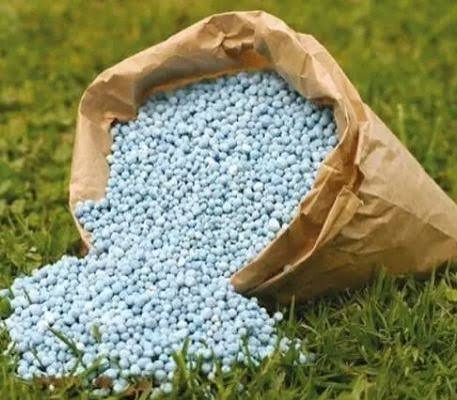
PFI Strengthens Nigeria’s Fertilizer Supply Chain, Boosting Confidence for Farmers
By: Michael Mike
In line with President Bola Ahmed Tinubu’s vision for food sovereignty, the Presidential Fertilizer Initiative (PFI), a cornerstone of Nigeria’s food security strategy, is advancing efforts to secure a resilient and uninterrupted supply of fertilizer to Nigerian farmers.
As it enters a new phase, PFI 3.0 is laying the foundation for a stable supply of raw materials to blending plants, with the ultimate goal of making Nigeria self-sufficient in crop production for both food and industrial uses. As of September 2025, more raw materials have already been supplied or ordered than the total supplied in 2024, and additional arrangements have been concluded with fertilizer raw material manufacturers to stock warehouses nationwide. Blenders will have access to as much material as their production capacity can support. This is backed by verifiable data and a proven track record by the PFI, bolstering confidence among farmers and agricultural stakeholders.
In a statement from the Ministry of Finance Incorporated (MOFI), new data confirms steady progress. From 2022 to date in 2025, 48 distinct vessels have delivered critical raw materials for fertilizer blending under the PFI. In 2025 alone, 10 vessels have already discharged and are expected to discharge cargoes, accounting for more than 560,000 metric tonnes of inputs received at Nigerian ports. This steady inflow is laying the foundation for robust production and ensuring continuity of supply and stability across Nigeria’s fertilizer value chain.
Dr. Armstrong Ume Takang, Managing Director and Chief Executive Officer of MOFI, said that the focus of PFI extends beyond mere volumes.
He said: “We are meticulously building a system that can insulate farmers from global market shocks and instil the confidence needed for long-term agricultural planning. We see the PFI as a prime example of public–private collaboration that can solve complex national challenges, and its future is a testament to Nigeria’s capacity for strategic reform.”
This strategic inflow has enabled consistent local production, with over 4.5 million MT of finished fertilizer produced between 2021 and 2024. Cumulatively, since its inception, the PFI has facilitated the production of over 128 million bags of fertilizer, delivered directly to farmers across the country.
The Fertilizer Producers and Suppliers Association of Nigeria (FEPSAN) confirmed that a growing network of blending plants is key to this sustained output. “We have witnessed significant improvement in productive capacity since the PFI’s inception,” said Alhaji Sadiq Kassim, President of FEPSAN.
He said: “The number of operational blending plants has increased to over 90 across the country, giving us a total blending capacity of up to 13 million metric tonnes. This capacity is a critical asset in ensuring fertilizer is consistently available for our farmers, bringing it closer to their farms and reducing transportation costs.”
Although the supply is robust, industry leaders acknowledge farmers’ concerns regarding rising prices in recent seasons. They clarify that these pressures are a direct result of foreign exchange volatility and global raw material costs, not local scarcity. To address these external pressures, the PFI is preparing for its third phase, PFI 3.0, which was endorsed at the August 2025 Stakeholder Roundtable in Abuja.
MOFI is set to take over operational management from the Nigeria Sovereign Investment Authority (NSIA) by November 2025. This transition is expected to strengthen governance and provide seamless continuity as the programme enters its next, more ambitious phase. The PFI’s central mission remains providing Nigerian farmers with timely, affordable, and reliable access to fertilizer, and the system is now more resilient and dependable, giving farmers confidence in consistent supply.
Building on this foundation, PFI 3.0 under MOFI will introduce strategic reforms focused on year-round nationwide availability,enhanced cost efficiency, and stronger traceability to curb hoarding and diversion. A key priority is accelerating local sourcing, with a clear push to increase the proportion of inputs produced domestically over the coming years. This shift will strengthen Nigeria’s agro-industrial base and reduce reliance on unpredictable imports.
The PFI is a flagship programme of the Federal Government of Nigeria designed to provide farmers with reliable and affordable access to high-quality fertilizer. Since its inception in 2016, the PFI has revived local blending capacity, created jobs across the agricultural value chain, and significantly contributed to strengthening national food security.
PFI Strengthens Nigeria’s Fertilizer Supply Chain, Boosting Confidence for Farmers


MIKTA Nations Push Climate Finance Reforms as Nigeria Faces $337bn Funding Gap
By: Michael Mike
Nigeria will require an estimated $337 billion between 2026 and 2035 to implement its climate commitments, highlighting the enormous financing challenge confronting the country as international partners intensify calls for a more accessible and effective global climate finance system.
The funding requirement came into focus at a climate finance engagement in Abuja, where representatives of five countries under the MIKTA partnership—Mexico, Indonesia, South Korea, Türkiye and Australia—joined Nigeria’s National Council on Climate Change (NCCC) in advocating practical solutions to the gap between climate ambitions and the resources available to implement them.
The discussions centred on improving access to climate finance, mobilising private investment, expanding technology transfer, strengthening sustainable finance mechanisms and ensuring that international commitments translate into projects capable of delivering measurable results.
With countries preparing for the 31st United Nations Climate Change Conference, COP31, the speakers argued that the effectiveness of global climate action would depend not only on the amount of money pledged but also on whether vulnerable countries could access the funds without excessive bureaucratic, financial and institutional barriers.
Nigeria’s position was presented by Jummai Vandu, who represented the Director-General of the NCCC, Tenioye Majekodunmi. She highlighted the country’s substantial financing needs under its Nationally Determined Contribution 3.0 (NDC 3.0), which sets out its climate commitments for the coming years.
The $337 billion requirement underscores the scale of investment needed to advance mitigation and adaptation, strengthen resilience and support Nigeria’s transition towards a lower-carbon economy.
For Nigeria, the challenge extends beyond securing commitments from international partners to developing investment-ready projects, improving coordination among institutions and ensuring that available resources reach the sectors and communities that need them most.
The discussions also pointed to the importance of aligning climate action with national development priorities, including energy access, economic diversification, job creation and social inclusion.
Türkiye’s Ambassador to Nigeria, Mehmet Poroy, emphasised the need to close the gap between climate commitments and projects capable of attracting financing.
His intervention focused on the proposed Climate Implementation Bridge, an approach intended to help countries translate their climate plans into bankable projects and connect those projects with potential sources of funding.
The proposal reflects a persistent challenge in developing countries, where ambitious climate strategies often struggle to progress because of inadequate project preparation, limited technical capacity and difficulties attracting private capital.
The approach places emphasis on moving beyond declarations of intent towards practical implementation in areas such as renewable energy, climate-resilient agriculture, green industrialisation, food security and the circular economy.
For Nigeria and other developing economies, this would require stronger collaboration between governments, development institutions, investors and technical partners to identify viable projects, prepare them to meet financing requirements and improve the prospects of implementation.
Poroy’s intervention reinforced the broader message of the meeting: climate finance must be connected to a credible pipeline of projects if it is to produce tangible economic and environmental benefits.
Australia’s High Commissioner to Nigeria, Leilani Bin-Juda, called for reforms to make climate finance more accessible, particularly for developing countries and communities most exposed to the effects of climate change.
She highlighted an action plan on access to climate finance for small island developing states and least developed countries, a Pacific-led initiative developed through consultations involving vulnerable countries, development banks and multilateral climate funds.
The plan, launched at a pre-COP meeting in Fiji on October 8, seeks to address barriers that prevent countries from obtaining climate funding, including complicated applications, fragmented financing arrangements, demanding reporting requirements and lengthy approval processes.
Debt pressures, limited fiscal space and high borrowing costs further complicate access, making it difficult for countries already facing significant climate risks to finance adaptation and resilience measures.
Bin-Juda said the initiative had a global ambition and called for wider support beyond the Pacific, including from Nigeria and other African countries.
She stressed that the priority should be to ensure that climate finance responds more effectively to countries’ needs, with simpler application and disbursement processes, stronger national capacity to develop investment-ready projects and greater mobilisation of private capital alongside public and grant financing.
The plan also provides for annual high-level forums to assess progress and share lessons between 2027 and 2030.
For Australia, success would ultimately be measured by whether vulnerable countries could obtain the resources they need when they need them and convert those resources into stronger, more resilient communities.
Indonesia’s Ambassador to Nigeria, Bambang Suharto, highlighted the importance of sustainable financing mechanisms and international cooperation in supporting climate action.
His intervention drew attention to instruments such as green sukuk, sustainable finance taxonomies and other mechanisms capable of directing investment towards environmentally beneficial projects.
Green sukuk can help mobilise funds for eligible projects while broadening the pool of investors participating in climate-related financing. Sustainable finance taxonomies, meanwhile, provide criteria for identifying economic activities that qualify as environmentally sustainable, helping investors assess projects and allocate capital.
Indonesia’s experience also illustrates the importance of aligning climate finance with national development priorities and long-term emissions goals. The country has set a net-zero emissions target for 2060 or earlier.
The broader challenge, as reflected in the discussions, is to ensure that innovative financial instruments are supported by credible standards, transparent reporting and projects that can demonstrate measurable environmental and economic benefits.
International cooperation and the exchange of experience would be essential in helping developing countries adapt these instruments to their own financial systems and investment needs.
South Korea’s representative, Jeong Yo-an, emphasised the importance of technology, knowledge-sharing and cooperation in translating climate commitments into practical outcomes.
The intervention highlighted the value of partnerships that enable countries to share technical expertise, strengthen institutional capacity and deploy solutions suited to their development circumstances.
Technology transfer is particularly important for countries seeking to expand clean energy, improve industrial efficiency and strengthen resilience without undermining economic growth.
For Nigeria, cooperation in these areas could help address technical and institutional gaps that often prevent climate strategies from progressing from policy documents to implementation.
The discussion also reinforced the need for partnerships that combine financing with technical support, ensuring that countries have both the resources and the capacity to execute climate projects effectively.
Mexico’s Chargé d’Affaires, José Manuel Briseño Flores, highlighted the role of sustainable finance frameworks in directing investment towards climate action and other development priorities.
His intervention focused on mechanisms including sustainable finance taxonomies and green, social and sustainability bonds, which can help channel capital into projects with defined environmental or social objectives.
Such instruments can provide governments and businesses with additional avenues for raising funds for renewable energy, climate resilience and other sustainable development initiatives.
However, their effectiveness depends on clear standards, transparency and credible systems for demonstrating how funds are used and what results they achieve.
Developing bankable projects and establishing reliable frameworks for sustainable investment would therefore be crucial to attracting more capital, particularly from private investors.
The Mexican position complemented the wider call for financing systems that do more than announce funding commitments and instead provide a clear pathway from investment decisions to measurable outcomes.
Taken together, the interventions pointed to a common concern: the growing distance between the scale of climate action required and the ability of vulnerable and developing countries to finance it.
The global climate finance debate has increasingly focused on mobilising larger sums, but the Abuja discussions highlighted the equally important questions of accessibility, affordability, project preparation and accountability.
For Nigeria, the $337 billion estimated requirement under NDC 3.0 makes these issues particularly urgent.
Securing financing would need to go hand in hand with stronger institutions, credible project pipelines, improved coordination and investment frameworks capable of attracting both domestic and international capital.
The country would also need to ensure that climate investments support its wider development objectives, including improved energy access, economic opportunities and protection for communities vulnerable to climate impacts.
The MIKTA countries’ interventions offered different approaches to the same challenge: Türkiye’s emphasis on connecting commitments with bankable projects; Australia’s push for simpler access to climate finance; Indonesia’s focus on innovative financial instruments; South Korea’s advocacy of technology and knowledge-sharing; and Mexico’s support for sustainable investment frameworks.
Nigeria’s NCCC, meanwhile, underscored the scale of the domestic financing challenge and the importance of mobilising resources to implement the country’s climate commitments.
As preparations for COP31 gather momentum, the central question remains whether international cooperation can deliver a financing system that developing countries can access in practice, rather than one whose promises remain difficult to convert into action.
For Nigeria, the stakes extend beyond meeting international climate targets. They include the country’s ability to finance a more resilient economy, attract green investment and ensure that climate action delivers practical benefits for its people.
MIKTA Nations Push Climate Finance Reforms as Nigeria Faces $337bn Funding Gap
NCYP Seeks Probe of Viral Video Allegedly Threatening Christians in Jos, Enugu
By: Michael Mike
The Northern Christian Youth Professionals (NCYP) has called for an urgent security investigation into a viral video allegedly showing members of the JIBWIS First Aid Youth Group calling for Christians to be killed in Jos and Enugu with AK-47 rifles.
The organisation warned that inflammatory religious rhetoric could trigger another crisis in Northern Nigeria, urging security agencies to establish the authenticity and circumstances of the video and prosecute anyone found culpable.
In a press statement issued on Tuesday, the National Chairman of NCYP, Isaac Abrak, condemned the alleged incitement, describing the development as disturbing and calling for a lawful response to prevent an escalation of religious tensions.
Abrak said religious extremism, hate speech and incitement to violence had contributed to the insecurity affecting Northern Nigeria, where Christians and Muslims continued to suffer deaths and displacement from terrorism and banditry.
He urged security agencies to investigate the video, identify those responsible for any unlawful statements and ensure that appropriate legal action was taken where necessary.
The NCYP chairman also called on Islamic scholars, Muslim leaders and traditional rulers to condemn attempts to exploit religion to promote hatred, intolerance and violence.
He stressed, however, that Christian leaders and communities must resist provocation, reject reprisals and allow the authorities to handle the matter through established legal channels.
According to him, failure to address inflammatory rhetoric could undermine efforts to rebuild peaceful coexistence between Christians and Muslims after years of religious and communal tensions.
Beyond its security implications, Abrak said persistent insecurity had inflicted severe damage on Northern Nigeria’s economy, contributing to the decline of once-thriving textile factories, confectionery industries, tanneries and other businesses.
He said the resulting business closures and economic disruption had contributed to job losses and deepening poverty across the region.
The organisation maintained that lasting peace and economic recovery would remain difficult to achieve without mutual respect, religious tolerance and accountability for those who promote violence.
It warned against allowing the alleged actions of individuals to undermine the future of communities whose livelihoods and development depend on peaceful coexistence.
“Northern Nigeria cannot achieve lasting peace, security or economic prosperity without mutual respect and religious tolerance,” the statement said.
The NCYP urged residents to remain calm as the authorities investigate the matter, warning that retaliatory actions could further endanger lives and worsen existing religious divisions.
It reiterated that anyone found to have engaged in unlawful incitement should be held accountable under the law, stressing that the protection of lives and the preservation of peace must take precedence over religious or communal differences.
The statement did not independently establish the authenticity of the viral video or whether the people featured in it were acting on behalf of the JIBWIS First Aid Youth Group.
NCYP Seeks Probe of Viral Video Allegedly Threatening Christians in Jos, Enugu
ECOWAS: E-commerce Can Raise West African Trade to 35%, Boost Small Businesses
By: Michael Mike
The Economic Community of West African States (ECOWAS) is looking to digital commerce to increase intra-regional trade from its historically low level of below 15 per cent to between 30 and 35 per cent, while expanding market access for women, young people, persons with disabilities and small businesses.
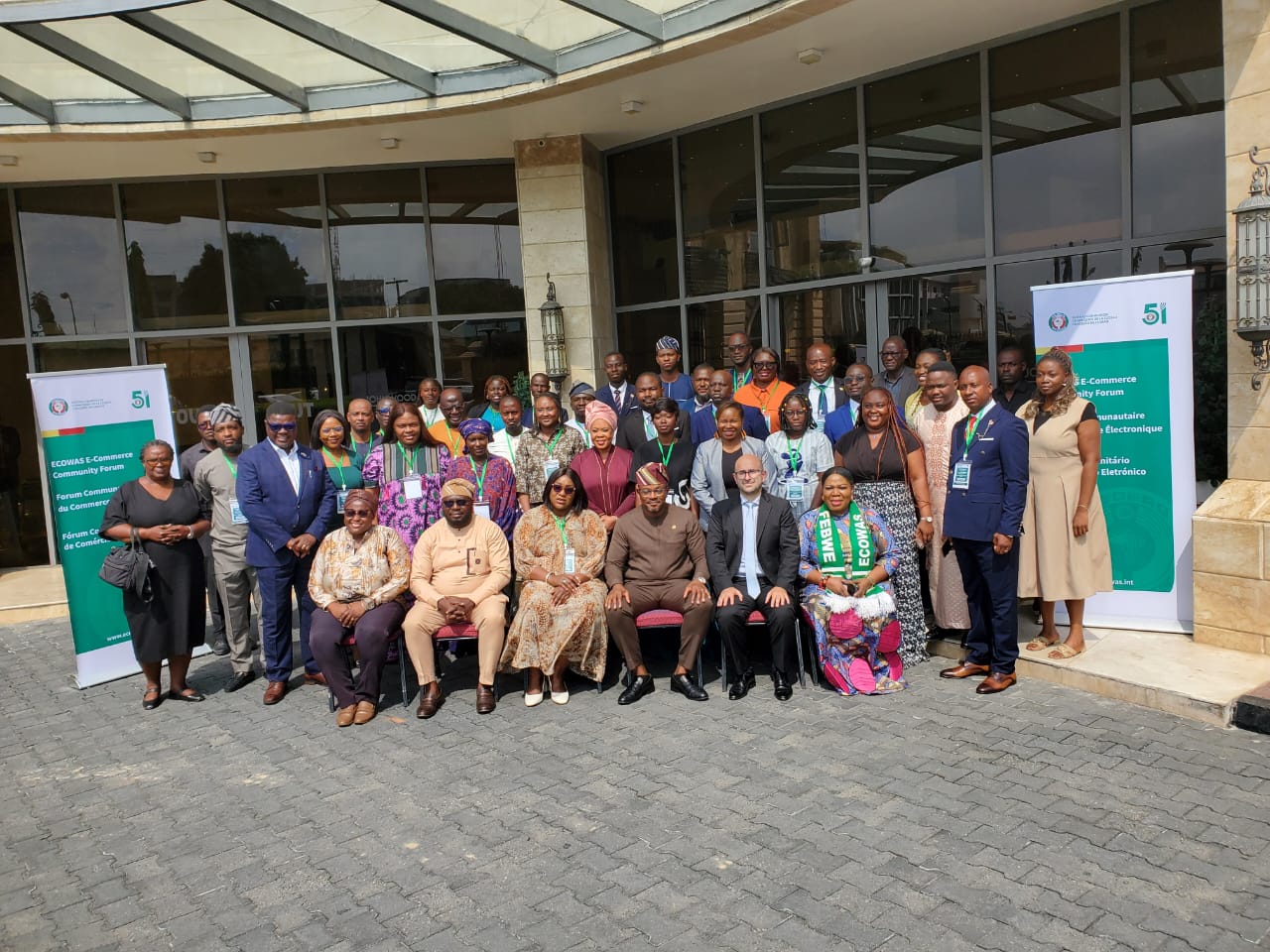
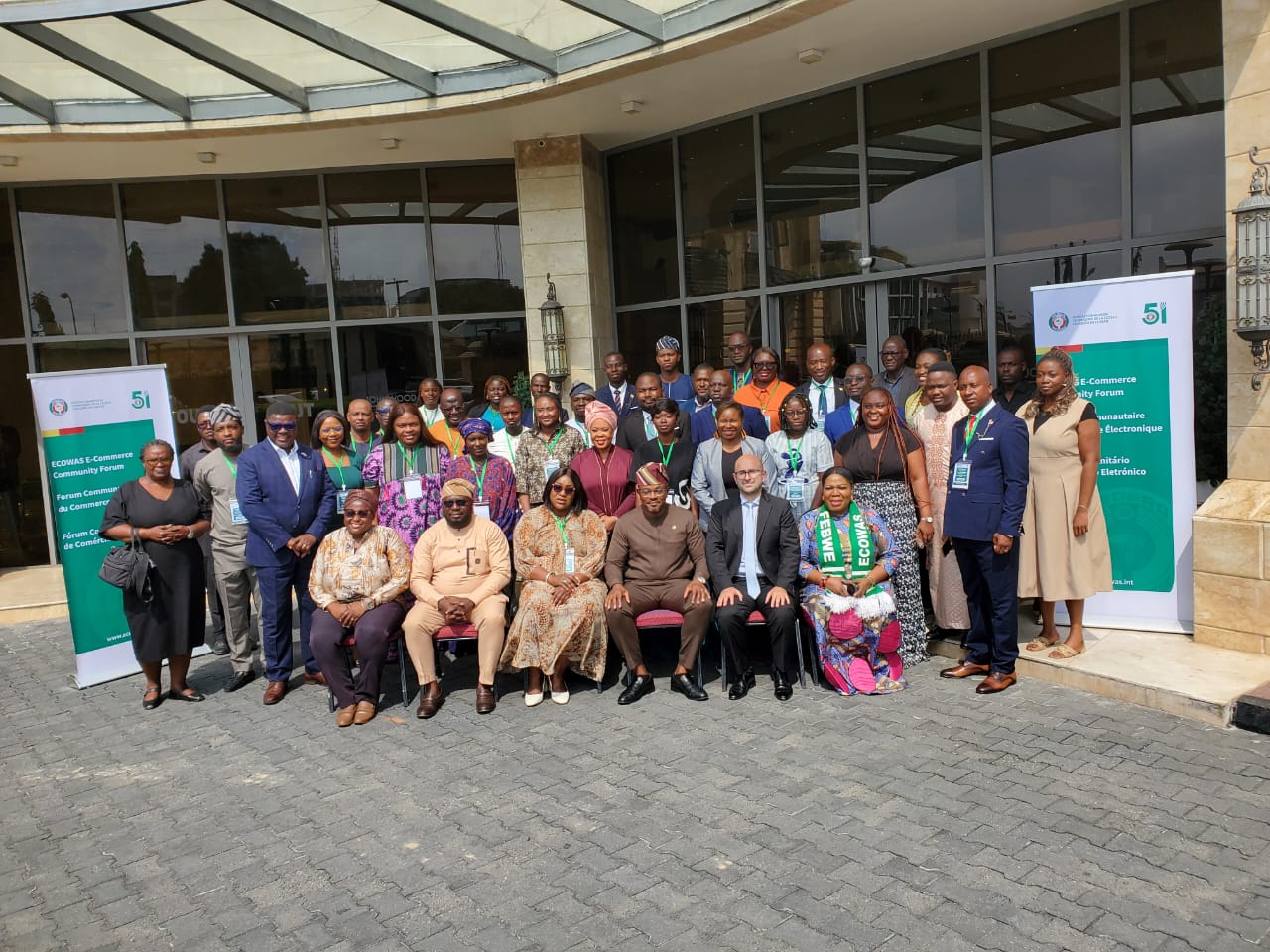
The Director, Directorate of Trade, Kolawole Sofola made this revelation on Tuesday, during the meeting of the E-Commerce Community Forum organized by ECOWAS Commission in Abuja, said e-commerce could dismantle longstanding barriers to trade by enabling entrepreneurs to sell goods across borders without the cost of renting physical shops or maintaining conventional business premises.
He said the meeting was called for the implementation of the region’s e-commerce strategy and identifying additional interventions to make digital trade more inclusive.
The meeting brought together economic stakeholders to assess progress in implementing the strategy and develop recommendations to expand participation in the digital economy, particularly among groups that face barriers to accessing markets.
“We believe e-commerce will open up many doors. It will certainly bring the barriers to trade down,” Sofola said.
According to the official, digital platforms could enable entrepreneurs to operate from their homes, reach customers beyond their immediate communities and access markets across the region without incurring the substantial costs associated with conventional retail businesses.
The approach is expected to create opportunities for micro and small enterprises, which often struggle to compete with larger businesses because of limited capital, inadequate infrastructure and restricted access to customers.
By connecting buyers and sellers through digital platforms, e-commerce could also improve access to information about products, facilitate business connections and enable traders to identify commercial opportunities beyond their national borders.
Sofola, however, acknowledged that the benefits of digital commerce would remain limited unless governments and regional institutions addressed the infrastructure and affordability challenges preventing many people from participating.
Access to reliable internet services and the cost of digital facilities remain significant obstacles, particularly for entrepreneurs and communities in rural areas.
He said regional programmes aimed at improving broadband connectivity and extending internet access would be important to ensuring that e-commerce reached ordinary citizens rather than remaining the preserve of businesses and individuals with better digital resources.
The emphasis on inclusivity is also intended to ensure that women, young people and persons with disabilities can benefit from the opportunities offered by digital trade.
For these groups, online platforms could provide alternative routes into business by reducing the need for expensive commercial premises and making it easier to connect with customers and suppliers.
He noted that the stakeholders’ meeting would examine the progress made under the existing e-commerce strategy, identify gaps in implementation and generate further recommendations for improving participation.
Beyond expanding individual businesses, ECOWAS sees digital commerce as a potential instrument for strengthening regional economic integration by enabling traders to connect more easily across national boundaries.
He also noted that intra-regional trade had historically remained below 15 per cent, although the figure did not fully reflect informal cross-border transactions, which account for a significant share of commercial activity in West Africa.
He expressed optimism that e-commerce could help improve the situation by connecting traders with buyers across the region, making product information more readily available and opening up new channels for commercial transactions.
The region’s longer-term ambition, the official said, was to increase intra-regional trade to between 30 and 35 per cent in the coming years, with targets for 2035 and 2050 expected to guide its broader development objectives.
Sofola also stressed the need to assess the progress made over the past 50 years of regional development while identifying additional measures needed to deepen economic cooperation.
However, achieving the proposed trade expansion will require more than the adoption of digital platforms. Reliable internet connectivity, affordable access, effective implementation of regional policies and the capacity of small businesses to use digital tools will be critical to translating the strategy into measurable economic gains.
The ongoing review is therefore expected to help determine how regional interventions can make e-commerce more accessible, strengthen commercial links among member states and enable a broader section of West African society to participate in the regional economy.
ECOWAS: E-commerce Can Raise West African Trade to 35%, Boost Small Businesses

MIKTA Nations Push Climate Finance Reforms as Nigeria Faces $337bn Funding Gap

NCYP Seeks Probe of Viral Video Allegedly Threatening Christians in Jos, Enugu

ECOWAS: E-commerce Can Raise West African Trade to 35%, Boost Small Businesses

Roger Federer’s Shock as DNA Results Reveal Myla and Charlene Are Not His Biological Children

THE PLIGHT OF FARIDA

FAILED COUP IN BURKINA FASO: HOW TRAORÉ NARROWLY ESCAPED ASSASSINATION PLOT AMID FOREIGN INTERFERENCE CLAIMS
-
 News3 years ago
Roger Federer’s Shock as DNA Results Reveal Myla and Charlene Are Not His Biological Children
-
Opinions5 years ago
THE PLIGHT OF FARIDA
-
 News2 years ago
FAILED COUP IN BURKINA FASO: HOW TRAORÉ NARROWLY ESCAPED ASSASSINATION PLOT AMID FOREIGN INTERFERENCE CLAIMS
-
 Opinions5 years ago
POLICE CHARGE ROOMS, A MINTING PRESS
-

 News3 years ago
EYN: Rev. Billi, Distortion of History, and The Living Tamarind Tree
-

 ACADEMICS3 years ago
A History of Biu” (2015) and The Lingering Bura-Pabir Question (1)
-

 Columns3 years ago
Army University Biu: There is certain interest, but certainly not from Borno.
-

 Politics1 year ago
2027: Why Hon. Midala Balami Must Go, as Youths in Hawul and Asikira/Uba Federal Constituency Reject ₦500,000 as Sallah Gift
