
National News
At COP 30, Nigeria Demands Boost In Global Financing To Restore, Protect Nature

At COP 30, Nigeria Demands Boost In Global Financing To Restore, Protect Nature
** VP Shettima says country taking steps to restore climate, nature, development balance with $3bn financing
By: Our Reporter
Nigeria has implored the international community to significantly increase global financing to protect and restore nature’s economic value through predictable, equitable, and accessible funding mechanisms.
According to Nigerian Vice President, Senator Kashim Shettima, since forests, landscapes, and oceans are shared resources that are outside the jurisdiction of any single nation, their protection requires global solidarity.
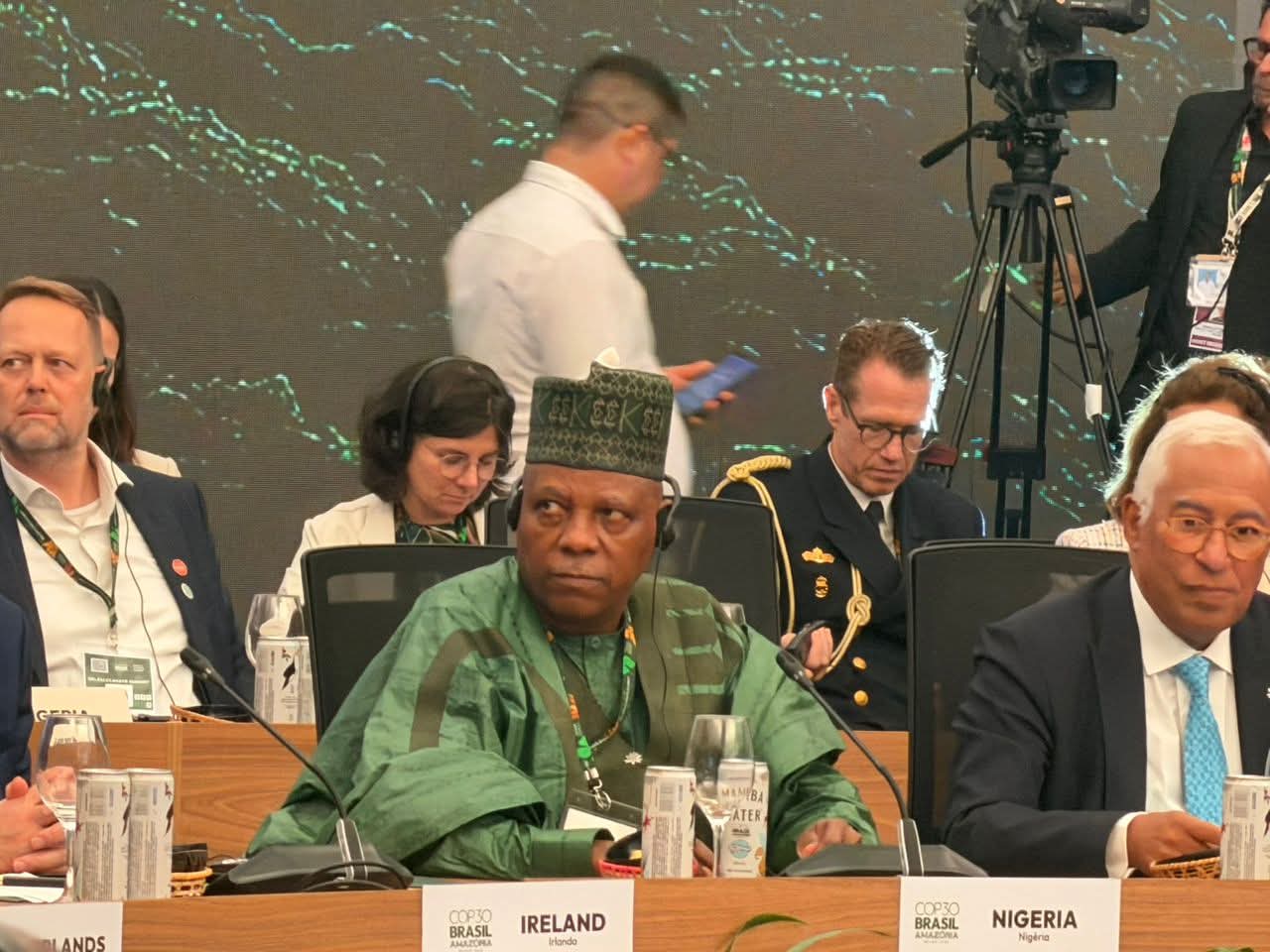
Senator Shettima stated Nigeria’s position in Belem, Brazil, where he represented President Bola Ahmed Tinubu at a high-level thematic session titled “Climate and Nature: Forests and Oceans,” on the margins of the ongoing United Nations Climate Change Conference (COP 30) being held in that South American country.
The VP regretted that while nature is probably the most critical infrastructure in the world, it has long been treated as a commodity to exploit rather than an asset to invest in, even as he said Nigeria is solidly driven by this knowledge “to integrate nature-positive investments into” its climate finance architecture.
“Through our National Carbon Market Framework and Climate Change Fund, we aim to mobilise up to three billion US dollars annually in climate finance. These resources will be reinvested in community-led reforestation, blue carbon projects, and sustainable agriculture.
“We call on our global partners to recognise the economic value of nature and to channel significant finance towards protecting and restoring it through predictable, equitable, and accessible funding mechanisms,” he declared.
Senator Shettima contended that the Global South countries that “have contributed least to this crisis, are today paying its highest price,” insisting that for climate justice to be seen as well served, nations that have benefited more “from centuries of extraction must now lead in restoration”.
Accordingly, he called on the global community to increase grant-based finance, operationalise Blue Carbon Markets, and implement debt-for-nature swaps to enable developing countries to invest in conservation.
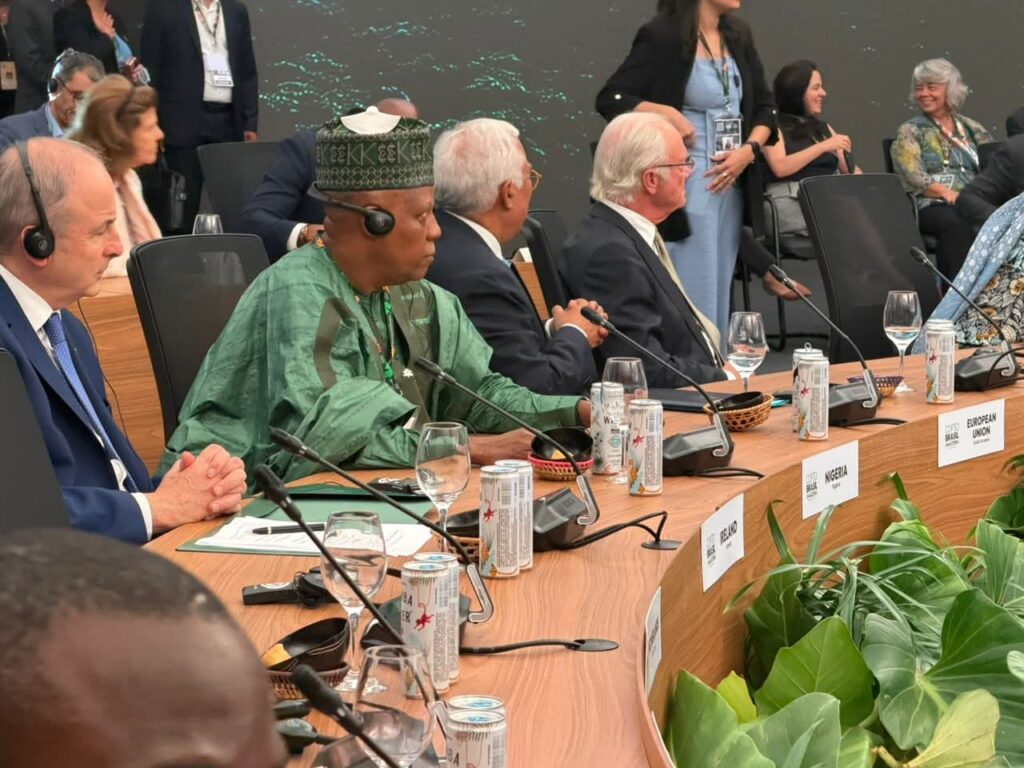
“We urge the international community to scale up grant-based finance for nature-based solutions, implement debt-for-nature swaps that free developing countries to invest in conservation, operationalise Blue Carbon Markets under Article 6 of the Paris Agreement, and strengthen community-led governance so that indigenous peoples, farmers, and fisherfolk are rewarded for their stewardship rather than displaced by it,” he stated.
The Nigerian Vice President said countries that took their forests and oceans for granted had always paid dearly for it, noting that it is the reason why Nigeria will boldly “sit in the front row of any global forum where these twin determinants of ecological order are being discussed.
“We, too, are under siege. We see the signs of danger in deforestation, desertification, illegal mining, coastal erosion, and rising sea levels within our borders. The Sahara advances by nearly one kilometre each year, displacing communities and eroding livelihoods. Each piece of land these threats overcome invites conflict into human lives, compounding our development challenges,” he maintained.
VP Shettima told world leaders and other participants at the high-level session that while Nigeria’s Climate Change Act 2021 enshrines nature-based solutions as a legal obligation of the state, the nation is “taking bold, coordinated steps to restore balance between climate, nature, and development.”
He continued: “Our National Council on Climate Change provides the institutional backbone for integrating climate action into all sectors of governance. We are implementing the Great Green Wall Initiative, reforesting degraded lands across eleven frontline states, planting over ten million trees and creating thousands of green jobs for our youth and women.
“Through our National Afforestation Programme and Forest Landscape Restoration Plan, we aim to restore more than two million hectares of degraded land by 2030. We have also launched our Marine and Blue Economy Policy to harness the vast potential of our seas sustainably — promoting climate-smart fisheries, coastal protection, and marine biodiversity conservation.”
Senator Shettima reaffirmed Nigeria’s commitment to working with partners across the globe to “advance a global agenda where climate action becomes synonymous with nature restoration and human prosperity.”
He vehemently rejected the “portrayal of Africa as a mere victim of climate change,” arguing that it “is an outdated narrative” about a continent that is also a source of its solutions.
The Nigerian Vice President listed Africa’s rainforests, mangroves, peatlands, and oceans as some of the planet’s largest untapped carbon sinks, saying young people in the continent are also “the world’s greatest untapped source of innovation and resolve.
“Nigeria believes that COP30 must mark the beginning of a new compact — one that recognises Africa’s ecosystems as global assets deserving of global investment and protection. We invite all partners to join Nigeria and the African Union in advancing the African Nature Finance Framework, designed to unlock private capital for reforestation, ecosystem restoration, and blue economy development across the continent,” he added.
At COP 30, Nigeria Demands Boost In Global Financing To Restore, Protect Nature


National News
President Tinubu: We’re Fulfilling Our Promise To Uplift Living Standards Of Nigerians
President Tinubu: We’re Fulfilling Our Promise To Uplift Living Standards Of Nigerians
Returns to Karu, commissions roads, 1 week after water supply project, says it’s part of urban decongestion
By: Our Reporter
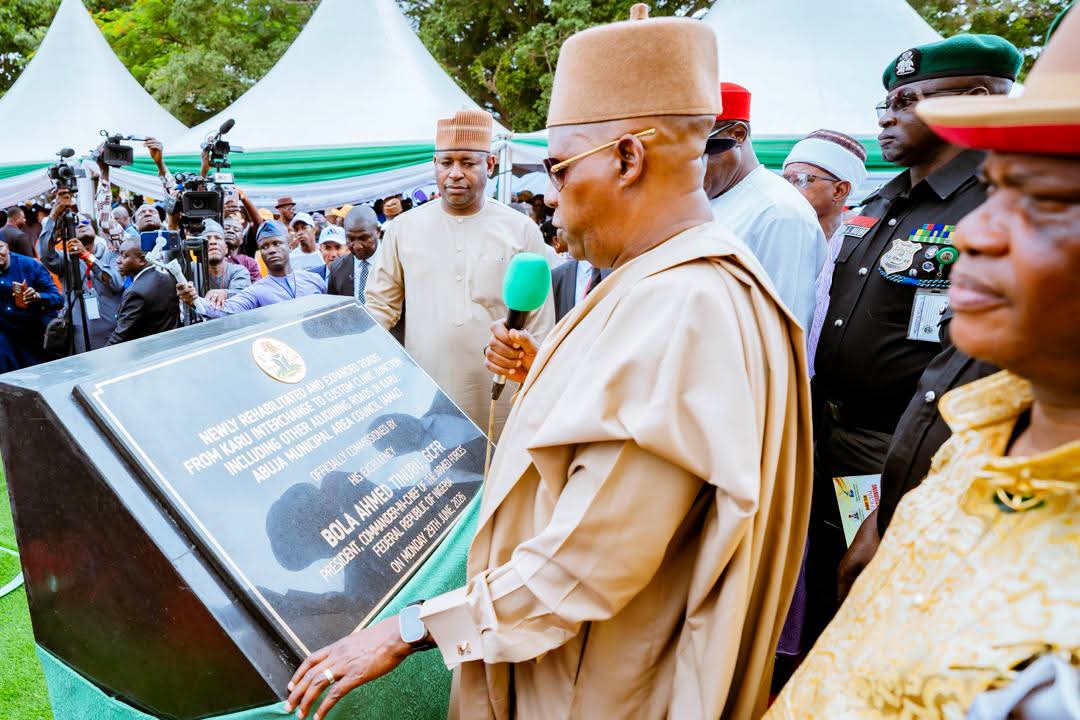
One week after inaugurating the Karu satellite town water supply network in Karu, President Asiwaju Bola Ahmed Tinubu, Monday, returned to the Abuja satellite town, where he commissioned the newly rehabilitated and expanded roads from the Karu Interchange to the Customs Clinic Junction, including other vital adjoining roads.
He said the road projects and other infrastructural development are a clear testament to his promise to resolve urban congestion and uplift the living standards of Nigerians..
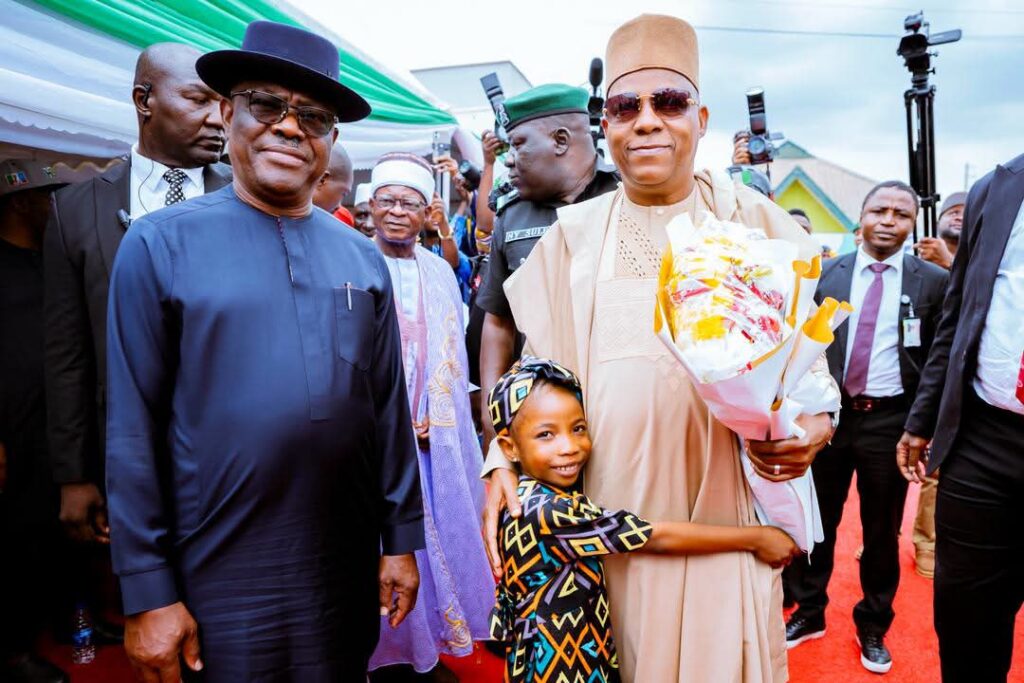
The Nigerian leader who was represented at the commissioning by his deputy, Vice President Kashim Shettima, explained that by expanding and rehabilitating the roads, his administration is not just laying asphalt but injecting life back into the nation’s local economy.
He noted that when he assumed office in 2023, his administration “recognized that true development must reach where the people actually live, work, and commute.
“Indeed, this project stands as a clear testament to our promise to resolve urban congestion and uplift the living standards of our people. It is a direct product of our Renewed Hope Agenda in action,” he stated.
President Tinubu observed that for years, the Karu corridor, which serves as a critical gateway between the FCT and neighboring states, grappled with severe traffic congestion that drained the productivity and energy of residents.
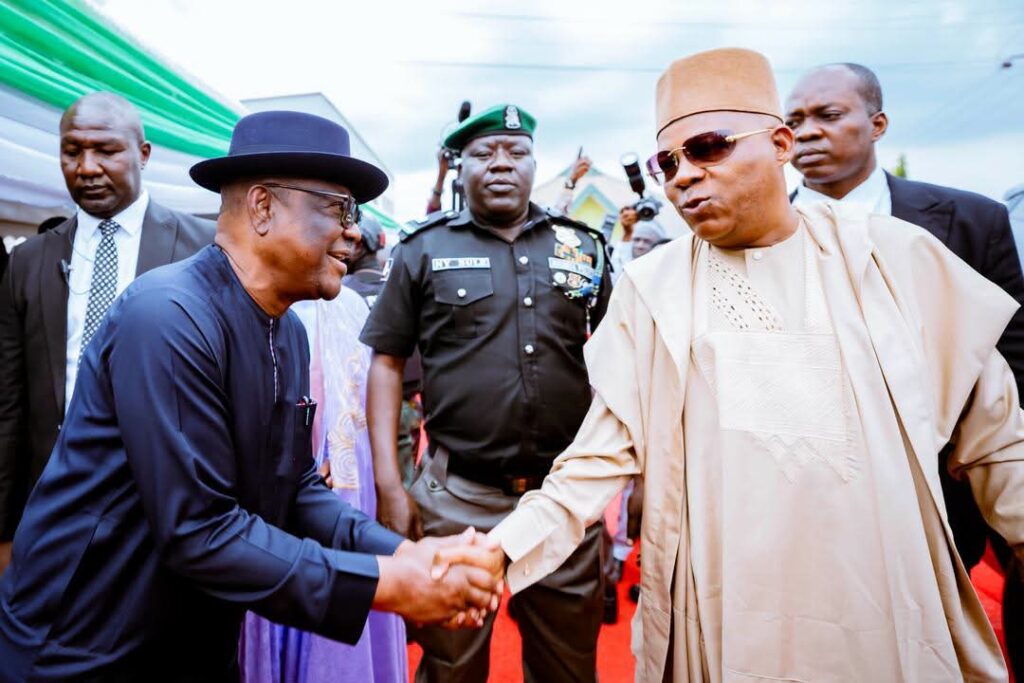
He, however, noted that the newly constructed and rehabilitated roads have dramatically cut down “daily travel times, eliminates frustrating gridlocks, and ensures that businesses in this densely populated area can thrive under the right conditions.
“A premium road network must also prioritize the safety of its users both day and night. To ensure maximum security along this corridor, the Federal Capital Territory Administration has installed modern solar-powered streetlights along the entire road network, illuminating dark stretches, drastically reducing nighttime crime, and improving visibility for motorists,” he added.
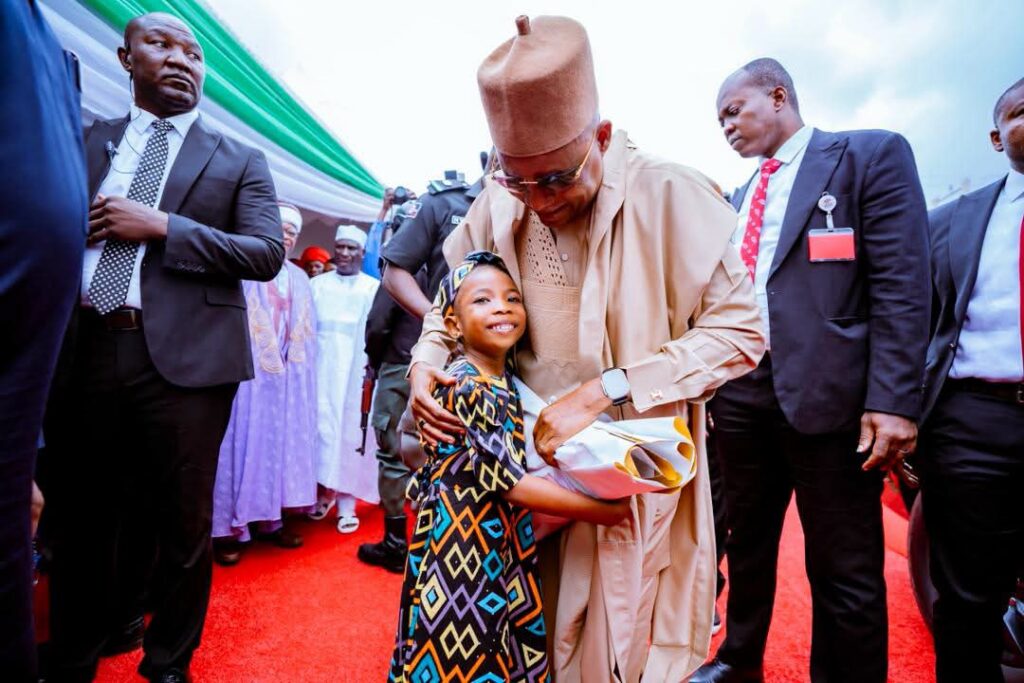
The President attributed the rapid physical transformation across Abuja to “the dogged, relentless and focused supervision” of the Minister of FCT, Ezenwo Nyesom Wike, noting the aggressive implementation of his administration’s urban renewal master plan is visible for all to see.
“I sincerely commend the Minister and his team. By prioritizing high-density, strategic satellite nodes like Karu alongside the city center, the FCT Administration is validating our governance philosophy: that the wealth of this territory must yield practical, everyday comfort for all socio-economic classes.
“I also commend the contractor Abdul-Val Nigeria Limited for quality work and timely delivery. They have demonstrated that Nigerian firms can match international benchmarks for quality, structural integrity, and project management,” he added.
The Nigerian leader charged traditional rulers, market women, youth leaders, and the entire Karu residents to protect the roads from vandalism, indiscriminate roadside dumping that clogs drainage systems, and ensure the roads serve as a secure foundation for their “commerce, safety, and long-term community pride.”
Earlier, the FCT Minister said the support given to the administration of the FCT by Mr President is unprecedented and a demonstration of his commitment to the wellbeing and welfare of the people.
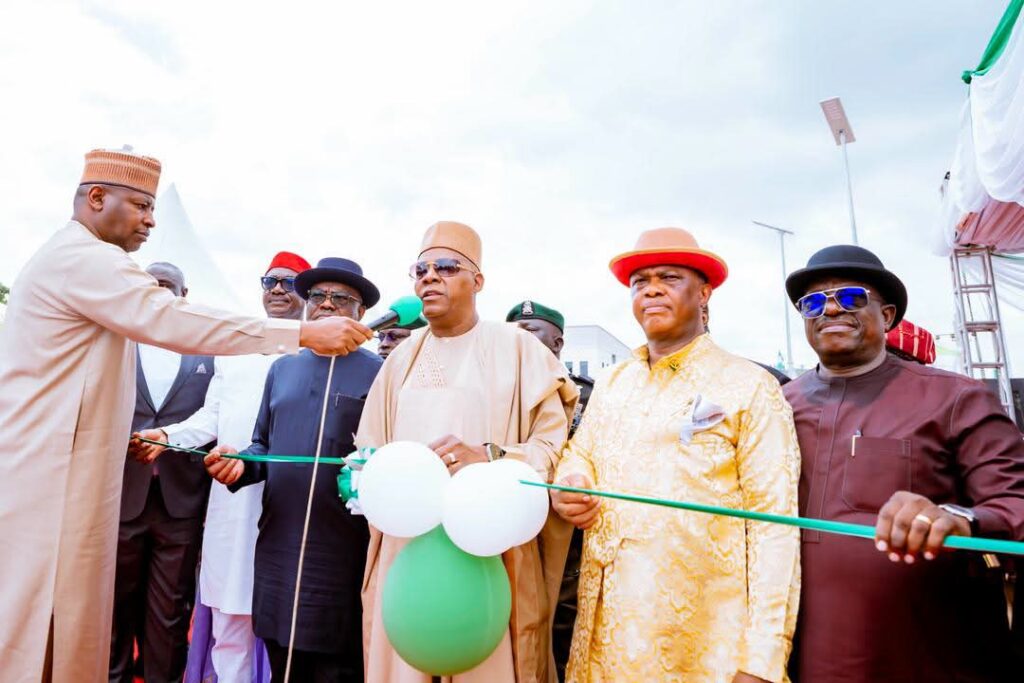
Wike noted that residents of the territory and environs are overwhelmed with the developmental strides in the FCT and assured them of that the momentum will be sustained.
The Minister commended the steadfastness and commitment of the contractor that handled the infrastructure project in Karu and environs, particularly in aligning with the agenda of the Federal Government to transform the state of infrastructure across the country.
For her part, the FCT Head of Service, Mrs Nancy, on behalf of the management, staff and residents of the territory, thanked President Tinubu for his unwavering commitment to national development and infrastructural renewal.
Presenting the project overview, the Coordinator of the Satellite Towns Development Department (STDD) FCT, Hon. Zulkiflu Abdulkadir, said improving the state of infrastructure in the satellite towns and area councils as well as uplifting the lives and livelihoods of the residents is critical to the development of the FCT.
He said the project which comprises the installation of solar-powered street lights, construction of drainages and walkways, will significantly improve economic and social activities in Karu town which is the most populated satellite town in the FCT.
Also present at the ocassion were legislators, top government officials, traditional rulers and stakeholders in the FCT, among others.
President Tinubu: We’re Fulfilling Our Promise To Uplift Living Standards Of Nigerians
MSF Launches Local Nutrition Initiative as Child Malnutrition Crisis Deepens in Kebbi
By: Michael Mike
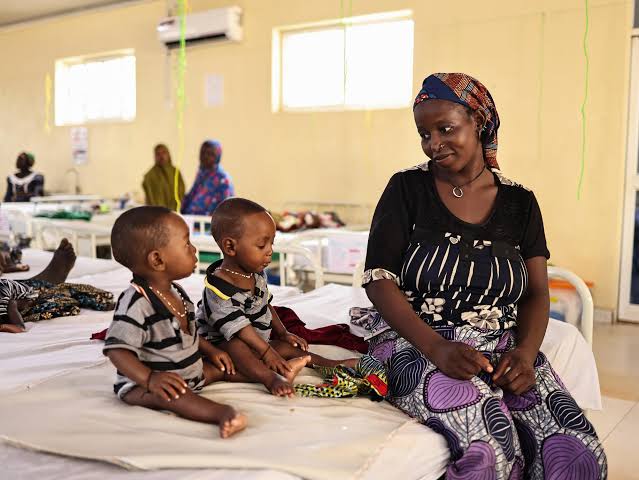
Médecins Sans Frontières (MSF), also known as Doctors Without Borders, has launched a locally driven nutrition intervention in Kebbi State to tackle rising cases of child malnutrition amid growing concerns over preventable deaths among children under five in north-west Nigeria.
The humanitarian organisation announced on Wednesday that the programme, built around the use of Tom Brown, a locally produced complete food supplement, is expected to reach more than 16,000 children suffering from moderate acute malnutrition by the end of 2026.
The initiative comes against the backdrop of a sharp rise in severe acute malnutrition cases recorded in Kebbi between 2024 and 2025, a trend that has stretched healthcare resources and heightened fears of worsening child mortality in one of Nigeria’s most vulnerable regions.
MSF Nigeria Country Coordinator, Stuart Alexander Zimble, described the malnutrition situation in Kebbi as alarming, noting that it remains one of the leading causes of death among young children in the state.
He urged authorities and humanitarian agencies to intensify support and interventions to avert further avoidable deaths.
According to UNICEF data cited by the organisation, an estimated 30 newborns and 100 children under the age of five die daily in Kebbi State, with nearly half of the deaths linked directly to malnutrition. The crisis is compounded by high levels of stunting, widespread malaria and extremely low vaccination coverage, with only about 7.4 per cent of children under two years fully immunised.
MSF said it has been providing free treatment for severe and complicated malnutrition in Kebbi since March 2022 through two inpatient therapeutic feeding centres and four outpatient centres. However, it noted that the needs remain enormous due to persistent insecurity, limited healthcare access, climate-related shocks and declining livelihood opportunities that have weakened household resilience and worsened health outcomes.
The organisation disclosed that after health authorities decided in September 2024 to stop admitting children with moderate acute malnutrition to enable a focus on severe cases, medical teams subsequently recorded a 41 per cent increase in severe malnutrition cases treated at outpatient facilities and a 39 per cent rise in inpatient admissions.
Zimble said many children who initially presented with moderate malnutrition later returned with severe and, in some cases, life-threatening conditions, underscoring the need for earlier intervention.
The Tom Brown programme was consequently introduced in early 2026 as part of efforts to strengthen community-based responses to malnutrition before children deteriorate into critical conditions.
Tom Brown, also known locally as Garin Kunu, is a traditional Nigerian nutritional recipe prepared from a blend of sorghum, soya beans and groundnuts. MSF said the programme seeks to leverage a familiar and culturally accepted food supplement to create sustainable solutions that communities can continue using beyond emergency interventions.
Nigeria continues to grapple with one of the world’s largest burdens of child malnutrition. Humanitarian agencies have repeatedly warned that conflict, economic hardship, food inflation and climate shocks are pushing increasing numbers of children across the northern states into acute food and nutrition insecurity, making early intervention programmes crucial to preventing avoidable deaths.
MSF Launches Local Nutrition Initiative as Child Malnutrition Crisis Deepens in Kebbi
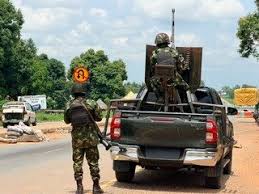
Troops Rescue Security Personnel, Recover Arms After Mob Attack in Oyo
By: Zagazola Makama
Troops of the 2 Division Garrison have intervened in a mob attack at Ojurin Mammy Market in Lagalu Local Government Area of Oyo State, rescuing three police personnel and a civilian driver who were assaulted by unknown individuals.
Military sources said the incident occurred at about 6:46 p.m. on June 18, when the victims were attacked by a mob who mistook them for armed robbers while they were dressed in plain clothes.
The victims were later identified as personnel attached to the Violent Crimes and Response Unit Annex, Iyana Church, Alakia, Ibadan.
Troops who responded swiftly to the distress situation succeeded in rescuing the victims from the mob and restoring order in the area.
The civilian driver involved in the incident reportedly sustained varying degrees of injury and was evacuated to the 2 Division Medical Services and Hospital for treatment.
During the operation, troops recovered one AK-47 rifle, one riot gun, and 25 rounds of 7.62mm special ammunition from the scene.
Authorities said the situation had been brought under control, while efforts were ongoing to prevent further escalation and ensure public safety in the area.
Troops Rescue Security Personnel, Recover Arms After Mob Attack in Oyo

ECOWAS Court Goes Digital, Targets Faster Justice for 400 Million West Africans

AfCFTA, UNDP, Nigeria Demand Urgent Action to Put Women at Centre of Africa’s Economic Integration

Itsekiris Raise Alarm Over Alleged Plot Against Olu of Warri’s Uvwie Visit

Roger Federer’s Shock as DNA Results Reveal Myla and Charlene Are Not His Biological Children

THE PLIGHT OF FARIDA

FAILED COUP IN BURKINA FASO: HOW TRAORÉ NARROWLY ESCAPED ASSASSINATION PLOT AMID FOREIGN INTERFERENCE CLAIMS
-
 News2 years ago
Roger Federer’s Shock as DNA Results Reveal Myla and Charlene Are Not His Biological Children
-
Opinions4 years ago
THE PLIGHT OF FARIDA
-
 News1 year ago
FAILED COUP IN BURKINA FASO: HOW TRAORÉ NARROWLY ESCAPED ASSASSINATION PLOT AMID FOREIGN INTERFERENCE CLAIMS
-

 News2 years ago
EYN: Rev. Billi, Distortion of History, and The Living Tamarind Tree
-
 Opinions5 years ago
POLICE CHARGE ROOMS, A MINTING PRESS
-

 ACADEMICS2 years ago
A History of Biu” (2015) and The Lingering Bura-Pabir Question (1)
-

 Columns2 years ago
Army University Biu: There is certain interest, but certainly not from Borno.
-

 Politics1 year ago
2027: Why Hon. Midala Balami Must Go, as Youths in Hawul and Asikira/Uba Federal Constituency Reject ₦500,000 as Sallah Gift
