
News
Seven youths killed at mining site in Jos South, in retaliation of 102 livestock theft

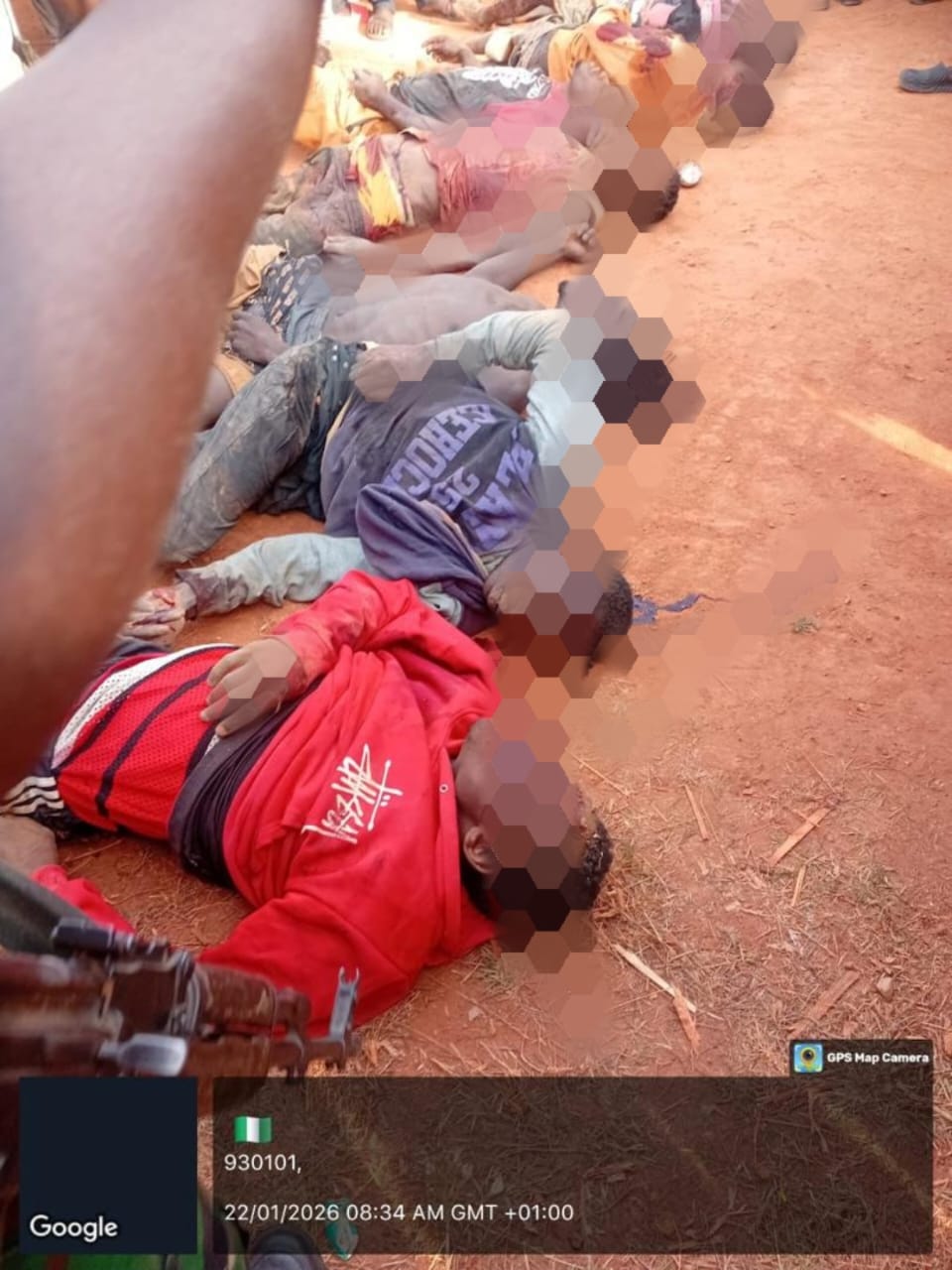
Seven youths killed at mining site in Jos South, in retaliation of 102 livestock theft
By: Zagazola Makama
Atleast seven youths have been killed at a Tin mining site in Gakok area of Kuru community, Barikin Ladi in Jos South LGA of Plateau State in response to the attack and theft of 102 livestock belonging to pastoralist.
On Wednesday, gunmen struck at dawn in Gakok, mowing down young men who had gone to earn a living at a legal mining site. The Plateau Youth Council (PYC), Jos South LGA Chapter, described the victims as “hardworking youths” whose lives were “brutally cut short” by suspected armed herdsmen.
In a statement signed by its Secretary-General, Comr. Gyang Sunday Pwajok on Thursday, the council described the incident as “gruesome and senseless,” and blamed suspected armed herdsmen for the attack.
“This tragic incident further deepens the pain, fear and anger of our people, as Plateau State continues to witness an unending cycle of orchestrated violence and bloodshed. The persistent wave of killings is deeply disturbing and unacceptable,” the statement read.
Their statement did more than mourn: it demanded urgent regulation of mining sites, stronger security coordination, and a ban on night mining, recognition that poorly governed spaces have become killing fields.
The brutal killing was the latest in a spiral of violence in plateau in what began as disputes over land and livelihoods has metastasized into a tit-for-tat pattern where cattle rustling, livestock poisoning and armed raids trigger swift reprisals, dragging entire communities into a vortex of fear. Gakok attack did not erupt in isolation. It is the tragic crest of a wave that has been rising across the Barkin Ladi–Riyom–Jos South axis for weeks.
The current escalation tracks back to Wednesday, Jan. 14, when no fewer than 102 cows were rustled at Dan Sokoto in Ganawuri District, Riyom LGA. Witnesses said armed men suspected to be Berom Militia stormed the area in broad daylight, forcing herders to flee and driving the cattle away at gunpoint. The animals reportedly belonged to two pastoral families from Jos East, but were seized in Ganawuri, an inter-LGA fault line that complicated response and recovery.
Local accounts allege the attackers came from Vom District in Jos South. The Dan Sokoto raid was not an aberration. In the same month, at least seven cows were poisoned in Kwi village (Riyom LGA), while three others were shot dead near Kuru Gadabiyu in Barkin Ladi. Each incident deepened attacks and retaliation.
Days after the Dan Sokoto rustling, violence crossed from fields to homes. In the early hours of Saturday, at about 2:30 a.m., gunmen attacked Kasuwa Denkeli village in Barkin Ladi LGA. One person was killed on the spot; two others sustained gunshot wounds and were rushed to the Jos University Teaching Hospital. Police confirmed the incident, said a team led by the DPO moved to the scene, and announced an investigation to track the perpetrators.Residents linked the assault to retaliation over the stolen cattle in neighbouring Riyom.
This pattern attack on herds, reprisal on villages has repeated with grim regularity. On Jan. 6, coordinated attacks on Jol community in Riyom and Gero in Gyel District of Jos South left three people dead. The violence followed the shooting of two Fulani youths earlier that day in Jos South, one of whom later died. Witnesses described the ambush as unprovoked. What followed was swift retaliation and counter-retaliation, with communities caught in the crossfire.
The warning signs were already flashing in December. On Dec. 12, more than 130 cattle were reportedly rustled in Nding community. Around the same period, livestock poisoning was recorded in parts of Jos East and Riyom LGAs. Those incidents were followed by deadly clashes, including the killing of four children in Dorong village, Barkin Ladi LGA, and attacks on Gero that left deaths, injuries and the loss of more livestock.
On Dec. 16, an attack on an illegal mining site in Tosho, Barkin Ladi LGA, left 12 miners dead and others abducted. Security sources linked the violence to earlier rustling of 171 cattle belonging to Fulani. Again, a familiar sequence: cattle taken, emotions inflamed, guns answer.
Across Barkin Ladi, Riyom and Jos South, residents now speak of “no-go” zones. Areas like Vwang in Jos South and parts of Fan District in Barkin Ladi are whispered about as holding grounds for rustled cattle belonging to the Fulani.The claims, wether true or not, reinforce suspicion and hinder cooperation. Recovery becomes harder; rumours spread faster than facts.
Security agencies respond to each incident, but the terrain is complex, in most cases lacked accessibility by roads. Attackers move across forested LGA lines; victims come from multiple communities; reprisals target the nearest symbol of “the other.” Investigations start, but arrests lag. In the absence of swift, impartial justice, communities seek their own.
The through-line is unmistakable: attacks on pastoralist livelihoods ignite attacks on lives. Cattle rustling and poisoning are not isolated crimes. The perpetrators are known and they came from within the society and they are the accelerants in the landscape primed for reprisal. Mining sites, when left unregulated, become flashpoints. Each incident becomes the justification for the next.
The plateau state government had remained largely silent while violence continued to claim lives across Jos South, Riyom and Barkin Ladi LGAs and other part of the state. The government is treating dialogue with Fulani communities as “selling out,” rather than as a necessary step toward de-escalation and peace-building. Instead of opening channels of communication and trust, the government has chosen silence and dangerous political games.
Non-kinetic approaches such as inclusive dialogue, reconciliation, intelligence-driven community policing and traditional conflict-resolution mechanisms were essential to breaking the cycle of attacks and reprisals in the state. The continued reliance on force alone, without parallel political and social engagement, had failed to address the root causes of the crisis, deepen suspicion and prolong the violence in Plateau state.
Zagazola Makama is a Counter Insurgency Expert and Security Analyst in the Lake Chad region.
Seven youths killed at mining site in Jos South, in retaliation of 102 livestock theft



Governor Buni speaks on primary elections where consensus failed
By: Yahaya Wakili
Governor Mai Mala Buni of Yobe State has revealed that the All Progressives Congress (APC) is open to a fair, credible, and transparent primary election if there is no general agreement on the consensus mode.
Governor Buni started this while commenting on the crisis rocking the party over the governor candidate for the 2027 general election. He said the party has not foreclosed direct election to produce its candidates for the contestable offices for the 2027 general election.
According to him, the party is still working on dialogue; “we are talking to each other and reaching out to the stakeholders, including the aspirants, to arrive at an amicable solution.”
“As the governor of Yobe state, I will be the happiest person to see that the state and party are peaceful and united, noting that we remain citizens of Yobe state and members of APC.
“My expectation is to see us more united and collectively working for our candidates to win the 2027 general elections,” Governor Buni said.
Governor Buni further said, “As a founding member, former secretary, and national chairman of the All Progressives Congress (APC), the unity and progress of the party mean so much to me personally; therefore, I will continue to support and protect the ideals of the party to remain Nigeria’s ruling political party.”
He expressed optimism that the aspirations for public offices in the state are driven by the desire to serve the people for a better and improved life.
Governor Buni speaks on primary elections where consensus failed
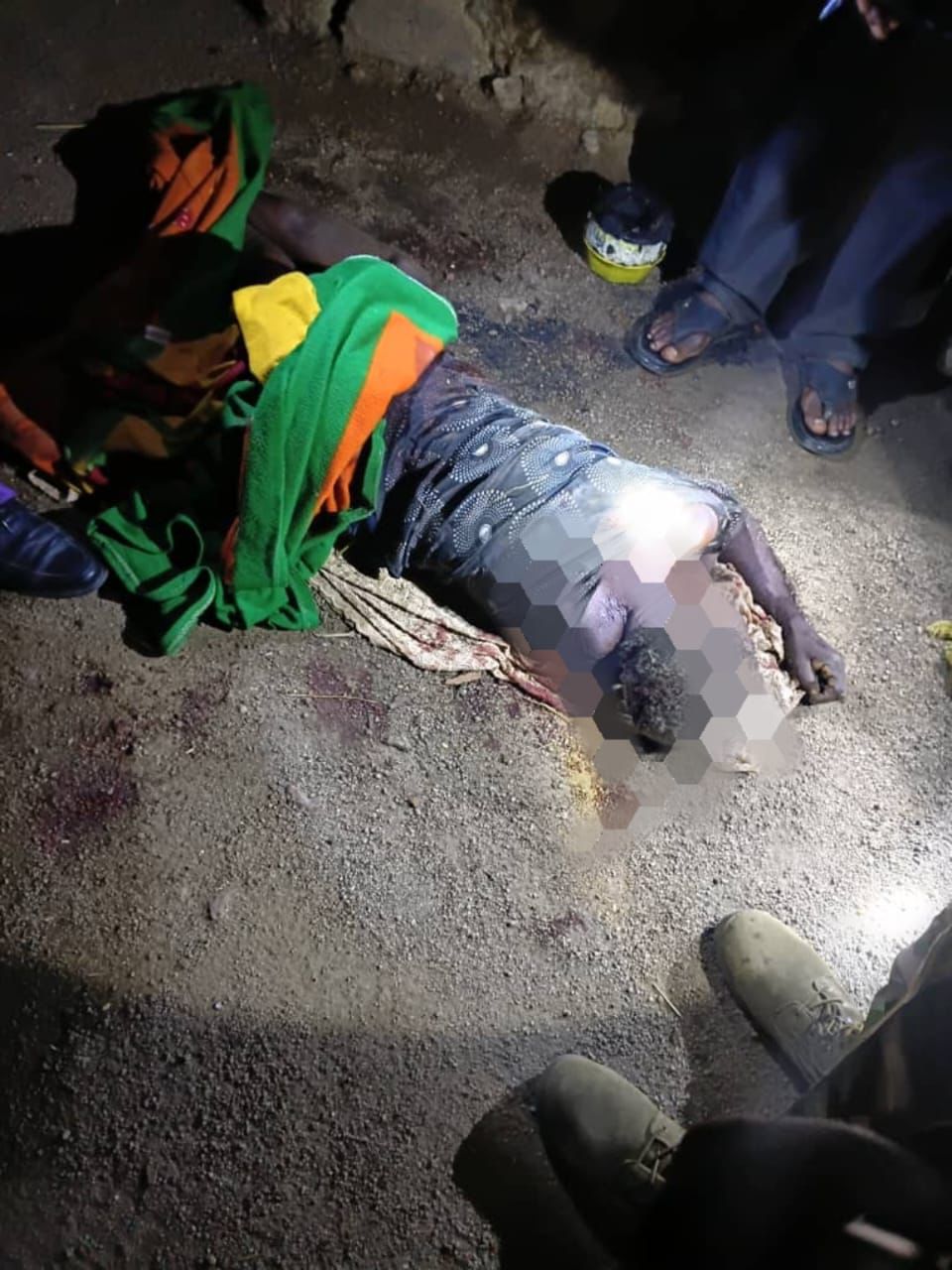
Troops Arrest Suspected Kidnapper in Kaduna State, Recover Phone and Cash
By: Zagazola Makama
Troops of Sector 7, Operation Enduring Peace (OPEP), in collaboration with the Civilian Joint Task Force (CJTF), have arrested a suspected kidnapper in Kamuru village in Zangon Kataf Local Government Area of Kaduna State.
Security sources said the arrest was made at about 0330 hours on May 12 during a coordinated operation in the area.
The suspect, identified as Mr. Husaini Jibrin, 45, was reportedly apprehended at Kamuru village over alleged involvement in a kidnapping incident that occurred in Angwan Ali community on April 26, 2026, within the same local government area.
According to the sources, the suspect is believed to be linked to the planning and execution of the abduction, which had triggered security concerns in surrounding communities at the time.
Items recovered from the suspect include one mobile phone and the sum of ₦10,000 in cash.
The military said the suspect is currently in custody and undergoing interrogation as part of ongoing investigations aimed at dismantling kidnapping networks operating in the region.
Authorities added that troops have intensified surveillance and patrol operations across vulnerable communities in southern Kaduna to curb criminal activities and improve public safety.
Operation Enduring Peace continues to conduct joint operations with local security outfits and community-based structures as part of efforts to address insecurity in affected areas.
Troops Arrest Suspected Kidnapper in Kaduna State, Recover Phone and Cash
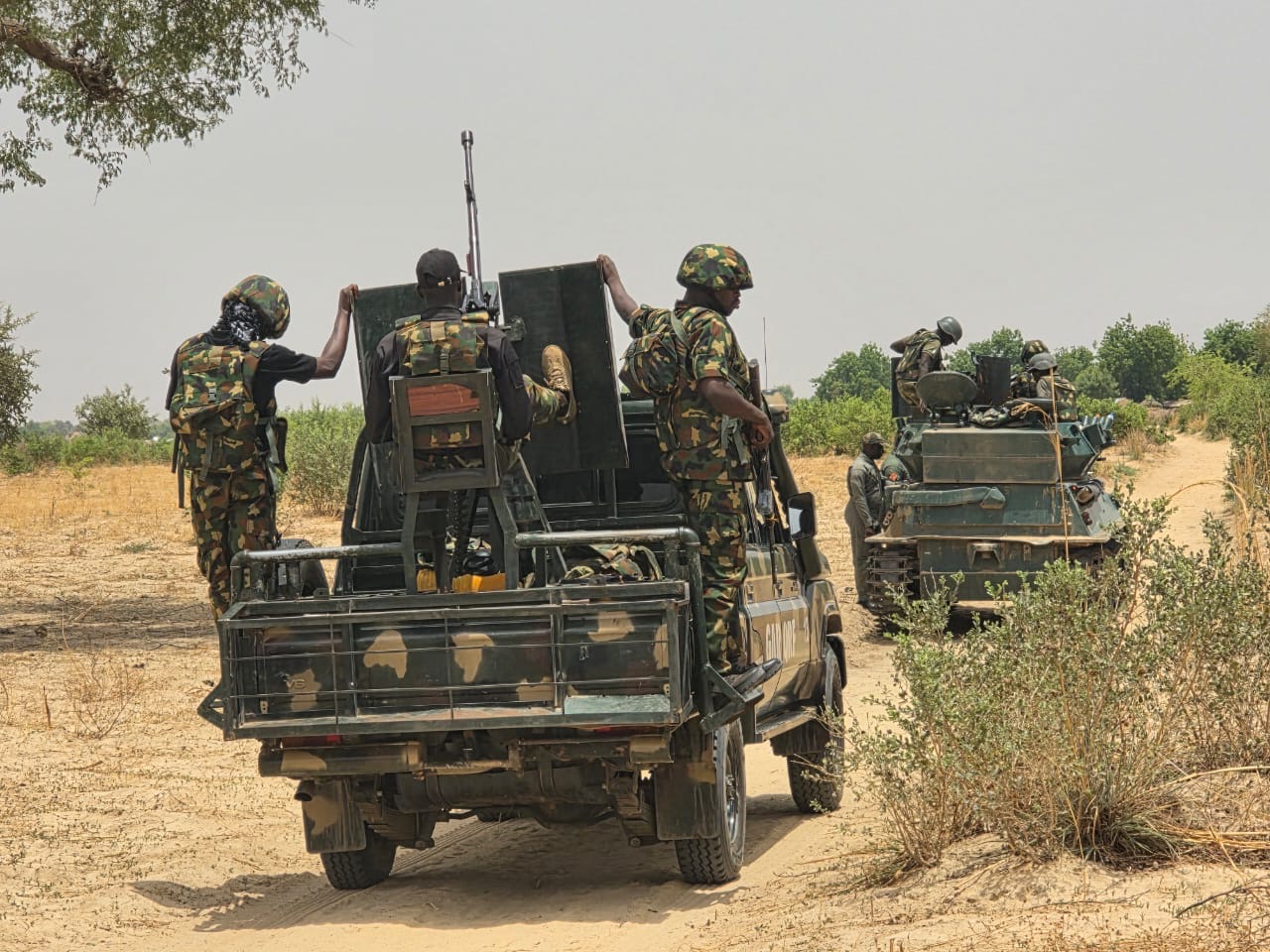
Troops Repel Attack in Plateau State, Two Residents Killed — Military Launches Manhunt
By: Zagazola Makama
Troops of Sector 6, Operation Enduring Peace (OPEP), have repelled an armed attack on an isolated settlement in Vwang Kagot community in Jos South Local Government Area of Plateau State, in an incident that left two civilians dead.
Security sources said the troops responded swiftly at about 0130 hours on May 12 following reports of an attack by suspected armed assailants on the rural community.
The attackers, reportedly described as suspected armed herdsmen, stormed the settlement and engaged in violent activities before the arrival of security forces.
Upon intervention, troops in collaboration with Keystone Kuru Division forced the assailants to withdraw from the area.
However, the attackers had already killed two residents identified as Ngo Shetu Badung, 78, and Mr. Danjuma Badung, 52, before fleeing the scene.
Following the incident, troops launched clearance operations in the general area and are currently trailing the fleeing suspects.
Military authorities said additional patrols and surveillance measures have been intensified to prevent further attacks and reassure residents of their safety.
Operation Enduring Peace noted that it remains committed to stabilising vulnerable communities across Plateau State and ensuring that perpetrators of violent attacks are brought to justice.
Local security stakeholders have also continued engagements with community leaders to strengthen early warning systems and improve response to emerging threats in rural settlements.
Troops Repel Attack in Plateau State, Two Residents Killed — Military Launches Manhunt

Yobe 2027: Consensus, G-Six, and the Crucible of Direct Primaries

NHRC, stakeholders meet to promote human rights in Gombe

2027: The Dynamics of Consensus Candidates and the Crisis of Succession in Nigeria’s Democratic Party Politics

Roger Federer’s Shock as DNA Results Reveal Myla and Charlene Are Not His Biological Children

THE PLIGHT OF FARIDA

FAILED COUP IN BURKINA FASO: HOW TRAORÉ NARROWLY ESCAPED ASSASSINATION PLOT AMID FOREIGN INTERFERENCE CLAIMS
-
 News2 years ago
Roger Federer’s Shock as DNA Results Reveal Myla and Charlene Are Not His Biological Children
-
Opinions4 years ago
THE PLIGHT OF FARIDA
-
 News1 year ago
FAILED COUP IN BURKINA FASO: HOW TRAORÉ NARROWLY ESCAPED ASSASSINATION PLOT AMID FOREIGN INTERFERENCE CLAIMS
-

 News2 years ago
EYN: Rev. Billi, Distortion of History, and The Living Tamarind Tree
-
 Opinions4 years ago
POLICE CHARGE ROOMS, A MINTING PRESS
-

 ACADEMICS2 years ago
A History of Biu” (2015) and The Lingering Bura-Pabir Question (1)
-

 Columns2 years ago
Army University Biu: There is certain interest, but certainly not from Borno.
-

 Opinions2 years ago
Tinubu,Shettima: The epidemic of economic, insecurity in Nigeria
