
Uncategorized
Fertiliser Supply Stabilised as FG Strengthens Centralised Procurement System Ahead of 2026 Farming Season

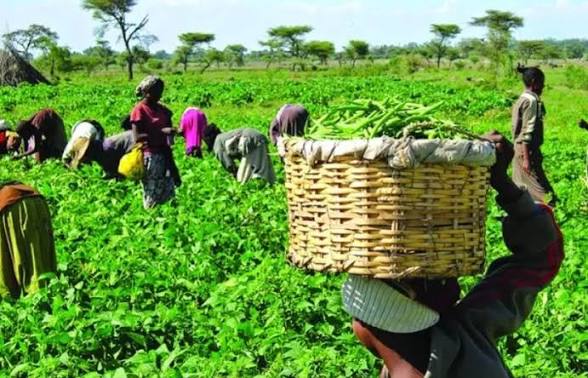
Fertiliser Supply Stabilised as FG Strengthens Centralised Procurement System Ahead of 2026 Farming Season
By: Michael Mike
Nigeria has said it has significantly strengthened fertiliser availability and price stability ahead of the 2026 wet season through a tightened central procurement and distribution framework under the Presidential Fertiliser Initiative (PFI NPK), designed to shield farmers from global supply shocks and domestic market volatility.
Under the arrangement, PFI NPK Limited—operating under the Ministry of Finance Incorporated—coordinates bulk purchase of fertiliser raw materials, while distribution and blending activities are executed through a regulated national network of plants and warehouses. The system is structured to ensure that inputs remain under central control until verified sales are completed and financial settlements are concluded.
To reinforce transparency and accountability across the supply chain, independent Collateral Management Agents have been deployed to oversee storage facilities nationwide. Their role includes verifying stock levels, monitoring movements, and ensuring that fertiliser inputs are properly secured throughout the distribution process.
The operational framework is guided by standard procedures developed in collaboration with the Fertiliser Producers and Suppliers Association of Nigeria (FEPSAN), while quality assurance and regulatory enforcement remain under the supervision of the National Agency for Food and Drug Administration and Control (NAFDAC) and the Standards Organisation of Nigeria (SON).
Security and operational clearance from the Office of the National Security Adviser (ONSA) continues to serve as a critical requirement for nationwide logistics coordination and scaling of operations.
Officials said the system has already begun delivering results, with fertiliser raw materials either arriving in-country or currently in transit, while blending plants across the country continue to receive steady supply inputs ahead of peak farming demand.
The government argued that the intervention has reduced exposure to sudden international price spikes and supply chain disruptions that previously affected farmers during critical planting periods.
Dr. Takang, Managing Director of PFI NPK Limited, said the priority is ensuring that farmers are not only able to access fertiliser on time but also at stable and affordable prices that support production rather than undermine it.
“What matters is that the farmer can access fertiliser when needed and at a price that does not undermine production. By stabilising supply and managing cost exposure at the procurement stage, we are supporting that outcome at scale,” he said.
Looking forward, PFI NPK said it is expanding government-to-government sourcing arrangements with international partners to further secure raw material supply lines. It is also developing a digital monitoring platform that will provide real-time tracking of procurement, inventory levels, and nationwide distribution flows.
As the 2026 farming season approaches, authorities said the system is expected to play a key role in improving agricultural productivity by ensuring predictable fertiliser availability, reducing market uncertainty, and strengthening food production capacity across the country.
Fertiliser Supply Stabilised as FG Strengthens Centralised Procurement System Ahead of 2026 Farming Season



Drug Abuse, Mental Illness Feed Each Other, Marwa Warns
…NDLEA boss seeks increased mental health funding, urges priority for women, children
By: Michael Mike
The Chairman and Chief Executive Officer of the National Drug Law Enforcement Agency (NDLEA), Brig. Gen. Buba Marwa (rtd), has warned that Nigeria’s fight against drug abuse will remain incomplete without adequate investment in mental healthcare, stressing that untreated psychological distress is driving substance abuse among vulnerable Nigerians.
Marwa said the relationship between drug use and mental illness was mutually reinforcing, warning that a response focused solely on arrests and enforcement would fail to address the underlying causes of addiction.

“If we only arrest the symptoms, we will keep missing the cause,” he said on Tuesday in Abuja, calling for increased mental health financing, accessible treatment and stronger collaboration among government institutions and community organisations.
Marwa spoke while chairing the fifth edition of The Conversation Conference (TCC 5.0), organised by the Intersect Consortium at the Nicon Luxury Hotel, Abuja. The event, led by UK-based consultant psychiatrist, Dr Vincent Udenze, came days after the 2026 World Mental Health Day and focused on strategic investments, partnerships and community-led action.
Drawing on the NDLEA’s experience in drug prevention and rehabilitation, Marwa said many people caught in substance abuse had underlying psychological distress that went unnoticed or untreated until their conditions worsened.
“For too long, we treated mental health as a private burden, hidden behind shame and silence. In my work at the NDLEA, I see the cost of that silence daily,” he said.
“Behind many cases of drug abuse is untreated pain: depression nobody noticed, trauma nobody addressed, a young person who found a substance before finding help. Drug use and mental illness feed each other. If we only arrest the symptoms, we will keep missing the cause.”
The NDLEA chairman said the situation demanded a shift from an approach centred largely on controlling illicit substances to one that combined enforcement with prevention, early intervention, mental healthcare and sustained support for people recovering from addiction.
He disclosed that more than 53,843 people had passed through the agency’s 31 rehabilitation facilities across the country in the past five years, describing the figure as evidence of the scale of the recovery effort required.
“Behind that number are fathers returned to their families and young people returned to school and work,” he said.

Marwa called for a substantial increase in funding for mental healthcare, warning that the sector could no longer remain neglected in public health budgets.
He said investment in prevention, trained personnel and accessible treatment would yield broader benefits, including improved productivity, safer communities and stronger families.
According to him, Nigeria needs more psychiatrists, psychologists, counsellors and community health workers, alongside the integration of mental health services into primary healthcare to ensure that people can access help without travelling long distances.
“No one travels hundreds of kilometres to be heard,” he said, arguing that mental health services must be available at the community level rather than concentrated in a few specialised facilities.
He also called for equitable financing, insisting that access to care should not depend on a person’s financial circumstances.
“Care that only the well-off can afford is not a system, it is a privilege,” he said.
Beyond healthcare financing, Marwa identified poverty, hopelessness and limited economic opportunities as factors that could increase vulnerability to harmful substance use.
He cited the NDLEA’s intervention in three pilot communities in Ondo State, where residents who previously depended on illicit cultivation were supported to establish legitimate livelihoods.
He said the initiative demonstrated the importance of involving communities in designing interventions rather than imposing solutions on them.
“Mental wellbeing cannot thrive where hopelessness and poverty drive people into harm,” he said, adding that families with sustainable incomes and a stake in their future were better positioned to build resilience.
The agency, he disclosed, intends to expand the model nationwide and is seeking partnerships to support its implementation.
Marwa also highlighted the NDLEA’s War Against Drug Abuse (WADA) campaign, which targets young people through sensitisation programmes in schools, tertiary institutions and communities.
He said the agency’s 24-hour toll-free helpline provided an avenue for people struggling with substance use and their families to seek assistance, particularly when they had nowhere else to turn.
“A frightened teenager, a worried mother or a person on the edge can be heard in the dead of night, at no cost,” he said.
The NDLEA boss further urged policymakers and service providers to prioritise women, children and other vulnerable groups in the delivery of mental health services.
He identified survivors of violence, displaced mothers, girls without adequate support, persons living with disabilities and families uprooted by conflict as groups whose needs were often overlooked.
According to him, the agency’s rehabilitation experience shows that recovery is more sustainable when support extends beyond the individual to include the mother, the child and the wider household.
He called for stronger coordination among the health, education, security, justice and social welfare sectors, saying no single institution could effectively address the complex relationship between mental illness, substance abuse and social vulnerability.
Marwa, who also chaired the conference’s first edition in 2022 and its third edition, commended the organisers for sustaining the platform and expanding conversations around mental health in Nigeria.
He also thanked Vice-President Kashim Shettima, who was represented at the event by Senator Ibrahim Hassan Hadejia, for supporting the conference, saying such participation signalled the importance of mental health to national development.
He urged participants to translate discussions into measurable commitments, particularly in funding effective interventions, expanding community-based programmes and protecting vulnerable populations.
“Let us build a Nigeria where seeking help is an act of courage, where recovery is possible, and where no one suffers alone,” he said.
Nigeria’s response to substance abuse has increasingly involved prevention campaigns, treatment and rehabilitation alongside drug interdiction and arrests. Marwa’s remarks underscore the need to strengthen the mental healthcare component of that response, particularly as stigma, inadequate access to treatment and socioeconomic pressures can prevent people from seeking help.
The challenge, he suggested, is not simply to stop drug use but also to ensure that people experiencing psychological distress can obtain timely support before substance use deepens their difficulties.
Drug Abuse, Mental Illness Feed Each Other, Marwa Warns

NES, Miners Association Seek Partnership on Mine-site Reclamation, Sustainability
By: Michael Mike
The Nigerian Environmental Society (NES) has called for strategic collaboration with the Miners Association of Nigeria (MAN) to promote mine-site reclamation, sustainable mining practices and responsible environmental management across the country.
The newly elected National President of the NES, ESV. Prof. Muhammad Bashar Nuhu, made the call on Monday, while attending Nigerian Mining Week in Abuja.
The event marked his first official assignment since assuming office as president of the professional environmental body.

Nuhu said the NES was prepared to work with MAN to strengthen environmental sustainability in the mining sector, particularly through land reclamation, ecological restoration and the development of practical frameworks for responsible mining operations.
According to him, the proposed partnership would enable both organisations to combine professional expertise and industry experience in addressing the environmental challenges associated with mining activities.
He said the collaboration would extend beyond reclamation to other areas of mutual interest, including environmental protection, sustainable resource utilisation and the promotion of mining practices that balance economic development with ecological preservation.
Prof. Nuhu stressed that effective cooperation between environmental professionals and mining operators was essential to ensuring that mineral resources were exploited responsibly without compromising the environment, public health or the livelihoods of communities in mining areas.
The NES president also underscored the importance of integrating environmental considerations into every stage of mining operations, from site development and mineral extraction to mine closure and post-mining rehabilitation.
He explained that proper reclamation and sustainability measures could reduce land degradation, control erosion, protect water resources and restore disturbed landscapes while supporting the long-term viability of mining communities.
The proposed partnership is expected to create opportunities for technical cooperation, professional guidance and the development of environmental management approaches capable of improving the sustainability of mining operations in Nigeria.
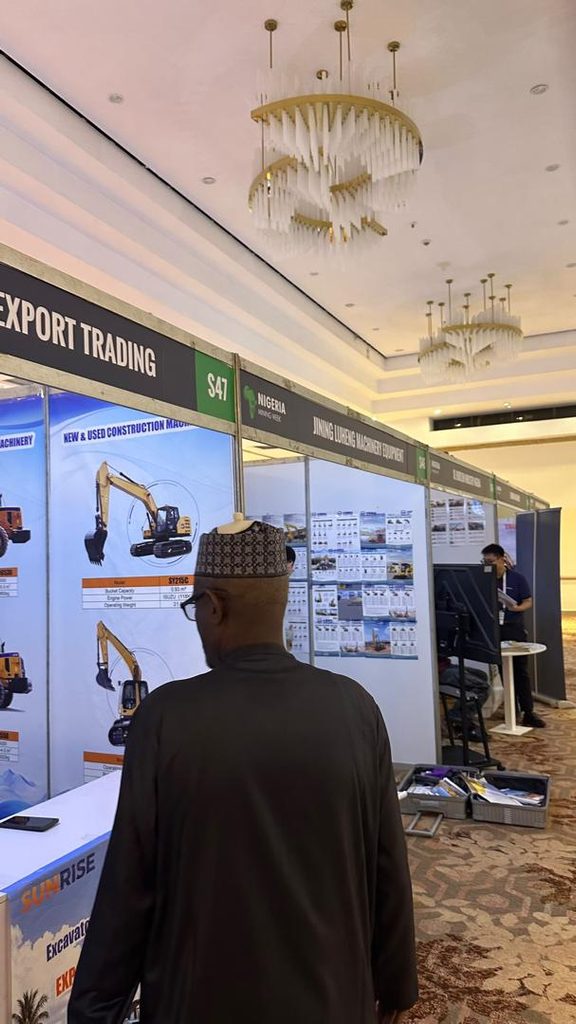
Responding, the President of the Miners Association of Nigeria, Chief Dele Ayanleke, expressed the association’s readiness to draw on the experience and technical expertise of the NES to advance environmental sustainability within the mining industry.
Ayanleke highlighted the potential contribution of the environmental body, particularly in developing an environmental sustainability framework for mining sites and providing professional guidance on responsible mining practices.
He said cooperation between the two organisations could strengthen the environmental management capacity of mining operators and promote more systematic approaches to addressing the ecological impacts of mineral extraction.
The proposed framework could provide a basis for improving environmental planning, reclamation procedures, site rehabilitation and sustainability practices across mining locations, subject to further engagement and agreement between the organisations.
The willingness expressed by both leaders signals a potential convergence of interests between environmental professionals and mining industry stakeholders at a time when responsible mineral development and environmental protection remain important to Nigeria’s economic development agenda.
Mining activities can generate employment, support industrial growth and contribute to government revenue. However, poorly managed operations can also cause land degradation, vegetation loss, erosion, water contamination and other environmental problems that may persist long after mining has ended.
Effective reclamation and rehabilitation are therefore critical to restoring mined lands to safe, stable and productive conditions in line with applicable environmental standards and site-specific restoration objectives.
For the Nigerian Environmental Society, the proposed engagement represents an opportunity to apply environmental science, professional expertise and sustainability principles to a key productive sector of the economy.
For the Miners Association, collaboration with environmental specialists could support the development and implementation of practical measures to improve environmental performance across mining sites.
The discussions at Nigerian Mining Week have opened a potential pathway for sustained engagement between the two organisations on mine-site reclamation, environmental management and sustainable development.
The success of the initiative will depend on translating the expressed commitment into a structured programme of cooperation with clearly defined responsibilities, technical standards and mechanisms for monitoring environmental performance.
Such collaboration could contribute to a mining industry that supports economic growth while ensuring that environmental protection, ecological restoration and the welfare of host communities remain central to mineral resource development in Nigeria.
NES, Miners Association Seek Partnership on Mine-site Reclamation, Sustainability
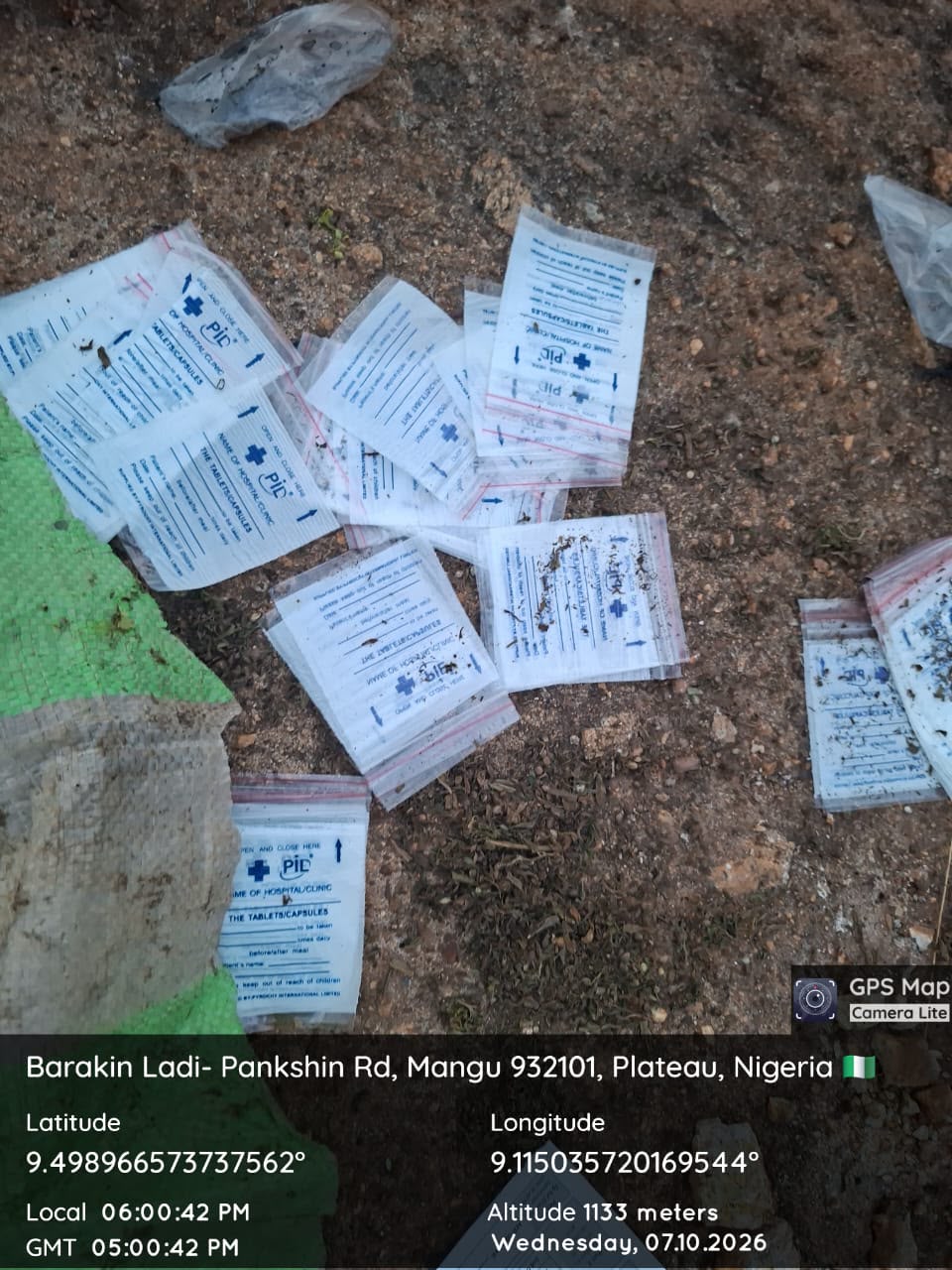
Troops recover cannabis, other illicit drugs huge out in Mangu market
By: Zagazola Makama
Troops of Sector 8, Operation Enduring Peace (OPEP), have recovered quantities of cannabis sativa and other illicit drugs during a raid on a suspected hideout of drug peddlers at Mangu Market in Mangu Local Government Area of Plateau State.
The operation was conducted at about 5:10 p.m. on Oct. 7, 2026, as part of efforts to flush out illicit drug dealers and other criminal elements operating within the area.
Security sources told Zagazola Makama that troops deployed from Sabon Gari moved to the identified hideout and conducted a raid.
The suspected drug peddlers, however, had fled the location before the arrival of the troops.
The troops recovered quantities of cannabis sativa and other suspected illicit substances from the hideout.
The recovered exhibits have been secured in custody for further investigation and necessary action, the source said.
The operation is part of ongoing efforts by OPEP troops to disrupt criminal activities and deny illicit drug dealers and other criminal elements safe havens in Plateau State.
Troops recover cannabis, other illicit drugs huge out in Mangu market

2027: No Sacred Cows—Atiku’s Record Must Face Scrutiny

Benjamins-Laniyi Tasks Media on Gender-Sensitive Reporting, Women’s Leadership

Gov. Buni swore in 2 commissioners and 7 local government chairmen in Yobe

Roger Federer’s Shock as DNA Results Reveal Myla and Charlene Are Not His Biological Children

THE PLIGHT OF FARIDA

FAILED COUP IN BURKINA FASO: HOW TRAORÉ NARROWLY ESCAPED ASSASSINATION PLOT AMID FOREIGN INTERFERENCE CLAIMS
-
 News3 years ago
Roger Federer’s Shock as DNA Results Reveal Myla and Charlene Are Not His Biological Children
-
Opinions5 years ago
THE PLIGHT OF FARIDA
-
 News1 year ago
FAILED COUP IN BURKINA FASO: HOW TRAORÉ NARROWLY ESCAPED ASSASSINATION PLOT AMID FOREIGN INTERFERENCE CLAIMS
-
 Opinions5 years ago
POLICE CHARGE ROOMS, A MINTING PRESS
-

 News3 years ago
EYN: Rev. Billi, Distortion of History, and The Living Tamarind Tree
-

 ACADEMICS3 years ago
A History of Biu” (2015) and The Lingering Bura-Pabir Question (1)
-

 Columns3 years ago
Army University Biu: There is certain interest, but certainly not from Borno.
-

 Politics1 year ago
2027: Why Hon. Midala Balami Must Go, as Youths in Hawul and Asikira/Uba Federal Constituency Reject ₦500,000 as Sallah Gift
