
News
Experts Warn Nigeria Against ‘New Oil Curse’ as Rush for Critical Minerals Raises Alarm Over Insecurity, Deforestation

Experts Warn Nigeria Against ‘New Oil Curse’ as Rush for Critical Minerals Raises Alarm Over Insecurity, Deforestation
By: Michael Mike
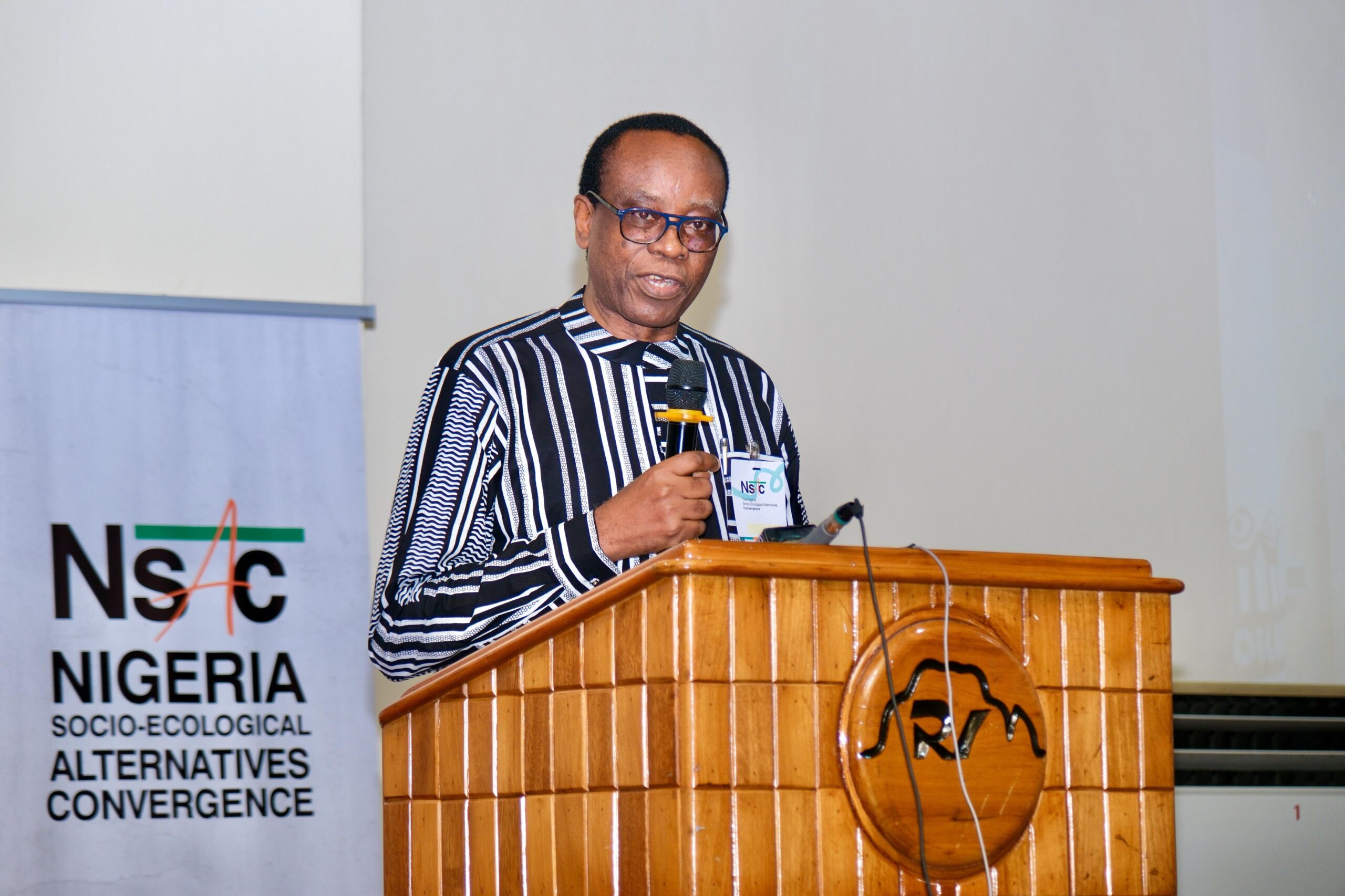
A coalition of environmental experts, traditional leaders and academics on Tuesday issued a stark warning that Nigeria could be heading towards another resource curse unless it radically reforms the governance of its burgeoning solid minerals sector, cautioning that the global race for critical minerals risks replicating the environmental devastation, conflict and inequality that have characterised decades of oil exploitation in the Niger Delta.
The warning came at the Third Nigeria Socio-Ecological Alternatives Convergence (NSAC) in Abuja, where participants argued that the country’s renewed enthusiasm over recent discoveries of lithium, rare earth elements, gold, platinum group metals and other strategic minerals must be matched with stronger environmental safeguards, community rights and transparent governance.
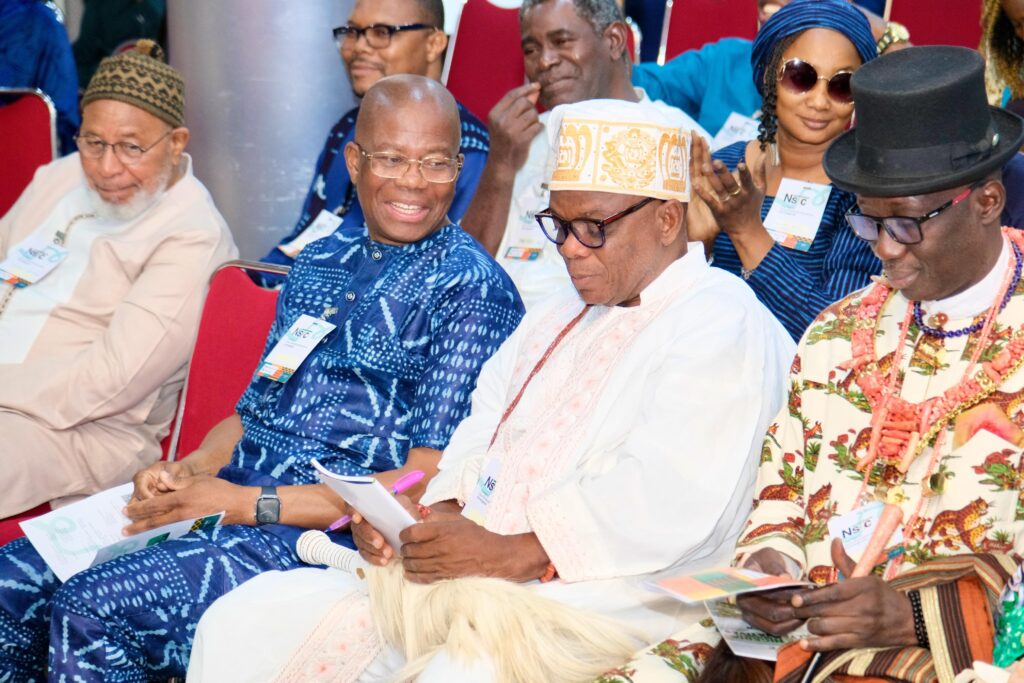
The conference, themed “Deforestation, Mining and the Crisis of Human Security in Nigeria,” brought together traditional rulers, environmental activists, academics, civil society organisations and community leaders to examine the implications of Nigeria’s growing role in the global energy transition.
The discussions followed the Federal Government’s recent announcement of what it described as a world-class polymetallic mineral province in Kaduna State, containing lithium, rare earth elements, gold, copper, nickel and platinum group metals, as part of efforts to position Nigeria as a leading supplier of critical minerals needed for electric vehicle batteries, renewable energy technologies and advanced manufacturing.
However, speakers at the convergence insisted that the country must avoid repeating the mistakes made in the oil industry.
Leading the call was Professor of Anthropology and African Studies at the University of Michigan, Prof. Omolade Adunbi, who warned that critical minerals were rapidly becoming “the new oil” and could reproduce the same patterns of environmental destruction, elite capture and violent conflict unless a new governance model is adopted.
“The world must decarbonise,” he said. “But the deeper question is what kind of decarbonisation, governed by whom, for whose benefit, and at whose cost?”
According to him, while renewable energy technologies are promoted as environmentally friendly, they rely heavily on minerals extracted from communities whose forests, rivers and farmlands could become the next “sacrifice zones.”
Drawing parallels with the Niger Delta, Adunbi argued that Nigeria’s experience with oil should serve as a warning against pursuing mineral wealth without environmental justice.
“Critical minerals may become the new oil. If they are governed through the same extractive logic that shaped oil extraction in the Niger Delta, they will reproduce dispossession, deforestation, insecurity, elite capture and ecological degradation,” he said.
He urged the government to adopt a comprehensive “Just Minerals Strategy” that would make community consent legally binding, prohibit mining in ecologically sensitive areas, guarantee environmental restoration and ensure host communities receive a fair share of the benefits.
Also speaking, renowned environmentalist and Director of the Health of Mother Earth Foundation (HOMEF), Nnimmo Bassey, questioned the country’s excitement over new mineral discoveries without first addressing the governance failures that left the Niger Delta environmentally devastated despite decades of oil wealth.
“Have we learned the lessons of almost seven decades of oil extraction in the Niger Delta?” he asked.
“We are yet to have serious conversations on what sort of development we desire.”
Bassey argued that Nigeria’s forests, rivers and communities are increasingly being sacrificed in pursuit of an extractive development model that values natural resources above human lives.
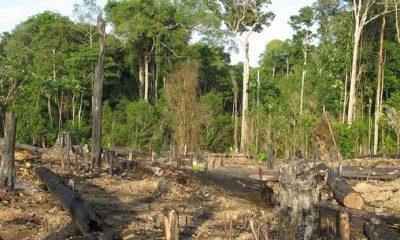
He warned that the country’s forests are disappearing at an alarming rate of between 250,000 and 300,000 hectares annually, leaving primary forests to cover only about 1.3 per cent of Nigeria’s landmass.
At the current pace, he warned, Nigeria could lose virtually all its forests by 2052.
Beyond commercial logging and agricultural expansion, Bassey criticised emerging carbon credit projects, describing them as a form of “carbon colonialism” that risks dispossessing local communities in the name of climate action.
He cited plans involving hundreds of thousands of hectares of forests in Delta and Niger states earmarked for carbon credit initiatives, arguing that such projects often exclude indigenous communities from lands they have managed for generations.
The environmentalist also linked uncontrolled mining to rising insecurity, saying degraded forests are increasingly becoming operational bases for criminal gangs.
“Some forests have become habitats not for wildlife but for wild humans—bandits and terrorists—who disconnect communities from their forests and turn the territories into criminal fiefdoms,” he said.
The Chairman of the occasion and Emir of Nasarawa, Alhaji Ibrahim Usman Jibril, reinforced those concerns, describing illegal mining and deforestation as major drivers of banditry, insurgency and organised crime across Nigeria.
The monarch said criminal groups have increasingly taken control of mineral-rich areas, financing their operations through illegal mining and timber trafficking while displacing local communities.
“The nexus between mining, forest extraction, insecurity and Nigeria’s socio-ecological crisis forms a vicious cycle of resource plunder, environmental degradation and violent conflict,” he said.
Drawing from his experience as ruler of one of Nigeria’s most mineral-rich states, the Emir acknowledged that resources such as lithium, tantalite and rare earth elements offer enormous economic opportunities but insisted that development must never come at the expense of communities and the environment.
“Our natural resources are a blessing, but only if they are governed with justice, accountability and sustainability,” he said.
The Emir blamed weak environmental governance, corruption and political patronage for enabling illegal exploitation of natural resources while host communities bear the costs through pollution, displacement and declining livelihoods.
He called for stronger regulation, improved environmental enforcement and greater involvement of traditional institutions in protecting forests and resolving resource-related conflicts.
A recurring theme throughout the conference was the growing link between environmental degradation and national security.
Speakers argued that forests stripped by illegal logging and uncontrolled mining have become safe havens for bandits and kidnappers, while competition over natural resources is intensifying communal conflicts across several parts of the country.
Participants also warned that declining global demand for fossil fuels could tempt Nigeria into replacing dependence on crude oil with dependence on solid minerals without undertaking the institutional reforms necessary to avoid another resource curse.
Rather than pursuing what speakers described as a “dig now, regulate later” approach, they advocated stronger environmental governance, mandatory community consultation, domestic mineral processing, transparency in licensing and contracts, and restoration of degraded ecosystems.
The conference also challenged the assumption that renewable energy automatically translates into environmental justice.
According to the participants, the transition to cleaner energy must not create new sacrifice zones in Africa to sustain low-carbon economies elsewhere.
They insisted that communities should retain the right to reject mining projects affecting their ancestral lands and called for legally enforceable Free, Prior and Informed Consent (FPIC) before mining licences are issued.
As global competition for critical minerals intensifies, the convergence concluded that Nigeria faces a defining choice: either repeat the extractive model that left the Niger Delta scarred by pollution, conflict and poverty, or build a new governance framework that balances economic development with environmental sustainability, community rights and long-term national security.
For the participants, the lesson from Nigeria’s oil history was unmistakable: the transition to a green economy would only be meaningful if it delivered justice not just for the climate, but also for the people living where the minerals are found.
Experts Warn Nigeria Against ‘New Oil Curse’ as Rush for Critical Minerals Raises Alarm Over Insecurity, Deforestation



UNFPA, Signify partner to illuminate 10,000 healthcare facilities in seven states
…₦-free solar intervention targets underserved communities, strengthens maternal healthcare, emergency response, safety of women and girls
By: Michael Mike
The United Nations Population Fund (UNFPA) and the Signify Foundation have entered into a three-year partnership to deploy 10,000 solar lighting solutions to healthcare facilities in seven states and the Federal Capital Territory (FCT), in a move to address poor lighting and improve access to essential health services in underserved communities.
The initiative, which targets hard-to-reach communities, is designed to tackle one of the often-overlooked challenges confronting healthcare delivery in Nigeria: inadequate and unreliable electricity, particularly in facilities providing maternal and reproductive healthcare services.
Under the partnership, 4,170 Philips Essential SmartBright solar streetlights and 5,830 solar floodlights will be installed across selected healthcare facilities in Borno, Yobe, Lagos, Ogun, Sokoto, Akwa Ibom and the FCT.
The first consignment of 3,334 units, comprising 1,390 solar streetlights and 1,944 solar floodlights, is expected to arrive in Nigeria before the end of 2026.
The intervention is expected to improve the safety, accessibility and operational capacity of health facilities, particularly those serving women, girls, adolescents and other vulnerable populations.
Facilities to benefit include safe spaces, youth-friendly centres, obstetric fistula centres and MAMII health facilities, where reliable lighting is critical to ensuring that patients can access services in secure and dignified environments.
The partnership also comes against the backdrop of persistent electricity challenges in underserved communities, where inadequate lighting can constrain the delivery of healthcare, particularly at night, and expose patients and health workers to additional safety risks.
For maternal healthcare facilities, the availability of reliable lighting is particularly important for emergency deliveries, obstetric interventions and other situations requiring immediate medical attention outside normal working hours.
UNFPA Resident Representative in Nigeria, Ms Muriel Mafico, said reliable electricity remained one of the strongest enablers of quality healthcare, describing the partnership as an important intervention towards improving health outcomes in both development and humanitarian settings.
She said the provision of solar lighting would strengthen healthcare delivery by improving local infrastructure and enabling communities to extend service hours.
“This partnership will strengthen Nigeria’s healthcare delivery system by improving local lighting infrastructure.
“Reliable lighting will enable communities to extend service hours, strengthen emergency and maternal health responses, and improve confidentiality and safety for survivors in designated safe spaces. It will also create opportunities for youth engagement,” Mafico said.
She added that illuminating critical community facilities would support safer environments, strengthen community resilience and contribute to better outcomes for vulnerable populations.
Beyond healthcare delivery, the initiative is expected to improve protection and dignity for women and girls, particularly survivors of gender-based violence who require access to confidential support services in safe spaces.
The lighting intervention will also benefit adolescents and young people accessing youth-friendly centres, where a secure and welcoming environment is essential to encouraging them to seek information and essential health services.
Director of the Signify Foundation, Yue Cui, said the partnership reflected the importance of providing healthcare facilities with the infrastructure required to deliver services safely and effectively.
She said quality healthcare depended not only on medical personnel, medicines and equipment but also on creating safe and adequately lit environments for patients and health workers.
“Solar lighting is a practical solution, it is easy to install and maintain, and can serve communities for years.
“At a time when humanitarian resources are stretched, we hope this partnership shows how our interventions can make essential healthcare services safer and more accessible,” Cui said.
The partnership builds on previous interventions by the organisations in Syria and Sudan, extending their collaboration on sustainable lighting solutions to underserved communities in Nigeria.
The three-year programme also highlights the growing role of renewable energy interventions in strengthening essential social infrastructure, particularly in communities where conventional electricity supply remains unreliable or inaccessible.
UNFPA, the United Nations’ sexual and reproductive health agency, works towards a world where every pregnancy is wanted, every childbirth is safe and every young person’s potential is fulfilled.
The Signify Foundation, an independent non-profit organisation primarily funded by Signify, works to expand access to lighting among underserved communities across the world.
With the first consignment expected before the end of 2026, the partnership is expected to provide an additional layer of support to healthcare facilities, particularly those operating in difficult humanitarian and development environments.
UNFPA, Signify partner to illuminate 10,000 healthcare facilities in seven states
Nigeria, India Sign Human Rights Agreement as Fagbemi Pledges Support for Implementation
…AGF calls for stronger institutional independence, practical safeguards for citizens amid emerging AI-related human rights challenges; NHRC records 384,196 complaints in October
By: Michael Mike
Nigeria and India have signed a bilateral agreement to strengthen human rights protection, institutional capacity and access to justice, with the Attorney-General of the Federation and Minister of Justice, Prince Lateef Fagbemi, SAN, pledging the Federal Government’s support for its implementation.
Fagbemi described the agreement as a strategic partnership between the two countries, stressing that its success would ultimately be measured by its impact on ordinary citizens, particularly vulnerable and marginalised groups seeking justice.
The agreement, executed between Nigeria’s National Human Rights Commission (NHRC) and its Indian counterpart, is designed to deepen institutional cooperation, facilitate knowledge transfer, promote technical exchanges and strengthen operational capacity in addressing human rights violations.
The Attorney-General stated the Federal Government’s position when he received a joint delegation of the two commissions at the Federal Ministry of Justice in Abuja, describing the partnership as timely in an increasingly interconnected world where effective human rights protection requires stronger legal frameworks, institutional collaboration and respect for the rule of law.
The development followed an engagement between the two commissions and the Chief Justice of Nigeria (CJN) at the Supreme Court Complex, Abuja, as part of a working visit by the Indian delegation.
The Nigerian delegation was led by the Executive Secretary of NHRC, Chief Tony Ojukwu, SAN, OFR, FICMC, while the Indian delegation was headed by the Chairperson of India’s NHRC, Justice V. Ramasubramanian, accompanied by the Commission’s Joint Secretary, Mr Samir Kumar.
Fagbemi said the partnership brought together two major democracies with shared common-law traditions, diverse populations and dynamic constitutional frameworks. He also expressed satisfaction with the thematic areas identified for cooperation under the agreement.
He specifically highlighted access to justice and the protection of digital rights as critical areas requiring urgent attention, particularly as emerging technologies, including Artificial Intelligence (AI), continue to reshape society and create new human rights concerns.
According to him, both countries must develop legal safeguards to protect data privacy, prevent algorithmic bias and safeguard civic space, while ensuring that technological advancement does not undermine fundamental freedoms.
He said the Ministry of Justice expected the two commissions to produce actionable research and policy recommendations capable of addressing these emerging challenges.
Beyond emerging technologies, the Attorney-General stressed that Nigeria’s commitment to human rights must be reflected in the practical implementation of constitutional guarantees and international obligations rather than merely in the existence of legal provisions.
He cited the African Charter on Human and Peoples’ Rights, which Nigeria domesticated through the African Charter on Human and Peoples’ Rights (Ratification and Enforcement) Act, Cap. A9, Laws of the Federation of Nigeria 2004, as a major instrument underpinning the country’s human rights jurisprudence.
The Charter provides important protections relating to non-discrimination, human dignity, fair trial and personal liberty, reinforcing the fundamental rights guaranteed under Nigeria’s Constitution.
Fagbemi maintained that the true measure of a country’s commitment to human rights was its ability to translate constitutional provisions into accessible institutions, accountable public authorities and an independent judiciary.
He assured the Indian delegation that the Federal Ministry of Justice fully supported the bilateral initiative and was prepared to facilitate technical engagements, joint legal reviews and policy consultations aimed at improving the efficiency of the justice sector.
The Attorney-General also reaffirmed the institutional independence of Nigeria’s National Human Rights Commission, stressing that its autonomy was essential to its credibility and effectiveness.
He specifically drew attention to Section 6(3) of the National Human Rights Commission (Amendment) Act, 2010, which provides that the Commission, in exercising its statutory functions, shall not be subject to the direction or control of any other authority or person.
According to him, the administration has continued to respect and protect the Commission’s statutory independence, describing it as fundamental to institutional integrity.
He further noted that the relationship between the NHRC and the Federal Ministry of Justice had been characterised by constructive institutional synergy, mutual respect and a shared commitment to advancing human rights.
The Attorney-General commended Ojukwu and the Nigerian commission for spearheading the bilateral initiative, while expressing appreciation to the Indian delegation for bringing its expertise and institutional experience to the partnership.
Meanwhile, Ojukwu has disclosed that the National Human Rights Commission recorded 384,196 complaints across its 38 locations nationwide in October 2026, representing an increase of more than 45,000 complaints, or 14 per cent, compared with September.
Presenting the Commission’s October 2026 Human Rights Situation Dashboard, the NHRC Executive Secretary said the monthly report remained an important part of the Commission’s commitment to transparency, accountability and evidence-based human rights protection.
He explained that the dashboard provides an opportunity to assess the country’s human rights situation, identify emerging patterns of violations and draw the attention of relevant authorities and stakeholders to issues requiring intervention.
Ojukwu stressed that the dashboard was more than a statistical report, noting that every complaint represented a person, family or community whose rights and dignity deserved protection.
According to him, the increase in complaints could partly reflect greater awareness of human rights and improved access to the Commission’s complaint mechanisms, while also underscoring the continuing challenges confronting individuals and communities across the country.
The October data showed that complaints relating to freedom from discrimination constituted the largest thematic category, with 217,243 complaints.
Of this figure, 184,624 were recorded under the protection of internally displaced persons, highlighting the scale of protection needs among displaced populations and the importance of ensuring that displacement does not deprive individuals and families of their dignity, security and access to basic rights.
Ojukwu said the figures reinforced the need for public institutions to remain responsive, accountable and guided by their human rights obligations.
The NHRC Executive Secretary also highlighted persistent insecurity as a major human rights concern during the reporting period, citing reports of killings, armed attacks and abductions across different parts of the country.
He said the Commission’s Human Rights Observatory documented incidents involving attacks on farming communities, travellers, students, traditional leaders and security personnel.
Particularly concerning were reports of mass killings and abductions in parts of Taraba, Borno, Zamfara, Niger and Plateau States, among other locations.
According to Ojukwu, the incidents have direct human rights implications, affecting the rights to life, liberty, dignity and security of person, disrupting livelihoods, restricting freedom of movement and exposing children and other vulnerable persons to further risks.
He urged relevant security agencies to intensify efforts to protect affected communities, rescue abducted persons and ensure that perpetrators were brought to justice in accordance with the law.
The Commission also expressed concern over the continuing vulnerability of women and children to sexual and gender-based violence, exploitation and abuse.
Ojukwu disclosed that the October Observatory recorded several incidents involving alleged rape and sexual abuse of children, trafficking, domestic violence and other forms of abuse.
Reports of children subjected to severe physical violence, abandonment and neglect further demonstrated the need for stronger child protection mechanisms.
He called for stronger preventive measures, prompt and effective investigations, support for survivors and improved access to justice.
The Commission also documented alleged violations by public authorities and security personnel, alongside concerns relating to freedom of expression and civic space.
Ojukwu reiterated that democratic participation must be protected and disagreements must not be resolved through violence or intimidation. He also stressed the importance of investigating allegations of abuse by public officials through appropriate accountability mechanisms.
The Executive Secretary further raised concerns over electoral violence and political intolerance ahead of the January elections, calling on political actors to exercise restraint and conduct themselves within the provisions of electoral laws and human rights standards.
He emphasised that elections, both in process and outcomes, reflected the interplay of various human rights, with the right to participation serving as a cornerstone of constitutional democracy.
However, he observed that the playing field of the electoral process had not been level, inclusive or peaceful.
Ojukwu said the Commission had witnessed rising electoral violence and political intolerance in recent weeks, urging political actors to respect human rights and the law.
He also reiterated the Commission’s call for the prosecution of persons who had incited hateful and divisive speeches.
Despite the challenges, Ojukwu acknowledged developments during the reporting period that demonstrated the continuing relevance of institutions and processes in advancing human rights protection.
He cited decisions of the ECOWAS Community Court of Justice, including cases concerning the rights of persons in detention and the protection of communal land rights, as examples of the importance of access to justice and regional human rights accountability.
He also highlighted the Commission’s advocacy for economic and social rights during Nigeria’s 66th Independence Anniversary, when it called for rights-based development and equal justice for all.
Similarly, during World Teachers’ Day, the Commission emphasised the need for increased investment in teachers, schools and learning facilities, recognising that the right to quality education required safe learning environments and adequately supported teachers.
Ojukwu also highlighted the Commission’s collaboration with the Centre for Human Rights, University of Pretoria, and BAOBAB for Women’s Rights on the protection of women’s rights.
The Commission convened a two-day stakeholders’ engagement on Nigeria’s implementation of the Protocol to the African Charter on Human and Peoples’ Rights on the Rights of Women in Africa, popularly known as the Maputo Protocol.
The engagement brought together government representatives and civil society organisations to discuss implementation of the Protocol, including the responsibilities of government institutions and the contribution of civil society through monitoring, documentation and shadow reporting.
The Commission also welcomed the participation of the Special Rapporteur on the Rights of Women in Africa, Honourable Commissioner Janet Ramatoulie Sallah-Njie.
Earlier, during the engagement with the Chief Justice of Nigeria, Ojukwu emphasised the complementary responsibilities of the judiciary and national human rights institutions in protecting fundamental freedoms, upholding the rule of law and ensuring access to justice.
He identified complaint management, Alternative Dispute Resolution, security sector accountability, comparative legal research, digital rights, Artificial Intelligence ethics and environmental justice as priority areas for cooperation between both countries.
The Chief Justice reaffirmed the commitment of the Nigerian Judiciary to human rights protection and encouraged both commissions to exchange experiences and adopt best practices, particularly in strengthening safeguards for vulnerable groups, including women, children and persons with disabilities.
The Indian delegation described the engagement as significant to relations between the two countries, noting that the MoU represented a first-of-its-kind institutional partnership for India’s National Human Rights Commission.
According to Ojukwu, the agreement provides a framework for cooperation in the exchange of expertise and best practices, capacity building, joint research and publications, as well as engagement on regional and international human rights issues.
He said the partnership would provide an opportunity for both institutions to learn from each other’s experiences, deepen institutional capacity, broaden their knowledge base and strengthen their respective approaches to the promotion and protection of human rights.
The NHRC Executive Secretary expressed the Commission’s commitment to translating the agreement into practical programmes and sustained cooperation through deliberate planning, regular engagement and the implementation of mutually agreed activities.
The agreement is expected to promote sustained institutional exchanges, strengthen complaint-handling mechanisms, improve professional capacity and encourage comparative research into legal and policy approaches to human rights protection.
Ojukwu also stressed that human rights protection could not be achieved by the Commission acting alone, requiring the commitment of government institutions at all levels, security and law enforcement agencies, the justice sector, civil society organisations, development partners, the media and citizens.
He said the NHRC remained committed to strengthening its monitoring and reporting mechanisms, improving the handling and resolution of complaints, and ensuring that documented concerns informed policy, institutional reforms and appropriate interventions.
He maintained that the Commission’s objective was not merely to record violations after they occurred, but to contribute to a system in which violations were prevented, victims obtained justice and public institutions were held accountable.
Fagbemi, however, cautioned that the ultimate benchmark of the agreement must go beyond official engagements and institutional exchanges to deliver tangible improvements in the lives of citizens, especially those most vulnerable to violations and denied access to justice.
He expressed confidence that the partnership would advance the shared commitment of both countries to human dignity, justice and the protection of fundamental rights.
Nigeria, India Sign Human Rights Agreement as Fagbemi Pledges Support for Implementation
19 Nigerian Pension Funds Express Interest in Proposed $750m Infrastructure Fund
…UK-backed FSD Africa partners pension industry to mobilise $600m in domestic capital for energy, transport and digital infrastructure
Michael Olugbode in Abuja
By: Michael Mike
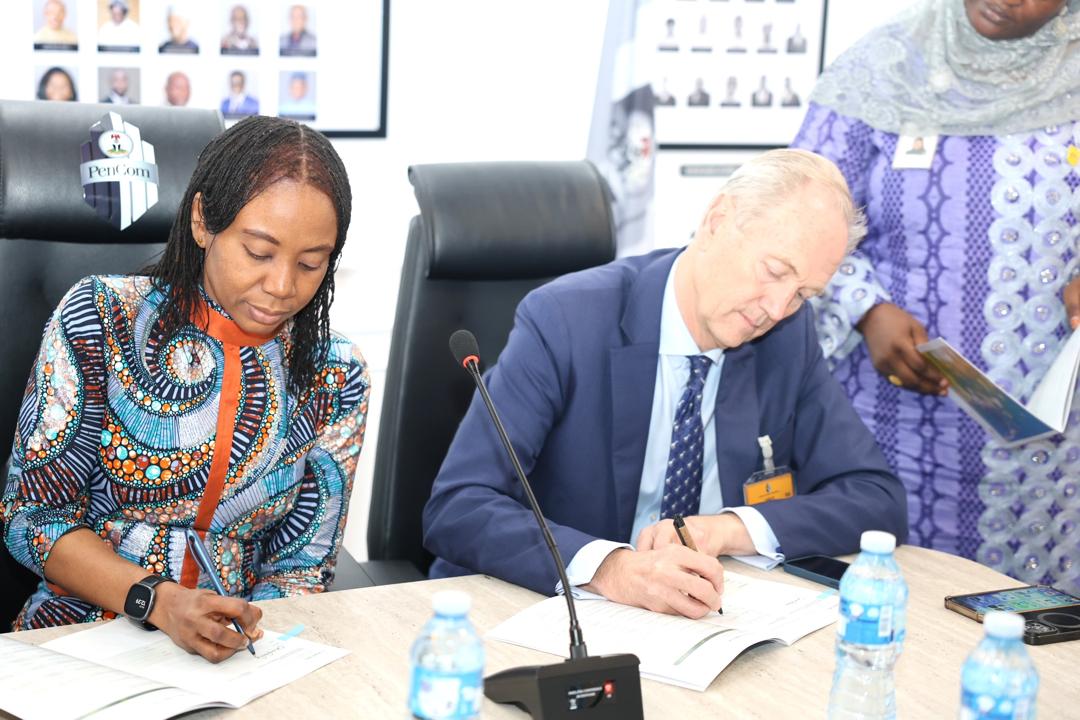
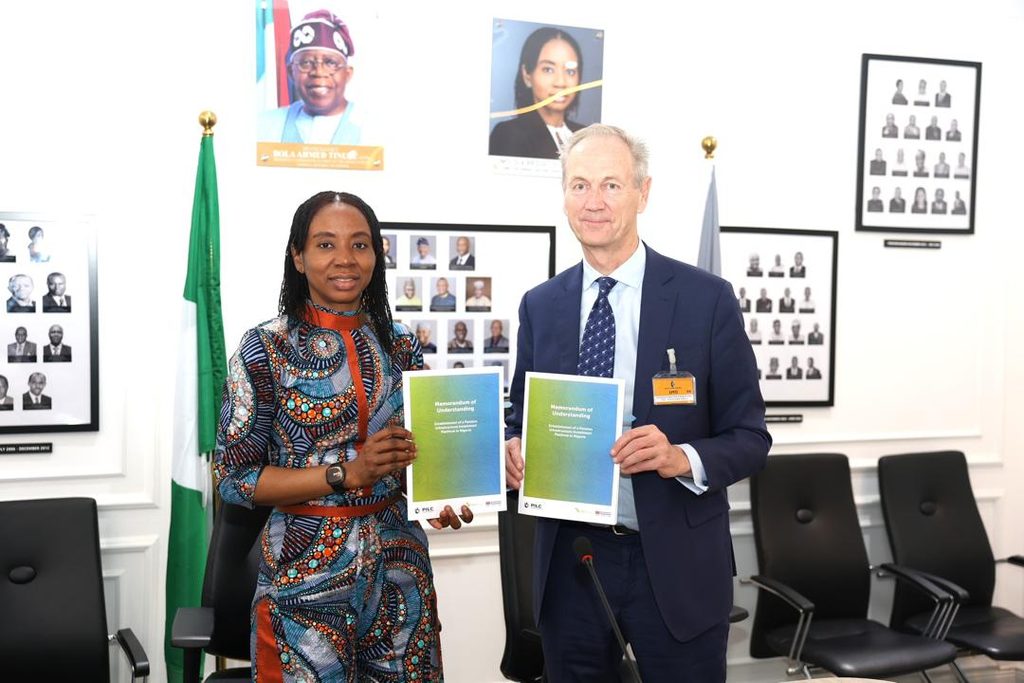
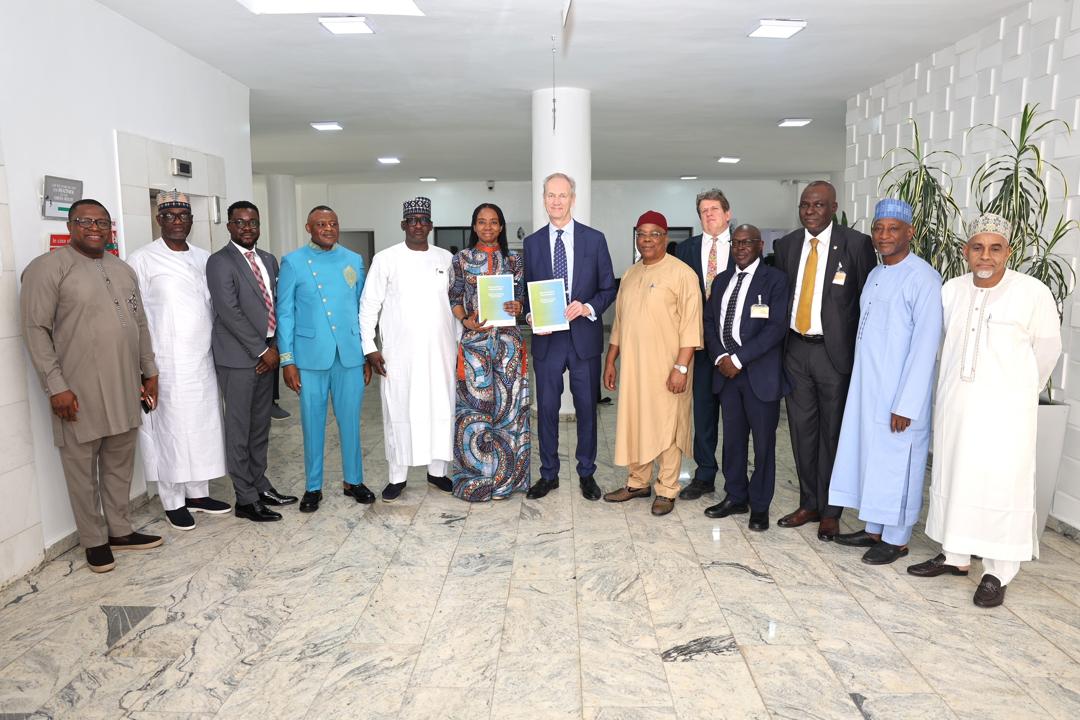
Nigeria’s pension industry is seeking to mobilise approximately $600 million from domestic pension funds for a proposed $750 million infrastructure investment platform, which has already attracted interest from 19 Nigerian pension funds.
The initiative, known as the Pension Industry Infrastructure Platform (PIIP), is being developed by the Pension Industry Leadership Council (PILC) in partnership with UK-funded specialist development agency, FSD Africa, to finance infrastructure projects in Nigeria and selected markets across the region.
The partnership was formalised through the signing of an agreement to support the development of the proposed fund.
Under the agreement, FSD Africa will provide PILC with expert advice and technical support, including assistance in selecting a fund manager through a competitive process, engaging potential investors and Development Finance Institutions (DFIs), building capacity and supporting necessary regulatory reforms.
The initiative, developed by Nigerian Pension Fund Administrators (PFAs), with support from the National Pension Commission (PenCom) and FSD Africa, seeks to bring together pension funds and development finance to provide long-term financing for infrastructure projects.
UK Deputy High Commissioner in Lagos, Jonny Baxter, said the partnership reflected the shared ambition of Nigeria and the United Kingdom to deepen Nigeria’s capital markets, mobilise domestic investment and channel long-term capital into the real economy.
He said the UK was proud to partner with Nigeria’s pension industry and PenCom to advance the investment initiative.
“Both our countries are prioritising tackling the challenge of attracting more domestic capital, including from pension funds, into the real economy. It is great to see Nigeria making concrete progress on its efforts and be a part of those opportunities to turn this ambition into investment, jobs, and economic growth,” Baxter said.
Chair of PILC and Director-General of PenCom, Omolola Oloworaran, described the proposed platform as timely, saying the pension industry was committed to mobilising its long-term savings capital for infrastructure development while safeguarding contributors’ retirement savings.
“The pension industry holds the largest pool of long-term savings capital in the country, and we are committed to mobilising it to deepen infrastructure development, while safeguarding the retirement savings of contributors. This MoU is the first step we are taking as an industry, and it is just the beginning,” she said.
Chief Executive Officer of FSD Africa, Mark Napier, said the proposed investment structure held significant promise for Nigeria and Africa.
He noted that the continent had substantial institutional capital but continued to face major infrastructure funding deficits.
“We have observed for several years now the paradox of Africa having significant institutional capital while at the same time facing big infrastructure funding deficits. We are keen to work with PenCom and the pension industry in Nigeria to address this and unlock the capital they manage towards Nigeria’s priority infrastructure,” Napier said.
The proposed platform is targeting an initial capital mobilisation of $350 million at its first close, expected in 2027, before scaling up to $750 million.
At its final target size, PIIP aims to mobilise approximately $600 million from Nigerian pension funds and at least $150 million from development finance institutions.
An initial assessment of Nigeria’s infrastructure pipeline identified 39 projects with potential relevance to the platform, representing approximately $20 billion in investment needs.
The platform will invest in equity and quasi-equity capital, with at least 60 per cent of its portfolio allocated to projects in Nigeria and the remainder available for selected regional investments.
Its proposed structure will comprise a naira-denominated core investment fund and a separate co-investment vehicle, allowing participating pension funds to invest alongside the core fund in selected projects.
A parallel foreign-currency vehicle may also be established to accommodate international investors.
The structure is designed to provide institutional investors with access to professionally managed, long-term investment opportunities while helping to finance infrastructure projects that improve connectivity, support business growth and contribute to Nigeria’s wider economic development.
19 Nigerian Pension Funds Express Interest in Proposed $750m Infrastructure Fund

UNFPA, Signify partner to illuminate 10,000 healthcare facilities in seven states

Nigeria, India Sign Human Rights Agreement as Fagbemi Pledges Support for Implementation

19 Nigerian Pension Funds Express Interest in Proposed $750m Infrastructure Fund

Roger Federer’s Shock as DNA Results Reveal Myla and Charlene Are Not His Biological Children

THE PLIGHT OF FARIDA

FAILED COUP IN BURKINA FASO: HOW TRAORÉ NARROWLY ESCAPED ASSASSINATION PLOT AMID FOREIGN INTERFERENCE CLAIMS
-
 News3 years ago
Roger Federer’s Shock as DNA Results Reveal Myla and Charlene Are Not His Biological Children
-
Opinions5 years ago
THE PLIGHT OF FARIDA
-
 News2 years ago
FAILED COUP IN BURKINA FASO: HOW TRAORÉ NARROWLY ESCAPED ASSASSINATION PLOT AMID FOREIGN INTERFERENCE CLAIMS
-
 Opinions5 years ago
POLICE CHARGE ROOMS, A MINTING PRESS
-

 News3 years ago
EYN: Rev. Billi, Distortion of History, and The Living Tamarind Tree
-

 ACADEMICS3 years ago
A History of Biu” (2015) and The Lingering Bura-Pabir Question (1)
-

 Columns3 years ago
Army University Biu: There is certain interest, but certainly not from Borno.
-

 Politics1 year ago
2027: Why Hon. Midala Balami Must Go, as Youths in Hawul and Asikira/Uba Federal Constituency Reject ₦500,000 as Sallah Gift
