
News
Experts Warn Nigeria Against ‘New Oil Curse’ as Rush for Critical Minerals Raises Alarm Over Insecurity, Deforestation

Experts Warn Nigeria Against ‘New Oil Curse’ as Rush for Critical Minerals Raises Alarm Over Insecurity, Deforestation
By: Michael Mike
A coalition of environmental experts, traditional leaders and academics on Tuesday issued a stark warning that Nigeria could be heading towards another resource curse unless it radically reforms the governance of its burgeoning solid minerals sector, cautioning that the global race for critical minerals risks replicating the environmental devastation, conflict and inequality that have characterised decades of oil exploitation in the Niger Delta.
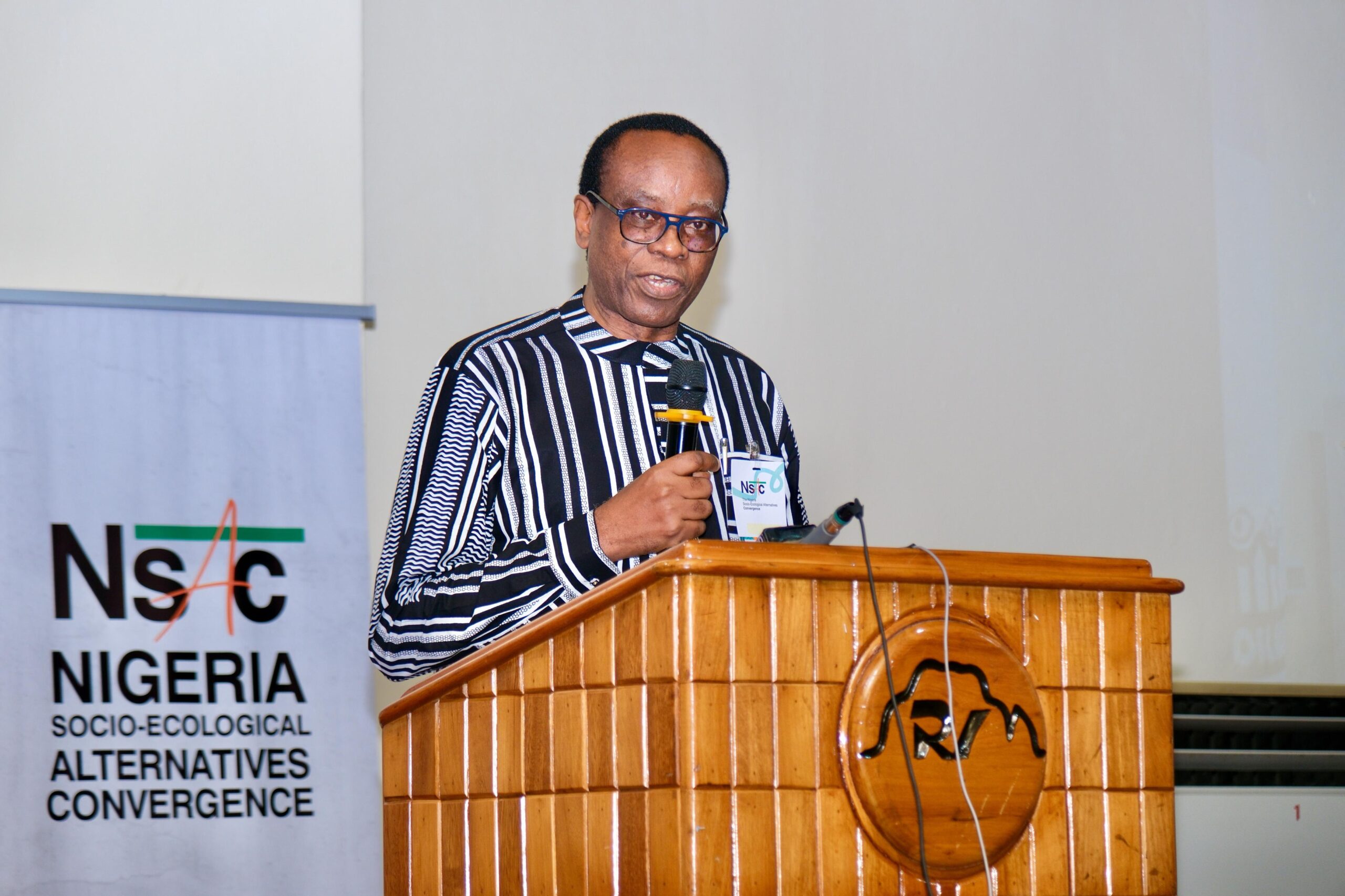
The warning came at the Third Nigeria Socio-Ecological Alternatives Convergence (NSAC) in Abuja, where participants argued that the country’s renewed enthusiasm over recent discoveries of lithium, rare earth elements, gold, platinum group metals and other strategic minerals must be matched with stronger environmental safeguards, community rights and transparent governance.
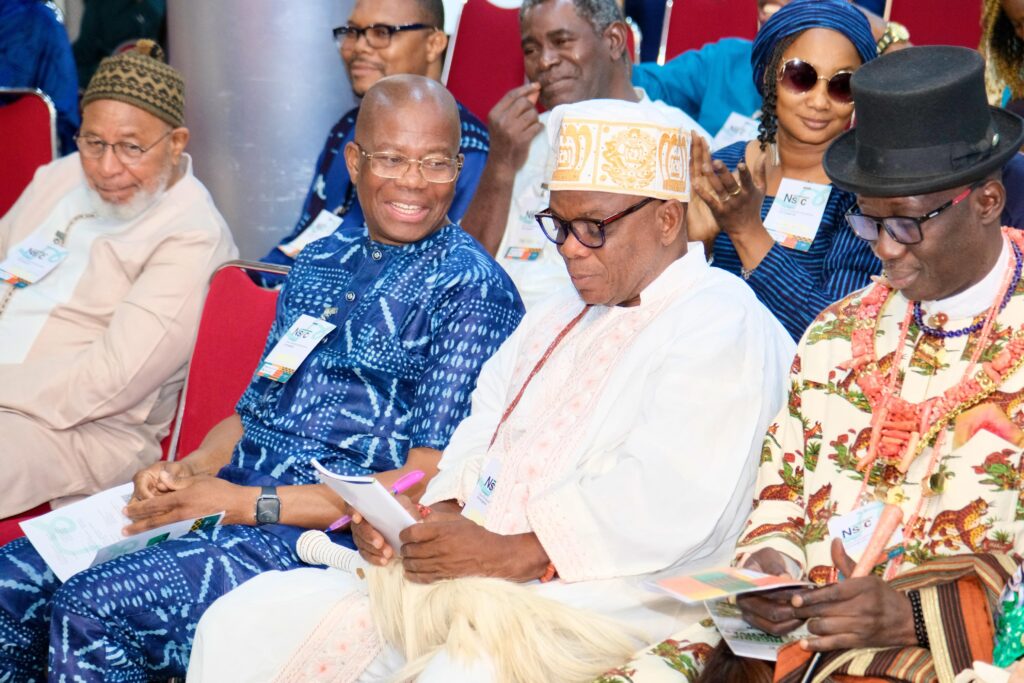
The conference, themed “Deforestation, Mining and the Crisis of Human Security in Nigeria,” brought together traditional rulers, environmental activists, academics, civil society organisations and community leaders to examine the implications of Nigeria’s growing role in the global energy transition.
The discussions followed the Federal Government’s recent announcement of what it described as a world-class polymetallic mineral province in Kaduna State, containing lithium, rare earth elements, gold, copper, nickel and platinum group metals, as part of efforts to position Nigeria as a leading supplier of critical minerals needed for electric vehicle batteries, renewable energy technologies and advanced manufacturing.
However, speakers at the convergence insisted that the country must avoid repeating the mistakes made in the oil industry.
Leading the call was Professor of Anthropology and African Studies at the University of Michigan, Prof. Omolade Adunbi, who warned that critical minerals were rapidly becoming “the new oil” and could reproduce the same patterns of environmental destruction, elite capture and violent conflict unless a new governance model is adopted.
“The world must decarbonise,” he said. “But the deeper question is what kind of decarbonisation, governed by whom, for whose benefit, and at whose cost?”
According to him, while renewable energy technologies are promoted as environmentally friendly, they rely heavily on minerals extracted from communities whose forests, rivers and farmlands could become the next “sacrifice zones.”
Drawing parallels with the Niger Delta, Adunbi argued that Nigeria’s experience with oil should serve as a warning against pursuing mineral wealth without environmental justice.
“Critical minerals may become the new oil. If they are governed through the same extractive logic that shaped oil extraction in the Niger Delta, they will reproduce dispossession, deforestation, insecurity, elite capture and ecological degradation,” he said.
He urged the government to adopt a comprehensive “Just Minerals Strategy” that would make community consent legally binding, prohibit mining in ecologically sensitive areas, guarantee environmental restoration and ensure host communities receive a fair share of the benefits.
Also speaking, renowned environmentalist and Director of the Health of Mother Earth Foundation (HOMEF), Nnimmo Bassey, questioned the country’s excitement over new mineral discoveries without first addressing the governance failures that left the Niger Delta environmentally devastated despite decades of oil wealth.
“Have we learned the lessons of almost seven decades of oil extraction in the Niger Delta?” he asked.
“We are yet to have serious conversations on what sort of development we desire.”
Bassey argued that Nigeria’s forests, rivers and communities are increasingly being sacrificed in pursuit of an extractive development model that values natural resources above human lives.
He warned that the country’s forests are disappearing at an alarming rate of between 250,000 and 300,000 hectares annually, leaving primary forests to cover only about 1.3 per cent of Nigeria’s landmass.
At the current pace, he warned, Nigeria could lose virtually all its forests by 2052.
Beyond commercial logging and agricultural expansion, Bassey criticised emerging carbon credit projects, describing them as a form of “carbon colonialism” that risks dispossessing local communities in the name of climate action.
He cited plans involving hundreds of thousands of hectares of forests in Delta and Niger states earmarked for carbon credit initiatives, arguing that such projects often exclude indigenous communities from lands they have managed for generations.
The environmentalist also linked uncontrolled mining to rising insecurity, saying degraded forests are increasingly becoming operational bases for criminal gangs.
“Some forests have become habitats not for wildlife but for wild humans—bandits and terrorists—who disconnect communities from their forests and turn the territories into criminal fiefdoms,” he said.
The Chairman of the occasion and Emir of Nasarawa, Alhaji Ibrahim Usman Jibril, reinforced those concerns, describing illegal mining and deforestation as major drivers of banditry, insurgency and organised crime across Nigeria.
The monarch said criminal groups have increasingly taken control of mineral-rich areas, financing their operations through illegal mining and timber trafficking while displacing local communities.
“The nexus between mining, forest extraction, insecurity and Nigeria’s socio-ecological crisis forms a vicious cycle of resource plunder, environmental degradation and violent conflict,” he said.
Drawing from his experience as ruler of one of Nigeria’s most mineral-rich states, the Emir acknowledged that resources such as lithium, tantalite and rare earth elements offer enormous economic opportunities but insisted that development must never come at the expense of communities and the environment.
“Our natural resources are a blessing, but only if they are governed with justice, accountability and sustainability,” he said.
The Emir blamed weak environmental governance, corruption and political patronage for enabling illegal exploitation of natural resources while host communities bear the costs through pollution, displacement and declining livelihoods.
He called for stronger regulation, improved environmental enforcement and greater involvement of traditional institutions in protecting forests and resolving resource-related conflicts.
A recurring theme throughout the conference was the growing link between environmental degradation and national security.
Speakers argued that forests stripped by illegal logging and uncontrolled mining have become safe havens for bandits and kidnappers, while competition over natural resources is intensifying communal conflicts across several parts of the country.
Participants also warned that declining global demand for fossil fuels could tempt Nigeria into replacing dependence on crude oil with dependence on solid minerals without undertaking the institutional reforms necessary to avoid another resource curse.
Rather than pursuing what speakers described as a “dig now, regulate later” approach, they advocated stronger environmental governance, mandatory community consultation, domestic mineral processing, transparency in licensing and contracts, and restoration of degraded ecosystems.
The conference also challenged the assumption that renewable energy automatically translates into environmental justice.
According to the participants, the transition to cleaner energy must not create new sacrifice zones in Africa to sustain low-carbon economies elsewhere.
They insisted that communities should retain the right to reject mining projects affecting their ancestral lands and called for legally enforceable Free, Prior and Informed Consent (FPIC) before mining licences are issued.
As global competition for critical minerals intensifies, the convergence concluded that Nigeria faces a defining choice: either repeat the extractive model that left the Niger Delta scarred by pollution, conflict and poverty, or build a new governance framework that balances economic development with environmental sustainability, community rights and long-term national security.
For the participants, the lesson from Nigeria’s oil history was unmistakable: the transition to a green economy would only be meaningful if it delivered justice not just for the climate, but also for the people living where the minerals are found.
Experts Warn Nigeria Against ‘New Oil Curse’ as Rush for Critical Minerals Raises Alarm Over Insecurity, Deforestation




Troops foil attack on Rim community, three killed in Gwarim, Plateau
By: Zagazola Makama
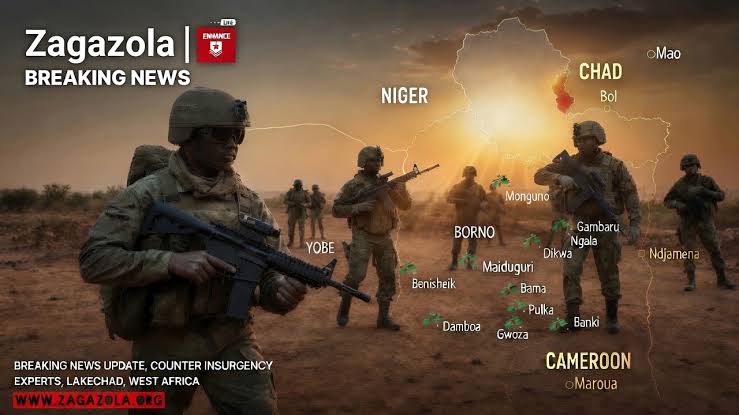
Nigerian troops have foiled an attack on Rim community in Riyom Local Government Area of Plateau State, while three residents were reportedly killed in a separate incident at nearby Gwarim community.
Security sources told Zagazola Makama that the incident occurred on Tuesday, Aug. 25, when troops deployed in the area responded to an attack on Rim community at about 6:08 p.m.
The troops engaged the attackers and successfully repelled the assault without any casualty among the personnel or members of the community.
However, at about 6:46 p.m., the troops responded to another report of gunfire at Gwarim community, also in Riyom LGA.
On arrival at the location, the troops discovered the bodies of three residents who had been killed while reportedly keeping watch in the bush outside the community.
The corpses of the victims were recovered and subsequently handed over to members of the community for further necessary action.
The troops have since intensified patrols and are dominating the area in an effort to locate and apprehend the perpetrators.
The latest incidents come amid heightened security concerns in parts of Plateau State, particularly communities around Riyom and neighbouring areas.
Troops foil attack on Rim community, three killed in Gwarim, Plateau
Operation Savannah Shield troops foil attempted kidnapping of farmers in Niger
By: Zagazola Makama
Troops of Operation Savannah Shield have foiled an attempt by suspected terrorists to kidnap farmers at their farmlands in Tudun Harara village, Mariga Local Government Area of Niger State.
The incident occurred at about 11:30 a.m. on Aug. 25, 2026, when troops of the NATRAC Administrative Battalion, Forward Operating Base (FOB) Kotonkoro, responded to a distress report on the attempted abduction.
Security sources told Zagazola Makama that the troops engaged the terrorists upon arrival, forcing them to withdraw into the surrounding forest.
During the encounter, the fleeing terrorists abandoned a motorcycle, which was recovered by the troops.
The operation is part of ongoing efforts by security forces to protect farming communities and deny criminal elements freedom of action across Niger State.
Operation Savannah Shield troops foil attempted kidnapping of farmers in Niger

Operation Fansan Yamma troops foil ransom exchange, rescue kidnapped woman in Kebbi
By: Zagazola Makama
Troops of Sector 2, Operation Fansan Yamma, have rescued a kidnapped woman and disrupted a planned ransom exchange in Danko-Wasagu Local Government Area of Kebbi State.
The troops, conducting counter-terrorism and anti-banditry operations in the state, carried out the successful operation on Aug. 26, 2026, following credible intelligence on the planned ransom payment.
Zagazola Makama gathered from security sources that the victim had been abducted from her farm sometime last month, while the criminals were preparing to collect ransom in exchange for her release.
Acting on the intelligence, the troops swiftly mobilised to intercept the transaction.
Sources said the criminals attempted to engage the advancing troops after sighting them but were overwhelmed by the troops’ superior firepower.
The bandits subsequently fled in disarray, abandoning the hostage, who was immediately secured by the troops.
The victim was found unharmed and later transported to safety before being reunited with her family in Danko-Wasagu LGA.
Following the rescue, the troops conducted a thorough exploitation of the withdrawal route to ensure that the area was fully secured before returning to base.
In a related operation, the troops also conducted clearance and dominance patrols in Ngaski Local Government Area as part of efforts to maintain peace and deny criminal elements freedom of movement.
The patrols were completed without incident, further strengthening security presence and reassuring residents in the affected communities.
Operation Fansan Yamma troops foil ransom exchange, rescue kidnapped woman in Kebbi

Troops foil attack on Rim community, three killed in Gwarim, Plateau

Operation Savannah Shield troops foil attempted kidnapping of farmers in Niger

Army troops recover 97 rustled livestock, hand them over to owners in Kano

Roger Federer’s Shock as DNA Results Reveal Myla and Charlene Are Not His Biological Children

THE PLIGHT OF FARIDA

FAILED COUP IN BURKINA FASO: HOW TRAORÉ NARROWLY ESCAPED ASSASSINATION PLOT AMID FOREIGN INTERFERENCE CLAIMS
-
 News2 years ago
Roger Federer’s Shock as DNA Results Reveal Myla and Charlene Are Not His Biological Children
-
Opinions5 years ago
THE PLIGHT OF FARIDA
-
 News1 year ago
FAILED COUP IN BURKINA FASO: HOW TRAORÉ NARROWLY ESCAPED ASSASSINATION PLOT AMID FOREIGN INTERFERENCE CLAIMS
-

 News2 years ago
EYN: Rev. Billi, Distortion of History, and The Living Tamarind Tree
-
 Opinions5 years ago
POLICE CHARGE ROOMS, A MINTING PRESS
-

 ACADEMICS2 years ago
A History of Biu” (2015) and The Lingering Bura-Pabir Question (1)
-

 Columns2 years ago
Army University Biu: There is certain interest, but certainly not from Borno.
-

 Politics1 year ago
2027: Why Hon. Midala Balami Must Go, as Youths in Hawul and Asikira/Uba Federal Constituency Reject ₦500,000 as Sallah Gift
