
News
Nigeria Moves to Harness Hydrogen Economy as FG Validates Landmark Clean Energy Policy

Nigeria Moves to Harness Hydrogen Economy as FG Validates Landmark Clean Energy Policy
By:Michael Mike
In a bold move to reposition Nigeria for the global clean energy revolution and reduce its dependence on crude oil revenues, the Federal Government on Tuesday validated the country’s National Hydrogen Policy, a landmark framework expected to drive investment, industrialisation, job creation and the transition to a low-carbon economy.
The validation of the policy marks a significant milestone in Nigeria’s quest to become a leading producer of hydrogen in Africa and an active player in the rapidly expanding global hydrogen market, which experts believe will be central to achieving net-zero carbon emissions and powering future industries.
The policy, developed after about 18 months of consultations involving government institutions, development partners, regulators, academia and the private sector, will now be forwarded to the National Economic Council (NEC) and the Federal Executive Council (FEC) for approval before implementation begins.
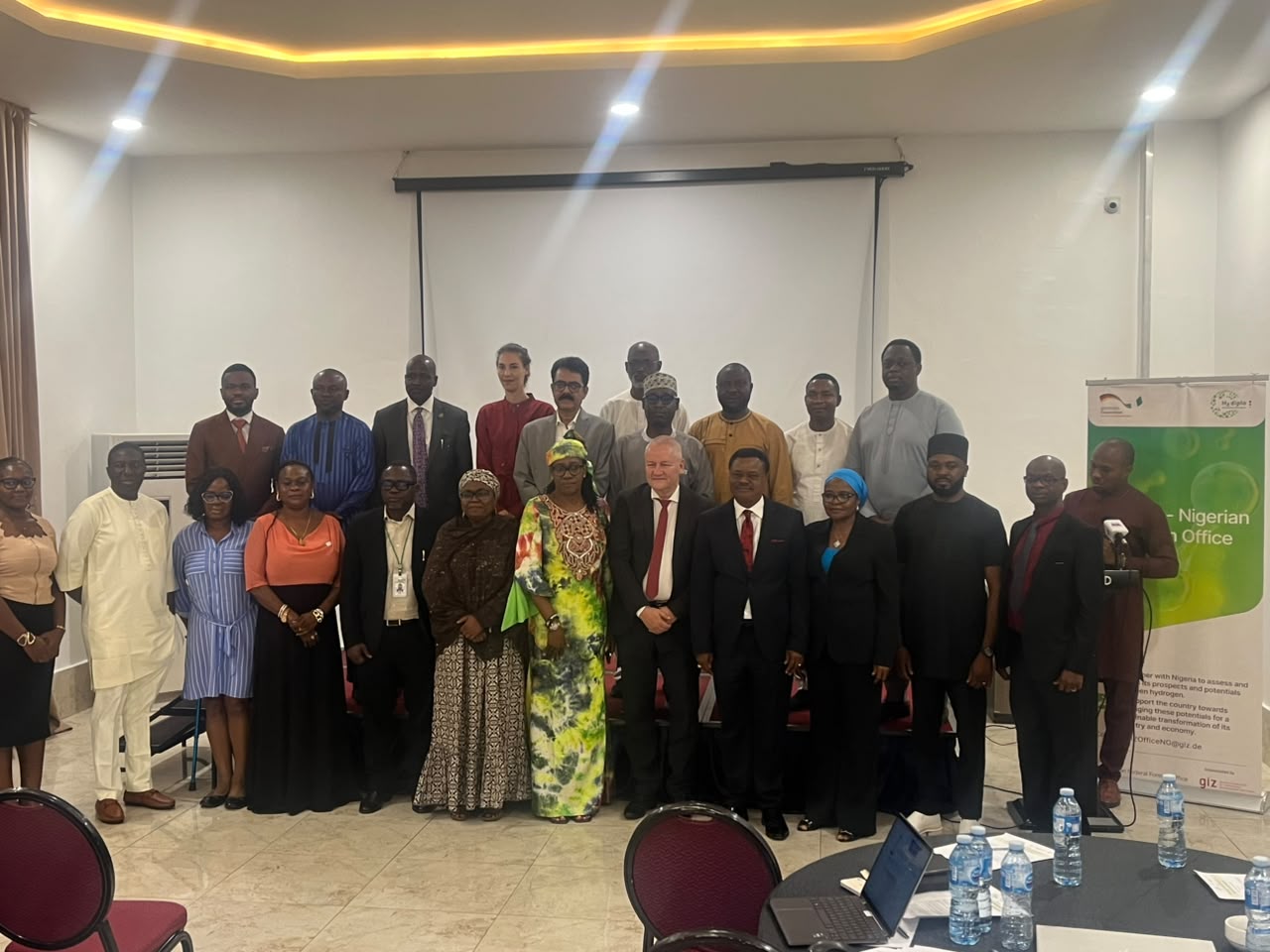
Stakeholders at the National Hydrogen Policy Validation Workshop in Abuja described the document as a strategic roadmap that could redefine Nigeria’s energy future by leveraging the country’s vast natural gas reserves and renewable energy resources to produce both blue and green hydrogen.
The workshop brought together officials from the Federal Ministries of Budget and Economic Planning, Petroleum Resources and Environment, the Energy Commission of Nigeria (ECN), the Nigeria Midstream and Downstream Petroleum Regulatory Authority (NMDPRA), ECOWAS, GIZ Nigeria, industry experts and development partners.
Participants unanimously agreed that hydrogen presents Nigeria with a rare opportunity to diversify its economy, strengthen energy security, create new industrial value chains and position the country as a major supplier of clean energy to regional and international markets.
Speaking at the workshop, the Cluster Coordinator for Just Transition and Inclusion at GIZ Nigeria and ECOWAS, Jochen Rudolf, described the validation exercise as the beginning of a long-term national journey rather than the end of a policy development process.
According to him, hydrogen technologies and global markets are evolving rapidly, making it necessary for governments to adopt flexible policies capable of responding to changing realities.
He cited Germany’s experience, noting that the European nation adopted its first National Hydrogen Strategy in 2020 and has since revised it twice to reflect emerging technological and market developments.
“Today, we are not closing a chapter; we are laying a solid foundation that gives Nigeria’s hydrogen sector a credible start while leaving room for future growth and adaptation,” Rudolf said.
He reaffirmed Germany’s commitment to supporting Nigeria’s energy transition agenda through GIZ and highlighted the long history of bilateral energy cooperation between both countries.
According to Rudolf, the partnership dates back to 1974 and has expanded significantly over the years with initiatives such as the German-Nigerian Energy Partnership launched in 2008 and the establishment of the German-Nigerian Hydrogen Office in 2021.
He noted that hydrogen is increasingly being recognised globally as a critical energy carrier capable of decarbonising sectors that are difficult to electrify, including steel production, cement manufacturing, shipping, aviation and heavy industrial processes.
He said the validated policy would provide Nigeria with the framework needed to attract investment, improve industrial competitiveness and utilise its natural resources more efficiently while contributing to global climate action.
Representing both the Federal Ministry of Budget and Economic Planning and the Ministry of Petroleum Resources, Kayode Mariam, a member of the National Hydrogen Committee, described the validation as another important milestone in Nigeria’s drive towards building a competitive hydrogen economy.
She explained that work on the policy began about 18 months ago because hydrogen development cuts across multiple sectors and therefore required broad consultation among ministries, departments and agencies.
Mariam said the policy aligns with President Bola Ahmed Tinubu’s economic reform agenda, particularly efforts to diversify the economy beyond oil and gas revenues and create employment opportunities for young Nigerians.
“We all know that one of the priorities of the current administration is to diversify the economy and create jobs for young people. Hydrogen offers enormous potential to achieve economic diversification, attract foreign investment and improve Nigeria’s competitiveness globally,” she said.
She added that the policy is expected to provide investors with greater confidence by outlining clear national priorities and implementation strategies for hydrogen development.
The Federal Ministry of Environment also threw its weight behind the initiative, describing hydrogen as a critical component of Nigeria’s climate response strategy.
Speaking on behalf of the Minister of Environment, Balarabe Lawal, the Director of the Department of Climate Change, Asmau Jibril, said hydrogen presents a unique opportunity for Nigeria to utilise its natural resources responsibly while advancing environmentally sustainable development.
She stressed that the country’s transition to a hydrogen economy must be environmentally responsible, socially inclusive and economically beneficial.
According to her, effective implementation of the policy would strengthen Nigeria’s commitments under the Paris Agreement, support implementation of the Climate Change Act and contribute significantly towards achieving the country’s target of net-zero emissions by 2060.
Jibril urged stakeholders to ensure that the final document reflects practical realities and provides clear pathways for implementation.
On the regulatory side, the Nigeria Midstream and Downstream Petroleum Regulatory Authority disclosed that work has already commenced on developing regulations that will govern hydrogen production, transportation, storage and utilisation in Nigeria.
Representing the Chief Executive of NMDPRA, Farouk Ahmed, the authority’s Director of Health and Safety, Amos Oliver, said investors require certainty regarding safety standards, regulations and infrastructure before committing significant capital to hydrogen projects.
He said the authority would also assess how Nigeria’s extensive natural gas pipeline infrastructure could be adapted to transport hydrogen, thereby reducing future infrastructure costs and accelerating commercial deployment.
Oliver expressed optimism that following the validation exercise, the policy would receive the necessary approvals from the National Economic Council and the Federal Executive Council.
The Energy Commission of Nigeria equally expressed confidence that the policy would position the country as one of Africa’s leading hydrogen producers.
Representing the Director-General of the commission, Dr Mustapha Abdullahi, the Deputy Director of Renewable Energy, Adeola Ijeoma, said Nigeria possesses several strategic advantages that make it highly competitive in hydrogen production.
These, she said, include more than 210 trillion cubic feet of proven natural gas reserves, abundant sunshine suitable for large-scale solar power generation and significant renewable energy resources capable of supporting green hydrogen production.
She explained that the policy adopts a phased approach by first utilising Nigeria’s natural gas resources together with carbon capture technologies to produce blue hydrogen before gradually expanding green hydrogen production using renewable electricity through electrolysis.
According to her, this transition strategy reflects both Nigeria’s current energy realities and its long-term climate ambitions.
She disclosed that the Energy Commission is already coordinating several initiatives, including a United Nations Industrial Development Organisation (UNIDO)-supported green hydrogen project and strategic alignment programmes involving key ministries and regulatory agencies.
“The policy we validate today will influence investment decisions, regulatory frameworks and industrial development for many years to come,” she said.
The validation of the National Hydrogen Policy comes at a time when governments around the world are accelerating investments in clean energy technologies as part of efforts to combat climate change and reduce reliance on fossil fuels.
Hydrogen is increasingly regarded as one of the most promising fuels of the future because it can provide clean energy for industries that are difficult to decarbonise through conventional renewable energy sources.
While green hydrogen is produced using renewable electricity with virtually no carbon emissions, blue hydrogen is produced from natural gas with carbon dioxide captured and stored, significantly reducing its environmental impact.
Countries including Germany, Japan, Australia, Saudi Arabia, the United Arab Emirates and South Korea have invested billions of dollars in hydrogen technologies, viewing the fuel as a cornerstone of future economic growth and energy security.
For Nigeria, whose economy remains heavily dependent on crude oil exports despite possessing one of the world’s largest natural gas reserves, the hydrogen policy represents a strategic attempt to transform existing energy resources into a platform for sustainable industrialisation and economic diversification.
Energy analysts believe that if effectively implemented, the policy could stimulate new investments in manufacturing, fertiliser production, steel, chemicals, transport and power generation while opening export opportunities in global clean energy markets.
It could also help Nigeria strengthen its energy transition agenda by balancing continued utilisation of natural gas with increasing investments in renewable energy, thereby ensuring economic growth while meeting international climate obligations.
With the validation completed, attention now shifts to the National Economic Council and the Federal Executive Council, whose approvals are expected to clear the way for implementation of what many stakeholders describe as one of Nigeria’s most ambitious clean energy policies in recent years.
Nigeria Moves to Harness Hydrogen Economy as FG Validates Landmark Clean Energy Policy


Troops conduct wet-season clearance patrols across communities in Yobe
By: Zagazola Makama
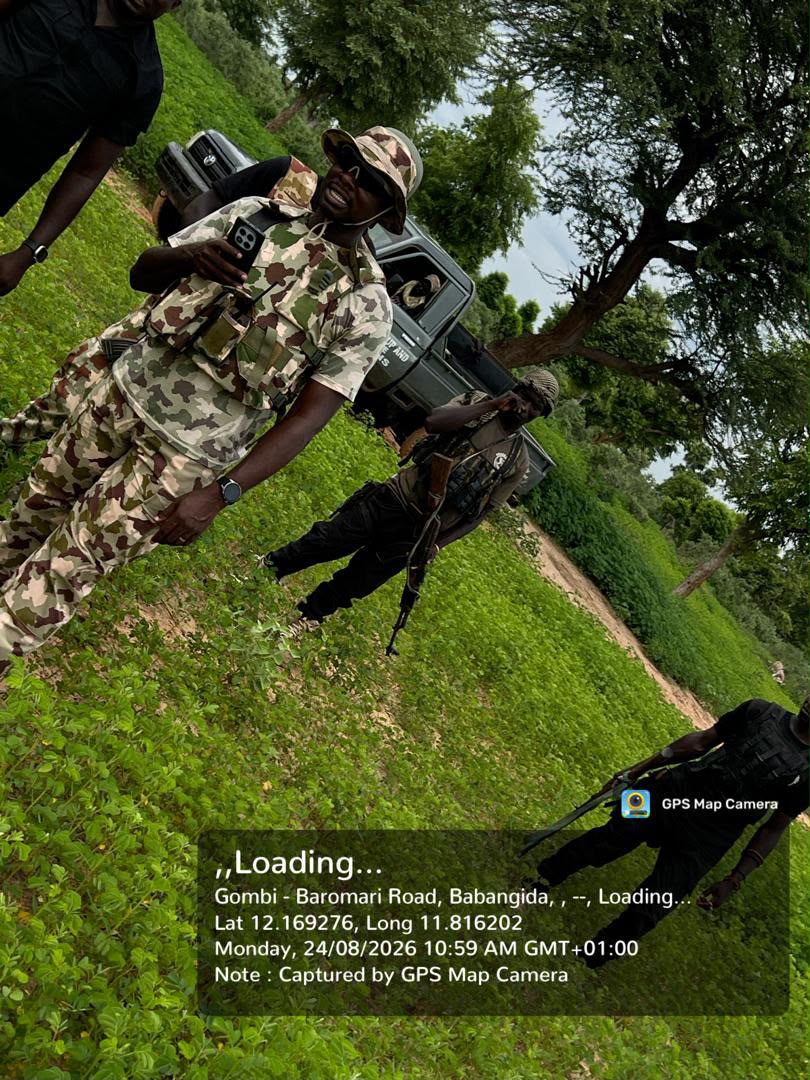
Troops of Operation Hadin Kai have intensified wet-season clearance operations across several communities in Yobe State, engaging residents and conducting patrols to gather information on the activities of suspected terrorists.
The operations were conducted on Monday, Aug. 24, 2026, by troops of the 233 Tank Battalion deployed at Forward Operating Base (FOB) Babangida, in conjunction with members of the Civilian Joint Task Force (CJTF).
According to sources, the first patrol comprised 23 soldiers and CJTF personnel mounted on three gun trucks.
The troops conducted clearance operations around Jallingo, Mongono and Dushi villages, where they interacted with local residents, community leaders, farmers and herders.
The engagements were aimed at obtaining information on suspected terrorist activities and movements within the communities.
The troops, however, made no contact with terrorists during the operation and returned to base at about 3:01 p.m.
In a separate operation, the battalion’s Quick Reaction Force (QRF), comprising 24 soldiers mounted on two gun trucks, conducted another patrol from about 9 a.m.
The patrol covered Kalalawa, Jolowa, Ngarbiya and Sindiri villages, as well as sections of the Damaturu–Sasawa road axis.
The troops dominated the general area through a combination of mounted and dismounted patrols, maintaining security presence along the communities and road corridors.
No contact with terrorists was recorded during the second operation, with the troops returning to base at about 3:30 p.m.
The sustained patrols are part of Operation Hadin Kai’s wet-season clearance operations aimed at denying terrorist elements freedom of movement, protecting communities and maintaining security along key routes in the North-East.
The military said troops also continued to leverage interactions with farmers, herders and community leaders to strengthen intelligence gathering and early warning mechanisms.
Troops conduct wet-season clearance patrols across communities in Yobe
Troops intervene as cattle graze on farmlands in Plateau
By: Zagazola Makama
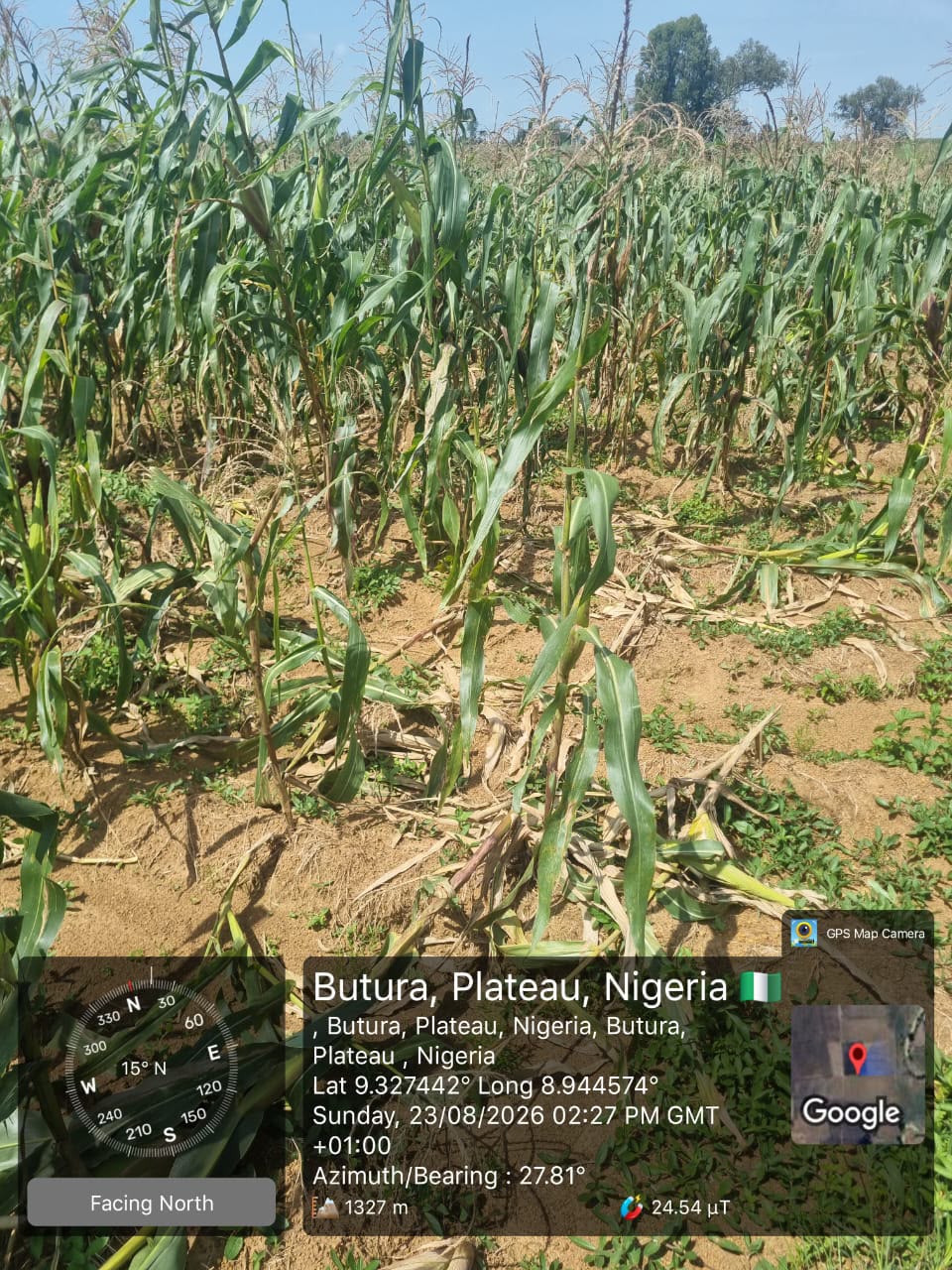
Troops of Sector 5, Operation Enduring Peace (OPEP), Bokkos, have intervened following a report of alleged farm destruction in Butura Gida, Kunet and Mabel villages in Butura District of Bokkos Local Government Area of Plateau State.
According sources, the troops responded to the incident at about 6:30 a.m. on Monday, Aug. 24, 2026, following a report of suspected farm destruction in the affected communities.
Upon arrival at the locations, the troops intercepted a herd of cattle grazing on farmlands in the area.
The livestock were subsequently moved to a safe location, while the affected farmers and herders were invited by the security personnel for an amicable resolution of the dispute.
The intervention was aimed at preventing the situation from escalating and maintaining peace between the farming and herding communities.
Troops intervene as cattle graze on farmlands in Plateau

Two fulani herders arrested after attack on farmers in Plateau
By: Zagazola Makama
Troops of Sector 8, Operation Enduring Peace (OPEP), deployed at Sabon Layi under Operation Hard Knock, have arrested two suspected herders following an alleged attack on residents harvesting crops in Sabon Layi village, Mangu Local Government Area of Plateau State.
According to sources, the incident occurred at about 1:30 p.m. on Monday, Aug. 24, 2026, when the troops responded to a distress call over an attack allegedly carried out by Fulani herders.
The sources said that upon arrival at the location, the troops found an elderly woman with injuries sustained during the incident.
The troops arrested two suspected herders, while other members of the group reportedly fled the area.
The injured woman was evacuated to the Missionary Hospital in Sabon Layi for medical attention.
The suspects were subsequently handed over to the Keystone Mangu Divisional Police Command for further investigation and necessary legal action.
Security forces are continuing efforts to maintain peace and prevent further escalation in the area.
Two fulani herders arrested after attack on farmers in Plateau

Troops arrest suspected ISWAP member, recover image of armed men in Borno

Troops conduct wet-season clearance patrols across communities in Yobe

Troops intervene as cattle graze on farmlands in Plateau

Roger Federer’s Shock as DNA Results Reveal Myla and Charlene Are Not His Biological Children

THE PLIGHT OF FARIDA

FAILED COUP IN BURKINA FASO: HOW TRAORÉ NARROWLY ESCAPED ASSASSINATION PLOT AMID FOREIGN INTERFERENCE CLAIMS
-
 News2 years ago
Roger Federer’s Shock as DNA Results Reveal Myla and Charlene Are Not His Biological Children
-
Opinions5 years ago
THE PLIGHT OF FARIDA
-
 News1 year ago
FAILED COUP IN BURKINA FASO: HOW TRAORÉ NARROWLY ESCAPED ASSASSINATION PLOT AMID FOREIGN INTERFERENCE CLAIMS
-

 News2 years ago
EYN: Rev. Billi, Distortion of History, and The Living Tamarind Tree
-
 Opinions5 years ago
POLICE CHARGE ROOMS, A MINTING PRESS
-

 ACADEMICS2 years ago
A History of Biu” (2015) and The Lingering Bura-Pabir Question (1)
-

 Columns2 years ago
Army University Biu: There is certain interest, but certainly not from Borno.
-

 Politics1 year ago
2027: Why Hon. Midala Balami Must Go, as Youths in Hawul and Asikira/Uba Federal Constituency Reject ₦500,000 as Sallah Gift
