
News
ACReSAL, NUJ sensitise 100 journalists to climate change, environmental reporting skills

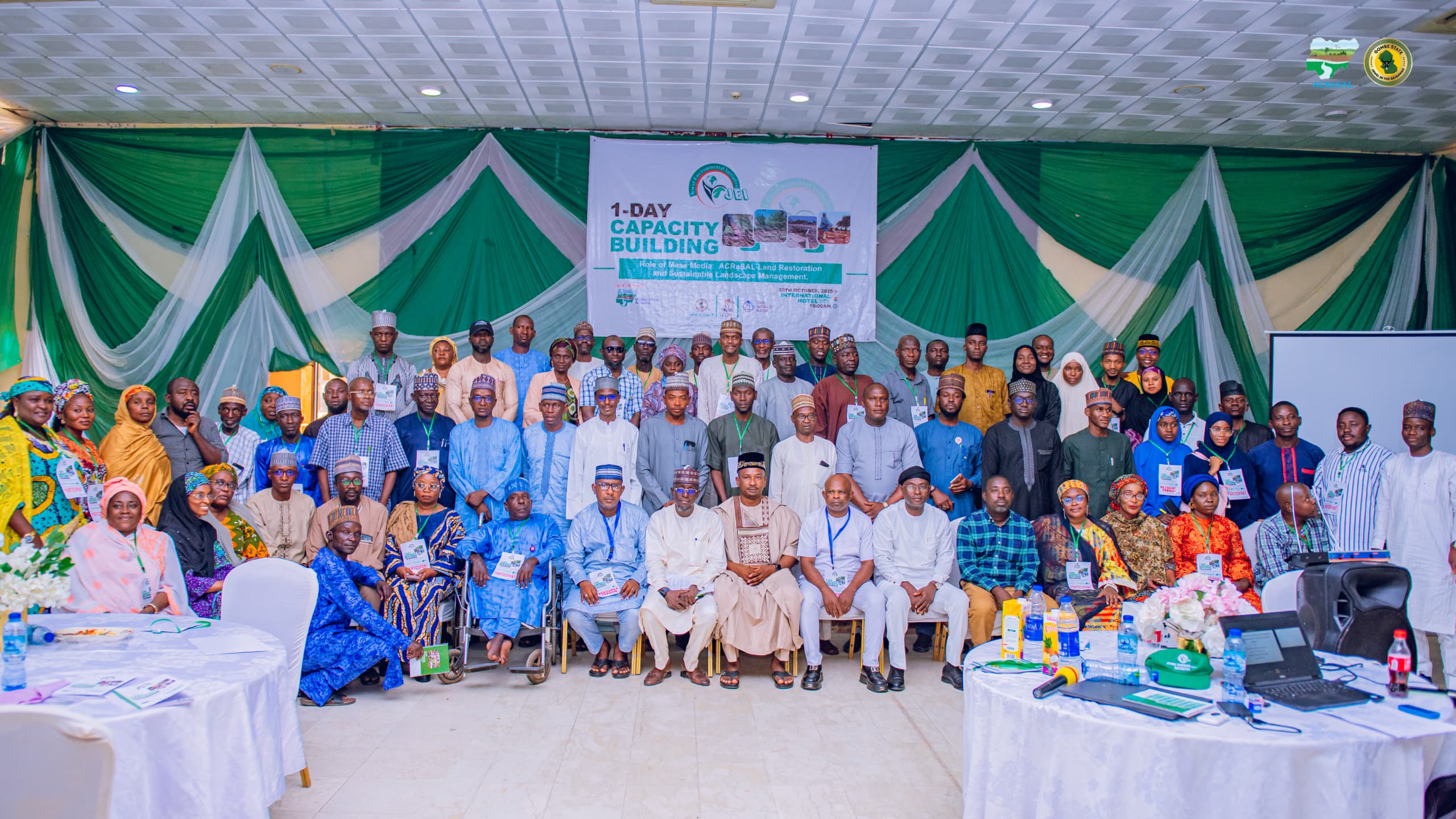
ACReSAL, NUJ sensitise 100 journalists to climate change, environmental reporting skills
The Agro-Climatic Resilience in Semi Arid Landscapes (ACReSAL) project, on Monday, trained 100 journalists to enhance coverage of climate change and environmental issues in Gombe State.
The one-day capacity building exercise is being implemented in collaboration with the Nigeria Union of Journalists (NUJ), aimed at raising awareness on land restoration and sustainable landscape management.
ACReSAL is a World Bank financed project designed to tackle the pressing issues of land degradation and climate change in 19 states in northern Nigeria.
Dr Sani Jauro, State Coordinator, ACReSAL, described journalists as critical stakeholders in efforts towards reclaiming degraded lands and ensuring sustainable landscape management.
He said the training aimed at improving journalists’ understanding of climate related issues to help them communicate the challenges and solutions effectively to the public.
Jauro expressed optimism that the training would enhance the skills and knowledge of media practitioners in reporting ACRESAL, environmental and climate change issues.
The coordinator commended Gov. Inuwa Yahaya for his support in addressing environmental related issues, to improve lives and protect livelihoods of communities threatened by land degradation.
He also lauded the media support in the implementation of ACReSAL project through accurate reportage, and urged them to sustain the feat to promote community ownership of ACReSAL project.
NUJ Chairman, Faruk Muazu, lauded ACReSAL and Jewel Environmental Initiatives (JEI), the implementing partner, for their efforts at upskilling journalists.
Muazu urged other government bodies to partner with the organisation to train journalists on issues that would enhance development in Gombe State.
“This training will help improve the quality of conversations around climate change, land restoration and environmental issues across the state.
“It will ensure that the media becomes adequately informed about climate change related issues across the state,” he said.
Mr Ismail Bima, Project Coordinator, JEI, also urged journalists to prioritise environmental and climate change reportage to promote sustainable environment.
Represented by Danladi Aliyu, an official of JEI, Bima said awareness creation on ACReSAL project, government and stakeholders investment would build sustainability culture among residents.
One of the participants, Chika Udenkwo, commended the gesture, adding it would expose journalists better skills to report environmental issues and climate change.
ACReSAL, NUJ sensitise 100 journalists to climate change, environmental reporting skills



Troops intercept 11 youths with donkeys during patrol in Borno
By: Zagazola Makama
Troops of 68 Battalion have intercepted 11 youths during a routine patrol in Mallam Fatori area of Abadam Local Government Area of Borno State.
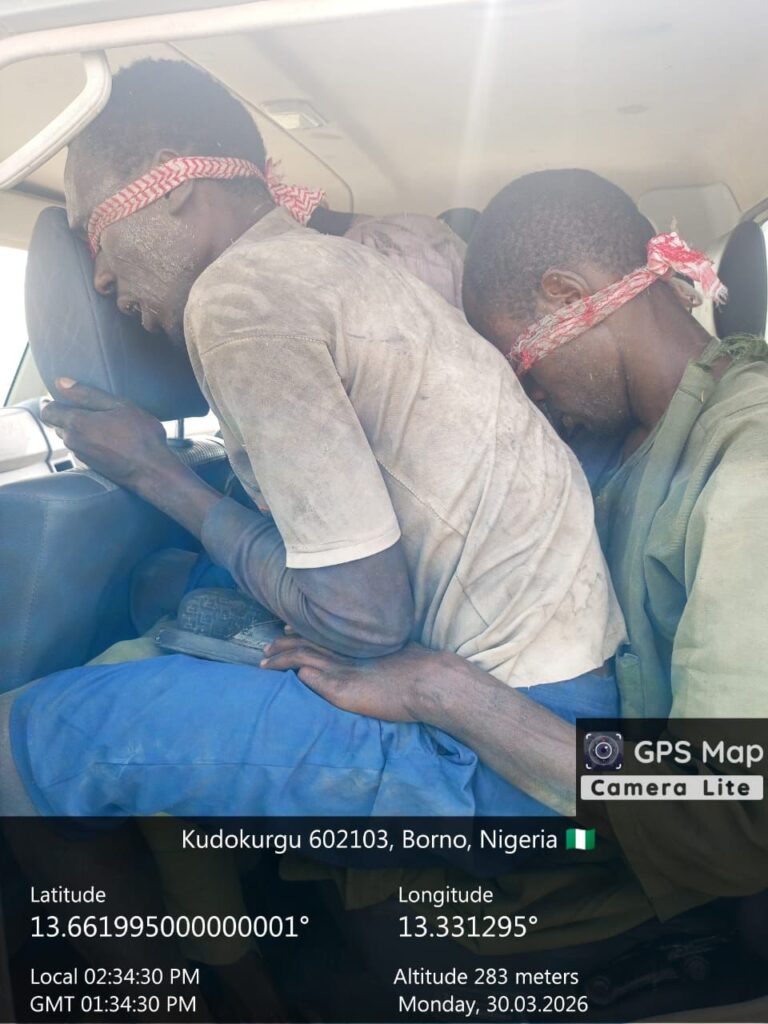
Security sources said the interception occurred along the Bulagana–Cheisa axis on April 2 during ongoing clearance operations in the area.
According to the sources, the individuals were found moving in the area with 12 donkeys when they were stopped and briefly interrogated by troops.
The sources added that the youths were later handed over, alongside the animals, to relevant authorities in a neighbouring country for further necessary action.
The military said the patrol was part of sustained efforts to maintain security dominance and prevent exploitation of border communities by criminal elements.
Troops intercept 11 youths with donkeys during patrol in Borno
Troops recover ammunition, logistics items in Kwara patrol operation
By: Zagazola Makama
Troops of the Nigerian Army under the 22 Brigade have recovered ammunition and other logistics items during a fighting patrol in Ifelodun Local Government Area of Kwara State.
A security source disclosed that the operation was conducted at about 4:00 p.m. on April 2 at Daban Lema, where troops of the brigade, operating from the Patrol Base, encountered signs of suspected terrorist activities in a deserted location.
According to the source, the troops immediately carried out exploitation of the area, leading to the recovery of four rounds of 7.62mm special ammunition and one empty PKT ammunition belt link.
Other items recovered include four mobile phones, two head warmers, two small solar panels, and assorted repair tools believed to have been used by the suspected terrorists.
The source added that the recovery indicates the presence and movement of suspected criminal elements within the area, noting that troops have intensified surveillance and patrols to deny them freedom of action.
Troops recover ammunition, logistics items in Kwara patrol operation
Troops foil attack by Criminal Youths, rescue victims, arrest suspects in plateau
By: Zagazola Makama
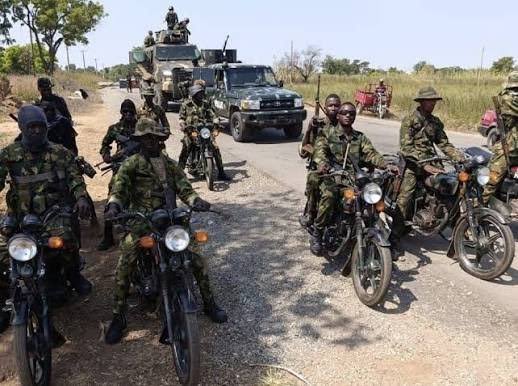
Troops of Sector 1, Operation Enduring Peace (OPEP), have foiled an attack on residents at Dutse Uku in Jos North Local Government Area of Plateau State.
A security source said the troops responded swiftly to a report of sporadic gunshots in the area at about 11:50 p.m. on April 2.
According to the source, upon arrival at the scene, the suspected criminals fled, abandoning their operation due to the prompt intervention of the troops.
He said the troops rescued two victims who sustained gunshot wounds during the incident and immediately evacuated them to a hospital for medical attention.
The source further disclosed that two suspects, dressed in black attire, were arrested at the scene.
Items recovered from the suspects include a cutlass and a knife.
He added that the suspects are currently in military custody and undergoing preliminary investigation, while efforts are ongoing to track down other fleeing members of the group.
Zagazola report that despite heightened security, there has been report of pocket of attacks in some communities.
The source reassured residents of the military’s commitment to protecting lives and property and urged the public to continue providing timely information to security agencies.
Troops foil attack by Criminal Youths, rescue victims, arrest suspects in plateau

Troops intercept suspected Boko Haram logistics convoy conveying 13 persons in Borno

Troops intercept 11 youths with donkeys during patrol in Borno

Troops, CJTF arrest three suspected Boko Haram logistics suppliers in Borno

Roger Federer’s Shock as DNA Results Reveal Myla and Charlene Are Not His Biological Children

THE PLIGHT OF FARIDA

FAILED COUP IN BURKINA FASO: HOW TRAORÉ NARROWLY ESCAPED ASSASSINATION PLOT AMID FOREIGN INTERFERENCE CLAIMS
-
 News2 years ago
Roger Federer’s Shock as DNA Results Reveal Myla and Charlene Are Not His Biological Children
-
Opinions4 years ago
THE PLIGHT OF FARIDA
-
 News12 months ago
FAILED COUP IN BURKINA FASO: HOW TRAORÉ NARROWLY ESCAPED ASSASSINATION PLOT AMID FOREIGN INTERFERENCE CLAIMS
-

 News2 years ago
EYN: Rev. Billi, Distortion of History, and The Living Tamarind Tree
-
 Opinions4 years ago
POLICE CHARGE ROOMS, A MINTING PRESS
-

 ACADEMICS2 years ago
A History of Biu” (2015) and The Lingering Bura-Pabir Question (1)
-

 Columns2 years ago
Army University Biu: There is certain interest, but certainly not from Borno.
-

 Opinions2 years ago
Tinubu,Shettima: The epidemic of economic, insecurity in Nigeria
