
Uncategorized
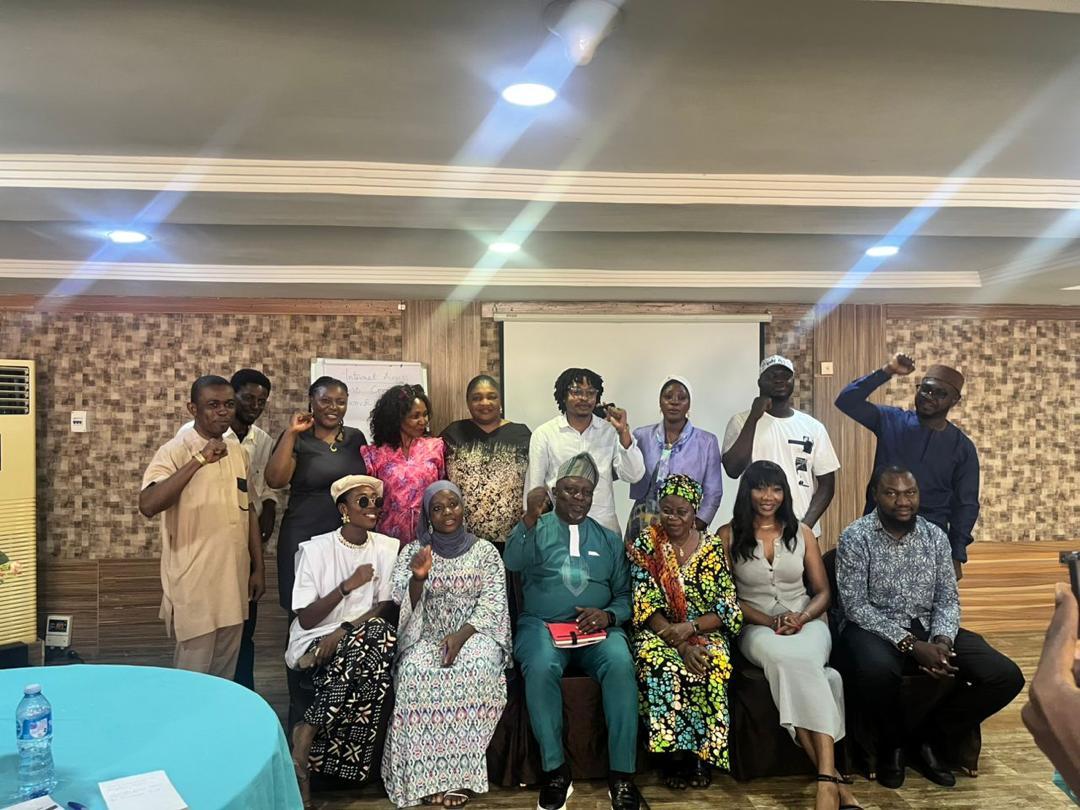
ActionAid Nigeria, Stakeholders Call for Private Sector-Driven Solutions to Reintegration Challenges

ActionAid Nigeria, Stakeholders Call for Private Sector-Driven Solutions to Reintegration Challenges
By: Michael Mike
ActionAid Nigeria, with strategic partners, has advocated for the bridging of the gap between corporate impact and community resilience by leveraging private sector engagement to support vulnerable populations.
They said there is an urgent need to align Corporate Social Responsibility (CSR) programmes with sustainable pathways for employment, entrepreneurship, mentorship, and inclusive development.
Through the initiative, implemented under the Reintegration and Empowerment for Connecting and Nurturing Opportunities of Vulnerable Population and Returning Migrants (RECONNECT) Project, focuses are on promoting reintegration and economic empowerment for returnees, internally displaced persons (IDPs), survivors of gender-based violence, people with disabilities, and other marginalized groups.
At a strategic meeting on Thursday which brought together key stakeholders, including business leaders from hairdressing, fashion design, shoemaking, and catering sectors, alongside partners such as GIZ, GOPA, and the NCFRMI, stakeholders explored innovative models of collaboration that deliver lasting social and economic impact.
Speaking at the event, ActionAid Nigeria Head of Programme, Celestine Odo, emphasized the project’s focus on helping vulnerable populations rebuild their livelihoods and reintegrate into society. Through skills training, entrepreneurship support, and psychosocial care, the initiative works to restore dignity and foster resilience.
The RECONNECT Project focuses on helping vulnerable populations including returnees, IDPs, survivors of gender-based violence, and other marginalized groups rebuild their livelihoods and reintegrate into society.
In his words, he stated: “Through skills training, psychosocial support, and entrepreneurship development, RECONNECT is helping to restore dignity, rebuild livelihoods, and foster resilience among those who have been displaced or marginalized.”
Odo also highlighted that the meeting provides a platform for private sector actors to move beyond donations and align their CSR efforts with the real needs of vulnerable communities, ensuring sustainable impact and mutually beneficial outcomes.
“Today’s gathering is a strategic dialogue. It is a space where we seek to bridge the gap between the private sector’s Corporate Social Responsibility (CSR) commitments and the urgent needs of these vulnerable groups.”
He emphasized that businesses are encouraged to participate in inclusive economic initiatives, such as job creation, skills development, and community-based enterprises.
“Through CSR, businesses can support skills development, create inclusive job opportunities, and invest in community-based enterprises that empower people and strengthen local economies.”
Odo further stressed the importance of visionary, collaborative action that goes beyond immediate assistance, fostering long-term reintegration, empowerment, and social justice for vulnerable populations.
“Let us explore innovative models of partnership that align business goals with social impact… Let us commit to actions that will transform lives, not just for today, but for generations to come.”
Humanitarian and Resilience Specialist David Habba emphasized that businesses, like citizens, owe a responsibility to contribute to society. This aligns with the program’s focus on CSR and social impact, highlighting that business success is intertwined with societal growth.
He said: “Every business has an obligation to give back to the society that made their progress possible.”
Habba reminded participants that all business and economic efforts ultimately serve people, stressing the human-centered nature of development and CSR.
“Whatever we get, it’s so that we can give. The food you eat is so that you can have energy to do work… We are never meant to receive and to collect alone. We are meant to also give up. So whatever we’re doing is about people.”
He further highlighted that economic reintegration reduces re-migration and taps into the resilience of returnees, demonstrating how private sector engagement can transform social challenges into opportunities.
“Economic reintegration reduces re-migration. Private sector engagement should start at free jobs, skills, pathways, and market increases.”
Habba also pointed out that many businesses already contribute to society, sometimes unknowingly, and that recognizing and formalizing these efforts strengthens both corporate accountability and societal benefit.
“Many businesses are already doing CSR, but you’re not even recognizing that you’re doing CSR. Because your systems are not there, they’re not set to recognize the support that you do as CSR.”
He encouraged collaboration between organizations and the private sector to maximize social impact, creating sustainable solutions for reintegration, training, and employment.
“In an organization like ours, our resources meet your resources… It’s like, let us find out. Ours come, yours come, and there’s a happy meeting point.”
The GIZ representative, Victor Ossai, emphasized that the organization’s core mission is to support and strengthen structures that facilitate safe and regular migration. She noted that the program operates globally, helping partner countries create sustainable systems for education, work, and reintegration.
“The focus of our program is strengthening partner structures to enable people who are engaged in regular migration for educational or work purposes, while also ensuring the sustainable reintegration of those returning to Nigeria.”
She highlighted the importance of collaboration among agencies, organizations, and donor partners to achieve greater impact in migration and reintegration efforts.
“We are not just working with one organization; we are engaging with multiple agencies and donor partners to strengthen collaboration and extend our impact across different areas of migration and development.”
The representative also stressed the need to expand outreach to include individuals and communities that may not yet be aware of available migration and reintegration programs, ensuring inclusivity and wider access to opportunities.
“We must expand our scope of intervention to reach people who may not have heard about these initiatives before, so that everyone can benefit from the opportunities created through migration and development programs.”
Presented by Abraham, Program Advisor, the RECONNECT Project implements a comprehensive approach to support vulnerable populations. In terms of economic stability, the project provides vocational training for 400 beneficiaries and offers support for business startups. It also integrates participants into cooperatives, provides business and marketing skills development, and facilitates market linkages and business fairs to strengthen local enterprises.
For social stability, the project ensures access to first-response health services and legal support for vulnerable groups. Psychosocial support is provided through counseling services, private sector engagement under a CSR framework, and the development of a comprehensive service referral directory. These efforts aim to promote mental well-being, resilience, and community cohesion.
The project also prioritizes capacity building through mentorship programs for beneficiaries and training for civil society organizations on migration management and psychosocial support. Coordination meetings are held with stakeholders to enhance collaboration and ensure effective delivery of services.
Through these integrated interventions, the RECONNECT Project empowers vulnerable populations, facilitates their reintegration into society, and creates sustainable pathways for social and economic inclusion.
ActionAid Nigeria, Stakeholders Call for Private Sector-Driven Solutions to Reintegration Challenges


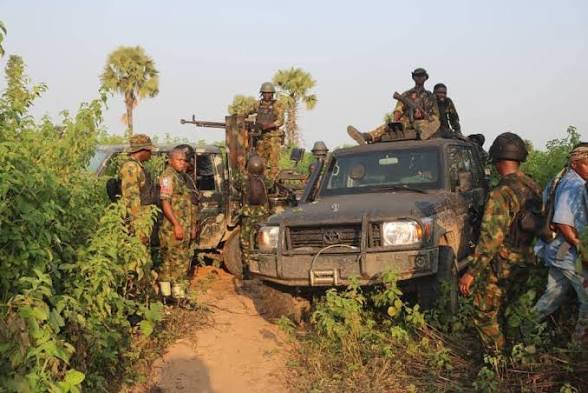
Troops rescue kidnap victim in kogi
By: Zagazola Makama
Troops of 12 Brigade, Nigerian Army, have rescued a kidnap victim during a patrol operation in Yagba West Local Government Area of Kogi.
Zagazola report that the rescue was carried out at about 2:07 p.m. on April 10 by troops deployed at the Forward Operating Base (FOB) Egbe.
Sources said the troops, while on patrol within the general area of Aaru Cashew Plantation, located the victim who had been abandoned by his captors.
Preliminary interrogation revealed that the victim was abducted on April 1 at Ejiba Community in the same local government area.
He further disclosed that the kidnappers fled and abandoned him upon sighting troops advancing towards the Dadi Kowa general area.
The victim was subsequently debriefed and safely reunited with his family.
Troops rescue kidnap victim in kogi

Troops foil motorcycle snatching attempt, rescue victims in Kaduna
By: Zagazola Makama
Troops of 4 Demonstration Battalion have foiled an attempted motorcycle snatching and rescued two civilians along the Zaria–Kaduna highway in Igabi Local Government Area of Kaduna State.
Security sources said the incident occurred at about 5:45 a.m. on April 10 near Old Berger Camp.
The sources disclosed that troops deployed at the Forward Operating Base (FOB) Birnin Yero responded swiftly to a distress call about an attack on two civilians riding a motorcycle towards Zaria.
“On arrival, the troops discovered that the victims had been forced to stop by a vehicle conveying suspected criminals, who were in the process of loading the motorcycle into their car trunk.
“However, the criminals abandoned the motorcycle and fled the scene upon sighting the troops,” the source said.
The injured victims were evacuated for medical attention, while the recovered motorcycle is in the custody of the troops.
Efforts are ongoing to track down the fleeing suspects and bring them to justice.
Troops foil motorcycle snatching attempt, rescue victims in Kaduna
Uncategorized
NHRC Raises Alarm Over Rising Human Rights Violations, Records 659,617 Complaints in Q1 2026
NHRC Raises Alarm Over Rising Human Rights Violations, Records 659,617 Complaints in Q1 2026
By: Michael Mike
The National Human Rights Commission (NHRC) has raised fresh concerns over a worsening human rights and security situation in Nigeria, disclosing that it received 659,617 complaints and recorded 992 killings in the first quarter of 2026, amid rising cases of discrimination, insecurity, and abuse across the country.
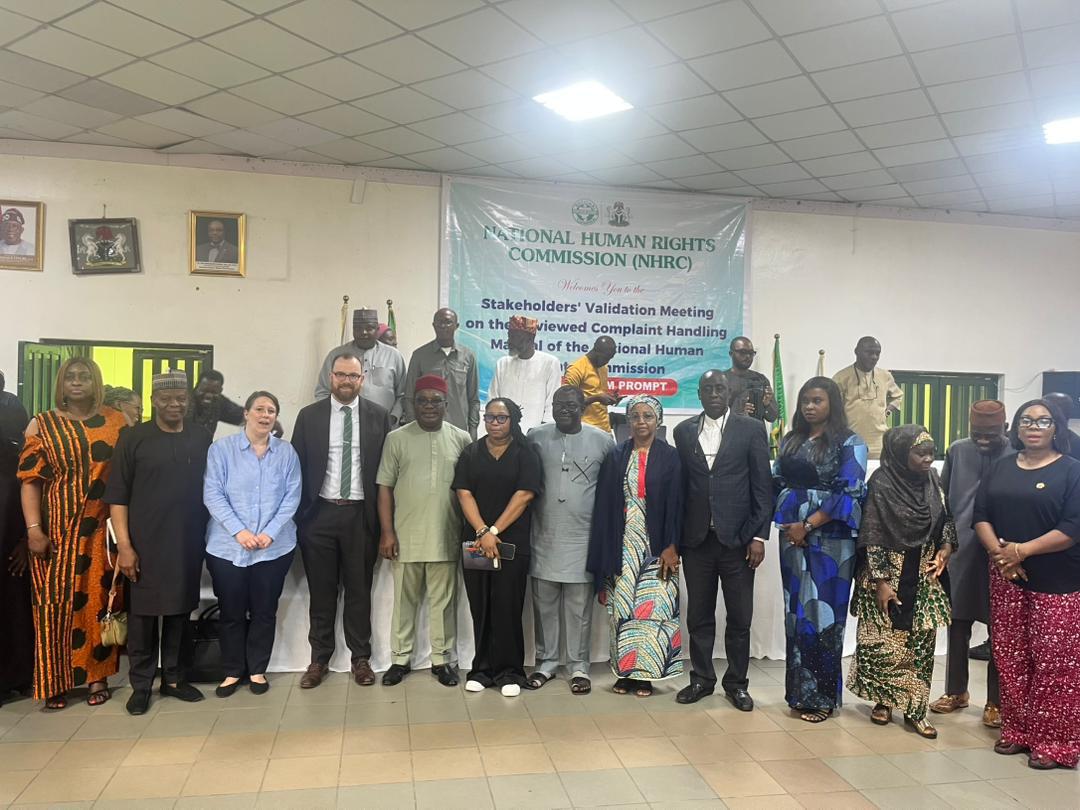
Presenting the January–March 2026 Human Rights Situation Dashboard in Abuja, the Senior Adviser to the Commission, Hilary Ogbona, said the data reflected both an escalation in violations and improved public reporting, warning that the trends point to deepening national challenges in governance, security, and social protection.
Ogbona explained that complaints increased consistently across the quarter, with 180,341 cases in January, 223,144 in February, and 256,132 in March, adding that the dominant category of complaints remained freedom from discrimination, followed closely by cases linked to law enforcement misconduct and violations of human dignity.
“For the months of January to March 2026, we recorded 659,617 human rights complaints in the Commission.”
He said the Commission’s Human Rights Observatory also captured incidents beyond formal petitions, revealing widespread insecurity-related abuses, including killings, abductions, communal violence, and sexual and gender-based violence across multiple states.
According to him, mass killings peaked in February 2026, making it the deadliest month of the quarter, driven largely by insurgent attacks, banditry operations, communal clashes, and mob violence in several regions.
“Mass killings across Nigeria reached an all-time high, especially in the month of February.”
The report showed that the North-Central zone recorded the highest number of complaints, followed by the North-West and North-East, with Abuja (FCT), Benue, Niger, Plateau, and Kaduna among the most affected states. Ogbona noted that reporting structures in the FCT also contributed to its high ranking due to combined data from multiple NHRC offices.
The adviser further highlighted growing concerns over gender-based violence and violations against children, including sexual assault, abandonment, trafficking risks, and denial of access to care. He described the situation as a “serious protection crisis,” especially for vulnerable populations.
“We have seen an upsurge in gender-based violence and discrimination.”
He also disclosed that child rights violations remained widespread, with child abandonment emerging as the most frequent category, alongside rising incidents of exploitation and domestic abuse. In addition, mob justice and “home action killings” were identified as increasing contributors to overall fatalities.
The NHRC report further indicated that out of the 992 killings recorded, a significant proportion were attributed to bandit groups, Boko Haram insurgents, and unknown gunmen, while others stemmed from communal clashes, cult-related violence, and mob actions. Road and boat accidents were separately recorded at 197 deaths and not included in the main security tally.
Justice sector institutions and partners at the event commended the NHRC for strengthening transparency through its dashboard system.
A representative of the Police Service Commission, Barista Dada, described the dashboard as a critical accountability mechanism for monitoring police conduct and enforcing discipline within the Nigeria Police Force.
“The dashboard has become an official platform upon which human rights compliance in Nigeria can be assessed monthly, quarterly.”
He added that findings from the NHRC reports are increasingly being used to validate allegations of misconduct and guide disciplinary action against officers.
Similarly, Barista Bamidele, speaking on behalf of the Director-General of the Legal Aid Council of Nigeria, said the dashboard exposed systemic weaknesses in Nigeria’s justice system, particularly delays in investigations and trials.
“The incessant abuse of human rights and systemic delays in handling of investigations, criminal trials, ineffective administration creates justice gaps.”
He stressed that the Legal Aid Council views the initiative as essential for improving access to justice and supporting victims of human rights violations across the country.
The Executive Secretary of the NHRC, Dr. Tony Ojukwu, said the dashboard has continued to receive international recognition, including presentations at the United Nations in Geneva, where it was highlighted as an innovative model for human rights monitoring.
“I was recently honoured to speak on the Dashboard at the United Nations in Geneva, reflecting global recognition of our efforts.”
He added that the Commission is working to sustain the dashboard beyond donor support, describing it as a permanent tool for accountability, transparency, and policy guidance.
The NHRC warned that the first quarter 2026 figures underscore urgent national challenges requiring coordinated action across all levels of government. It called for stronger institutional accountability, improved security responses, and deeper collaboration with civil society, development partners, and the media to curb rising human rights violations and restore public confidence in governance and justice systems.
NHRC Raises Alarm Over Rising Human Rights Violations, Records 659,617 Complaints in Q1 2026

Troops rescue kidnap victim in kogi

NDLEA Busts Nationwide Drug Ring, Arrests 93-Year-Old Suspect and Medical Doctor in Sweeping Crackdown

NHRC Confronts Past Challenges, Pushes Digital Overhaul to Fix Broken Complaint System

Roger Federer’s Shock as DNA Results Reveal Myla and Charlene Are Not His Biological Children

THE PLIGHT OF FARIDA

FAILED COUP IN BURKINA FASO: HOW TRAORÉ NARROWLY ESCAPED ASSASSINATION PLOT AMID FOREIGN INTERFERENCE CLAIMS
-
 News2 years ago
Roger Federer’s Shock as DNA Results Reveal Myla and Charlene Are Not His Biological Children
-
Opinions4 years ago
THE PLIGHT OF FARIDA
-
 News12 months ago
FAILED COUP IN BURKINA FASO: HOW TRAORÉ NARROWLY ESCAPED ASSASSINATION PLOT AMID FOREIGN INTERFERENCE CLAIMS
-

 News2 years ago
EYN: Rev. Billi, Distortion of History, and The Living Tamarind Tree
-
 Opinions4 years ago
POLICE CHARGE ROOMS, A MINTING PRESS
-

 ACADEMICS2 years ago
A History of Biu” (2015) and The Lingering Bura-Pabir Question (1)
-

 Columns2 years ago
Army University Biu: There is certain interest, but certainly not from Borno.
-

 Opinions2 years ago
Tinubu,Shettima: The epidemic of economic, insecurity in Nigeria
