
News
ActionAid: Nigerian Women Spend Five Hours Daily on Unpaid Care

ActionAid: Nigerian Women Spend Five Hours Daily on Unpaid Care
By: Michael Mike
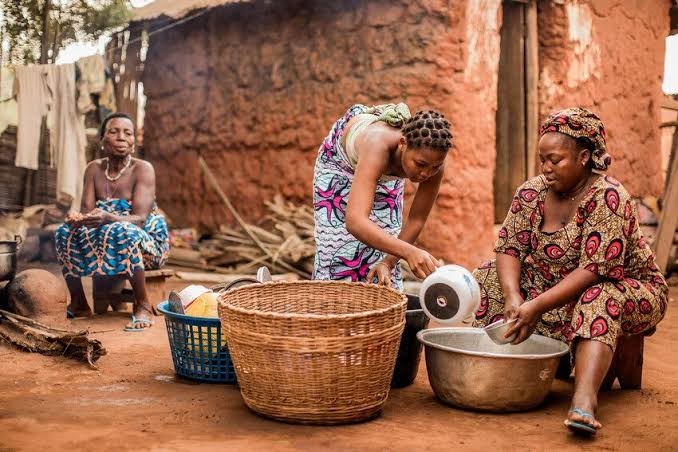
Women in four Nigerian states spend an average of five hours daily on unpaid domestic and care work, compared with about one hour for men, highlighting a gender disparity that ActionAid Nigeria says is undermining women’s economic opportunities and equality.
The organisation, therefore, called on the Federal and state governments to increase public investment in care services, strengthen social protection for caregivers and introduce policies to ensure men share domestic responsibilities more equitably with women.
According to ActionAid Nigeria, the National Bureau of Statistics’ Nigeria Time Use Survey 2024, conducted in Borno, Cross River, Kaduna and Lagos states, found that women aged 15 and above devoted 21 per cent of their day to unpaid domestic and care work, compared with 4.1 per cent for men.
The disparity was more pronounced in rural communities, where women spent almost six hours daily on unpaid domestic and care responsibilities, compared with less than one hour for men.
ActionAid Nigeria made the call in a statement by its Country Director, Dr Andrew Mamedu, to mark the International Day of Care and Support.
Mamedu said the disproportionate burden of unpaid care work placed on women and girls continued to restrict their access to paid employment, entrepreneurship, skills acquisition and leadership opportunities.
He said the situation also affected girls’ education, rest, recreation and personal development, particularly in communities where inadequate infrastructure and limited access to essential public services increased the time spent on household responsibilities.
“Women’s time is not an unlimited public resource. Governments must fund the services that reduce excessive care burdens, employers must support workers with care responsibilities, and men must take an equal share of care at home,” he said.
The organisation argued that unpaid care work should not be treated solely as a private household responsibility, describing it instead as an economic, social and human rights issue requiring deliberate government intervention.
It said the burden of cooking, cleaning, fetching water, caring for children, supporting older people and persons with disabilities, and looking after sick relatives fell disproportionately on women, often without financial compensation or adequate social protection.
According to the organisation, the unequal distribution of these responsibilities limits women’s ability to earn incomes, develop businesses and participate fully in public life, while reinforcing gender inequalities across households and communities.
To address the challenge, ActionAid Nigeria advocated the adoption of the 5Rs framework of care: Recognise, Reduce, Redistribute, Reward and Represent.
The framework calls for recognising unpaid care as valuable work; reducing excessive care responsibilities through improved public services, infrastructure and appropriate technology; redistributing domestic responsibilities fairly among women, men, households, employers and the state; ensuring decent work and social protection for paid care workers; and giving caregivers a meaningful voice in decisions affecting their lives.
The organisation urged the Federal and state governments to develop and adequately fund comprehensive care policies that integrate care responsibilities into development plans, labour policies, social protection frameworks and public budgets.
It also called for increased investment in reliable water and electricity supply, affordable childcare, accessible healthcare and support services for older persons and persons with disabilities.
ActionAid Nigeria further advocated expanded social protection for women caregivers, particularly those working in the informal economy, through access to social insurance, maternity benefits, pensions and other essential protections.
It urged employers to introduce family-friendly workplace policies, including fair parental leave and flexible working arrangements, while ensuring that paid care workers received decent wages, safe working conditions and social protection.
The organisation also called for improved access to mental health and psychosocial support, sexual and reproductive health services, and respite care where appropriate.
It urged households, community leaders and relevant institutions to challenge gender norms that assign domestic and caregiving responsibilities primarily to women, while encouraging men and boys to participate more equally in household work.
ActionAid Nigeria said investment in care systems was essential to achieving gender equality, advancing women’s economic justice and ensuring that the responsibilities of sustaining families and communities did not prevent women and girls from realising their full potential.
ActionAid: Nigerian Women Spend Five Hours Daily on Unpaid Care





Marwa Pledges Quality Education for NDLEA Officers’ Children
By: Michael Mike
The Chairman of the National Drug Law Enforcement Agency (NDLEA), Brig.-Gen. Buba Marwa (rtd.), has pledged sustained investment in the education of officers’ children and improved welfare for personnel and their families.
Marwa gave the assurance on Friday during a visit to the newly established NDLEA Command School at the agency’s barracks in Yola, Adamawa State.
He said the school was established to provide children of NDLEA personnel with access to quality education within their immediate community, promising continued support to ensure it becomes one of the leading schools in the country.

Addressing the pupils, Marwa urged them to embrace discipline, punctuality and academic excellence, advising them to take their studies seriously, read diligently, prepare adequately for examinations and obey their parents and teachers.
He also charged them to shun illicit drugs, stressing the importance of making responsible choices for their future.
The NDLEA chairman also met with members of the agency’s Officers’ Wives Association and other residents of the barracks, who commended the establishment of the school as an investment in their children’s future.
Marwa disclosed that plans were at an advanced stage to inaugurate the NDLEA Officers’ Wives Association to provide a formal platform for officers’ wives to organise and collaborate on initiatives to improve the welfare of personnel and their families.
He was accompanied on the visit by the Zone 2 Commander, ACGN Ishaku Yusuf Kwajafa, and other senior officers of the agency.
Marwa Pledges Quality Education for NDLEA Officers’ Children

UK Woos Investors for African Businesses at Moonshot 2026
By: Michael Mike
The United Kingdom has stepped up efforts to connect Nigerian and African businesses with international investors, expertise and markets, as it intensified engagement with technology entrepreneurs and business leaders at Moonshot 2026 in Lagos.
The initiative, which brought together founders, investors, policymakers and industry leaders, focused on helping high-growth African businesses attract investment, expand internationally and compete in the global marketplace.
In a statement on Friday, the UK said its participation in Moonshot by TechCabal 2026, held under the theme, “Courage & Conviction: Building for a New World,” formed part of its broader drive to strengthen commercial ties with Nigeria and support innovation-led economic growth across Africa.

Through founder showcases, investor matchmaking and policy discussions, the UK sought to build partnerships and create opportunities for businesses to secure funding, expand their operations and access international markets.
Ahead of the conference, the UK supported the TECA Demo and Pitch Days, delivered by BFA Global through UK-funded FSD Africa, where Nigerian innovators showcased solutions to real-world challenges and pitched investment-ready businesses to investors and ecosystem leaders.
The UK-Nigeria Tech Hub also supported the Magna Investor Connection Drive, which connected 25 vetted founders with 15 active investors through structured, pre-matched meetings aimed at facilitating investment, business expansion and commercial partnerships.
His Majesty’s Trade Commissioner for Africa, Alastair Long, joined other UK representatives at Moonshot to engage entrepreneurs, investors and technology ecosystem leaders on opportunities to scale African businesses and strengthen UK-Africa commercial relations.
The discussions addressed access to finance, digital trade, climate resilience and the conditions required for African businesses to develop globally competitive products and services.
Separately, British Deputy High Commissioner in Lagos, Jonny Baxter, convened founders, investors and ecosystem leaders at a reception ahead of the African Prosperity Summit 2026, hosted by Venture Platform, to examine how investment, innovation and stronger partnerships could accelerate economic growth across the continent.
The UK also highlighted its Global Entrepreneur Programme, which supports exceptional international businesses seeking to establish a UK headquarters or research and development presence as part of their global expansion strategies.
Country Director of the UK-Nigeria Technology Hub at the British Deputy High Commission in Lagos, Oyinkan Akinola-Bello, said Nigeria’s entrepreneurial potential could be strengthened through partnerships that improve access to investment, expertise and international opportunities.
“Nigeria is home to some of Africa’s most innovative and ambitious entrepreneurs. Through our partnerships with founders, investors, policymakers and ecosystem builders, we are helping create the conditions businesses need to grow, attract investment and access international opportunities,” she said.
Akinola-Bello said the UK remained committed to supporting innovation and enterprise, adding that the ultimate measure of the engagement would be the partnerships, investments and opportunities generated beyond the conference.
“The UK is proud to be a long-term partner for innovation and enterprise. We want to see more Nigerian businesses scaling successfully, building global connections and driving sustainable economic growth,” she said.
She added that the real measure of success would be the partnerships, investments and opportunities that emerged long after the week-long engagements.
The UK said its participation in Moonshot 2026 aligned with its broader commitment to strengthening commercial relations with Nigeria, promoting entrepreneurship, supporting job creation and connecting African businesses with the expertise and international partnerships needed for sustainable growth.
UK Woos Investors for African Businesses at Moonshot 2026
News
Zulum Administration Strengthens Primary Healthcare as BOSCHMA Introduces Electronic Business Plan
Zulum Administration Strengthens Primary Healthcare as BOSCHMA Introduces Electronic Business Plan
By: Our Reporter
The Borno State Contributory Healthcare Management Agency (BOSCHMA) has introduced an Electronic Business Plan for facilities supported under the Basic Healthcare Provision Fund (BHCPF), as part of ongoing efforts by the Borno State Government under Governor Babagana Umara Zulum to strengthen primary healthcare delivery, improve accountability and expand access to essential health services, particularly for vulnerable populations.
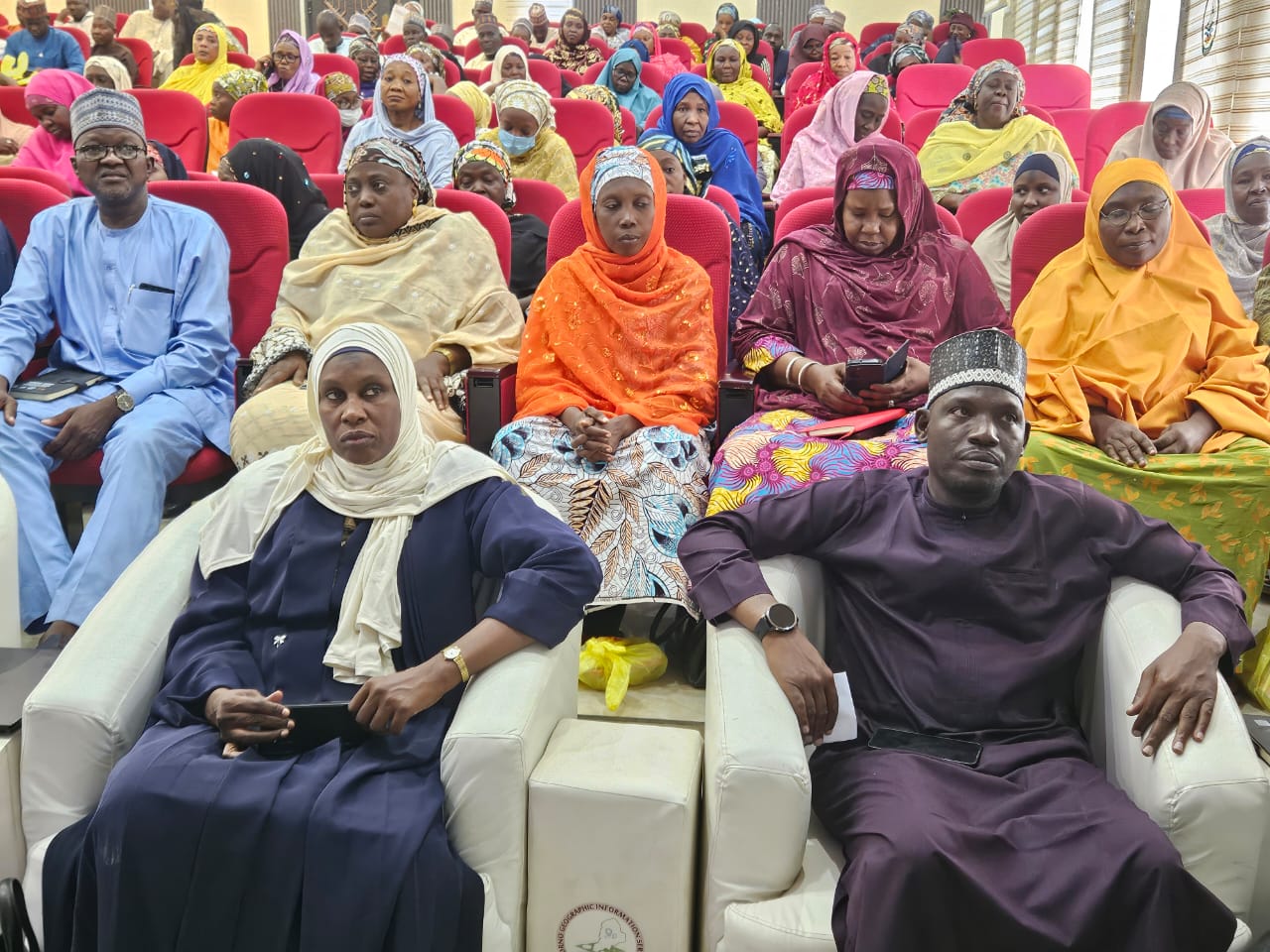
The initiative was unveiled at a one-day sensitisation workshop held on Thursday, October 29, 2026, at the Borno Geographic Information Service (BOGIS) Hall, Maiduguri. The workshop brought together facility managers and chairmen of Ward Development Committees (WDCs) to familiarise them with the new system and strengthen coordinated healthcare planning for the fourth quarter of 2026.

Speaking to journalists shortly after the workshop, the Executive Secretary of BOCHMA, Dr. Abba Saleh Kaza, said the introduction of the electronic platform was aimed at eliminating administrative bottlenecks associated with the manual preparation, submission and review of facility business plans.
He explained that the previous manual process required facility managers to travel from their respective communities to Maiduguri to submit their plans for review and, in some cases, return for necessary corrections, creating additional costs and difficulties, particularly for facilities in remote and security-challenged areas.

According to him, the new system will allow facility managers to prepare and submit their business plans electronically from their respective locations, receive feedback through the portal, make corrections and resubmit their plans for approval without repeated physical visits to the agency.
Dr. Kaza said the workshop was also designed to strengthen collaboration between the agency, healthcare facilities and community representatives, ensuring that facility work plans reflect the actual healthcare needs of the communities they serve.
Providing an update on the implementation of the fund, the Executive Secretary disclosed that more than ₦300 million was disbursed to approximately 176 primary healthcare facilities during the third quarter of 2026, while the agency currently has over 200,000 enrollees under its healthcare coverage programme.

He said BOCHMA was working towards expanding enrolment in the fourth quarter while ensuring effective utilisation of available resources and improved service delivery.
Highlighting the Borno State Government’s commitment to the programme, Dr. Kaza explained that the Basic Healthcare Provision Fund is jointly financed by the Federal and State Governments, with the Federal Government contributing 75 per cent and the State Government providing the remaining 25 per cent.
He noted that the state government’s commitment to the programme was particularly important given the humanitarian and socioeconomic vulnerabilities confronting many residents of Borno State.
He also highlighted the state’s equity healthcare programme, which is independently championed by the Borno State Government, as part of efforts to extend healthcare access to more vulnerable residents.
The Executive Secretary emphasised that the Zulum administration’s continued participation in healthcare financing was essential to ensuring that public resources translate into accessible and affordable healthcare services for the people.
Earlier, the Director of Quality Assurance at BOCHMA, Dr. Inna M. Alimi, presented an overview of the Basic Healthcare Provision Fund 2.0, while the Director of Finance and Accounts provided an update on the performance, disbursement and utilisation of the third-quarter 2026 fund.
The agency’s Head of ICT, Mustapha Mohammed, introduced participants to the Electronic Business Plan, explaining its operational framework and how healthcare facilities would use the platform.
Dr. Kaza further disclosed that the electronic platform would incorporate a dedicated window for the Drug Management Agency, enabling it to access approved facility business plans, identify required medical commodities and prepare for timely distribution.
He explained that the arrangement would improve coordination between healthcare financing, facility planning and medical commodity supply, thereby helping to address gaps in the availability of essential medicines and other healthcare supplies.
The workshop also provided an opportunity for participants to review third-quarter implementation, identify operational challenges and discuss expectations and administrative procedures for the new electronic system.
The introduction of the Electronic Business Plan marks another administrative step in BOCHMA’s efforts to strengthen healthcare financing and accountability in Borno State, while supporting the state government’s broader objective of improving access to quality primary healthcare services across communities.
Zulum Administration Strengthens Primary Healthcare as BOSCHMA Introduces Electronic Business Plan

Marwa Pledges Quality Education for NDLEA Officers’ Children

ActionAid: Nigerian Women Spend Five Hours Daily on Unpaid Care

UK Woos Investors for African Businesses at Moonshot 2026

Roger Federer’s Shock as DNA Results Reveal Myla and Charlene Are Not His Biological Children

THE PLIGHT OF FARIDA

FAILED COUP IN BURKINA FASO: HOW TRAORÉ NARROWLY ESCAPED ASSASSINATION PLOT AMID FOREIGN INTERFERENCE CLAIMS
-
 News3 years ago
Roger Federer’s Shock as DNA Results Reveal Myla and Charlene Are Not His Biological Children
-
Opinions5 years ago
THE PLIGHT OF FARIDA
-
 News2 years ago
FAILED COUP IN BURKINA FASO: HOW TRAORÉ NARROWLY ESCAPED ASSASSINATION PLOT AMID FOREIGN INTERFERENCE CLAIMS
-
 Opinions5 years ago
POLICE CHARGE ROOMS, A MINTING PRESS
-

 News3 years ago
EYN: Rev. Billi, Distortion of History, and The Living Tamarind Tree
-

 ACADEMICS3 years ago
A History of Biu” (2015) and The Lingering Bura-Pabir Question (1)
-

 Columns3 years ago
Army University Biu: There is certain interest, but certainly not from Borno.
-

 Politics1 year ago
2027: Why Hon. Midala Balami Must Go, as Youths in Hawul and Asikira/Uba Federal Constituency Reject ₦500,000 as Sallah Gift
