
Security
Afghanistan: Taliban’s starting from where they left it 20 years ago

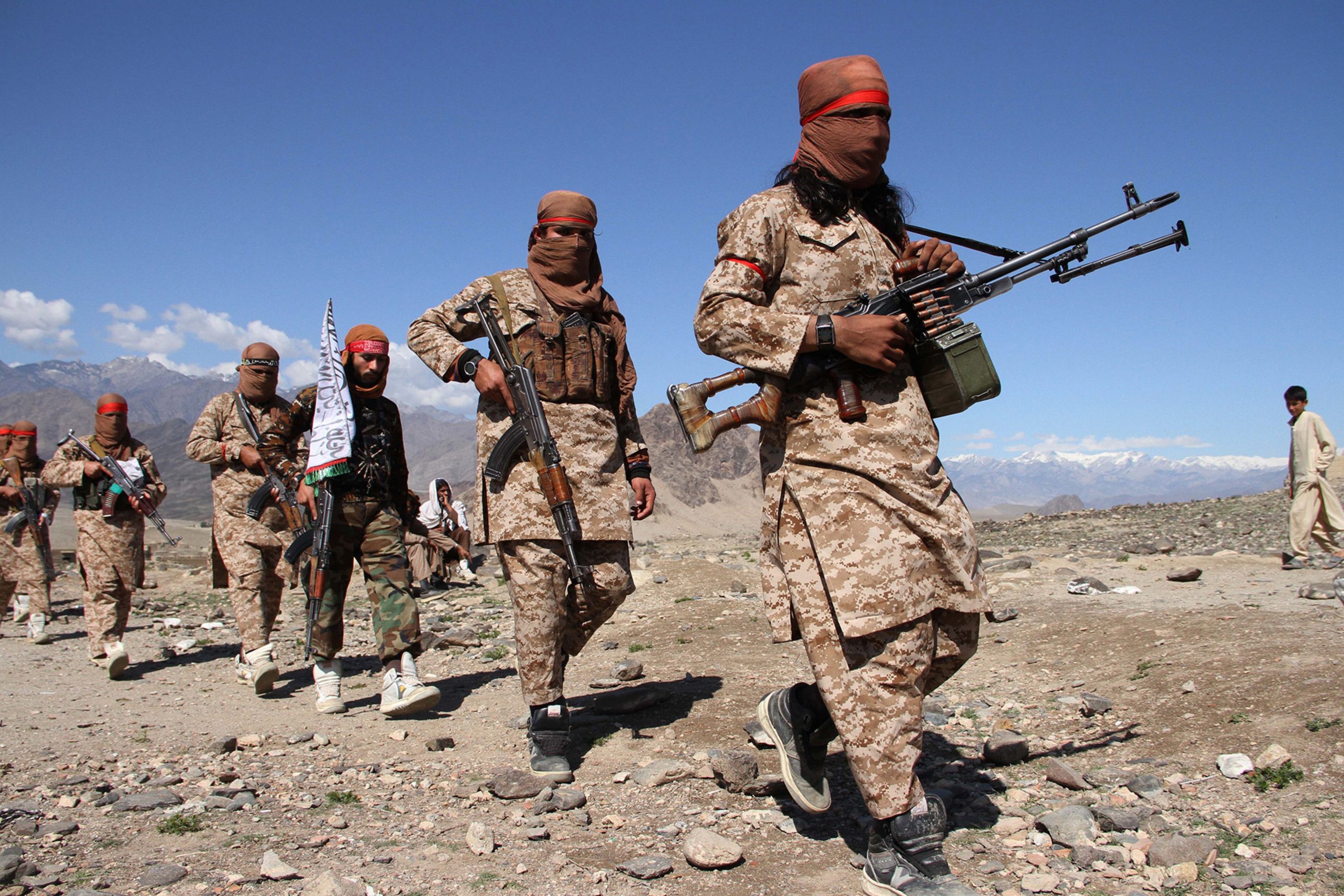
Afghanistan: Taliban’s starting from where they left it 20 years ago
By: James Bwala, Maiduguri
Taking over the Afghan’s seat of power in a bloodless manner raises a lot of questions for many security and political analysts around the world. The fall of a country like Afghanistan to a terrorist organization (The Taliban) should not be an easy one looking at the 20 years of military training and equipment at the disposal of the Afghan military.
They (The Afghan military) were supposedly trained by one of the best if not the best in the world. But for a country like Afghanistan to collapse days after the US Marines pull out reveals a lot about the many faces of the war that ends where it started. NEWSng looks at people’s reaction to the trading stories on Afghanistan days after the collapse of Asharaf Ghani’s presidency.
Ibrahim Danladi in his submission believes that for the Taliban to have it easy with more 300,000 well trained Afghan’s soldiers on the ground is nothing but a point to the fact that, either the country has no plan for western democracy or President Asharaf Ghani was actually a member of the Taliban to have given in so cheaply.
” If you have been a follower or have been following the incident of the President of Afghanistan since coming to power you may agree with me that he has a lot of inclinations to the Taliban’s believes. I do not know whether he is an extraction of the Taliban or not. I work with an international organisation and have worked in Afghanistan for three years on the Musharaf regions. Afghan is a rich country with a lot of untapped mineral resources. The Afghan forces are well equipped military but for this to happen so easily is something I could not understand.y worry is that poor individuals are going to go back to the history they never wish to recall.”
Mathew Okoli, a security analyst and keen follower of the development in Afghanistan has said that he was surprised as any other individual would because no sovereign nation with the kind of supposedly military that Afghanistan have today will allow itself to go down the way the world has witnessed in the case of Afghanistan.
According to him, “the pulling out of Afghanistan by the US government was not only about the billions of dollars being lost in that futile war as some have observed. It is also about the world view of the Americans as world bully, especially from the Islamic world. It is about democracy and the system it derived. It is about the immediate past administration under Donald Trump and the current administration in America. It is both the politics and religion in play. And it is about American interest.
Read Also: World Humanitarian Day: UNOCHA Speaks on Impact of Climatic Change in Northeast Nigeria
“The Americans are done with their interest in Afghanistan. They have gotten what they needed for centuries to come going by some arguments trading. However, Afghanistan has fallen, why it was too soon is what the world seemed to be finding with citizens fleeing the country. The Taliban are in Kabul, they have taken over the seat of power and are celebrating inside the presidential palace. How did it happen? For me, I see an insider job. “
Dr. Nurudin Ahmad a Nigerian Community medicine expert, who also served with an international organisation and have shuttled between Pakistan and Afghanistan in the last five years submit that he was not surprised that the country would collapse the way it does.
” I have seen it coming. There are a lot of Taliban living in the city in Afghanistan long before now. Some of them were given amnesty by the Asharaf Ghani’s presidency. I have worked with some of them in Kabul and the Afghan’s citizens know about this. It is not a hidden thing. Most of these supposedly former fighters are the same people who aided the taking over of the cities from government forces. There are many stories coming from the people. I left Afghanistan since the Covid-19 pandemic sets in but I know the country is likely to collapse since the news begins to filter about the pulling out of the American troops. It was not meant to be so sudden, I mean the pulling out of the American troops but this present administration in American also has its own political weaknesses to have allowed this mess currently ongoing.” He said.
Speaking on the recent events at Kabul International airport, Dr. Ahmed Baidu, a University Don wrote on his Facebook page and liken the situation to the rush hour at Oshodi park in Lagos.
“Recent events at Kabul’s International Airport reminded me of the rush-hours at Oshodi, Lagos in 90s where people scampered and chased Molues to their various destinations. So disheartening that the bad corruption of Ghani’s led adminisration and American neo-colonialism led to the collapse of social structure which resulted in the victory of the Taliban in Afganistan.
“Asharaf Ghani’s ineptitude towards the Afghans’ welfare and their social security helps to spread hatred among society’s classes due to injustice and inequality. The ousted President deprived the right Afghan citizen from holding high positions, which increases hatred and affects national patriotism and cooperation between State’s institutions and tribal leaders in the fragile country.
“At last we all saw how the oppressors and oppressed (victims) of the bad governance were chasing plane like Molue at Oshodi Lagos. The moral lesson is that let our political leaders know that corruption and selfish style of leadership are the perfect tools for undermining national security and the social ladder that can promote patriotism directly or indirectly; In the end, we can all be victims of corruption’s economic and political repercussions like Afghanistan if we are not careful. When citizens have mistrust in the rule of law, surely such can led to weakening democratic reform which in turn damages political stability of any nation including our dear nation.”
Abdullahi Hafis described the 20 years of America’s invention of Afghanistan as the saddest war in world history. According to him, the Americans have been chasing shadows all this while and in the end, they gave back the land to the owners.
“More than two trillion dollars has been expended in the war in Afghanistan so much that can change humanity but all put to return over two thousand American soldiers back home on coffins. Afghanistan remains backward with the Taliban starting from where they left it 20 years ago. I think the lies about this tragic mess should stop at this. Russian came and left in shame, the Americans followed who is next?” He asked



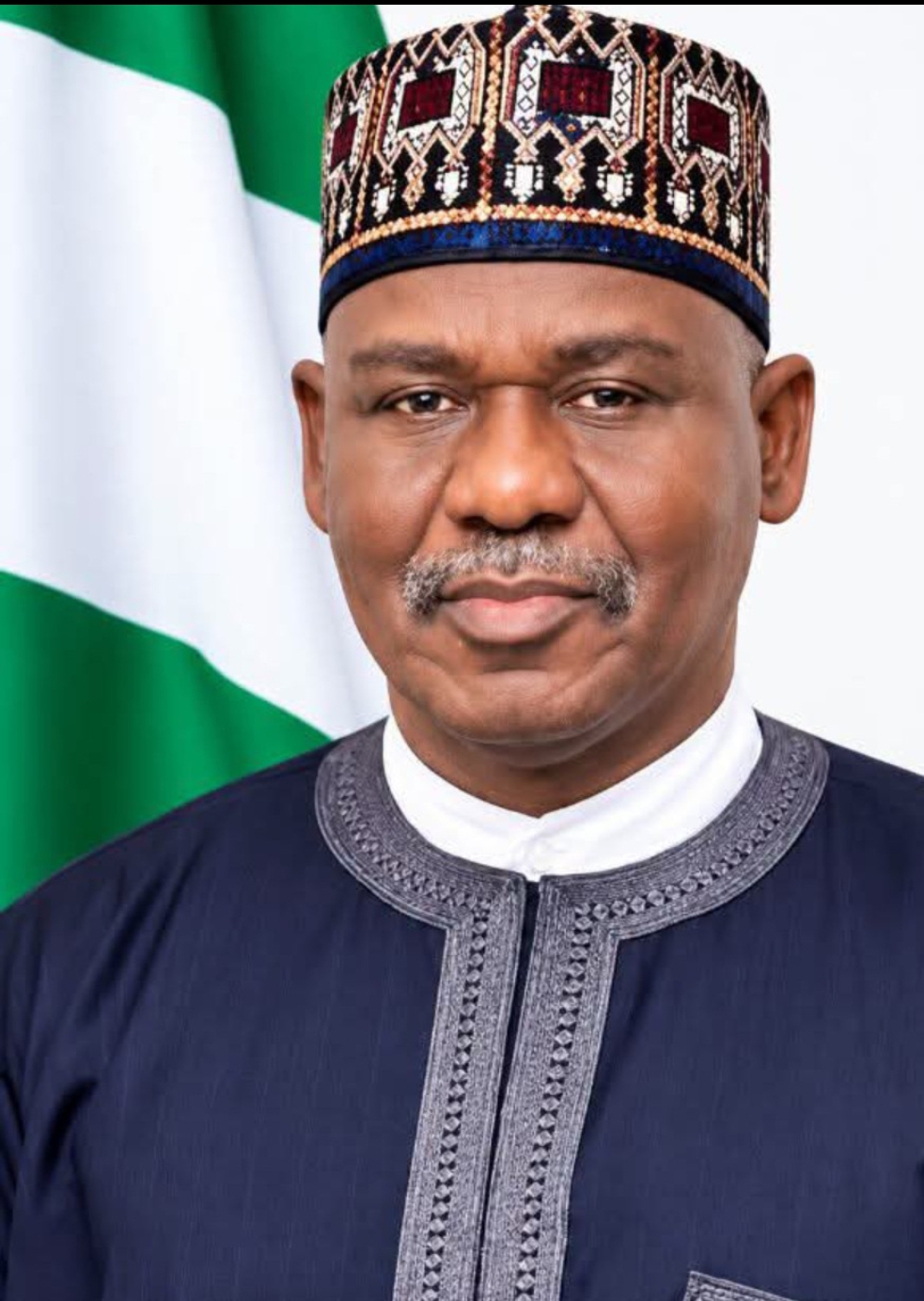
General TY Buratai spoke at the DECAN Annual Lecture and Awards Ceremony in Abuja.
By: Dr James Bwala
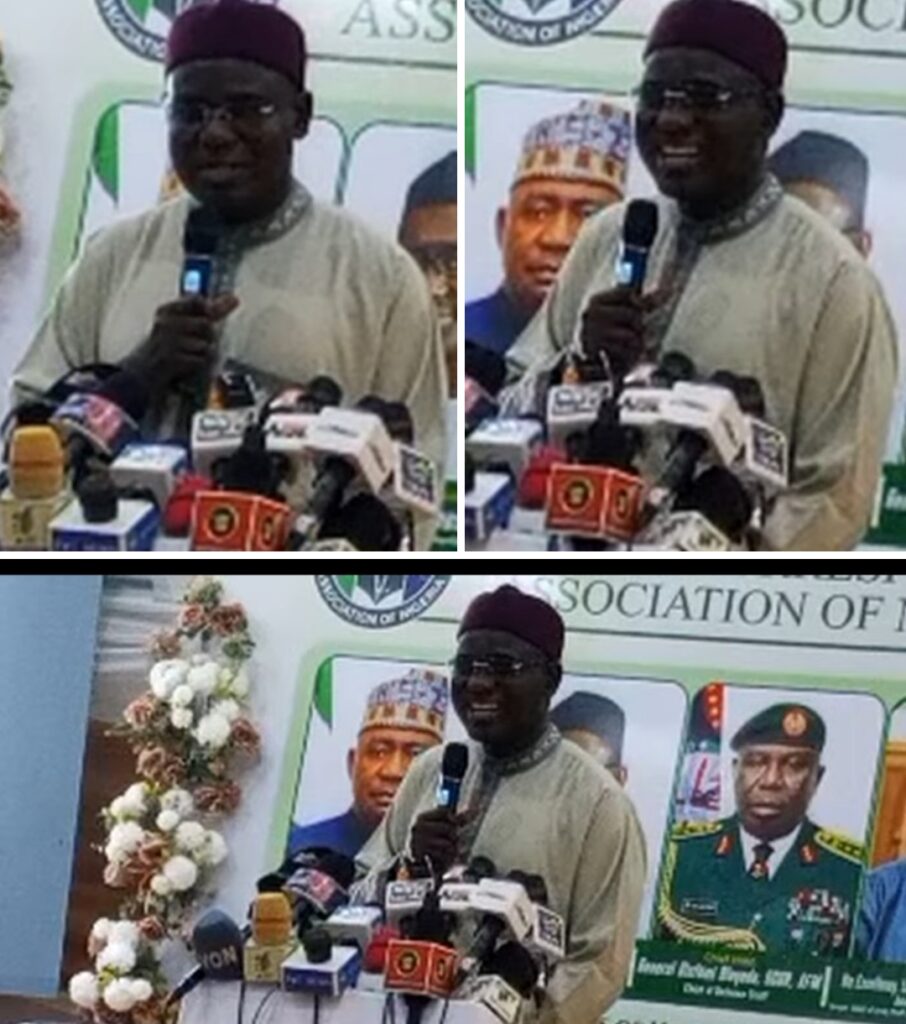
At the 2026 annual lecture and awards ceremony of the Defence Correspondents Association of Nigeria (DECAN), held in Abuja on October 12, former Chief of Army Staff Lieutenant General Tukur Yusuf Buratai delivered a keynote address that combined experience, wisdom and strategic insight. Speaking on the theme, “Beyond Kinetic Warfare: Harnessing Technology and Intelligence-Led Operations for Nigeria’s National Security,” General Buratai reminded Nigeria’s security community that modern warfare is no longer determined only by weapons, troop movements or territorial control. It is also shaped by information, technology, intelligence and the ability to communicate with clarity and speed.
The occasion, organised under the leadership of DECAN President, Comrade Odita Sunday, provided an important platform for reflection on Nigeria’s evolving security challenges. It also offered an opportunity to recognise individuals whose contributions have strengthened national defence and responsible security reporting. General Buratai, who received DECAN’s Distinguished Leadership Award for his contributions to military statecraft and national defence, used the occasion to emphasise a truth that is increasingly relevant to Nigeria’s security environment: a nation can win battles on the ground and still lose the larger strategic contest if it fails to control the information space.
His warning that timely and credible military communication is the cornerstone of modern warfare deserves serious attention. In an age where information travels instantly across social media platforms, digital news outlets and encrypted communication channels, silence is no longer neutral. An information gap arises when official institutions fail to deliver accurate and timely information. That gap is quickly filled by insurgents, terrorists, propagandists and other hostile actors. Through false claims, manipulated images and exaggerated reports, they can influence public opinion, create fear, weaken confidence in the military and portray tactical setbacks as national collapse.
READ ALSO:https://newsng.ng/2027-ali-gwandzang-and-the-renewed-hope-for-hawul-and-askira-uba/
General Buratai’s message was therefore not merely a call for better public relations. It was a strategic argument for recognising information as an operational domain. In contemporary conflicts, military success depends not only on defeating an enemy’s physical capabilities but also on defeating its ability to recruit, intimidate, deceive and mobilise support. A terrorist organisation may be militarily weaker than the state, yet it can remain dangerous if it succeeds in projecting an image of strength and inevitability. This is why communication must be treated as part of national security planning rather than as an activity reserved for moments of crisis.
Nigeria’s security challenges have become increasingly complex. The country continues to confront terrorism and insurgency in the North-East, banditry and kidnapping in several parts of the North-West and North-Central zones, separatist violence, communal conflict, oil theft, cybercrime and other forms of criminality. These threats do not operate within clearly defined battlefields. They exploit difficult terrain, porous borders, local grievances, weak institutions, online networks and gaps in intelligence. They also use propaganda to distort events and recruit vulnerable populations.
The traditional model of warfare, based mainly on kinetic operations, is therefore no longer sufficient. When confronting armed groups and protecting communities, kinetic action remains essential. However, force alone cannot permanently resolve the conditions that allow violent groups to emerge and survive. Sustainable security requires an integrated approach that combines military strength with intelligence, technology, diplomacy, development, public engagement and justice.
READ ALSO: https://newsng.ng/2027-ali-gwandzang-and-the-renewed-hope-for-hawul-and-askira-uba/
Intelligence-led operations are central to this approach. Effective intelligence enables security agencies to identify threats before they mature, understand the structure of criminal and terrorist networks, locate their logistics and anticipate their movements. It helps commanders deploy resources more accurately and reduces the likelihood of unnecessary casualties and collateral damage. Intelligence also supports cooperation among the military, police, intelligence services, border agencies and local authorities.
For Nigeria, improving intelligence-led operations should involve investment in modern surveillance systems, satellite imagery, unmanned aerial vehicles, secure communications and advanced data analysis. However, technology must not be viewed as a substitute for human intelligence. Local knowledge remains indispensable, particularly in environments where armed groups operate among civilian populations. Community members often possess information about unusual movements, suspicious activities and emerging threats long before such information reaches formal intelligence channels.
The challenge is to build trust between communities and security institutions. Citizens are more likely to share information when they believe that their identities will be protected, their concerns will be taken seriously and security agencies will act professionally. Intelligence gathering must therefore be accompanied by respect for human rights, accountability and disciplined engagement with the public. Where communities fear both criminals and the authorities, vital information may remain hidden.
READ ALSO: https://newsng.ng/2027-ali-gwandzang-and-the-renewed-hope-for-hawul-and-askira-uba/
Technology also presents a significant opportunity in the fight against insecurity. Digital platforms can improve coordination between units, speed up the transmission of field reports and support real-time decision-making. Geographic information systems can help security agencies map criminal patterns and identify vulnerable areas. Artificial intelligence, when responsibly applied, can assist analysts in detecting connections across large volumes of data. Digital forensics can help trace financial transactions, communication networks and online recruitment activities linked to terrorism and organised crime.
Nevertheless, technological modernisation must be carefully managed. Acquiring sophisticated equipment without adequate training, maintenance and institutional coordination will produce limited results. Nigeria must invest not only in hardware but also in skilled personnel, research institutions, cybersecurity, data protection and long-term technical support. The country should also encourage cooperation among the armed forces, universities, technology companies and defence industries. National security cannot depend permanently on imported solutions that may not fully reflect Nigeria’s unique operational realities.
Another important issue arising from General Buratai’s remarks is the role of the media. Defence correspondents occupy a sensitive position between the military, government and the public. Their reporting can strengthen democratic accountability, improve public understanding and expose misconduct. It can also, if careless or poorly sourced, compromise operations, spread panic or provide useful information to hostile actors. Responsible security journalism requires accuracy, context and an understanding of operational security.
READ ALSO: https://newsng.ng/2027-ali-gwandzang-and-the-renewed-hope-for-hawul-and-askira-uba/
This does not mean that journalists should become uncritical extensions of the military. On the contrary, credible reporting requires independence. But independence must be combined with professionalism. Defence reporters should verify information, distinguish between confirmed facts and allegations, avoid publishing sensitive operational details that could endanger troops or civilians and resist the pressure to sensationalise tragedy. The military, for its part, must understand that journalists are not enemies. Transparent and timely engagement with the media can prevent rumours, reduce confusion and strengthen public confidence.
The relationship between the military and the media should therefore be based on mutual respect and clearly established communication channels. Regular briefings, accessible spokespersons, rapid clarification of false reports and professional media liaison structures can significantly reduce the information gap identified by General Buratai. When official voices are absent, uncertainty grows. When official information is delayed, rumours become more persuasive. When statements are inconsistent, public trust declines.
Communication is particularly important during military operations because morale is a strategic asset. Soldiers need to know that their sacrifices are recognised and that the nation understands the dangers they face. Families of military personnel deserve reliable information about their loved ones. Civilians affected by conflict need to know what is happening, what assistance is available and how they can remain safe. Without credible communication, fear and frustration can undermine cooperation with security forces.
READ ALSO: https://newsng.ng/2027-ali-gwandzang-and-the-renewed-hope-for-hawul-and-askira-uba/
General Buratai’s emphasis on the fallen heroes also carries a profound national message. The courage of Nigeria’s military personnel must not be remembered only during ceremonial occasions. It should be reflected in the country’s commitment to equipping troops properly, caring for wounded veterans, supporting military families and preserving the dignity of those who gave their lives in service. Honouring the fallen means ensuring that their sacrifices contribute to a safer and more united nation.
It also means that military leadership must combine courage with responsibility. Strength is not measured only by the ability to deploy force. It is also demonstrated through discipline, strategic patience, respect for the law and the wisdom to use the right instrument for each security challenge. Intelligence-led operations, when properly conducted, can reduce unnecessary violence and improve the precision of military action. They can help security forces distinguish between combatants and civilians and focus pressure on the networks that sustain violence.
Nigeria’s national security strategy must therefore move beyond fragmented responses. The country needs a comprehensive framework that integrates kinetic operations, intelligence, technology, public communication, border management, economic development and community resilience. No single agency can address the full range of threats facing the nation. Inter-agency cooperation must become an operational reality rather than a recurring slogan. Information-sharing systems, joint training and common procedures can improve the speed and effectiveness of national responses.
READ ALSO: https://newsng.ng/2027-ali-gwandzang-and-the-renewed-hope-for-hawul-and-askira-uba/
The private sector and civil society also have roles to play. Technology companies can assist in developing secure communication tools and detecting harmful digital activities. Civil society organisations can support peacebuilding, public education and early-warning mechanisms. Traditional and religious leaders can help counter extremist narratives and mediate local disputes. Young people, who are both major users of digital platforms and potential targets of online radicalisation, should be engaged through education, employment and constructive civic programmes.
Ultimately, the theme of the DECAN lecture points to a necessary transformation in how Nigeria understands security. The future will not belong exclusively to the side with more weapons. It will belong to the side that can gather better information, interpret it accurately, act decisively and communicate its actions credibly. Military power remains important, but power without intelligence can be wasteful, and action without communication can be misunderstood or defeated in the public mind.
Lieutenant General Tukur Yusuf Buratai’s address was significant because it connected military experience with the demands of a changing world. His words reflected the authority of a commander who understood both the realities of the battlefield and the wider responsibilities of national leadership. His warning about the dangers of an information gap should be treated as a strategic directive, not a ceremonial observation.
READ ALSO: https://newsng.ng/2027-ali-gwandzang-and-the-renewed-hope-for-hawul-and-askira-uba/
As Nigeria confronts increasingly sophisticated security threats, the country must strengthen its capacity to operate across physical, digital and psychological spaces. It must invest in intelligence, embrace responsible technology, build trust with communities and ensure that credible information reaches the public in good time. The military must be supported.
- James Bwala, PhD, is a security analyst and writes from Abuja.
General TY Buratai spoke at the DECAN Annual Lecture and Awards Ceremony in Abuja.
Niger: How 37 Miners Died in NSCDC Custody
By: Dr James Bwala
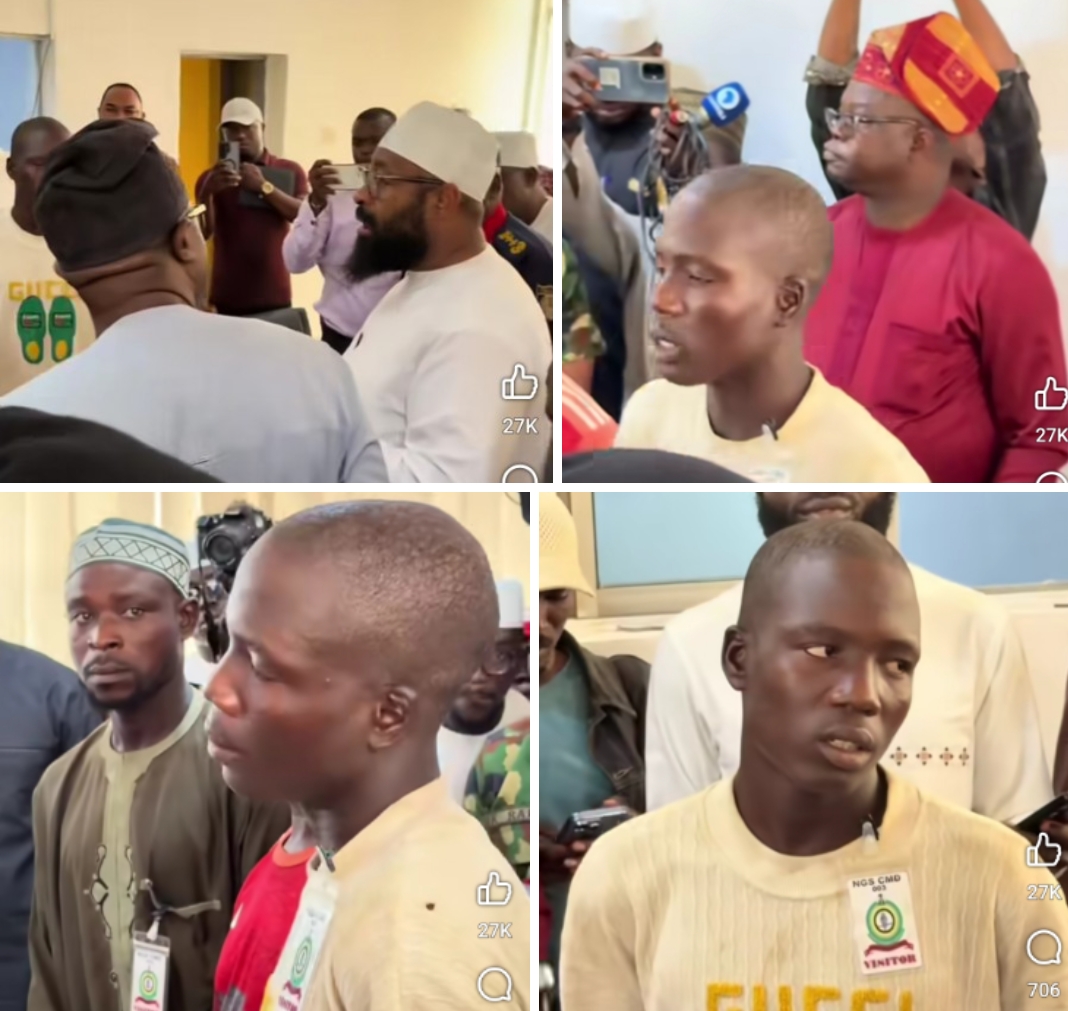
The tragic suffocation of 37 miners while in the custody of the Nigeria Security and Civil Defence Corps (NSCDC) in Niger State is a serious violation of human rights that calls for an immediate, transparent, and unbiased investigation. If these claims are verified, it not only marks a heartbreaking loss of life but also highlights a shocking misuse of power. Reports indicate that the miners were arrested and confined in a poorly ventilated room, where they were exposed to teargas and other harmful substances, ultimately leading to their suffocation. This behaviour cannot simply be brushed off as excessive enforcement or a tragic accident; it’s a grave criminal issue, and those responsible must face justice.
Residents of Niger State have aptly labelled this alleged incident as “pure evil”, and their outrage is completely justified. Security agencies are meant to safeguard lives, uphold order, and enforce the law—not to torture, humiliate, or kill individuals in their care. When government officials turn a detention facility into a place of suffering and death, it undermines the very trust the public places in them. It’s crucial for the state to show that no uniform, rank, or institutional affiliation can protect anyone from accountability.
According to the account of a survivor, the miners were initially arrested in a group of 17 and taken to a cramped room lacking proper ventilation. Instead of keeping them safe, officers are said to have released tear gas into the small area. Later, another group of 48 individuals was added, pushing the total number of detainees to 65. The room quickly became dangerously overcrowded. A substance that resembled perfume was reportedly sprayed on the detainees before the room was sealed, leading many to struggle for air. The survivor stated that 37 people lost their lives as a result.
These allegations are incredibly troubling because they point to a troubling pattern of mistreatment rather than just a one-off incident of negligence. Regardless of whether the detainees were suspected of illegal mining or any other crime, they are still human beings with rights protected by the Nigerian Constitution and international human rights standards. Being arrested doesn’t strip someone of their right to life, dignity, medical care, and humane treatment. The principle is straightforward: while people can be deprived of their freedom through lawful means, their humanity must always be respected.
The government’s primary duty is to uncover the truth. Governor Mohammed Umar Bago and the relevant federal authorities need to ensure that the investigation is independent, thorough, and credible. The NSCDC shouldn’t be allowed to investigate itself without outside oversight. An unbiased investigative panel should be formed, including representatives from the judiciary, the National Human Rights Commission, medical experts, civil society organisations, and the victims’ families. It’s crucial to protect witnesses from intimidation and to preserve all relevant evidence.
The investigation should involve autopsies performed by qualified forensic pathologists, an examination of the detention facility, analysis of the substances allegedly used, a review of arrest records, and questioning of every officer involved. Closed-circuit camera footage, communication records, duty rosters, medical reports, and eyewitness accounts should all be gathered and scrutinised. The survivor’s testimony must be taken seriously and not brushed aside just because it’s uncomfortable or politically sensitive. If the substance used was tear gas or any chemical agent, experts need to assess whether it was deployed lawfully and if the officers understood the risks of using it in a confined, overcrowded space.
Accountability should reach far beyond just the officers who allegedly used the harmful substances. It’s crucial that commanding officers and senior officials who ordered, authorised, encouraged, or simply stood by and let this happen are also held accountable. In a system where a chain of command exists, responsibility doesn’t stop with the person holding the canister. Supervisors play a crucial role in preventing abuse, monitoring detention conditions, and promptly responding to signs of distress in detainees. Any efforts to cover up the incident, falsify records, delay medical help, or intimidate witnesses should lead to serious criminal and administrative consequences.
The government also has a responsibility to deliver justice and meaningful support to the families of the victims. While no amount of financial compensation can bring back a lost life, it is essential to recognise the pain endured and to help families who may have lost their primary earners. Authorities should ensure that the deceased are identified, their relatives are properly informed, accurate information is shared, and burial arrangements are made in consultation with the families. Survivors need access to medical care, psychological support, and legal assistance. They shouldn’t be treated as criminals just because they witnessed or survived a horrific event.
This incident also brings to light significant concerns regarding Nigeria’s strategy on illegal mining and law enforcement. Illegal mining can wreak havoc on the environment, rob communities of income, and foster insecurity. Government agencies have a legitimate role in regulating mining activities and apprehending those suspected of breaking the law. However, the battle against illegal mining must be fought within the bounds of the law. Effective enforcement cannot rely on torture, collective punishment, or extrajudicial killings. When security personnel mistreat suspects, they undermine, rather than bolster, the fight against illegal mining.
There’s a significant distinction between lawful detention and inhumane treatment. When a suspect is taken into custody, they should be brought to an authorised facility, properly documented, given access to legal counsel, and presented before a court within the legally mandated timeframe. Detention areas need to be safe, well-ventilated, and appropriate for the number of individuals being held. It’s crucial for officers to recognise that tear gas and other chemical agents can be extremely hazardous, particularly in confined spaces. Their deployment should be strictly regulated, backed by professional training, and accompanied by immediate medical response protocols. No detainee should ever be confined in a space where breathing becomes impossible.
The reported deaths should serve as a catalyst for a comprehensive review of detention practices across security agencies in Niger State and throughout Nigeria. Government inspections need to be frequent and surprise visits. Independent organisations should be granted access to detention facilities and the authority to conduct private interviews with detainees. Officers should undergo ongoing training in human rights, arrest protocols, crowd management, first aid, and the judicious use of force. Every agency must keep precise records of arrests, transfers, injuries, deaths, and medical care. Proper documentation is essential to prevent cover-ups and assist investigators in determining accountability.
Civil society and the media also play a vital role. Journalists should diligently investigate and report on these issues, amplifying the voices of survivors and their families while steering clear of unverified claims that could compromise legal processes. Human rights organisations should keep a close watch on the investigation and offer support to affected communities. Religious leaders, traditional rulers, professional groups, and community organisations should advocate for justice without resorting to violence or revenge. Public outrage should be channelled toward lawful accountability, not vengeance.
The authorities need to be vigilant against any attempts to brush off the allegations as mere propaganda or to label all the victims as unworthy simply because they were suspected miners. This kind of thinking is perilous. Justice shouldn’t be a privilege reserved for the popular, the wealthy, or those without suspicion hanging over them. The law’s role becomes even more crucial when the accused are in positions of power and the victims are vulnerable. If the victims did break the law, the appropriate course of action would be to prosecute them in a court of law. Taking their lives while in custody is not a legitimate form of punishment sanctioned by the state; it’s a far graver crime.
How the government responds will shape whether citizens maintain their trust in security institutions. A lacklustre response—like merely transferring a few officers, issuing a vague statement, or promising an investigation that leads nowhere—will only fuel public outrage and pave the way for future abuses. On the other hand, a robust response would involve the immediate suspension of those officers involved, an independent investigation, public sharing of the findings, prosecution when evidence warrants it, and reforms to ensure this doesn’t happen again. Transparency is key. Families and the public deserve regular updates instead of being met with secrecy and silence from officials.
In this situation, justice must be both personal and systemic. Individual officers who played a role in the deaths should be prosecuted. Simultaneously, the system that allowed for overcrowding, inadequate supervision, unsafe detention conditions, and potential chemical abuse needs to be overhauled. Otherwise, simply punishing a few individuals won’t stop another tragedy from occurring. Government agencies must establish clear guidelines, enforce them consistently, and hold violators accountable. An institution that prioritises protecting its members over the rights of victims will only perpetuate a cycle of abuse.
The tragic suffocation of the miners poses a significant challenge to Nigeria’s commitment to upholding the rule of law. It tests the professionalism of the NSCDC, the leadership of the state government, and the federal government’s readiness to tackle abuses by security forces. Most crucially, it raises the question of whether everyday citizens can truly expect protection when they interact with the state.
Governor Mohammed Umar Bago needs to take immediate action by calling for a thorough investigation and ensuring that the families of the victims receive the justice and support they deserve. The leadership of the NSCDC must fully cooperate and suspend any officer whose presence could sway witnesses or hinder the investigation. It’s essential that federal authorities, human rights organisations, and the judiciary work together to keep this issue in the public eye.
While we cannot bring back the thirty-seven lives lost, we must not let their deaths go unnoticed. The victims deserve dignity in their passing, truth for their families, and accountability for those responsible. The survivor’s call for justice must resonate loudly. Any officer who unlawfully used lethal force, ordered the alleged mistreatment, or failed to intervene must face the law. Anything less would send a message that security personnel can commit serious abuses without facing repercussions.
The government’s role is to protect life, not to take it away. The events in Niger State require more than just words of condemnation; they demand decisive action. We need an independent investigation, prosecution of those at fault, compensation for the victims’ families, protection for survivors, and urgent reforms in detention practices. Justice must be pursued transparently and impartially. Only then can the authorities begin to rebuild public trust and demonstrate that, in Nigeria, wearing a uniform does not grant a licence for cruelty and that every human life is precious.
* James Bwala, PhD, is a security analyst and writes from Abuja.
Niger: How 37 Miners Died in NSCDC Custody
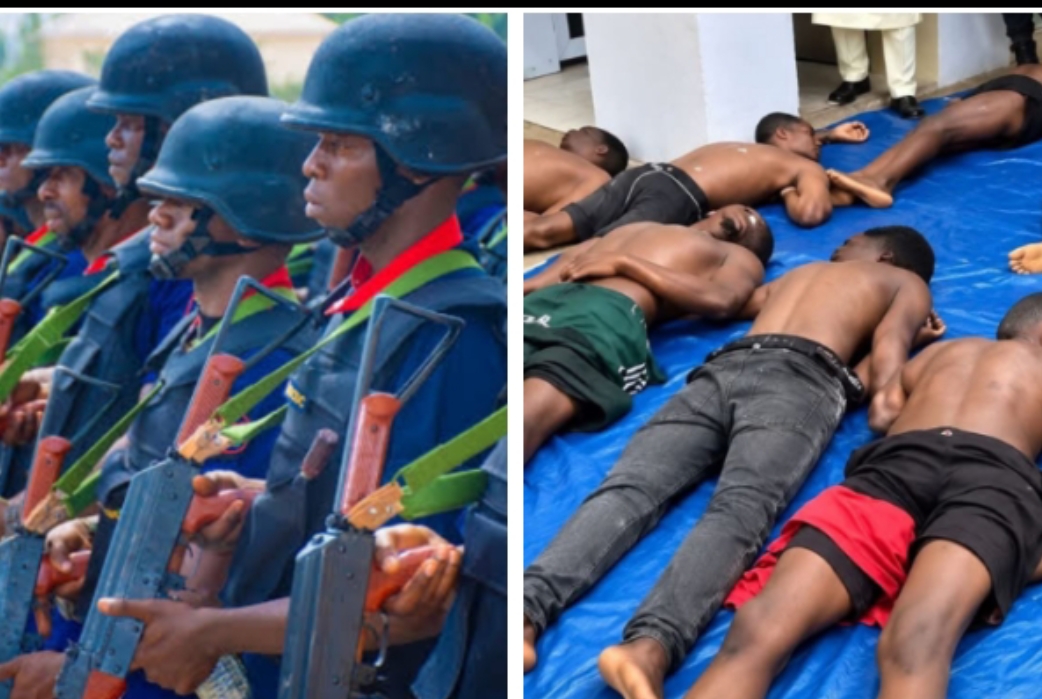
Civil Defence: The Silence, Accountability And Death of Miners in Niger
By: Dr James Bwala
Thirty-seven (37) miners’ tragic death In Niger State, Nigeria is catastrophic. Residents said this incident was reportedly a result of the unholy actions of security operatives, and this has ignited a crucial national discourse. Beyond the immediate grief and calls for justice, this incident compels a deep examination of the role and conduct of security agencies, particularly the Nigeria Security and Civil Defence Corps (NSCDC), in protecting citizens. The question of how “civil” the NSCDC truly is in the face of such devastating loss, and whether this tragedy is a symptom of a broader problem of overzealousness and impunity within security forces, demands urgent attention. Nigeria stands at a precipice, forced to confront the chilling reality that those sworn to protect its citizens may, in some instances, be the very agents of their doom.
The Nigeria Security and Civil Defence Corps, established with the primary objective of protecting lives and property, maintaining peace and order, and assisting in the maintenance of security, arguably holds a mandate that should place it at the forefront of safeguarding communities, especially in resource-rich areas like Niger State where artisanal mining is prevalent. Its expanded mandate includes the protection of critical national infrastructure, disaster management, and mediating in civil disputes. However, the horrific situation surrounding the Niger miners’ deaths, if accurately reported, suggests a profound deviation from these core responsibilities. The sheer scale of the loss, allegedly at the hands of operatives meant to be ensuring safety, raises fundamental questions about the NSCDC’s operational ethos, training, and oversight mechanisms.
The public’s expectation is that security agencies act as bulwarks against insecurity, not as instruments of destruction. When allegations of this magnitude surface, the NSCDC’s silence, or at least the perceived lack of a swift, transparent, and decisive response, exacerbates public anxiety and distrust. The concept of “civil” in its name appears to be in stark contrast to the alleged brutality that led to the miners’ deaths. This disconnect between statutory duty and reported actions necessitates a thorough investigation into the chain of command, operational protocols, and the vetting processes for personnel deployed to such sensitive zones. Immediate, clear, and empathetic communication from the NSCDC regarding the Niger incident is absent, further fuelling speculation and widening the chasm between the corps and the populace it is meant to serve.
The Niger miners tragedy is not an isolated incident but, as alleged, a potent illustration of a concerning trend: the overzealousness of some security operatives in Nigeria, which often transcends the bounds of lawful conduct and results in egregious violations of citizens’ rights. This overzealousness can manifest in various forms, including excessive force, arbitrary arrests, extrajudicial killings, and intimidation. It is often fuelled by a cocktail of factors: inadequate training, a lack of robust oversight, a culture of impunity, and sometimes, a genuine misunderstanding or deliberate disregard of legal boundaries in the pursuit of perceived security objectives.
In many parts of Nigeria, communities live in fear not only of criminal elements but also of the very individuals tasked with protecting them. Reports of security operatives extorting money, harassing citizens, or even perpetrating violence are regrettably commonplace. The Niger incident, with its alleged direct causality between security action and mass death, represents an extreme, yet somewhat foreseeable, outcome of such unchecked power. The reasoning behind such actions, when they occur, often appears distorted, driven by a misguided belief that any perceived infraction by citizens warrants a brutal response or that individuals operating in informal sectors, like artisanal mining, are inherently criminal and thus subject to extreme measures. This belief is a dangerous fallacy that undermines the rule of law and the principle of innocent until proven guilty.
The tragedy in Niger demands a national introspection into the psychological conditioning of security personnel. Are they adequately prepared for the complexities of community policing? Do they possess the emotional intelligence and ethical grounding to de-escalate situations rather than resorting to violence? The uniforms they wear are symbols of authority and protection, but when wielded with excessive force or malicious intent, they become instruments of terror. This pervasive issue requires a multi-pronged approach, starting with a comprehensive review of recruitment and training curricula, emphasising human rights, de-escalation techniques, and the legal framework governing the use of force.
The cornerstone of any functional security apparatus and a prerequisite for a just society is accountability. Without it, the cycle of abuse and impunity will inevitably continue. The Niger miners’ deaths, and indeed all instances of alleged crimes committed by security operatives against innocent citizens, demand rigorous, independent, and transparent investigations. This is not merely a matter of retribution but a critical step in restoring public confidence and reinforcing the principle that no one is above the law, not even those who enforce it.
For the NSCDC, and indeed all security agencies implicated in misconduct, there must be a clear and determined commitment to accountability. This involves establishing robust internal mechanisms for reporting and investigating complaints, as well as cooperating fully with external oversight bodies, including the judiciary and human rights commissions. When operatives are found guilty of criminal acts, they must face commensurate legal consequences, irrespective of their rank or tenure. This sends an unambiguous message that such behaviour will not be tolerated and that justice will be served.
The current legal framework in Nigeria often presents challenges in prosecuting security personnel. This can be due to procedural complexities, lack of cooperation from within the agencies, or a general reluctance to hold operatives accountable. Overcoming these hurdles requires legislative reform, strengthening the capacity of investigative bodies, and fostering a culture within security agencies that prioritises ethical conduct and compliance with the law. The creation of independent ombudsman offices specifically tasked with investigating complaints against security forces could be a significant step towards achieving this.
In fact, the narrative of “criminals amongst us” that security forces often employ to justify their actions, while sometimes applicable, should not be a blanket excuse for violating the rights of innocent civilians. The burden of proof must always rest with the accusers, and due process must be meticulously followed. The Niger incident, if it involved operatives acting unlawfully, highlights the urgent need to identify, apprehend, and prosecute individuals who, by their actions, betray the trust placed in them and bring shame to the uniform. This is not about targeting security operatives but about ensuring that those who wear the uniform and engage in criminal activities are brought to justice, thereby protecting the integrity of the institutions and the safety of the populace.
The deaths in Niger serve as a stark reminder of the fragility of trust between citizens and security agencies in Nigeria. Rebuilding this trust requires more than mere statements of intent; it necessitates tangible actions that demonstrate a genuine commitment to reform and accountability. For the NSCDC and other security bodies, this means embracing a paradigm shift towards community engagement, human rights, and professional conduct.
Investing in continuous training that emphasises ethical decision-making, conflict resolution, and adherence to human rights standards is paramount. Recruitment processes must be scrutinised to ensure that individuals with a predisposition towards violence or a lack of empathy are not inducted into service. Moreover, effective oversight mechanisms, both internal and external, must be empowered to monitor performance, investigate grievances, and enforce disciplinary measures without fear or favour.
The government has a critical role to play in championing these reforms. This includes allocating adequate resources for training and welfare, enacting legislation that strengthens accountability, and publicly supporting efforts to ensure that security operatives uphold the highest standards of conduct. When security forces operate with transparency, respect for human rights, and a genuine commitment to serving and protecting the public, they build bridges of trust. Conversely, when they operate in secrecy, with impunity, and at the expense of innocent lives, they sow seeds of fear and resentment.
The Niger miners tragedy, a grim testament to the potential for abuse within security structures, must serve as a catalyst for profound change. It is a call to action to ensure that the NSCDC, and all other security agencies, truly embody the “civil” in their name and act as guardians of the Nigerian people. This involves not only holding perpetrators of crimes against citizens accountable but also fundamentally transforming the operational culture of security forces to prevent such tragedies from recurring. The ultimate goal is a Nigeria where citizens can feel secure in the knowledge that their protectors are indeed their allies and that justice is accessible to all, regardless of their status or circumstance.
Indeed, the deaths of 37 miners in Niger State under circumstances allegedly involving security operatives represent a profound crisis of trust in the country. The Nigerian state must move beyond rhetoric and implement concrete measures to reform its security architecture, emphasising rigorous training, robust oversight, and unwavering accountability. In fact, the tragedy in Niger must be the turning point, compelling a necessary, albeit painful, examination and transformation of the country’s security apparatus.
- James Bwala, PhD, is a security analyst and writes from Abuja.
Civil Defence: The Silence, Accountability And Death of Miners in Niger

Uphold the Four Principles toPromote Lasting Peace and Stability in Africa

NAPTIP: Parents Selling Children for Sex Face Prosecution, Conviction

First Lady Urges Governors to Establish Food Banks as RHI Extends Outreach to Katsina

Roger Federer’s Shock as DNA Results Reveal Myla and Charlene Are Not His Biological Children

THE PLIGHT OF FARIDA

FAILED COUP IN BURKINA FASO: HOW TRAORÉ NARROWLY ESCAPED ASSASSINATION PLOT AMID FOREIGN INTERFERENCE CLAIMS
-
 News3 years ago
Roger Federer’s Shock as DNA Results Reveal Myla and Charlene Are Not His Biological Children
-
Opinions5 years ago
THE PLIGHT OF FARIDA
-
 News1 year ago
FAILED COUP IN BURKINA FASO: HOW TRAORÉ NARROWLY ESCAPED ASSASSINATION PLOT AMID FOREIGN INTERFERENCE CLAIMS
-
 Opinions5 years ago
POLICE CHARGE ROOMS, A MINTING PRESS
-

 News3 years ago
EYN: Rev. Billi, Distortion of History, and The Living Tamarind Tree
-

 ACADEMICS3 years ago
A History of Biu” (2015) and The Lingering Bura-Pabir Question (1)
-

 Columns3 years ago
Army University Biu: There is certain interest, but certainly not from Borno.
-

 Politics1 year ago
2027: Why Hon. Midala Balami Must Go, as Youths in Hawul and Asikira/Uba Federal Constituency Reject ₦500,000 as Sallah Gift
