
News
AGF, Stakeholders Seek Uniformity on Implementation of ACJA 2015 Adopt National Minimum Standards

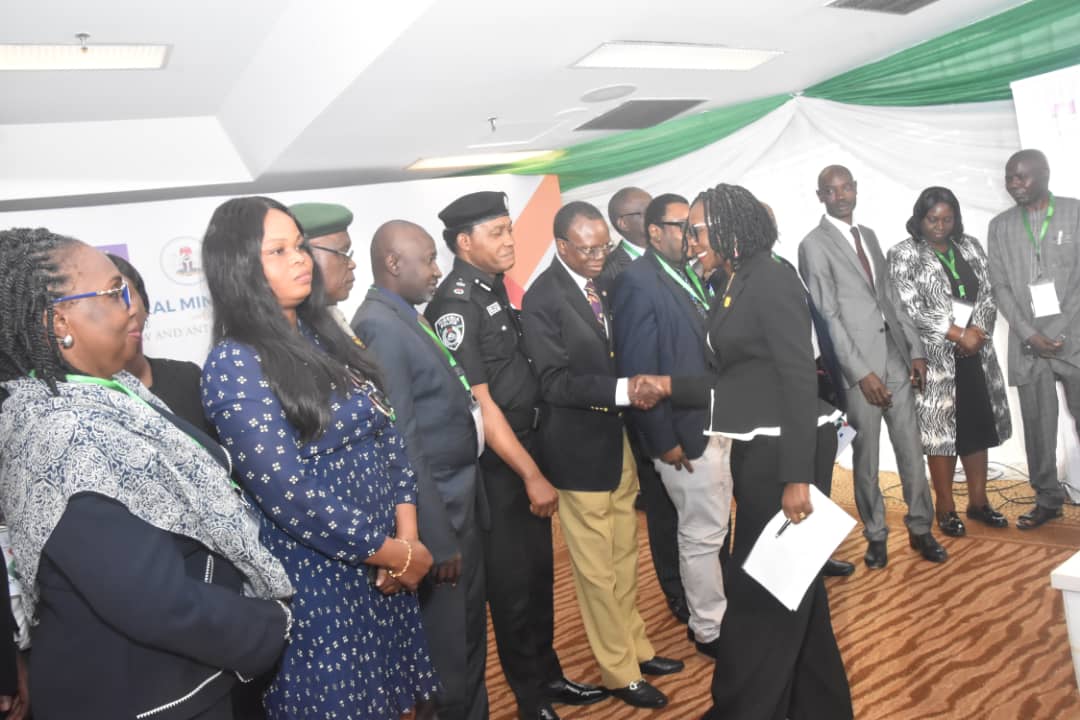
AGF, Stakeholders Seek Uniformity on Implementation of ACJA 2015
Adopt National Minimum Standards
By: Michael Mike
The Attorney-General of the Federation and Minister of Justice, Lateef Fagbemi, SAN, along with key stakeholders in the justice sector, have taken significant steps to ensure uniformity in the implementation of the Administration of Criminal Justice Act (ACJA) 2015.
Fagbemi announced this development at the weekend in Abuja, at the conclusion of the stakeholders’ meeting for the inauguration of the committee for the review and validation of the national minimum standards documents on the implementation of the ACJA. Organized by the Federal Ministry of Justice with support from the European Union-funded Rule of Law and Anti-corruption (RoLAC-II) Programme of the International Institute for Democracy and Electoral Assistance (International IDEA), the event culminated in the adoption of the National Minimum Standards Document 2024 on the implementation of the Act.
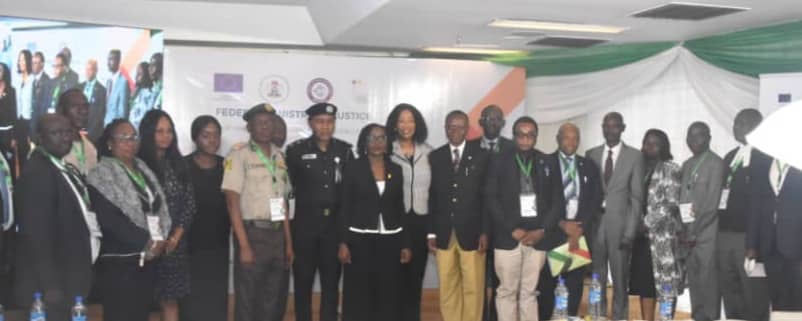
Speakers at the event emphasized that the introduction of the National Minimum Standards will significantly enhance the effective implementation of the ACJA, 2015. The RoLAC-II Programme aims to improve the performance, quality, and oversight of the criminal justice system and justice service delivery in Nigeria.
According to Mr. Badejogbin Oluwatoyin, Manager of Component 1 – Criminal Justice Reform under the RoLAC-II Programme, the project aims to establish a national scheme for assessing and evaluating the implementation of the ACJA/ACJLs and a national scoresheet indicating the performance of each state. This initiative seeks to provide a common basis for evaluating the implementation of criminal justice reforms, promote healthy competition among states, and attract more resources to the criminal justice sector.
The document covers several areas, including pre-trial case management, witness support, case filtering and timelines, bail, remand protocol, trial case management, and post-trial procedures. Participants also encouraged the use of plea bargains and agreed that the stay of trial proceedings due to an interlocutory application or appeal should be prohibited.
The National Minimum Standards for the Implementation of ACJA 2015 were designed to consolidate rule of law and anti-corruption reforms, a key component of the programme aimed at enhancing the criminal justice system and justice service delivery in the Federal Capital Territory, Abia, Adamawa, Anambra, Edo, Kano, Lagos, and Plateau states.
During his presentation, Professor Yemi Akinseye-George of the Center for Socio-Legal Studies (CSLS) emphasized the need to deepen the implementation of the ACJA and the ACJLs of States.
In a keynote address, Attorney-General of the Federation and Minister of Justice, Lateef Fagbemi, SAN, represented by the Solicitor General of the Federation and Permanent Secretary of the Federal Ministry of Justice, Mrs. Beatrice Jessy-Agba, noted that the federal government enacted the ACJA in 2015 to ensure harmonious implementation of criminal justice reforms across the federation. He explained that the Act promotes efficient management of criminal justice institutions, speedy dispensation of justice, and the protection of the rights and interests of suspects, defendants, and victims in Nigeria.
“The adoption of the Act by States ensures that offenders cannot escape justice by moving from state to state, a practice commonly known as forum shopping. Improved and uniform implementation of criminal justice reforms across the country will leave no escape route for criminals, contributing to socio-economic development in Nigeria,” he said.
He added that the National Minimum Standards have been developed to implement the ACJA and consolidate collaboration between stakeholders in justice delivery by ensuring that courts at both the federal and state levels apply similar standards in criminal procedures and enforcement of criminal justice.
Chairman of the Body of States Attorneys-General, Dr. Ben Odoh, represented by Nassarawa AG, Labaran Shaibu Magaji, described the initiative as significant, capable of creating a balanced and inclusive justice system that safeguards the rights of all parties and strengthens legal frameworks.
Other speakers included representatives from the Nigerian Bar Association (NBA), the Nigerian Police, ICPC, EFCC, and NCoS, among others.
In her welcome address, Director of the Administration of Criminal Justice and Reform Department (ACJRD) at the Federal Ministry of Justice, Mrs. Leticia Ayoola-Daniels, stated that the initiative stems from the growing need for a unified framework to address persistent gaps in the implementation of the ACJA and ACJLs across the country. She identified challenges such as court congestion, unavailability of data, delayed trials, and a lack of uniformity in criminal justice processes, assuring that finalizing the document will significantly address these issues.
RoLAC representative Mr. Peter Omenka stressed that the entity will continue to support the process and create awareness to ensure the documents are translated into different languages.
“RoLAC is ready to support the process, create awareness in such a way that the documents is translated into different languages,” he said.
AGF, Stakeholders Seek Uniformity on Implementation of ACJA 2015
Adopt National Minimum Standards


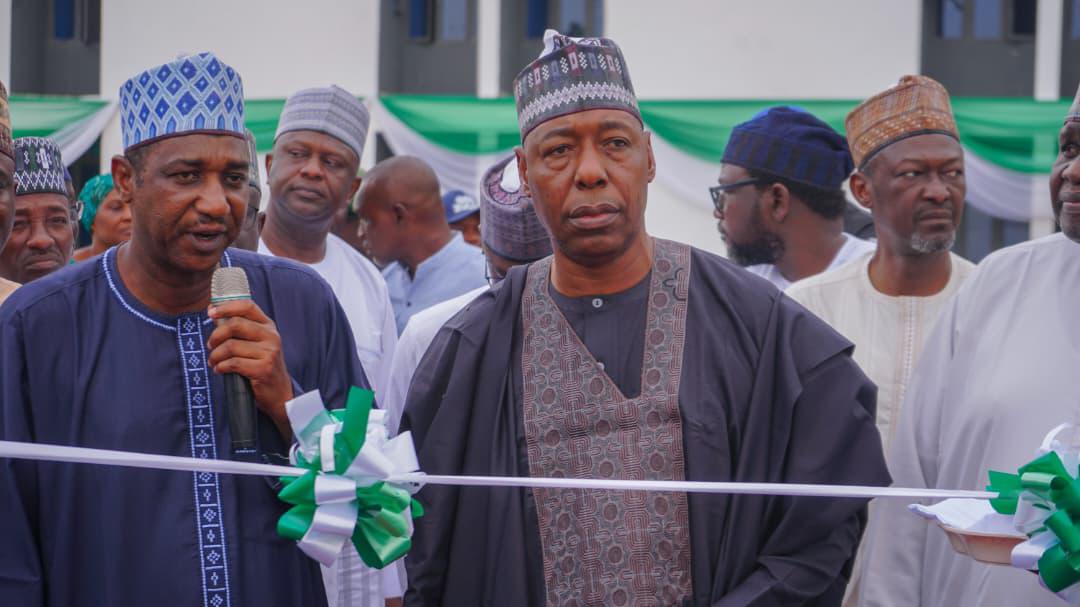
Zulum builds, hands over a 42-room patients’ apartment to UMTH
By: Our Reporter
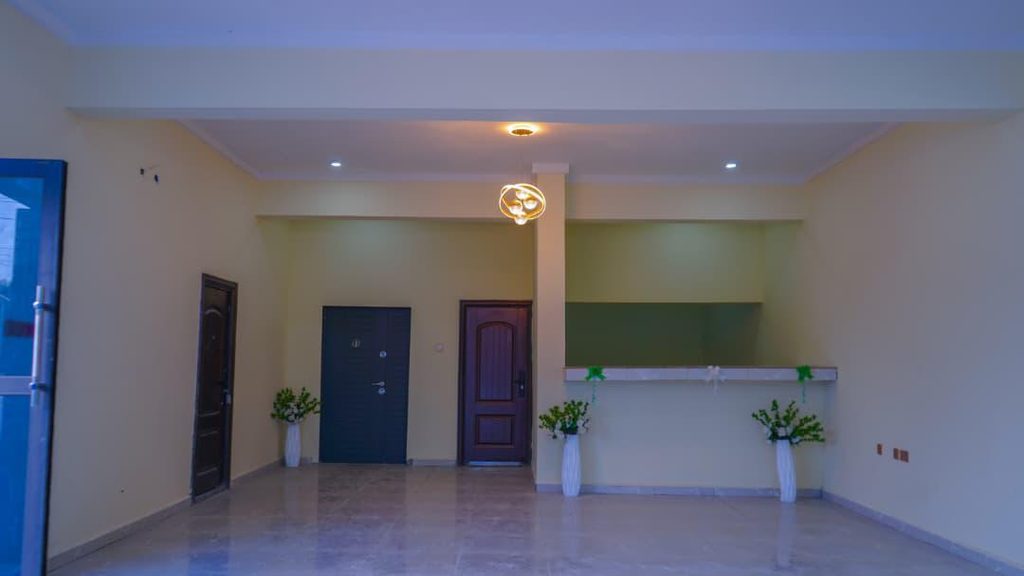
Borno State Governor, Professor Babagana Umara Zulum, has commissioned and handed over a newly constructed 42-room patients’ apartment to the University of Maiduguri Teaching Hospital (UMTH) as part of his administration’s commitment to improving healthcare delivery in the state.

The facility, which has a 42-room lodge, was constructed by Borno State Government and is designed to provide comfortable accommodation for patients’ relatives and visitors, many of whom travel long distances to access medical care.
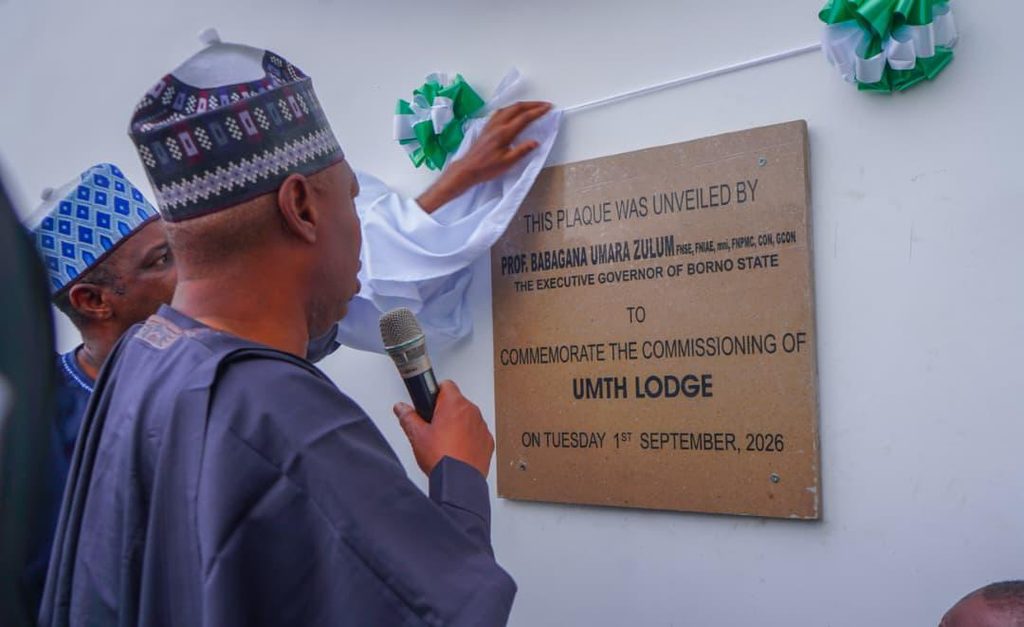
The handover of the patients’ apartment is the latest in Zulum’s interventions at UMTH. The governor had previously presented a N100 million check to support the hospital’s funding gaps for medical consumables and other needs. He also constructed 24 three-bedroom apartments for medical staff to reduce housing shortages and keep doctors closer to patients.

In addition, Zulum has ordered the release of N1 billion in financial support to facilitate kidney transplant and maternal health services at the hospital. He also provided a N500 million intervention following the 2024 flood disaster.
Beyond UMTH, Zulum has extended similar support to other federal government agencies in Borno State. He distributed thousands of patrol vehicles to security agencies and formations to boost security across the state.
Zulum constructed housing quarters and provided several facilities and infrastructure at the University of Maiduguri.
He also approved hundreds of millions in takeoff grants for the National Orthopaedic Hospital, Azare; the Federal Polytechnic, Monguno; and the Federal College of Education, Gwoza.
The chief medical director of UMTH, Professor Ahmed Ahidjo, expressed gratitude to the governor and commended him for his relentless support.

The governor was accompanied by the Acting Chief of Staff, Dr. Babagana Mustapha Mallumbe; commissioners; special advisers; and several senior government officials.
Zulum builds, hands over a 42-room patients’ apartment to UMTH

Operation Hadin Kai neutralises 152 terrorists, arrests 142 in August
By: Zagazola Makama
Troops of Operation HADIN KAI (OPHK) have recorded major operational successes across the North-East theatre, neutralising 152 terrorists and arresting 142 others, including suspected logistics suppliers, during operations conducted between Aug. 1 and 31, 2026.
The latest operational figures indicate sustained pressure by the joint security forces against terrorist groups, their logistics networks and mobility capabilities across the theatre.
According to the monthly operational summary, 219 terrorists also surrendered to the troops during the period, a development the military said reflects the continued degradation of terrorist networks and growing willingness among some fighters to abandon the insurgency.
The troops also conducted 10 successful air interdictions in support of ground operations, targeting terrorist movements and logistics activities in different locations within the theatre.
The air operations complemented sustained ground offensives aimed at disrupting terrorist formations, supply routes and freedom of movement.
During the period under review, troops also neutralised nine improvised explosive devices (IEDs), thereby denying terrorist elements the opportunity to use the devices against military personnel and civilians.
The troops recovered 58 weapons and explosive items, as well as 1,184 rounds of ammunition during various operations.
The recoveries are expected to further degrade the firepower and operational capacity of terrorist elements operating in the North-East.
The troops also recovered 16 mobility assets, including motorcycles, bicycles, tricycles and other vehicles reportedly linked to terrorist activities.
Other items recovered during the operations included 44 mobile phones, a video camcorder and N1,794,910 in cash, among other materials.
The military’s monthly operational assessment indicated that the recoveries of communication devices, mobility assets and cash were significant in disrupting the logistics and communication networks supporting terrorist operations.
The surrender of 219 terrorists also represents another important aspect of the campaign, as the development could provide security agencies with additional intelligence on terrorist structures, hideouts, supply networks and operational activities.
The August operations combined kinetic actions, including ground offensives and air interdictions, with non-kinetic measures aimed at encouraging surrender and separating terrorist elements from their support and logistics networks.
The sustained operational tempo, according to the figures, has placed considerable pressure on terrorist personnel, weapons stocks, mobility and logistics capabilities across the theatre.
The development comes as Operation HADIN KAI continues its counter-insurgency campaign to degrade Boko Haram and Islamic State West Africa Province (ISWAP) elements and restore security across affected communities in the North-East.
The August figures underscore the continued coordination between ground troops and air assets in disrupting terrorist activities while enhancing the ability of security forces to deny insurgents freedom of action across the theatre.
Operation Hadin Kai neutralises 152 terrorists, arrests 142 in August
HURIWA commends DSS DG Ajayi for professionalism, intelligence-led reforms
By: Zagazola Makama
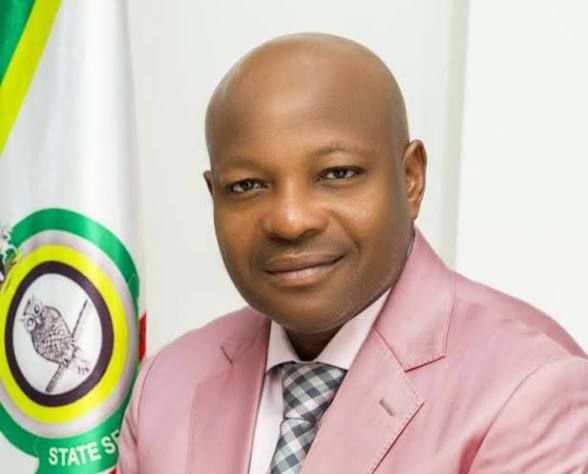
The Human Rights Writers Association of Nigeria (HURIWA) has commended the Director-General of the Department of State Services (DSS), Mr. Oluwatosin Adeola Ajayi, for what it described as an encouraging shift toward professional, accountable and human rights-compliant intelligence operations.
The National Coordinator of HURIWA, Comrade Emmanuel Onwubiko, stated this in a statement issued in Abuja, saying the association welcomed reported reforms within the intelligence agency.
HURIWA particularly welcomed the reported review of old DSS watchlists, including restrictions dating back several decades.
The association said outdated intelligence records should not continue to unjustifiably affect the liberty, dignity and freedom of movement of citizens.
It cited the resolution of the longstanding watchlist issue involving the Executive Director of the International Press Centre, Mr. Lanre Arogundade, as an example of the importance of periodically reviewing security classifications.
The group also commended the reported compensation of persons affected by wrongful detention, mistaken identity or operational errors.
According to HURIWA, acknowledging mistakes, providing redress and learning from operational failures could strengthen public confidence in security institutions.
The association also welcomed reported reviews that had led to the release of persons whose continued detention was no longer justified by available investigations.
“Intelligence gathering must never become a substitute for due process,” HURIWA said.
While recognising the critical role of the DSS in combating terrorism, kidnapping, violent extremism, espionage and other security threats, the organisation stressed that security enforcement must remain anchored on legality, necessity, proportionality and respect for fundamental rights.
HURIWA urged the DSS leadership to institutionalise reforms that would strengthen mechanisms for monitoring human rights compliance, investigating complaints and recommending corrective measures.
It recommended human rights impact assessments, periodic reviews of detention cases, redress and compensation mechanisms, as well as stronger engagement with civil society organisations.
The association further called for continuous human rights training for DSS operatives, accessible citizen complaint channels, responsible engagement with the media and preventive, rights-based intelligence gathering.
It said such measures could improve intelligence sharing and crime prevention while reducing unnecessary arrests and confrontations between security personnel and citizens.
“We therefore commend Mr. Ajayi for the reform direction and urge him to consolidate the gains by making accountability, proportionality, due process, professional conduct and access to remedy permanent features of DSS operations,” HURIWA said.
HURIWA commends DSS DG Ajayi for professionalism, intelligence-led reforms

Zulum builds, hands over a 42-room patients’ apartment to UMTH

Operation Hadin Kai neutralises 152 terrorists, arrests 142 in August

HURIWA commends DSS DG Ajayi for professionalism, intelligence-led reforms

Roger Federer’s Shock as DNA Results Reveal Myla and Charlene Are Not His Biological Children

THE PLIGHT OF FARIDA

FAILED COUP IN BURKINA FASO: HOW TRAORÉ NARROWLY ESCAPED ASSASSINATION PLOT AMID FOREIGN INTERFERENCE CLAIMS
-
 News2 years ago
Roger Federer’s Shock as DNA Results Reveal Myla and Charlene Are Not His Biological Children
-
Opinions5 years ago
THE PLIGHT OF FARIDA
-
 News1 year ago
FAILED COUP IN BURKINA FASO: HOW TRAORÉ NARROWLY ESCAPED ASSASSINATION PLOT AMID FOREIGN INTERFERENCE CLAIMS
-

 News2 years ago
EYN: Rev. Billi, Distortion of History, and The Living Tamarind Tree
-
 Opinions5 years ago
POLICE CHARGE ROOMS, A MINTING PRESS
-

 ACADEMICS3 years ago
A History of Biu” (2015) and The Lingering Bura-Pabir Question (1)
-

 Columns3 years ago
Army University Biu: There is certain interest, but certainly not from Borno.
-

 Politics1 year ago
2027: Why Hon. Midala Balami Must Go, as Youths in Hawul and Asikira/Uba Federal Constituency Reject ₦500,000 as Sallah Gift
