
Uncategorized
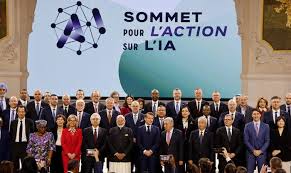
AI Paris Summit: Nigeria, France, 56 others launch platform to bridge digital divides

AI Paris Summit: Nigeria, France, 56 others launch platform to bridge digital divides
By: Michael Mike
Participants at the just concluded Artificial Intelligence (AI) Paris Summit including Nigeria have launched a platform to promote AI accessibility, as part of its strategy to reduce the digital divide, and ensure AI is open, inclusive, and transparent.
This was disclosed in a press release from the French Government regarding the AI Summit, with details regarding the different steps taken so far. The details were contained in the statement on “Inclusive and Sustainable Artificial Intelligence for People and the Planet,’ signed by Nigeria, France, and 56 other countries including the European Union and African Union Commission at the summit.
Nigeria is among the eight founding members of the “Public Interest AI Platform and Incubator”. The purpose of this platform and incubator is to “support, amplify, decrease fragmentation between existing public and private initiatives on Public Interest AI and address digital divides. The Public interest AI Initiative will sustain and support digital public goods and technical assistance and capacity building projects in data, model development, openness and transparency, audit, compute, talent, financing and collaboration to support and co-create a trustworthy AI ecosystem advancing the public interest of all, for all and by all.”
The signatories of the Paris Statement agreed to encourage AI deployment that positively impacts the future of work, promotes sustainable growth, and supports both people and the planet.
The statement also seek global reflection on issues like security, human rights, gender equality, linguistic diversity and sustainable development.
The statement noted that, “In line with the Paris Pact for People and the Planet and the principle that countries should design their own transition strategies, we have identified priorities and launched concrete actions to serve the public interest and bridge the digital divide by accelerating the achievement of sustainable development goals.
“Enabling innovation in the field of AI by creating conditions conducive to its development and preventing market concentration, thereby supporting industrial recovery and development.
“Our actions follow three key principles: science, solutions (with an emphasis on open AI models that respect national frameworks) in accordance with international frameworks.”
The statement further stated, “We recognise the need to enhance our shared knowledge on the impacts of AI in the job market, though the creation of network of Observatories, to better anticipate AI implications for workplaces, training and education and to use AI to foster productivity, skill development, quality and working conditions and social dialogue.
“We underline the need for a global reflection integrating inter alia questions of safety, sustainable development, innovation, respect of international laws including humanitarian law and human rights law and the protection of human rights, gender equality, linguistic diversity, protection of consumers and of intellectual property rights. We take notes of efforts and discussions related to international fora where AI governance is examined.
“We look forward to next AI milestones such as the Kigali Summit, the 3rd Global Forum on the Ethics of AI hosted by Thailand and UNESCO, the 2025 World AI Conference and the AI for Good Global Summit 2025 to follow up on our commitments and continue to take concrete actions aligned with a sustainable and inclusive AI.”
AI Paris Summit: Nigeria, France, 56 others launch platform to bridge digital divides


$65,000 Up for Grabs as ECOWAS
By: Michael Mike
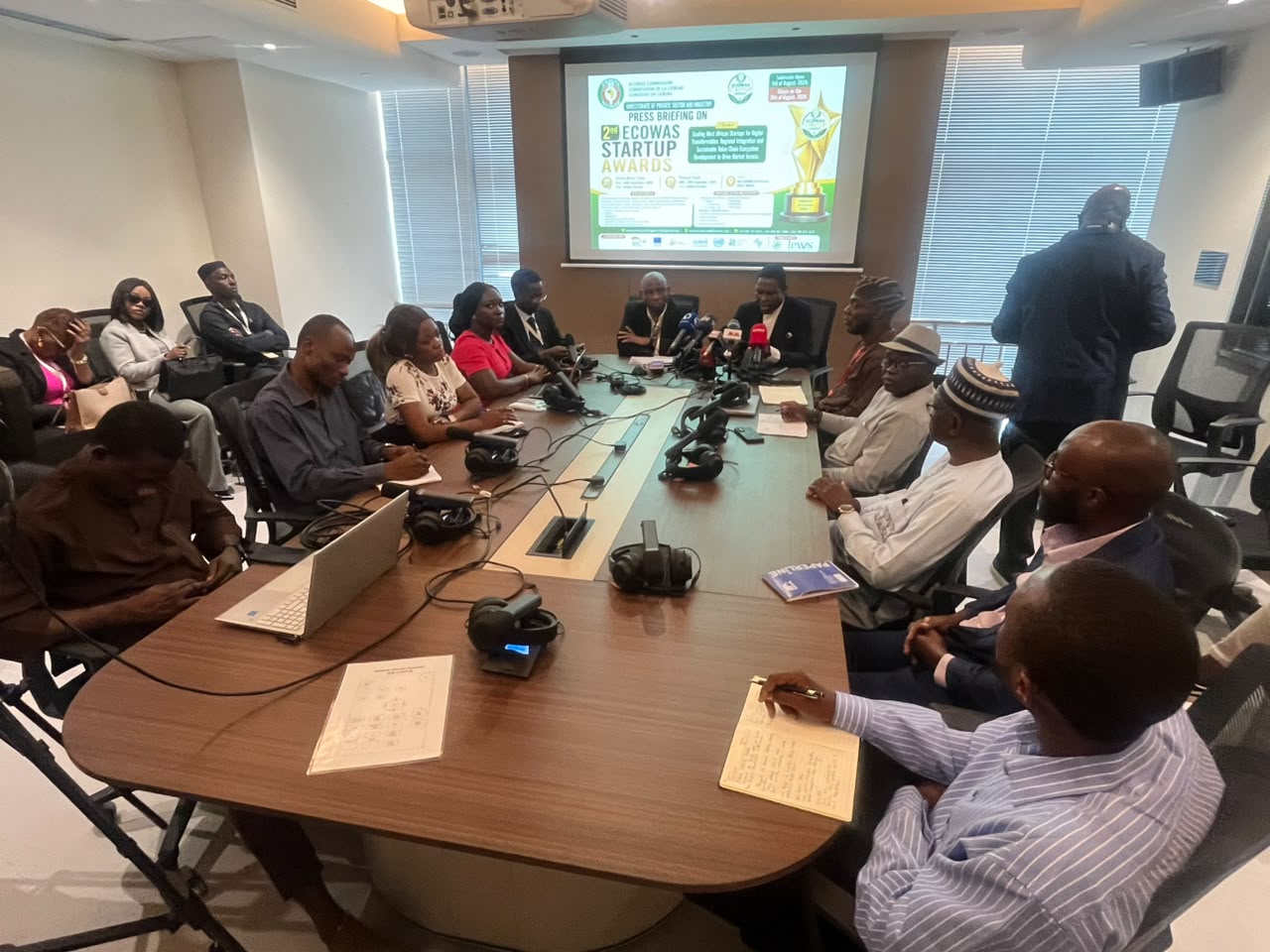
The Economic Community of West African States (ECOWAS) has unveiled a $65,000 prize pool for the second edition of its Startup Awards, with about 60 entrepreneurs expected to compete for the top three positions.
The competition, scheduled for September 28, 2026, is coming five years after the inaugural edition held in Niamey, Niger Republic, in 2021.
The winner will receive $30,000, while the first and second runners-up will receive $20,000 and $15,000, respectively.
However, ECOWAS said the programme would go beyond cash prizes, as all 60 shortlisted participants will undergo a masterclass designed to strengthen their entrepreneurial and business management capacities before the final stage.
The Acting Director, Directorate of Private Sector and Industry, ECOWAS Commission, Peter Oluonye, disclosed this while announcing the programme, revealing that the Commission had received more than 6,000 applications since the application portal opened on August 3.
Oluonye said the applications would be screened by appointed assessors, with the pool eventually reduced to 60 participants.
He explained that the 60 shortlisted startups would first undergo the masterclass, after which the field would be further narrowed to 20 finalists who would compete for the three cash prizes.
He said the competition was designed to identify and showcase innovative, scalable businesses capable of addressing critical economic and social challenges across the West African sub-region.
“The ECOWAS Start-up Award is designed to showcase these innovations and multisectoral solutions and enabling policies,” Oluonye said.
The programme will focus on startups operating in areas including fintech; agri-tech and food systems; ed-tech and skills development; cleantech, climate and green innovation; tourism; hospitality; and travel technology.
According to Oluonye, the initiative was also conceived to address some of the major challenges confronting startups, including limited market penetration, inadequate financial models and policy-related constraints.
He said the Commission was particularly interested in startups with strong growth potential and the capacity to scale beyond their immediate markets.
“It is not just going to be just awarding cheques but to support them to the point that they become an inspiration for the youths,” he said.
Oluonye said the programme would deliberately promote inclusion by bringing together young people, women and persons with disabilities to showcase their innovations to potential partners and investors.
He added that ECOWAS would seek to facilitate digital adoption among micro, small and medium-sized enterprises and connect startups with venture capitalists, impact investors, development partners and financial institutions.
He said the broader objective was to build a stronger innovation ecosystem across the ECOWAS region and help startups navigate the difficult early stages of the business life cycle.
“By this programme we seek to support participating Start-ups to navigate these early stages of the business life cycle and help them to scale up into the growth stage,” he said.
Oluonye noted that startups that successfully transitioned into the growth stage would be better positioned to create jobs, add value to the economy and contribute to regional development.
The ECOWAS official also disclosed that the prize package had been increased from $40,000 in the inaugural edition to $65,000 in the second edition.
He stressed that the emphasis of the programme was not merely on identifying winners but on providing participants with the skills, networks and opportunities required to build sustainable businesses.
The first ECOWAS Startup Awards, held in 2021, featured 50 participants.
Meanwhile, the Director-General, Pan African Alliance of Small and Medium Industry, Dr. Henry Emejuo, said the 60 participants for the 2026 edition would be drawn through a combination of open applications and national startup programmes.
According to him, 50 per cent of the participants would be selected from applicants, while the remaining 50 per cent would be drawn from winners of various national startup programmes in ECOWAS member states based on recommendations from the ministers responsible for startups.
Emejuo called on financial institutions and private-sector organisations to provide the necessary support to the participating entrepreneurs, stressing that stronger private-sector involvement would be critical to ensuring the sustainability and growth of the startups.
ECOWAS also announced that subsequent editions of the Startup Awards would be held biennially, making the initiative a regular platform for identifying, nurturing and connecting innovative businesses across the region.
$65,000 Up for Grabs as ECOWAS
Troops Arrest Three Suspected Kidnappers in Plateau Raid
By Zagazola Makama
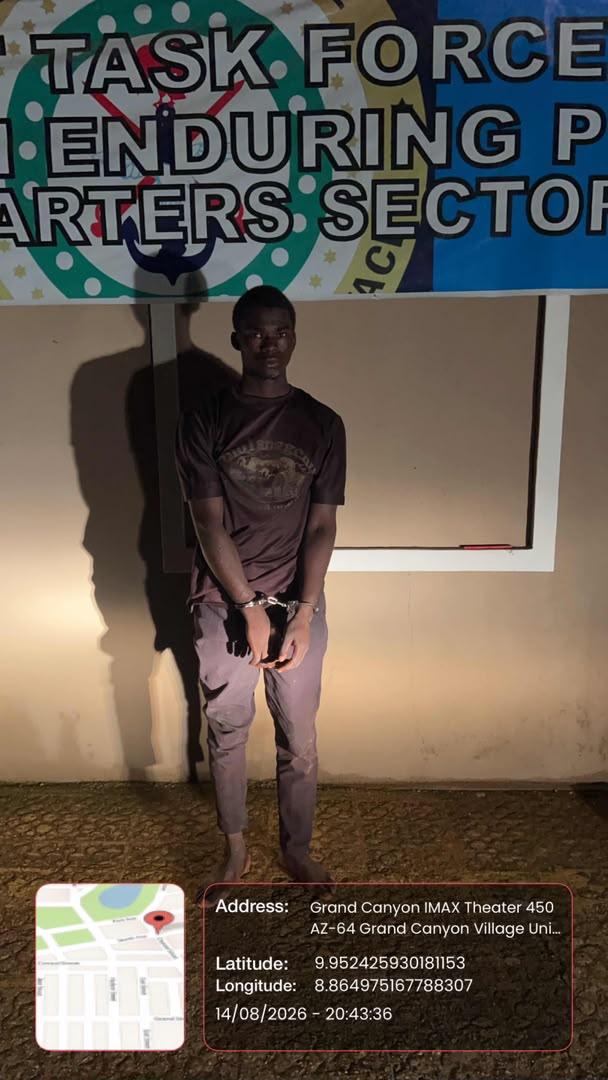
Troops of Sector 1, Operation ENDURING PEACE (OPEP), have arrested three suspected kidnappers during a raid on a criminal hideout at Mista-Ali in Bassa Local Government Area of Plateau State.
Credible security sources told Zagazola Makama that the operation was conducted at about 5:30 p.m. on Aug. 14, following intelligence reports on the activities of suspected kidnappers operating in the area.
The troops raided the identified hideout and arrested three suspects, identified as Umar Aliyu, 25; Abdulrahman Adam, 25; and Bello Isa, 21.
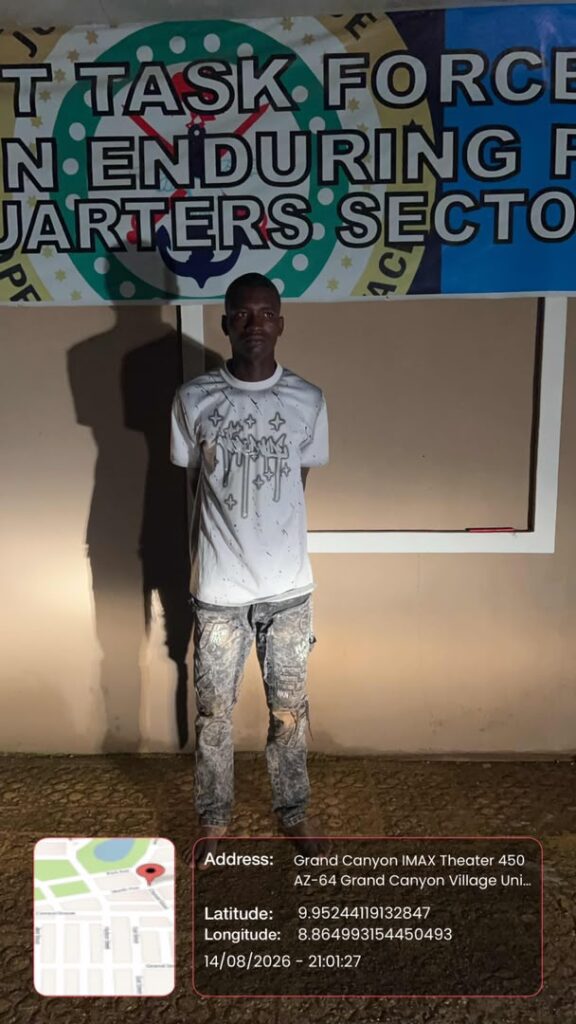
Two other suspects reportedly escaped during the operation.
However, one of the fleeing suspects attacked and stabbed a soldier, identified as CPL Muhammad Adam, with a knife while attempting to escape.
The injured personnel was immediately evacuated to the General Hospital, Mista-Ali, where he was admitted for medical attention.
A search of the houses belonging to the arrested suspects was subsequently conducted, but no incriminating items were recovered.
The three suspects remain in military custody and are assisting ongoing investigations into their activities and possible links to kidnapping operations in the area.
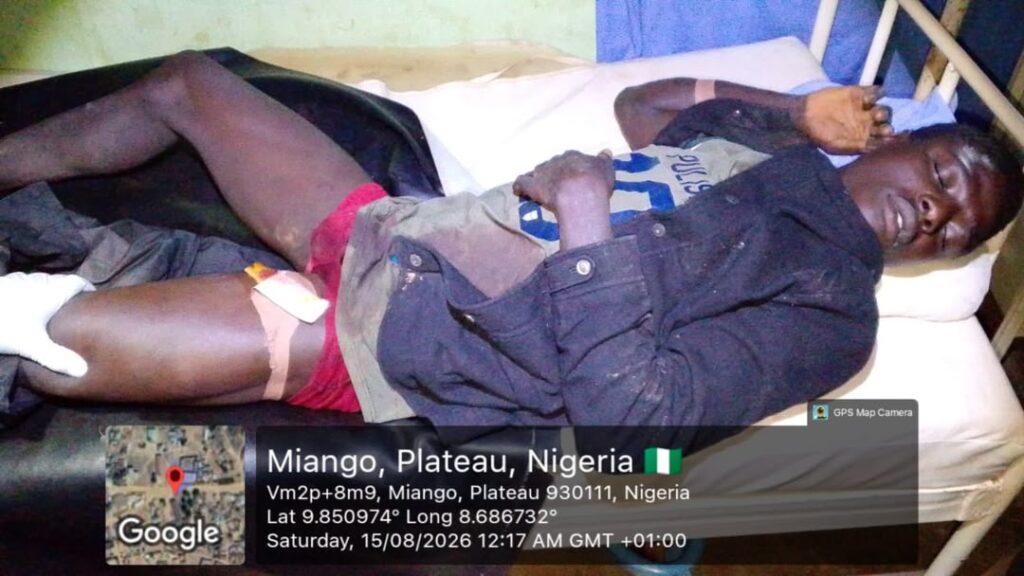
The development highlights the continued efforts by security forces to dismantle criminal networks and prevent kidnappers from establishing hideouts in communities across Plateau State.
Zagazola Makama reports that security agencies have continued to intensify intelligence-led operations in vulnerable communities as part of efforts to protect residents and maintain peace in the state.
Troops Arrest Three Suspected Kidnappers in Plateau Raid
Uncategorized
ECOWAS, Africa Agenda Network Deepen Partnership to Showcase Regional Bloc’s 50-Year Legacy
ECOWAS, Africa Agenda Network Deepen Partnership to Showcase Regional Bloc’s 50-Year Legacy
By: Michael Mike
The Economic Community of West African States (ECOWAS) has reaffirmed its commitment to strengthening collaboration with the Africa Agenda Network (AAN) as part of efforts to document, promote and deepen public understanding of the regional bloc’s five decades of achievements and contributions to West African integration.
The renewed commitment was made on Tuesday when the President of the ECOWAS Commission, Dr. Omar Alieu Touray, received the Chief Executive Officer of the Africa Agenda Network, Ms. Muna Jallow, during a working visit to the Commission’s headquarters in Abuja.
The meeting focused on the progress of the Africa Agenda Network–ECOWAS Strategic Partnership Initiative, a three-phase programme designed to commemorate ECOWAS’ 50th anniversary while strengthening citizens’ appreciation of the organisation’s role in advancing regional cooperation.
Briefing the Commission President, Jallow said the initiative’s first phase had been successfully implemented through the ECOWAS@50 Trade, Investment and Exhibition Forum held in Lagos, Nigeria.
She disclosed that attention has now shifted to the second phase—the production of a commemorative publication documenting the history of ECOWAS over the past 50 years, highlighting its major milestones, achievements and contributions to regional integration.
According to her, the final phase of the initiative will see the production of a high-quality documentary series that will tell the ECOWAS story through the voices and experiences of citizens from across the organisation’s member states.
Responding, Touray welcomed the initiative and reaffirmed the ECOWAS Commission’s commitment to sustaining and expanding its partnership with the Africa Agenda Network.
He said the collaboration would play a vital role in increasing public awareness of ECOWAS, preserving its institutional history and projecting the organisation’s achievements and impact across West Africa and the international community.
The partnership comes as ECOWAS marks 50 years since its establishment in 1975, a period during which the regional body has played leading roles in promoting economic integration, facilitating free movement across member states, supporting democratic governance and peacekeeping efforts, and advancing regional development initiatives despite persistent political and security challenges.
The commemorative publication and documentary are expected to serve as enduring records of the bloc’s evolution while helping a new generation of West Africans better understand the relevance of regional integration to the future of the sub-region.
ECOWAS, Africa Agenda Network Deepen Partnership to Showcase Regional Bloc’s 50-Year Legacy

HAI Launches Grassroots Campaign for Tinubu’s 2027 Re-election

Yobe: Buni appreciates Tinubu for his commitment to regional peace.

Zulum Pledges N100m, Stronger Partnerships to Revamp UMTH, Borno Healthcare

Roger Federer’s Shock as DNA Results Reveal Myla and Charlene Are Not His Biological Children

THE PLIGHT OF FARIDA

FAILED COUP IN BURKINA FASO: HOW TRAORÉ NARROWLY ESCAPED ASSASSINATION PLOT AMID FOREIGN INTERFERENCE CLAIMS
-
 News2 years ago
Roger Federer’s Shock as DNA Results Reveal Myla and Charlene Are Not His Biological Children
-
Opinions5 years ago
THE PLIGHT OF FARIDA
-
 News1 year ago
FAILED COUP IN BURKINA FASO: HOW TRAORÉ NARROWLY ESCAPED ASSASSINATION PLOT AMID FOREIGN INTERFERENCE CLAIMS
-

 News2 years ago
EYN: Rev. Billi, Distortion of History, and The Living Tamarind Tree
-
 Opinions5 years ago
POLICE CHARGE ROOMS, A MINTING PRESS
-

 ACADEMICS2 years ago
A History of Biu” (2015) and The Lingering Bura-Pabir Question (1)
-

 Columns2 years ago
Army University Biu: There is certain interest, but certainly not from Borno.
-

 Politics1 year ago
2027: Why Hon. Midala Balami Must Go, as Youths in Hawul and Asikira/Uba Federal Constituency Reject ₦500,000 as Sallah Gift
