
News
Amendment of NDLEA Act ‘ll bolster Nigeria’s drug control efforts – Fagbemi, Marwa

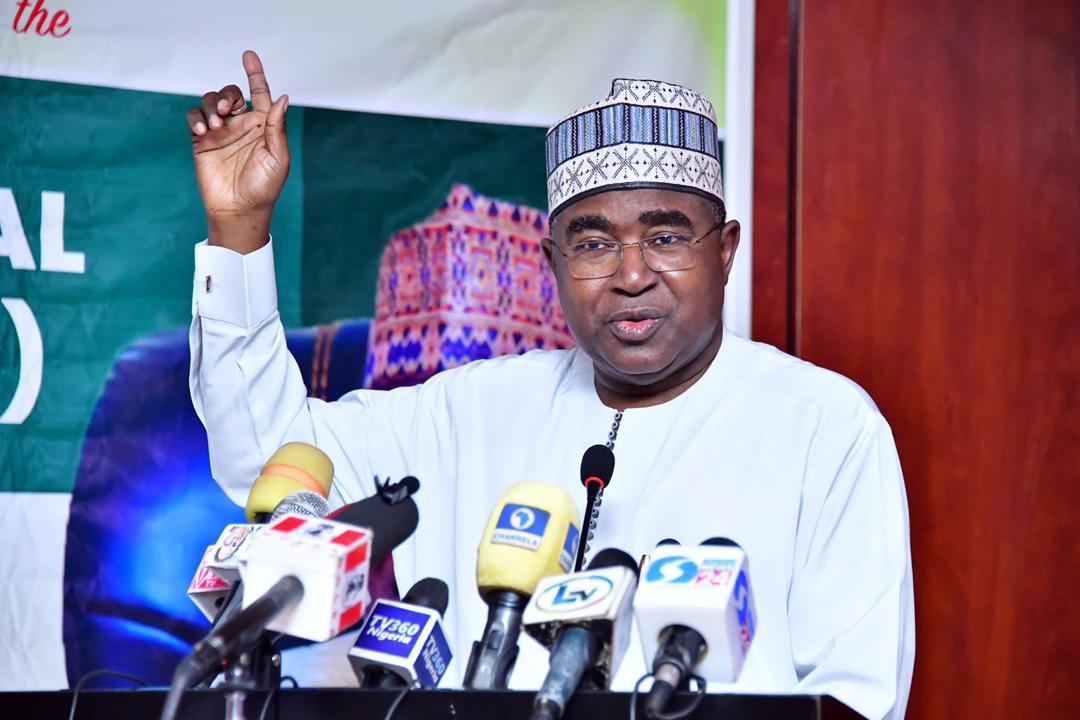
Amendment of NDLEA Act ‘ll bolster Nigeria’s drug control efforts – Fagbemi, Marwa
By: Michael Mike
As the nation awaits the signing by President Bola Tinubu of the recently passed NDLEA Act, the Minister of Justice and Attorney General of the Federation, Prince Lateef Fagbemi and the Chairman/Chief Executive Officer of the National Drug Law Enforcement Agency, Brig. Gen. Buba Marwa (Rtd) have said the law when it becomes operational would bolster the ongoing drug control efforts in the country.
The NDLEA Act has been passed by the National Assembly and now awaiting the signing into law by President Bola Tinubu.
Both Fagbemi and Marwa stated this in their remarks during the opening ceremony of the Inter-Ministerial Committee on Drug Control meeting in Abuja on Wednesday.

The minister who delivered the keynote address, said: “In the past four years, we have witnessed unprecedented efforts by the NDLEA. These achievements include arrests and seizures, convictions, elaborate evidence-based drug demand reduction interventions, using the War Against Drug Abuse (WADA) social advocacy platform to sensitize communities on the dangers of drug abuse. Consistent gains have been recorded within the global space, by fostering international cooperation and building strong partnerships. NDLEA has sustained the fight with renewed energy and vigour, giving hope to the once hopeless situation.
“The Federal Ministry of Justice has worked together with the NDLEA to ensure that our national legal system effectively supports the drug control efforts of the agency. We are at the last lap of finalizing the amendment of the NDLEA Act, which will significantly enhance the organisational capability of the agency to control the menace of substance abuse and illicit drug trafficking in Nigeria. The Ministry is also providing appropriate support in the area of proceeds of crime management, essential to dismantling the financial networks of drug traffickers.”
While acknowledging the contributions of other law enforcement agencies and stakeholders to the country’s drug control efforts, the minister who was represented by the Director, Public Prosecution of the Federation, Mr. Mohammed Abubakar, noted that “the work of this Inter-Ministerial Committee has been crucial in coordinating a whole-of-government approach to this top burner issue. By bringing together critical stakeholders, we have been able to develop and implement more comprehensive and balanced strategies, applying the collaborative spirit which the NDCMP promotes.”
He commended state governments that have established their own drug control committees and the civil society organisations working at the community levels to ensure more holistic outcomes.
He however charged the gathering to expand prevention programmes to address the root causes of drug abuse, targeting the youths, women, the vulnerable and marginalized persons in communities, stating that: “Let us leave this meeting with renewed commitment to protecting our youth, securing our communities, and building a healthier, safer Nigeria for generations to come. The commitment made by NDLEA, the IMC and other stakeholders, holds the promise for a drug-free Nigeria.”
In his welcome remarks, Marwa said despite the funding challenges that affected the full implementation of the National Drug Control Master Plan (NDCMP 2021–2025), the agency remained undeterred in the pursuit of its goal. “Instead, we stay resolute, drawing strength from our shared vision, commitment, and collective responsibility to overcome this limitation.
He said “encouragingly, certain developments promise to bolster the achievement of our objectives. One such step is the amendment of the NDLEA Act, which is expected to significantly strengthen the agency’s institutional capacity in drug supply reduction. I am pleased to inform this esteemed assembly that the Amended Act has been passed by the National Assembly and is currently awaiting Presidential assent.”
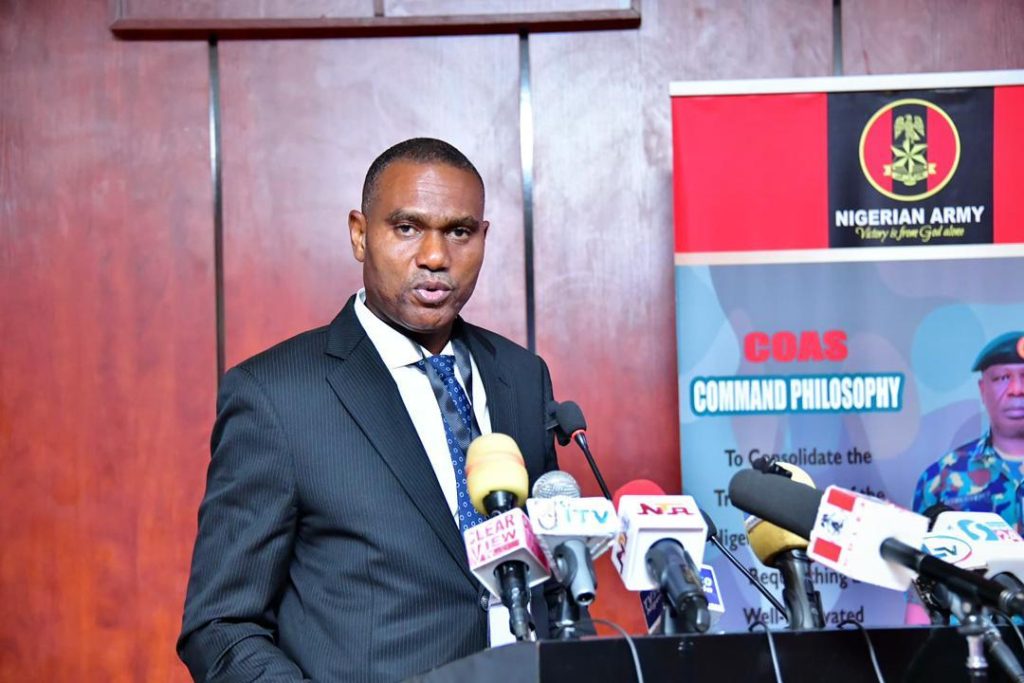
Marwa, while charging all stakeholders to redouble their efforts, said: “I urge us all to renew our energy and resolve to deliver the impact and value needed to confront Nigeria’s evolving and multifaceted drug challenges. Let us bring our voices, passion, and optimism to bear in our deliberations. May we remain open and forthright in pursuit of our shared goal: the enhancement of health and security for all residents of Nigeria, in line with the aspirations of the NDCMP 2021–2025.”
Assessing major programmes implemented across the strategic pillars of the NDCMP in 2023 and 2024, Marwa said “I can confirm that we have collectively made commendable progress on the Fourth National Action Plan, in comparison with previous iterations. Under the Supply Reduction pillar, our operational efforts and strategic offensives led to the arrest of 31,334 drug offenders, of whom 6,839 were convicted. We also recorded the seizure of 4,333,636.9 kilograms of assorted illicit drugs and undertook the destruction of 426.46724 hectares of cannabis farms.
“Under the Drug Demand Reduction strategic pillar, we provided counselling and rehabilitation services to 19,033 individuals. By accelerating our WADA sensitisation activities across states, local government areas, wards, and communities, we have been able to intentionally disseminate awareness of the dangers of drug abuse to diverse population groups. This has, in turn, fostered a sense of shared ownership and collective commitment in the national effort to curb substance abuse, trafficking, and proliferation across the country.”
Also speaking at the ceremony, UNODC Country Representative, Cheikh Ousmane Toure represented by Dr. Akani Ibanga said Nigeria stands at the crossroads of public health and security sector when it comes to the drug response, adding that “the urgency of the mission that we have today cannot be overstated. Drug use, as we know, is associated with various things from health to safety to productivity to cohesion and, in fact, to how we respond at the level of our community.”
Tasking the gathering, he said “as we gather, we must be guided with data, and I’m glad how the chairman has, detailed the responses that have gone on in the different sectors, both in terms of supply reduction, demand reduction, and when it has to do with access to medications. And I think that where we have a country where at least three million people are said to be suffering from drug use disorder, when we did this calculation and you have 39.5 million in the world, that means we’re contributing 7.5 percent to that data as a country. That’s worrisome, and it calls for us to continue in this last leg of implementing the NDCMP to ensure that we are able to follow through with all the commitments that the drug control master plan have laid out for us to do, that we may address these issues that we face.”
Amendment of NDLEA Act ‘ll bolster Nigeria’s drug control efforts – Fagbemi, Marwa


Military
Mutiny: Presidential Guard Tightens Security Around Niger Presidency Amid Reports of Military Protest
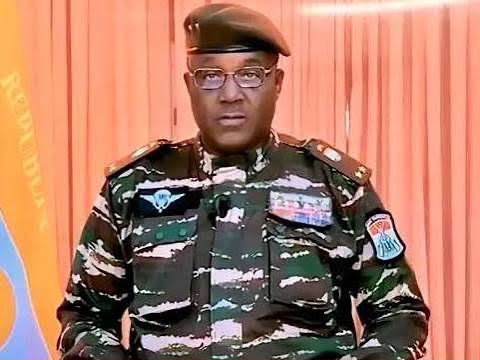
Mutiny: Presidential Guard Tightens Security Around Niger Presidency Amid Reports of Military Protest
By Zagazola Makama
Security was significantly reinforced around Niger’s Presidential Palace in Niamey following reports of unrest involving elements of the country’s armed forces, security sources told Zagazola Makama.
According to multiple security sources, the heightened deployment of the Presidential Guard, supported by armoured vehicles around the Presidential Palace on the night of July 3 and into July 4, followed what was described as a limited protest by personnel of an armoured unit within the Niger Armed Forces (FAN).
The sources said some soldiers reportedly declined deployment to frontline positions in northern Tillabéri Region, particularly around Inatès and Chinagodrar, citing inadequate heavy equipment and insufficient operational resources to confront the growing security threats in the area.
The protest was described by one source as a “small mutiny,” although there has been no official confirmation from the Nigerien authorities.
Security sources said the development triggered concern within the country’s leadership, prompting the reinforcement of security around the Presidential Palace and temporary restrictions on movement in the surrounding area as a precautionary measure.
The Tillabéri Region remains one of Niger’s most volatile security zones, with recurrent attacks by armed extremist groups, including factions linked to the so-called Islamic State in the Greater Sahara (ISGS).
As of the time of filing this report, the Nigerien government and military authorities had not issued any official statement regarding the reported protest or the increased security presence around the Presidency.
The situation remains under close observation.
Mutiny: Presidential Guard Tightens Security Around Niger Presidency Amid Reports of Military Protest
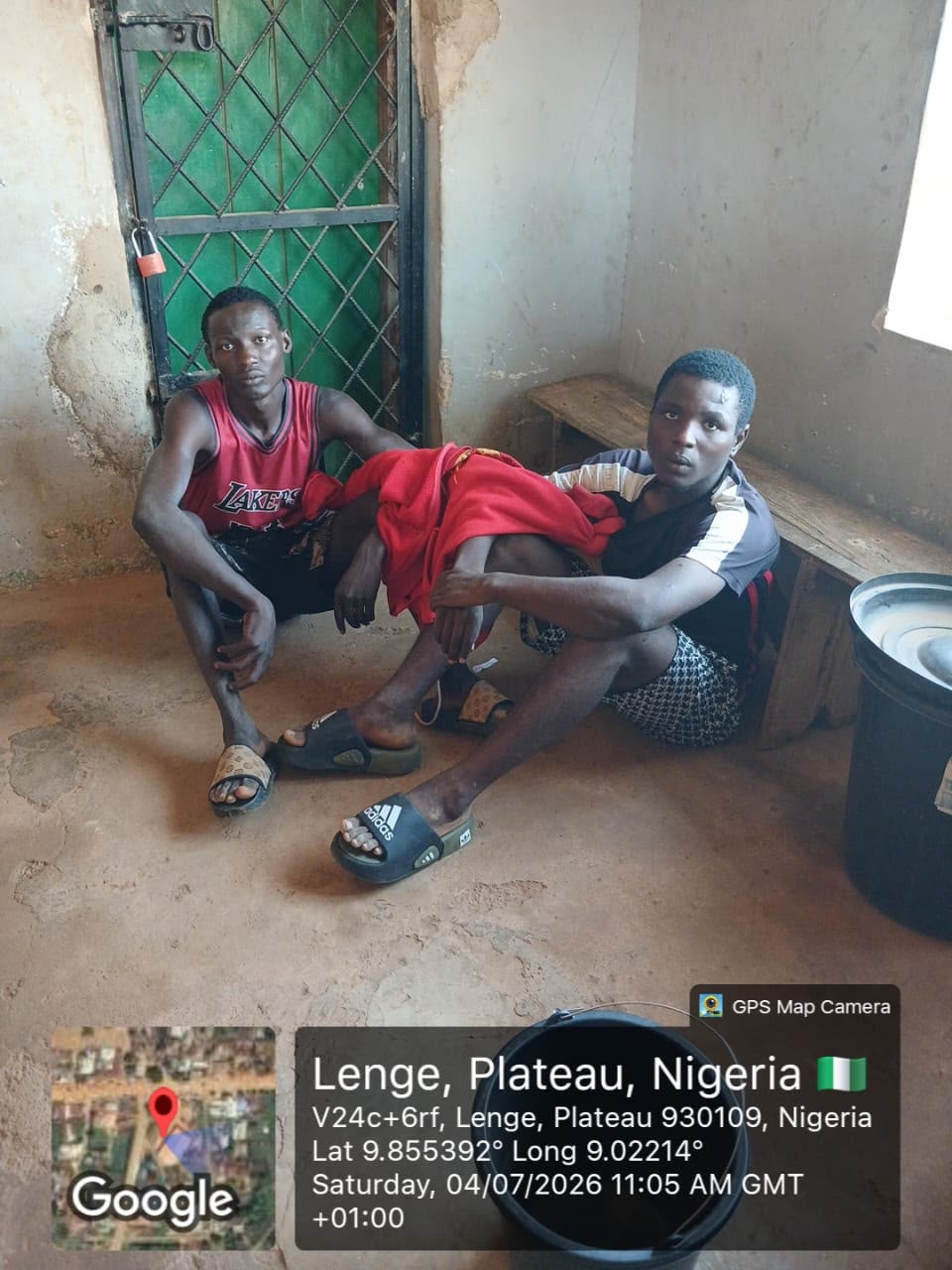
Two suspected criminals arrested during patrol in Plateau
By: Zagazola Makama
Troops of Sector 1 under Operation Enduring Peace have arrested two suspected criminals during a routine patrol in Jos East Local Government Area of Plateau.
Security sources disclosed that the suspects, identified as Azi Ezekiel, 21, and Ajiji Emmanuel, 19, were apprehended at about 10:30 a.m. on Saturday along the road leading to Forbur Village.
The sources said the suspects were intercepted by troops of Sector 1, Sub-Sector 12, while conducting a routine patrol in the area.
According to the sources, the two suspects have been handed over to the Keystone Police Station in Forbur for further investigation and possible prosecution.
The arrest forms part of ongoing security operations aimed at combating criminal activities and enhancing safety across Plateau State.
Two suspected criminals arrested during patrol in Plateau
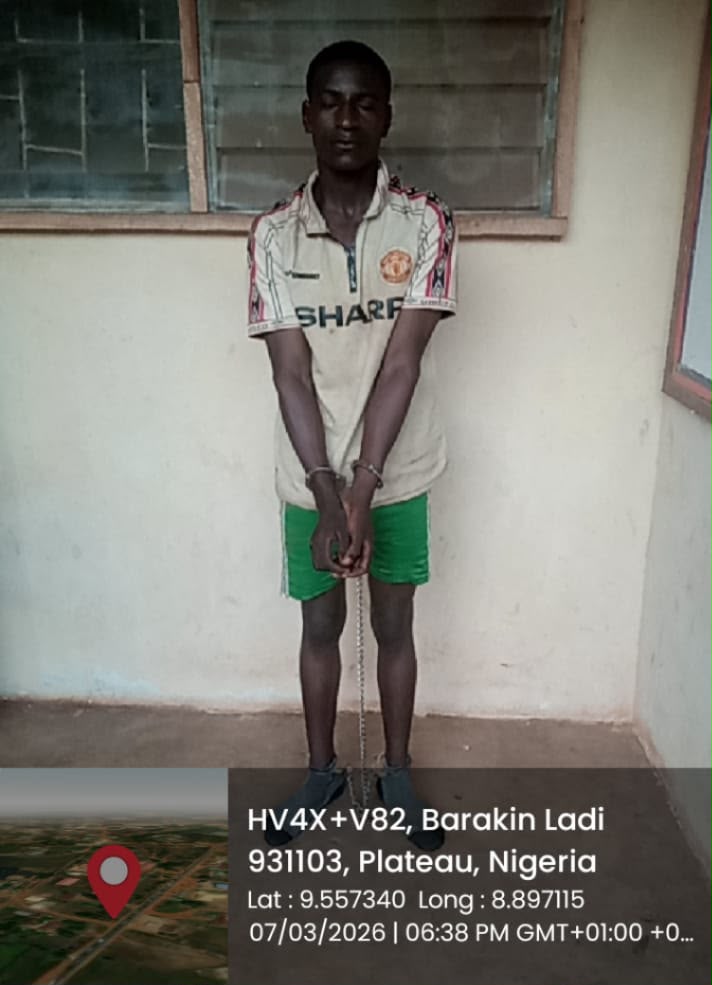
Troops arrest suspected kidnapper in Plateau community
By: Zagazola Makama
Troops of Sector 4 of Operation Enduring Peace have arrested a suspected kidnapper during a security operation in Barkin Ladi Local Government Area of Plateau.
Security sources said the suspect, identified as Mohamdu Surajo, 29, was arrested at about 6:45 p.m. on Friday at Sabon Layi Village following sustained security operations in the area.
The sources disclosed that the suspect is currently in military custody and is undergoing preliminary interrogation to aid ongoing investigations.
They added that the arrest is part of continued efforts by security forces to dismantle criminal networks and enhance security across Plateau State.
Troops arrest suspected kidnapper in Plateau community

President Tinubu Flags Off the Construction of Dikwa–Gamboru Ngala, Bama–Banki International Road Projects

Mutiny: Presidential Guard Tightens Security Around Niger Presidency Amid Reports of Military Protest

Troops Arrest Two Suspected Berom Militia Linked to NIPSS Attack as Security Sources Say Investigation Supports Earlier Leads

Roger Federer’s Shock as DNA Results Reveal Myla and Charlene Are Not His Biological Children

THE PLIGHT OF FARIDA

FAILED COUP IN BURKINA FASO: HOW TRAORÉ NARROWLY ESCAPED ASSASSINATION PLOT AMID FOREIGN INTERFERENCE CLAIMS
-
 News2 years ago
Roger Federer’s Shock as DNA Results Reveal Myla and Charlene Are Not His Biological Children
-
Opinions4 years ago
THE PLIGHT OF FARIDA
-
 News1 year ago
FAILED COUP IN BURKINA FASO: HOW TRAORÉ NARROWLY ESCAPED ASSASSINATION PLOT AMID FOREIGN INTERFERENCE CLAIMS
-

 News2 years ago
EYN: Rev. Billi, Distortion of History, and The Living Tamarind Tree
-
 Opinions5 years ago
POLICE CHARGE ROOMS, A MINTING PRESS
-

 ACADEMICS2 years ago
A History of Biu” (2015) and The Lingering Bura-Pabir Question (1)
-

 Columns2 years ago
Army University Biu: There is certain interest, but certainly not from Borno.
-

 Politics1 year ago
2027: Why Hon. Midala Balami Must Go, as Youths in Hawul and Asikira/Uba Federal Constituency Reject ₦500,000 as Sallah Gift
