
Politics
APC SET FOR 3RD STRAIGHT VICTORY SINCE 2015, SAYS PRESIDENT BUHARI

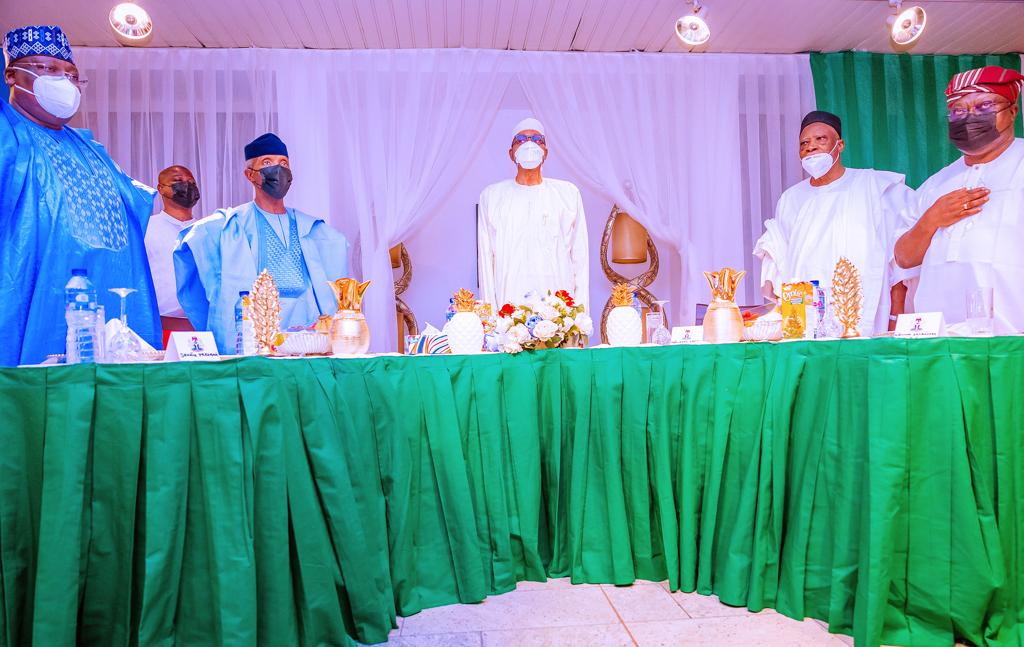
APC SET FOR 3RD STRAIGHT VICTORY SINCE 2015, SAYS PRESIDENT BUHARI
By: Femi Adesina
At a meeting held Sunday night at State House, Abuja, with members of the National Advisory Council of the All Progressives Congress (APC), President Muhammadu Buhari appraised the series of consultations held so far towards getting a widely acceptable presidential standard bearer, and concluded: we are on the way towards winning our third straight victory since 2015.
Also Read: Owo’s deaths mounted: Blood on the altar, a sacrifice…
Saying the meeting was convened to provide leadership and direction during the transition period, the President added that the motive was “to strengthen our unity and to focus on building upon our electoral fortunes.”
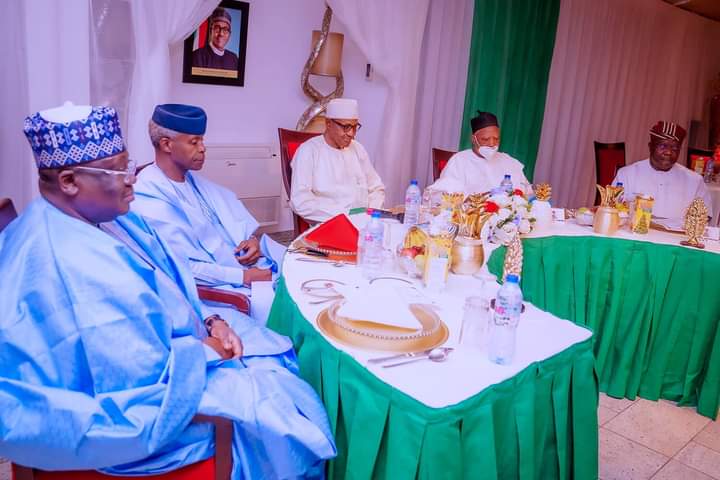
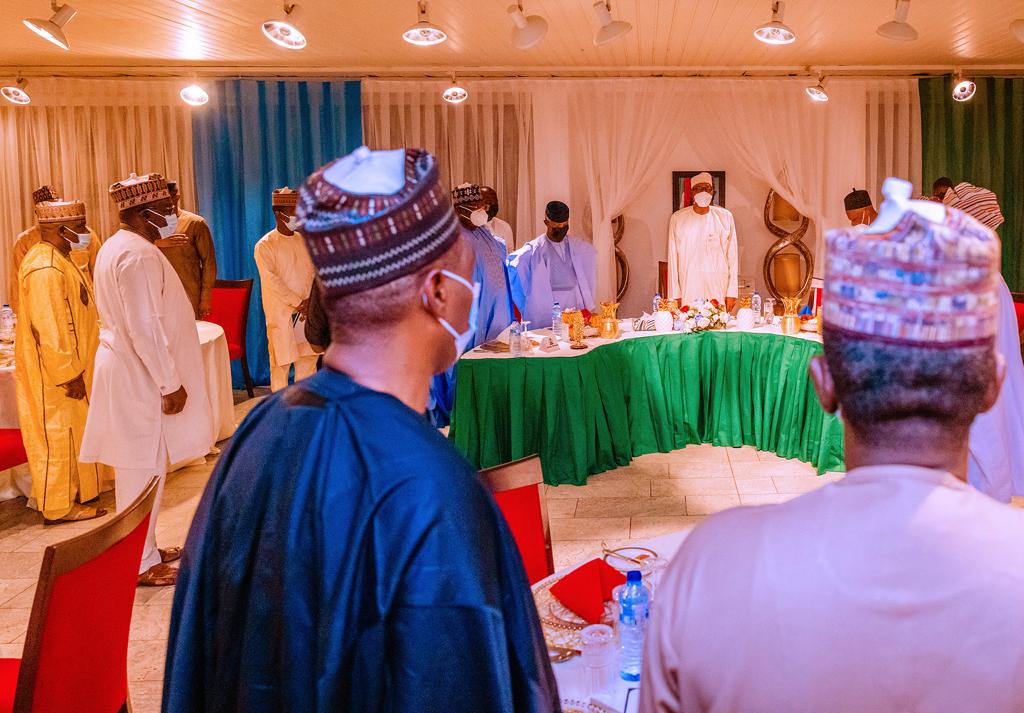
He added: “I am optimistic that the outcome of this consultation with the National Advisory Council will in addition to sharpening our focus, help to fortify the positive democratic principles, practices and culture that already exists within the party system.
“In the course of these consultative processes, I have already met separately with the Progressive Governors and with all our eminent members who are aspiring to become the Presidential flag bearer for our party during the 2023 elections.
“I am pleased to inform you that those meetings have been fruitful and indicative of a party that is prepared and marching towards a third straight victory since 2015, at the presidential polls.”
President Buhari recalled that at the meeting with the Governors and the aspirants, “I underscored the important roles consensus building and consultations have played in the survival of successful political parties around the world, adding that our party should not be an exception.
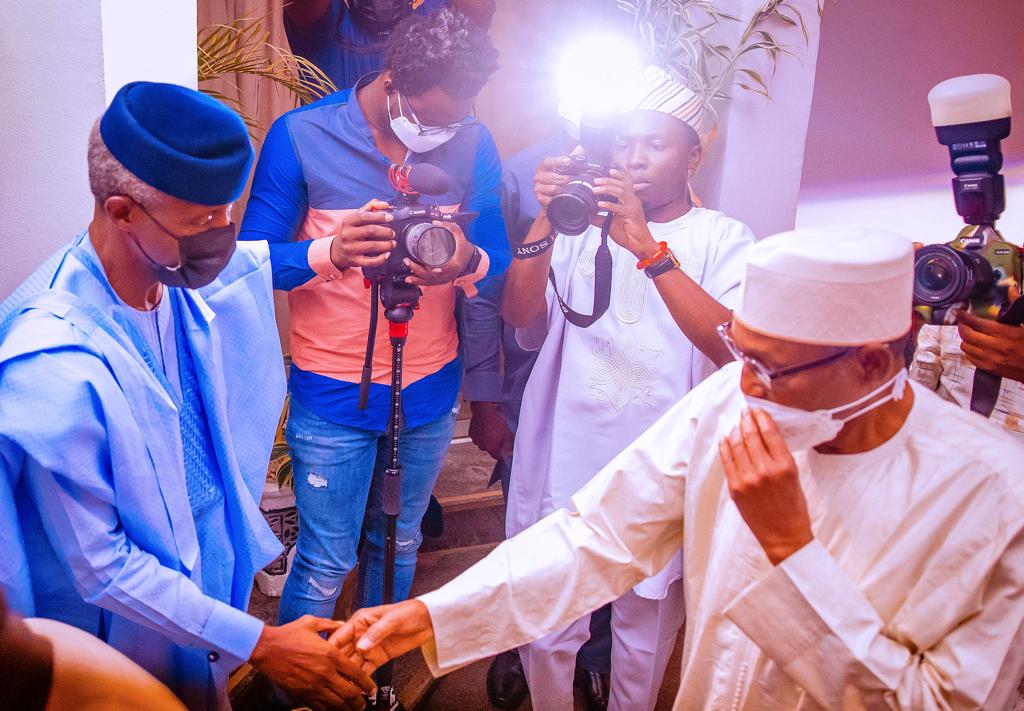
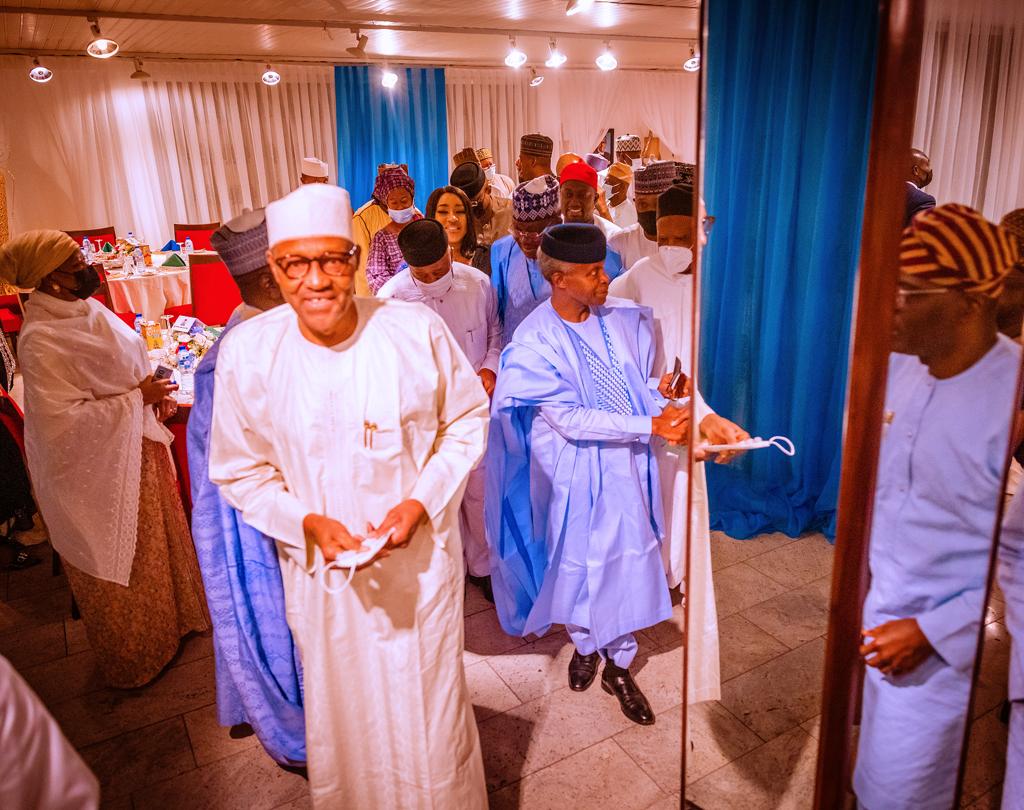
“Recognizing the foregoing, therefore, I also emphasized the need to strengthen our unity, stabilize our internal cohesion and system as well as present a formidable Presidential candidate who has the ability to build a unified nation and the capacity to deal with our challenges.
“The party machinery has also screened all our aspirants to the office of the President and found that they consist of eminent personalities, rich in experience, capacity, commitment to service and accomplishment in life. This gives us a lot of confidence but it also comes with its challenges.”
He said that in the circumstances, in order to prevent any post-convention acrimonies and also reduce noticeable anxiety among members on the possible outcome of the process, the party leadership has recommended the intensification of consultation and consensus building to reduce the number of aspirants as it approaches the convention, which commences Monday , June 6, 2022.
The President said in order to further support the efforts of the party, he has admonished the aspirants to consult among themselves and with the party, so that the objective of the recommendation by the leadership would be actualized.
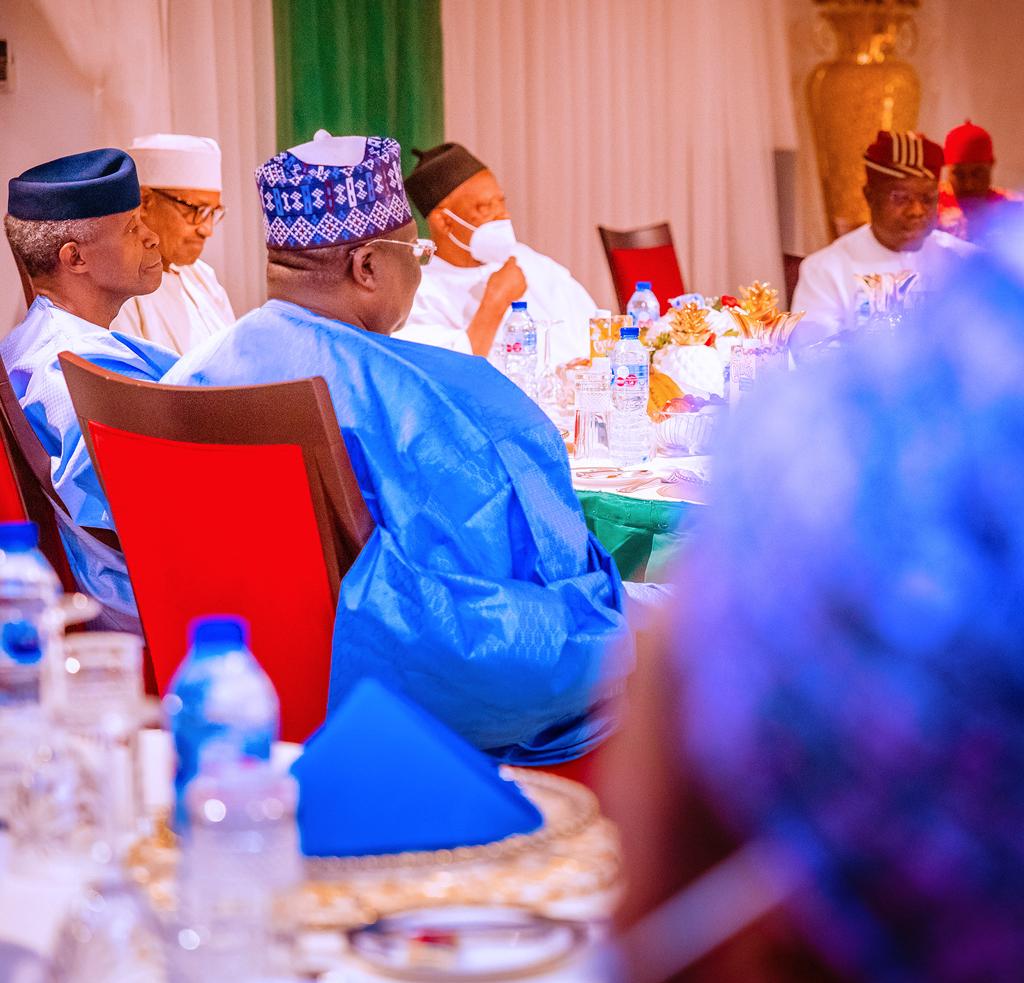
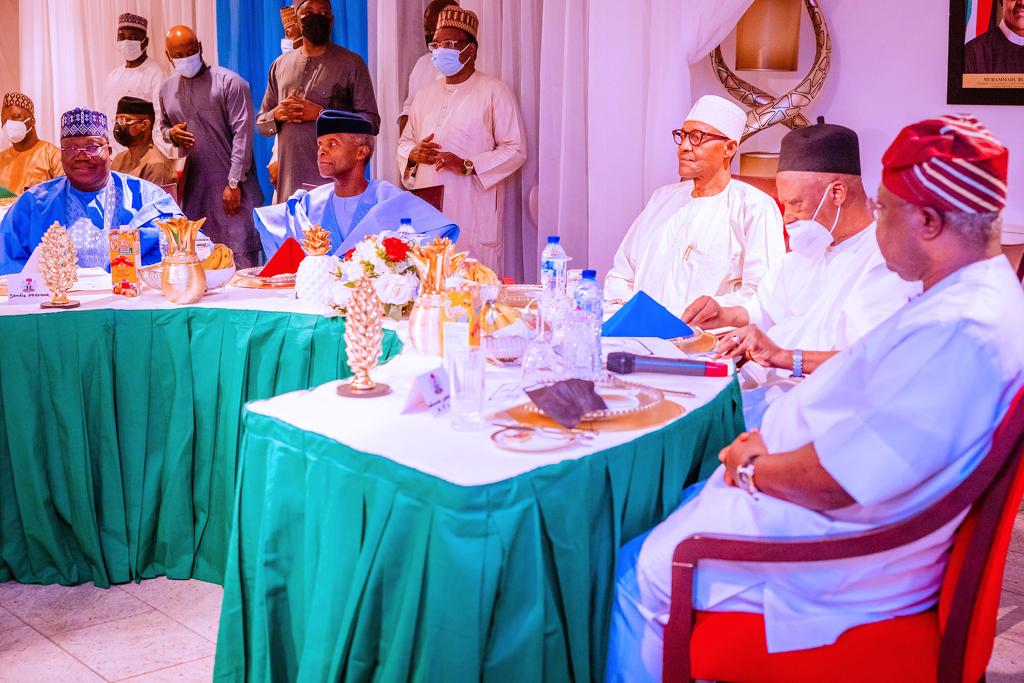
And as members of the National Advisory Council of the APC, the President says he recognizes the fact that they all have diverse interests, spheres of influence and expectations. “You similarly possess the collective ability to ensure our victory at the 2023 polls by strengthening the stability and unity of the party.
“My charge and appeal to all of you, therefore, is to reach out to your various spheres of influence to actively promote the spirit of consultation and consensus building so that a formidable candidate for the 2023 Presidential elections would emerge from the convention. Our citizens do not expect less from us.”
President Buhari assured, as he did to the Governors and the aspirants, that in the interest of the nation and the party, he would lead the transition processes and on-going consultations, “till we successfully choose our candidate for the 2023 presidential elections and record our third straight victory, thereafter, by God’s grace.”
Responding on behalf of the National Advisory Council (hitherto known as Board of Trustees) members, former Internal Affairs Minister and Senator, Major General Mohammed Magodo (retd), former Osun State Governor and first Interim National Chairman of the party, Chief Bisi Akande, and former Senate President, Chief Ken Nnamani, thanked the President for the consultative meetings, and commended him for the great service he had rendered to the country, particularly in the areas of agriculture and infrastructure.
They were unanimous that with hard work and a united front, the APC would win the presidential election billed for February next year, as well as the National Assembly, governorship, and State Assembly polls.
APC SET FOR 3RD STRAIGHT VICTORY SINCE 2015, SAYS PRESIDENT BUHARI


Politics
The Silent Strategy: Why Kashim Shettima Is the Defining Force Behind the Tinubu Ticket in 2027

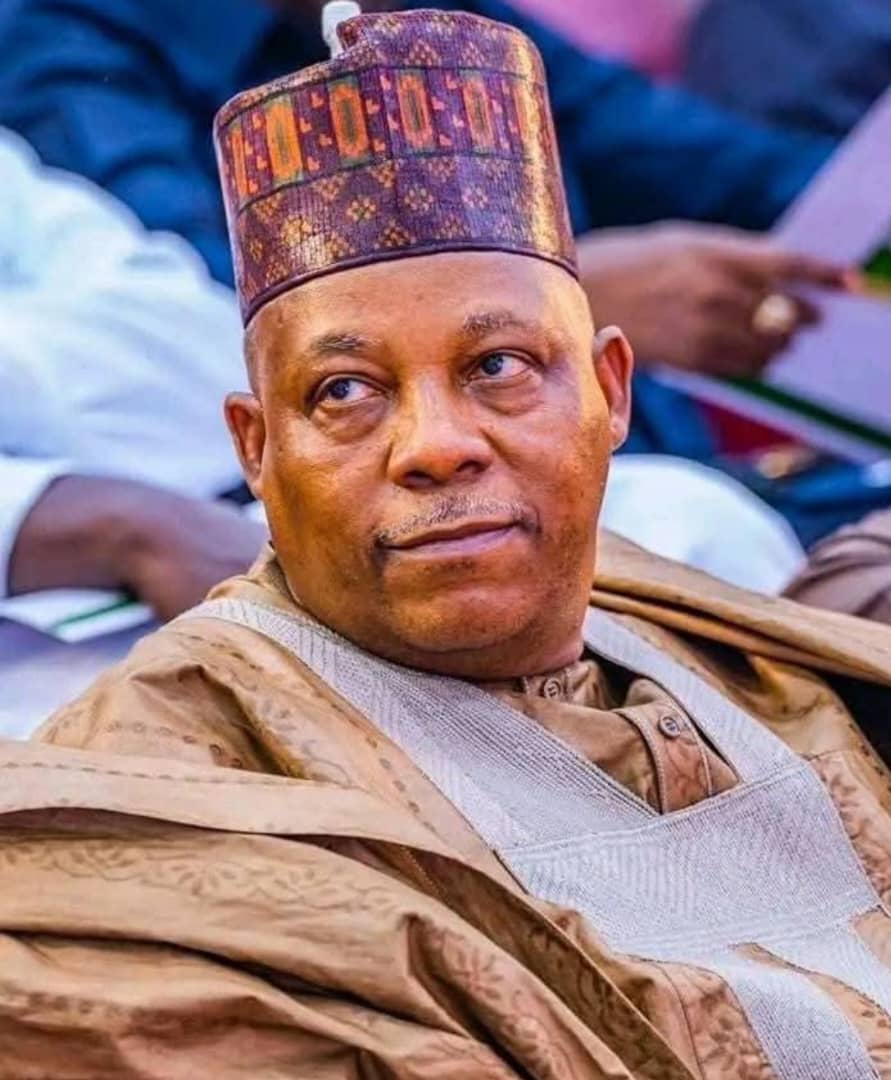
The Silent Strategy: Why Kashim Shettima Is the Defining Force Behind the Tinubu Ticket in 2027
By: Dr. James Bwala
In Nigerian politics, visibility is often mistaken for strength. Candidates who appear frequently on television, speak at rallies, issue bold promises, and dominate social media are commonly assumed to be the most politically active. Yet elections are not won by public appearances alone. Behind every successful political movement are networks, negotiations, strategy, organization, and patient groundwork that may not always be visible to the public.
This situation is why the claim that the All Progressives Congress is not campaigning for 2027 deserves closer examination. While Peter Obi appears across the country and Atiku Abubakar continues to speak about his plans for Nigeria, it would be a mistake to assume that the APC is inactive or that the Tinubu administration has surrendered the political space. Much of the party’s work may be taking place quietly, away from the noise of rallies and social media declarations. At the center of that quiet political strategy is Vice President Kashim Shettima, whose role may prove decisive in shaping the future of the Tinubu ticket.
The argument that Shettima is the soul of the Tinubu ticket is not based merely on loyalty or personal admiration. It is rooted in the realities of Nigerian political calculations. The vice president brings regional balance, political experience, administrative knowledge, and an understanding of the complex networks that influence national elections. Shettima has a deep understanding of the blueprints, and his contribution may not always generate dramatic headlines, but political success is often built through precisely such less visible efforts.
Those who judge political campaigns only by public appearances risk misunderstanding how power operates. Campaigning does not begin and end with rallies. It includes consultation with stakeholders, engagement with governors, coordination with party structures, dialogue with traditional leaders, relationship-building with religious and community organizations, and efforts to maintain unity within a broad political coalition. These activities may not trend online, but they can determine the outcome of an election.
The APC’s apparent silence may therefore be strategic rather than accidental. A party in government does not necessarily need to respond to every accusation or compete in daily verbal exchanges. Its political advantage includes access to state institutions, visibility through governance, contact with elected officials, and the ability to point to policies and projects already undertaken. While opposition figures may focus on promises and criticism, the governing party can campaign through a combination of performance, organization, and political alliances.
This does not mean that every action of the government should be accepted without scrutiny. Democracy requires accountability, and citizens have the right to question government policies, economic conditions, and political decisions. However, criticism should not be confused with electoral victory. A party can face public frustration and still win an election if it maintains internal unity, builds effective alliances, and presents a credible narrative to voters. Conversely, an opposition movement can attract large crowds and intense online support without converting that enthusiasm into sufficient votes.
The political strength of Kashim Shettima lies partly in his ability to operate within this complex environment. As a former governor, he understands the relationship between national politics and grassroots structures. He is familiar with the language of party organization, the importance of regional confidence, and the demands of managing competing interests. His experience in Borno also gives him a distinctive connection to the politics of the North, while his position as vice president enables him to participate in national engagement.
Shettima also brings an important dimension to the Tinubu ticket: the ability to complement, rather than duplicate, the president’s political identity. President Bola Tinubu is widely recognized as a forceful political strategist with a long history in Lagos politics and national coalition-building. Shettima, by contrast, contributes a different background and style. The strength of a political ticket often depends on whether its members can reach different audiences and reassure different constituencies. A successful ticket must be broad enough to unite people who may not share the same regional, religious, or political outlook.
This complementary relationship may become particularly important in 2027. Nigeria is a country of immense diversity, and no serious presidential campaign can rely on one region or one political personality. The Tinubu-Shettima ticket must appeal to voters across the South, the North, urban centers, rural communities, young people, business interests, traditional institutions, and organized political structures. Shettima’s role may be crucial in maintaining confidence among northern stakeholders and communicating the administration’s message in regions where political expectations are especially complex.
The opposition’s visible activity should not be dismissed. Peter Obi has developed a strong national following, particularly among young voters and citizens who desire a new political direction. His message of reform, competence, accountability, and economic transformation resonates with many Nigerians. Atiku Abubakar, meanwhile, remains an experienced national politician with an established network and a long record of presidential ambition. His continued public engagement demonstrates that the opposition space is active and competitive.
Nevertheless, visibility is not the same as organization. Peter Obi’s influence must eventually be translated into polling-unit structures, local coordination, coalition-building, and broad geographical support. Atiku must also overcome the challenges that have affected opposition politics in the past, including rivalry among leaders, divided platforms, personal ambition, and the difficulty of building a united front. Speaking about what they will do for Nigeria is important, but elections are won when political messages are supported by disciplined structures capable of mobilizing voters.
This is where the APC may have an advantage. The party has experienced officeholders at the federal and state levels, a national political structure, and access to influential actors across the country. If these resources are properly coordinated, the party can remain competitive even when its campaign activities appear less dramatic than those of its opponents. Its greatest challenge, however, will be internal. No amount of quiet strategy can compensate for division, poor communication, unpopular decisions, or failure to respond to public concerns.
The effectiveness of Shettima’s role will therefore depend on how well the administration combines political organization with governance. Nigerians are not likely to vote solely on the basis of party slogans or regional calculations. Economic hardship, unemployment, insecurity, inflation, public services, and trust in government will significantly influence the electorate. Political strategy may help secure alliances, but performance will determine whether those alliances remain convincing.
The APC’s opponents may be misjudging the political waters if they believe that the absence of constant rallies means the absence of preparation. However, the APC would also be misjudging the electorate if it assumes that quietness alone will produce victory. Silence can be strategic, but it must eventually be followed by a clear record, a persuasive message, and a credible plan for the future. The party cannot expect Nigerians to reward hidden efforts that do not produce visible improvements in their lives.
The phrase “the ghost is working in silence” captures the idea of political activity that is not immediately visible. Networks are being maintained. Alliances are being negotiated. Party leaders are assessing their positions. Stakeholders are calculating their interests. Communities are observing the government’s direction. Such processes may not appear on the front pages every day, but they form part of the foundation of electoral politics.
If the APC succeeds in coordinating these silent efforts, Atiku may face serious difficulties in converting his public engagement into a winning coalition. Peter Obi may also discover that popularity, especially among a passionate section of the electorate, must be matched by nationwide structure and strategic alliances. The shock awaiting the opposition may not be that it lacked public attention, but that it underestimated the capacity of a governing party to organize quietly while appearing publicly restrained.
Still, political predictions should be made with humility. No candidate is guaranteed victory, and no party should assume that past success will automatically be repeated. Nigerian voters are increasingly politically conscious, more willing to challenge established parties, and more attentive to issues of competence and accountability. The electorate cannot be treated as a passive audience that will simply follow party calculations. Citizens will judge the administration by what they experience and by whether its promises match reality.
For the Tinubu ticket, Kashim Shettima’s importance will therefore be measured not only by his ability to work behind the scenes but also by his capacity to communicate, build trust, defend the administration’s record, and help shape a political coalition that reflects Nigeria’s diversity. He must be more than a quiet strategist. He must also be an effective bridge between the government and citizens, between the president and party structures, and between national policy and regional expectations.
The central lesson is that political noise should never be confused with political power. Peter Obi’s visibility and Atiku Abubakar’s public promises are important parts of the 2027 contest, but they do not tell the whole story. The APC may be pursuing a different method—one based on quiet mobilization, institutional relationships, coalition-building, and the use of governing power. In that strategy, Kashim Shettima may be the critical figure whose influence becomes fully apparent only when the election draws near.
Those who are campaigning against President Tinubu and chanting “Tinubu Must Go” have every democratic right to do so. But they should not assume that public anger automatically translates into electoral victory. Nor should they overlook the political work taking place beyond the cameras. The coming contest will be decided not by who shouts the loudest, but by who builds the strongest national structure, offers the most convincing account of governance, and mobilizes voters most effectively.
The opposition may continue to rant today and tomorrow. The APC may continue to appear restrained. Yet beneath the surface, political calculations are already taking shape. If Shettima and the Tinubu camp succeed in turning silent organization into visible results and electoral mobilization, their opponents may indeed be shocked by the outcome. The “ghost” may be working quietly—but in politics, silence becomes powerful only when it is supported by strategy, performance, unity, and a clear understanding of the people.
- James Bwala, PhD, writes from Abuja.
- The Silent Strategy: Why Kashim Shettima Is the Defining Force Behind the Tinubu Ticket in 2027
Politics
2027: Should Atiku Withdraw from the Race and Find Peace, or Continue and Live with Regrets?

2027: Should Atiku Withdraw from the Race and Find Peace, or Continue and Live with Regrets?
By: Dr James Bwala
As Nigeria approaches the 2027 general election, political conversations are already gathering momentum. Former Vice President Atiku Abubakar remains one of the country’s most experienced opposition figures and a familiar name in presidential politics. Yet experience, recognition, and persistence do not always guarantee victory. At a certain point, every political leader must confront an important question: Is continued participation an expression of courage, or has it become an unwillingness to accept political reality?
For Atiku Abubakar, the 2027 election may represent another opportunity to contest for the presidency, but it may also become the moment when he must decide whether to withdraw from the race and preserve his legacy. Continuing without a realistic path to victory could expose him to another painful defeat, deepen divisions within the opposition, and leave him with regrets about refusing to recognise changing political circumstances. There is no shame in surrendering when the political environment no longer favours a candidate. In some cases, withdrawal is not weakness; it is wisdom.
The central argument is not that Atiku lacks ability or experience. On the contrary, he has demonstrated remarkable resilience. He has contested presidential elections several times, built a national political network, and remained influential in Nigeria’s democratic development. However, politics is not merely a contest of personal ambition. It is also an exercise in timing, coalition-building, public confidence, strategic calculation, and the ability to recognise when a different generation or political arrangement is better positioned to succeed.
The signs surrounding the 2027 race suggest that Atiku may face a difficult and frustrating contest. A political image of Atiku struggling to wear a new pair of shoes, while Rotimi Amaechi attempts to assist him, offers a powerful metaphor. The shoes may represent a political arrangement, a coalition, or a new strategy that does not fit comfortably. Despite assistance, the effort ends in frustration, with the shoes thrown away. Whether viewed as symbolism, intuition, or political interpretation, the image reflects the difficulties that may confront Atiku as he attempts to build another presidential campaign.
A presidential campaign requires more than determination. It requires a structure capable of carrying the candidate to victory. Such a structure must include a broad and united coalition, strong party machinery, financial capacity, effective communication, popular enthusiasm, and a message capable of connecting with voters across Nigeria’s diverse regions. It must also persuade voters that the candidate represents a credible change from the existing administration. If any of these elements is missing, even an experienced politician can struggle.
Atiku’s previous campaigns demonstrate both his strengths and his limitations. He has consistently enjoyed national recognition and has been able to attract supporters across different parts of the country. However, his repeated attempts have not produced victory. Each failed campaign carries lessons, but it also creates political fatigue. Some voters may begin to question whether a candidate who has contested several times can offer a genuinely new direction. Others may prefer a younger or less familiar figure who symbolises generational change.
The issue of age and political renewal will likely be central in 2027. Nigerian voters, especially younger citizens, are increasingly demanding leaders who understand their economic realities, technological environment, and aspirations. They want employment, security, affordable education, reliable electricity, healthcare, and opportunities to participate meaningfully in national development. A campaign built primarily around past experience may not be sufficient. The opposition must present not only a candidate but also a convincing future.
Atiku’s greatest challenge may therefore be the changing political mood. A candidate who was once viewed as a strong alternative may find it more difficult to inspire the same level of enthusiasm after multiple contests. Political parties and alliances also change. Individuals who were once allies may pursue their own ambitions, while former supporters may move to different political platforms. In such circumstances, a campaign can become an exhausting struggle to recreate a coalition that no longer exists in its previous form.
The emerging political landscape could also favour the incumbent. President Bola Ahmed Tinubu and Vice President Kashim Shettima possess the advantages associated with incumbency: access to national visibility, established party structures, government influence, and the ability to present themselves as the centre of political attention. If the administration succeeds in improving economic conditions, strengthening security, and demonstrating measurable development before 2027, it may enter the election with a stronger position than the opposition expects.
A scene of Tinubu and Shettima dancing on a stage while Peter Obi and Rabiu Kwankwaso watch in shock can be understood as a metaphor for opposition fragmentation. It suggests a situation in which opposition leaders remain divided while the ruling party consolidates its position. Such division could be decisive. If major opposition figures compete against one another rather than forming a united front, they may divide the anti-government vote and make victory easier for the incumbent.
Nigeria’s electoral history shows that opposition parties rarely succeed when their leaders are unwilling to compromise. Presidential victory requires broad support beyond a candidate’s traditional base. It requires strategic partnerships and, in many cases, difficult personal sacrifices. If Atiku, Obi, Kwankwaso, Amaechi, and other influential figures all pursue separate ambitions, the opposition may repeat the mistakes of previous elections. Their supporters may be passionate, but passion without coordination can produce defeat.
This is why Atiku should seriously consider whether withdrawal could serve a larger national purpose. By stepping aside, he could help create space for a new opposition arrangement. He could support a younger candidate, negotiate a stronger coalition, or become a respected elder statesman whose influence extends beyond personal ambition. Withdrawal would not erase his political contributions. Instead, it could demonstrate that he places the stability and future of Nigeria above the desire to occupy the presidency.
Some may argue that withdrawing would amount to surrendering his dream. But a political dream must be assessed against reality. Persistence is admirable when it advances a meaningful objective; it becomes counterproductive when it ignores evidence. A leader who continues indefinitely despite declining prospects may eventually be remembered less for his accomplishments than for his refusal to recognise when it was time to step aside.
There is also a personal dimension to the decision. Presidential campaigns are demanding, expensive, and emotionally draining. They expose candidates to criticism, betrayal, public disappointment, and intense political pressure. A candidate who enters another race without a strong likelihood of success risks subjecting himself and his supporters to another cycle of anxiety and frustration. If the outcome is another major defeat, the political consequences may be more damaging than those of a voluntary withdrawal.
Atiku’s legacy should not be defined only by whether he eventually became president. His career includes important contributions to public service, democratic politics, and the development of political institutions. He has played significant roles in national debates and has remained an important figure in Nigeria’s political history. He can preserve that legacy by making a decision that reflects maturity and foresight.
However, withdrawal alone is not enough. If Atiku decides not to contest, he should use his influence to promote a credible democratic alternative. He could encourage opposition leaders to establish transparent rules for selecting a candidate, resolve regional and ideological disputes, and produce a common programme focused on economic recovery, security, social welfare, and institutional reform. He could also mentor younger politicians and support internal party democracy.
The greatest danger to the opposition is not necessarily the strength of the ruling party; it is the opposition’s inability to organise itself. A divided opposition can turn every leader into a candidate but no one into a winner. The lesson of 2027 should therefore be that personal ambition must not overwhelm collective responsibility. Political leaders must understand that the ultimate objective is not simply to appear on the ballot. It is to offer Nigerians a realistic, competent, and united alternative.
Atiku may still decide to contest, and he has every constitutional right to do so. No political interpretation or personal vision should be treated as an unquestionable fact. Elections are determined by voters, organisations, campaign quality, public sentiment, and verifiable political developments. Predictions can stimulate debate, but they cannot replace evidence or democratic choice. The final decision must be based on careful polling, grassroots feedback, coalition strength, and a realistic assessment of the electoral environment.
Nevertheless, the warning remains relevant. If the political cloud does not favour Atiku, continuing may bring more frustration than fulfilment. The image of struggling with shoes that do not fit captures the danger of forcing a political journey under unfavourable conditions. Sometimes the most courageous decision is not to continue walking at all costs but to stop, reassess, and choose a more meaningful path.
Atiku should therefore consider withdrawing from the 2027 presidential race—not as an admission of personal failure, but as an act of political wisdom. He could find peace in knowing that he served his country, contributed to democracy, and helped prepare the way for a stronger generation of leaders. If he continues without a viable route to victory, he may win admiration for his persistence but eventually live with the regret of having ignored the signs around him.
There is no shame in surrendering when surrender prevents greater damage. In politics, as in life, timing matters. A leader’s greatness is measured not only by the battles he fights but also by the battles he chooses to avoid. By withdrawing, Atiku may lose a place on the ballot, but he could gain something more enduring: respect, influence, peace, and a legacy of putting Nigeria’s future above his personal ambition.
- James Bwala, PhD, writes from Abuja
- 2027: Should Atiku Withdraw from the Race and Find Peace, or Continue and Live with Regrets?

2027: VP Shettima Rallies Northern Artists For President Tinubu’s Second Term
** *Says president’s reelection non-negotiable for Nigeria’s prosperity, national unity
** *As northern-based professionals in creative industry pledges full support for president’s return, election of all APC candidates
By: Our Reporter
The Vice President, Senator Kashim Shettima @officialSKSM, has appealed to northern-based professionals in the creative industry to support the re-election of President Bola Ahmed Tinubu @officialABAT in the interest of fairness and the unity of the Nigerian project.
He said the President deserves the support of the North, assuring the group of Northern artists that the Tinubu administration will continue to support the growth of the entertainment industry in the region.
Speaking on Wednesday during an audience with a delegation of Northern Performing Artists under the auspices of Triple-R For Renewed Hope at the All Progressives Congress (@officialAPCNg) campaign office in Abuja, Senator Shettima emphasised that the region stands to benefit significantly from the administration’s creative economy initiatives.
According to him, President Tinubu deserves the collective support of the North, as the federal government under his watch was implementing policies designed to empower local talent, stimulate cultural preservation, and generate economic opportunities through the creative arts.
Underscoring the importance of reciprocal support from Northern stakeholders to ensure the seamless execution of the administration’s Renewed Hope Agenda, the Vice President assured the delegation that the federal government will continue to roll out targeted interventions to support regional artists, filmmakers, and musicians.
On the gains of the reforms being undertaken by the Tinubu administration, VP Shettima urged the group to remain steadfast with the government and the APC as a party, maintaining that the benefits of its programmes and policies will continue to manifest across different sectors in the coming months and years.
Earlier, the Director-General of the Presidential Campaign Council, Sen. Abdulaziz Yari, said the re-election of President Tinubu in the 2027 general elections would be based on facts and achievements, while urging support groups and individuals to be guided by the performance of the administration.
He also called on creative industry professionals to disregard claims by political opponents about the exclusion of the North in terms of appointments and projects, stating that the region has been fairly treated by the current administration and remains an integral part of the country’s democratic journey.
In his remarks, the Deputy Director General, Parliamentary Mobilization, APC Presidential Campaign Council and former governor of Katsina, Aminu Bello Masari, thanked the creative industry professionals for their resolve to support all APC candidates, including President Tinubu, in the forthcoming general elections.
He said the programmes of the Tinubu administration and its policies are positively impacting the fortunes of creative industries, urging professionals to leverage the opportunities enhanced by the administration to improve their lives and livelihoods.
Former Kano State Governor and APC National Chairman, Dr. Abdullahi Umar Ganduje, thanked the group for their support. He urged them to stand for justice, fairness, and inclusiveness to ensure the re-election of President Tinubu in 2027.
Acknowledging the commitment, love and passion of the group in supporting the party’s candidates across all levels, Ganduje insisted that Triple-R For Renewed Hope remained one of the most organic support groups of the APC in the country.
He advocated the enhancement of the entertainment industry in Nigeria through the provision of infrastructure and training of upcoming artistes from the region.
For his part, President of Triple-R For Renewed Hope, Alhaji Dauda Kahutu Rarara, pledged the support of the group for the reelection of President Tinubu and all other candidates of the party across thw north.
He noted that northern Nigerian creatives remain focused on building a united front to support the reelection of President Tinubu and regional APC candidates.
He said the support of northern-based professionals was organic and based on performance, noting that all professionals in the film industry from the northern part of the country were united in supporting all APC candidates in the 2027 elections.
Also, National Chairman of the group, Alhaji Lawan Ahmad, and Secretary of Triple-R For Renewed Hope, Alhaji Ahmad Bifa, who spoke separately, expressed their readiness to work for the success of President Tinubu and all the APC candidates in the forthcoming elections.
They sought the support of the federal government in the reorganisation of the creative industry in northern Nigeria, particularly in the provision of the necessary infrastructure and wellbeing of professionals.
2027: VP Shettima Rallies Northern Artists For President Tinubu’s Second Term

North-East Governors Push Regional Energy Agenda, Seek Speedy Completion of Mambila Hydropower

Army, Police, DSS launch aggressive operation to rescue 20 abducted NYSC members in Imo

Zulum commends Tinubu for reviving Kolmani oil exploration, urges Borno’s oil field work revived

Roger Federer’s Shock as DNA Results Reveal Myla and Charlene Are Not His Biological Children

THE PLIGHT OF FARIDA

FAILED COUP IN BURKINA FASO: HOW TRAORÉ NARROWLY ESCAPED ASSASSINATION PLOT AMID FOREIGN INTERFERENCE CLAIMS
-
 News3 years ago
Roger Federer’s Shock as DNA Results Reveal Myla and Charlene Are Not His Biological Children
-
Opinions5 years ago
THE PLIGHT OF FARIDA
-
 News1 year ago
FAILED COUP IN BURKINA FASO: HOW TRAORÉ NARROWLY ESCAPED ASSASSINATION PLOT AMID FOREIGN INTERFERENCE CLAIMS
-

 News3 years ago
EYN: Rev. Billi, Distortion of History, and The Living Tamarind Tree
-
 Opinions5 years ago
POLICE CHARGE ROOMS, A MINTING PRESS
-

 ACADEMICS3 years ago
A History of Biu” (2015) and The Lingering Bura-Pabir Question (1)
-

 Columns3 years ago
Army University Biu: There is certain interest, but certainly not from Borno.
-

 Politics1 year ago
2027: Why Hon. Midala Balami Must Go, as Youths in Hawul and Asikira/Uba Federal Constituency Reject ₦500,000 as Sallah Gift
