
Uncategorized
Army Recruitment: Zulum supports 641 candidates from Borno

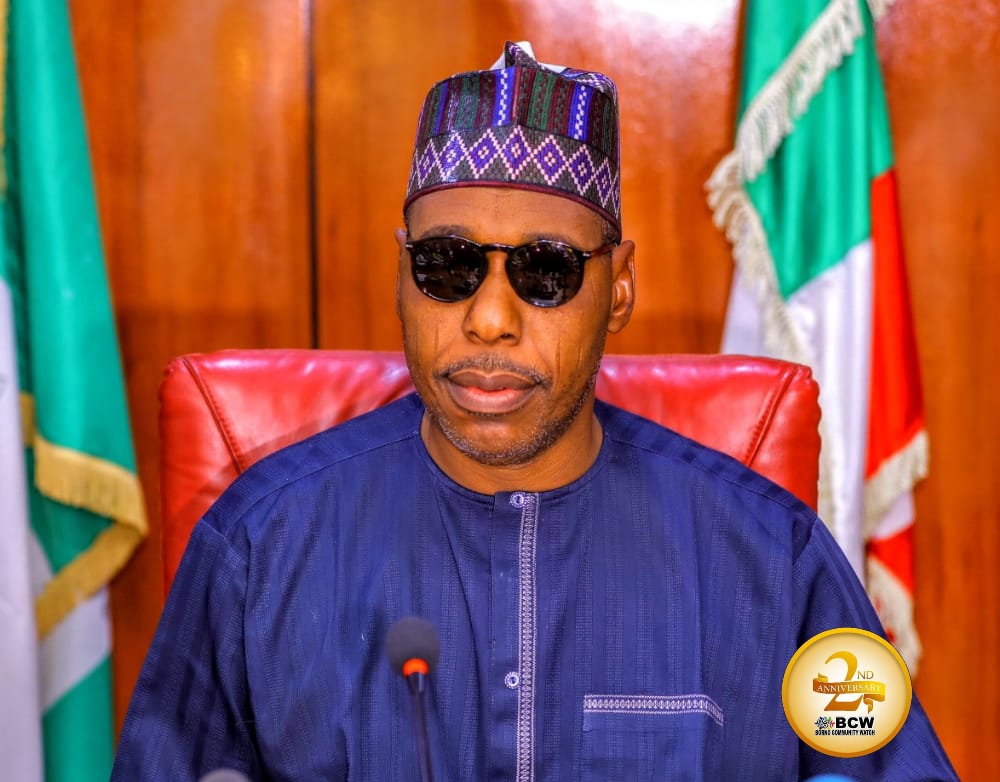
Army Recruitment: Zulum supports 641 candidates from Borno.
Borno State Governor Babagana Zulum on Wednesday approved N12.8million as support for 641 candidates currently at their final stage of exercises to qualify for recruitment into the Nigerian Army’s 81 regular intakes for 2021.
Zulum announced the support while addressing the candidates at Maimalari barracks in Maiduguri.
The Governor was received at the barracks by the theatre commander of operation Hadin Kai, Major General Christopher Musa.
The 641 candidates, each of whom is to get N20, 000, were those who passed different stages of medical and fitness tests and soon to leave for final military fitness exercises at Falgore Game Reserve in Kano from where successful candidates will be recruited into the army.
Read Also: APC Congress: Why there is no descending voice in Borno
Governor Zulum urged all the candidates, many of whom hailed from the 27 local government areas of Borno state to be good ambassadors of the state.
“I commend your patriotism for choosing to enlist into the Army. However, as citizens of Borno, I advise that you should be good ambassadors of our State. Under no circumstances should you behave wrongly anywhere outside. Insha’ Allah, we shall provide the needed support to all of you” Zulum said.
The Governor, in addition to his release of N12.8m also approved N15,000 monthly to support each of the 641 candidates during the last stage of the recruitment exercises.
Successful candidates from across the country are expected to proceed to the Nigerian Army Depot in Zaria for other stages of their recruitment training.


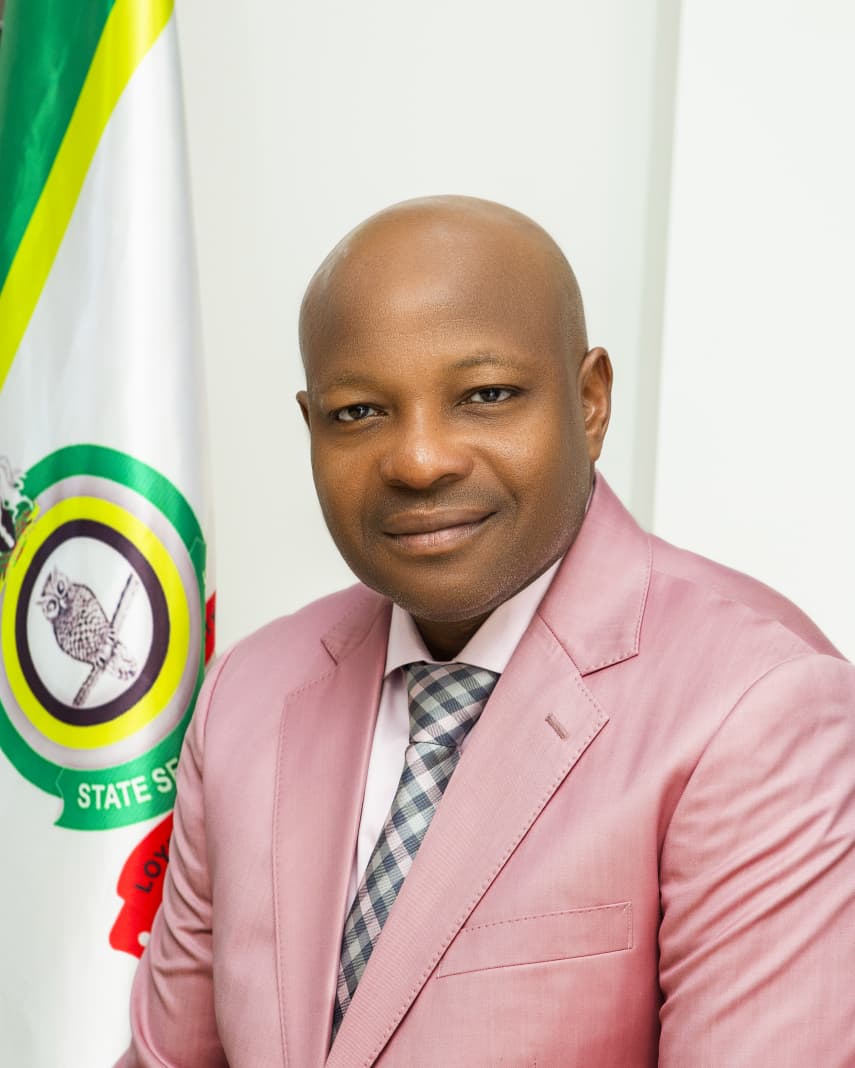
Sowore’s Attack on NUJ Over DSS Chief’s Award Baseless, Threatens Free Speech – Group
By: Michael Mike
The Centre for Public Integrity has condemned what it described as an “asinine and unwarranted attack” by former presidential candidate of the African Action Congress (AAC), Omoyele Sowore, against the Nigeria Union of Journalists (NUJ) over its recent “Man of the Year” award to the Director-General of the Department of State Services (DSS), Mr. Oluwatosin Ajayi.
In a statement issued on Sunday and signed by its National Coordinator, Comrade Job Samuel Danfulani, the group said Sowore’s criticism of the award raises serious moral, legal and security concerns, particularly because of what it termed a baseless attack on the NUJ.
The organisation acknowledged that Sowore had the right to disagree with the award but insisted that such criticism should be expressed “with decency and within the ambit of the law.”
The Centre noted that Ajayi had previously received recognition from major media bodies, including the International Press Institute (IPI), which in December commended him for his commitment to press freedom and respect for journalists. According to the group, the IPI had praised the DSS under Ajayi’s leadership for demonstrating professionalism, restraint and openness to dialogue, in contrast to past allegations of hostility toward the media.
The statement also highlighted several actions credited to Ajayi, including the removal of veteran journalist and Executive Director of the International Press Centre, Lanre Arogundade, from the DSS watchlist in April 2025 after more than three decades, as well as the withdrawal of cyber defamation charges against Order Paper newspaper and its staff following his intervention.
The Centre further pointed out that the Broadcasting Organisation of Nigeria (BON) had honoured Ajayi with a “Friend of the Media” award in April 2026, questioning why Sowore had not publicly objected to those recognitions but chose to criticise the NUJ award.
According to the group, the NUJ presented the “Man of the Year” award to the DSS chief at the conclusion of its two-day National Security Summit in Abuja, citing his efforts in promoting partnership, openness and mutual respect between the media and security institutions.
The organisation argued that journalists have the professional responsibility to commend or criticise public officials based on verifiable facts and performance, adding that several media stakeholders have publicly praised Ajayi’s leadership style.
It also referenced a recent tribute by veteran journalist and former Director-General of the Nigerian Television Authority (NTA), Dr. Tonnie Iredia, who reportedly commended the DSS chief’s approach to leadership and engagement with the media.
The Centre urged human rights organisations and journalists to condemn what it described as Sowore’s disrespect for the journalism profession, stressing that freedom of expression should not be used to undermine the dignity of others.
The group further appealed to Ajayi not to be distracted by criticism and to remain committed to upholding the rule of law in the discharge of his duties.
“The DSS under Mr. Ajayi has increasingly embraced legal processes and judicial adjudication in resolving disputes. Such commitment to the rule of law should not be diminished by provocative actions,” the statement said.
Sowore’s Attack on NUJ Over DSS Chief’s Award Baseless, Threatens Free Speech – Group
Uncategorized
Women kill boyfriend in Kano, set his corpse and her home on fire to make it look like accident

Women kill boyfriend in Kano, set his corpse and her home on fire to make it look like accident
By: Zagazola Makama
The Kano State Police Command is investigating a case of alleged culpable homicide, mischief by fire, and suspected criminal conduct following a fire outbreak at Amana House, Danbare Quarters in Kano.
According to a statement from the Command, the incident occurred on 19 June 2026 after police at Dorayi Babba Division received a distress report of a fire outbreak at the location. Police operatives were immediately mobilised to the scene, where the fire had already been brought under control.
Upon arrival, officers discovered one Ismail Sidi Muhammad, 27, of Tishama Hotoro Quarters, inside a room with severe injuries, including burns and a head wound. He was rushed to Murtala Muhammad Specialist Hospital, where he was later confirmed dead while receiving treatment.
Preliminary investigation indicates that the deceased had visited his girlfriend, Fatima Abdullahi, 25, of Danbare Quarters, when a dispute reportedly broke out between them, escalating into a physical altercation. Police said the suspect was later seen outside the room raising an alarm that a fire had broken out.
Fatima Abdullahi also sustained burn injuries and is currently receiving treatment at the hospital under police watch.
A search of the scene led to the recovery of three knives, one blood-stained high-heeled shoe, two mobile phones, and the deceased’s white Honda vehicle. The vehicle was found to contain N446,000 in cash.
The Police Command said investigations are ongoing to establish the full circumstances surrounding the incident and assured that further developments will be communicated.
Women kill boyfriend in Kano, set his corpse and her home on fire to make it look like accident
Uncategorized
Troops Neutralise Two Terrorists, Recover Weapon During Anti-Cattle Rustling Operation in Kaduna
Troops Neutralise Two Terrorists, Recover Weapon During Anti-Cattle Rustling Operation in Kaduna
By: Zagazola Makama
Troops of the Nigerian Army have neutralised two suspected terrorists and recovered arms during an operation against cattle rustlers in Igabi Local Government Area of Kaduna State.
Military sources said the operation was carried out at about 7:04 a.m. on June 20 after troops received intelligence on cattle rustling activities by suspected terrorists in Lere Village.
According to the sources, troops of the 4 Demonstration Battalion deployed at the Forward Operating Bases (FOBs) Foundation and Birnin Yero swiftly mobilised to the area and tracked the suspects to Rahama, where contact was established.
A firefight subsequently ensued between the troops and the suspected terrorists.
The sources disclosed that two of the terrorists were neutralised during the exchange of gunfire, forcing others to flee the scene.
Items recovered from the operation included one AK-47 rifle, one AK-47 magazine, two rounds of 7.62mm special ammunition and two rustled cattle.
Military authorities, however, reported that one civilian was killed by the fleeing terrorists during the incident.
The recovered weapon and other items are in military custody, while efforts are ongoing to track down and apprehend the remaining members of the criminal group.
Troops Neutralise Two Terrorists, Recover Weapon During Anti-Cattle Rustling Operation in Kaduna

Troops Recover Over 2,400 Rustled Livestock After Clash with Terrorists in Zamfara

Troops Intercept Arms Courier, Recover Weapons and Ammunition

COAS Joins Security Chiefs at Nigeria-UK Defence, Security Dialogue

Roger Federer’s Shock as DNA Results Reveal Myla and Charlene Are Not His Biological Children

THE PLIGHT OF FARIDA

FAILED COUP IN BURKINA FASO: HOW TRAORÉ NARROWLY ESCAPED ASSASSINATION PLOT AMID FOREIGN INTERFERENCE CLAIMS
-
 News2 years ago
Roger Federer’s Shock as DNA Results Reveal Myla and Charlene Are Not His Biological Children
-
Opinions4 years ago
THE PLIGHT OF FARIDA
-
 News1 year ago
FAILED COUP IN BURKINA FASO: HOW TRAORÉ NARROWLY ESCAPED ASSASSINATION PLOT AMID FOREIGN INTERFERENCE CLAIMS
-

 News2 years ago
EYN: Rev. Billi, Distortion of History, and The Living Tamarind Tree
-
 Opinions5 years ago
POLICE CHARGE ROOMS, A MINTING PRESS
-

 ACADEMICS2 years ago
A History of Biu” (2015) and The Lingering Bura-Pabir Question (1)
-

 Columns2 years ago
Army University Biu: There is certain interest, but certainly not from Borno.
-

 Politics1 year ago
2027: Why Hon. Midala Balami Must Go, as Youths in Hawul and Asikira/Uba Federal Constituency Reject ₦500,000 as Sallah Gift
