
Columns
Binoculars: Of security, military, intelligence and non-kinetic Comradeship against a common enemy in the north east war theatre

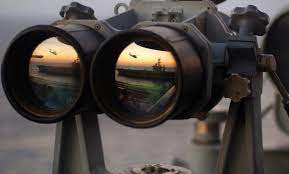
Binoculars: Of security, military, intelligence and non-kinetic Comradeship against a common enemy in the north east war theatre
By: Bodurin Kayode
One thing I have learnt in the North Eastern Nigeria war theatre is the fact that both the kinetic and the non-kinetic players are one as a team. We do not have a superior partner against an inferior partner. Just leaders. This is because we have accepted the grim reality of the fact that the bullet that kills the General is the same bullet that can send the private worrier in any organization to his early grave.
You could see it clearly in the way the military, which is the toughest kinetic organization managing the insurgency, has been embracing others in the non-kinetic realm into the theatre.
I was in a police forum recently where the command bomb controller was explaining how they detonate bombs and IEDs and it was not different from the way the military did it in the same Mallam Fatori council area of northern Borno.
What I am saying is that both the military and the non-kinetic sector including the intelligence services and the media have been drafted into the war to fight a common enemy. So if one partner feels offended in any way about the way the other does his thing then the onus is on him to call the person and use civil language to make his complaint and the solution will be reached for the common good. Not to use crude language regardless of how angry one partner is.
DO WE HAVE ANY SUPERIOR PARTNER TO THE REST OF US?
The answer to this is a capital no.What we have is a common enemy that must be crushed. And that is Boko Haram and their cousins.
So if we have a common enemy it means we are all agents of the state having the right to do the right thing at all times. The Directorate of State Security partners can claim that it is only them that have the right to protect the state but that would apply to states where we don’t have known enemies looking down on us. They surely can’t do it alone in the Maiduguri war where everyone is a target. They need all of us.
I had a sordid encounter with one overzealous Rabiu of the DSS working with the north east Development Commission (NEDC) after he had intimidated some of my colleagues to warn me simply because he didn’t know me personally.
What happened? I was trying to join the convoy of the NEDC on a commissioning mission from Borno Mass literacy like other people but their white J5 bus nearly knocked my car in the process. I think the driver himself was obviously an operative, then slowed down to ask me to move. By the time we got to the neighboring military secondary school, Rabiu marched rudely to me with an armed police man to intimidate me. I wondered why a decent operative with his senses will want to talk to a journalist and will now ask a police man to escort him to display a show of force. That was wrong. I was standing chatting with some informants trying to get some information and there was Rabiu with an officer Sunday of the Nigerian Police possibly to intimidate me. Sunday obviously reluctantly was drafted to create a scene on an unarmed reporter.
RABIU’S RUDE BODY LANGUAGE
No matter what I may have done wrong by my decision to burn my petrol for my friends in the NEDC, instead of following anyone, there was no justification for the rude language he used on me. I could even feel the realm of the dangerous “inferiority complex” he had in him for journalists when talking to me. He is obviously one of those who joined that service for the use of the weapon and not for intelligence purposes which they are supposed to be wired for. He was virtually talking down on me as if I would have been his mate if I was in that service. Insultingly.
Also Read: 2023: Why Kashim Shettima will bring massive votes than Any Presidential Running…
And then I humiliated him further by just smiling and I responded by saying, don’t bother yourself. I will not join the convoy again since I am so small or less important to the people who are not VIPs who he is guarding and who are also in the convoy. I could see the surprise in the eyes of officer Sunday of the Nigerian Police who escorted him possibly to show his force but saw me armless. Since he was too timid to come and see me himself and used a much more civil language to talk to me instead of whining like a hyena at the top of his voice. Immediately he walked off back to where the VIPs were and left me and another colleague watching the assignment.
Dogara, a young reporter of the channel’s TV who witnessed the entire wrong the guy meted out to my persona, went livid with rage. I just smiled and told him that as long as someone I respect is the boss of Rabiu, I will not return the rudeness he gave me back to him. Dogara looked at me and wondered if a known non-conformist like myself had gone soft and vowed that if he was the one he would have responded. I begged him to forget the antagonism of Rabiu because he was obviously sent. Ask Dogara when you see him. He saw the other side of me yesterday.
I never had the opportunity to meet Sadiq who is Rabiu’s direct boss before I left the NEDC but I will surely meet him one day to teach Rabiu how we behave in the theatre. He has no right to talk to me disrespectfully as if I was the enemy regardless of what wrong he thought I may have done based on their training and understanding which I am yet to be educated about. Rabiu is a very rude operative who needs training on the role of a journalist. He is not different from another who threatened to shoot myself and Franco sometime this year while driving into the government house. Our offense was because of a similar thing. When you come to a place and you don’t know certain people, you ask guys on the ground who they are and not to bully them unnecessarily. We got out of my car and marched to him and an argument started between the police who knew us and the new man who came from the Presidency. It was so funny. At the end of the day, the police officer who understood civil uniformed relationship asked us to go when the DSS guard started ranting about shooting at us. Franco and I walked back to my car and drove to our assignment. I actually reported the matter to the Governor’s chief detail who promised to look into the matter.
JOURNALISTS AND SECURITY MANAGEMENT
There is nothing contemporary that serious journalists do not know about security management and how to report with the advantage of the state at heart. The only difference in our job descriptions is the weapons they carry and high class equipment they use to get their own information. If we had a National Guard by now, most of the aspects of the state the DSS dabble into will not be necessary. But we missed that because some Generals sources convinced IBB that the guards will rival the Army. I don’t see the fear of rivalry at all. If the CIA and the FBI are not rivals all these years, why would a Nigerian national guard rival the Army? Well that is for another day’s Binoculars.
Sadly I always drum this into the ears of my colleagues who had one brush or the other with these people in the course of their duties.
The State Director in Borno here Oga Muritala as I call him is a fine gentleman. Always calm and gentle but you can’t take him for granted. I don’t have much interaction with his deputies other than hello when we cross paths or when I visit. But I have friends among them even in the lower ranks. They help me with my job. The reason why I couldn’t respond to Rabiu right down there on the ladder is that if we had a squabble and I placed him where he belongs, my friend Oga Muri may begin to have a second thought about the young reporter he knew 25 years ago while he was the Chief detail of the Governor of Zamfara state Ahmed Sani. Each time Yerima Bakura wanted to see me then as the reporter of the vanguard, this man was already waiting to usher me in. I remember his smiles with his walkie talkie in his hand. Always smiling and welcoming till this day when I meet him. Asking about my health and family.
When Yerima Bakura ushered me into his home with his kids milling around while we ate “twoo shinkafa and mia kuka” traditional Hausa food together. Oga Muri was there though distantly and never saw me as a threat. I left Gusau as a happy man. If I wasn’t a threat to Oga Muri then, when we were both very young, why would Rabiu be ranting all over the place as if I have suddenly become his personal threat? Someone should teach him civility with journalists or else something will happen to him that will puncture his arrogance.
I think the onus is on his direct boss in the NEDC Sadiq and my friend Oga Muri to instill our way of doing things to Rabiu and his likes who still behave like we are in the days of the NSO to calm down and respect the fact that the bullet that will kill a private operative is the same bullet that will kill an agent of a sergeant equivalent and it is the same that can send even the DG of their organization to the great beyond. No mortal has power over death so let’s be each other’s keeper.
Let’s learn to be civil in what we do in the war theatre. That will surely keep the kinetic and the non-kinetic together to fight the common enemy. And that is Boko Haram, ISWAP and even the Bandits. The Journalist has never been the enemy and will never be.
Binoculars: Of security, military, intelligence and non-kinetic Comradeship against a common enemy in the north east war theatre




UMTH: Prof. Ahmed Ahidjo, Eight Years of Productive Leadership
By Balami Lazarus
Every stage of human life opens a new chapter of experience, responsibility, and opportunity. In positions of leadership, these opportunities become particularly significant because they provide individuals with the power to influence institutions, improve systems, and contribute meaningfully to society. For Prof. Ahmed Ahidjo, his eight-year tenure as Chief Medical Director of the University of Maiduguri Teaching Hospital (UMTH) represented an important period of service, innovation, and institutional transformation.
Prof. Ahidjo served as the eighth Chief Medical Director of UMTH from 4 September 2018 to 4 September 2026. During this period, he used his professional knowledge, administrative experience, and leadership position to advance medical services, improve healthcare delivery, and provide modern infrastructure and equipment for the hospital. His tenure was marked by a clear determination to strengthen UMTH as a center of healthcare, medical education, research, and professional development.

The conclusion of his tenure was commemorated through a weeklong program of activities in Maiduguri. The program brought together government officials, medical professionals, traditional rulers, academics, hospital staff, and members of the public. It included project commissioning, conferences, lectures, inspections of medical facilities, a book launch, and an award ceremony. These events provided an opportunity to assess the achievements of the outgoing Chief Medical Director and to celebrate his contributions to the development of UMTH.
As a consultant interventional radiologist, Prof. Ahidjo brought specialized medical knowledge to the administration of the hospital. Interventional radiology is a field that uses imaging techniques to guide minimally invasive procedures for the diagnosis and treatment of diseases. It requires advanced technology, specialized training, and strong institutional support. Prof. Ahidjo’s professional background therefore influenced his vision for improving not only radiology services but also the general quality of healthcare available at UMTH.
One of the significant achievements associated with his tenure was the advancement of interventional radiology. During the period under review, UMTH hosted the first national conference of the Association of Radiologists in Nigeria in northern Nigeria. The conference brought together experts in radiology from Europe, Egypt, Asia, and Nigeria. Its location in Maiduguri demonstrated the growing importance of UMTH as a center for medical learning and professional exchange.
The conference also created an opportunity for radiologists and other healthcare professionals to examine new developments in medical imaging and minimally invasive treatment. Participants discussed ways of improving standards, expanding training, and strengthening the practice of radiology in Nigeria. By facilitating such a gathering, UMTH positioned itself as an institution capable of hosting major national and international medical events, despite the challenges associated with operating in the region.
Infrastructure development was another important feature of Prof. Ahidjo’s leadership. Among the projects commissioned during the handing-over activities were the Fertility Care Centre, the En-Suite Maternity Complex, and the Animal House. These facilities are relevant to both clinical services and medical research.
The Fertility Care Centre is expected to support individuals and families requiring specialised reproductive health services. Its establishment represents an important step in responding to the medical and emotional needs of couples facing fertility challenges. By providing services within the hospital, patients may have greater access to professional care, counselling, diagnosis, and treatment.
The En-Suite Maternity Complex is also significant. Maternity services require safe, comfortable, and properly equipped environments for mothers and newborns. A modern maternity facility can improve the quality of antenatal care, delivery services, postnatal care, and emergency obstetric interventions. In a region where maternal and child health remain important public health concerns, the development of such a facility is a valuable contribution to healthcare delivery.
The commissioning of the Animal House further reflected the hospital’s interest in research and medical education. Selected animals kept in the facility will be used by medical experts and researchers for experiments and other approved scientific activities. Research facilities of this kind help institutions generate knowledge, test ideas, and train future medical professionals. They can contribute to the development of evidence-based medicine and improve the capacity of healthcare workers to address complex medical conditions.
Prof. Ahidjo’s leadership was not limited to buildings and equipment. His tenure also encouraged academic and intellectual activities. One of the major events during the transition program was the 84th inaugural lecture of the University of Maiduguri. The lecture was delivered by Prof. Ahidjo under the chairmanship of Prof. Muhammad Laminu Mele, the vice-chancellor of the university.
The lecture, titled “Interventional Radiology in Nigeria: The Journey So Far, My Aspirations, and My Visionary Concept,” provided an opportunity for Prof. Ahidjo to reflect on his professional journey and his aspirations for the future of interventional radiology in Nigeria. He discussed the progress made in the field, the challenges that remain, and the need for continued investment in specialized training and modern medical technology.
His vision included the development of interventional radiology and the training of more radiologists in Nigeria. This emphasis on human capacity development is particularly important. Medical infrastructure can only achieve its full purpose when trained professionals are available to operate, maintain, and effectively use it. By promoting education and professional development, Prof. Ahidjo highlighted the need to combine physical infrastructure with knowledge and expertise.
The inaugural lecture also demonstrated the connection between hospital administration, professional practice, and academic responsibility. As a medical specialist and university professor, Prof. Ahidjo was able to bring together his experience in clinical medicine, teaching, research, and hospital management. His public presentation of these ideas reinforced the role of teaching hospitals as institutions that must provide healthcare while also producing knowledge and training professionals.
Another notable event was the launch of the book titled “Duty and Courage: The Story of Prof. Ahmed Ahidjo,” written by Dr. James Bwala. The book documented aspects of Prof. Ahidjo’s professional and administrative journey. Its title captured two qualities that are essential in public service: a commitment to responsibility and the courage to act in difficult circumstances.
The book launch, like the other activities, allowed colleagues, staff, and members of the wider community to reflect on the impact of Prof. Ahidjo’s leadership. It also ensured that the experiences and lessons of his tenure would be preserved for future generations. Institutional history is important because it helps succeeding leaders understand the decisions, sacrifices, challenges, and achievements that shaped an organization.
The handing-over ceremony attracted prominent personalities, including the Governor of Borno State, Babagana Umara Zulum; the Shehu of Borno, Abubakar Ibn Umar Garbai; ministers; emirs; members of the National Assembly; and other senior government officials and community leaders. Their presence demonstrated the importance of UMTH to Borno State and the wider northeastern region.
The hospital serves a large population and remains a vital institution in the provision of specialized healthcare. Its role extends beyond Maiduguri because patients from other parts of Borno State and neighboring states depend on its services. Any improvement in the hospital’s infrastructure, equipment, professional capacity, and administrative structure therefore has implications beyond the institution itself.
The climax of the weeklong program was the presentation of awards and recognitions to current and former staff members who served under Prof. Ahidjo. This gesture acknowledged the fact that institutional progress is rarely the product of one individual. Although a chief executive provides direction, the achievement of organizational goals depends on the commitment of doctors, nurses, pharmacists, laboratory scientists, technologists, administrators, cleaners, security personnel, and other workers.
Recognizing staff members also promoted a culture of appreciation and teamwork. Employees who feel valued are more likely to remain committed to their responsibilities. In this regard, the awards ceremony was not only a farewell activity but also a reminder that the progress of UMTH rests on collective effort.
Prof. Ahidjo formally handed over the administration of the hospital on 3 September 2026, one day before the official gazetted end of his tenure. In his brief speech, he expressed appreciation to the hospital community for its support. He then handed over the institution, including its staff, structures, equipment, and facilities, to Dr. Abubakar Mohammad Abiso, the Acting Chief Medical Director.
Dr. Abiso had previously served as Chairman of the Medical Advisory Committee and is a consultant family physician with extensive medical and administrative experience. In his response, he thanked Prof. Ahidjo for considering him suitable for the position. His words reflected both humility and an awareness of the responsibilities associated with leading the hospital.
One of the most symbolic moments of the transition occurred when Dr. Abiso asked how Prof. Ahidjo would be remembered. He answered by naming the Interventional Radiology Centre after the outgoing Chief Medical Director. The decision was appropriate because it connected Prof. Ahidjo’s legacy with the medical specialty to which he devoted his professional life and which he promoted during his leadership of UMTH.
Naming the center after him also created a permanent institutional reminder of his contributions. It ensured that future staff, students, patients, and visitors would encounter his name in a place associated with innovation, specialized care, and medical advancement. More importantly, it placed his legacy within the continuing work of the hospital rather than treating it as a closed chapter.
The end of Prof. Ahidjo’s tenure provides an opportunity to consider the meaning of productive leadership in a teaching hospital. Such leadership involves more than managing daily operations. It requires strategic planning, resource mobilization, staff motivation, professional competence, accountability, and the ability to respond to the healthcare needs of the community. It also requires leaders to build systems that can continue to function after their departure.
By commissioning new facilities, promoting medical conferences, supporting research, delivering an inaugural lecture, and encouraging professional development, Prof. Ahidjo contributed to several dimensions of institutional growth.
Balami, Publisher/Columnist 08036779290
UMTH: Prof. Ahmed Ahidjo, Eight Years of Productive Leadership
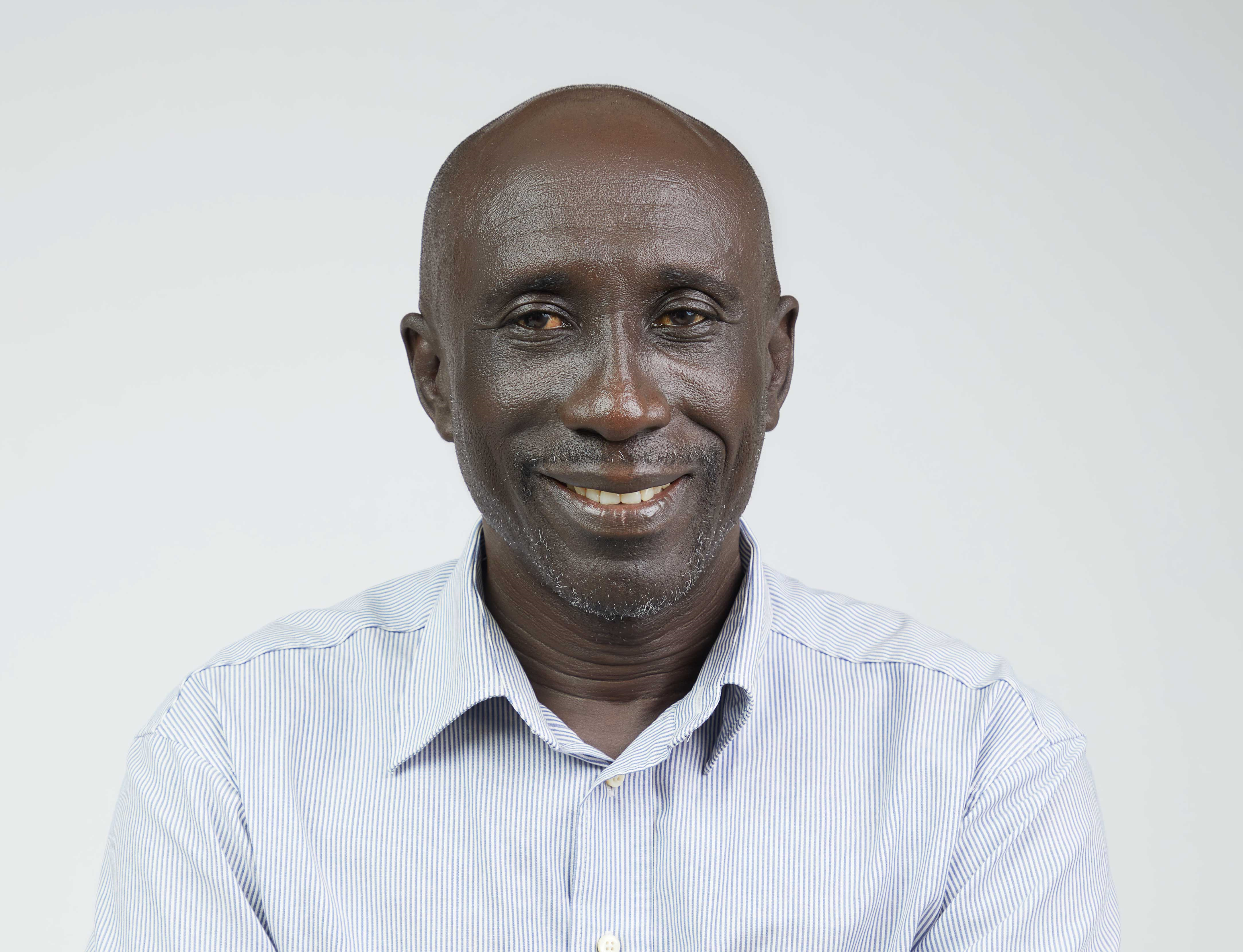
UMTH: Prof. Ahmed Ahidjo, Eight (8) Years of Productive Leadership
By: Balami Lazarus
Every stage of man is a new chapter of life experiences that manifest itself in rights, privileges, and opportunities to add value to humanity.
Prof. Ahmed Ahidjo has used the privileges and opportunities of his positions, most especially that of Chief Medical Director (CMD) of the University of Maiduguri Teaching Hospital (UMTH), for the past eight (8) years to provide and facilitate developments in medical and healthcare delivery with infrastructures, medical materials, and equipment of international standards for the hospital in his eight (8) progressive years.
NEWSng has been there all these years. And here we are, once again in Maiduguri to cover the weeklong packed handing-over ceremony to mark the end of Prof. Ahmed Ahidjo’s eight-year tenure as the 8th CMD since the inception of the hospital over 40 years ago.
Each day was full of activities to bid him farewell. Visitors and guests were always engaged in either commissioning of projects, conferences, lectures, book launches, or inspections of medical facilities/centers, asking questions on how Prof. Ahidjo did it.
The erstwhile CMD Prof. Ahidjo is a consultant interventional radiologist whose eight years of exemplary and visionary leadership began on the 4th September 2018 and end on the 4th September 2026.
There was the first-ever national conference of the Association of Radiologists in Nigeria (ARIN) in the north to be held in Maiduguri at UMTH, where experts in radiology from Europe, Egypt, and Asia met to improve on the standards of this branch of medical science.
There was a book launch “”titled “Duty and Courage”: The Story of Prof. Ahmed Ahidjo,. by Dr. James Bwala.
as part of the activities of the handing-over ceremony that was graced by the state governor, Babagana, Umara Zulum; ministers; Shehu of Borno, Abubakar Ibn Umar Garbai; emirs; and some members of the National Assembly, among other high government officials and personalities.
There was also commissioning of the Fertility Care Centre, En-Suite Maternity Complex, and Animal House, where some selected animals shall be kept to be used for experiments by the hospital medical experts/researchers.
To continue… .
UMTH: Prof. Ahmed Ahidjo, Eight (8) Years of Productive Leadership
IBUAM: The Challenges of a Specialized University
By: Balami Lazarus
Universities are major parts of nation building. its growth, progress, and developments, among other human endeavors. They are known for adding value to human capacity in the realm of intellectual/skills productivity. Therefore,
Universities are playing significant roles in research and development (R&D).
Their core aims are translated into their objectives of teaching, learning, and character, knowing fully well that universities are the citadel of higher levels of educational attainment a country needs.
Whereof, universities are faced with volumes of challenges, both academic and non-academic, laying more in academic works and activities with demands in teaching, learning, and research.
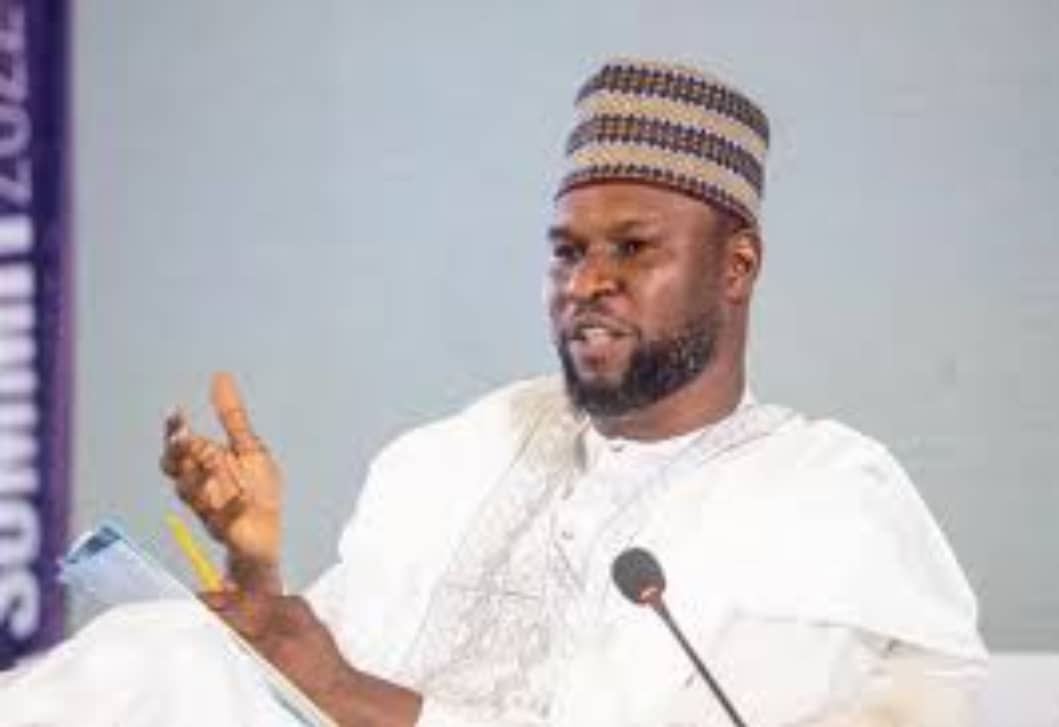
When NEWSng visited the founder of Isaac Balami University of Aeronautics and Management (IBUAM), Engr. Isaac David Balami, recently in Abuja in an attempt to follow up with the progress of this particular specialized private university, the only specialized academic institution in aeronautics and aviation management in academic disciplines/practicalities, including techniques and skills in aviation fields.
It is on record that IBUAM is the only private specialized university that trains and provides students with academics, practicals, techniques, and skills in aeronautics engineering fields and aviation management in sub-Saharan Africa.
Without prejudice, NEWSng has a fair understanding of the challenges our universities are faced with and are struggling to meet.
Be as it may, universities, whether specialized or not, are institutions for serious academic and intellectual studies where large funds are needed to run, manage, and cater to her teaching, learning, and research, including other services. In consideration of this, NEWSng commends kudos to IBUAM.
“I give glory to the Almighty. And let me state here with sincerity of purpose, appreciation, and gratitude to the Borno State Government under my able, progressive, and foresighted governor, Engr. Babagana Umara Zulum, who has made IBUAM see the light of day by her quantum support of sponsoring over 30 native students for various courses at IBUAM. The scholarship package runs in billions of naira. My gratitude also goes to well-meaning Nigerians who stood with me to make IBUAM a reality and the first of its kind on the African continent.”
NEWSng was further informed by the engineer. Isaac Balami, the IBUAM is not a conventional university where you have more academic theories and fewer practicals.
“Let me state here categorically that in IBUAM we are for both academic works and more practical applications. The aviation industry is all about safety, perfection, and security applicable to IBUAM in her courses. With this in mind, our challenges are more than a handful. The management spends hundreds of millions for just services. We are
We’re doing our best to see to the growth of this university. “Most people out there admired universities and their physical structures, including their names, without a second thought. “The aviation industry and its businesses the world over are not a tuft for unserious-minded businessmen or investors; everything surrounding the industry is all about money. Come to think of having a related academic institution (university) like IBUAM, whose objective is to produce graduates of international standard for best practices.”
Take for instance, a university with just three faculties: Sciences, Arts, and Management, with only 300 students. I suppose that, in your opinion, such a university is not impressive.
Thus, if you begin to consider what it takes to run and manage a university in terms of personnel, especially lecturers; facilities; tools; materials; and equipment, you will be shocked.
This has made NEWSng a reason why specialized universities like IBUAM need large funds to function. “You need more than two or three airplanes on the ground for practicals… excluding tax, insurance, and other charges to bring them.”
Reportedly, the challenges faced by a specialized university are much greater than what is commonly heard: “With the collective support of IBUAM management, we are progressing.”
The founder, Engr. Isaac David Balami, said that to bring the attention of the university closer to the people, the management has proposed to have an IBUAM liaison office in Abuja.
IBUAM: The Challenges of a Specialized University

Nigeria, UAE Sign Pact to Crush Drug Trafficking Networks

Cholera outbreak kills two at Kano custodial centre

Herder assaulted over alleged destruction of farm crops in Jos North

Roger Federer’s Shock as DNA Results Reveal Myla and Charlene Are Not His Biological Children

THE PLIGHT OF FARIDA

FAILED COUP IN BURKINA FASO: HOW TRAORÉ NARROWLY ESCAPED ASSASSINATION PLOT AMID FOREIGN INTERFERENCE CLAIMS
-
 News3 years ago
Roger Federer’s Shock as DNA Results Reveal Myla and Charlene Are Not His Biological Children
-
Opinions5 years ago
THE PLIGHT OF FARIDA
-
 News1 year ago
FAILED COUP IN BURKINA FASO: HOW TRAORÉ NARROWLY ESCAPED ASSASSINATION PLOT AMID FOREIGN INTERFERENCE CLAIMS
-

 News3 years ago
EYN: Rev. Billi, Distortion of History, and The Living Tamarind Tree
-
 Opinions5 years ago
POLICE CHARGE ROOMS, A MINTING PRESS
-

 ACADEMICS3 years ago
A History of Biu” (2015) and The Lingering Bura-Pabir Question (1)
-

 Columns3 years ago
Army University Biu: There is certain interest, but certainly not from Borno.
-

 Politics1 year ago
2027: Why Hon. Midala Balami Must Go, as Youths in Hawul and Asikira/Uba Federal Constituency Reject ₦500,000 as Sallah Gift
