
News
Buhari inspects ruins of Maiduguri Monday Market

Buhari inspects ruins of Maiduguri Monday Market
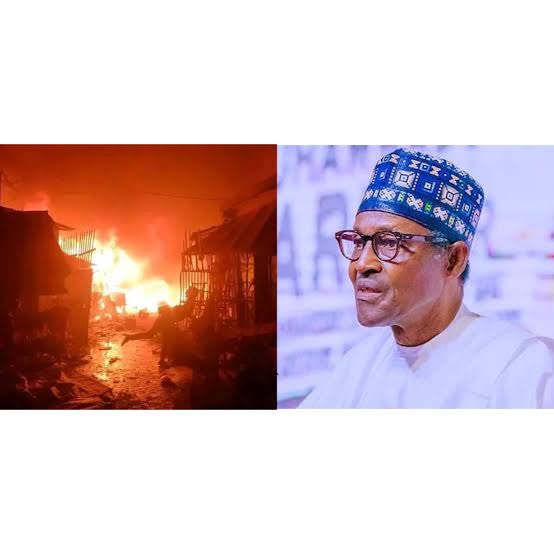
President Muhammadu Buhari on Thursday inspected the ruins of Maiduguri Monday Market, destroyed by fire recently, commiserating with the government and people of Borno on the unfortunate incident.
The president was also at the palace of the Shehu of Borno, Alhaji Abubakar El-Kanemi, to register his profound condolences to the victims who lost property and means of livelihood in the disaster.
Malam Garba Shehu, the President’s spokesman, who confirmed this in a statement, said the president also visited the market, still smouldering five days after.
The president was accompanied by Gov. Babagana Zulum of Borno, Vice President-elect Kashim Shettima, members of the Federal Executive Council and some eminent citizens of the state.
The Minister of Humanitarian Affairs, Disaster Management and Social Development, Hajiya Sadiya Farouq, told the president that assessment on the level of damage is still ongoing.
She announced that the Federal Government had provided immediate relief materials to the victims of the fire incident, including 20,000 bags of rice, 20,000 bags of maize and condiments.
The minister pledged that the ministry, in collaboration with the Borno Government, would provide building materials to reconstruct the market.
“After the assessment, the Ministry will submit a full report to Mr President to seek special intervention,” she said.
Zulum said the market, which was built in the 1970s, with no fewer than 20,000 beneficiaries was completely destroyed by the fire.
He acknowledged the support by the Federal Ministry of Humanitarian Affairs.
The governor revealed that the state government had provided an immediate support of N1 billion.
“Even the N1 billion, if the traders share N50,000 each, I do not think that will be enough for them,” he said.
The Chairman of the Market Association, Alhaji Awaji Bukar, expressed deep appreciation to the president for the visit, appealing for more support from the federal government.
Earlier at the palace of the Shehu of Borno, Buhari said he was also in the state to inaugurate projects executed by the Zulum-led administration.
“I am delighted to be here with the Shehu and the good people of Borno State, to commiserate with you on the unfortunate Monday Market fire incident.
“I’m pleased to be back to commission projects and be part of the unstoppable development drive of this great state.
“I’m equally happy that the state continues to strive for the normalisation of its affairs following the enormous successes achieved in tackling the problem of security that had reached worrying heights in the past.
“I like to put on record my deep and sincere appreciation of the love and support of the people of Borno State. I don’t take this for granted.
“May Allah increase His blessings upon the Shehu and his people. God bless the Federal Republic of Nigeria,’’ he wrote in the Visitor’s Notebook at the palace.
The Shehu of Borno thanked Buhari for overseeing the return of peace and normalcy to the state.
While lauding the improved security situation in the tate, the traditional ruler declared that “no single local government area in the state is under the control of Boko Haram terrorists”.
He said the president had successfully carried out his mission in office and that as far as Borno is concerned, he had done far more than anyone had expected.
He expressed their appreciation to the president for his sympathies following the devastating fire that consumed the entire Monday Market.
He enumerated the blessings of the Buhari administration in its eight years of office to the State:
“When you came in, we had more than two million Internally Displaced Persons, IDPs mostly women and children roaming the streets in Maiduguri.
”We had no power for two years; we had no GSM. We had no outgoing roads except that to Kano. Boko Haram had taken over the other roads.
“We had no Airport as the one here was damaged and therefore no commercial flights. Seventeen of the 27 local government councils were under Boko Haram.
”Today, no single local government area is under their control.
”You changed everything by transferring the Command-and-Control Centre of the anti-terrorism war to this place.
”We thank you for standing with us in our trying times. Together, we remain with you, in or out of office,” the Shehu, whom also the Chairman of the state council of chiefs, said.
Buhari inspects ruins of Maiduguri Monday Market



“Sustain the heritage of your emirate,” Buni tells the Ngazargamu council
By: Yahaya Wakili
Governor Mai Mala Buni of Yobe State has told the people of the Ngazargamu Emirate Council that the emirate is renowned for commerce and education; therefore, it is their collective responsibility to sustain and improve this great heritage.
Governor Buni stated this fact when the new emir of Ngazargamu and his subjects paid him a thank-you visit at the Government House, Damaturu.
He informed the people about development. He emphasized that a peaceful atmosphere is essential for achieving development and progress. under a peaceful atmosphere and beyond.
Governor Mai Mala Buni charged the people of the emirate to unite and support the new emir, Alhaji Mahmud Ibn Mustapha, for a successful reign of office that would benefit all the people of the emirate and Yobe State at large.
Speaking earlier on behalf of the emirate, the Waziri of the Ngazargamu emirate, Alhaji Baba Kankare, thanked Governor Buni for approving the people’s choice as the new emir.
He said, “Your Excellency, you gave us our choice, the people’s will. We appreciate you very much. Thank you, sir,” Alhaji Kankare said.
“Sustain the heritage of your emirate,” Buni tells the Ngazargamu council
Crime
Oriire Kidnap: FG Arraigns Ansaru Commanders, Mahmuda, Abu Baraa and The Three New Suspects Arrested By DSS On Fresh Charges of Terrorism, Murder of Teachers
Oriire Kidnap: FG Arraigns Ansaru Commanders, Mahmuda, Abu Baraa and The Three New Suspects Arrested By DSS On Fresh Charges of Terrorism, Murder of Teachers
By: Zagazola Makama
The Federal government, on Wednesday, arraigned two commanders of the Ansaru terrorist organization captured by the Department of State Services (DSS),
and their three foot soldiers, for terrorism, kidnapping and murder of two teachers of schools in Orire LGA of Oyo State.
The five suspects were arraigned before Justice Salim Ibrahin of the federal high Court, Abuja.
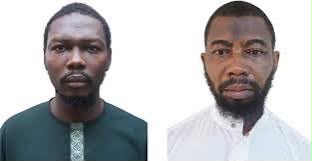
In August 2025, DSS operatives captured Mahmuda top commander, Abubakar Abba Mahmuda Abu Bara’a and his deputy, Abubakar Abbas aka Mallam Mahmuda Al-Nigeri.
According to security sources, after the capture, Ansaru made two attempts- one in December 2025, and another in February 2026, to free their commanders. However, the attempts were reportedly foiled by DSS intelligence to the state security council, after which the secret police continued to update intelligence on the group’s activities.
On May 15, 2026, several armed men belonging to Ansaru terror group stormed some schools in Oriire LGA of Oyo State, kidnapping 46 people made up of 39 students and seven teachers. Apparently, to mount pressure on government to release their two captured commanders in DSS’ custody, the terrorists killed two of the teachers.
On July 10, 2026, however, security forces from the DSS and the military, police and other security agencies, stormed the forest where the terrorists were holding the abductees, freeing the hostages.
During the rescue operation, DSS operatives captured three more members of the Ansaru terror organization- Abdulrazak Umar, Yunusa Musa, and Shamsu Adamu Sani.
On July 23, the three men pleaded guilty to concealing information regarding the Oriire school kidnapping and for membership in the proscribed Darul Salam/Ansaru group. They were promptly handed life imprisonment.
Relatedly, a Federal High Court in Abuja, last week, sentenced Mahmud Usman (Abu Bara’a) and his deputy Mahmud al-Nigeri, to life imprisonment after they both pleaded guilty to some charges in the 32-count charge of belonging to a terrorist organization, among other charges.
After the sentencing, feelers from the DSS suggested that the secret police was dissatisfied with the judgement and was going to appeal.
However, in a fresh twist, the DSS, on Wednesday, changed strategy, opting to arraign the terrorist commanders and three of their foot soldiers on fresh charges of terrorism, kidnapping and murder of persons in Oriire LGA.
Justice Salim adjourned the matter to September 24 for the commencement of trial. He ordered that the five suspects remain in the custody of the DSS.
Oriire Kidnap: FG Arraigns Ansaru Commanders, Mahmuda, Abu Baraa and The Three New Suspects Arrested By DSS On Fresh Charges of Terrorism, Murder of Teachers
NCoS Prioritises Inmates’ Healthcare, Mental Wellbeing, Expands Access to Health Insurance
By: Michael Mike
The Nigerian Correctional Service (NCoS) has intensified efforts to improve healthcare delivery in custodial centres across the country, placing renewed emphasis on the health of female inmates, mental healthcare and the enrolment of inmates into the National Health Insurance Scheme (NHIS).
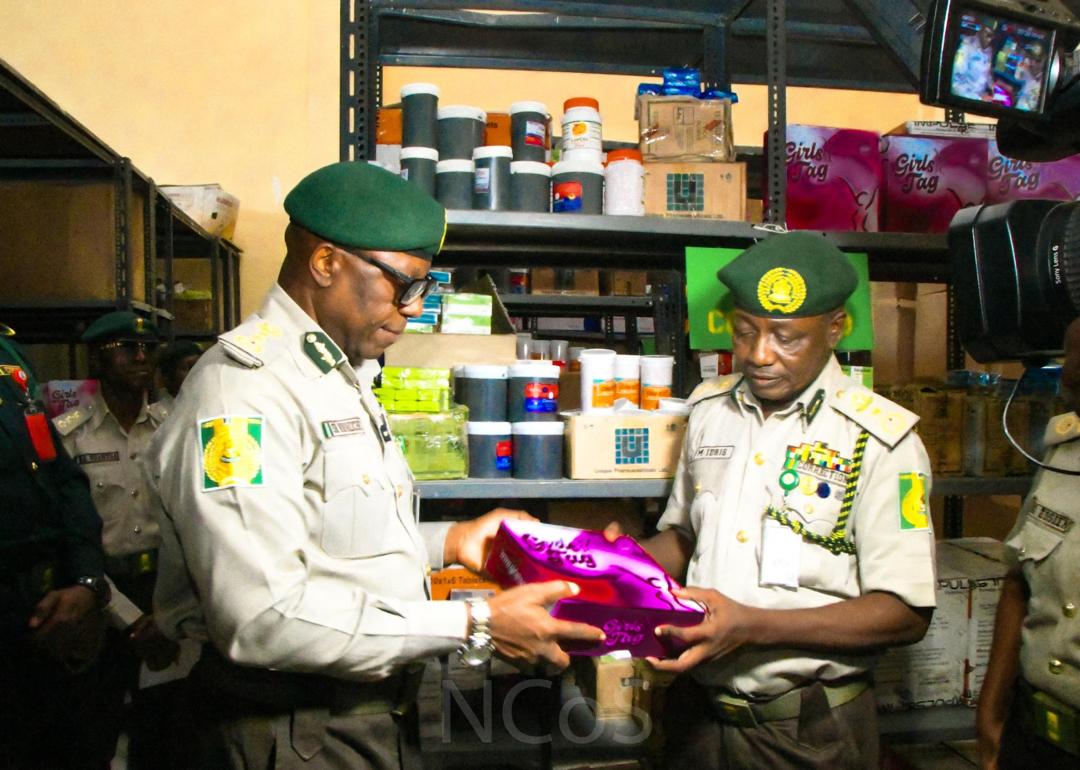
The Controller-General of Corrections, Sylvester Nwakuche, disclosed this on Wednesday at the flag-off of the second phase of the 2026 nationwide distribution of essential drugs and medicaments to commands and custodial facilities.
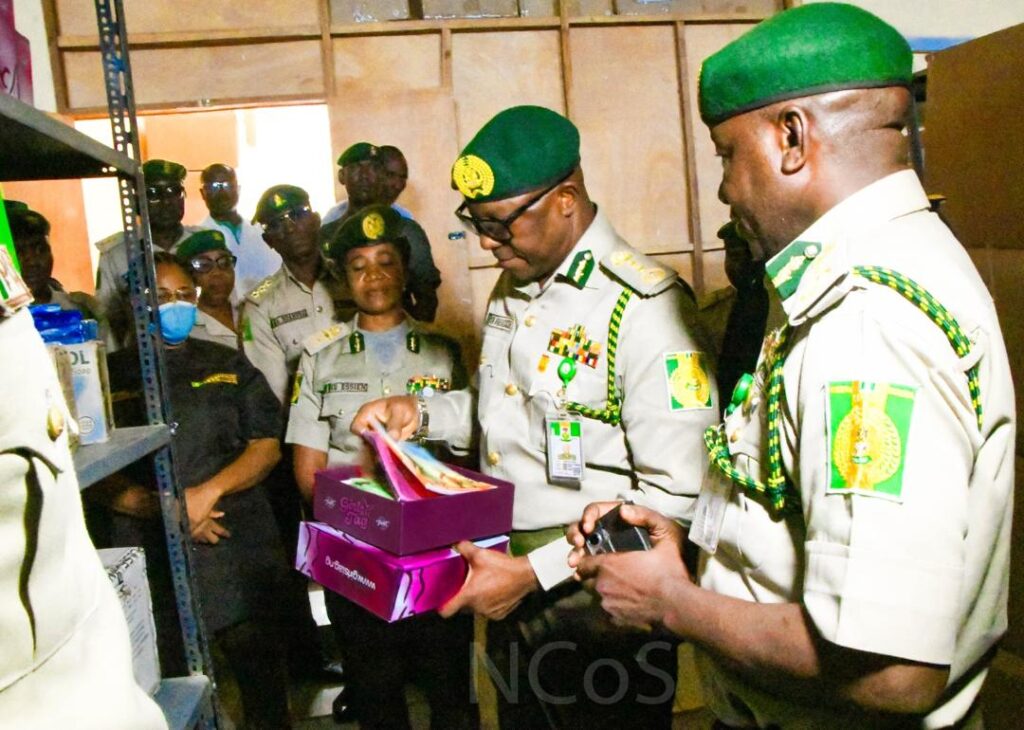
Nwakuche said the initiative forms part of the Service’s broader healthcare reform programme designed to ensure humane custody and quality medical services in line with the provisions of the Nigerian Correctional Service Act, 2019.
He explained that the quarterly distribution of medicines would strengthen healthcare delivery, reduce the burden of diseases, improve mental health support and contribute to the rehabilitation and reformation of inmates.
The Controller-General said the Service has accorded priority attention to the healthcare needs of female inmates, describing them as one of the most vulnerable groups within correctional facilities.
According to him, the administration has deliberately focused on addressing their unique medical needs, particularly menstrual hygiene management and other gender-specific sanitary requirements, to preserve their dignity and wellbeing.
Nwakuche also disclosed that the Service was working towards enrolling inmates into the National Health Insurance Scheme to guarantee sustainable access to quality healthcare nationwide.
He noted that while some state governments had already enrolled inmates into their respective state health insurance schemes, discussions were at an advanced stage to secure nationwide coverage under the framework of the National Health Insurance Authority.
“This initiative reflects our commitment to protecting the health, dignity and overall wellbeing of inmates while strengthening the correctional system’s capacity to deliver humane custody and effective rehabilitation,” he said.
The Assistant Controller-General of Corrections in charge of Medical Services, Glory Essien, described the distribution of essential medicines as another milestone in the Service’s ongoing healthcare reforms.
She said the intervention would significantly improve inmates’ health and reduce the risk of epidemics and communicable diseases in custodial centres across the country.
Essien urged caregivers and medical personnel in all commands to ensure that the drugs were used judiciously and strictly for their intended medical purposes in line with professional and ethical standards.
On accountability, the Assistant Controller-General in charge of Pharmacy, Muhammed Bashir, said the Service had institutionalised a robust monitoring and reporting mechanism to ensure that all medicines distributed reached the intended beneficiaries.
According to him, the framework provides effective oversight of pharmaceutical supplies, promotes transparency in drug management and guarantees accountability in the utilisation of medical resources.
Nwakuche expressed appreciation to President Bola Ahmed Tinubu for supporting correctional reforms and commended the Minister of Interior, Dr. Olubunmi Tunji-Ojo, for interventions aimed at improving healthcare delivery and inmates’ welfare.
He reaffirmed the Service’s commitment to sustaining reforms that protect inmates’ health and mental wellbeing while advancing its core mandates of safe custody, rehabilitation, reformation and successful reintegration into society.
The latest distribution of essential medicines is part of the NCoS’ quarterly medical intervention programme, which seeks to strengthen healthcare infrastructure across custodial centres amid growing emphasis on human rights, rehabilitation and the welfare of inmates under Nigeria’s correctional system.
NCoS Prioritises Inmates’ Healthcare, Mental Wellbeing, Expands Access to Health Insurance

“Sustain the heritage of your emirate,” Buni tells the Ngazargamu council

VP Shettima: We Must Praise President Tinubu For Establishing Regional Development Commissions

Oriire Kidnap: FG Arraigns Ansaru Commanders, Mahmuda, Abu Baraa and The Three New Suspects Arrested By DSS On Fresh Charges of Terrorism, Murder of Teachers

Roger Federer’s Shock as DNA Results Reveal Myla and Charlene Are Not His Biological Children

THE PLIGHT OF FARIDA

FAILED COUP IN BURKINA FASO: HOW TRAORÉ NARROWLY ESCAPED ASSASSINATION PLOT AMID FOREIGN INTERFERENCE CLAIMS
-
 News2 years ago
Roger Federer’s Shock as DNA Results Reveal Myla and Charlene Are Not His Biological Children
-
Opinions4 years ago
THE PLIGHT OF FARIDA
-
 News1 year ago
FAILED COUP IN BURKINA FASO: HOW TRAORÉ NARROWLY ESCAPED ASSASSINATION PLOT AMID FOREIGN INTERFERENCE CLAIMS
-

 News2 years ago
EYN: Rev. Billi, Distortion of History, and The Living Tamarind Tree
-
 Opinions5 years ago
POLICE CHARGE ROOMS, A MINTING PRESS
-

 ACADEMICS2 years ago
A History of Biu” (2015) and The Lingering Bura-Pabir Question (1)
-

 Columns2 years ago
Army University Biu: There is certain interest, but certainly not from Borno.
-

 Politics1 year ago
2027: Why Hon. Midala Balami Must Go, as Youths in Hawul and Asikira/Uba Federal Constituency Reject ₦500,000 as Sallah Gift
